Toronto Timeline
Time immemorial - 1793
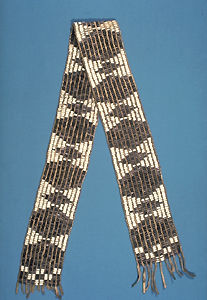
The Dish With One Spoon Wampum Covenant extended to European settlers
The "Dish with One Spoon" covenant was originally a treaty between the Haudenosaunee and the Anishinaabe peoples, recognizing how the various peoples (the spoon) must communally and peacefully live off of the land (the dish). In 1701, this covenant was extended to the French settlers and ratified during the "Great Peace of Montreal."
Explore more
1793
Fort York is Established
On this day, York was named the "temporary" capital of Upper Canada by Lieutenant-Governor John Graves Simcoe after he gave up on his idea to base the captial in the nearby city of London. Three years later, York would become the permanent capital.
Explore more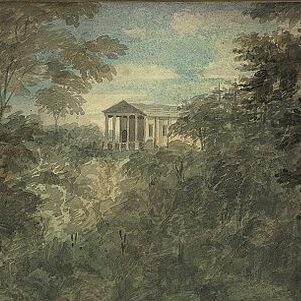
1793
John Graves Simcoe obtains 200 acres of land for his son
In 1793, John Simcoe, the Lieutenant-Governor of Canada, wanted a summer cottage. So he built a relatively basic log cabin and thought it would be funny to name it Castle Frank (after his son).
Explore more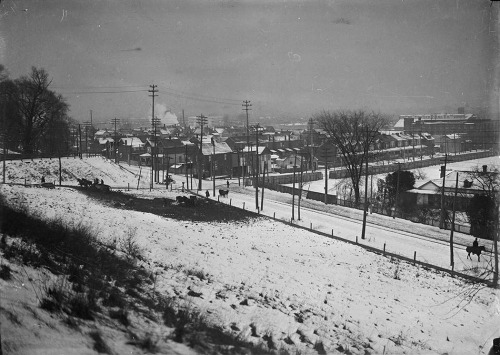
1797
A portion of traditional 13,000 year old trail, Gete-Onigaming, renamed Davenport Rd
Today, Davenport Road and Toronto’s waterfront feel worlds apart. But thousands of years ago, they were closely connected.
Explore more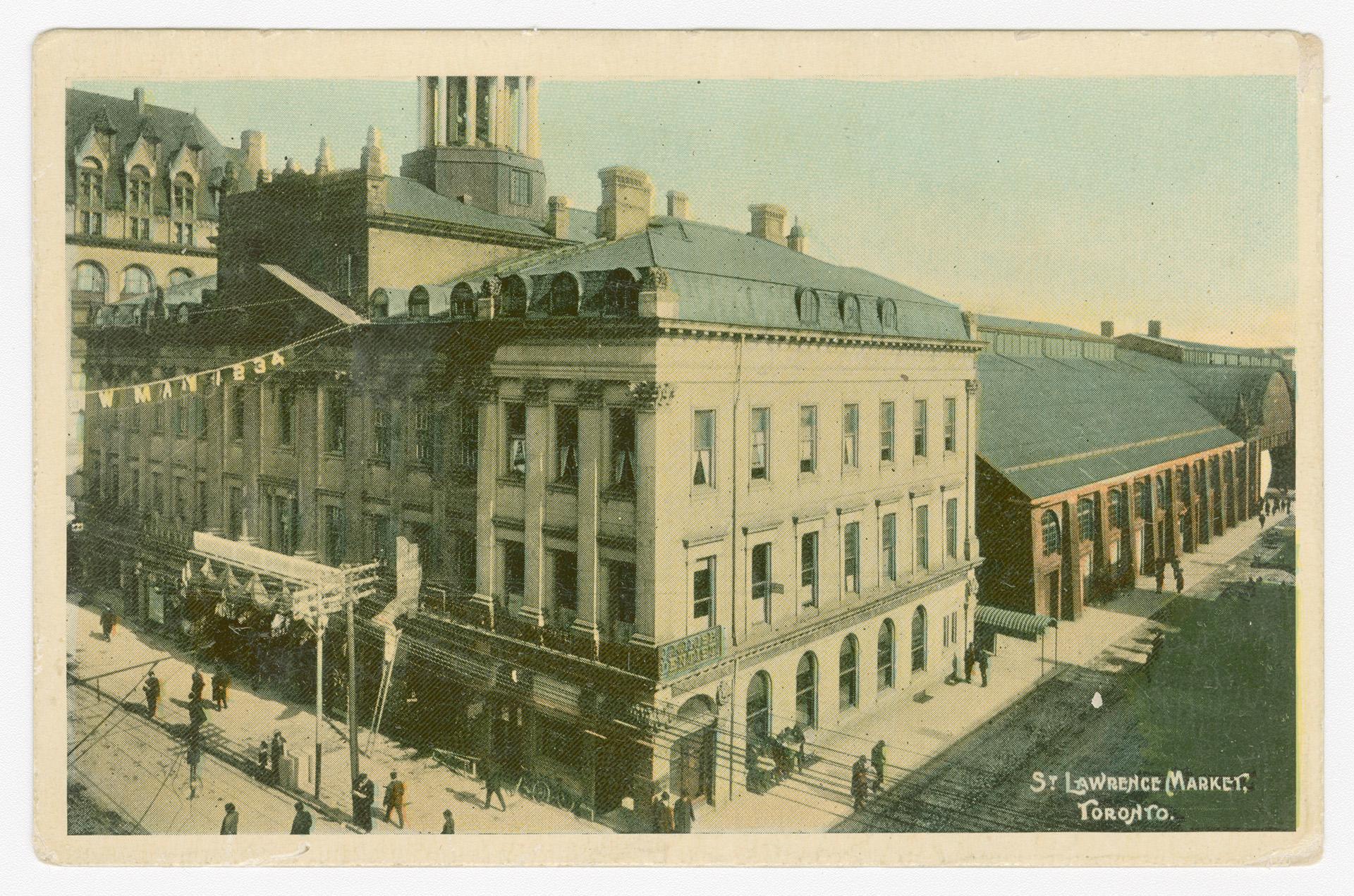
1803
St. Lawrence Market opens
Lieutenant Governor Peter Hunter designated the site for the market at Front and Jarvis Streets. It was the only place where people could legally buy milk, eggs, butter, meat and other animal by-products on Saturdays, which quickly made St. Lawrence Market a massive draw for weekend shopping.
Explore more
1817
Ridout and Jarvis face-off in Toronto's last fatal duel
Toronto’s last fatal duel took place near the present-day intersection of Bay and Grosvenor Streets — an area that was farmland at the time.
Explore more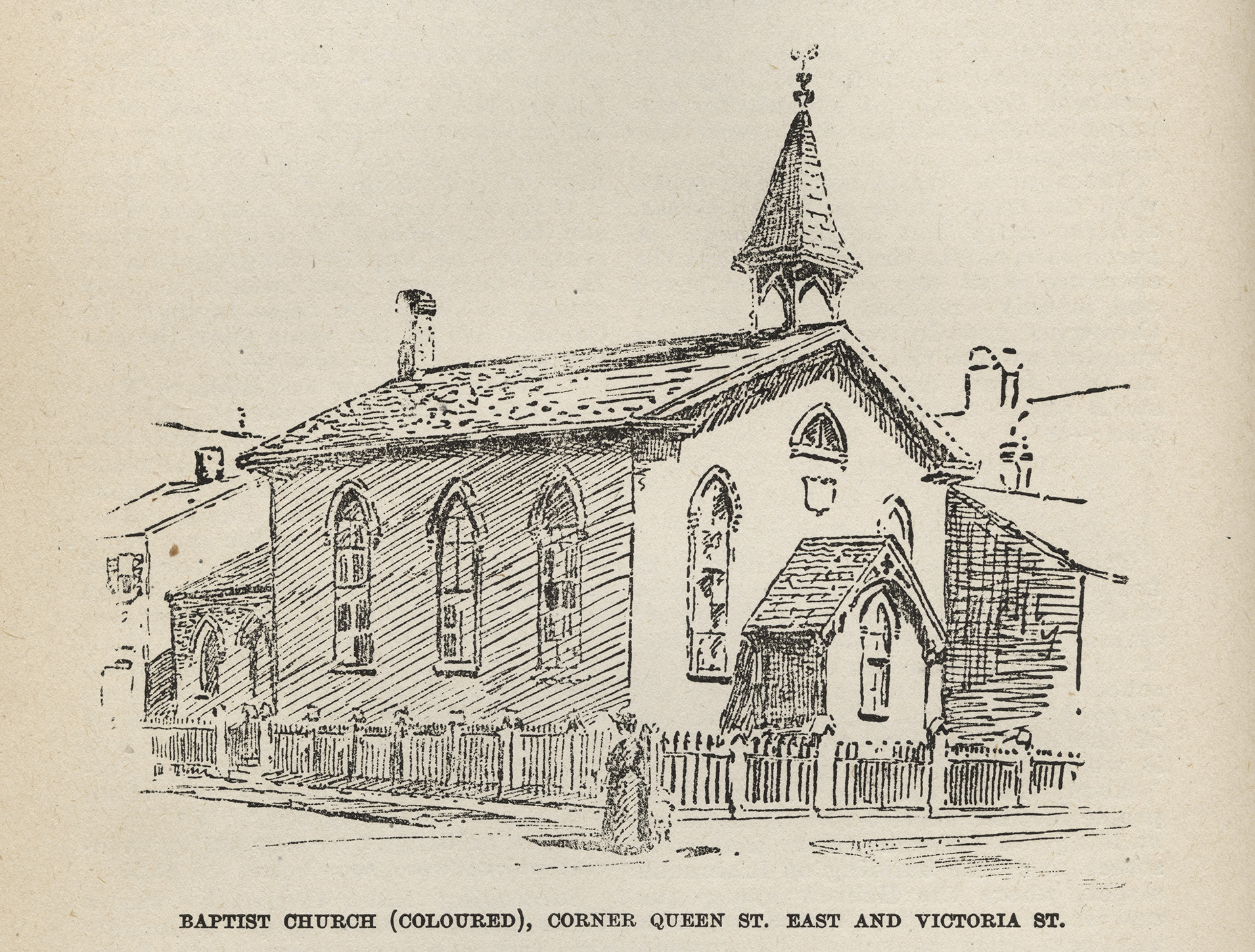
1826
Freedom seekers settle in Toronto and found the city's first Baptist Church
A group of Freedom Seekers trying to escape slavery in the US arrive in Toronto and found the First Baptist Church (FBC), holding their first service on the coast of Lake Ontario. The congregation is recognized as the first and oldest Black institution in Toronto.
Explore more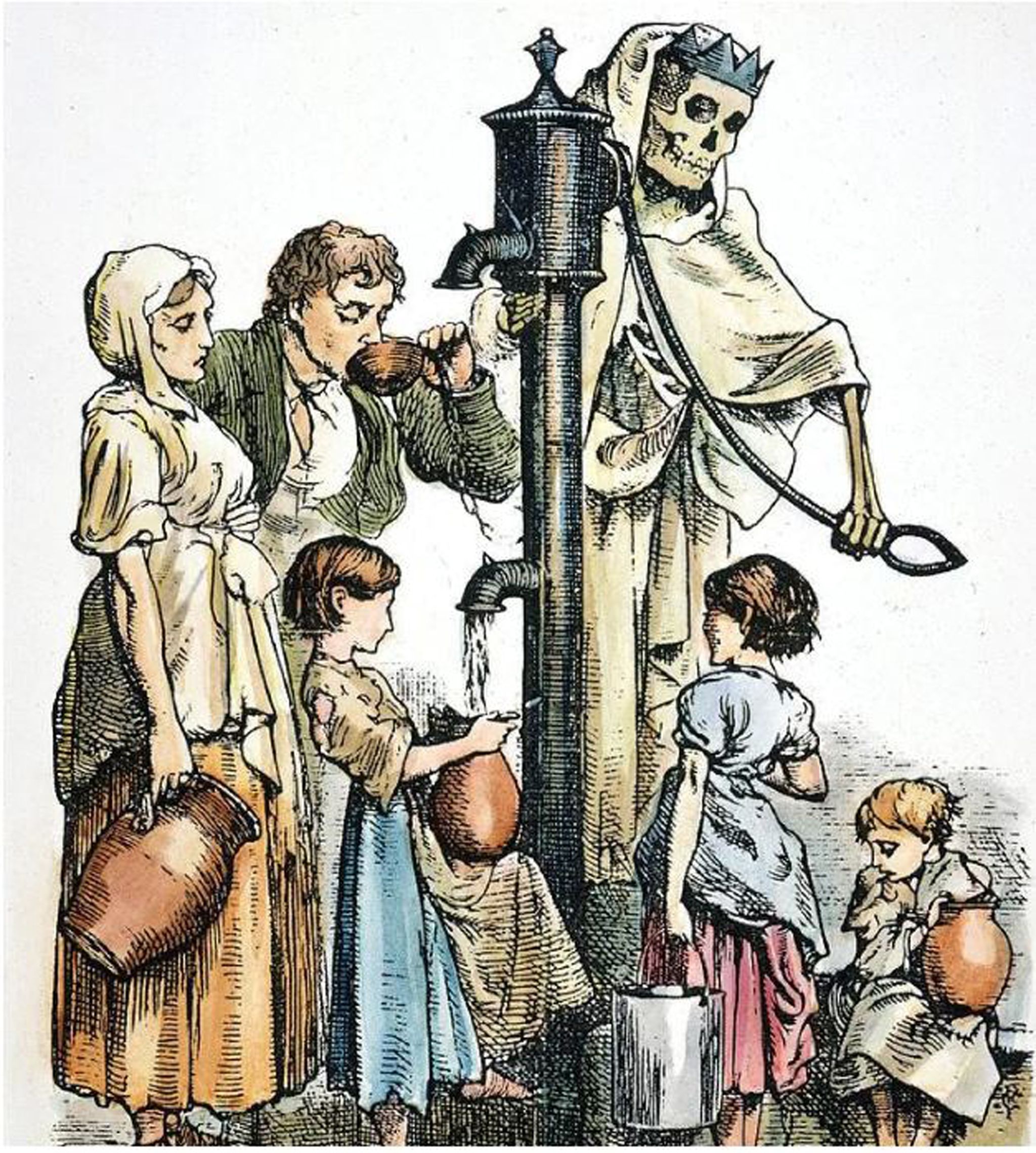
1832
Toronto's first cholera outbreak begins
From 1832 to 1834, waves of immigrants entered Toronto after months of sea travel across the Atlantic. Sadly, the squalid, confined conditions of the ships made it ideal for the spread of cholera, which went on to ravage the city of York. A cholera pit (mass grave) was started at what we now call St. James Park. Over 5000 unmarked graves were found at that site.
Explore more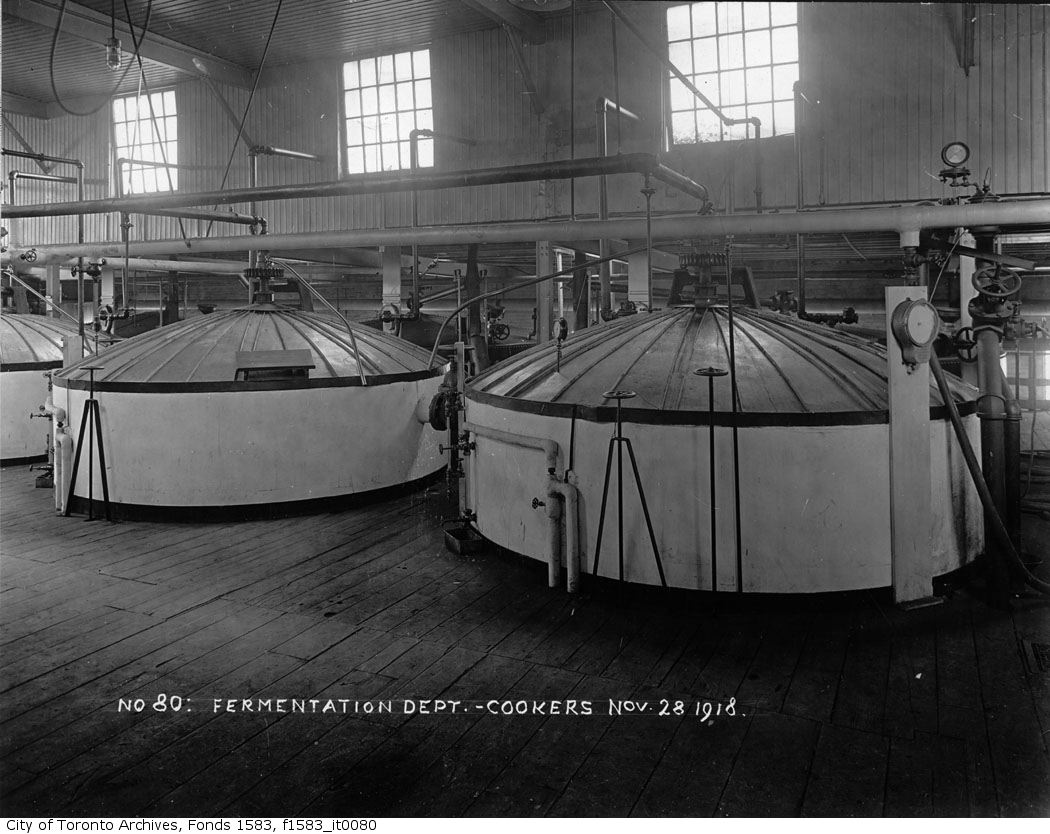
1834
James Worts begins to haunt the Distillery District
The Distillery district is considered to be one of Toronto's most haunted locales, namely because of the tragedy of James Worts. One of the partners of whiskey company Gooderham & Worts, James would go on to commit suicide by drowning in one of the distillery's vats short after the death of his wife, Elizabeth.
Explore more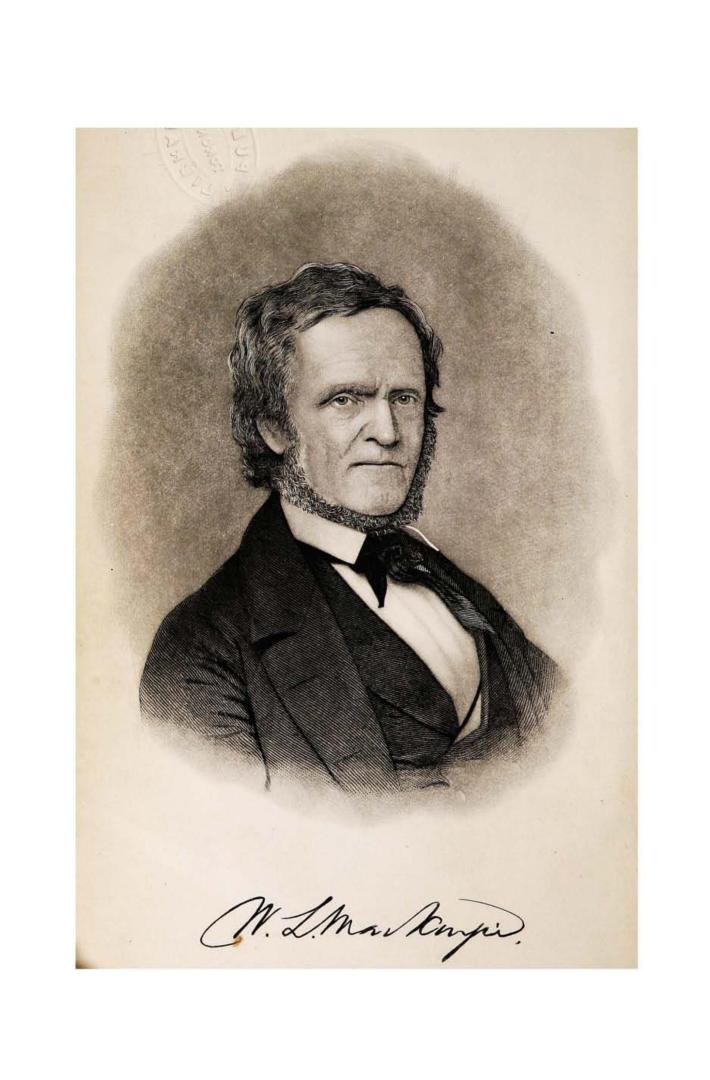
1837
Mackenzie leads a rebellion against the government
The Toronto Rebellion may sound distant from the city we know today, but one of its most important moments unfolded near present-day Yonge Street and Eglinton Avenue.
Explore more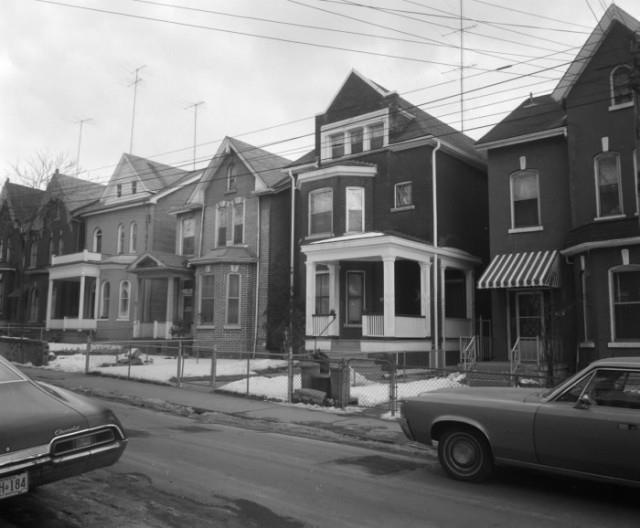
1840
Arrival of Irish Immigrants through the 1840s
Impoverished families fleeing the Great Famine arrive on the eastern edges of Toronto.
Explore more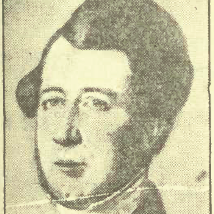
1846
Mayor Boulton linked to secret brothel on King St.
Toronto’s political history has never been free of scandal.
Explore more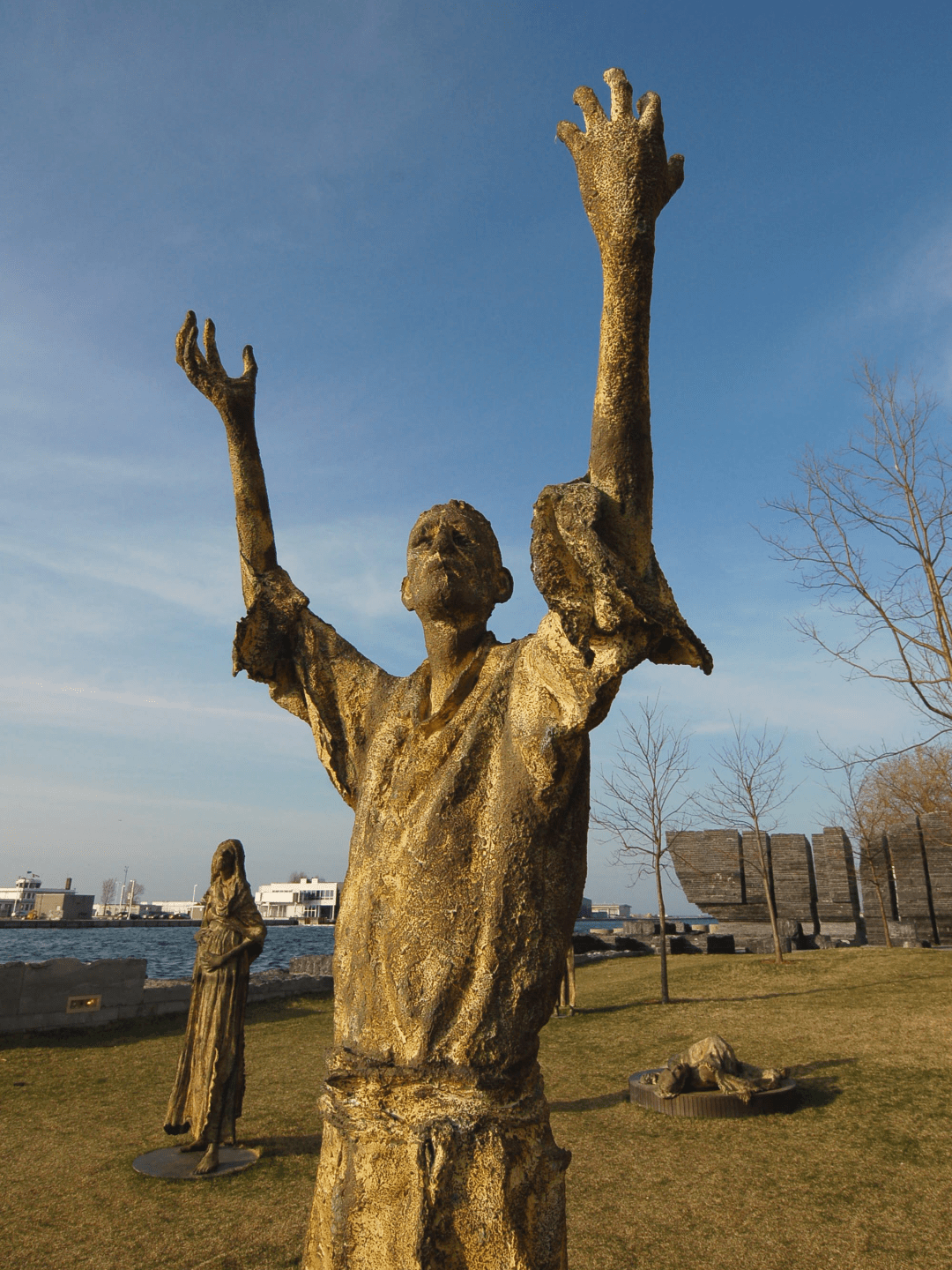
1847
38,000 Irish famine refugees flee to Toronto
Toronto receives massive waves of refugee as neighbouring cities like New York turn ships away over fear of the disease. Many landed directly at Toronto’s docks, specifically at the foot of Simcoe Street.
Explore more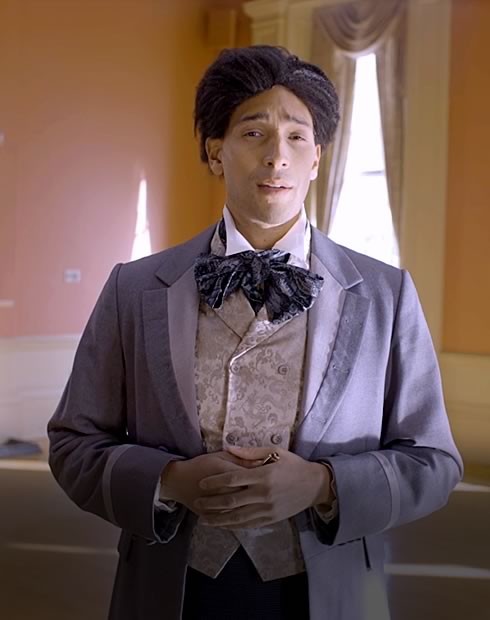
1851
Frederick Douglass Speaks at St. Lawrence Hall
While Frederick Douglass did not attend the North American Convention of Colored Freemen in 1851, he did lead lectures at St. Lawrence Hall in the months leading up to the event. This was one of the lectures that galvanized the Anti-Slavery Society of Canada to hold the convention from September 11 to September 13 that year.
Explore more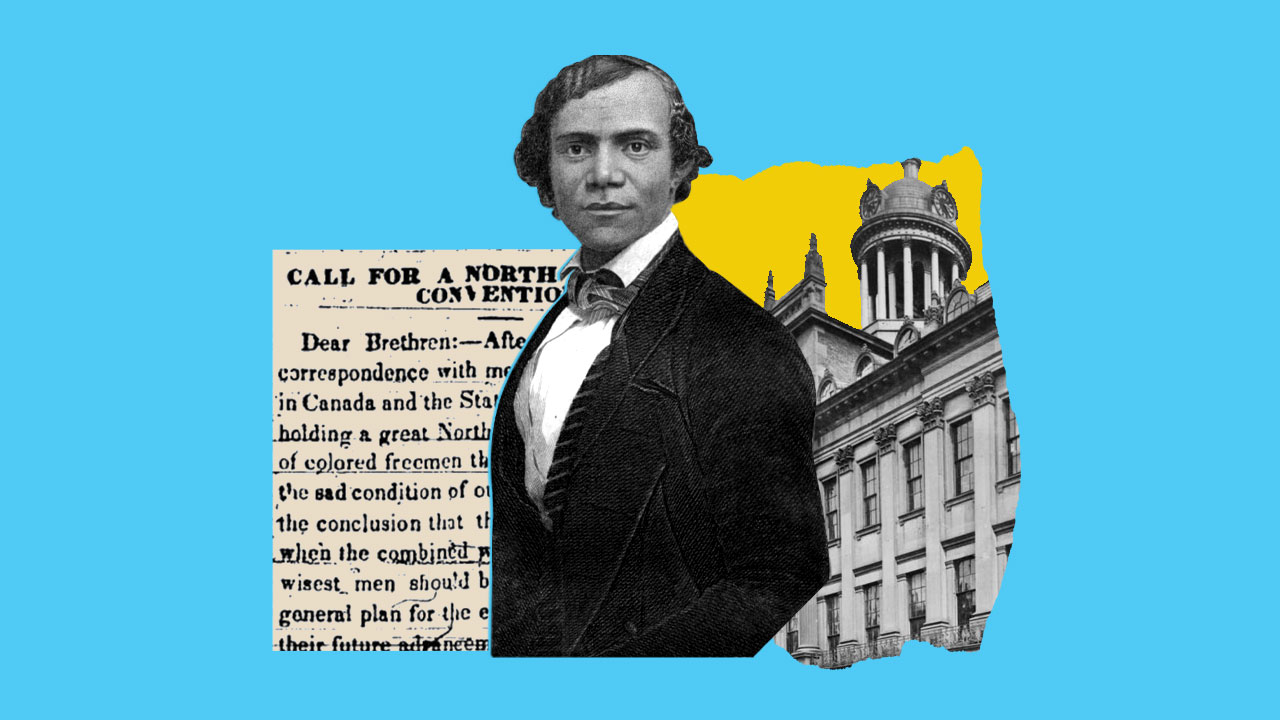
1851
North American Convention of Colored Freemen
In 1851, Toronto was a hub for abolitionist activities and anti-slavery gatherings. Leading figures in the abolitionist movement included Henry Bibb, Mary Bibb, Frederick Douglass, and Mary Ann Shadd
Explore more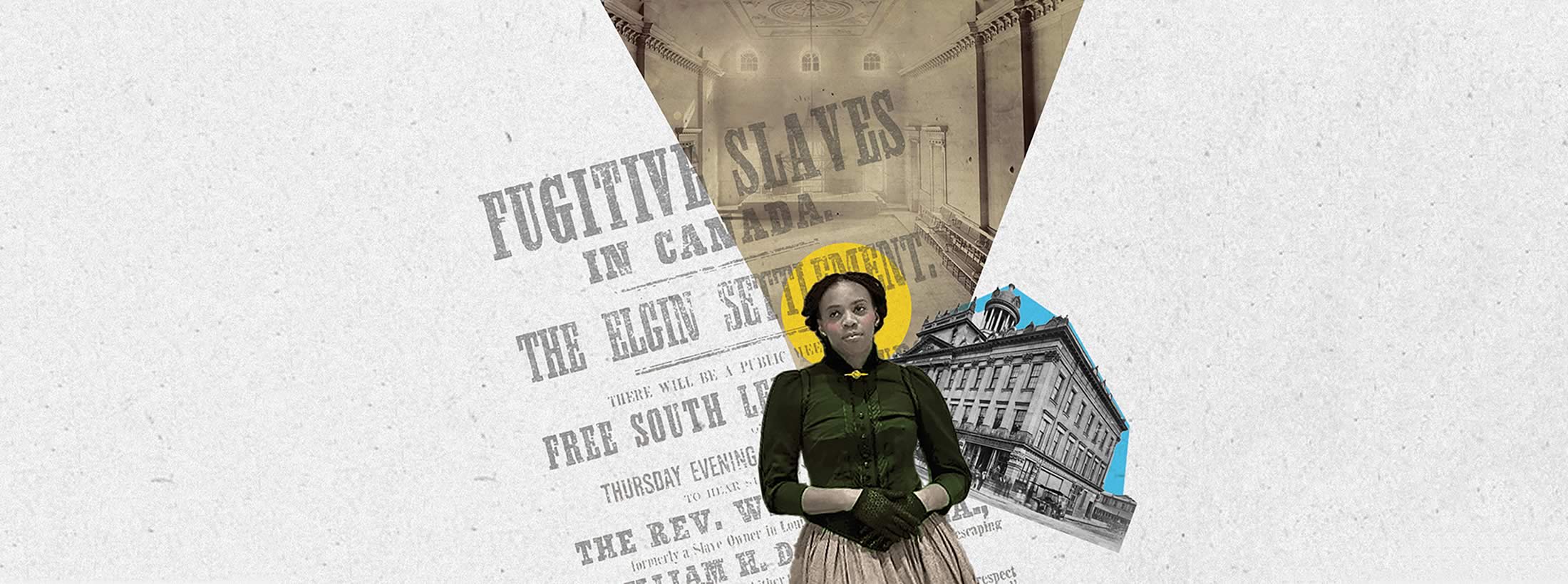
1851
The North American Convention of Colored Freemen is Held at St. Lawrence Hall
In 1851, Toronto was a hub for abolitionist activities and anti-slavery gatherings. Leading figures in the abolitionist movement included Henry Bibb, Mary Bibb, Frederick Douglass, and Mary Ann Shadd Cary, who all participated in anti-slavery activities in Toronto. The North American Convention of Colored Freemen was a major example of these gatherings, a three day convention at St. Lawrence Hall in Toronto from September 11-13, 1851.
Explore more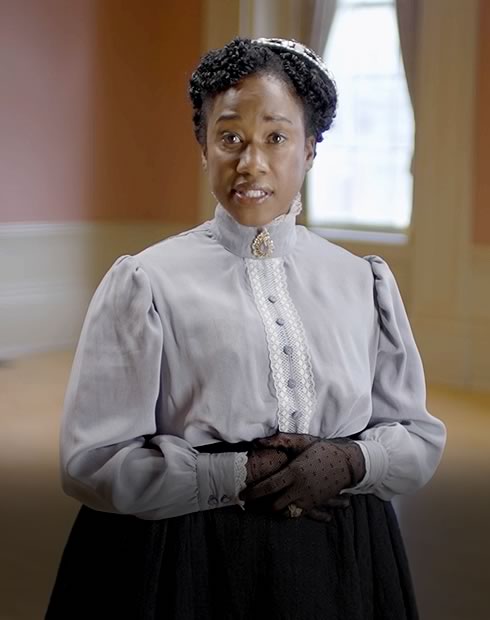
1852
Abolitionist and Educator Mary E. Bibb Opens a School In Windsor
Mary Bibb was born free in Rhode Island, and attended Massachusetts State Normal School to train to be a teacher. She was active in the abolitionist movement and met Henry Bibb at an abolitionist event in 1847. Together, they moved to Sandwich and started the Voice of the Fugitive newspaper and ran the Refugee Home Society.
Explore more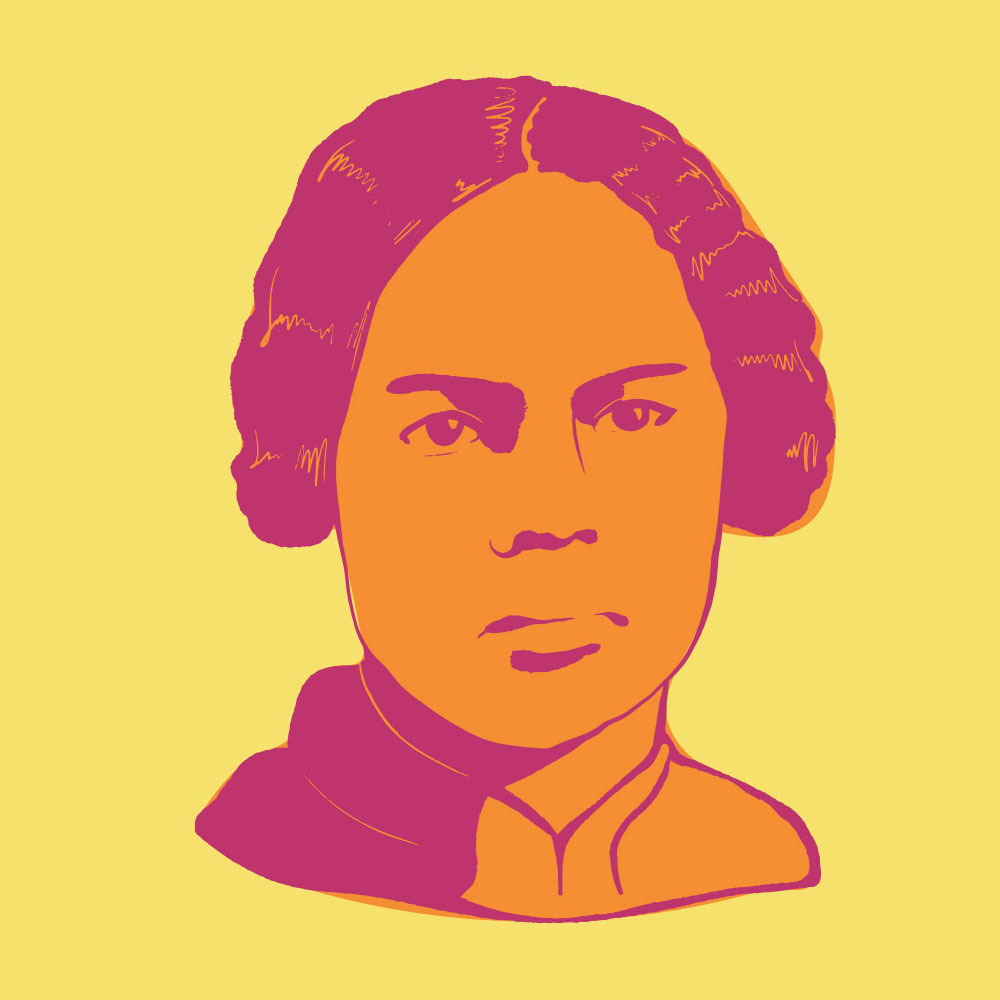
1854
Mary Ann Shadd Cary moves The Provincial Freeman publishing to Toronto
After founding the paper a year earlier, Shadd Cary moves the printing and editorial operations to Toronto, setting up at a location on present-day King Street East.
Explore more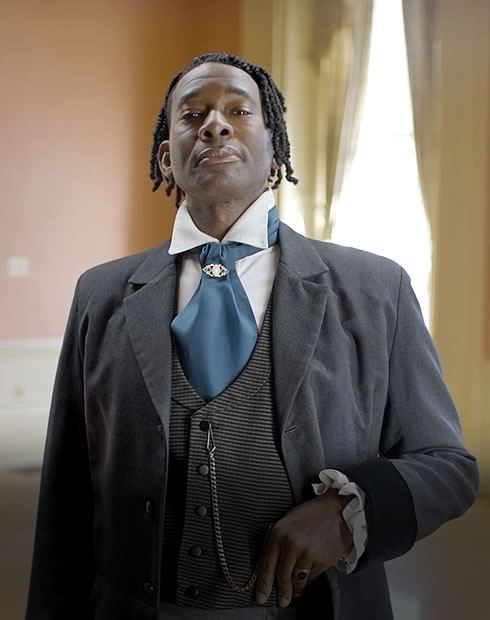
1854
Abolitionist Henry Bibb Dies, Four Years After Escaping to Canada
Born into slavery in Kentucky, Henry Bibb eventually escaped and joined the Anti-Slavery movement, travelling across the States to lecture. In 1850 the Fugitive Slave Act was passed. The Bibbs migrated to Canada and settled in Sandwich (present day Windsor, Ontario), where Henry and Mary began publishing the first Black newspaper in Canada, the Voice of the Fugitive.
Explore more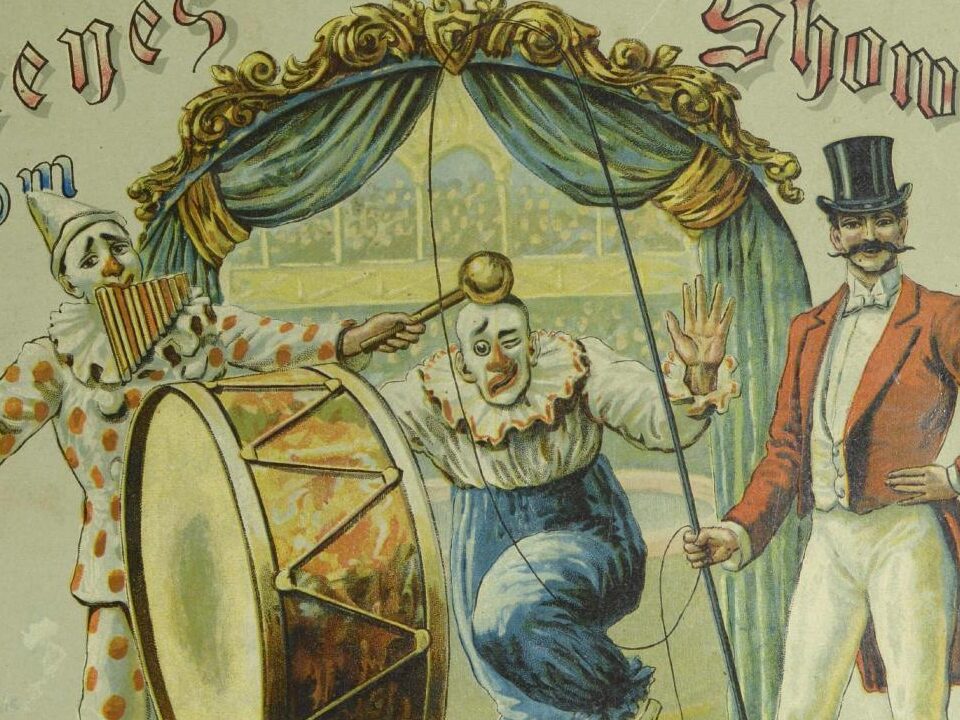
1855
The Circus Riots take place near St. Lawrence Market
In 1855, a visiting American circus troupe found themselves at the centre of one of Toronto’s strangest public riots.
Explore more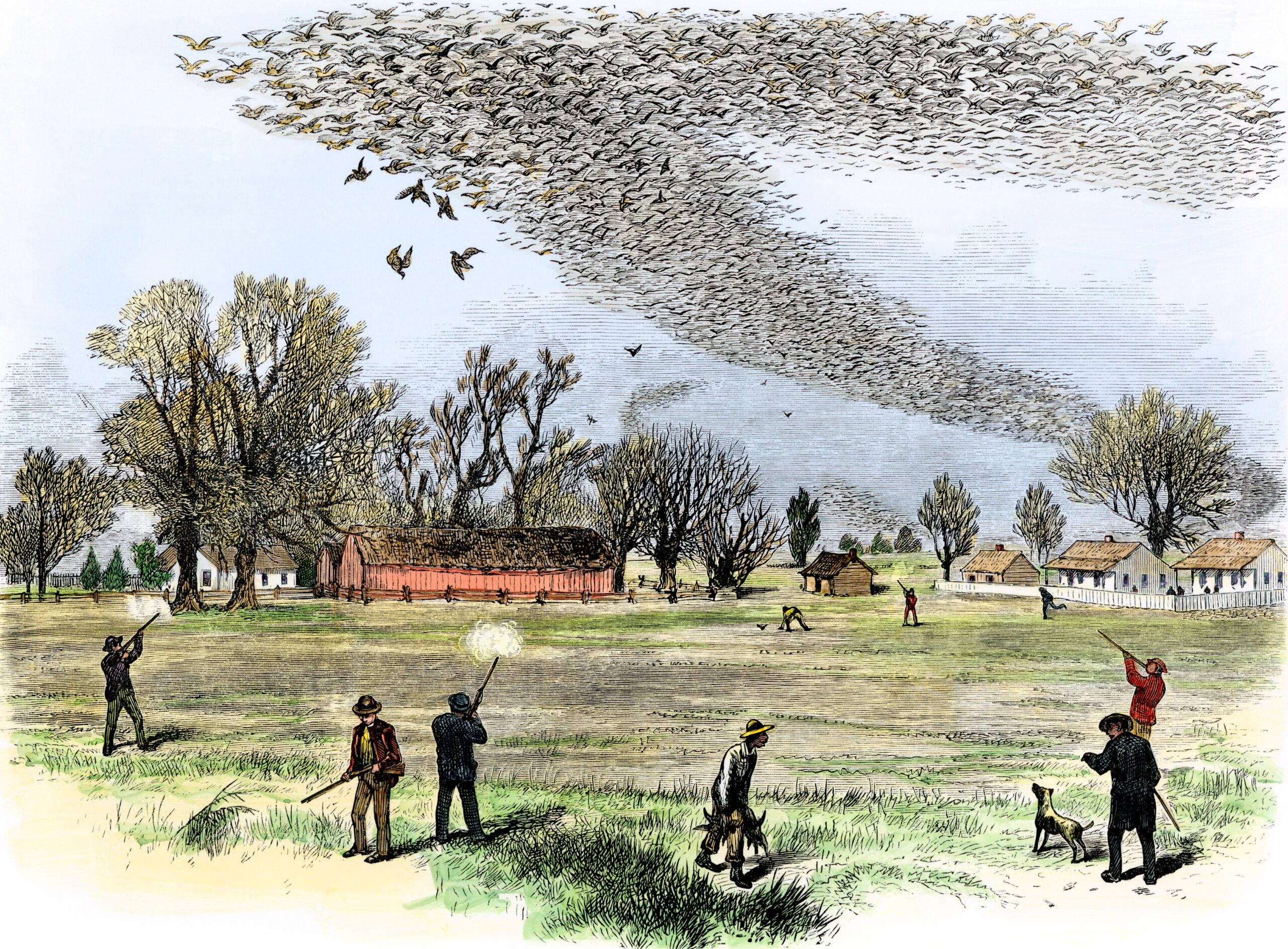
1856
Mimico was named after now extinct pigeons
Mimico was named for the vast flocks of passenger pigeons that once filled the skies over Toronto, so many that their migration darkened the horizon and sounded like thunder.
Explore more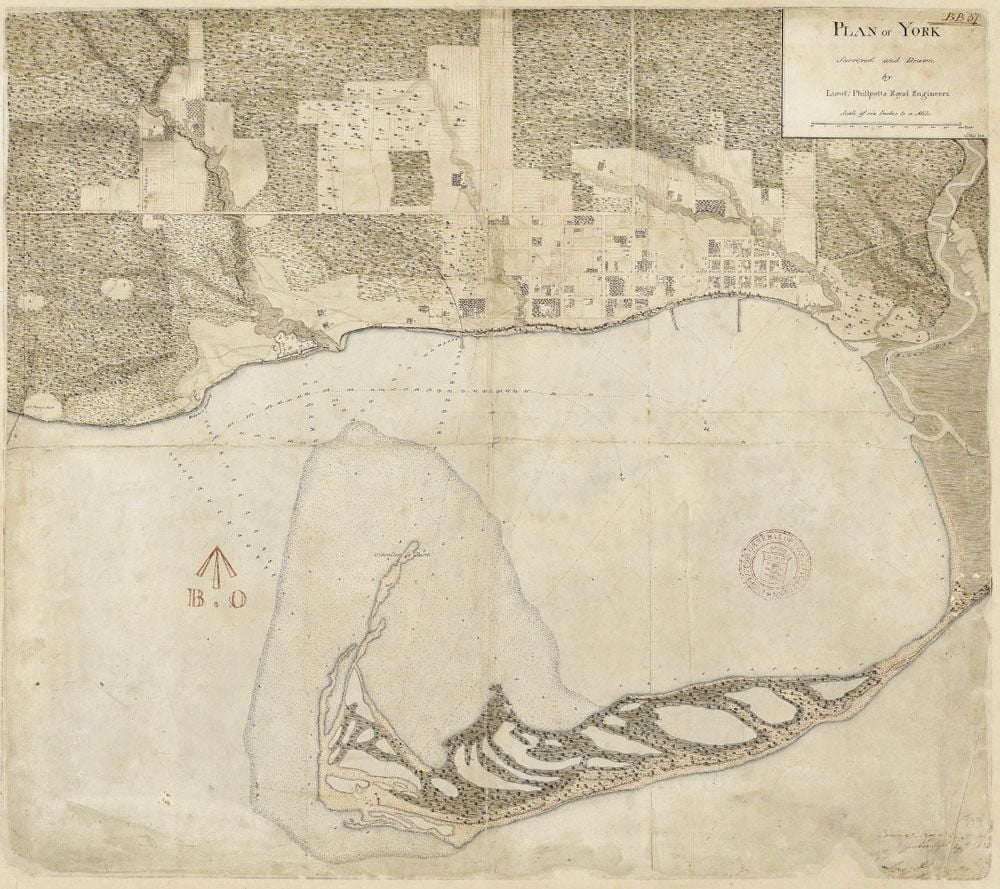
1858
A storm floods the Toronto Harbour and creates the Toronto Islands
Originally, what we know as Centre Island was connected to the mainland via a land bridge. Then in 1858, a massive storm sweeps Lake Ontario and floods over the land bridge, creating the Toronto Islands.
Explore more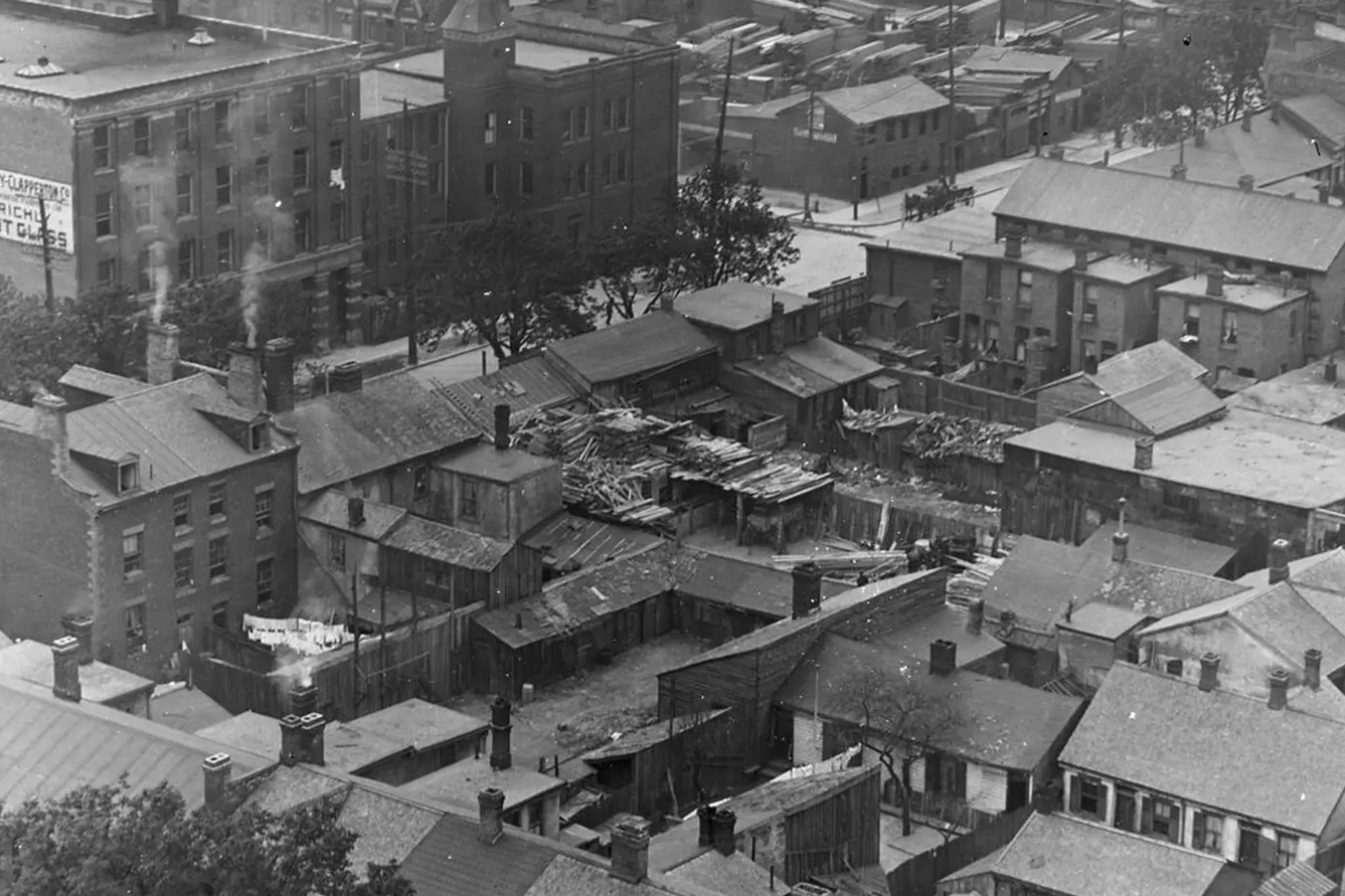
1867
The Ward develops into the city's most multicultural neighbourhood
In the late 19th and early 20th centuries, The Ward was one of Toronto’s most diverse neighbourhoods and often the first home for newcomers arriving in the city.
Explore more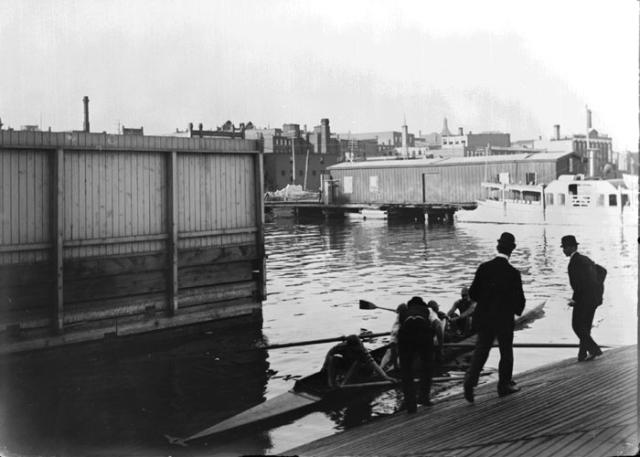
1873
The Argonaut Rowing Club forms a football team
In order to stay in shape during the off-season, the Argonaut Rowing Club decided on this date to start their own football team.
Explore more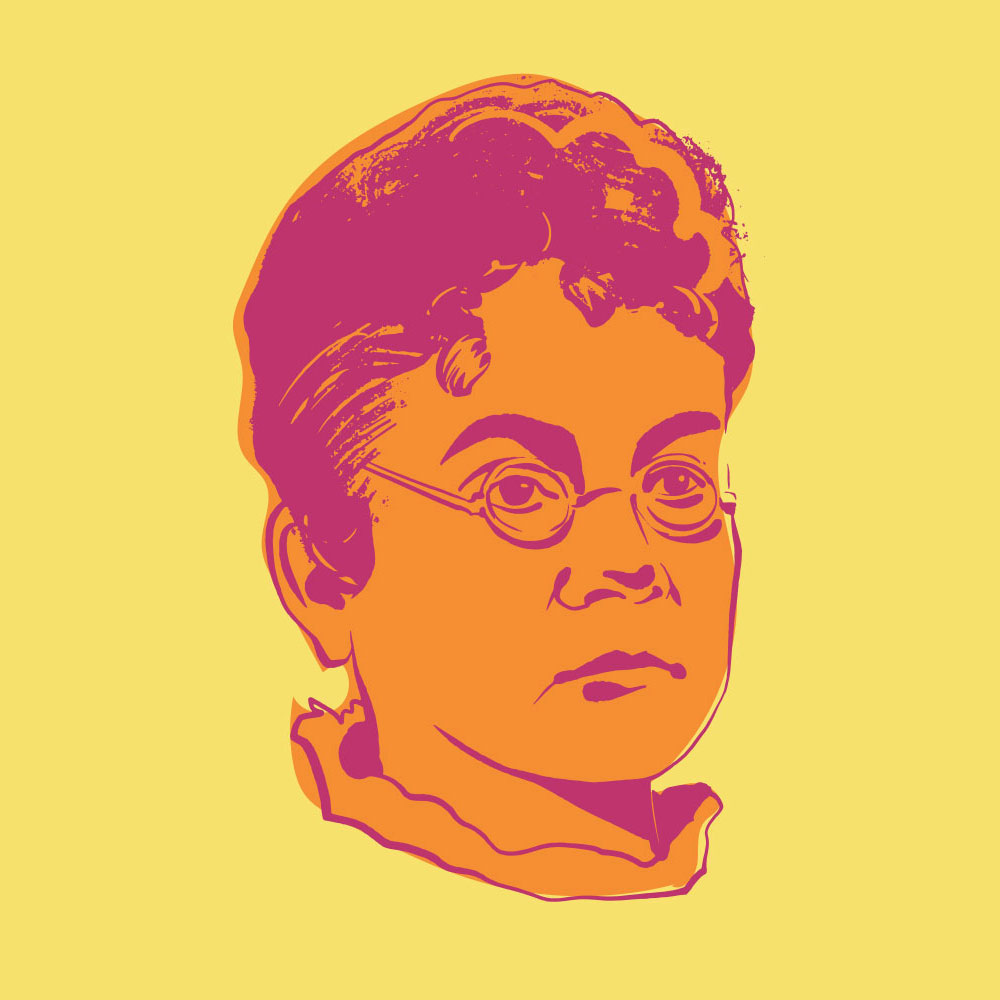
1876
Emily Stowe founds the Toronto Women's Literary Club
Initially founded to promote intellectual development and higher education for women, the club would drop its literary front in 1883 rename as the Canadian Women's Suffrage Association (CWSA) to publicly advocate for the vote.
Explore more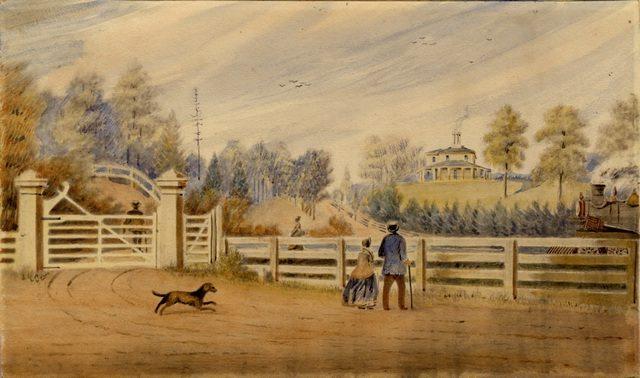
1876
High Park opens to the public
John and Jemima Howard deed their 165-acre country estate to the City of Toronto.
Explore more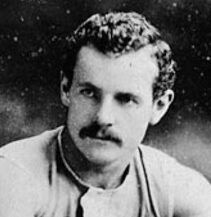
1878
Ned Hanlan, defeat American champ Fred Plaisted
Excitement was so high the city declared it an official holiday. Organisers built grandstands on the water, and people scaled onto rooftops along the waterfront.
Explore more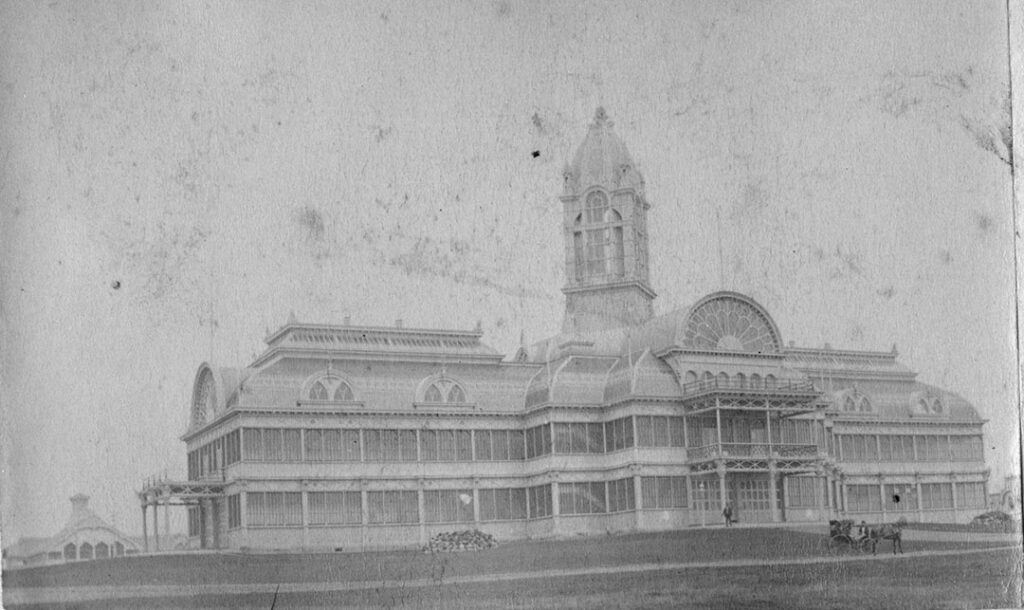
1879
The CNE debuts as the Toronto Industrial Exhibition
At just a quarter for admission, a hundred thousand eager attendees flocked to witness the celebration of agriculture, industry, and the arts.
Explore more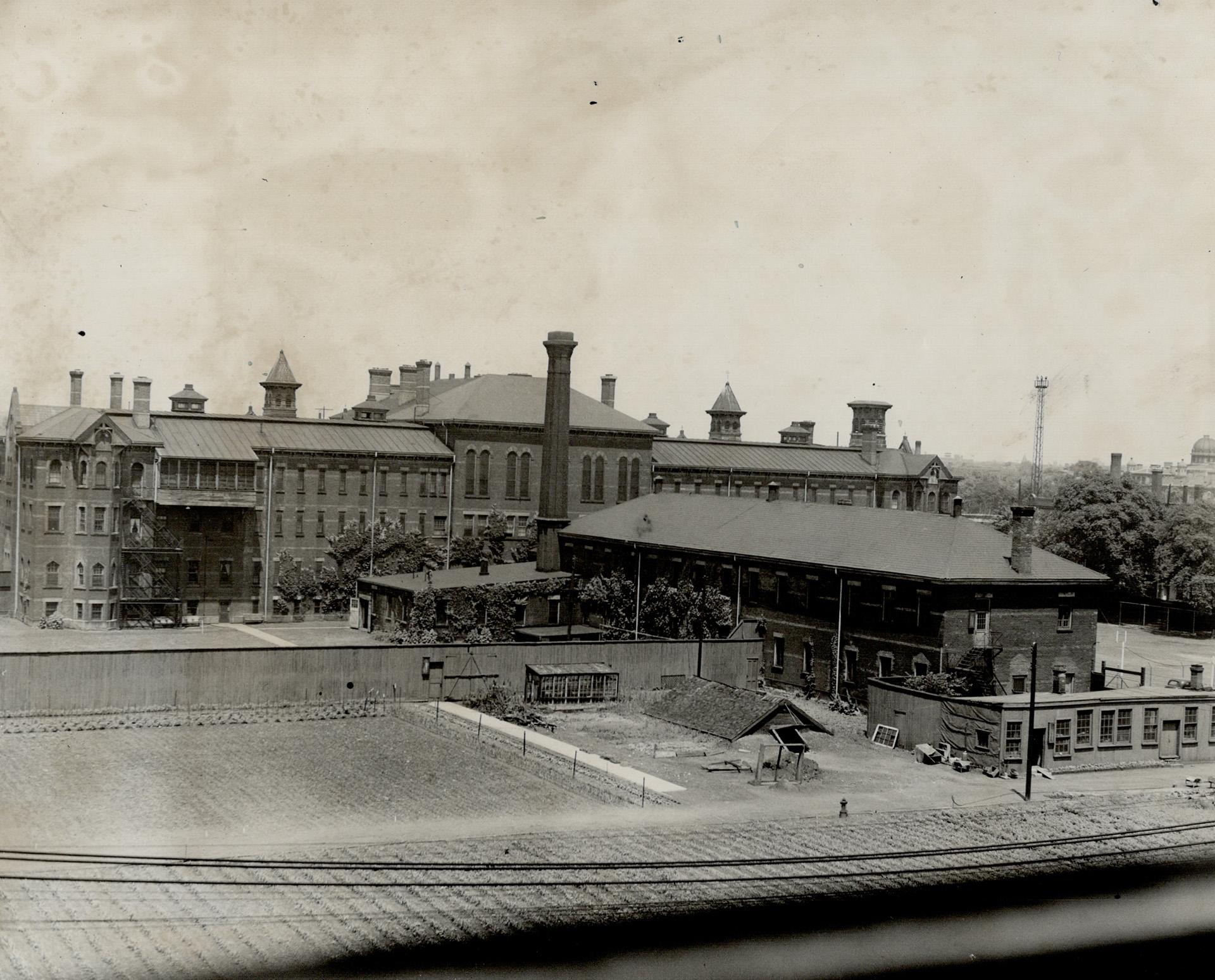
1880
Reformatory opens "For Women Unable to Be Improved or Fixed"
Before Liberty Village became known for condos, cafés, and Lamport Stadium, the site at 1155 King Street West housed the Andrew Mercer Reformatory for Women — an institution created in 1880 to confine women considered “undesirable” by Victorian society.
Explore more
1886
Mayor Howland establishes the Morality Police
In keeping with his "Toronto the Good" campaign, Mayor William Holmes Howland began the Morality Police. While it claimed to uphold the city's moral character, it was a deeply controversial department that routinely persecuted same-sex relationships, interracial marriages, women's independence, and more.
Explore more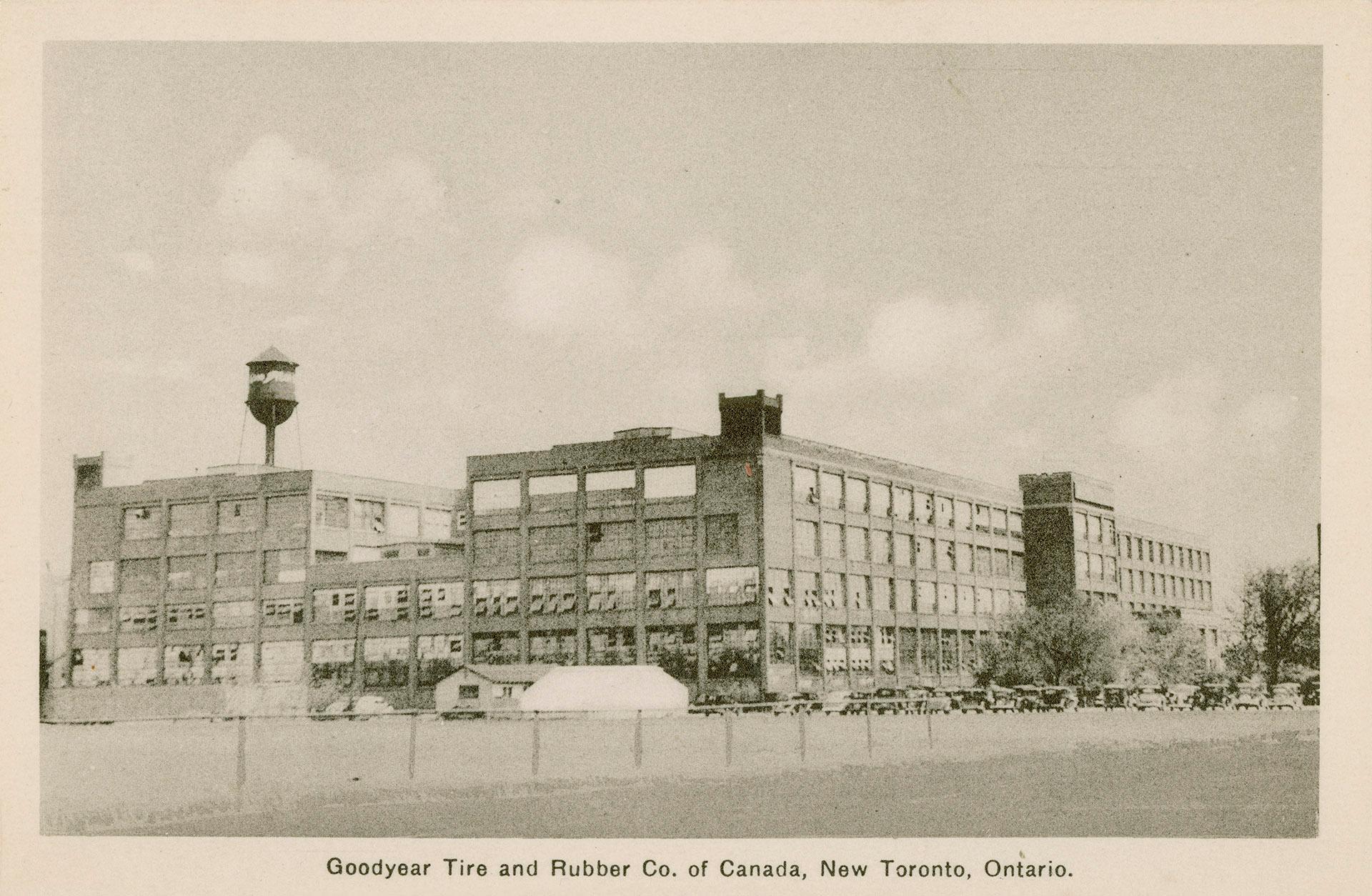
1890
The Town of New Toronto established
Originally designed and planned as an industrial centre by a group of local industrialists.
Explore more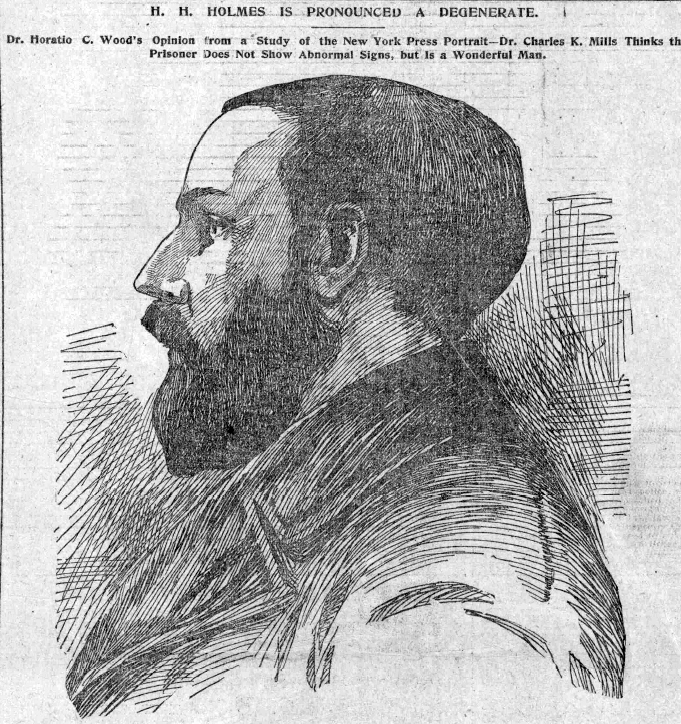
1896
H. H. Holmes, one of North America's first serial killers, was hanged after being arrested in Toronto
Serial killer H. H. Holmes settled in Toronto in 1894 to evade capture in Chicago. Starting with the murder of businessman Benjamin Pitezel, he proceeded to murder the family's children, burying them beneath a house on 16 St. Vincent Street in Toronto. A neighbour finally recognized him, then reported him to the police. Holmes was arrested and hanged in Philadelphia.
Explore more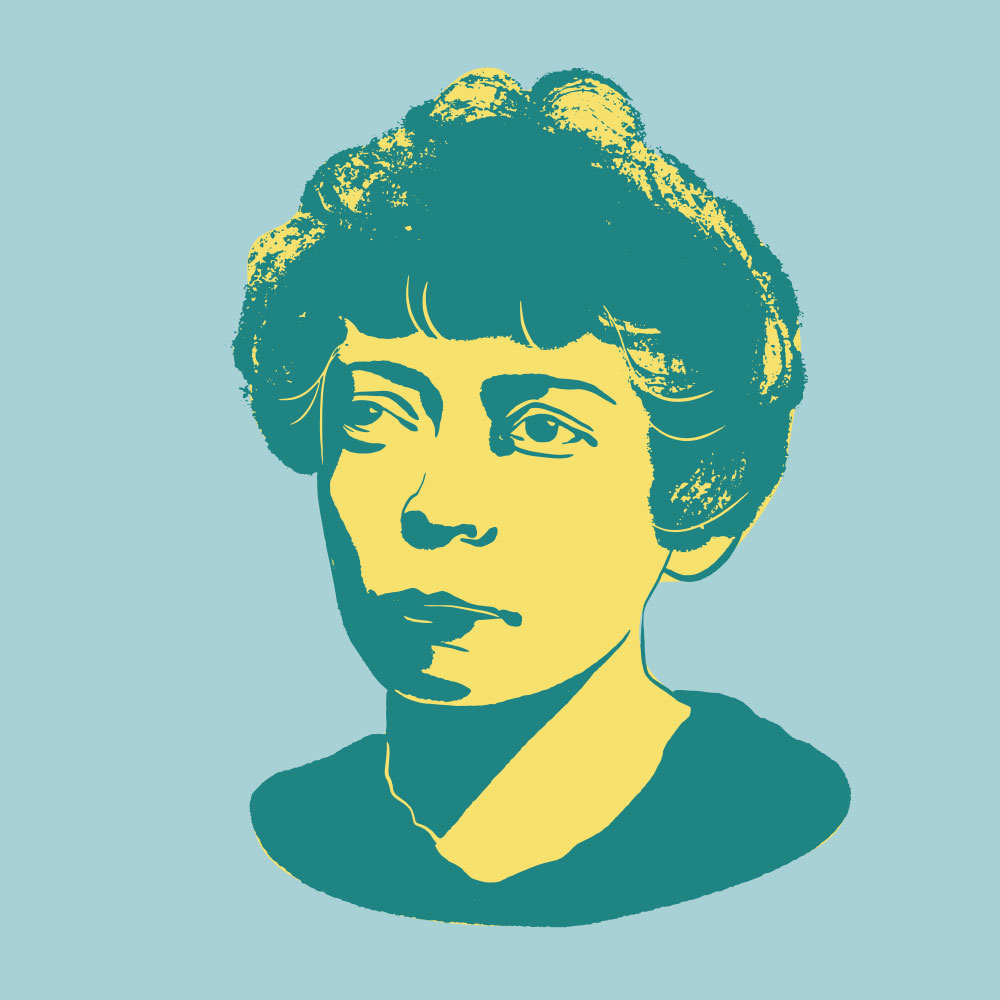
1898
Kit Coleman travels to Cuba to cover the Spanish-American War
Working as a columnist for the Toronto Empire and Mail, Coleman becomes the world's first officially accredited female war correspondent.
Explore more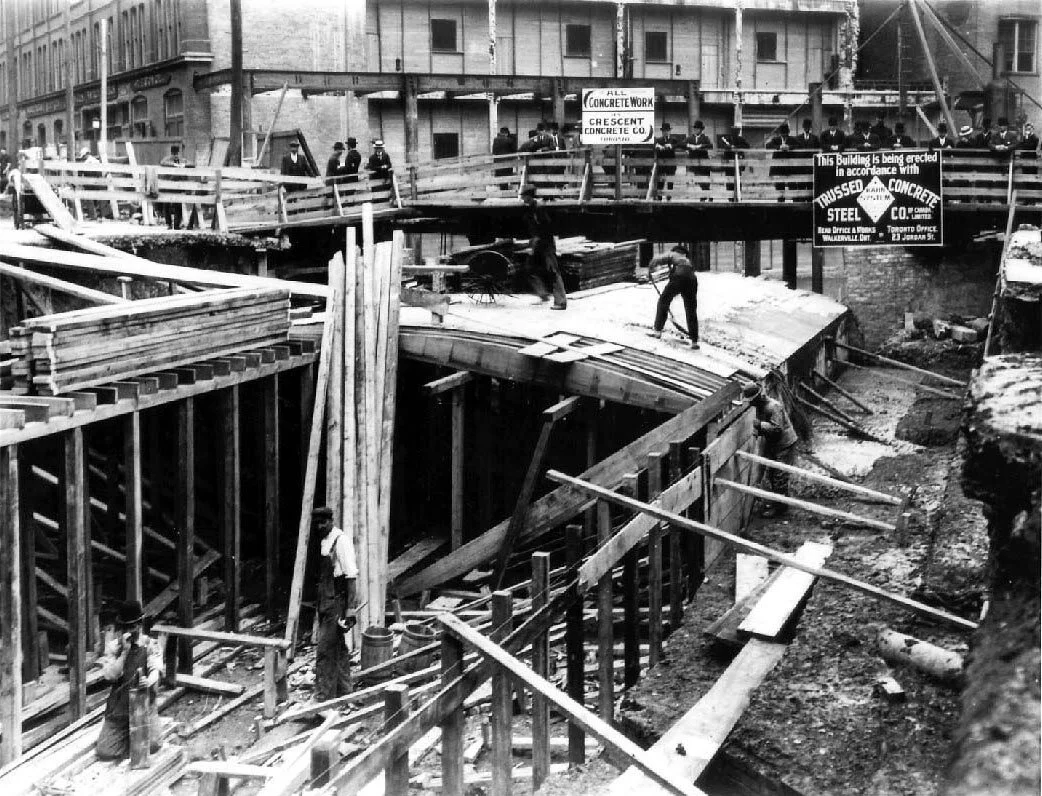
1900
Toronto underground PATH opens
The original pedestrian tunnels are built to connect Eaton's buildings and, later, to link Union Station to the Royal York Hotel.
Explore more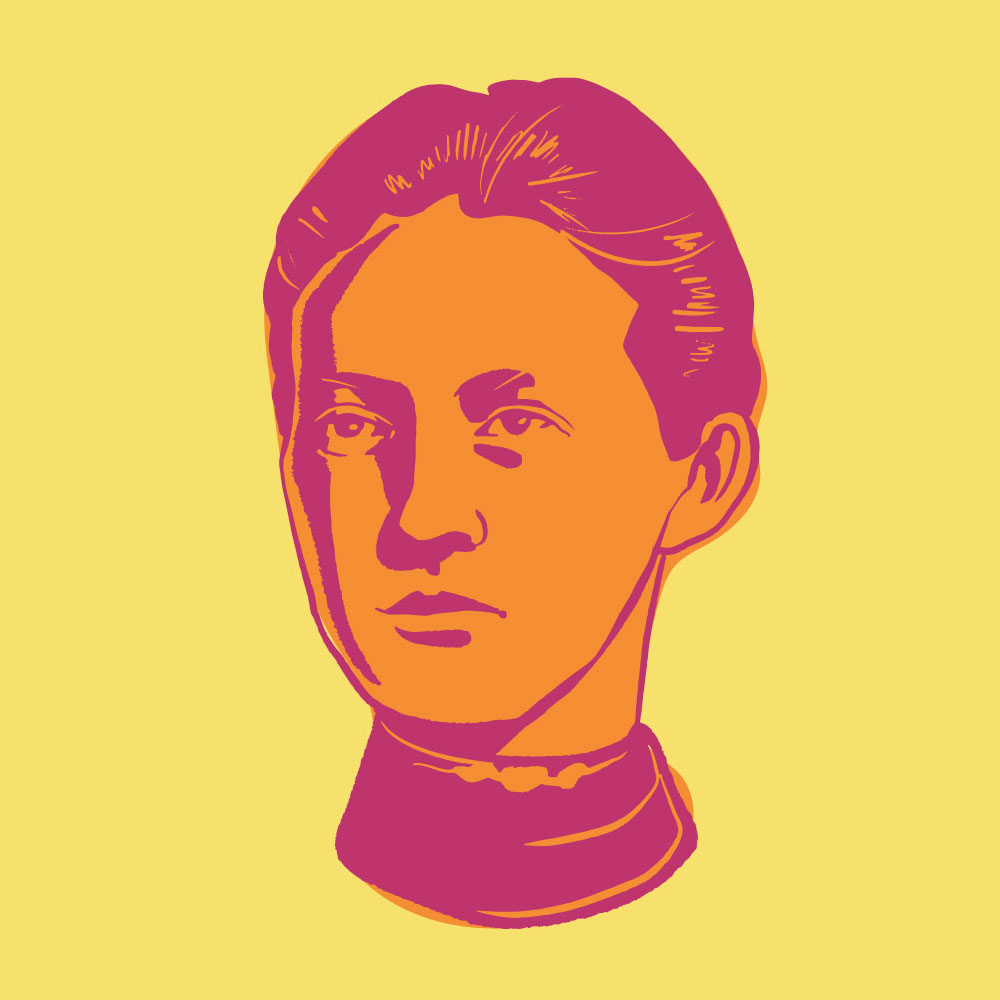
1903
Clara Cynthia Benson becomes the first woman to earn a Bachelor of Arts in chemistry from the University of Toronto
As the first woman to graduate, complete a PhD, and teach in chemistry at the University of Toronto, Clara Cynthia Benson’s career of firsts transformed more than her scientific field.
Explore more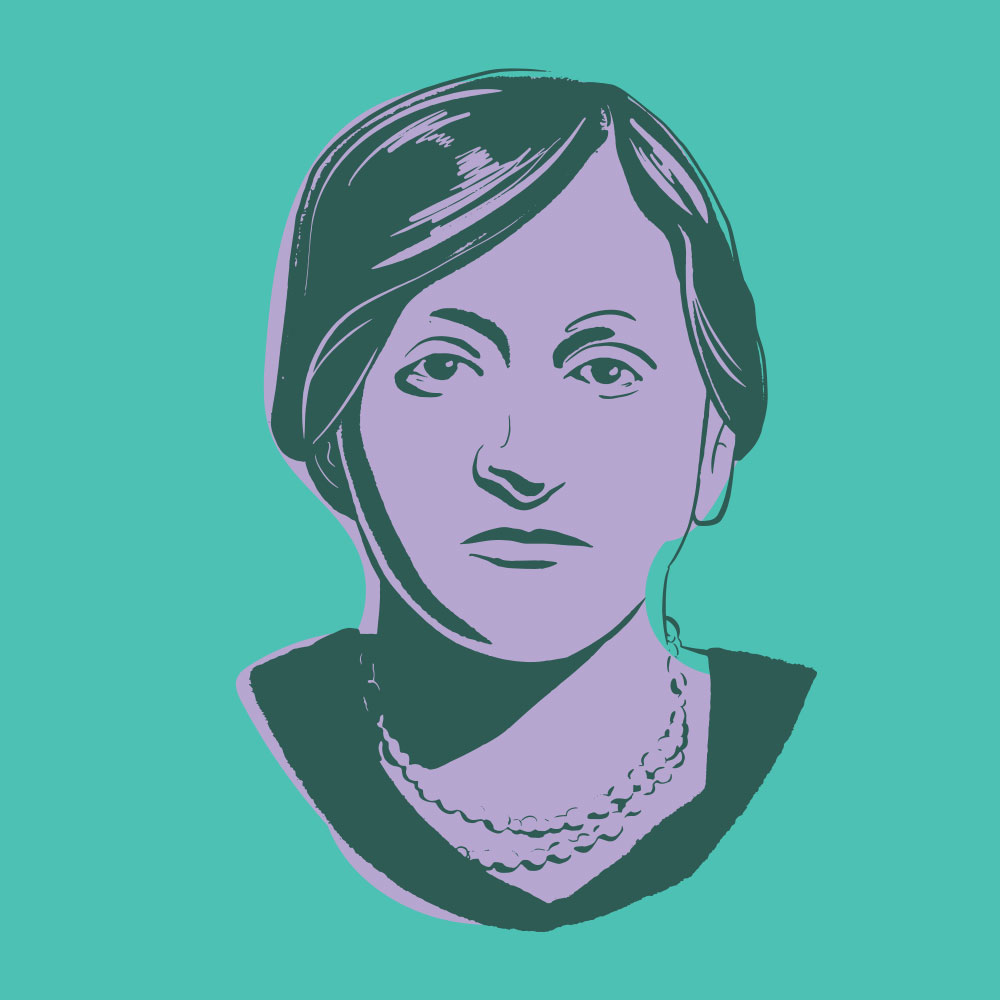
1903
Slova Greenberg immigrates to Canada
Slova Greenberg was a foundational advocate for healthcare, women’s empowerment, and elder care in Toronto. Today, her impact is seen through the success of Mount Sinai Hospital, the Baycrest Centre, and more.
Explore more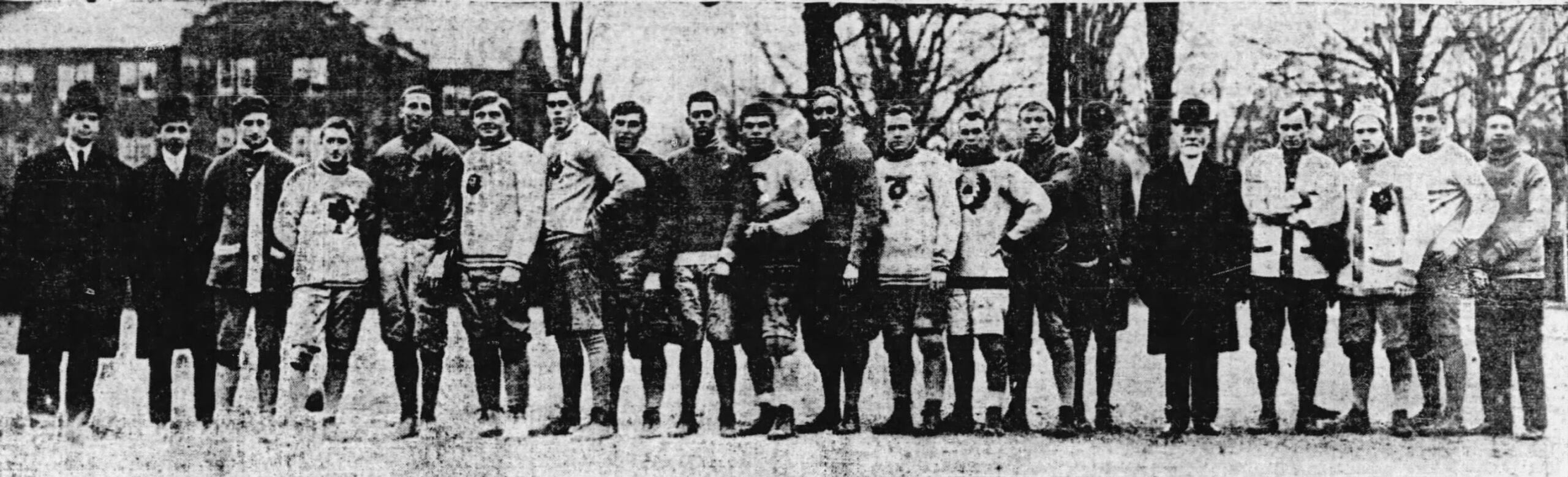
1909
Toronto's Varsity Team wins the first Grey Cup
Named after Governor-General Earl Grey, the first Grey Cup championship took place between University of Toronto and Parkdale Collegiate. In the end, the U of T varsity team claimed the win.
Explore more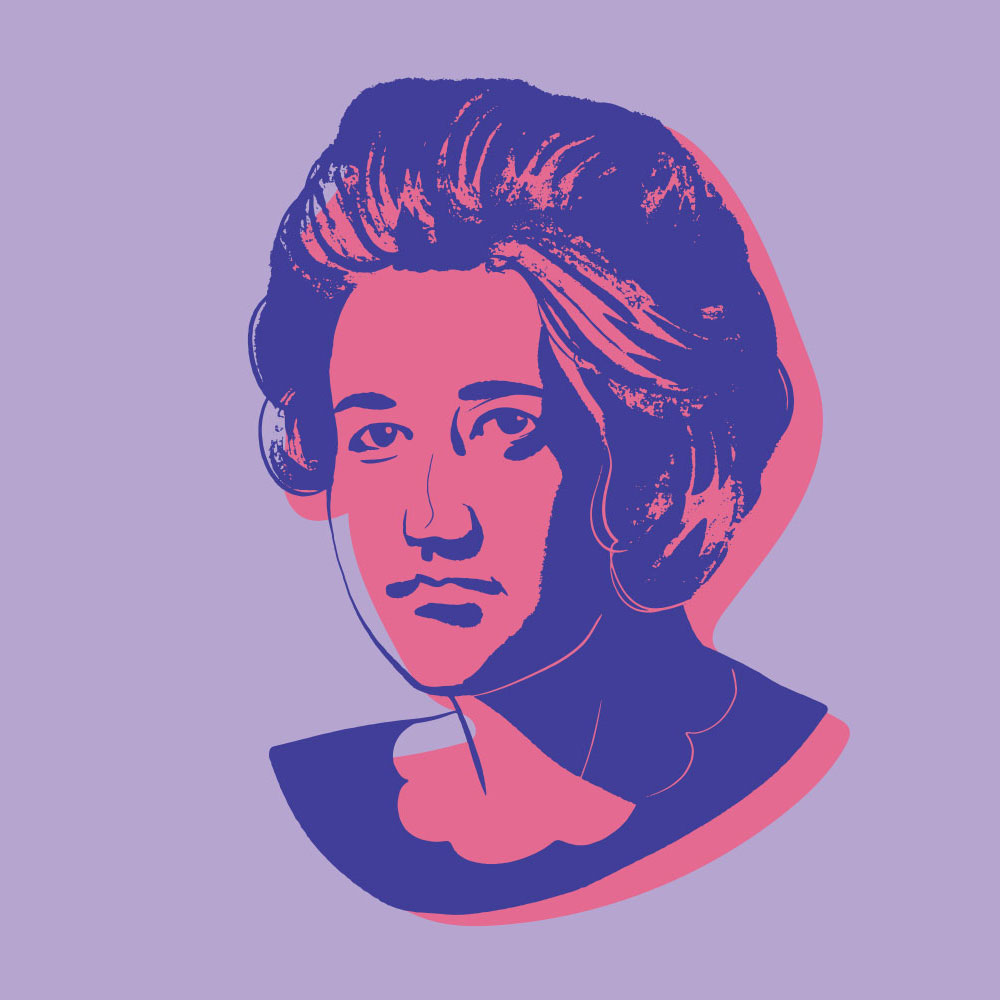
1911
Flora MacDonald Denison becomes president of the Canadian Suffrage Association
Flora MacDonald Denison served from 1911 to 1914 and was an unwavering advocate for gender equality in Toronto and beyond. She was known for her radical views on women's reproductive rights, birth control, and divorce.
Explore more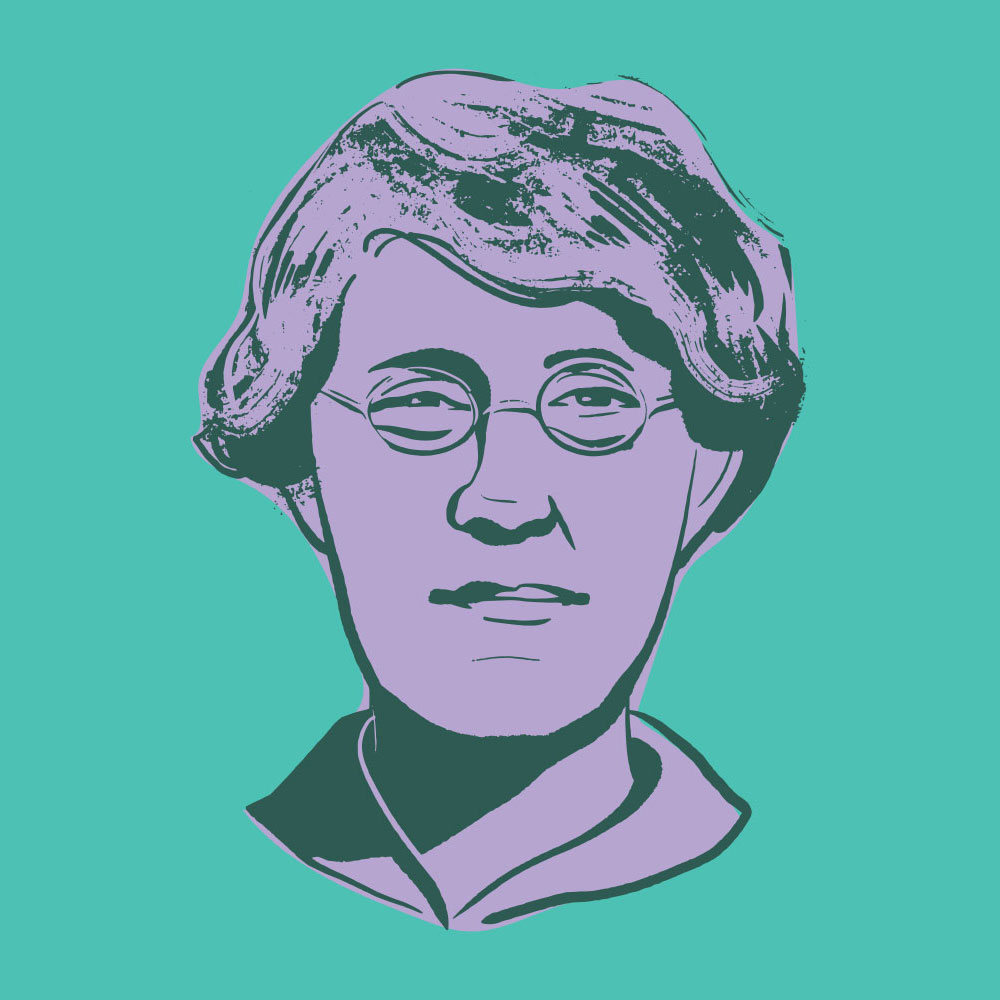
1911
Women’s College Hospital opens its doors at 18 Seaton Street
Rowena Hume co-founded the first birth control clinic in Canada and was the first president of the Women’s College Hospital.
Explore more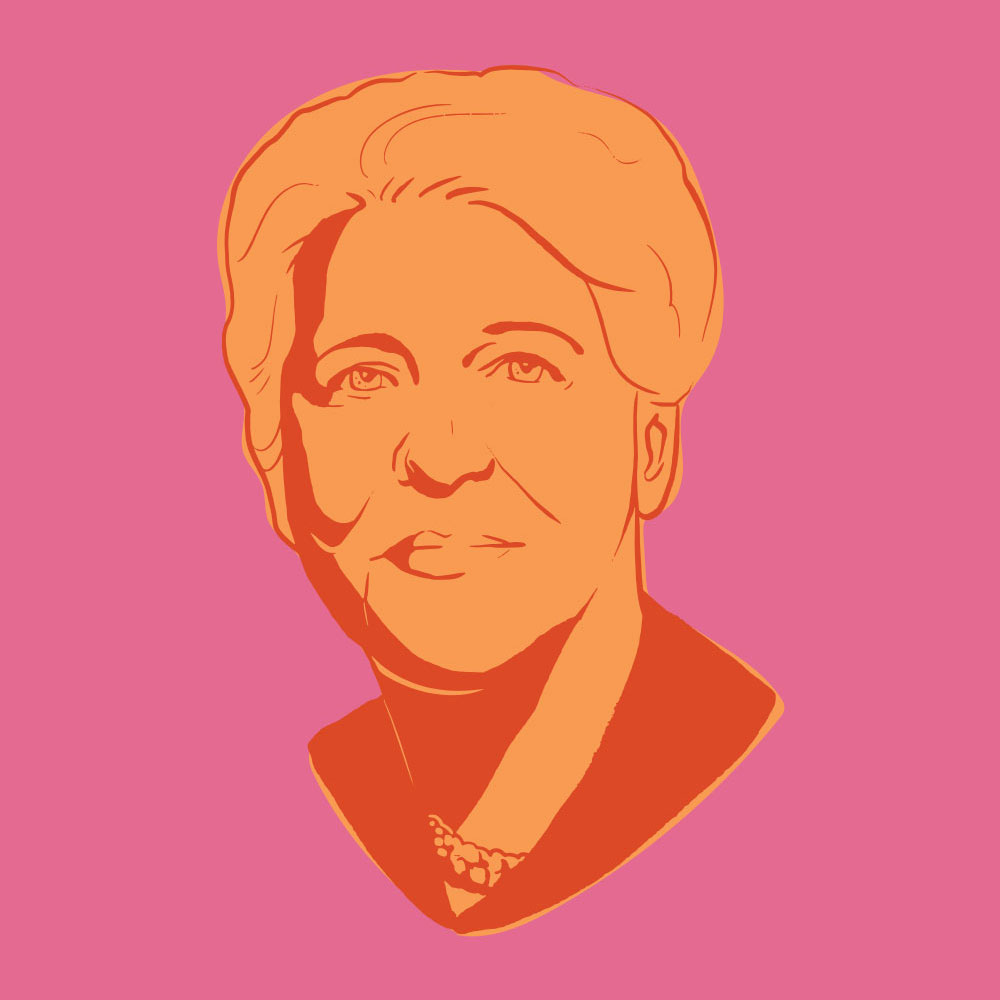
1912
16-year old Mary Fix co-founds the Equal Franchise Association to campaign for women's suffrage
Through her trailblazing career of firsts, Fix championed community-led development and civic historical preservation that continues to influence Toronto today.
Explore more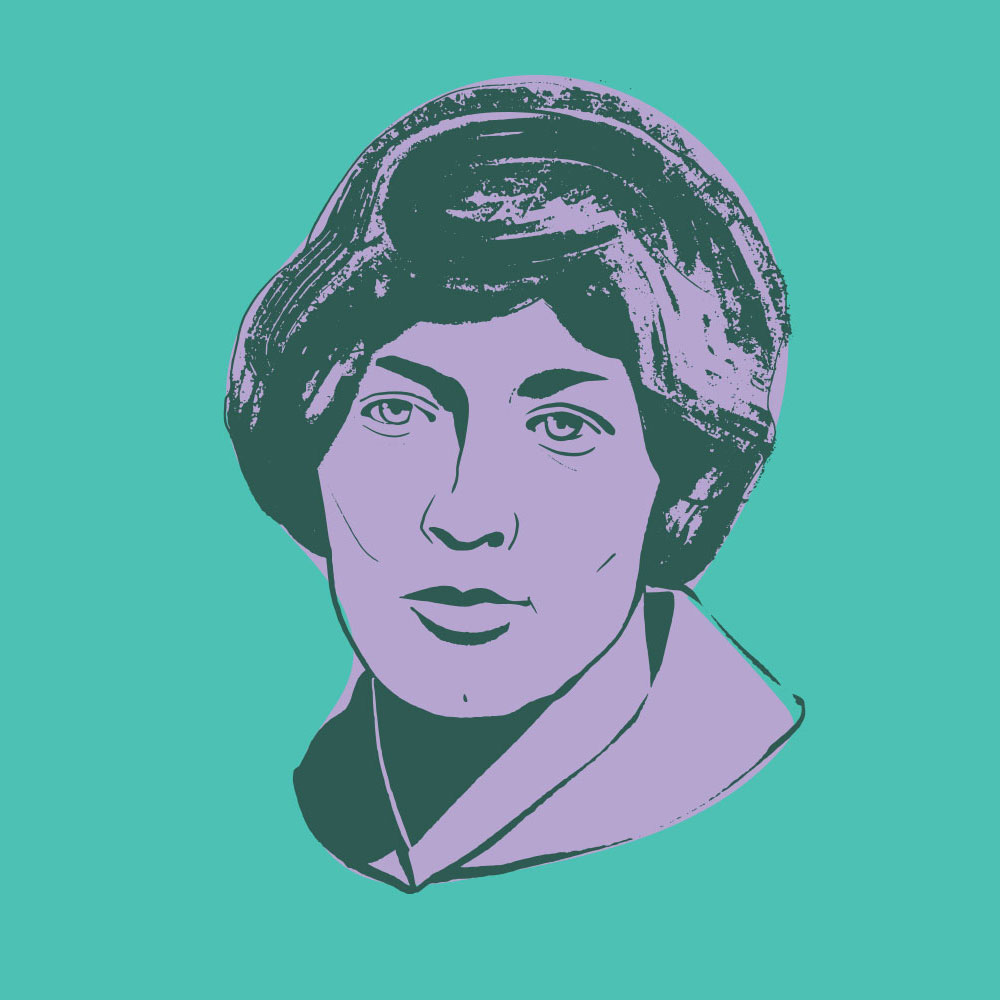
1912
Lillian H. Smith leads the new Children's Department of the Toronto Public LIbrary
Lillian H. Smith, the first children’s librarian in the British Empire, established guidelines for the inclusion and classification of children’s literature in Toronto libraries.
Explore more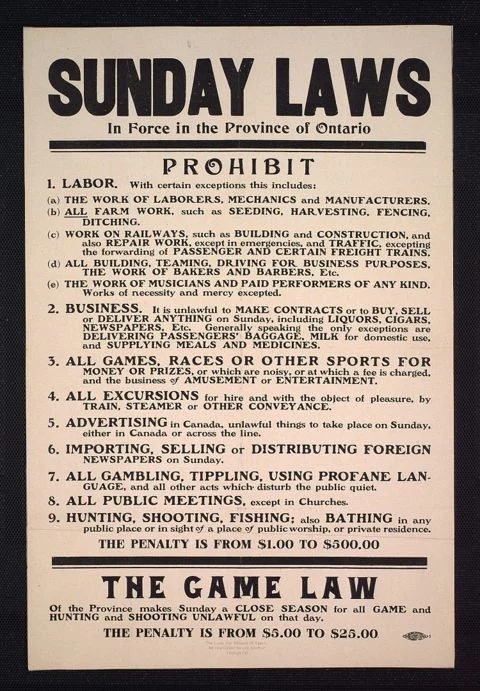
1912
Tobogganing on Sundays becomes illegal
In 1886, Mayor William Holmes Howland pitched the "Toronto the Good" slogan for the city, emphasizing Toronto's moral "purity" as structured by strict Protestant values. Decades later, the city government introduced a bylaw banning tobogganing on Sundays so people could use it as a day of prayer and contemplation only. The law lasted until 1961 when it was repealed.
Explore more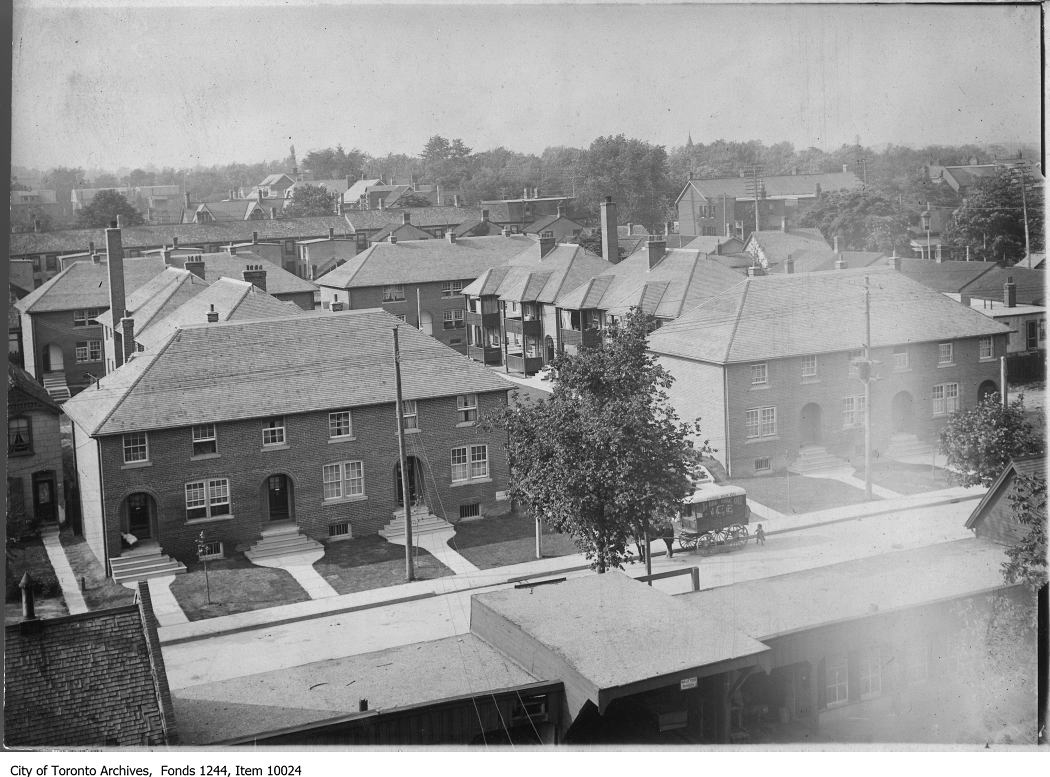
1912
Toronto Housing Company (THC) is founded to build affordable homes for low-wage earners.
Spearheaded by clothing manufacturer Frank G. Beer alongside other business and civic leaders, the company famously constructed Canada's earliest planned affordable housing projects. Today, the legacy of early social housing lives on in the modern Toronto Community Housing Corporation (TCHC).
Explore more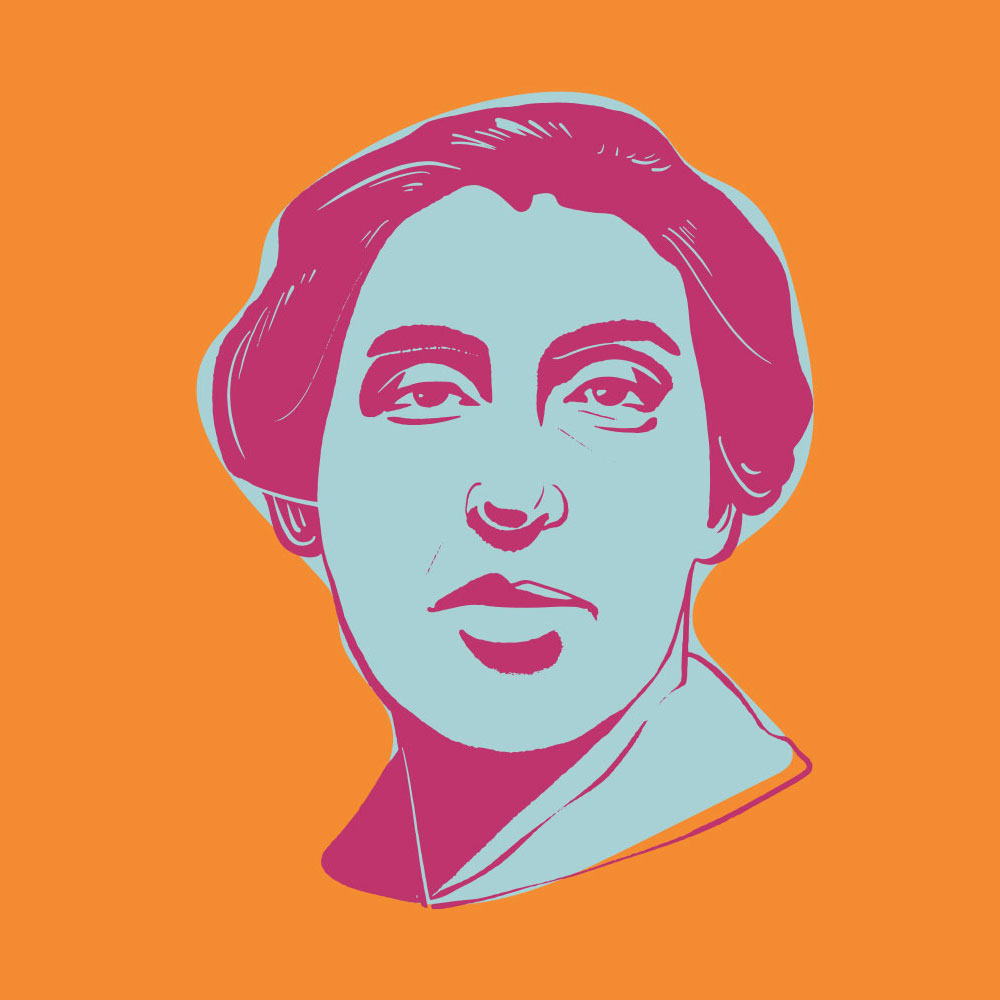
1912
Frances Loring moves to Toronto with partner Florence Wyle
Frances Loring was a community leader who opened her home to Toronto’s arts community. Her art haven was recognized as the “most fascinating gathering place in the country” by A.Y. Jackson.
Explore more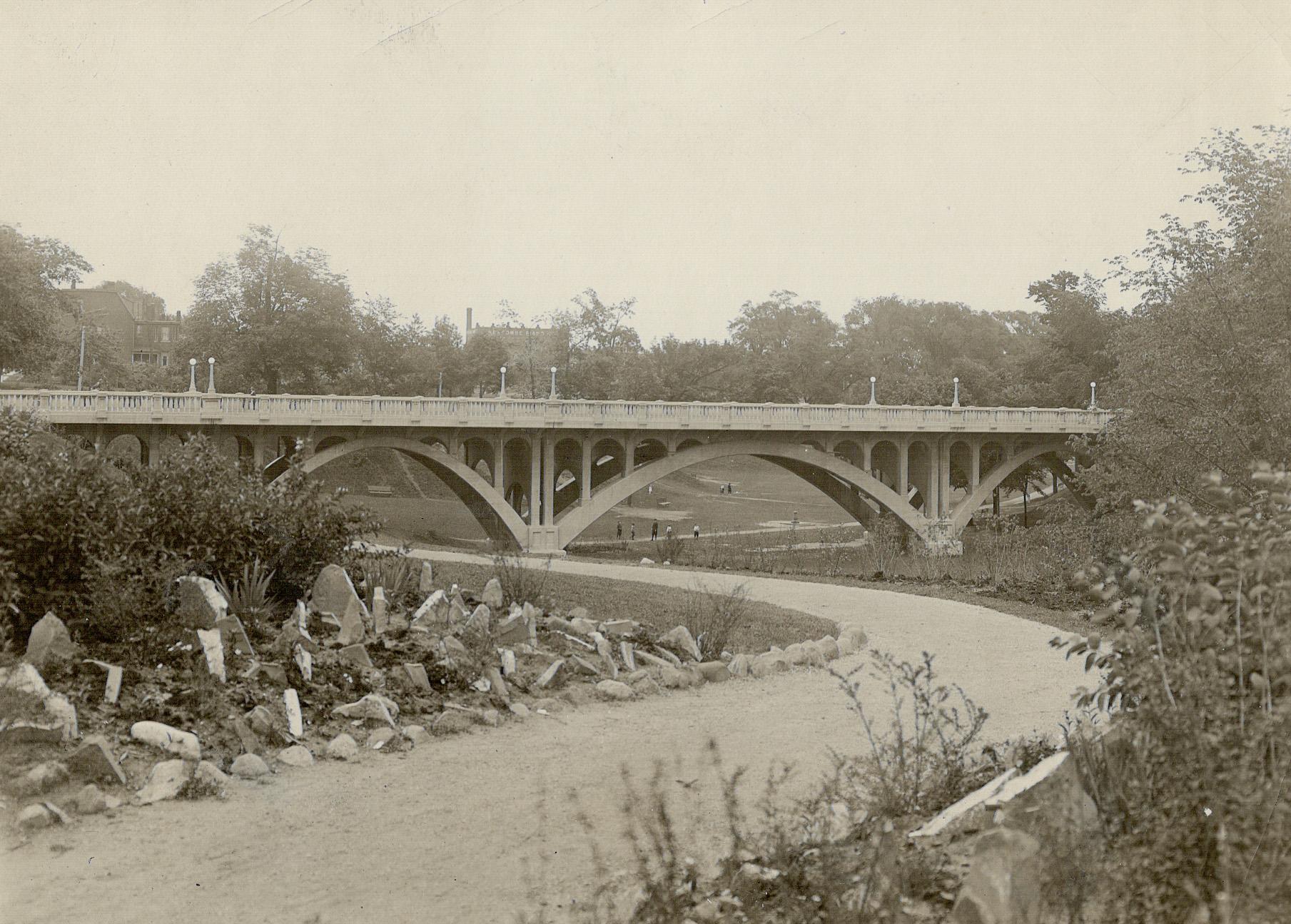
1914
Crawford Street bridge is built and eventually buried
Hidden beneath Trinity Bellwoods Park is one of Toronto’s strangest buried pieces of infrastructure: a fully intact bridge.
Explore more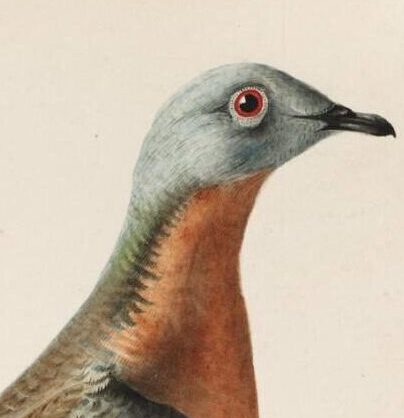
1914
Martha, the last known passenger pigeon, passes away
Passenger pigeons were wild North American pigeons, sleeker and longer than the common rock pigeons we see in the city today. Overhunting by European settlers drove the species to extinction, with the last of their kind, Martha, passing away at the Cincinatti Zoo in 1914.
Explore more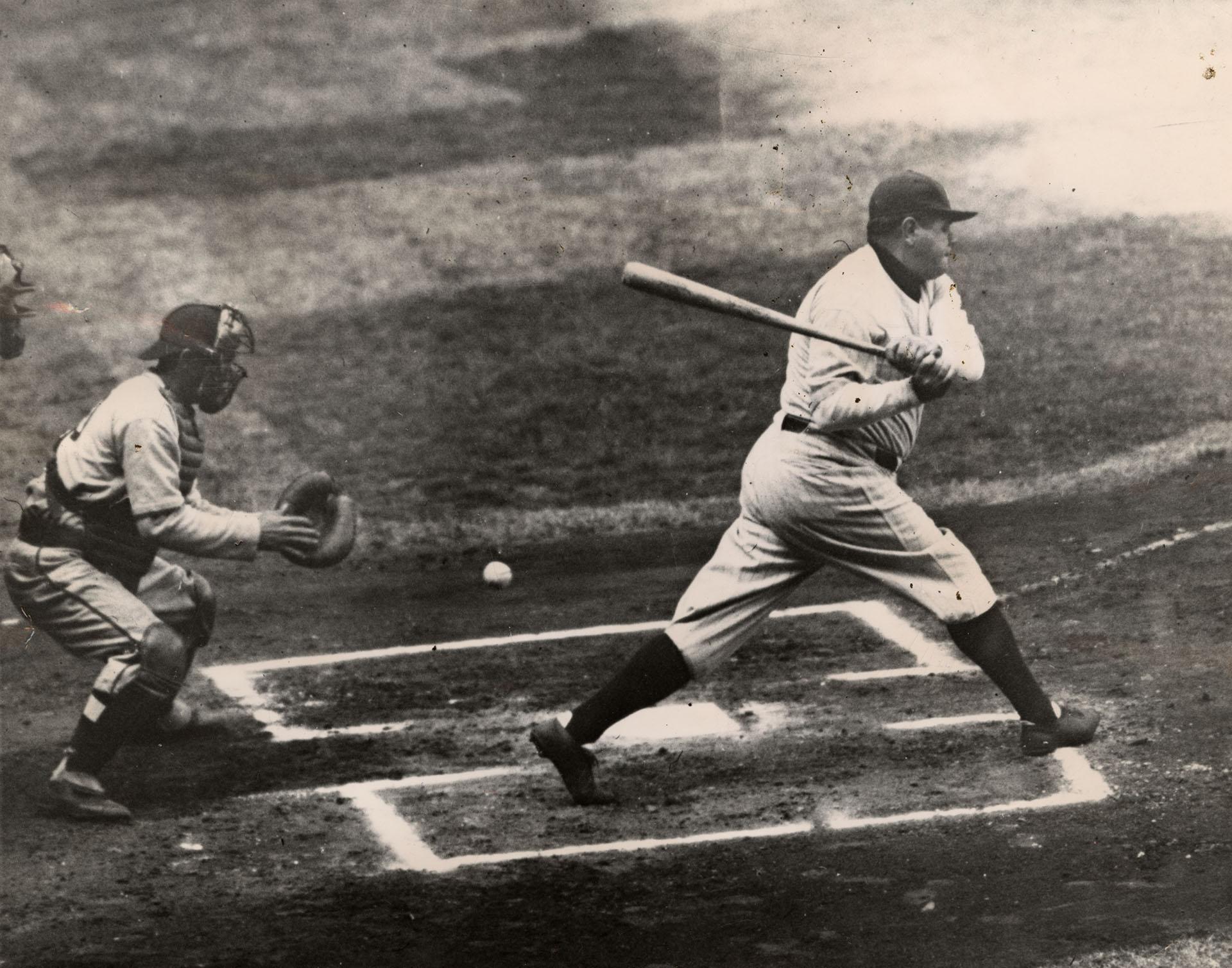
1914
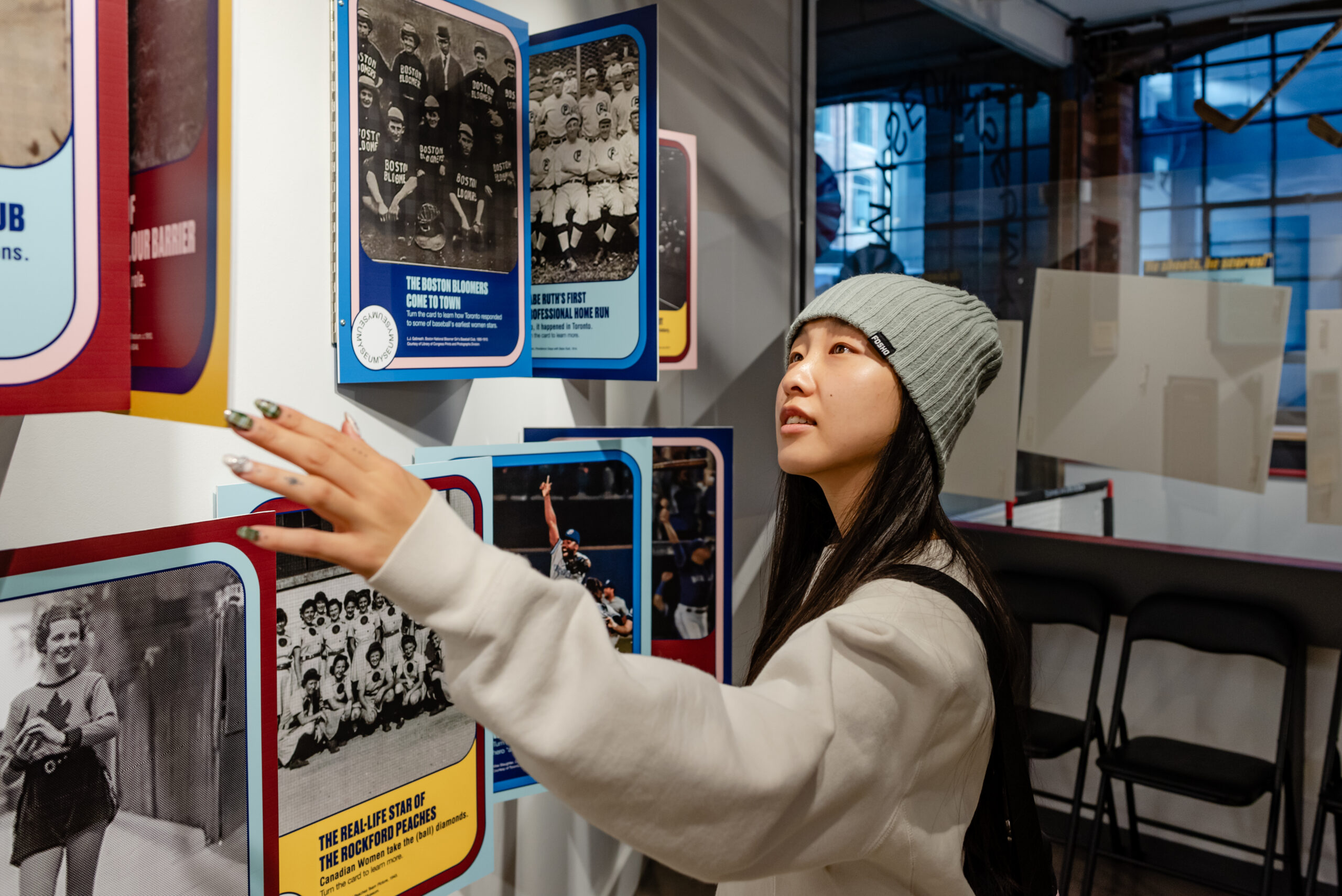
Babe Ruth hits his first Home Run in Toronto
While playing an exhibition game for the Providence Grays, a then 19-year old Babe Ruth scores his first professional home run at Hanlan's Point Stadium.
Explore more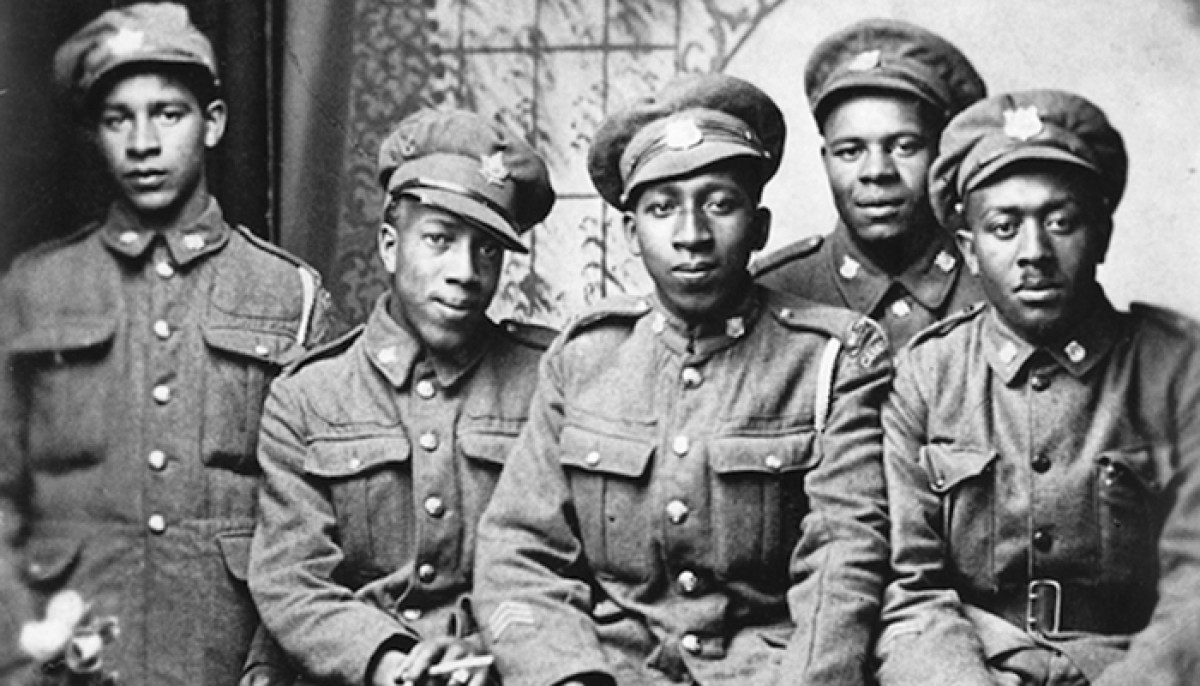
1916
Formation of No. 2 Construction Battalion
Canada’s first all-Black First World War unit. The enlistment office was located on King Street West near University Avenue where fifteen men from Toronto enlisted in the unit.
Explore more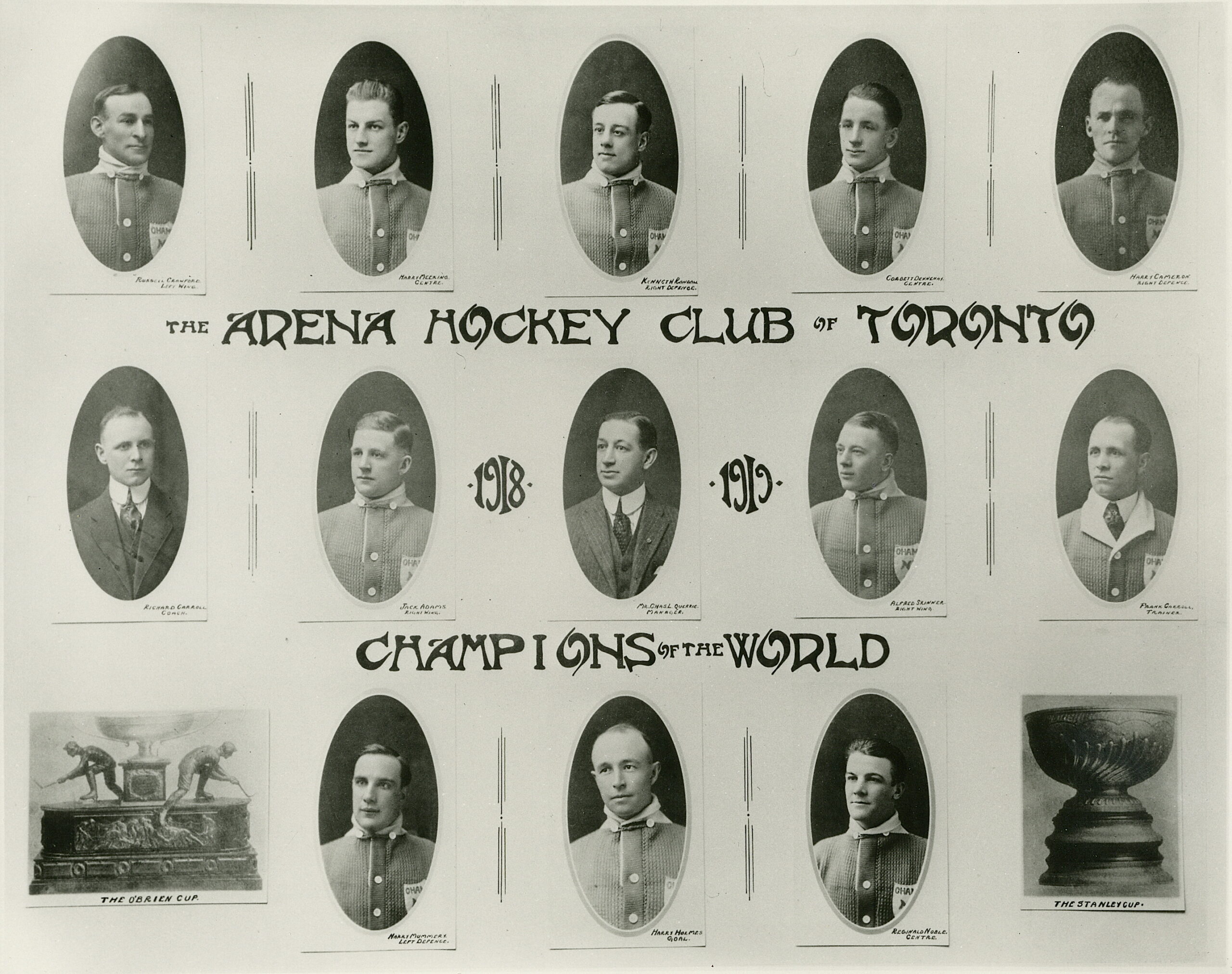
1917
Toronto plays their first NHL game
Played in Montreal, the Toronto team lost to the Wanderers 10-9 game. The unnamed Toronto team (which would later become the Arenas, St. Patricks, and eventually the Maple Leafs) lost their opening match 10-9 to the Montreal Wanderers.
Explore more
1918
Canadian National Institute for the Blind founded after World War I
Edwin A. Baker co-founded the Canadian National Institute of the Blind (CNIB) and helped thousands of Canadians realize their dreams.
Explore more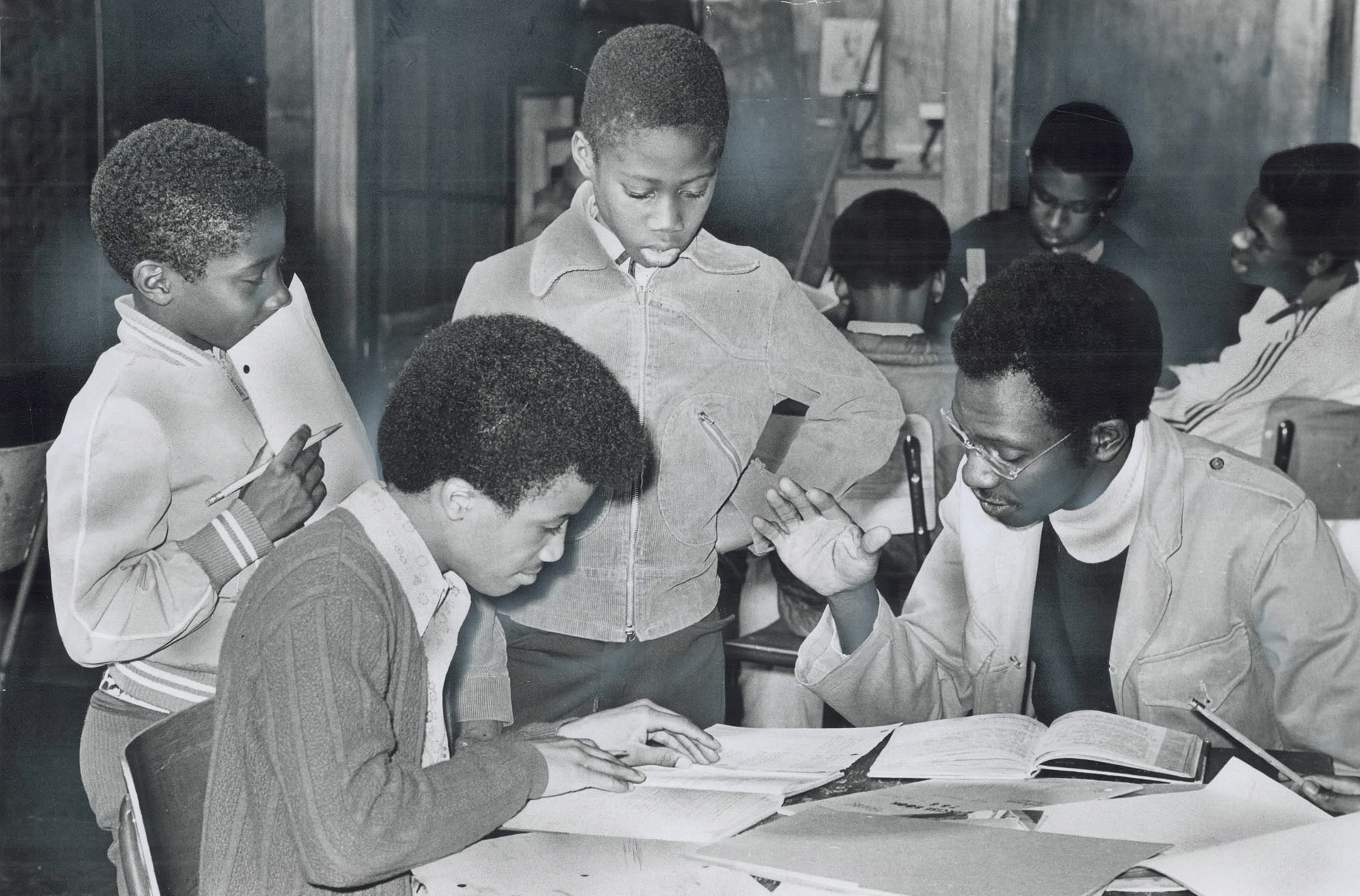
1919
UNIA officially established in Toronto
Toronto's division originated earlier that year in April as the Coloured Literary Association, meeting at 318 Spadina Avenue, before receiving its official charter from the Harlem headquarters.
Explore more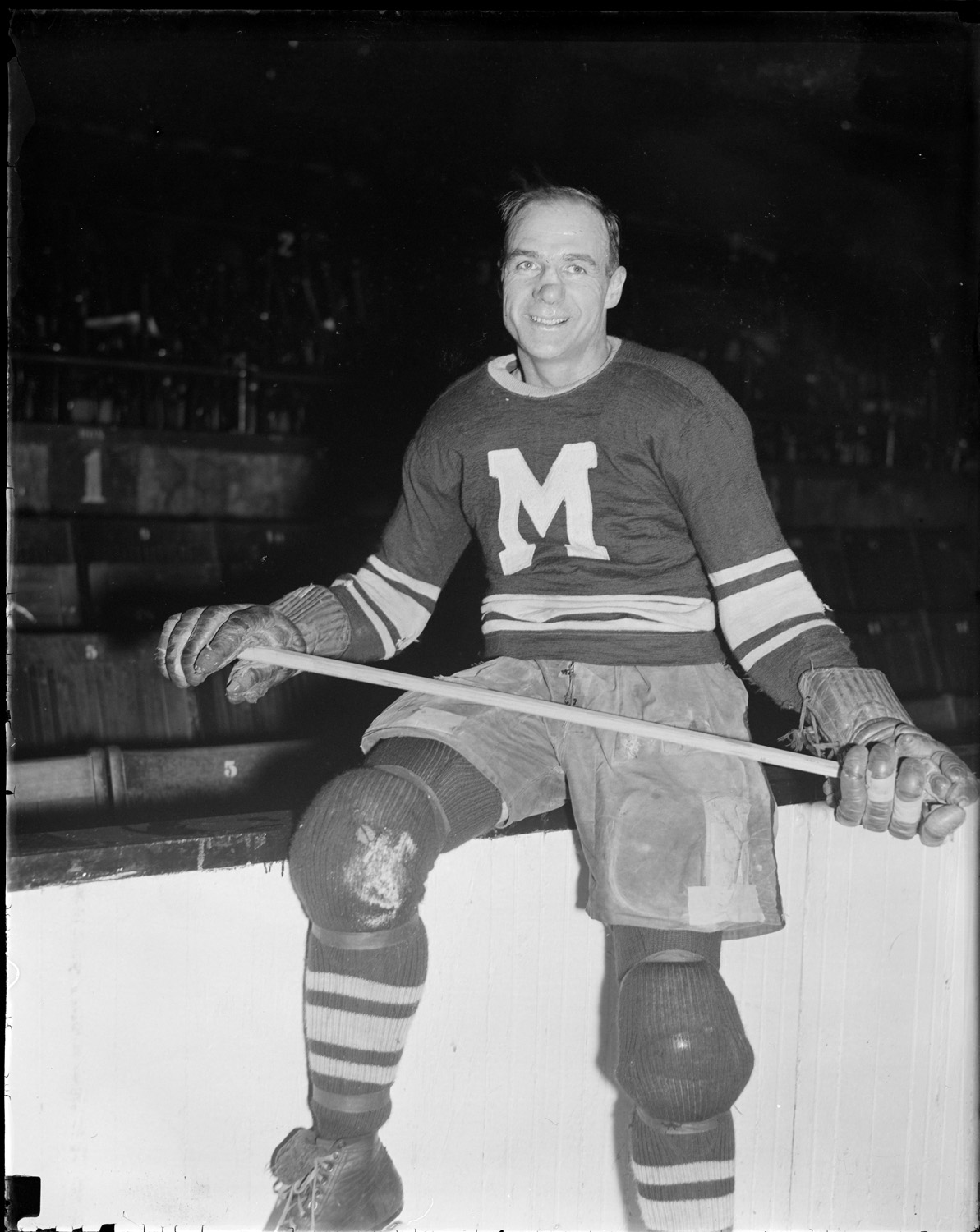
1921
"Big Train" captures two different championships in a single day
West enders watched Lionel "Big Train" Conacher drive in the winning run to clinch the local city baseball championship. Afterward, Conacher raced across town to the Beaches, where his lacrosse team was trailing in another championship game. He led them to a comeback victory, scoring the winning goal.
Explore more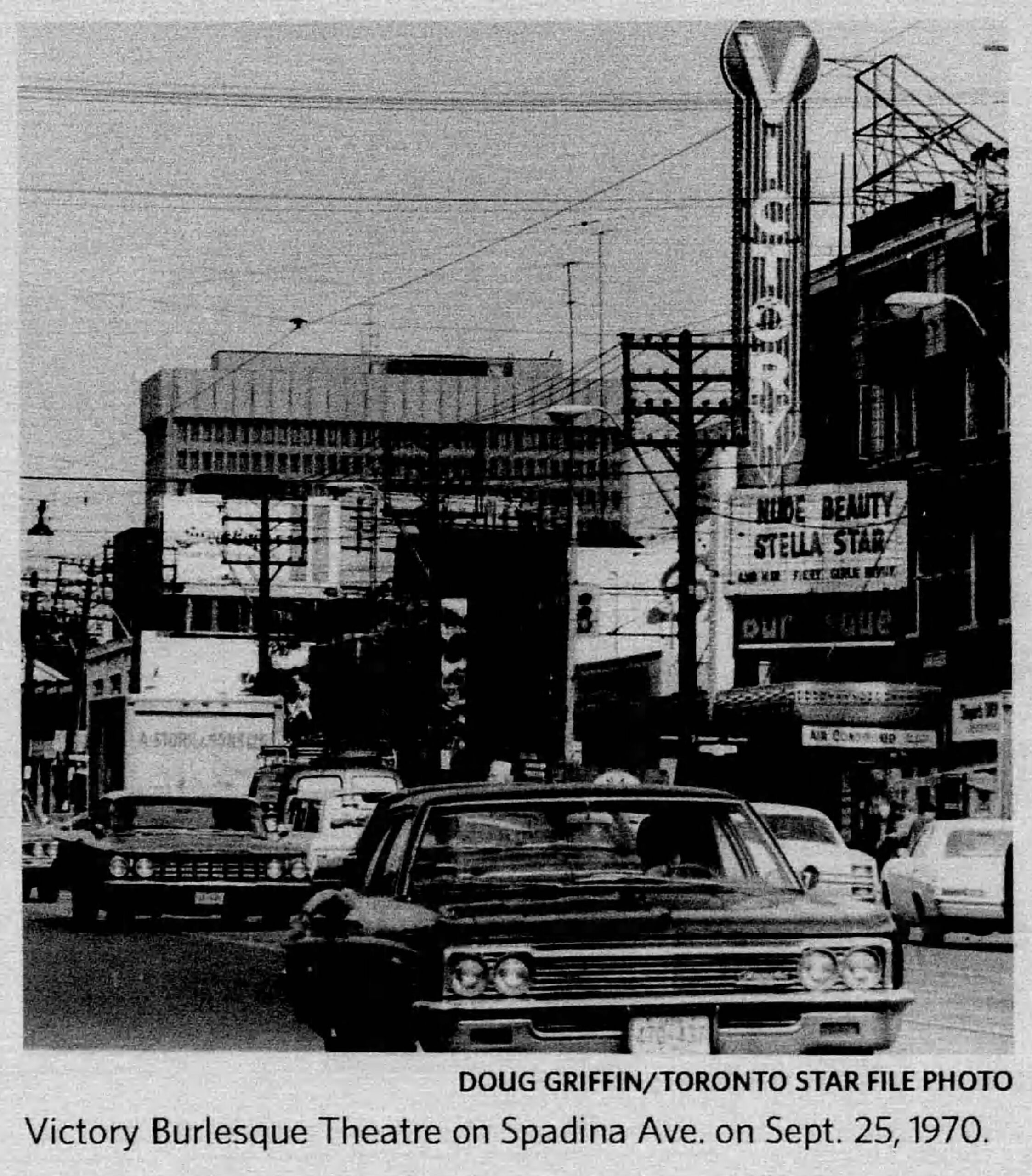
1922
The Victory Burlesque opens on Spadina
Like much of Toronto, this building reinvented itself many times over.
Explore more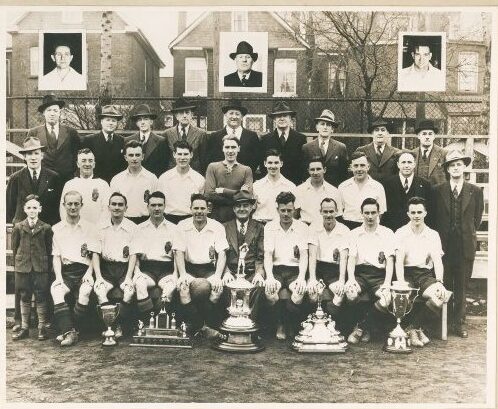
1925
Toronto's most popular soccer team was fiercely Protestant
The city's most popular soccer team was known as Ulster United or the Red Handers – names that reference to Northern Ireland – and attracted a fiercely Protestant fanbase to Ulster Stadium in the east end.
Explore more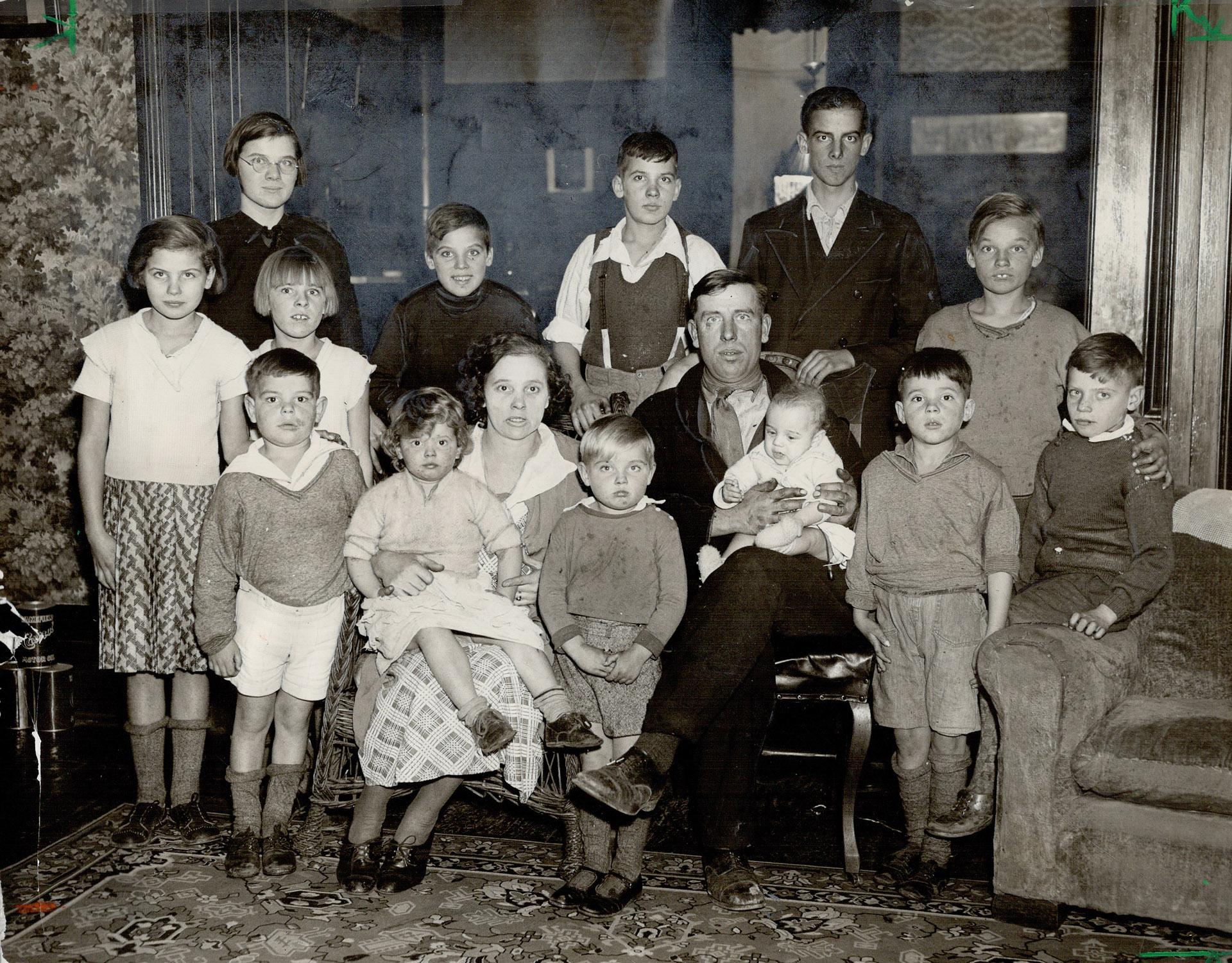
1926
Birthplace of Pregnancy Racing
In 1926, Toronto became home to one of the strangest inheritance disputes in Canadian history.
Explore more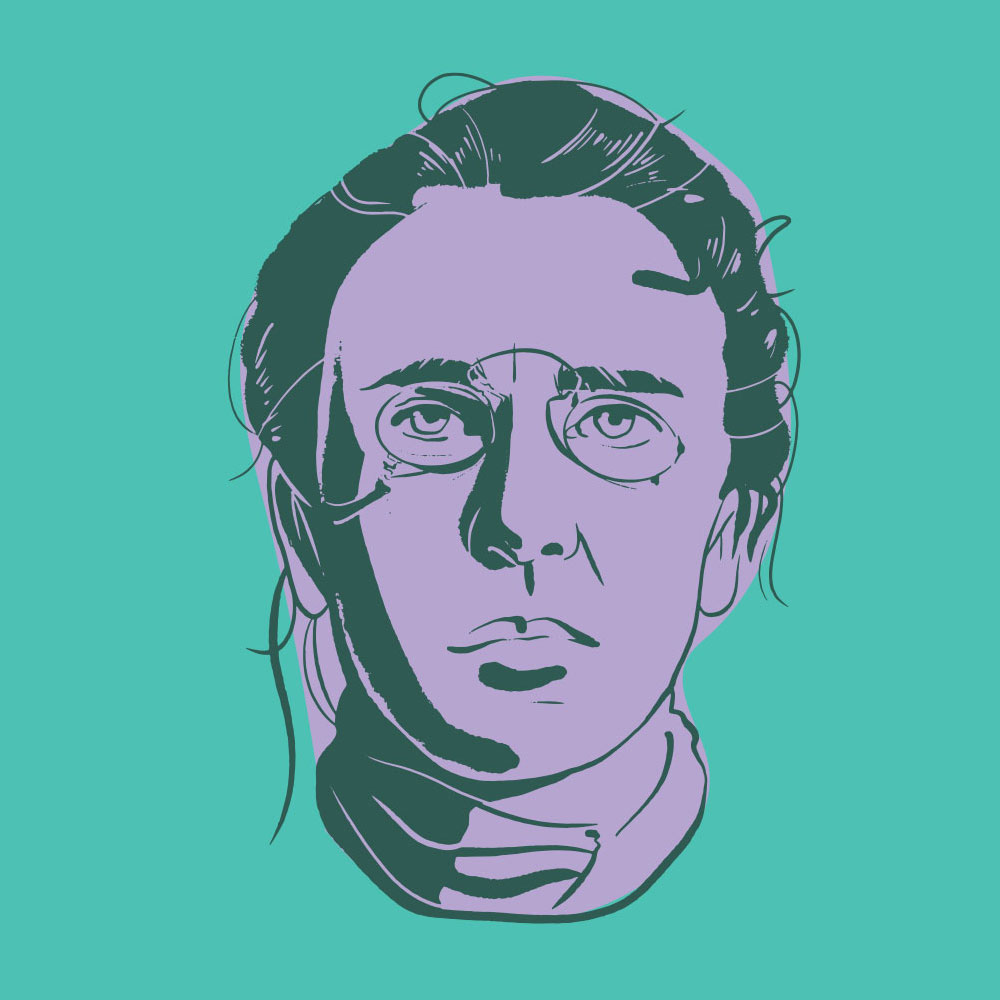
1926
Emma Goldman finds refuge in Toronto after being deported from the U.S. 6 years earlier
Emma Goldman dedicated her life to anti-war activism and social justice organizing. Her lectures on anarchist philosophies attracted thousands and fostered dedicated community organizing networks.
Explore more
1928
Myrtle Cook McGowan breaks the 100m world record with a time of 12.0 seconds at the Canadian Olympic trials
Myrtle Cook McGowan was part of Canada’s first women’s track team in 1928 – setting the stage for a lifetime of sports leadership that transformed women’s professional sports in Canada.
Explore more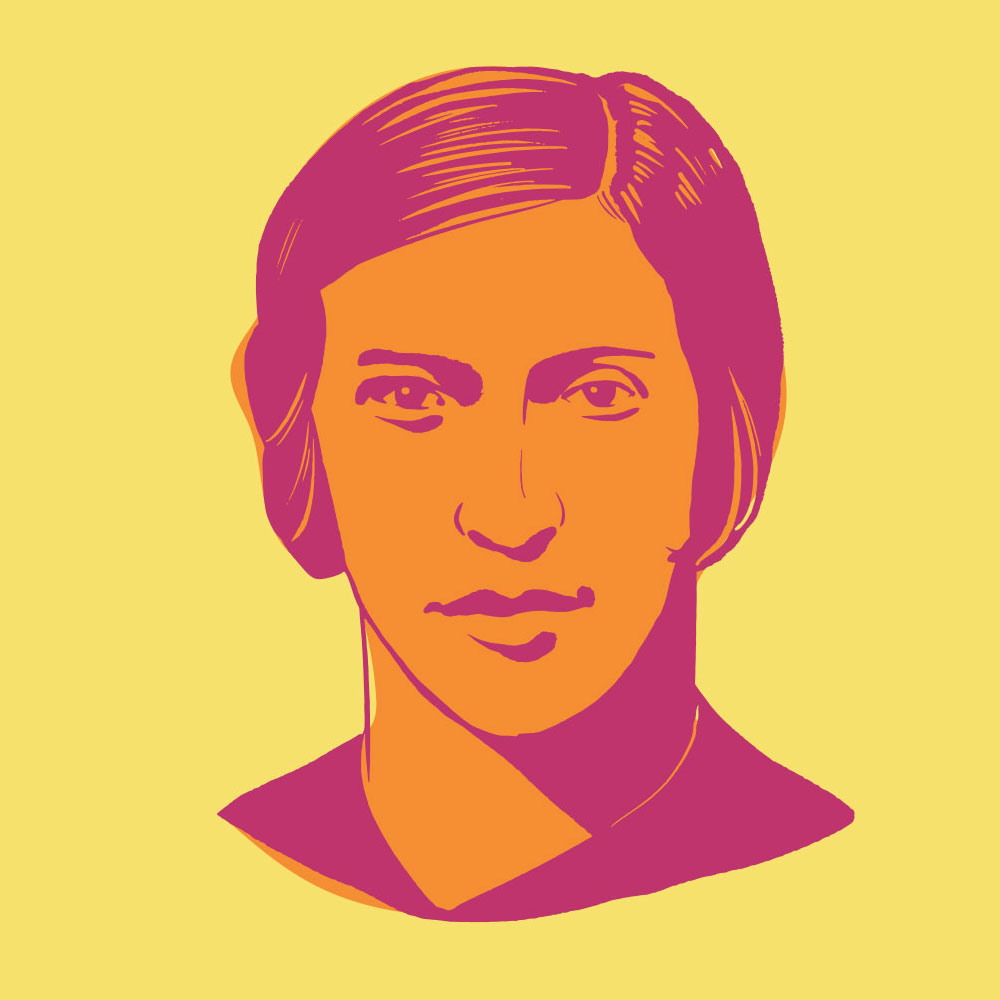
1928
Fanny "Bobbie" Rosenfeld wins gold in 4x100m relay and silver in the 100m dash at Summer Olympics
As a medal-winning Olympian and a leading sports journalist, Fanny Rosenfeld’s multi-faceted career changed the landscape of women’s sports in Canada.
Explore more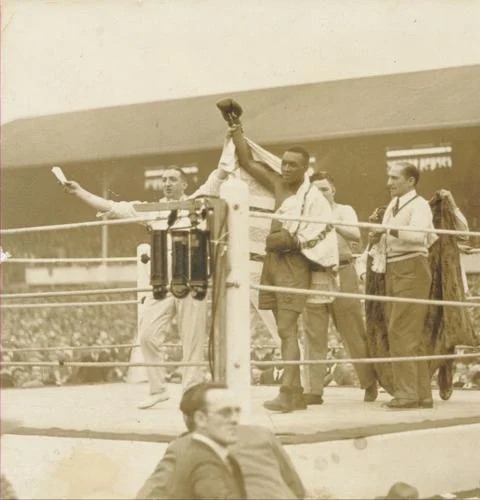
1928
World Coloured Heavyweight Championship
Larry Gains is disqualified against George Godfrey
Explore more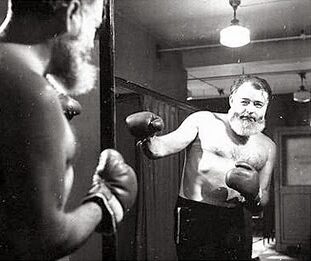
1929
Two Toronto Star writers box in Paris
One of history's strangest boxing matches took place in Paris, France, between two Toronto Star writers, Morley Callaghan and Ernest Hemingway.
Explore more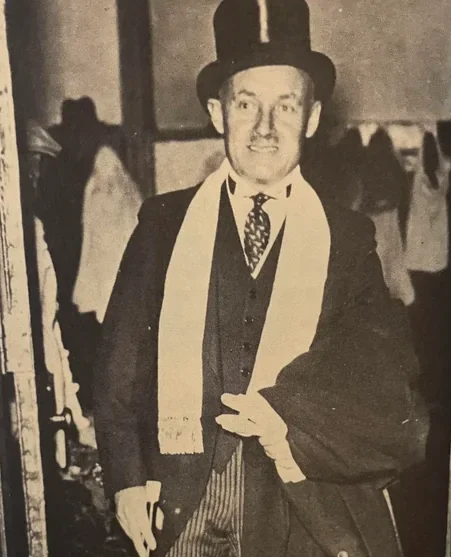
1930
Conn Smythe's big bet pays off
Maple Leafs owner Conn Smythe was a notorious gambler. He even bought a race horse named Rare Jewel for $250, entered her in the Coronation Futurity Stakes at odds over 100-1, and won!
Explore more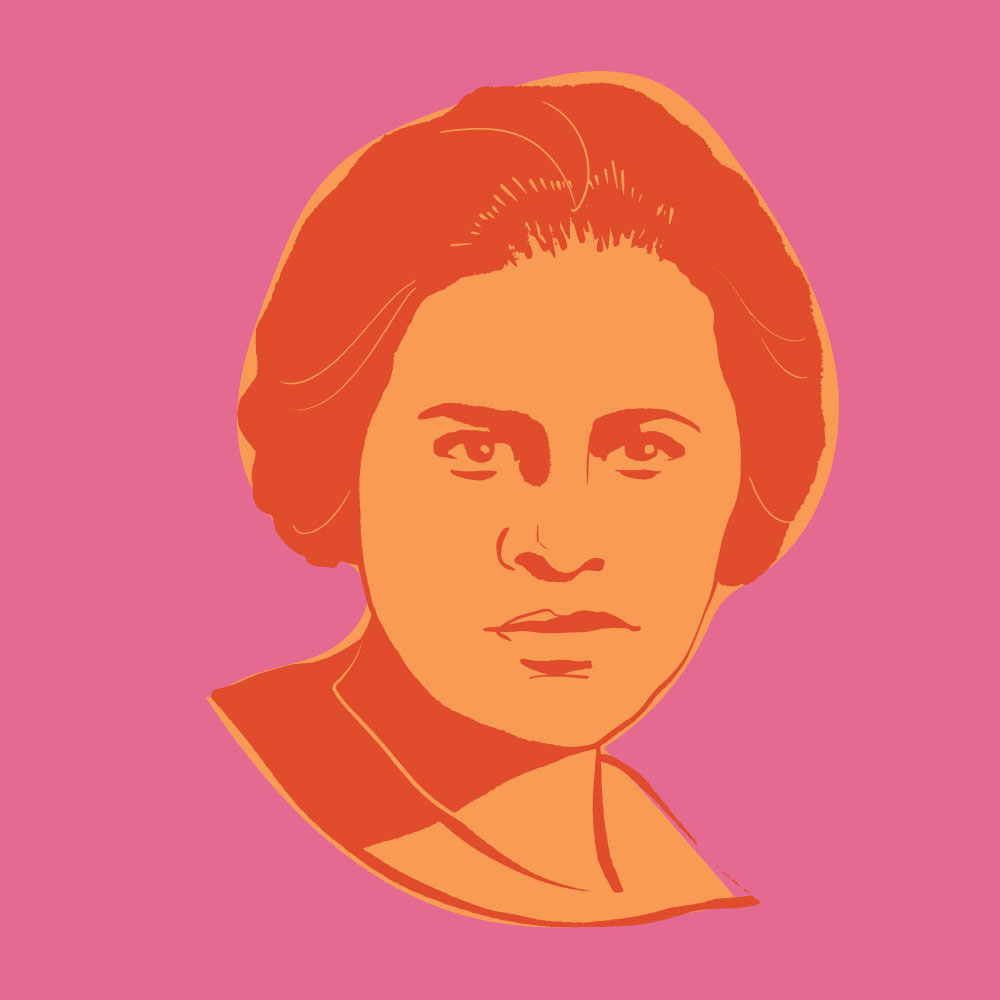
1930
Cecilia Krieger receives her PhD in mathematics from the University of Toronto
Cecilia Krieger was the first woman to graduate with a PhD in mathematics from a Canadian university and only the third Canadian. As a Jewish immigrant, she worked to translate Polish mathematics texts into English, making them available to wider audiences.
Explore more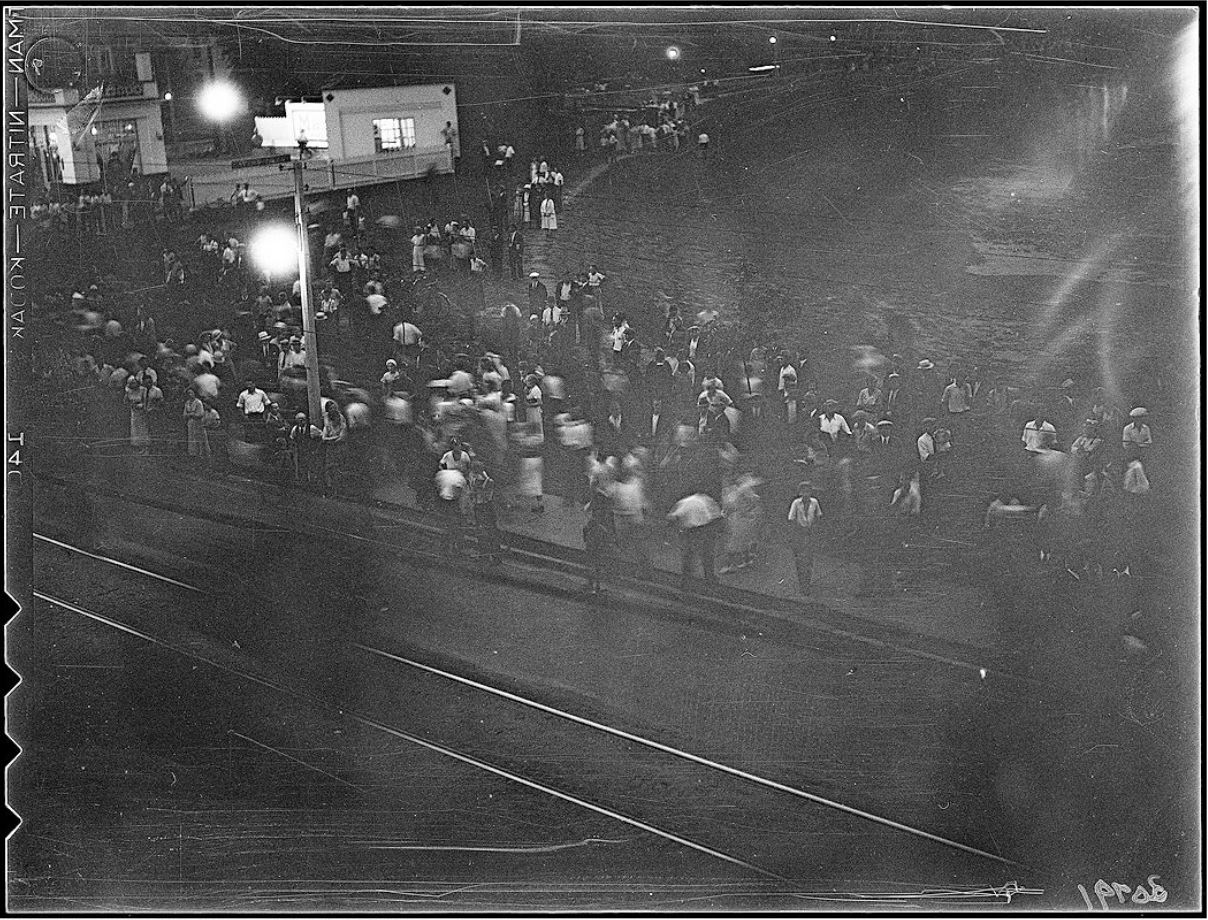
1933
Riot Takes place at the Christie Pits Park
A riot broke during a baseball game at Christie Pit Park when three youths flew a swastika flag to provoke Jewish Canadians in the audience. A fight broke out amongst the over 10,000 people in the audience.
Explore more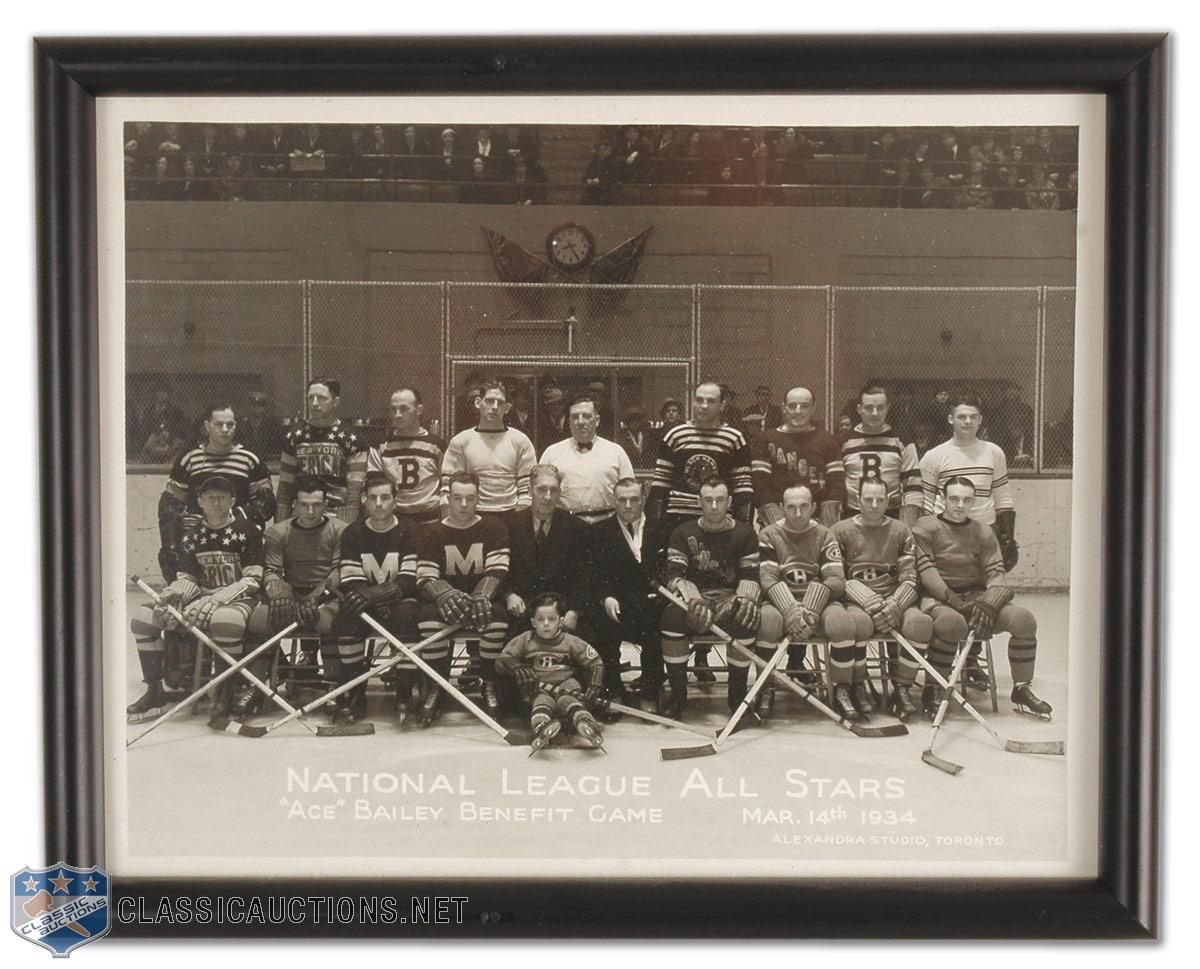
1934
Toronto hosts the first ever all-star game in NHL history
Played at Maple Leaf Garden, the game raised over $20,000 to support Ace Bailey, whose career had been ended by a violent hit from Eddie Shore months prior.
Explore more
1937
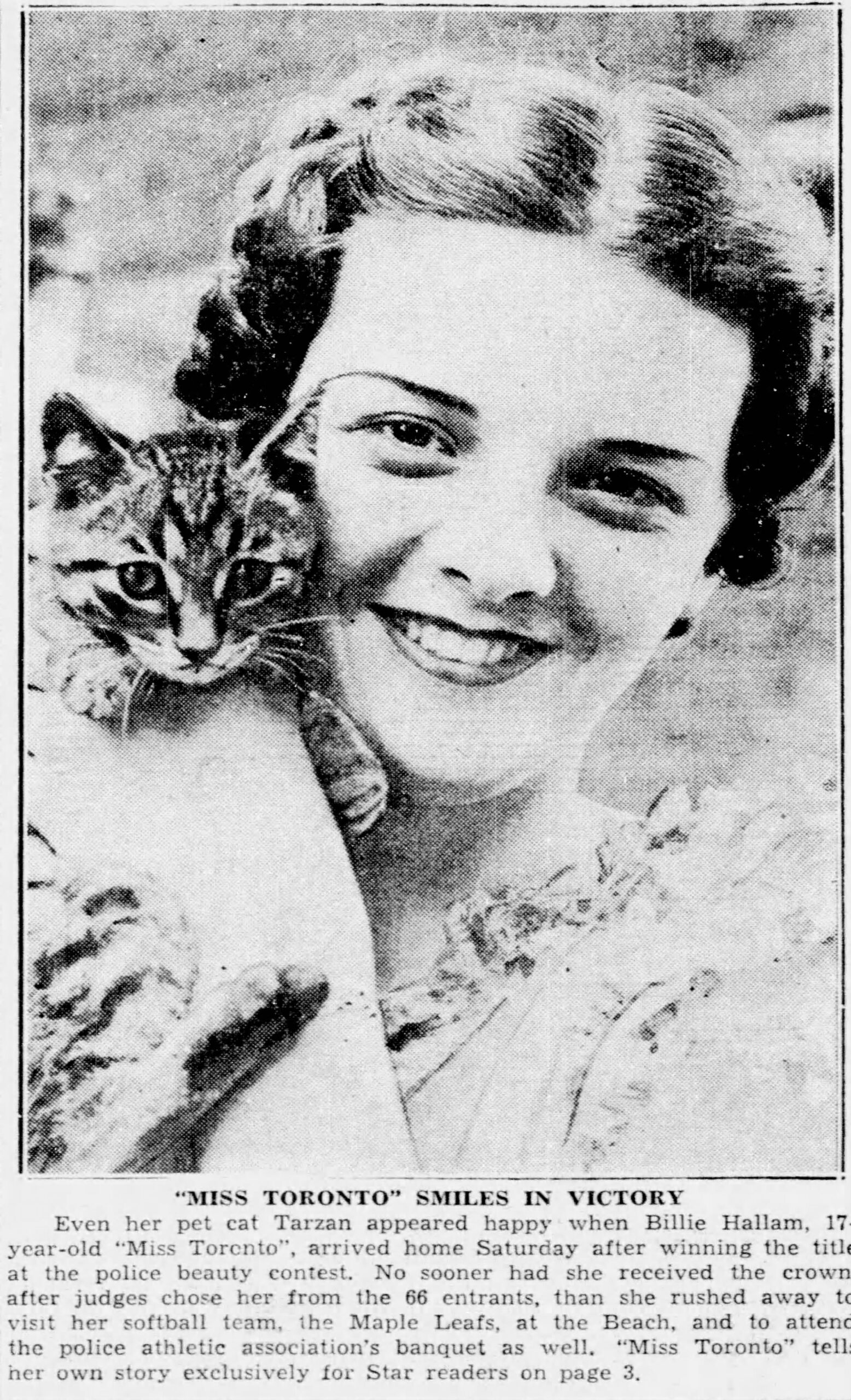
Softball player Billie Hallam wins Miss Toronto
At 17-years old, softball player Billie Hallam won the Miss Toronto paegent. She wore her evening gown under police escort to celebrate her victory.
Explore more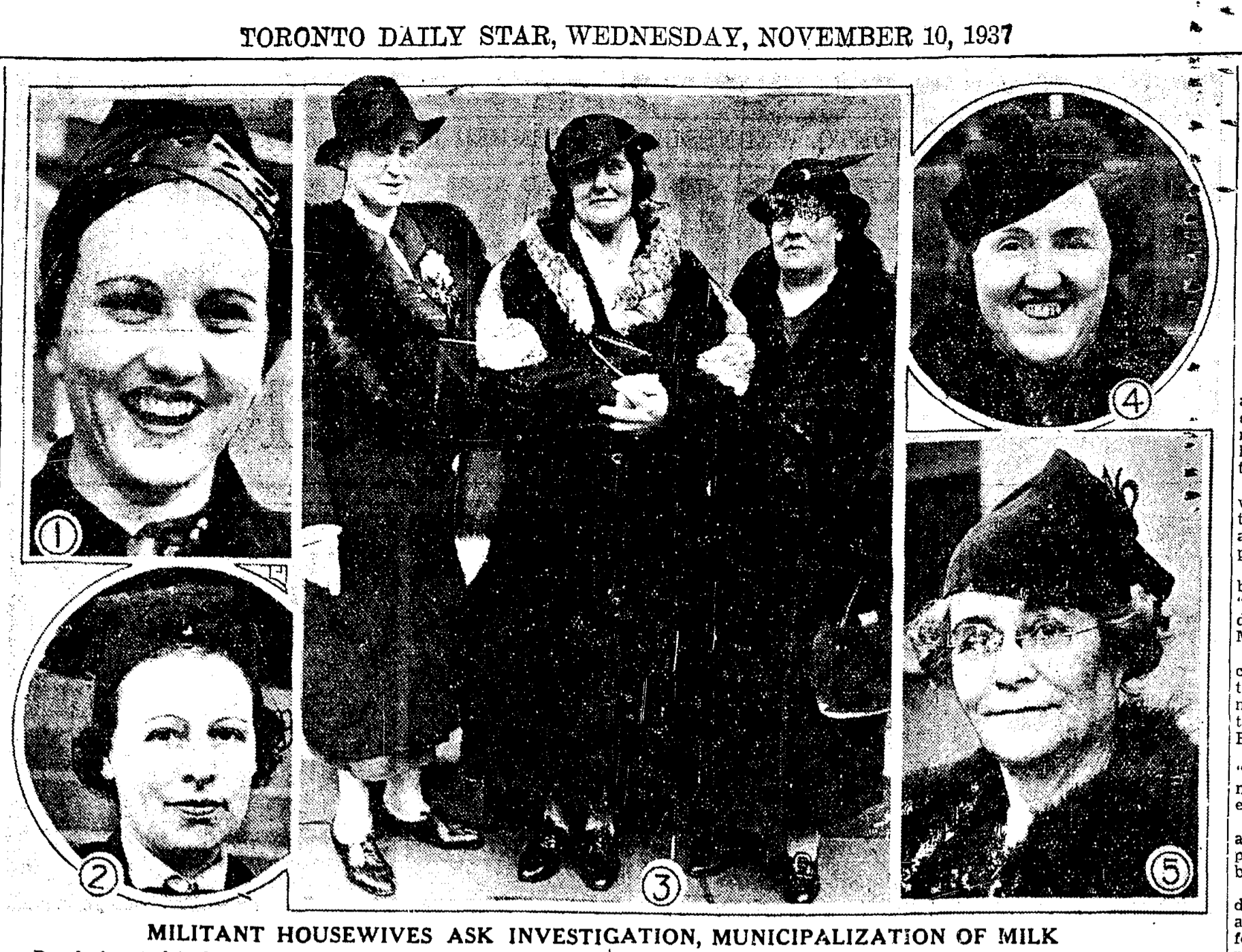
1937
200 women gather at Old City Hall to protest milk prices
Bertha Lamb organizes a 200-woman protest against the rising cost of milk during the Great Depression, which had risen from 10 cents to 13 cents per 2-pint bottle.
Explore more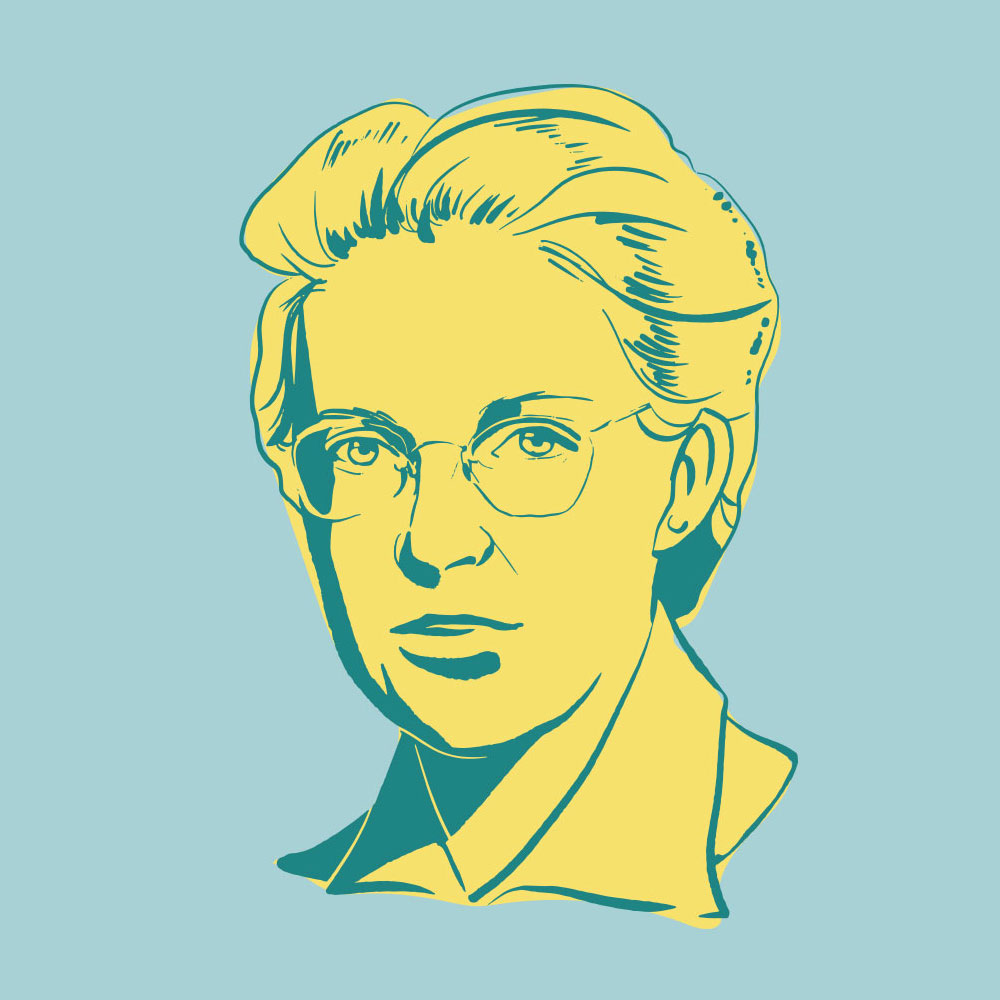
1938
Elizabeth "Elsie" MacGill becomes Chief Aeronautical Engineer at Canadian Car and Foundry
Canada’s first practicing female engineer, Elizabeth MacGill, advanced the field of Canadian aeronautics while leading a dedicated fight for gender equality.
Explore more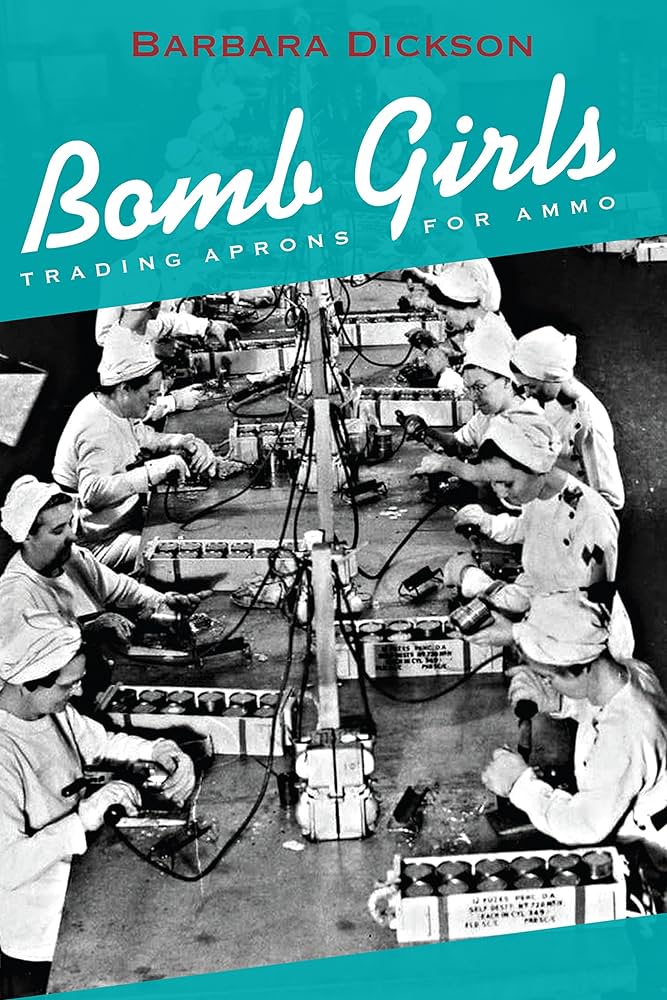
1941
Project 24 commences and the Bomb Girls take shape
To assist with the war effort, the General Engineering Company (GECO) starts Project 24, a secret munitions plant located in Scarborough, in the stretch we now call Golden Mile. The factory employed 21,000 workers, most of whom were women, thus they were given the nickname "Bomb Girls."
Explore more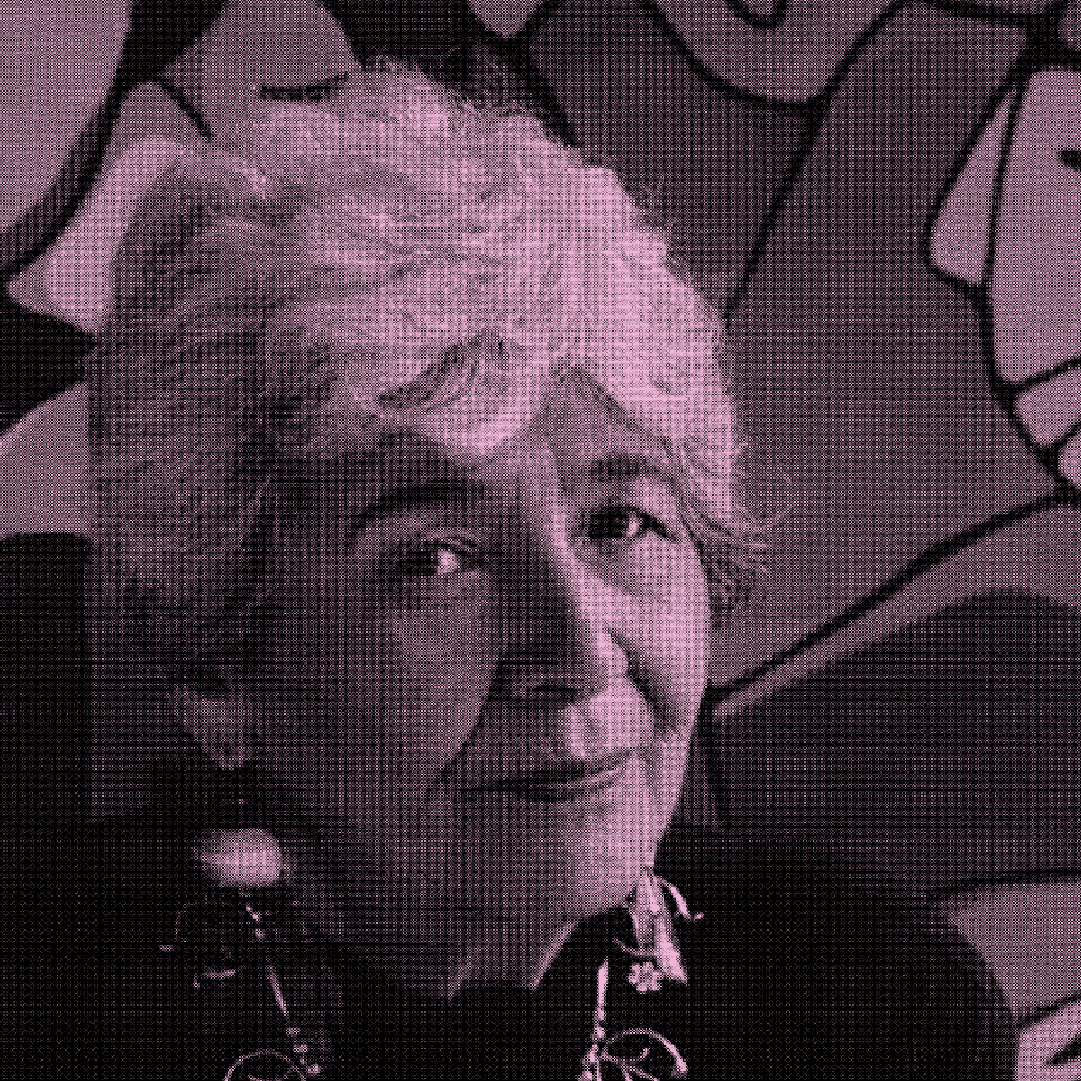
1942
Daphne Odjig moves to Toronto
After living in Parry Sound, ON for four years, she and her sister Winnifred made the move.
Explore more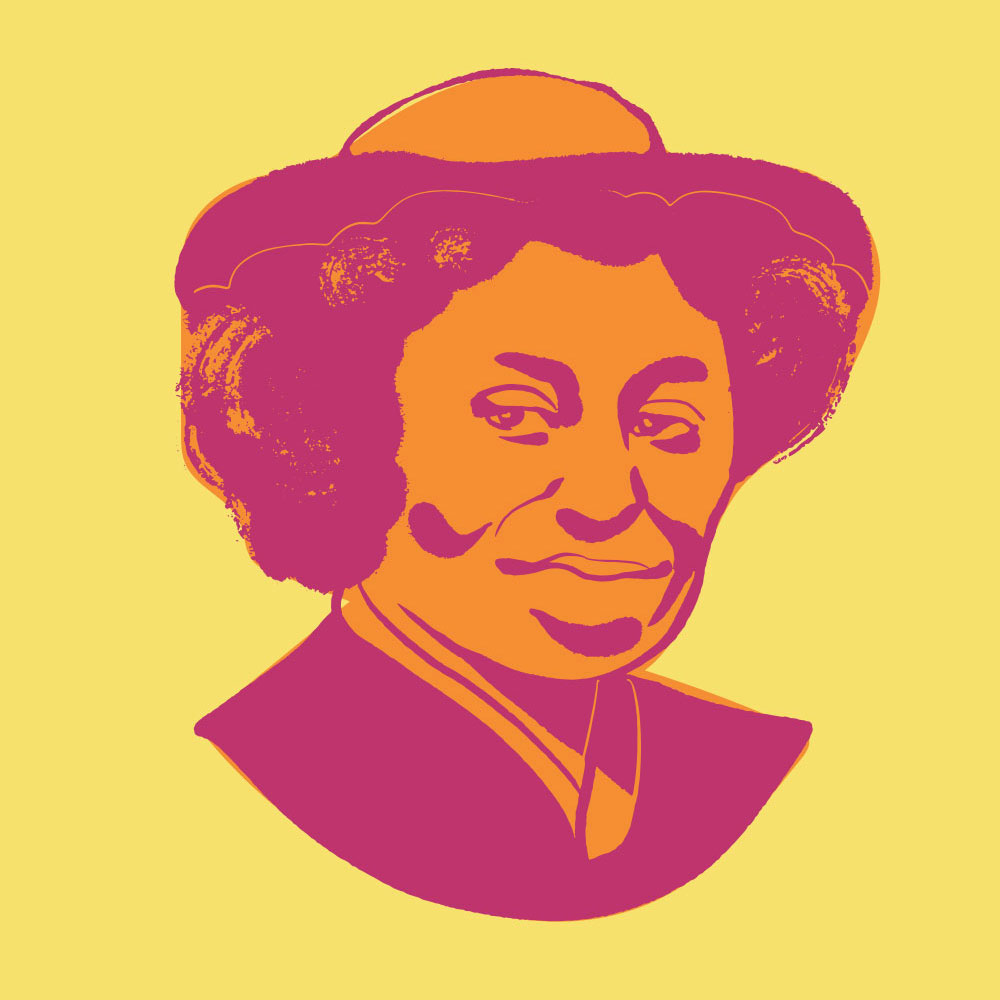
1942
Bernice Redmon leaves to attend nursing school in Virgina after being denied entry due to Canadian schools barring Black students from enrolling
Bernice Redmon, appointed to the Victorian Order of Nurses in Canada, was a trailblazer in public health as the first Black Canadian nurse. Through her advocacy work, she paved the way for other Black women to work in Ontario hospitals.
Explore more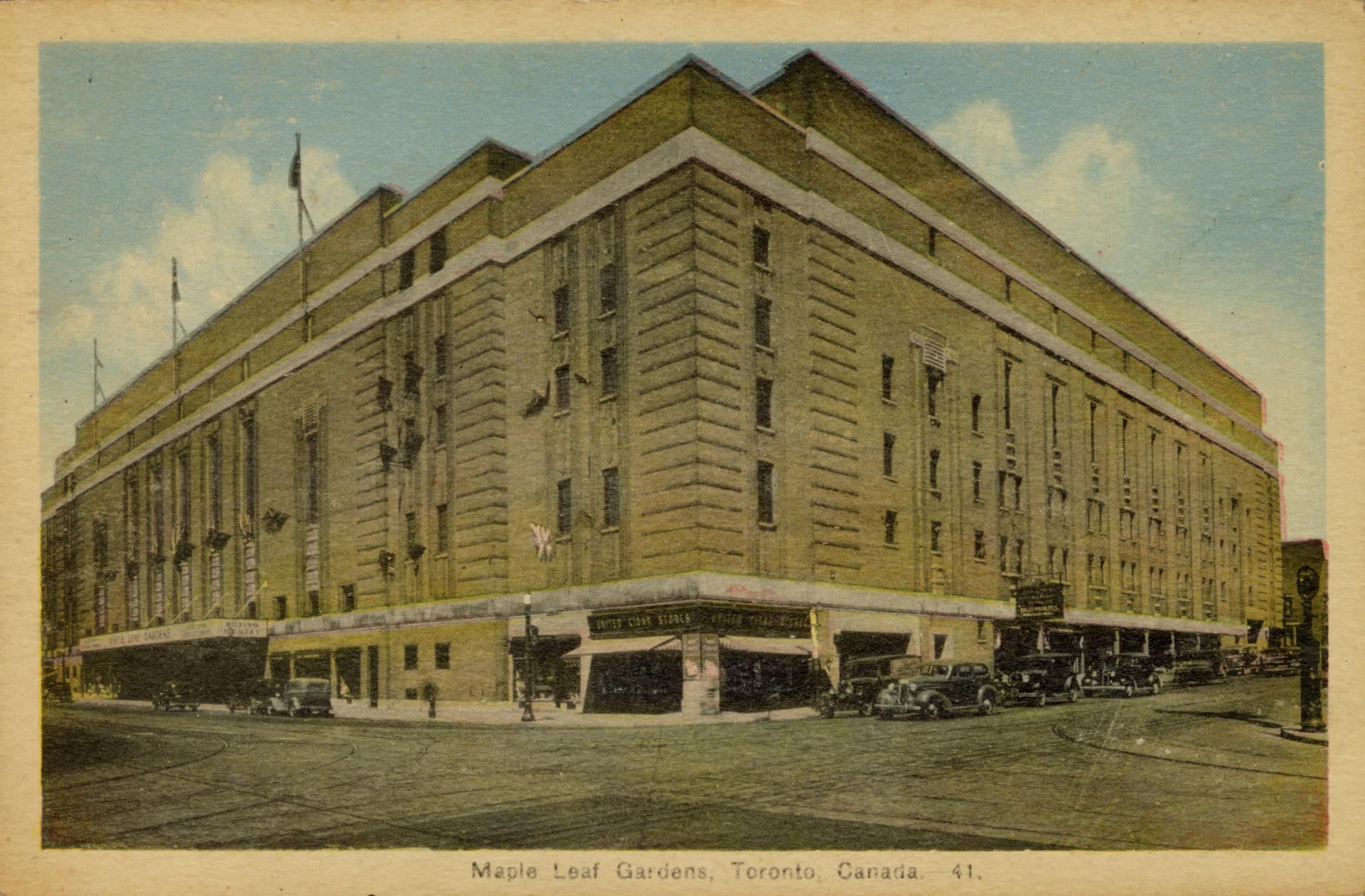
1946
The NBA started here
Long before the Raptors, Toronto played a historic role in professional basketball.
Explore more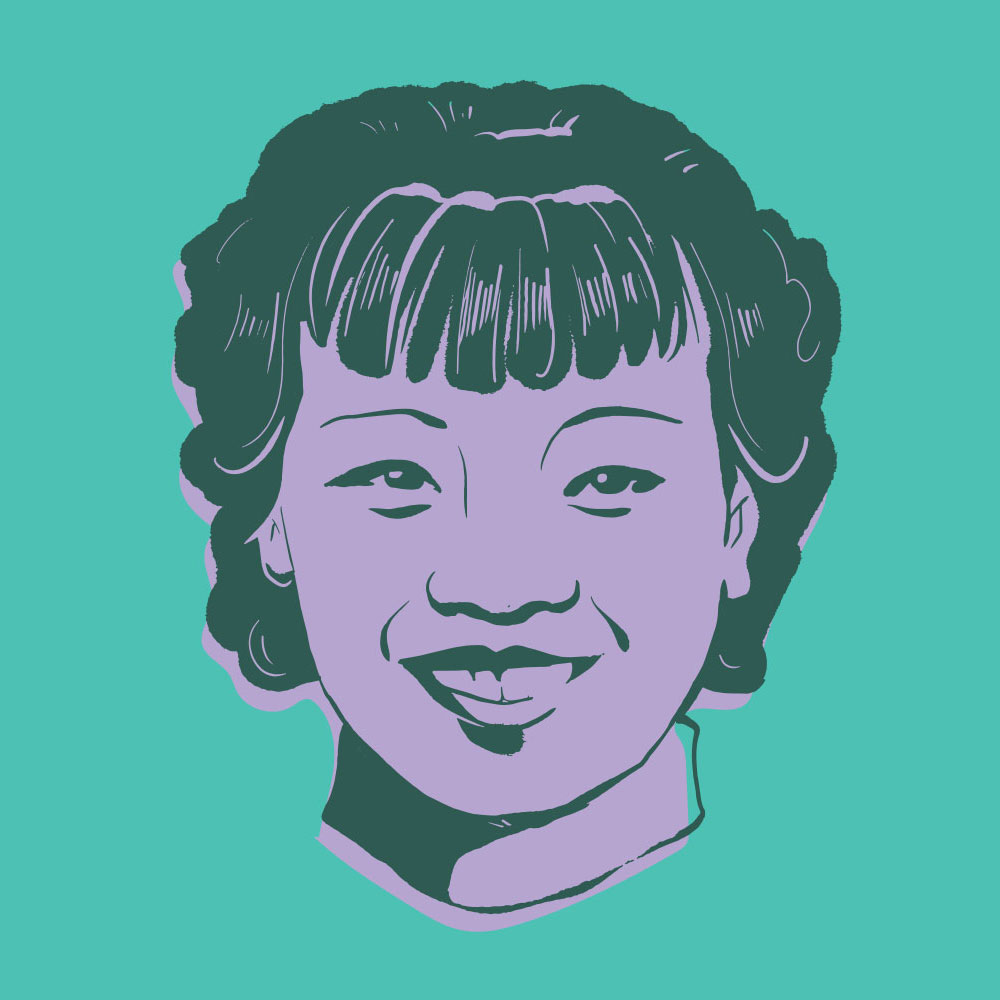
1947
Gar Yin Hune is granted her permanent landing card following the lifting of the Chinese Exclusion Act
Gar Yin Hune, escaping a war back home, toured Canada performing Cantonese Opera at the age of 19. Hune’s troupe’s performances held gathering space for flourishing Chinese-Canadian communities across various Chinatowns.
Explore more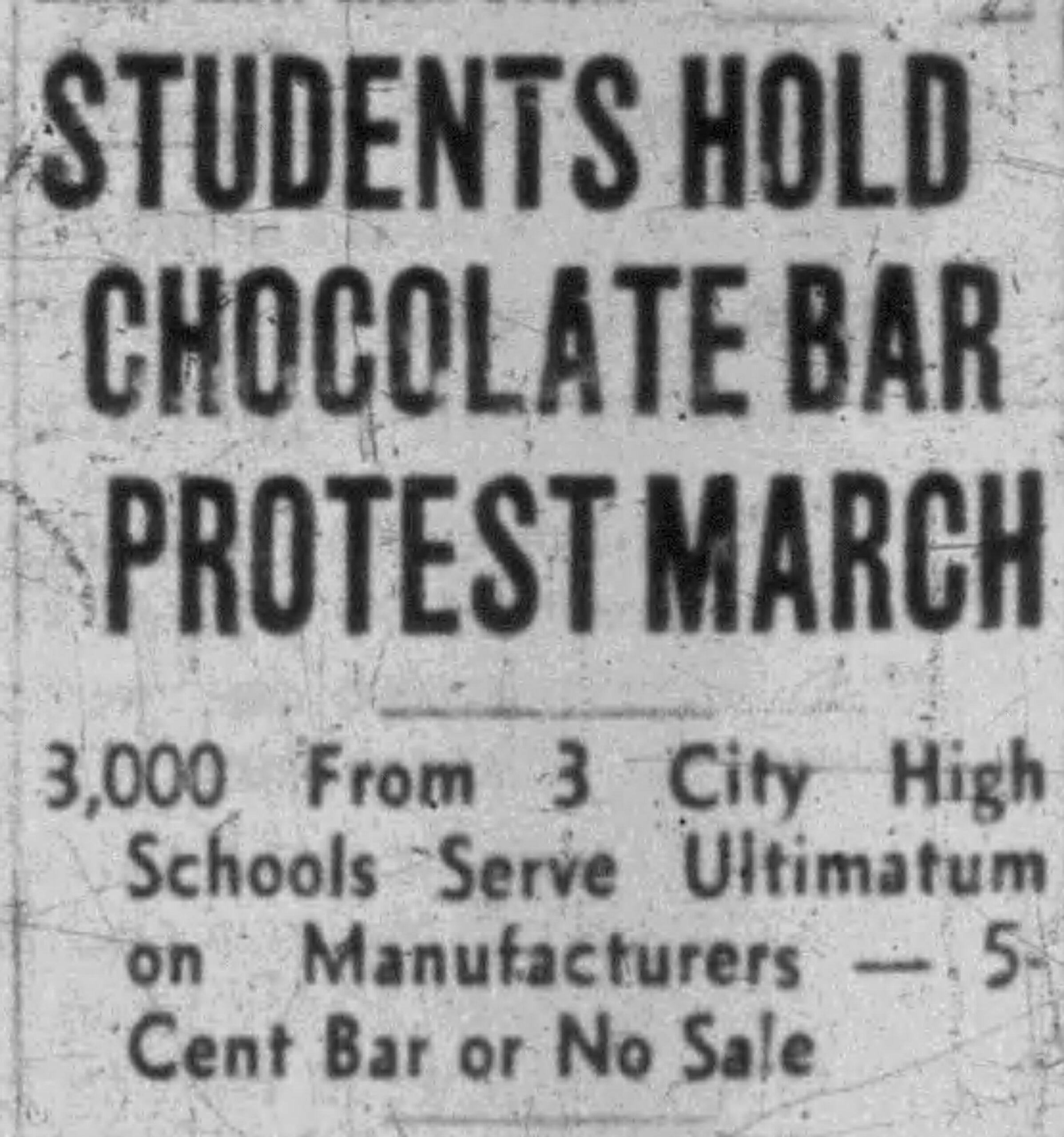
1947
A rally is held to support children's candy bar strike
In 1947, Christie Pits became the centre of one of Toronto’s most unusual protests: a citywide movement led almost entirely by children.
Explore more
1947
Jeanne Parkin hired by the Art Gallery of Toronto - now the Art Gallery of Ontario
Jeanne Parkin was a proponent of public Canadian art. In 2006, the City of Toronto awarded Parkin with a Lifetime Achievement Award, celebrating her decades-long contributions to the visual arts scene of Toronto.
Explore more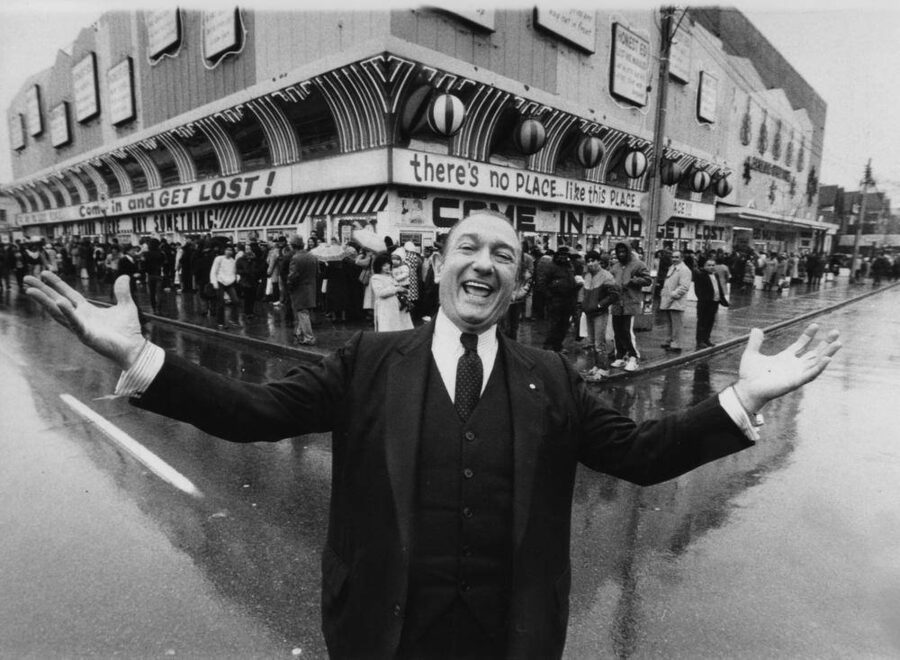
1948
"Honest Ed" Mirvish opens his world-famous bargain centre
Ed Mirvish, along with his wife Anne, opened their first retail store "Honest Ed's," selling necessary household goods for super cheap, making it popular with upstart families and Toronto newcomers. The business soon became a local landmark and the Mirvish family became synonymous with community building and cultural patronage.
Explore more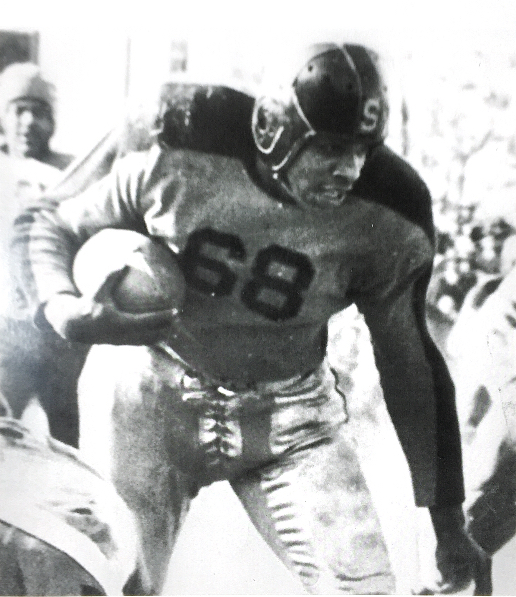
1950
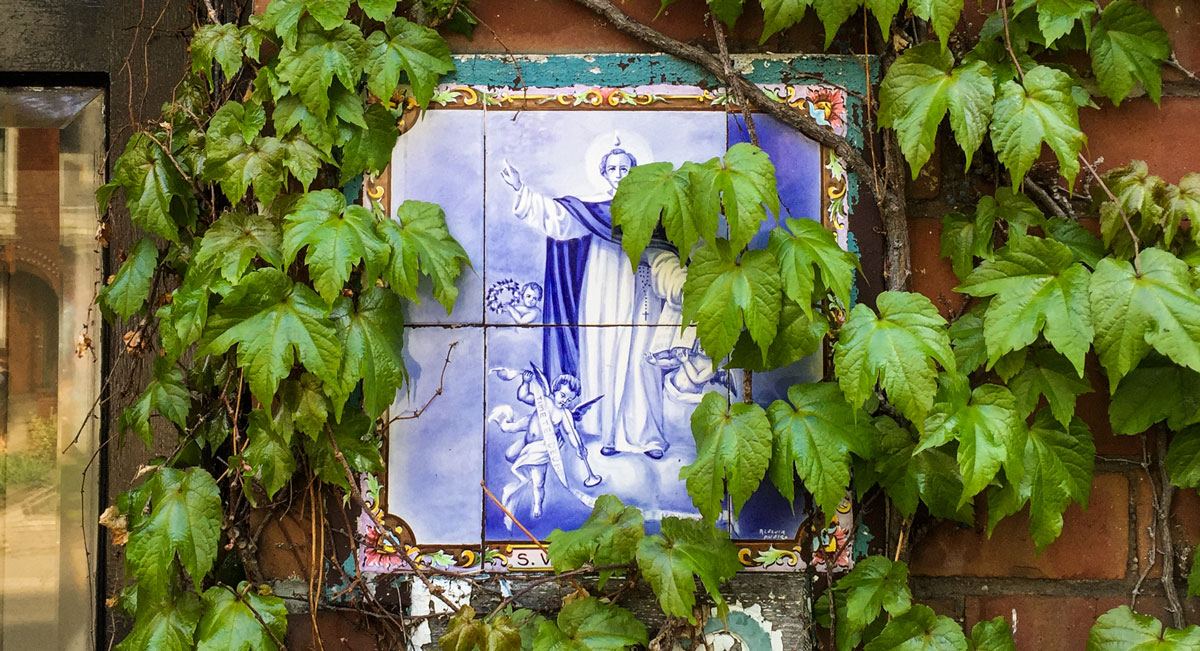
Azulejos appear across Little Portugal
Across Toronto, small details hidden in plain sight often carry deeper meanings for the communities that placed them there.
Explore more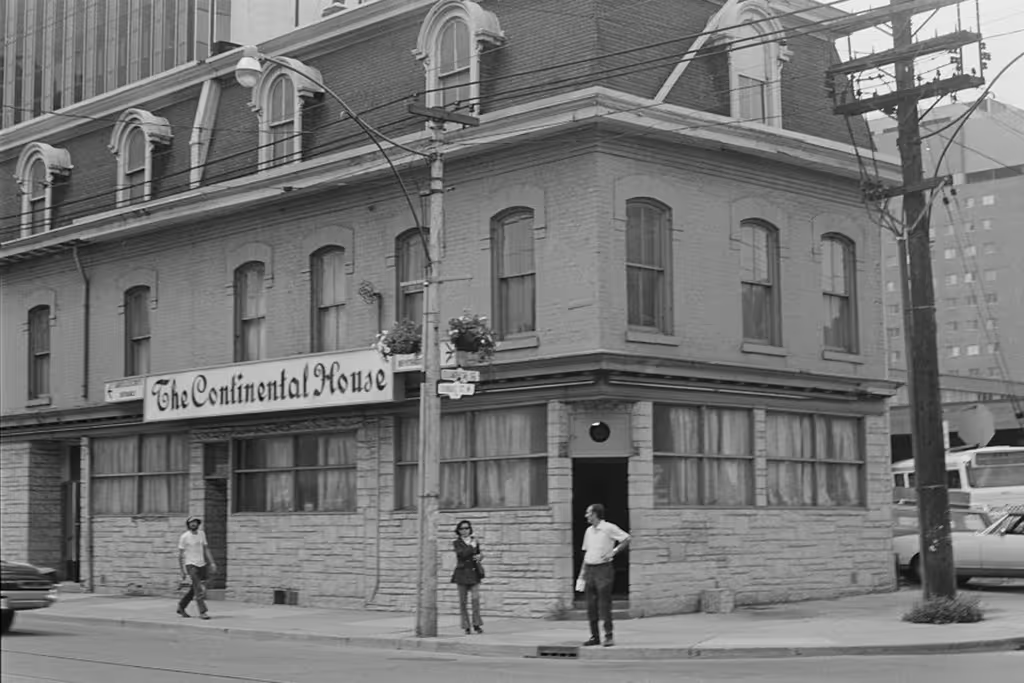
1950
The Continental House welcomes displaced lesbians and Asian men unable to immigrate their families
For much of the last century, Toronto was not a welcoming place for many of the people who called it home. But across the city, small pockets of safety and community emerged in unexpected places.
Explore more
1951
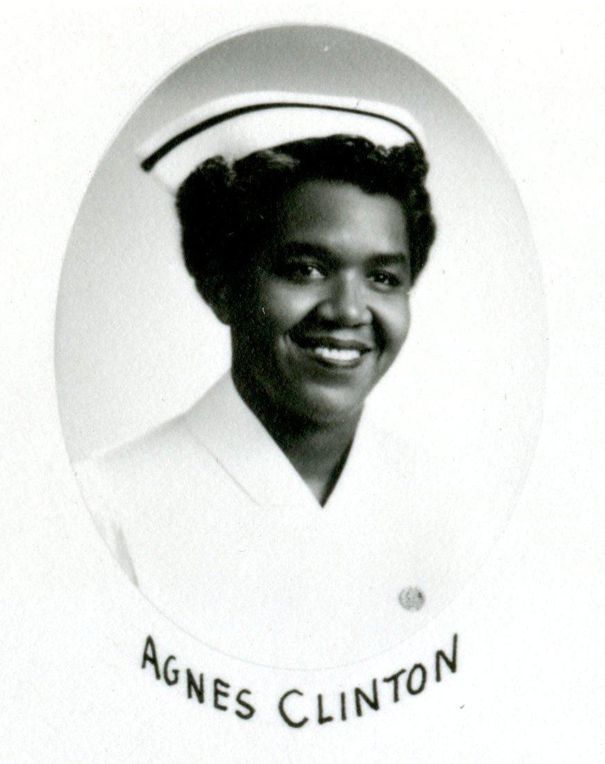
Agnes Clinton becomes the first Black woman to graduate from Women's College Hospital
Agnes would go on to work as a public health nurse. Following 13 years of working in Toronto, she went to Yale to study alcohol addiction. Agnes then moved to Detroit, where she set up a mobile medical team for homeless people.
Explore more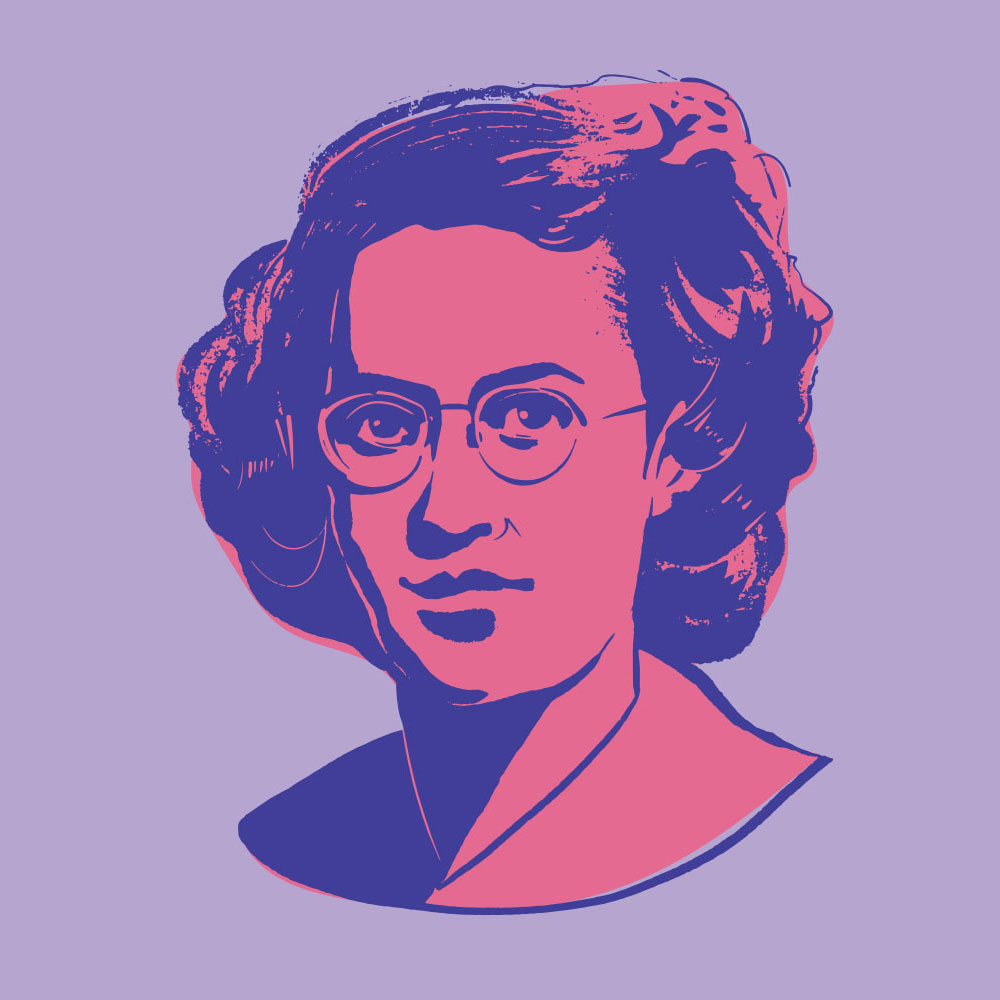
1952
Beatrice Worsley operates Canada's first electronic computer (a Ferranti Mark I) and nicknames it "Ferut"
Beatrice Worsley would later co-create "Transcode," the simplified programming language used to run the computer. She is recognized as Canada’s first female computer scientist. Her lifetime of research and work in the field were at the forefront of Canada’s burgeoning computer science sector.
Explore more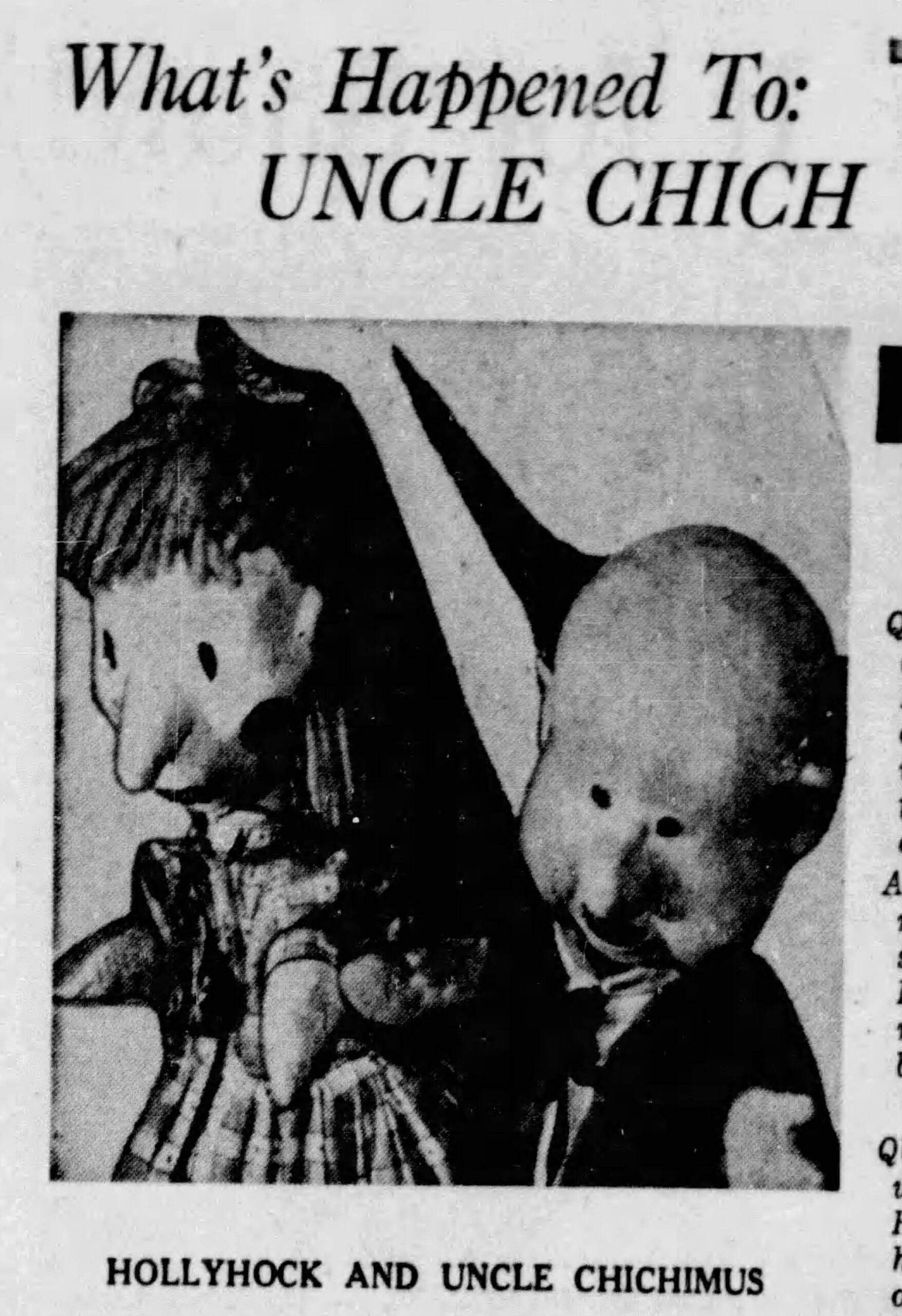
1954
Uncle Chichimus is kidnapped
Uncle Chichimus was a 1950s CBC children's program that would share current news with young audiences using puppets Unclue Chichimus and Hollyhock. Their creator and puppeteer, John Conway, left the pair of puppets in the trunk of his car, only to return to find it broken into and Uncle Chichimus and Hollyhock stolen. They were never returned or found.
Explore more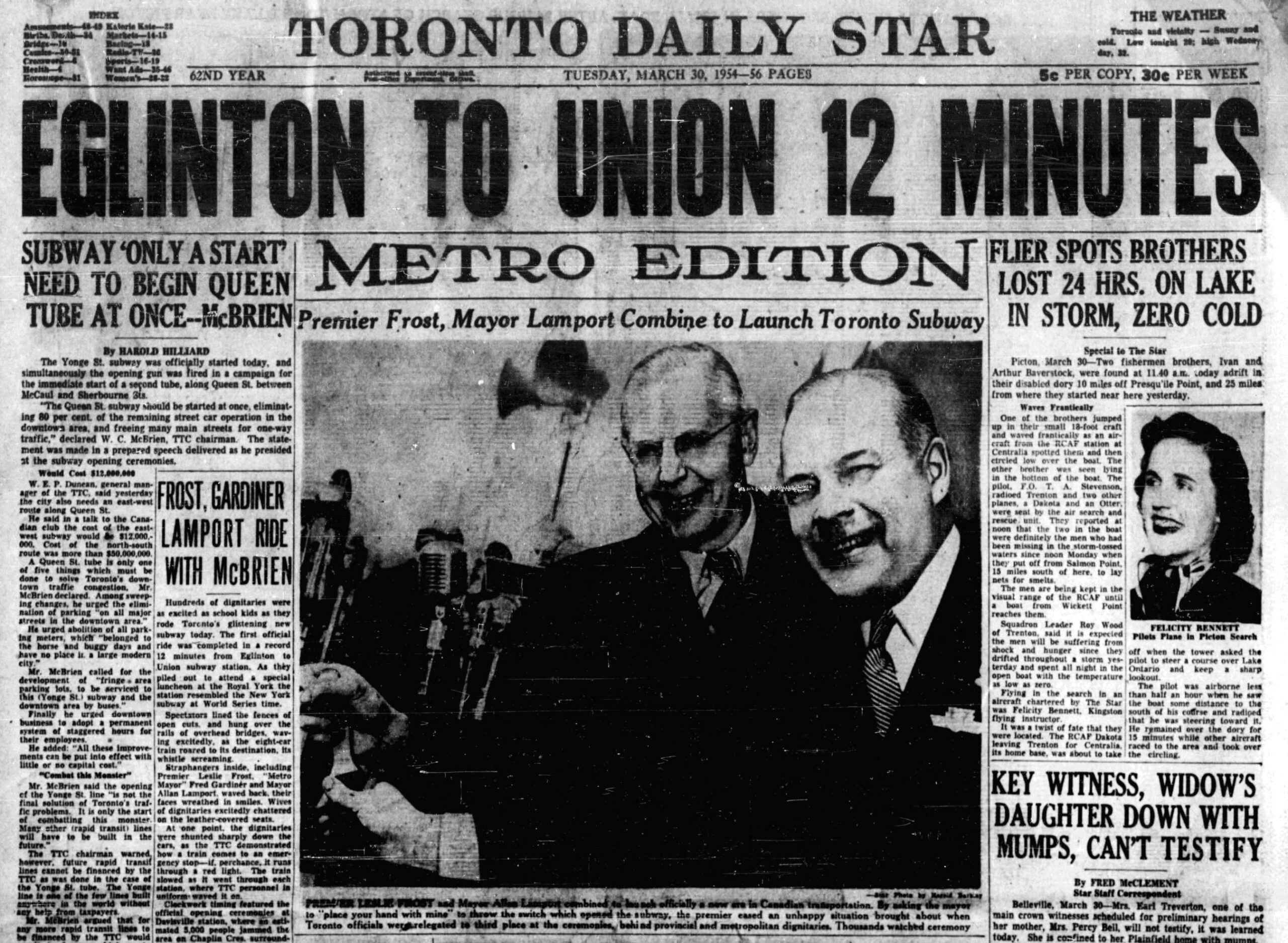
1954
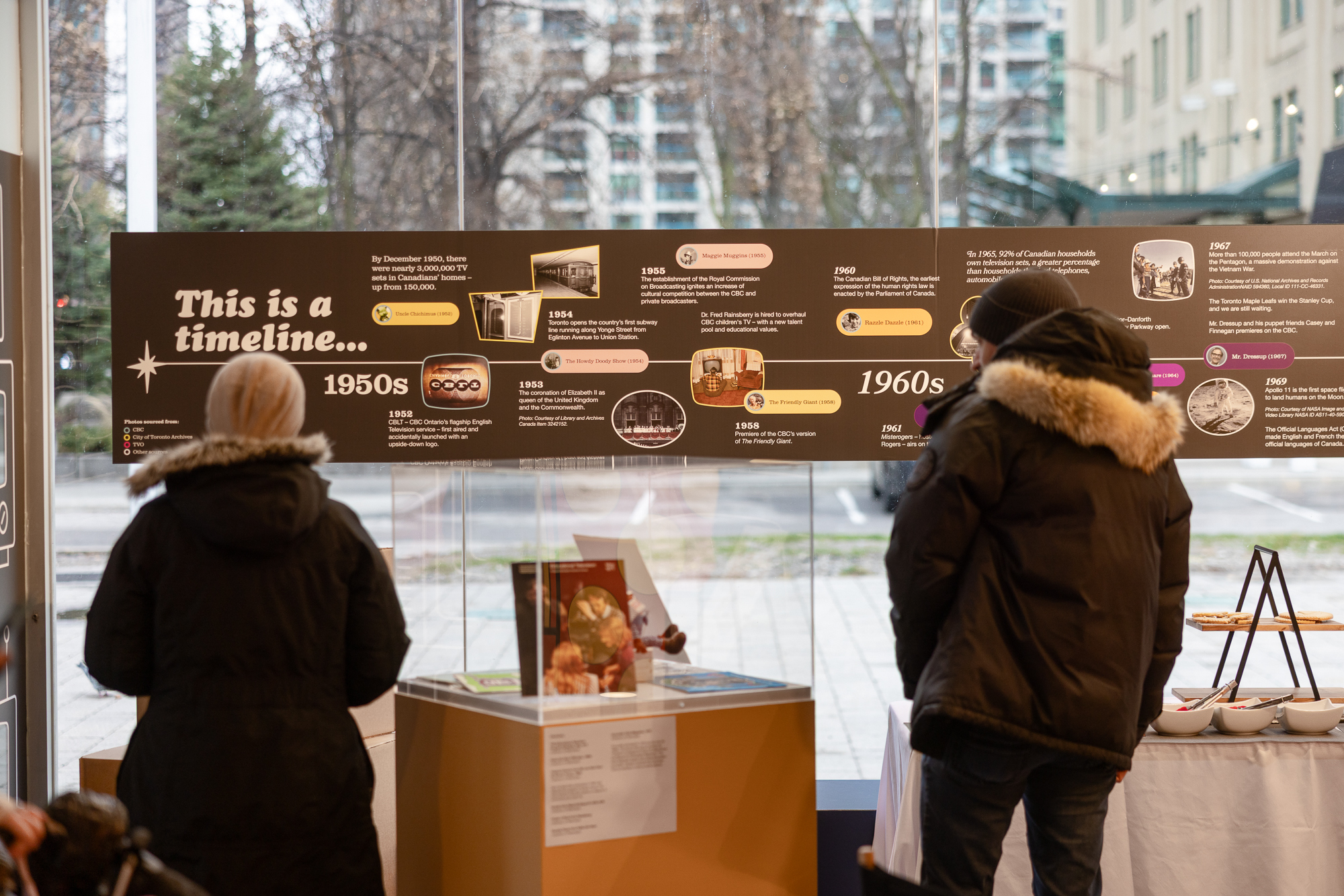
Toronto gets a subway
The opening 7.4-kilometer trip runs from Union Station north to Eglinton Avenue across 12 stations.
Explore more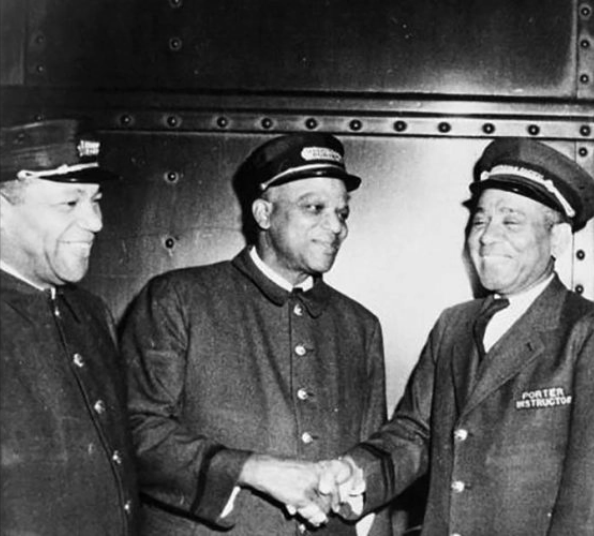
1954
Derailed: The History of Black Railway Porters in Canada
In 1954, porters boarded a railway car from Union Station to Ottawa to begin the fight to remake Canada into a more inclusive society.
Explore more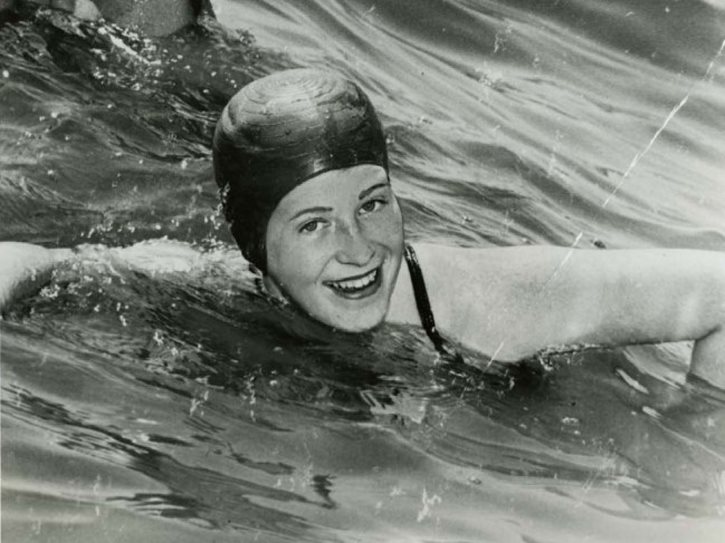
1954
Marilyn Bell crosses Lake Ontario
The 16-year-old beat famed American swimmer Florence Chadwick to become the first person in recorded history to swim across Lake Ontario.
Explore more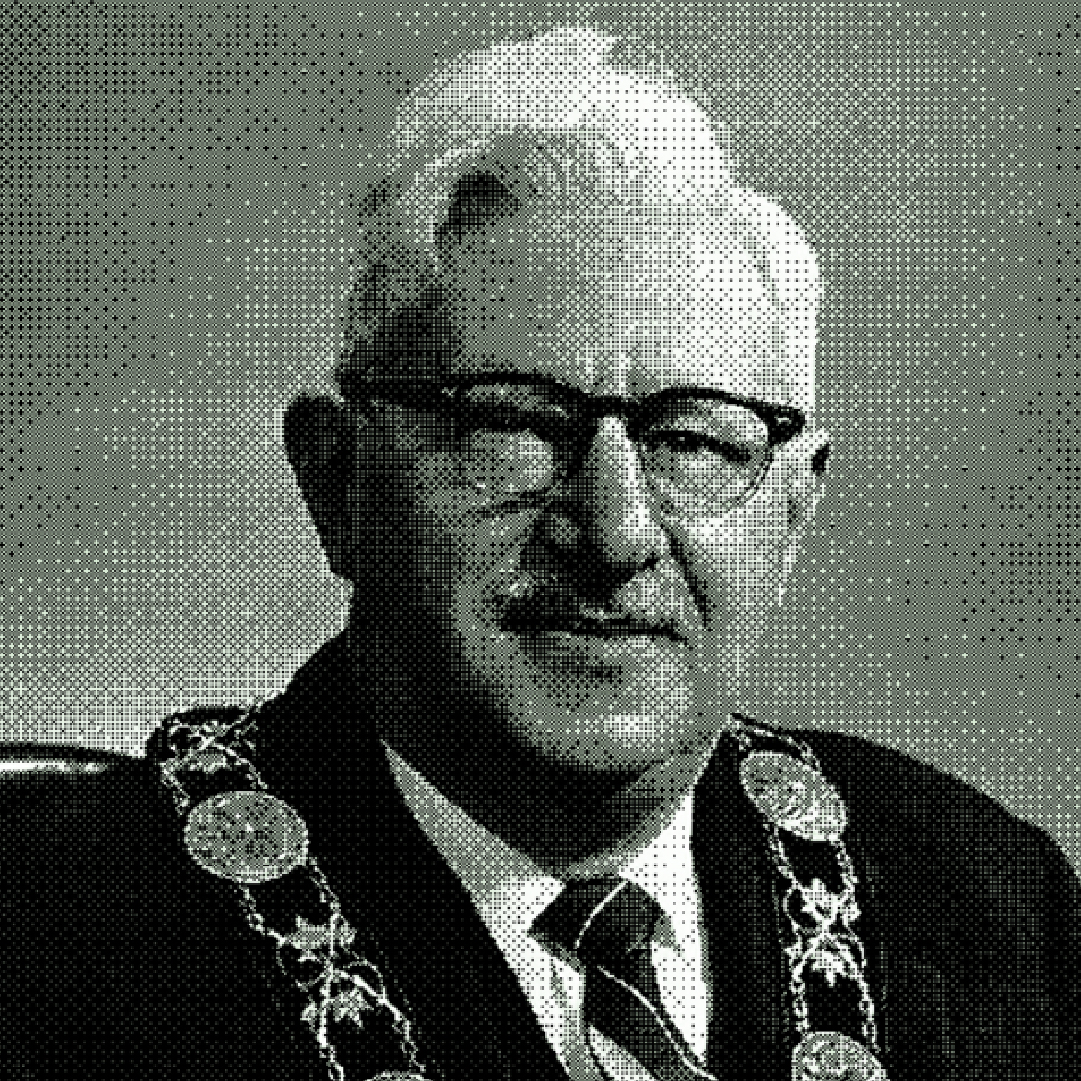
1954
Toronto Elects Nathan Phillips for Mayor
After 52 mayors since its incorporation, Nathan Phillips became the first non-Protestant mayor of Toronto.
Explore more1956
Black Railway Porters' Fight for Rights
On April 23, 1956, members of the Brotherhood of Sleeping Car Porters (BSCP) attended a special convention in the Coliseum of the Canadian National Exhibition in Toronto.
Explore more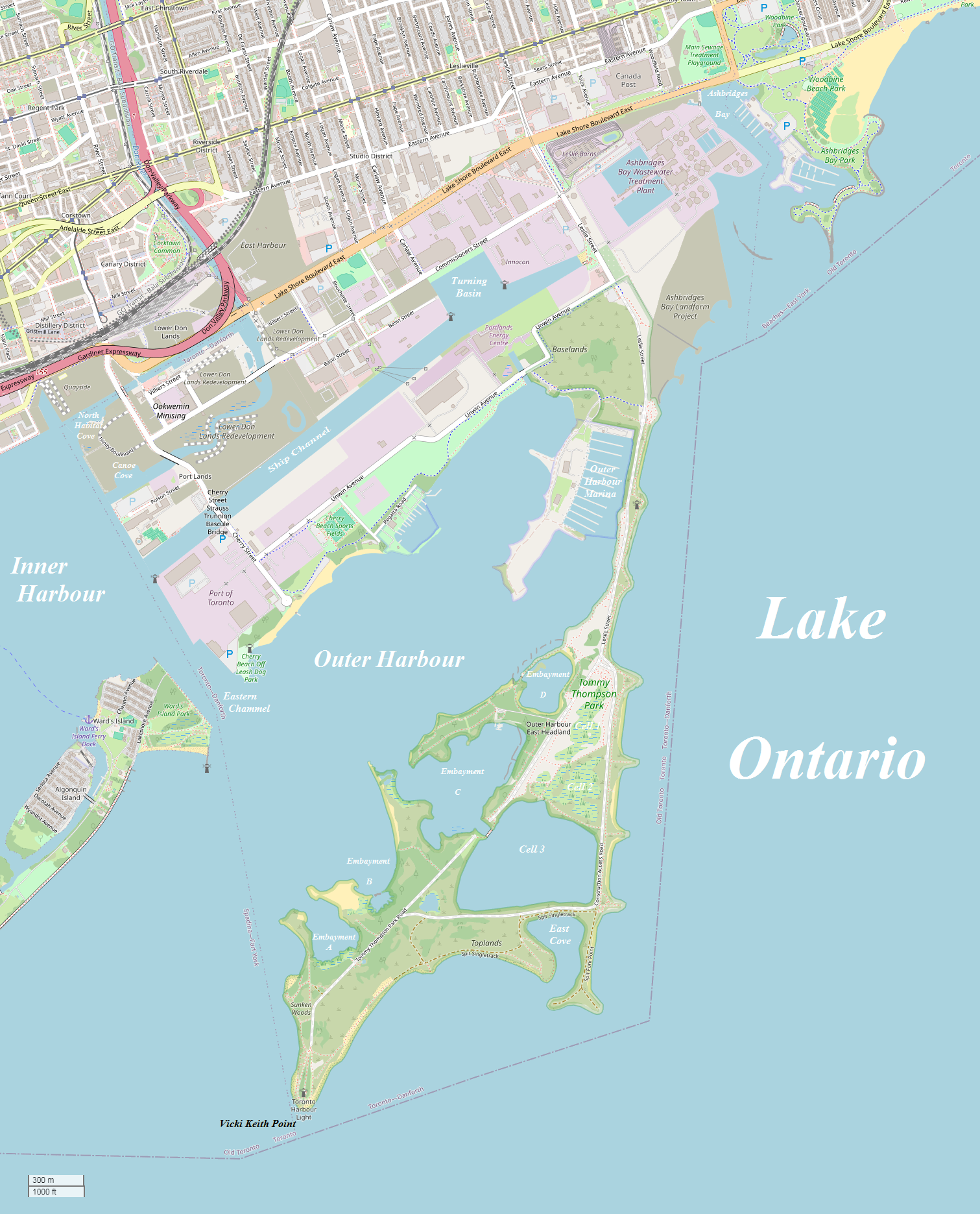
1959
Leslie Street Spit created
Today, Tommy Thompson Park (or the Leslie Street Spit) is a richly biodiverse urban wilderness, but this wasn’t always the case. The land beneath the park is entirely humanconstructed. Workers began dumping fill at the foot of Leslie Street in 1959, eventually creating a 5.2 kilometre peninsula that extends into the lake.
Explore more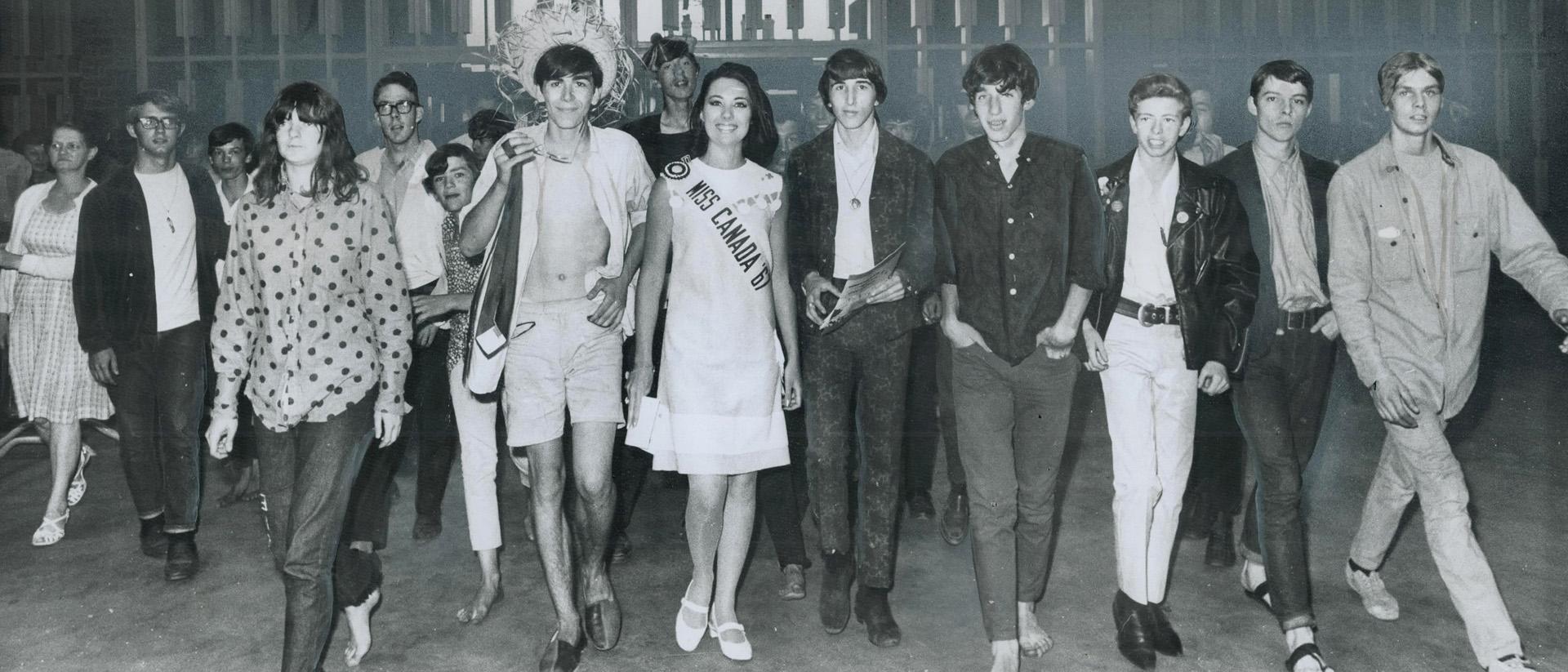
1960
Yorkville becomes a hub for hippie counterculture
In the 1960s, Yorkville became the centre of Toronto’s growing counterculture movement.
Explore more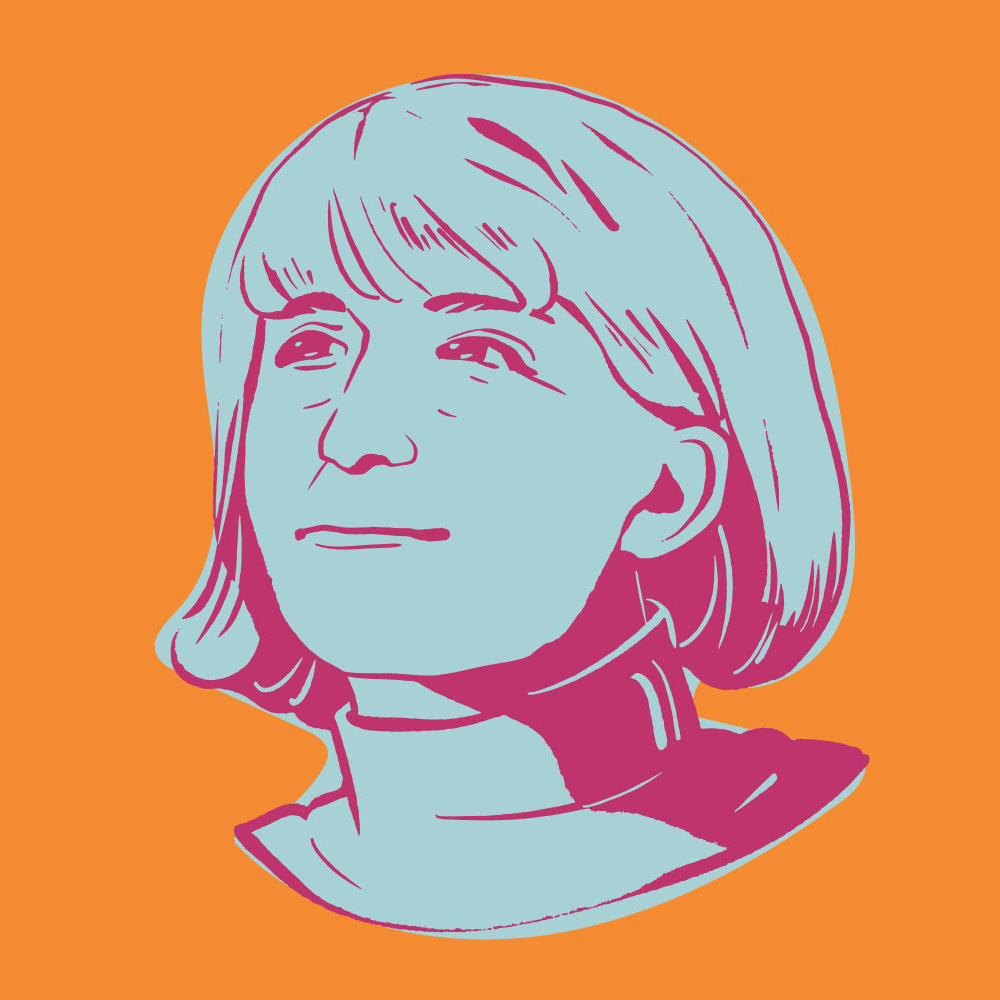
1962
Diana Carter wins her first-ever car race at the Connor Circuit in Saint-Eugène, Quebec
As the first woman to win a car race in Canadian history, Diana Carter was destined to trailblaze her way through a career at the top of Canadian race car driving.
Explore more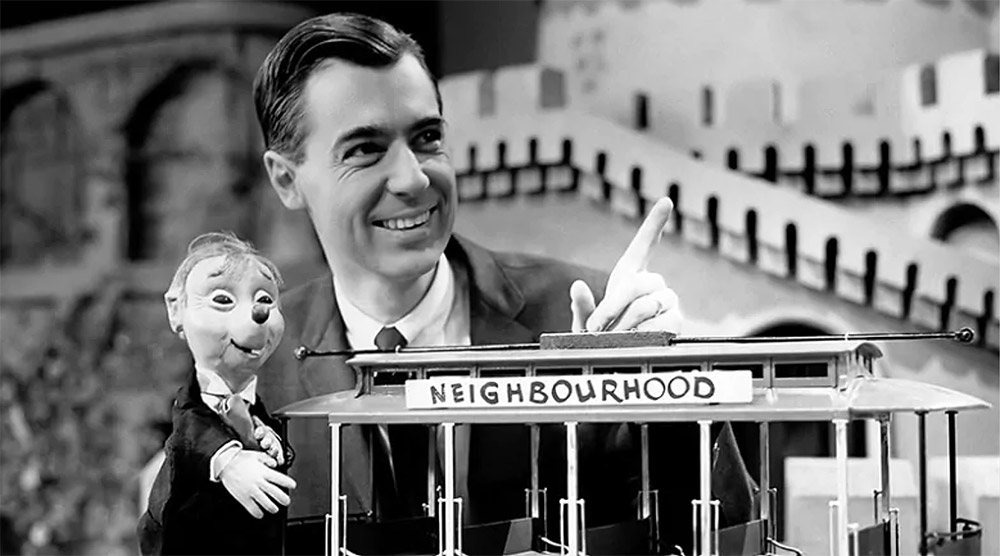
1962
Mister Rogers debuts on CBC
The famous children's television host Mr. Rogers started his iconic show here in Toronto.
Explore more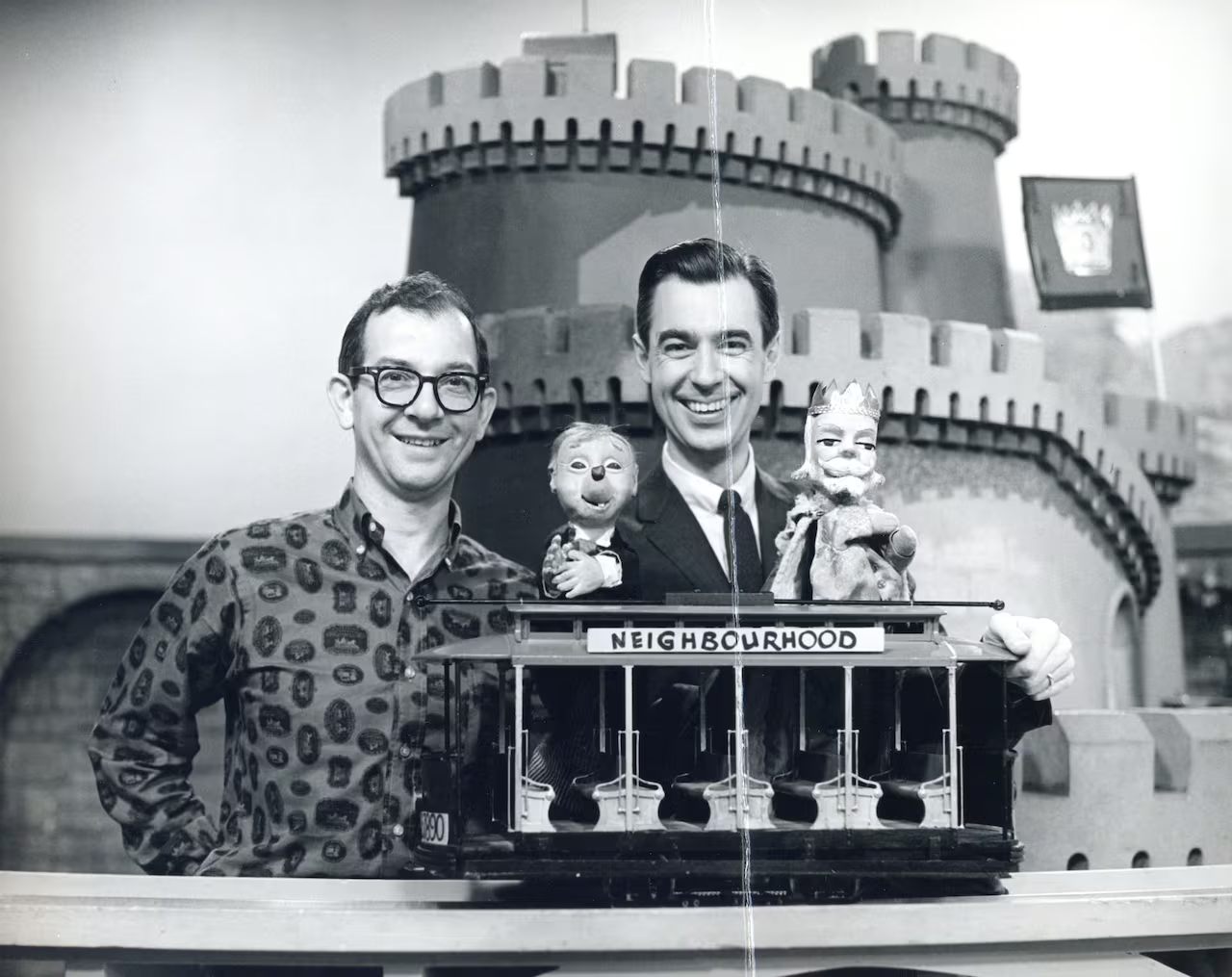
1962
Mr. Rogers debuts on the CBC
Fred Rogers debuts his first program, Misterogers, on the CBC alongside puppeteer Ernie Coombs (Mr. Dressup) to educate children on values of friendship, compassion, and love. He would return to the US four years later to start Mr. Rogers' Neighborhood.
Explore more
1963
Jackie Shane's "Any Other Way" hits No. 2 on Toronto's prominent CHUM singles chart, selling over 10,000 regional copies
Jackie Shane was a transgender pioneer of 1960s soul music. Putting on emotionally compelling performances, Shane was an icon in the Toronto music scene for her commitment to authenticity in life and art.
Explore more1965
Lucio Casaccio refuses to sell his home in St. James Town
How One Man and His House Changed Toronto's Landscape
Explore more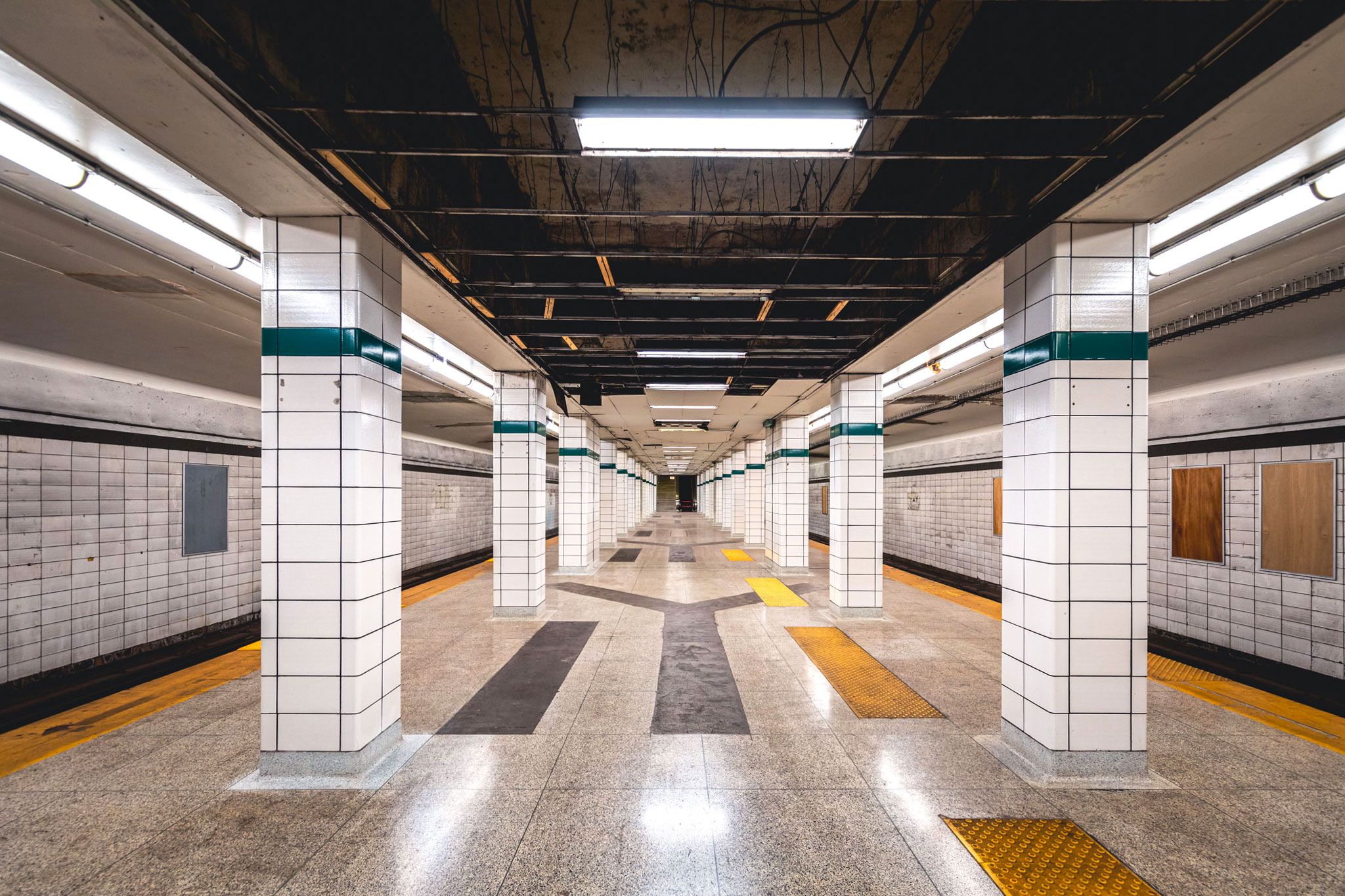
1966
Lower Bay station is built, closed and forgotten within a year
One of Toronto’s “lost” subway stations is hiding in plain sight beneath Bay Station.
Explore more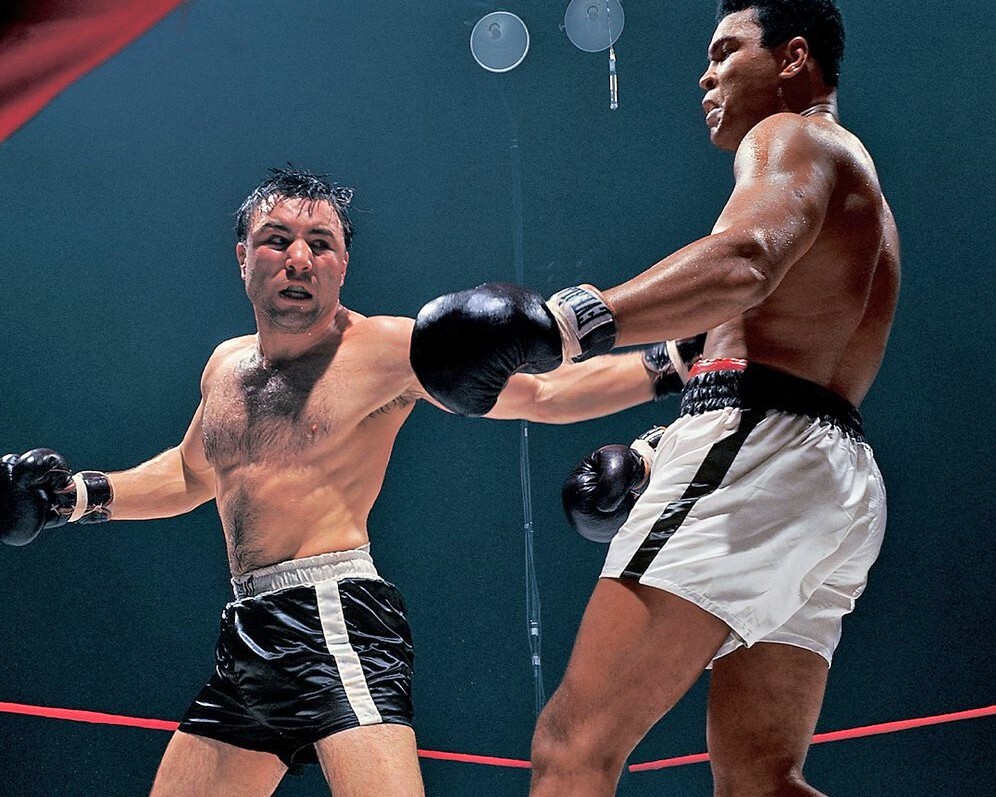
1966
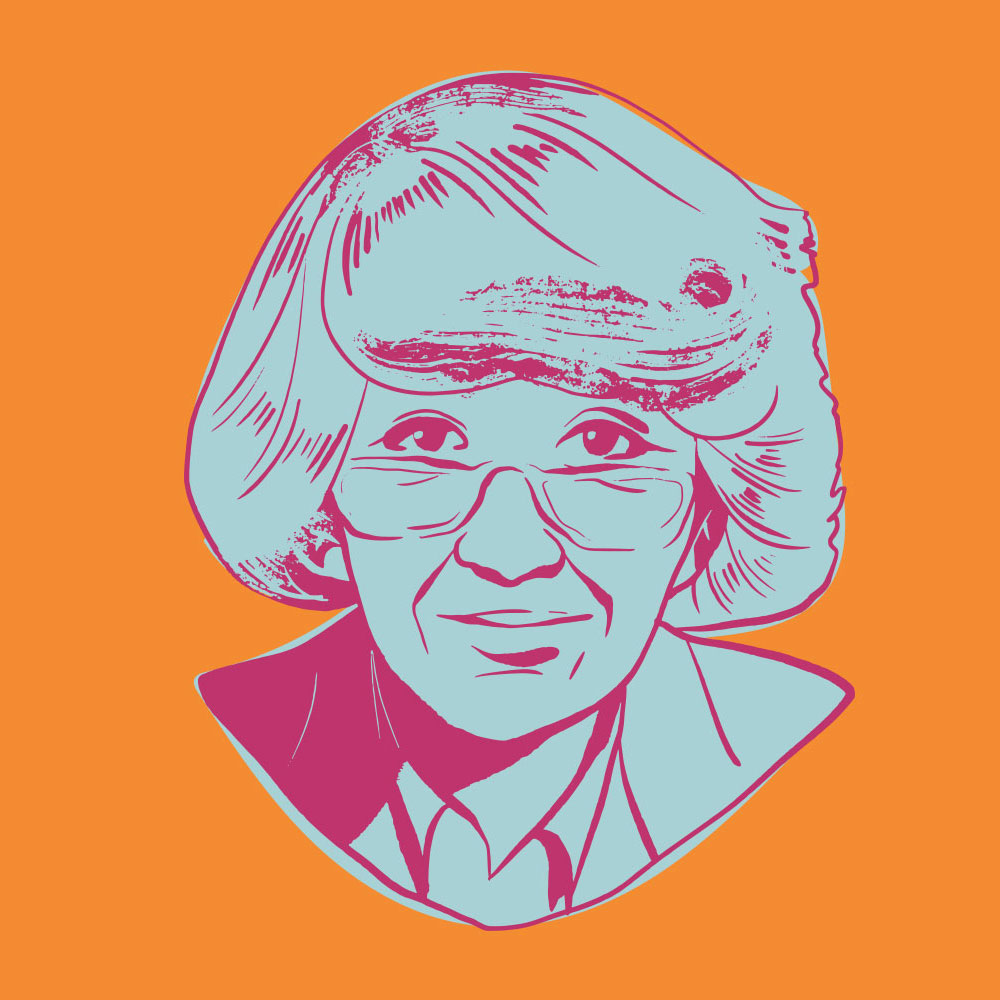
Laura Bulger immigrates to Toronto to escape the Antonio Salazar dictatorship in Portugal
Laura Bulger, a Portuguese immigrant, was one of the first teachers of her heritage to work at the Toronto District School Board. Her passion for her culture shone through in her support of other immigrants, especially children, as she helped them maintain a sense of identity through the Portuguese language.
Explore more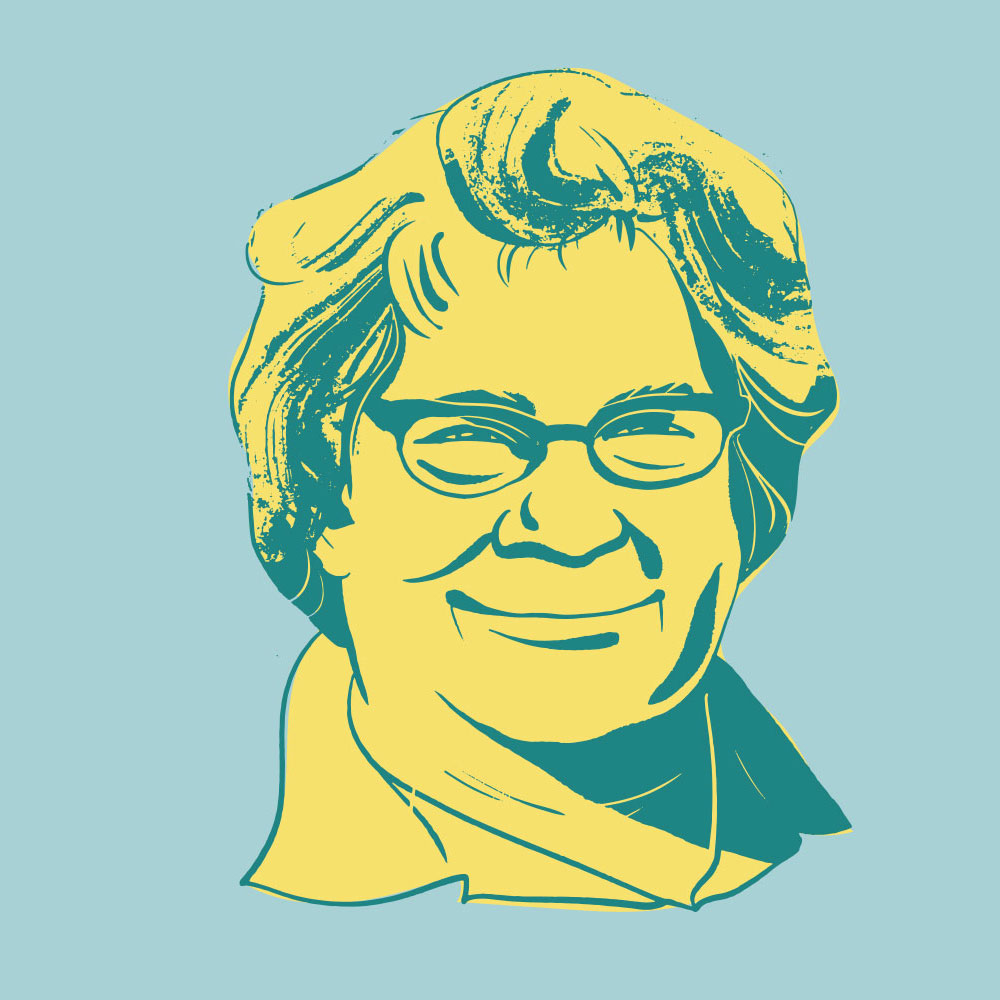
1966
Verna Johnston relocates to North York and opens her home to young Indigenous youth
Between operating a boarding home for Indigenous youth in Toronto and playing a foundational role at the Native Canadian Centre of Toronto, Verna Johnston’s community leadership has shaped generations.
Explore more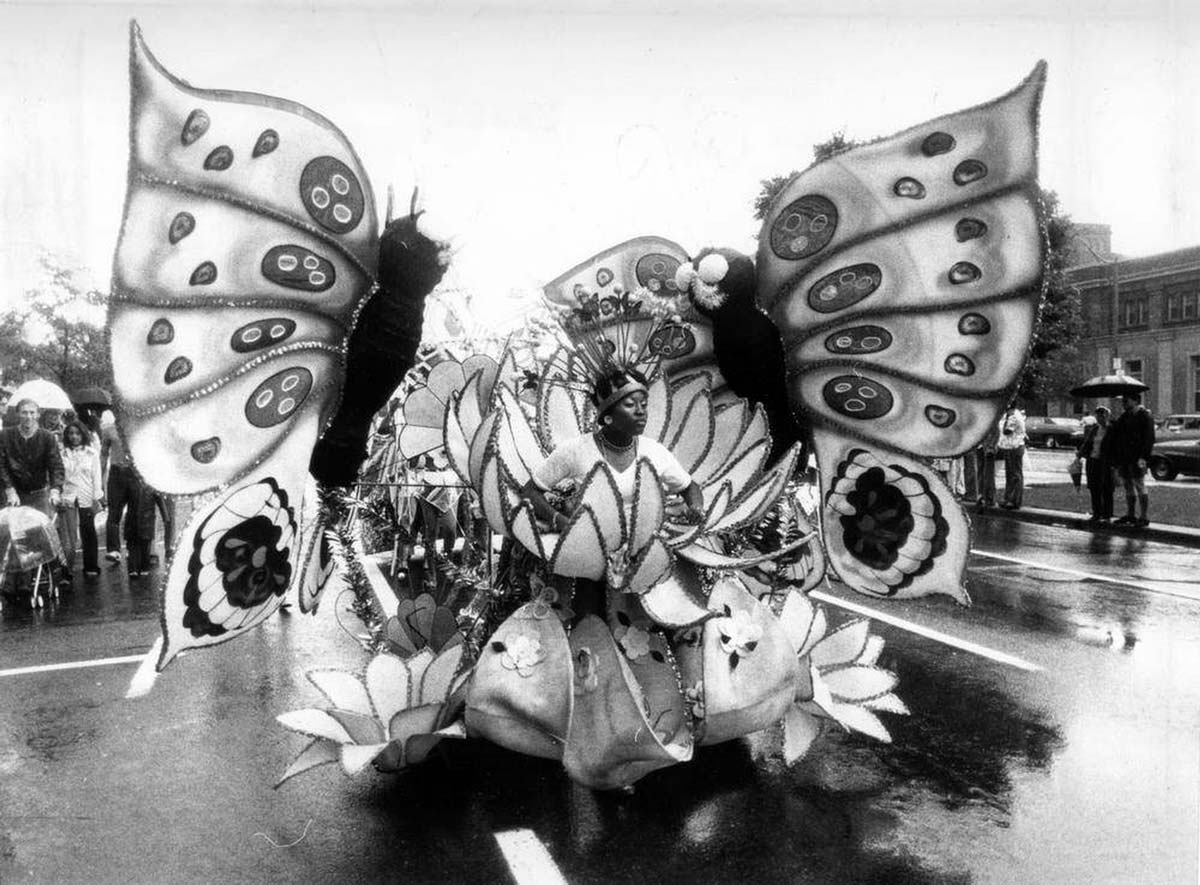
1967
Caribana debuts as part of Canada’s Expo 67 Centennial celebrations
A gift from Toronto’s Caribbean community to commemorate Canada’s centennial and foster a sense of cultural pride, mutual respect, and social unity. Inspired by carnivals throughout the West Indies, Caribana was specifically modeled after Trinidad & Tobago’s Carnival.
Explore more
1968
Jane Jacobs moves her family to Toronto in opposition of the Vietnam War
Jane Jacobs transformed Toronto through her advocacy for vibrant, people-centered neighbourhoods and urban planning.
Explore more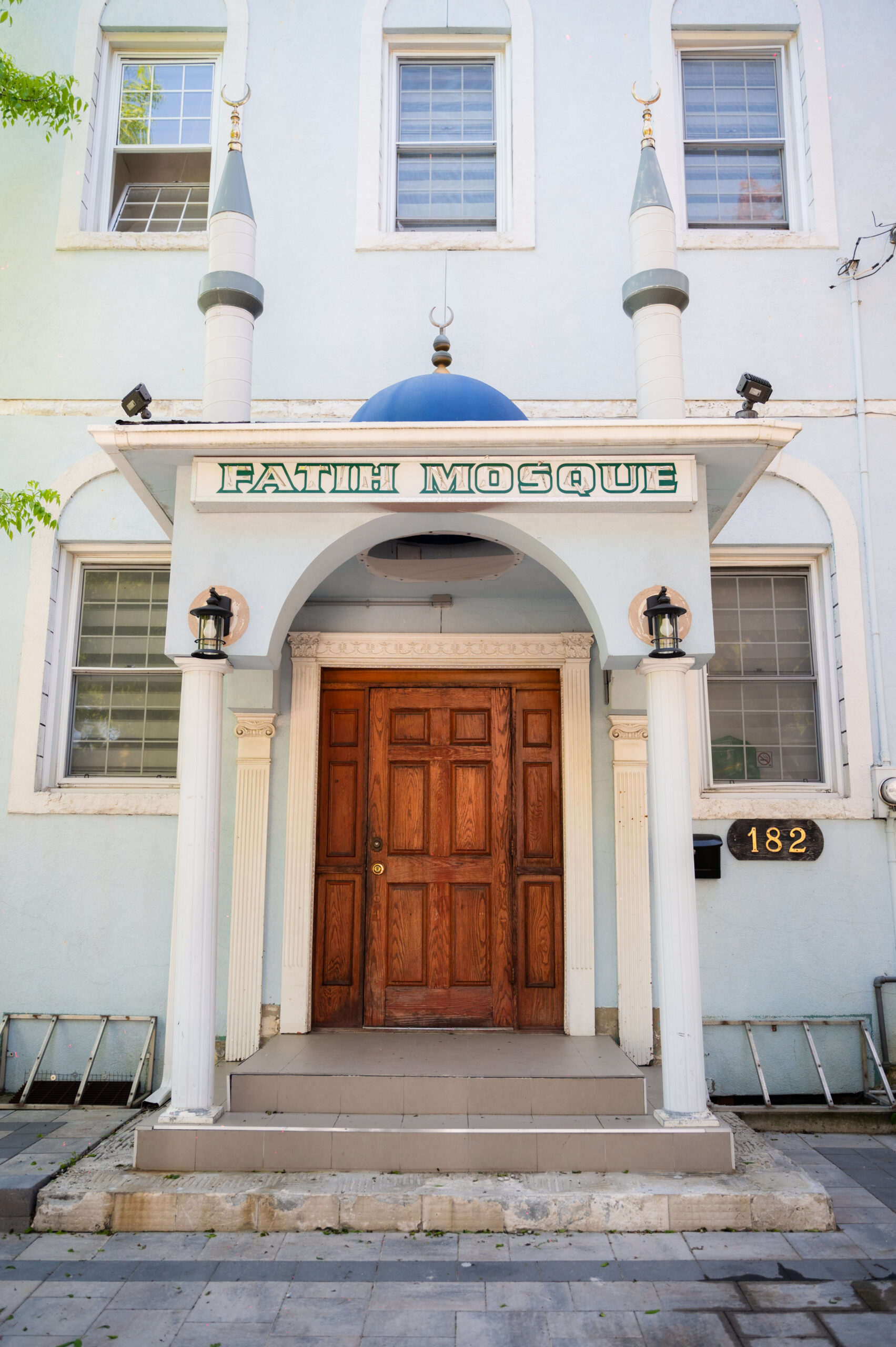
1969
An old W.A.S.P. Supremacist lodge becomes a mosque
For more than a century, the Orange Order — a Protestant fraternal organization rooted in British loyalism and anti-Catholic politics — held enormous influence over Toronto’s political and social life.
Explore more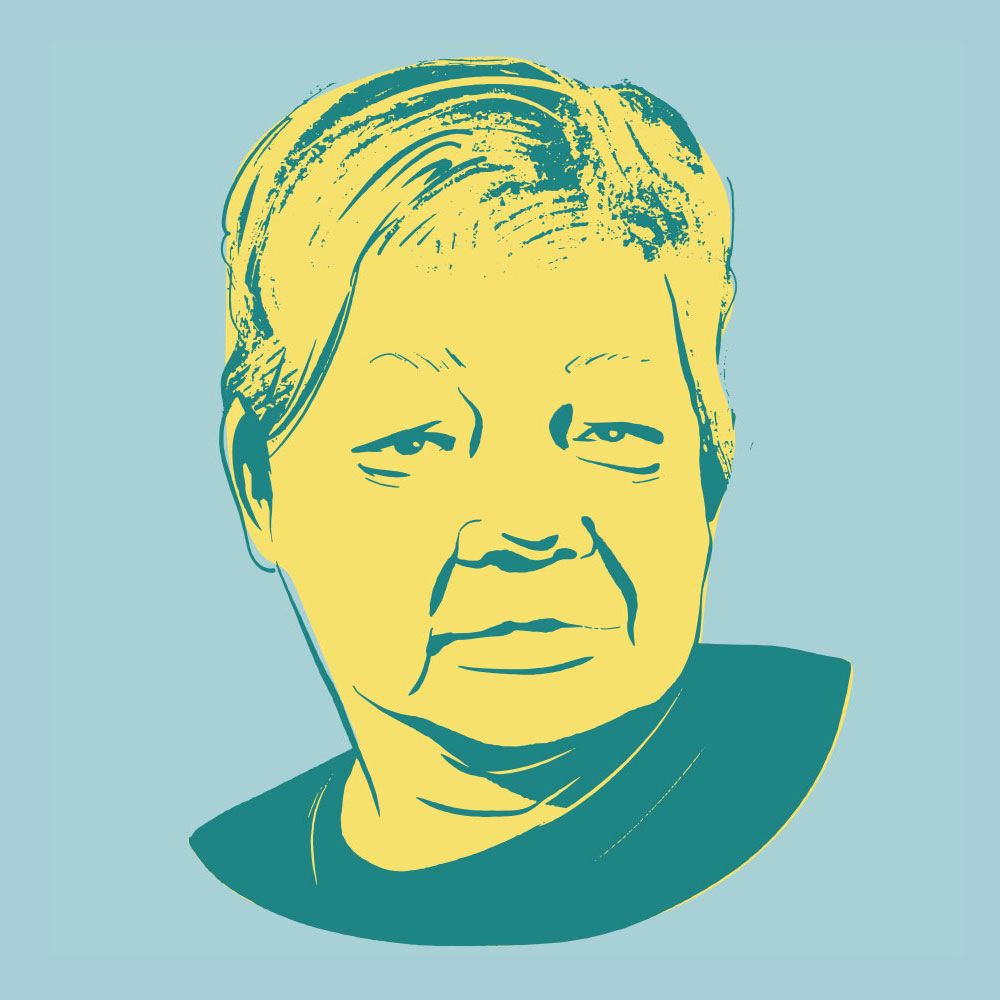
1969
Phyllis "Yogi" Bomberry is the first woman awarded the Tom Longboat Award
Phyllis Bomberry was a trailblazer for Indigenous women in sports. As a vocal advocate for racial unity within sports, her legacy lives on in Canadian sports today.
Explore more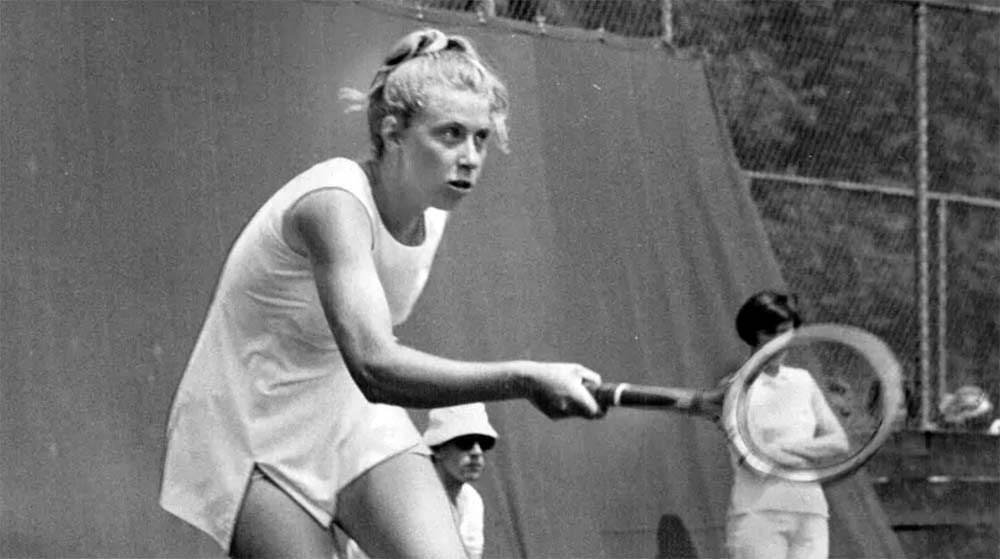
1969
Faye Urban-Mlacak wins the Canadian Open
Faye Urban-Mlacak wins the Canadian Open at the Toronto Lawn and Tennis Club beating Vicky Berner 6-2, 6-0.
Explore more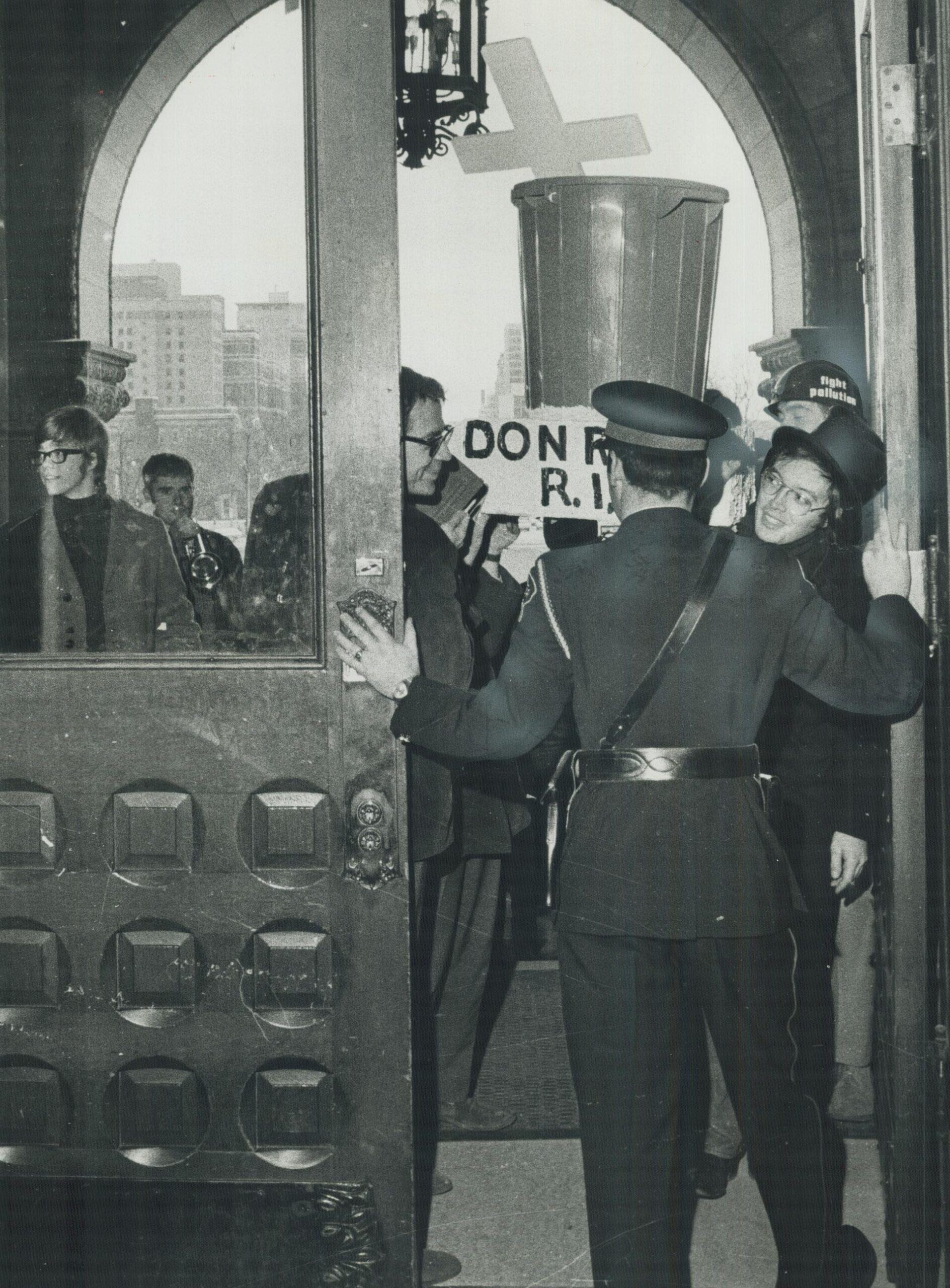
1969
Activists hold a funeral to mourn the "death" of the river
Organized by Pollution Probe, an environmental advocacy group based out of the University of Toronto—the mock funeral featured a procession and a casket.
Explore more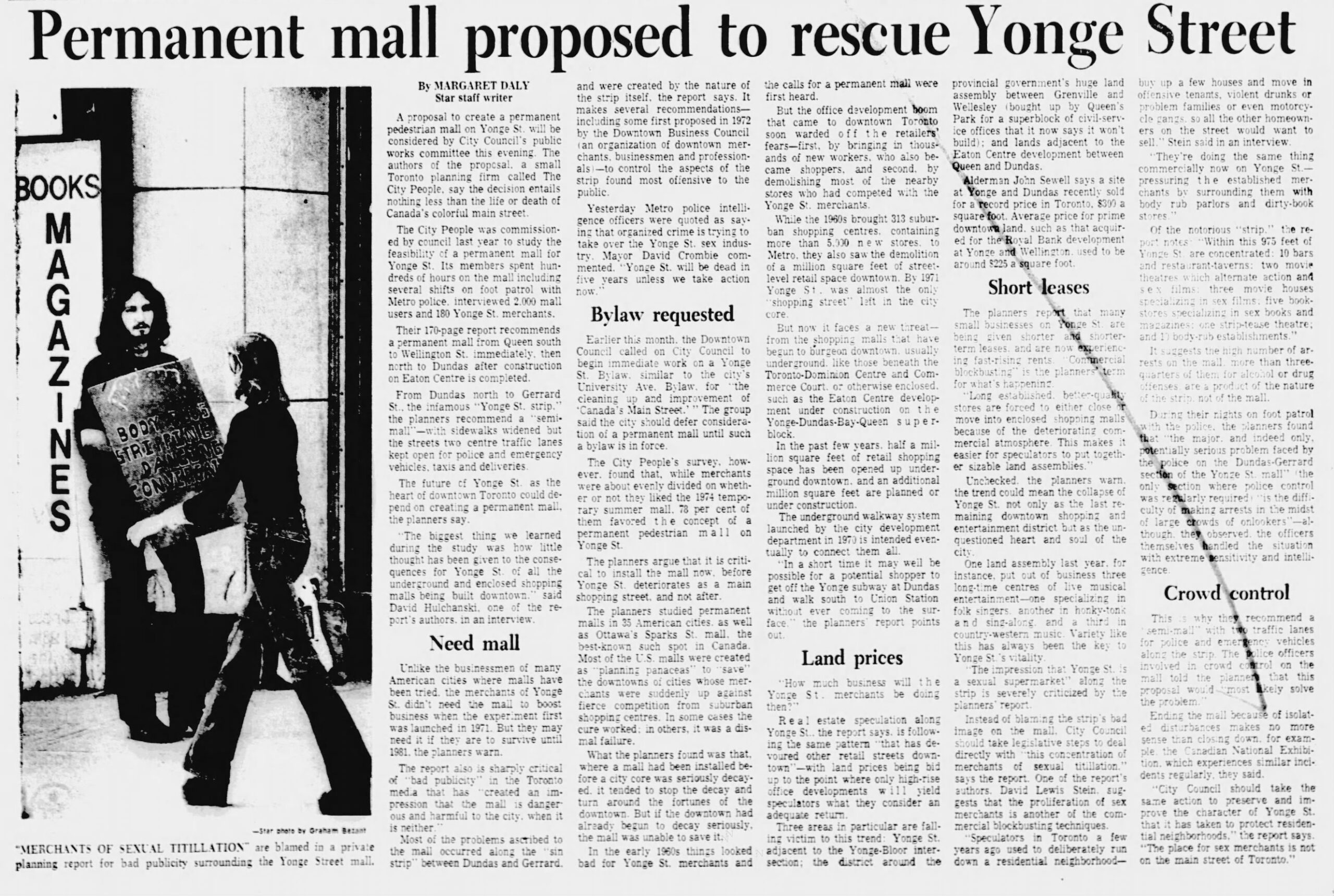
1971
Yonge and Bloor become Toronto's red-light district
In the 1970s, Yonge and Bloor looked very different from the intersection many Torontonians know today.
Explore more
1972
PAT Market opens on Palmerston
Originally founded by the Lee family, the Korean grocery store would move its flagship operations to it's current central location in Koreatown at 675 Bloor Street West in 2004.
Explore more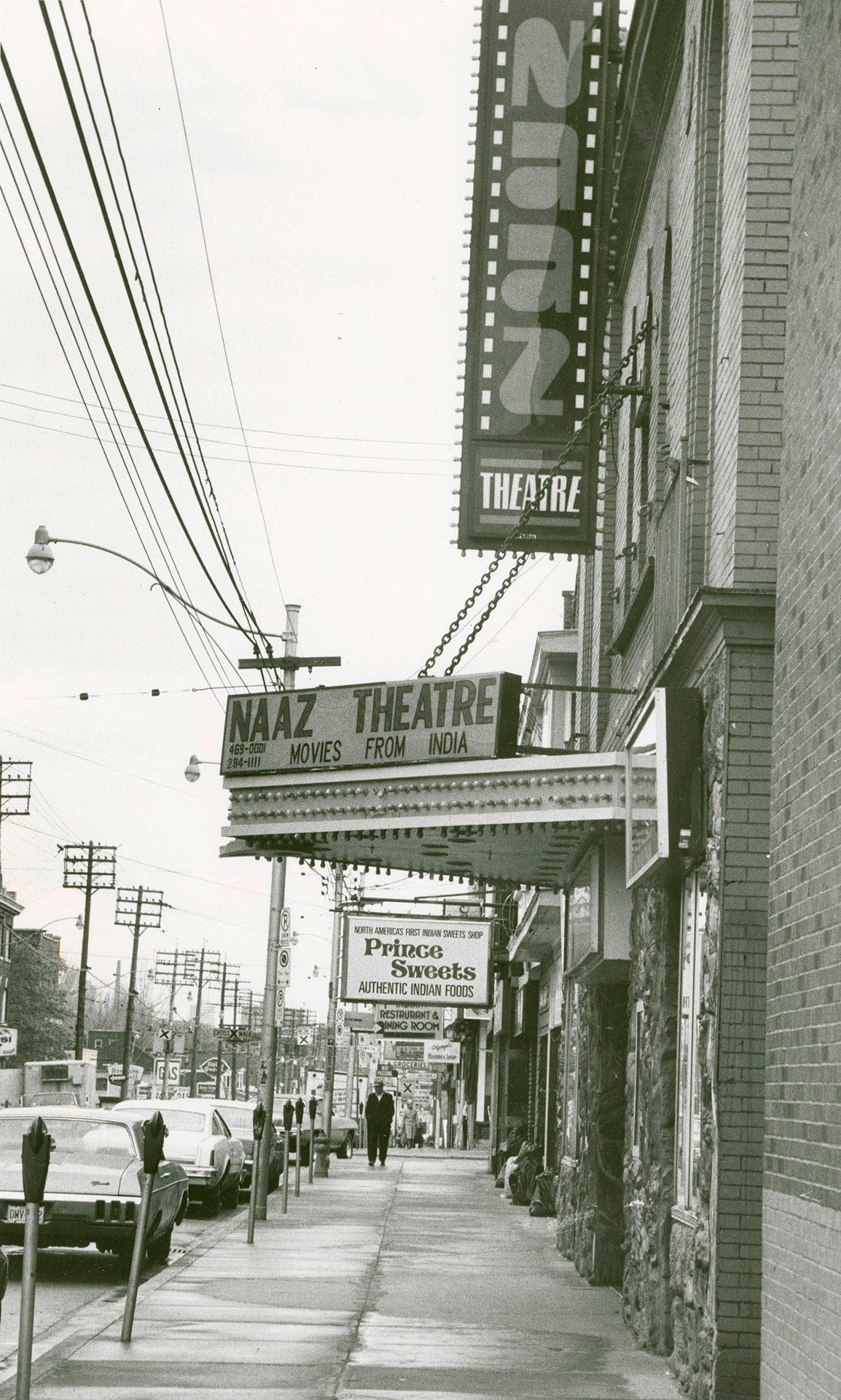
1972
Naaz Theatre Opens on Gerrard Street East
Gian Naaz opens Canada's first South Asian movie theatre.
Explore more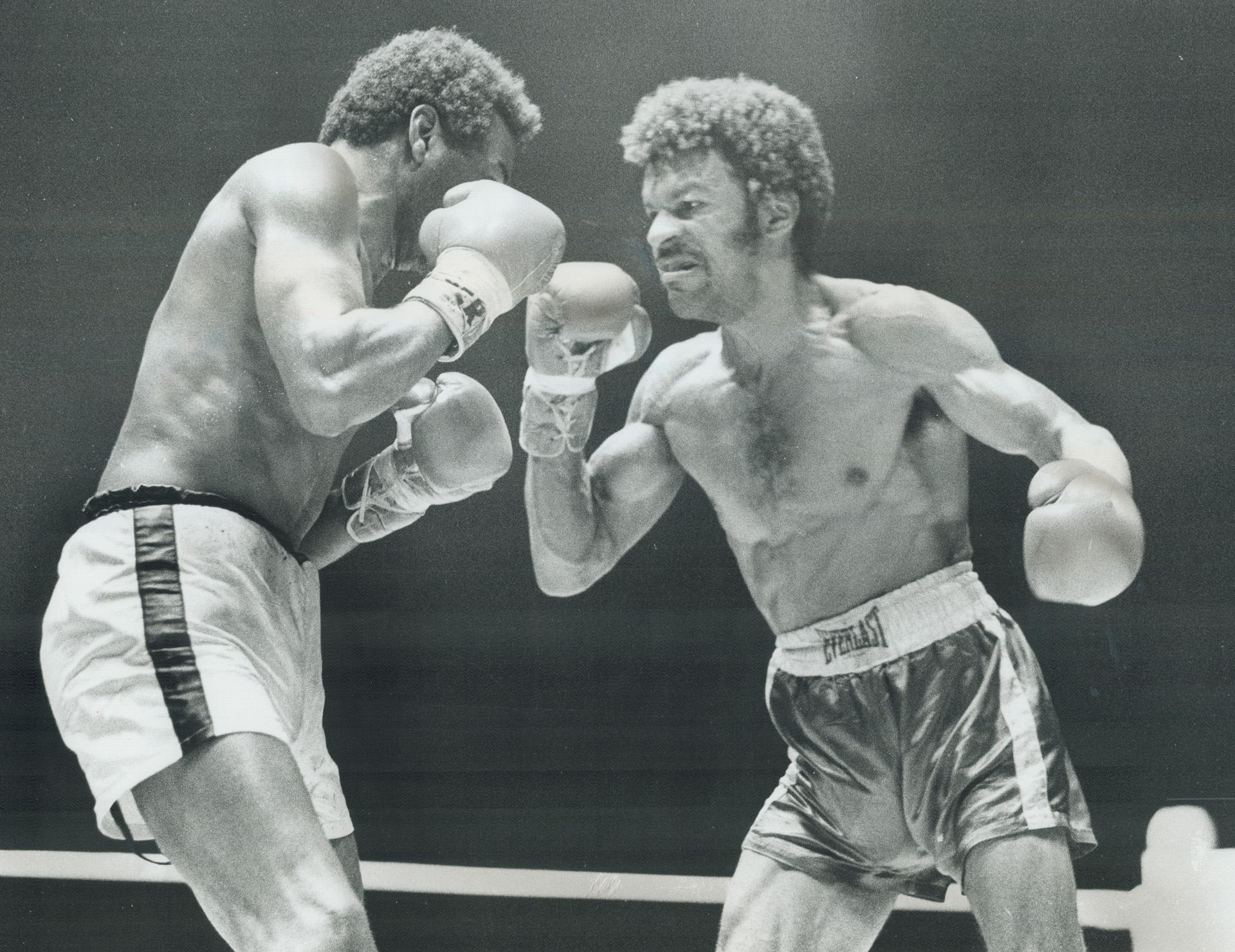
1973
World Welterweight Championship at Maple Leaf Gardens
José Nápoles defending his welterweight title against Clyde Gray in 1973 might be the highest-stakes matchup ever fought in the city.
Explore more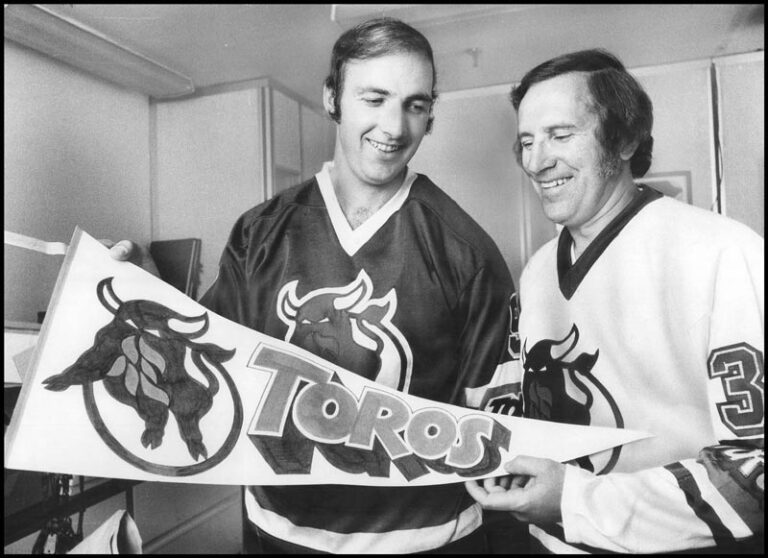
1973
The Toronto Toros debut at Varsity Arena
The Toros played to a 4-4 tie against the Chicago Cougars in front of a near-capacity crowd.
Explore more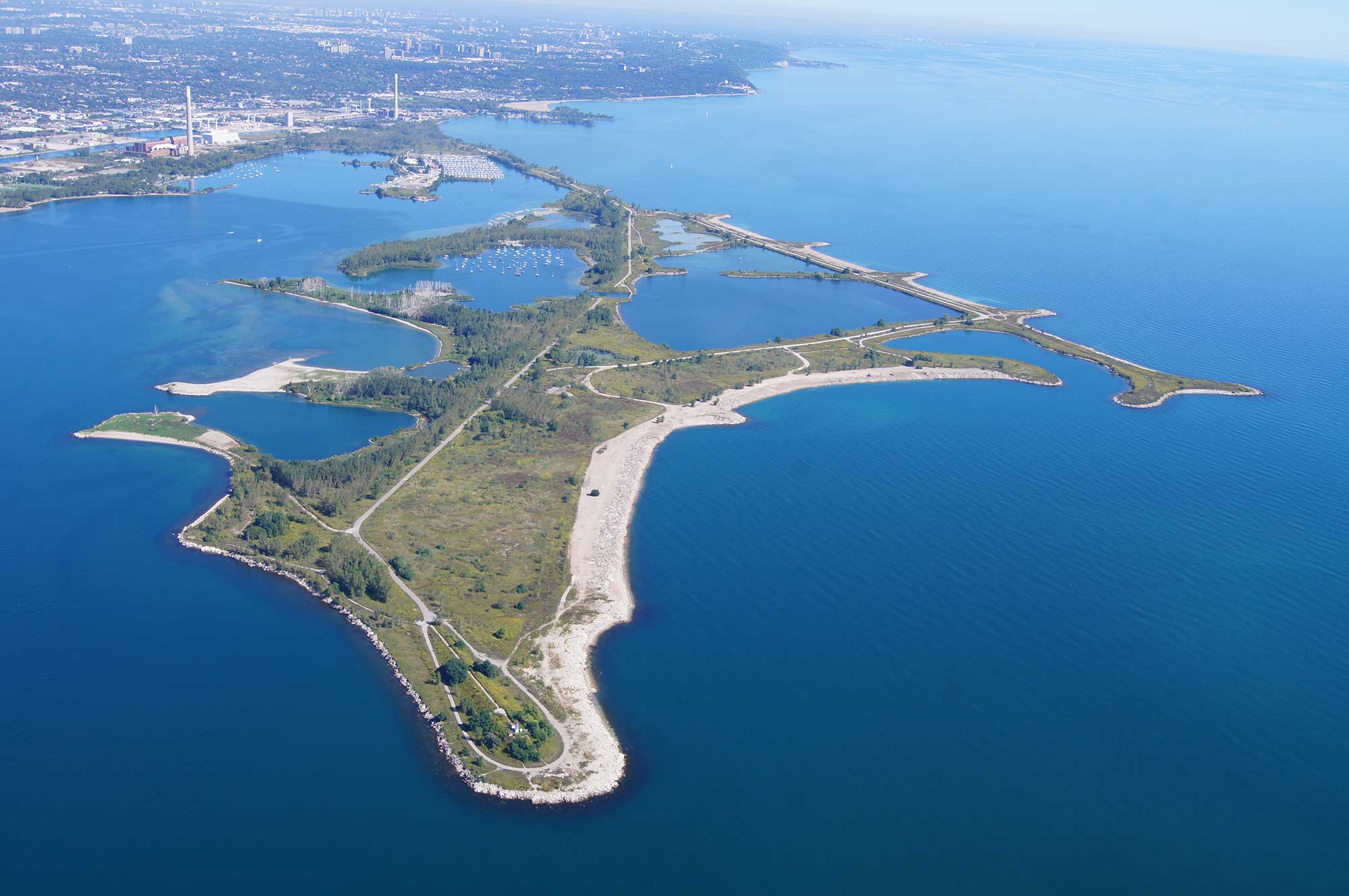
1974
Leslie Street Spit officially made accessible to the public
Following a year of very limited capacity, guided Sunday afternoon bus tours, cyclists and hikers are granted their first access in 1974.
Explore more
1975
Lee Maracle releases her first book, Bobbi Lee: Indian Rebel
Lee Maracle revived Indigenous stories through her innovative writing. Working to “decolonize the feminine,” Maracle’s first book was among the first Indigenous-authored works published in Canada.
Explore more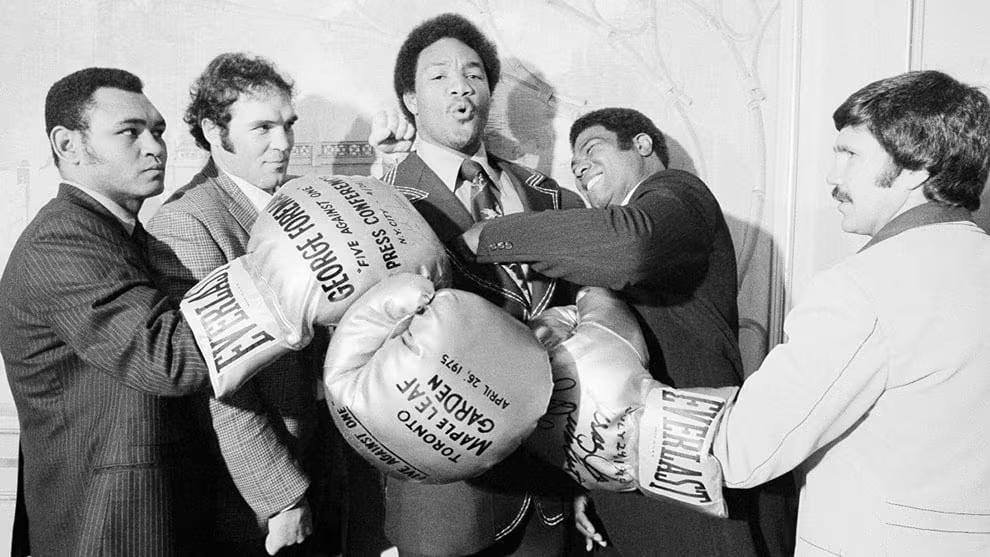
1975
George Foreman Fights Five
Foreman appeared in Toronto to fight five journeymen… consecutively over the course of an hour.
Explore more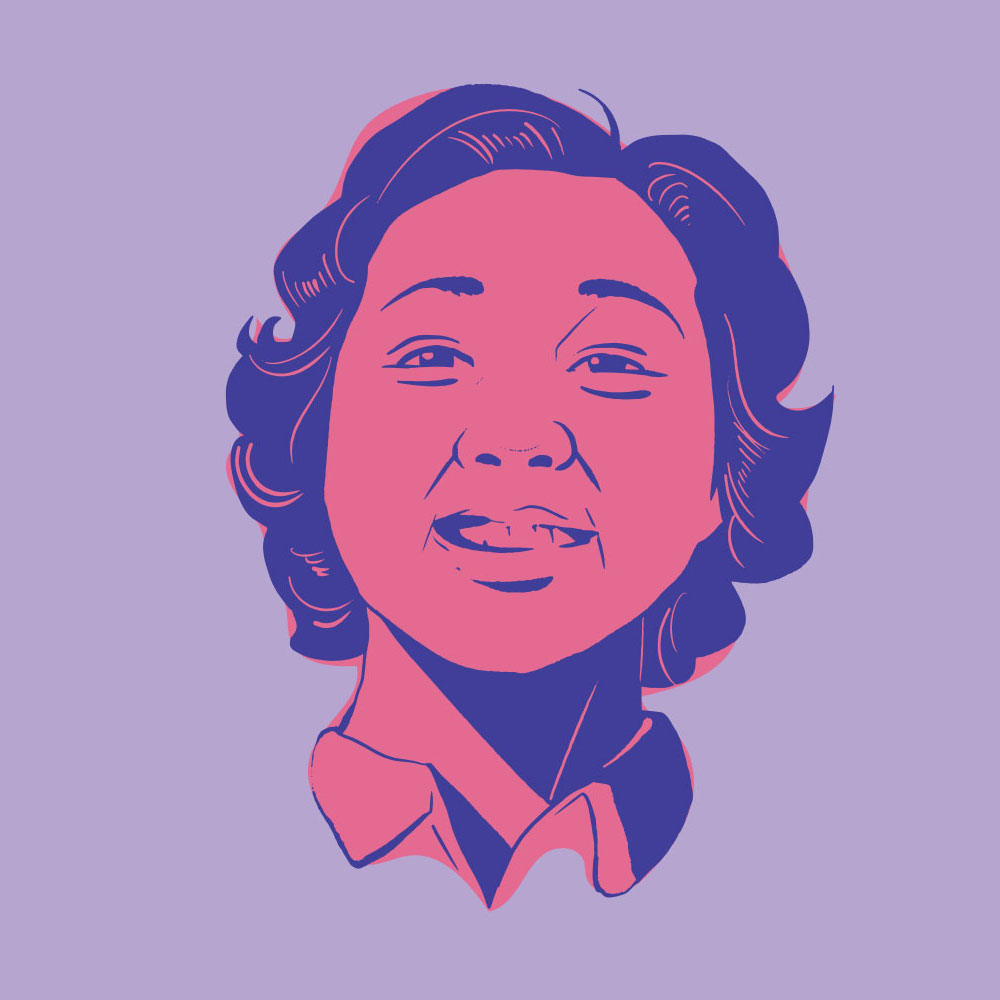
1976
Jean Lumb receives the Order of Canada
Jean Lumb was the first Chinese-Canadian woman and first restaurateur to receive this honour - recognizing her efforts in changing immigration laws and helping save Chinatown.
Explore more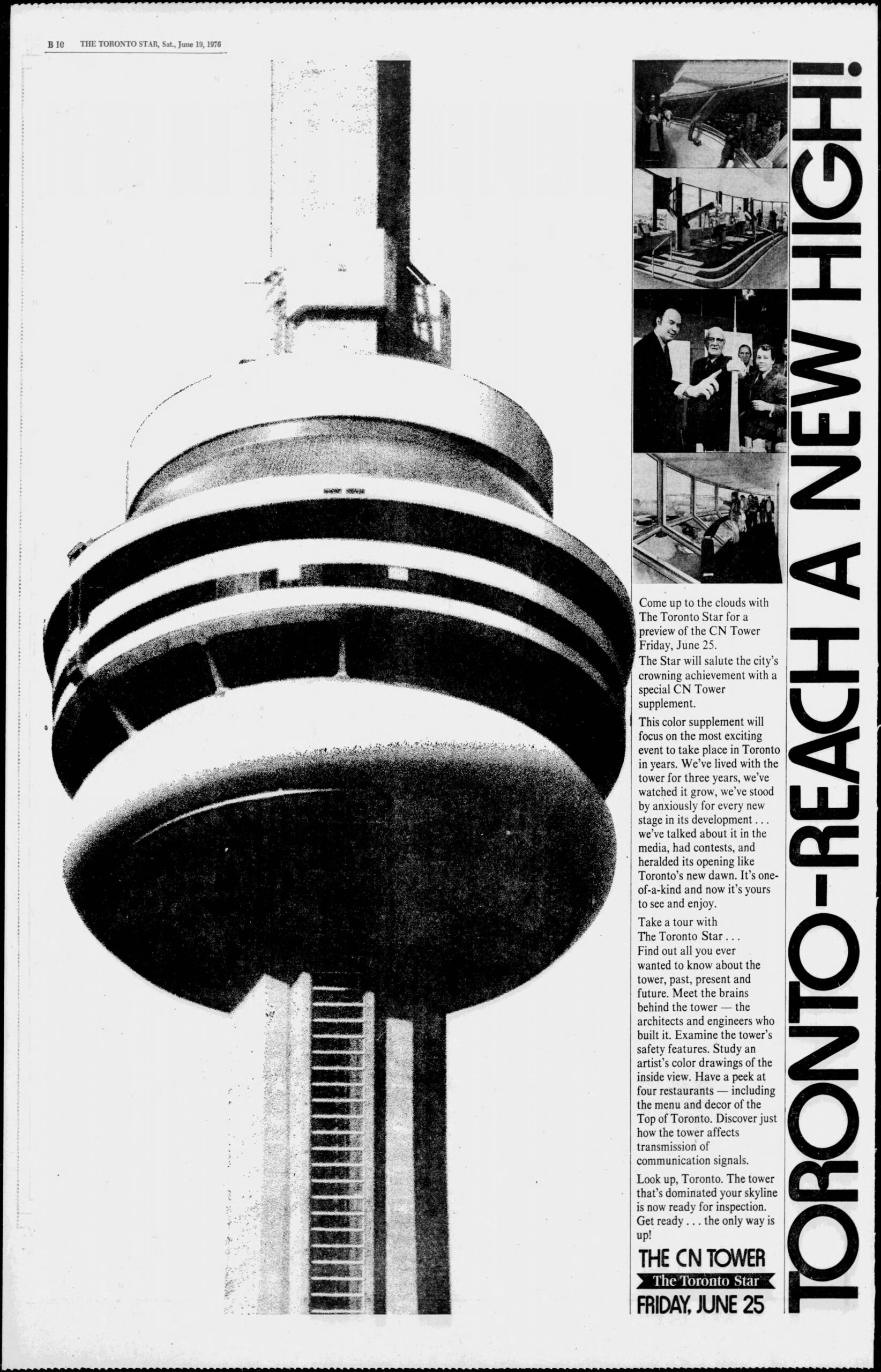
1976
The CN Tower opens
Sponsored by the Canadian National (CN) Railway company, the 553.3 metre tower was opened to the public after 8 years of construction. For the next thirty years, it would reign as the tallest free-standing structure in the world.
Explore more1976
Toronto hosts the fifth Paralympic Games
The opening ceremonies were held at Woodbine Racetrack, where a crowd of 24,000 welcomed athletes from more than forty countries.
Explore more1976
East York declares "War" on Raccoons
In 1976, East York—still politically separate from Toronto—voted to destroy any raccoon trapped by homeowners, regardless of the animal’s behaviour or health. Not everyone supported it. When Howard Chandler, the councillor responsible for the motion, ran for mayor, he was defeated by Alan Redway, who promised to leave raccoons alone. Toronto abandoned similar plans for a raccoon round-up, but authorities continued to euthanize nuisance animals into the early 2000s.
Explore more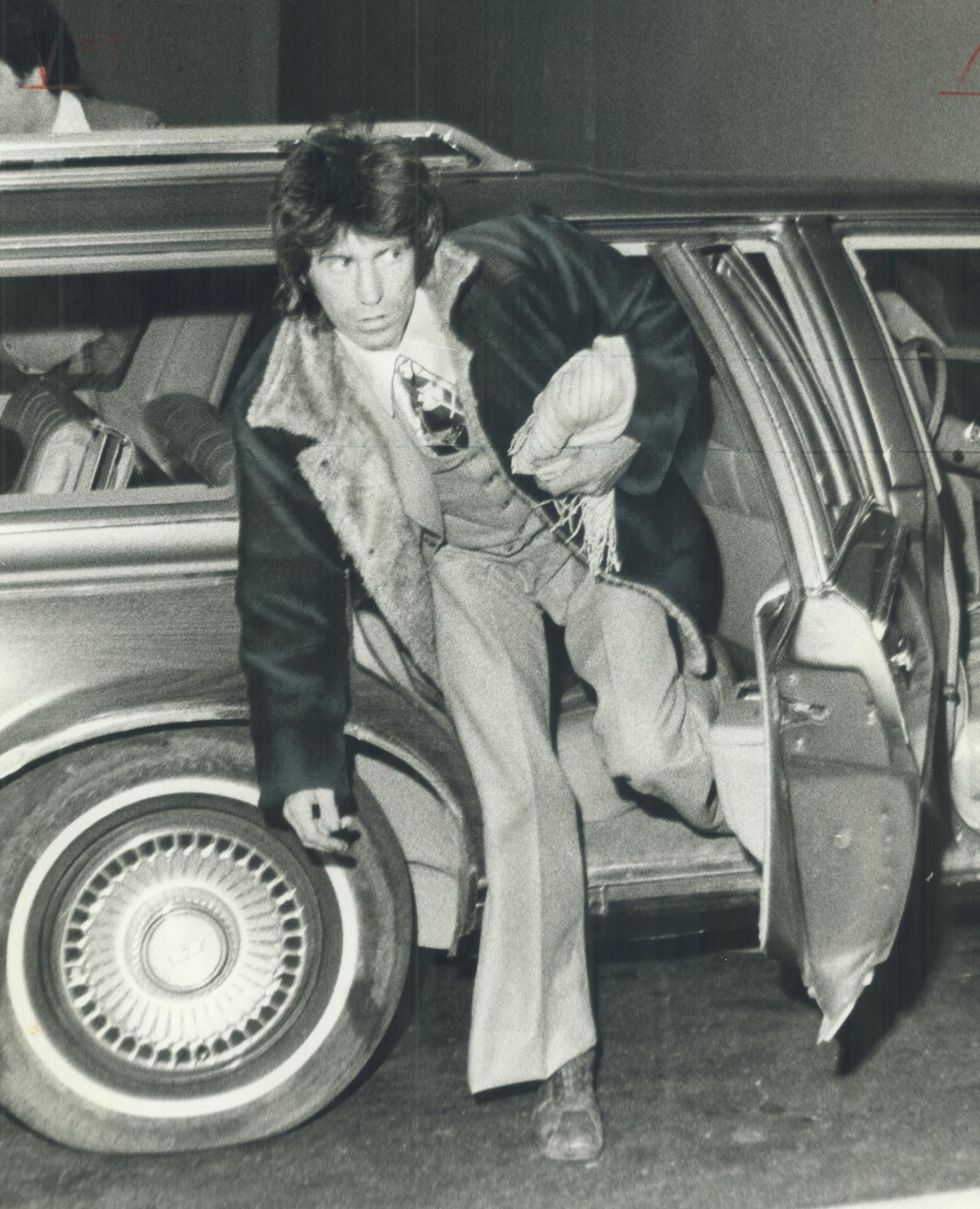
1977
Keith Richards' is busted for drug use
In 1977, Toronto briefly found itself at the centre of international rock-and-roll headlines when Rolling Stones guitarist Keith Richards was arrested at the Harbour Castle Westin Hotel.
Explore more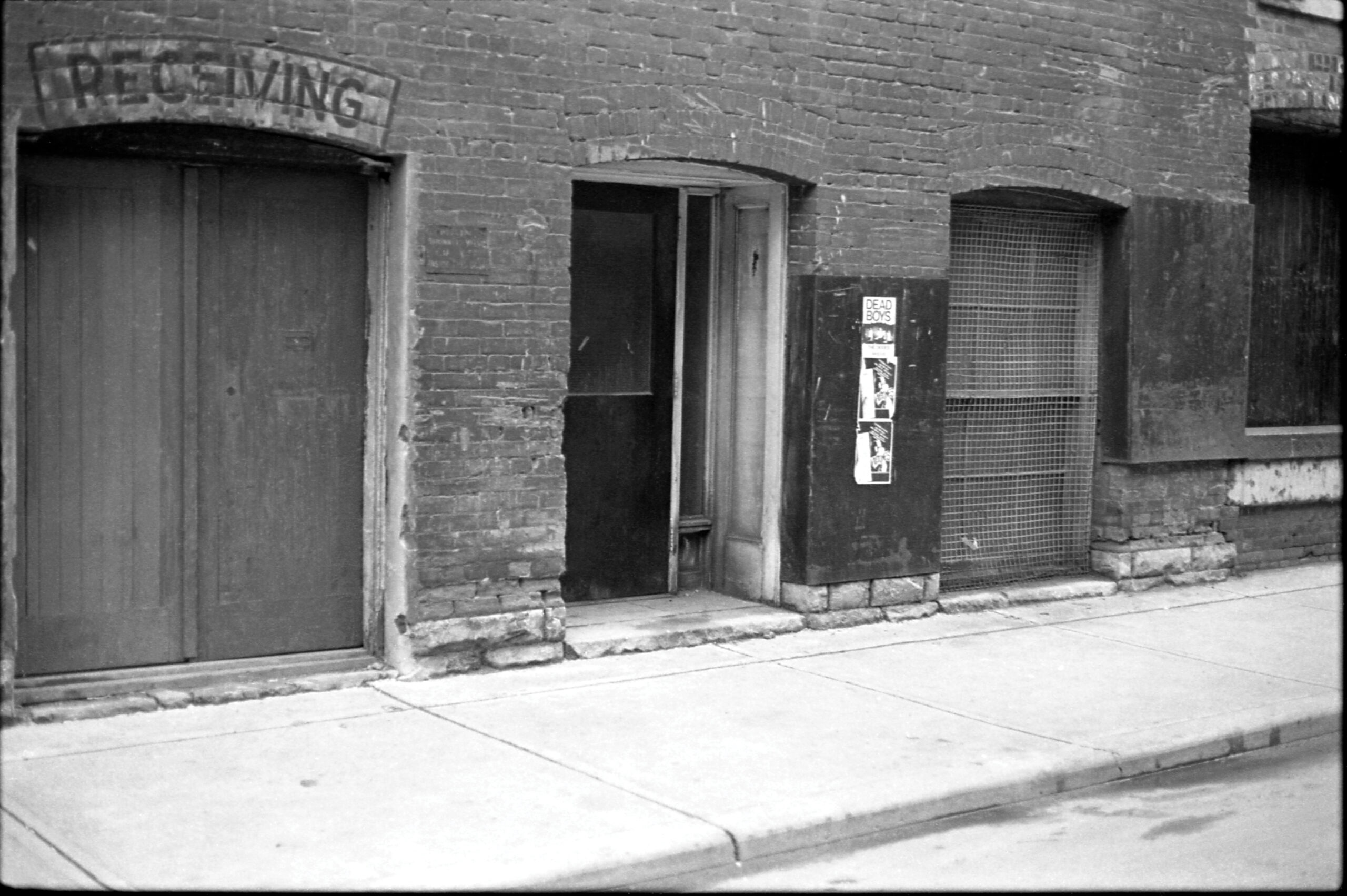
1977
The Crash n' Burn Club opens
At 15 Duncan Street, beneath an otherwise unremarkable downtown building, Toronto’s punk scene found its first real home.
Explore more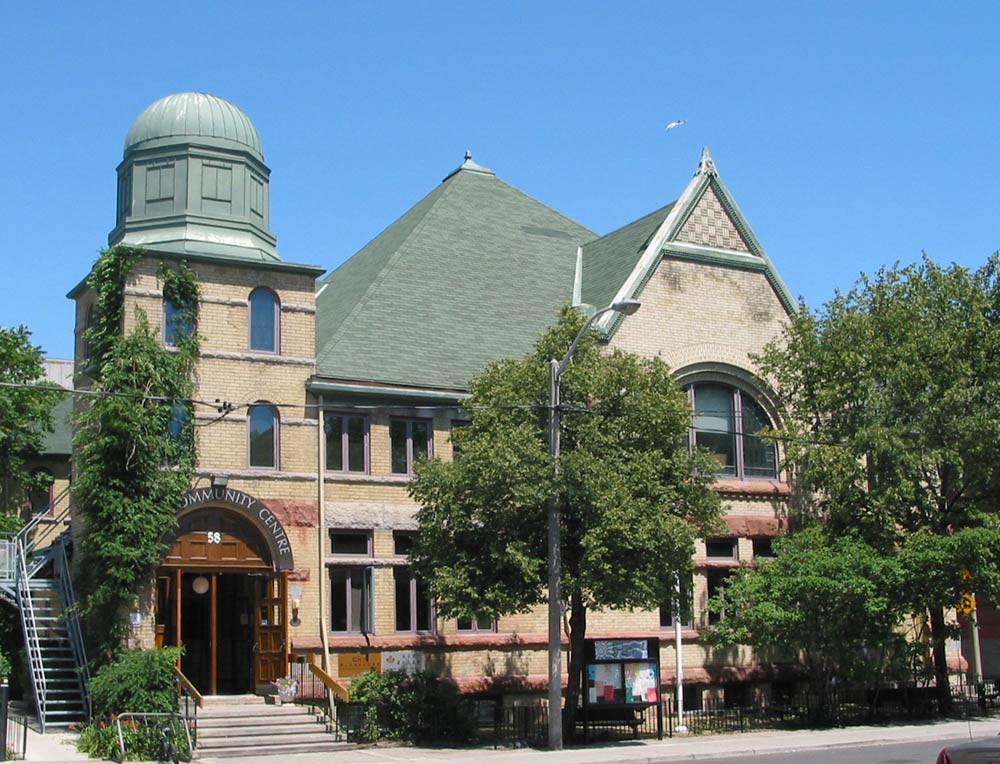
1978
Cecil Centre Opens in Chinatown-Kenstington
Located in Chinatown at 58 Cecil Street, the centre serves the catchment area from Bathurst Street to University Avenue, between Bloor and Queen Street West.
Explore more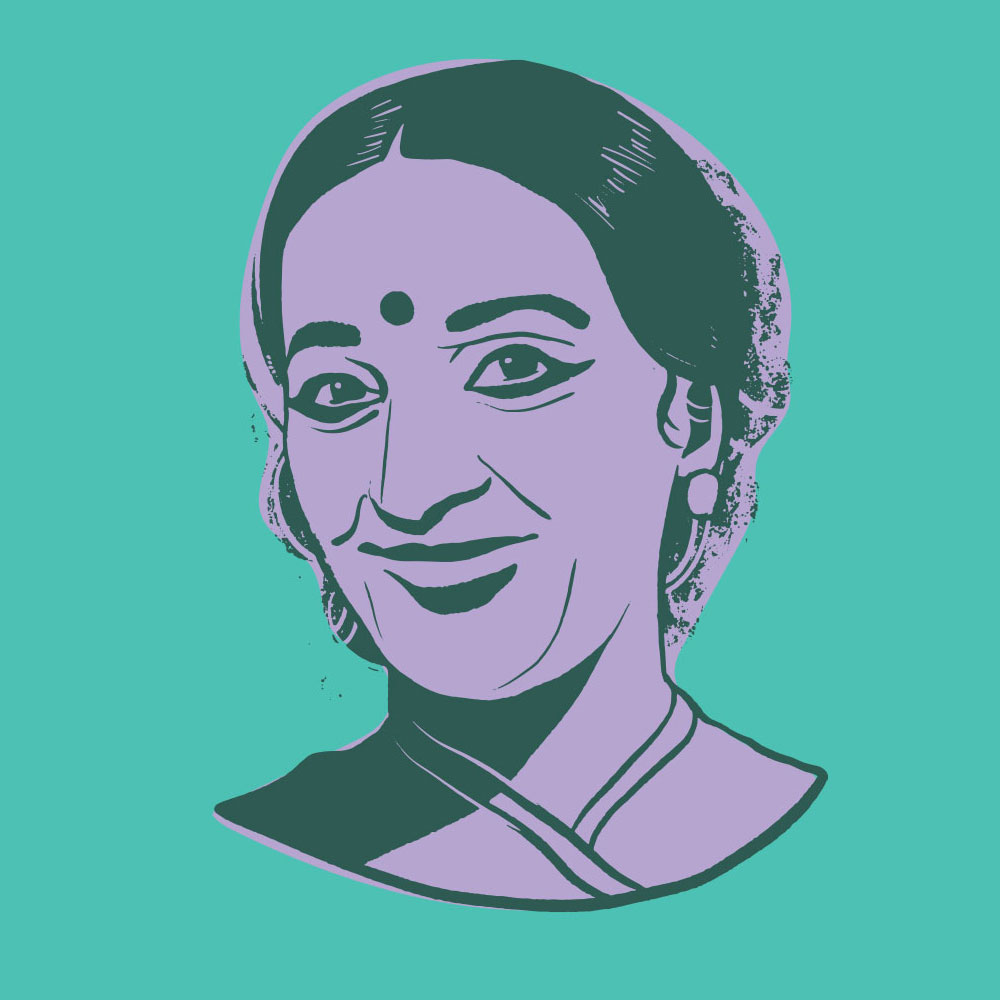
1978
The Menaka Thakkar Dance Company (MTDC) is established
Menaka Thakkar established Canada’s first professional Indian dance company in 1978. Thakkar blended different cultural dance styles to co-create a performance called “East Meets West” in which she bridged cultural divides.
Explore more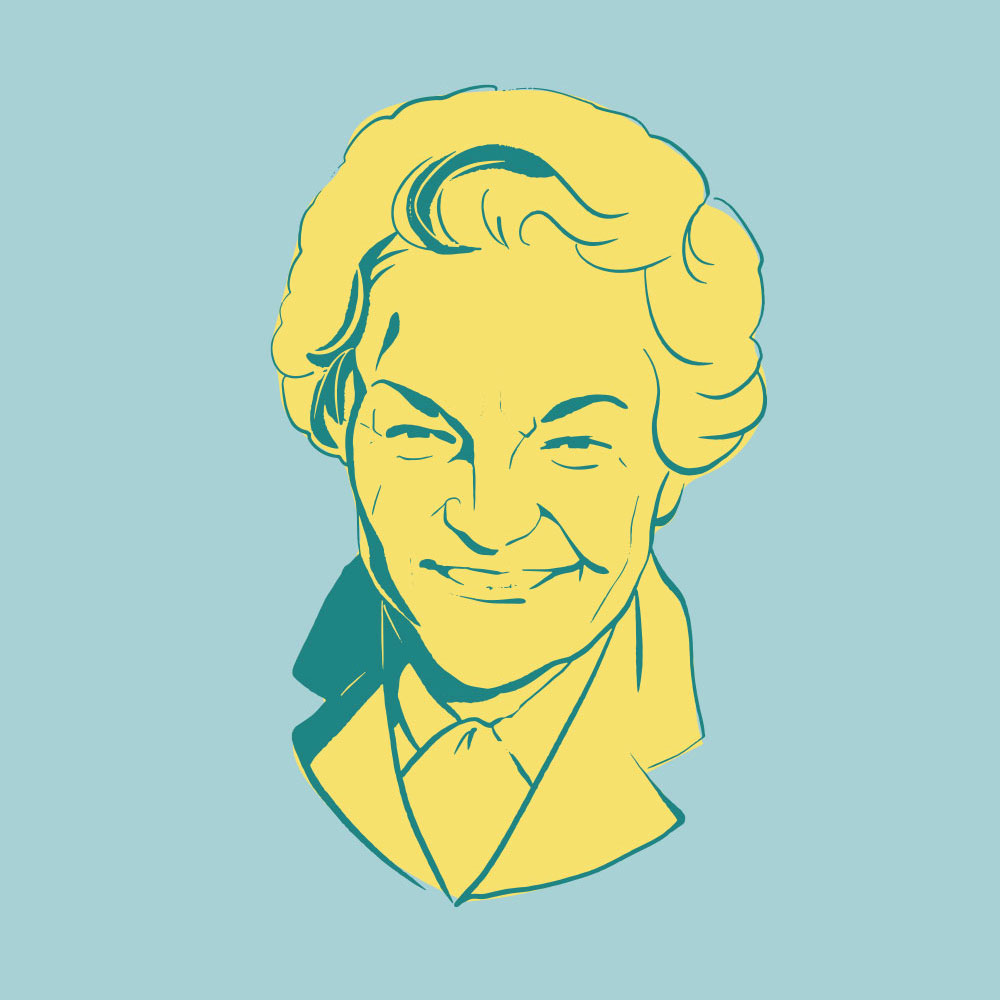
1978
Hazel McCallion first elected as Mayor of Mississauga
Hazel McCallion was appointed to both the Order of Canada and the Order of Ontario, recognizing her dedication to exemplary city infrastructure. Through her experience with the mayorship of Mississauga, McCallion helped turn the city into the 6th largest in Canada.
Explore more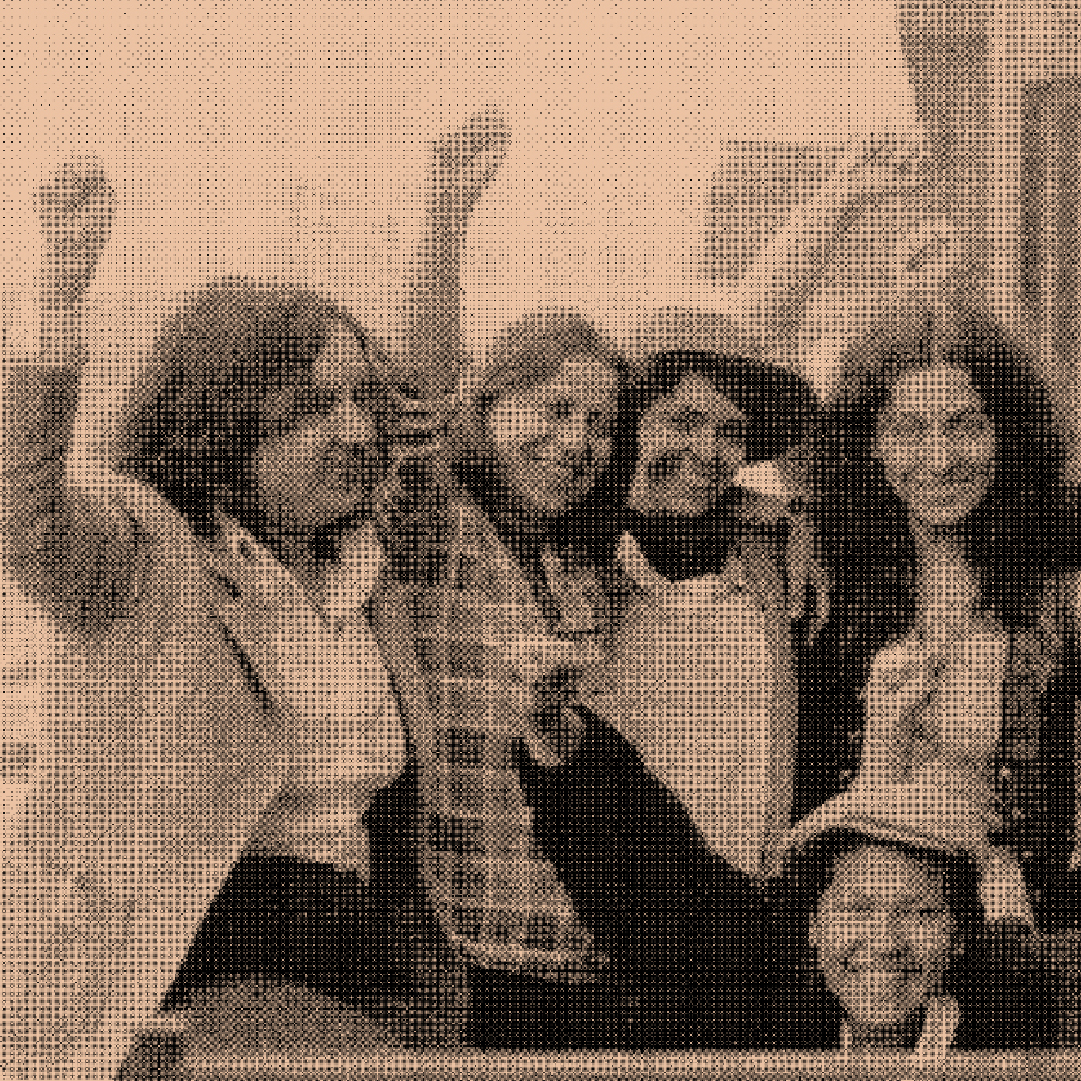

1980
Blanche Lemco van Ginkel appointed Dean of the Faculty of Architecture at U of T
The first woman to be named Dean of an architecture school in North America, modernist architect Blanche Lemco van Ginkel was also the first woman and Canadian president of the Association of Collegiate Schools of Architecture. She advocated for equal pay amongst male and female faculty members resulting in a 2002 University of Toronto pay equity settlement for female colleagues.
Explore more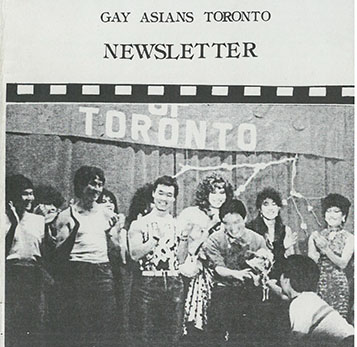
1980
Gay Asians of Toronto Founded
Local activist and filmmaker Richard Fung establishes the Gay Asians of Toronto (GAT), a rights advocacy and peer support group aimed at providing for Toronto's queer Asian community. It was the first ever organization in Canada to advocate for LGBTQ+ people of colour.
Explore more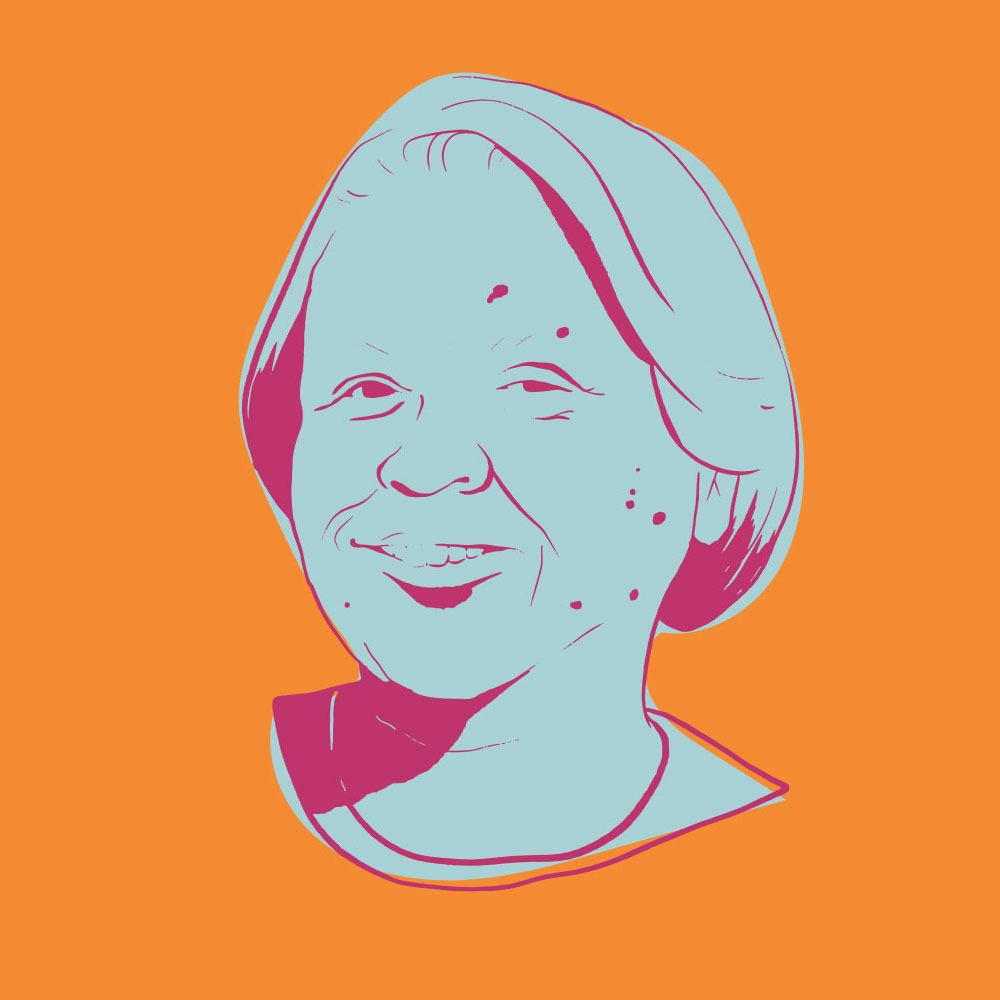
1980
Judith Snow becomes the first person in Canada to secure individualized government funding for personal care
This ruling allowed Snow to leave institutional care, hire her own support staff, and pioneer a direct-funding model. Her activism enabled an additional 600+ people in Ontario to receive funding.
Explore more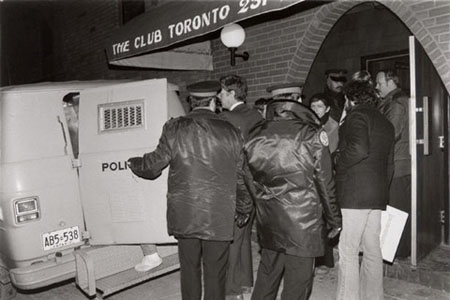
1981
Police begin Operation Soap, targeting gay bathhouses in the city
Operation Soap may sound almost absurd by name, but it marked one of the most significant turning points in Toronto’s LGBTQ2S+ history.
Explore more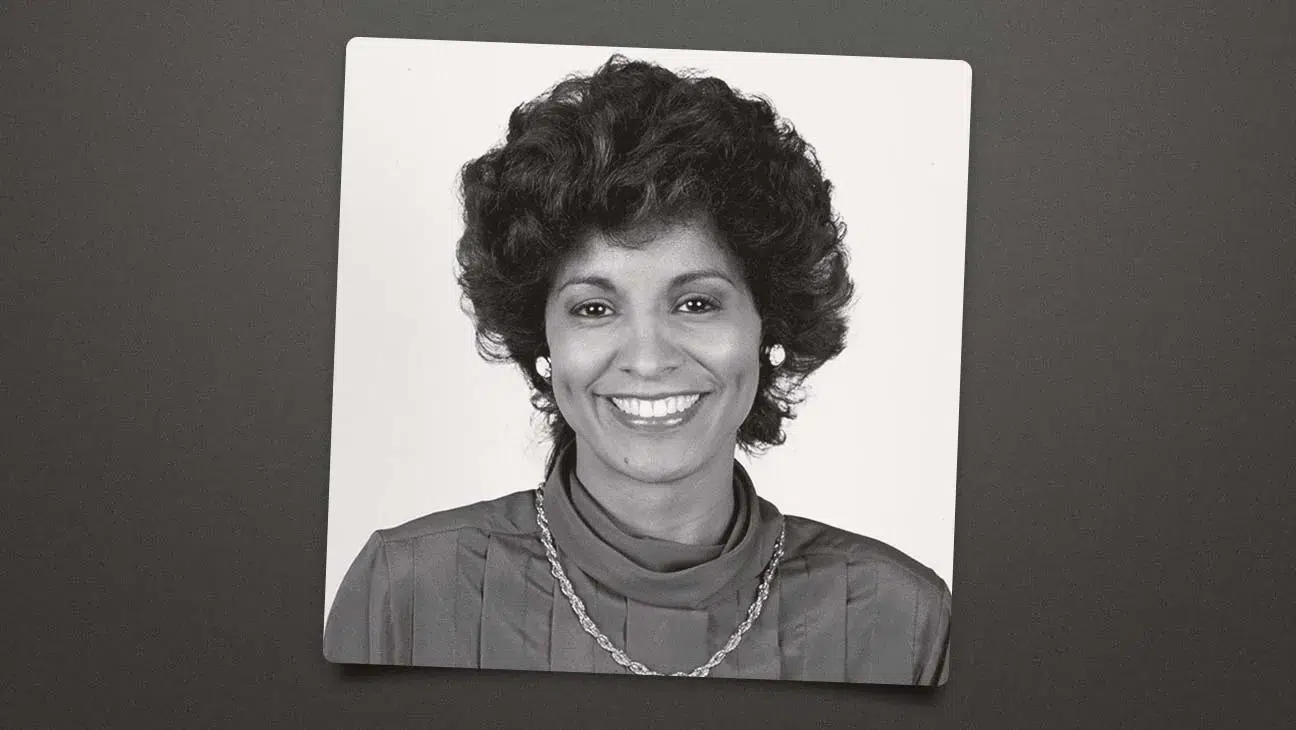
1981
Nerene Virgin's first television appearance on Today's Special
Actor, broadcaster, and educator Nerene Virgin premiered as Jodie, the titular character of the beloved Canadian children's educational show Today's Special. The series broadcasted for 7 seasons from 1971 to 1978 with over 122 episodes.
Explore more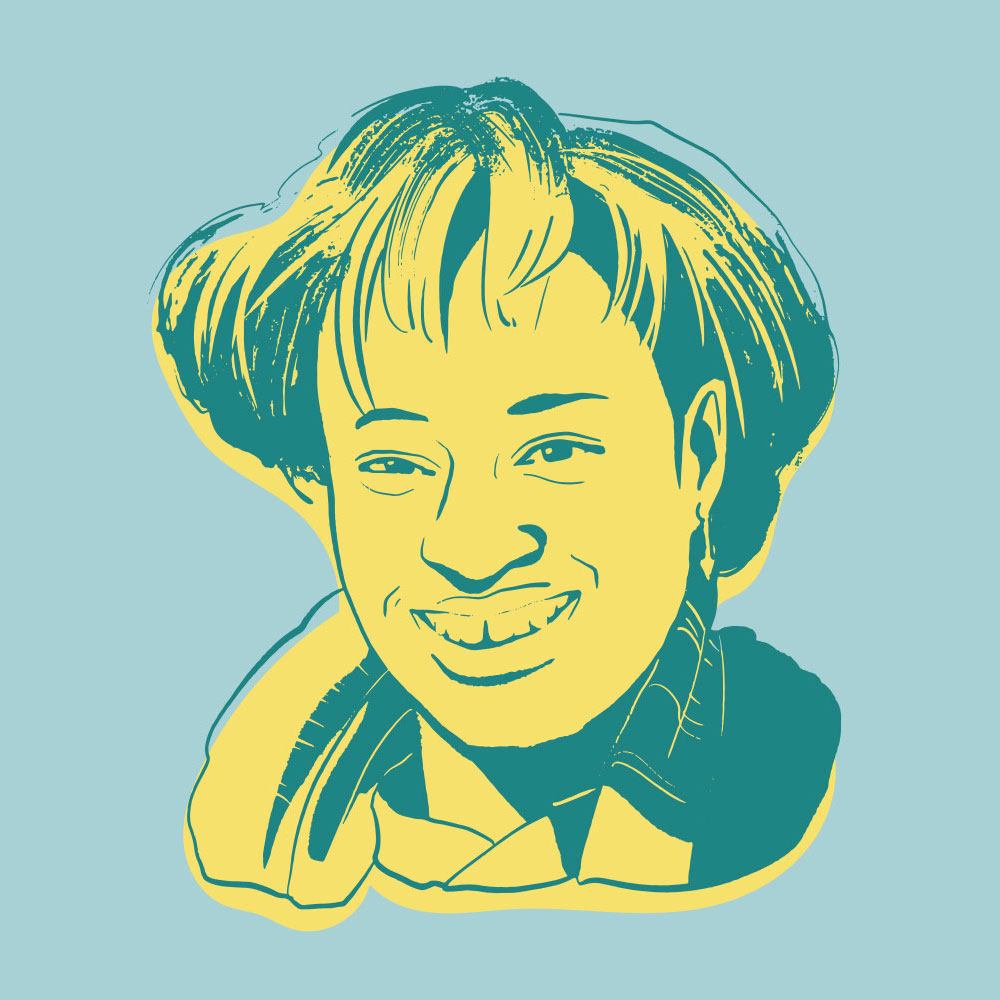
1983
Jennifer Hodge de Silva co-directs the acclaimed documentary, "Home Feeling: Struggle for a Community"
The film continues to be taught in Canadian film and sociology programs. It is recognized as a pioneering work that gave voice directly to residents during an era of significant anti-Black racism and over-policing.
Explore more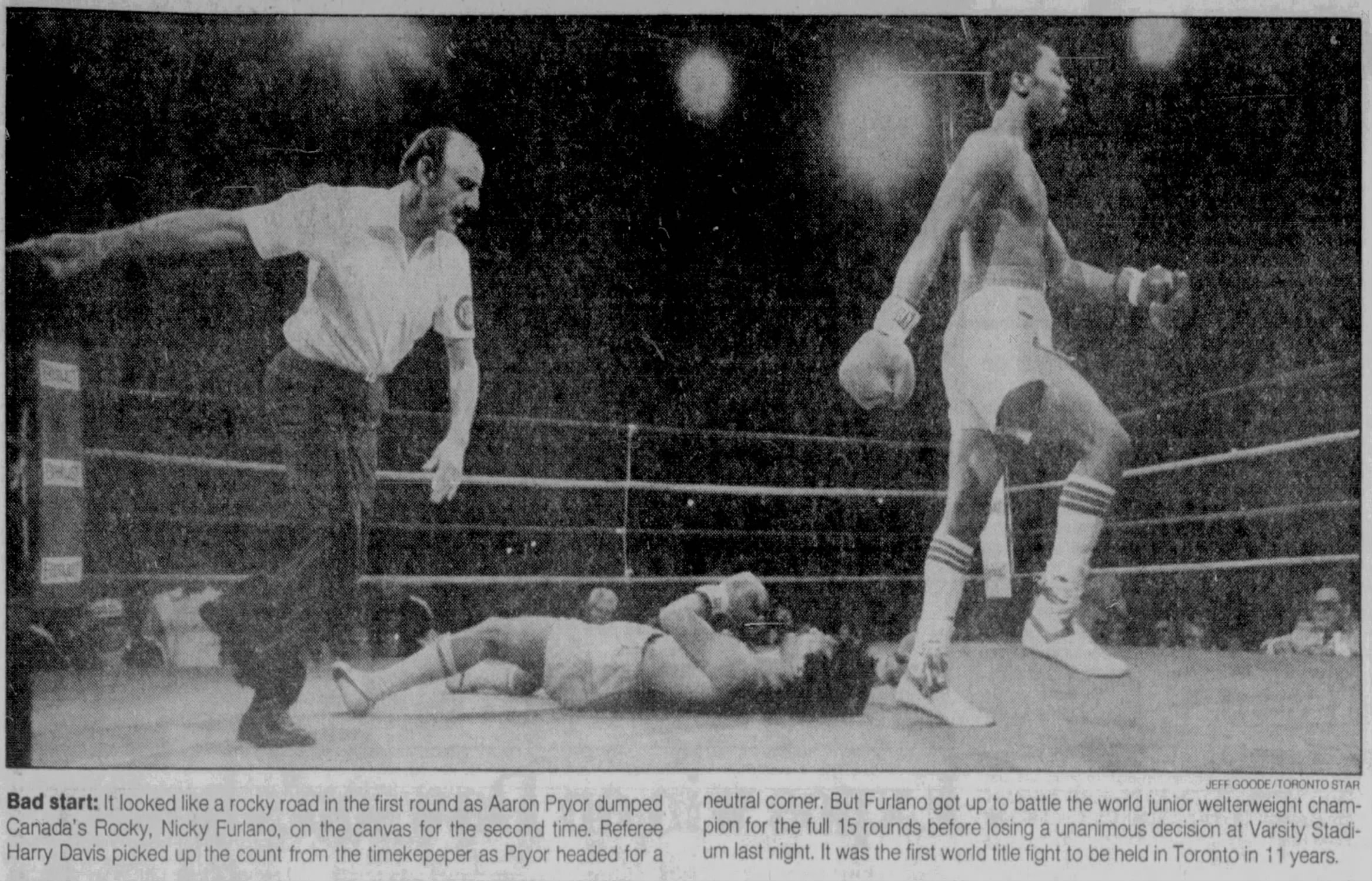
1984
Nicky Furlano Faces Off Against Aaron Pryor
Nicky Furlano, nicknamed "Canada's Rocky," faces a rough fight against Aaron Pryor at Varsity Stadium.
Explore more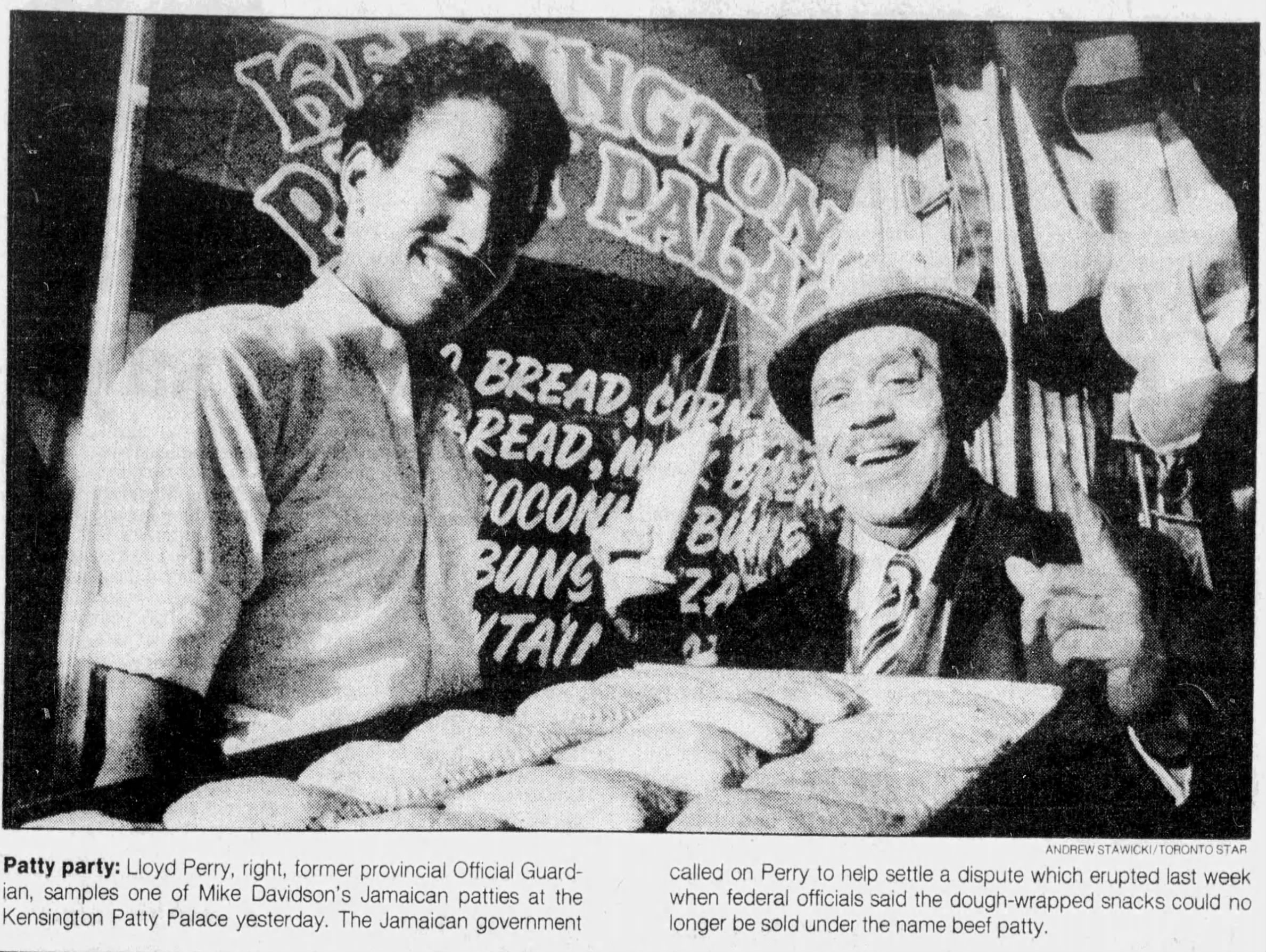
1985
The debate on Jamaican patties erupts
In the mid-1980s, Kensington Market became the centre of an unexpected national debate now remembered as the “Patty Wars.”
Explore more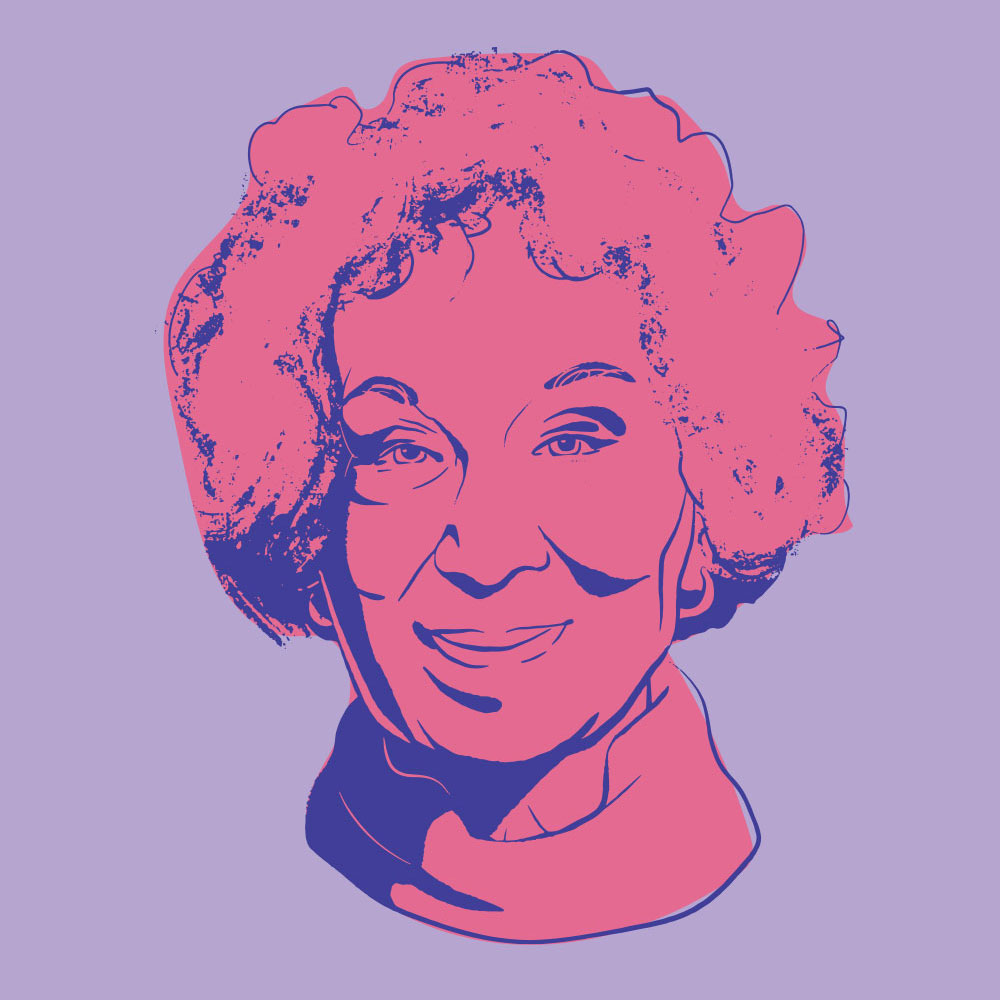
1985
Margaret Atwood's "The Handmaid's Tale" is published in Canada
Atwood's leadership as a visionary writer, cultural influencer, and champion of literature and the arts continues to inspire Toronto and beyond.
Explore more 1987
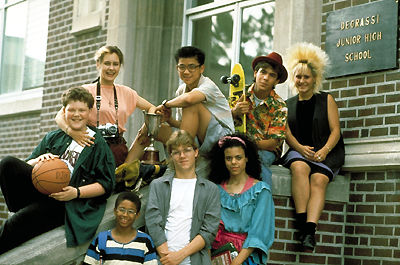
Degrassi Jr. High launches
Created by Linda Schuyler and Kit Hood following the success of the 1979 series Kids of Degrassi Street, Degrassi Jr. High hits the airwaves. A true Toronto television classic, this show helped pioneer the teen drama genre by boldly addressing challenging topics like teen pregnancy, divorce, and bullying.
Explore more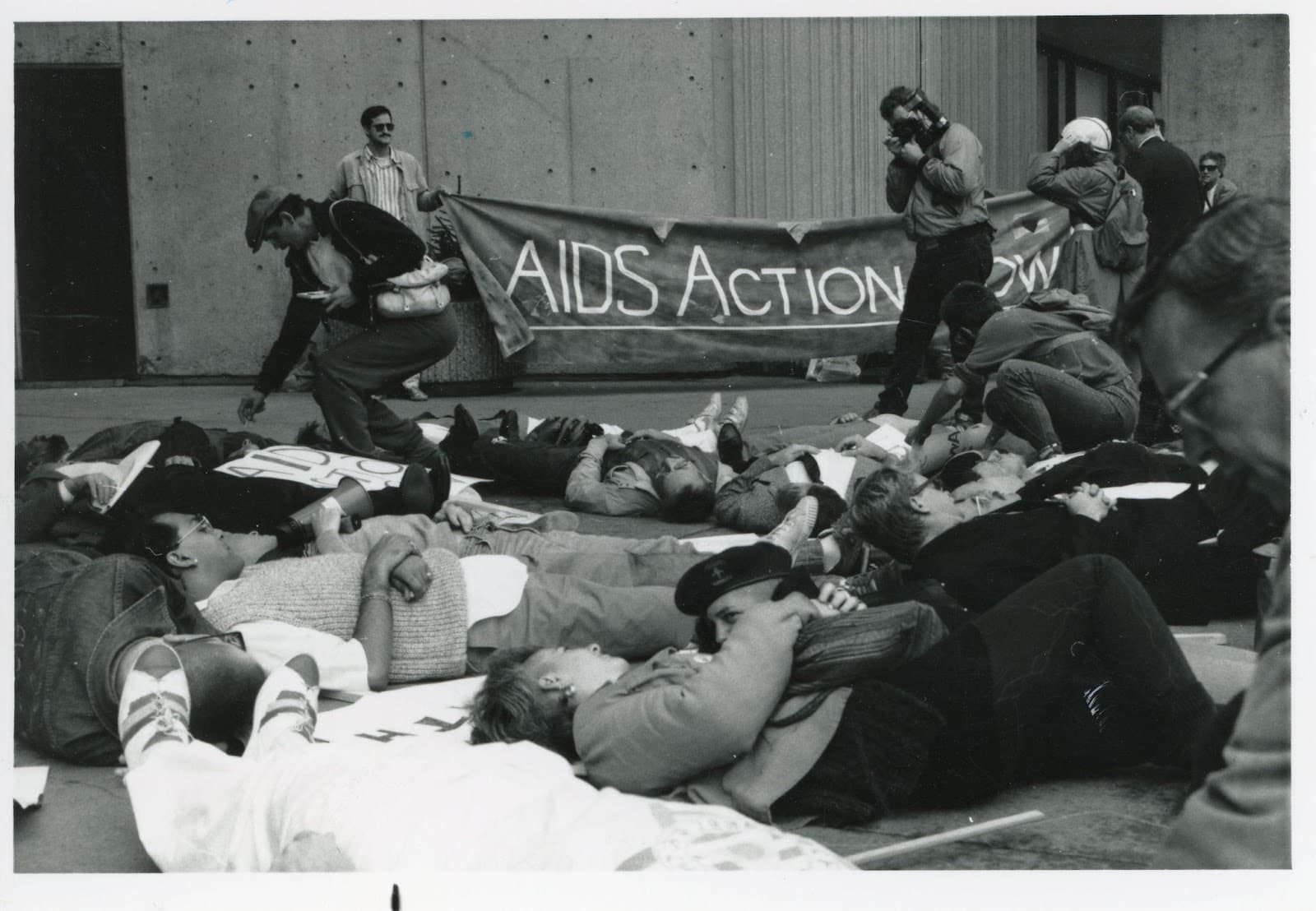
1988
AIDS Action Now! holds their Coffin Protest
With the AIDS epidemic leading to the deaths of thousands of gay men, AIDS Action Now! protests against Health Canada for more access to experimental treatments. The group set up coffins outside of Toronto General Hospital as a symbol of the casualties.
Explore more
1988
YTV launches
YTV launched on September 1, 1988 with a primetime special hosted by Scarborough local John Candy. The company was active from 1968 to 1995. Program jockey (PJ) Phil Guerrero shares his experience working in this format.
Explore more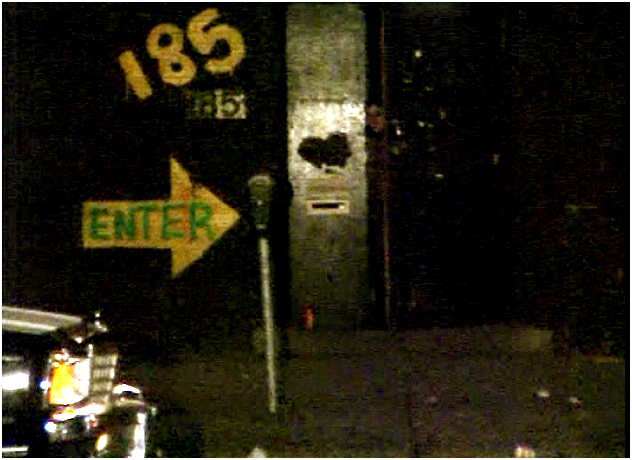
1989
The Assoon brothers open Twilight Zone, Toronto's pioneering EDM club
Long before electronic music became mainstream, Toronto’s underground club scene was taking shape inside a former club space at 185 Richmond Street West.
Explore more
1989
Maestro Fresh Wes releases the smash hit "Let Your Backbone Slide"
Celebrated as one of Canada's first hip-hop stars, Maestro Fresh Wes releases his titular song, "Let Your Backbone Slide." It is the first Canadian rap song to chart the Top 40, selling over 50,000 copies. He also became Toronto's first gold-certified rapper.
Explore more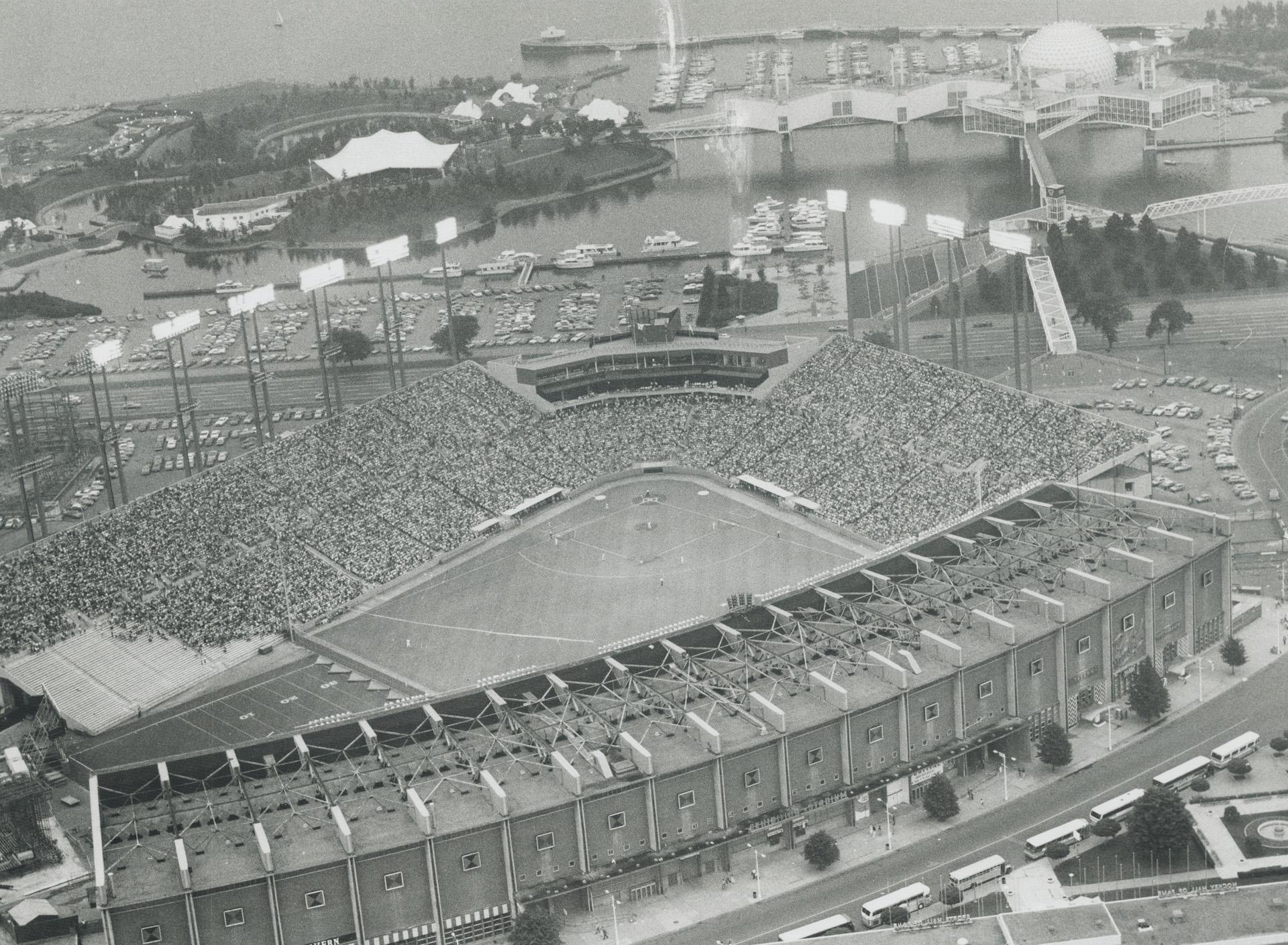
1989
The Blue Jays play their last game at Exhibition Stadium
Infamous for its cold rainy weather, overwhelming seagull population and terrible seating, Exhibition Stadium was a less-than-ideal location to house the Toronto Blue Jays' baseball games. Eventually, the SkyDome (now called the Rogers Centre) was completed and remains the team's current home. The last game at Exhibition Stadium was played on this day against the Chicago White Sox.
Explore more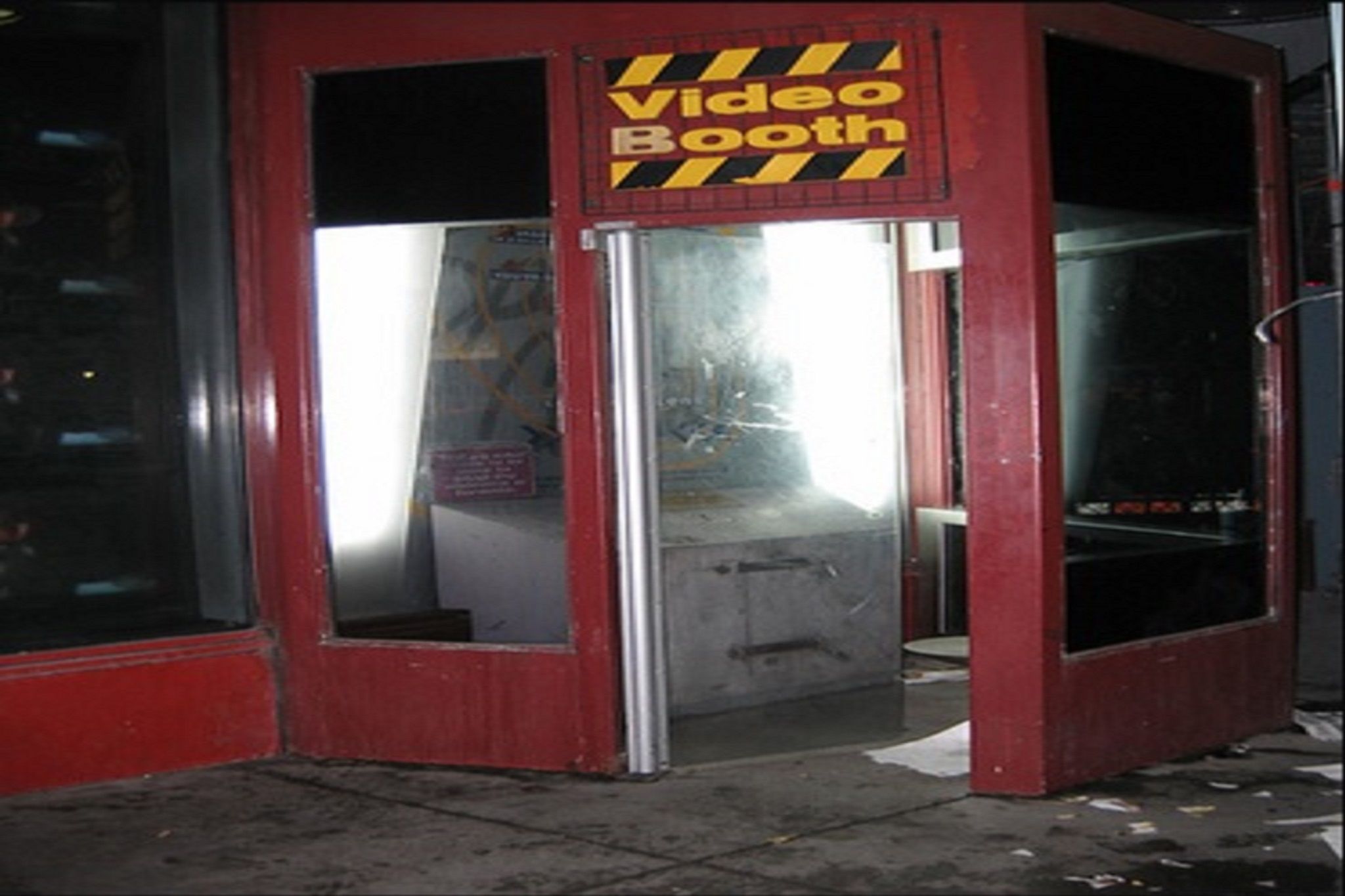
1990
Speakers Corner airs its first episode
CityTV sets up a publicly-accessible film booth in front of their studio at 299 Queen Street West. Passerby could enter the booth, pay a loonie, and record themselves for 60 seconds. The clips would then be collected and compiled into a weekly Sunday program. It was a local hit!
Explore more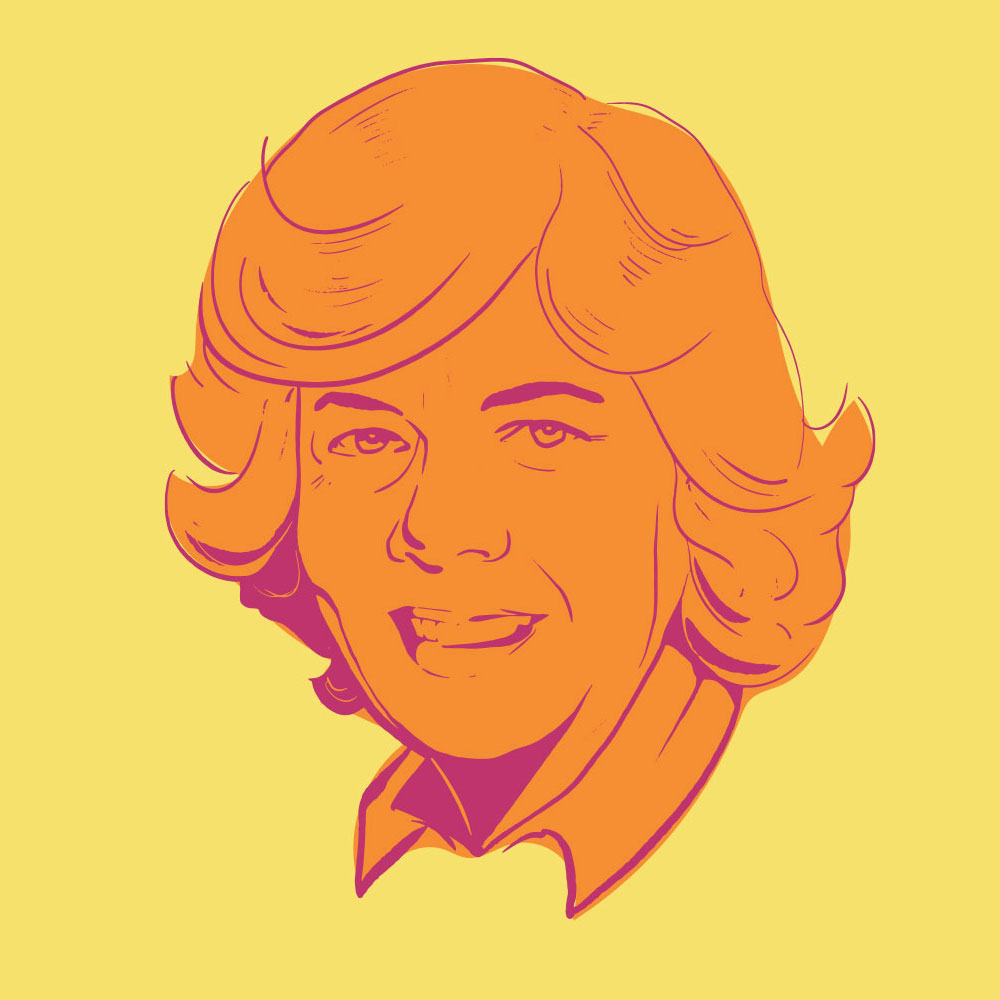
1991
June Rowland is elected Toronto's 60th mayor
An unstoppable force, June Rowlands was the first woman to be Toronto’s Mayor, TTC Commissioner, and Chair of the Toronto Police Commission.
Explore more
1992
Roberta Bondar makes history as Payload Specialist aboard the Space Shuttle Discovery (STS-42)
Roberta Bondar is Canada’s first female astronaut and neurologist in space. Her pursuits in the fields of science, medicine, and education continue to inspire generations of Canadians.
Explore more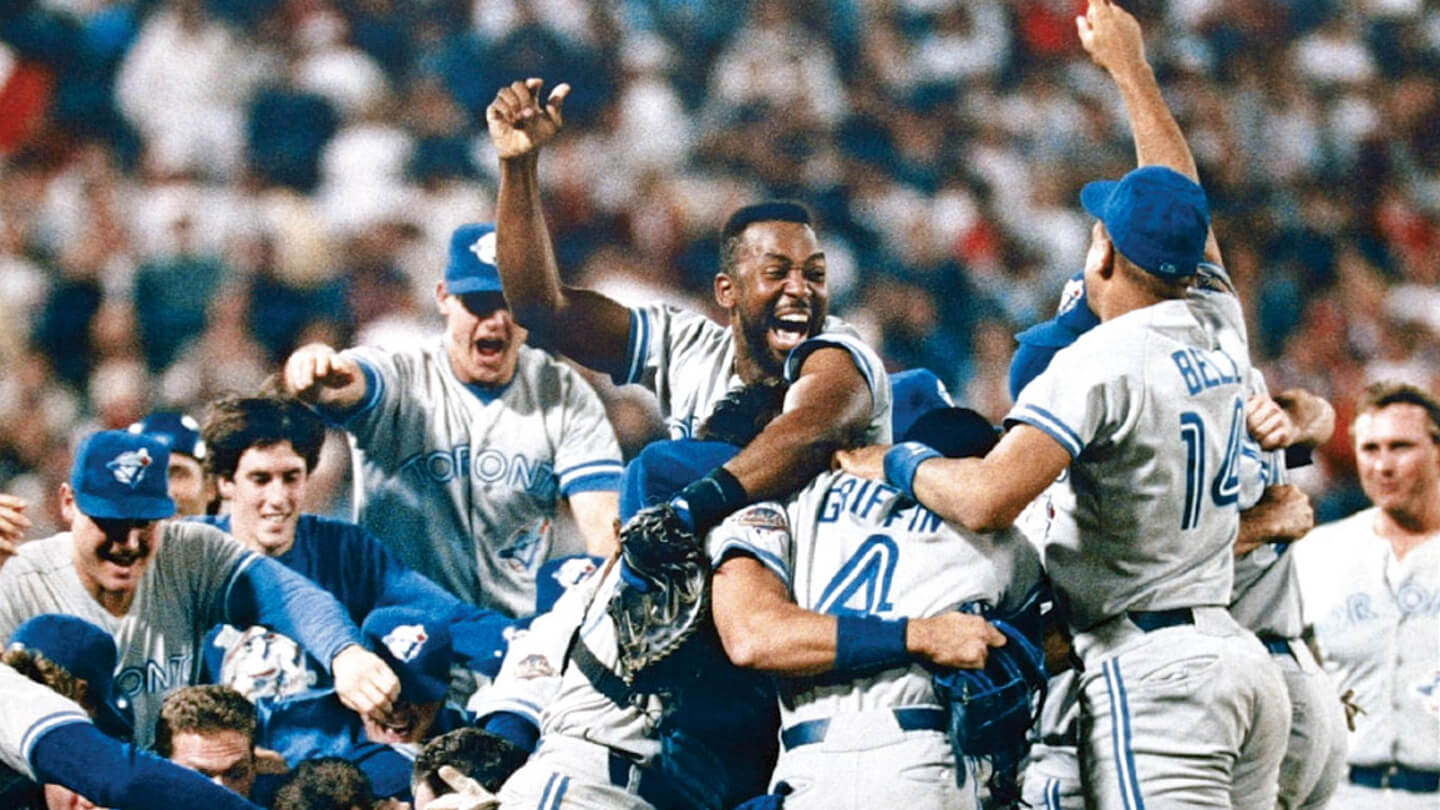
1992
Blue Jays win their first World Series
The Toronto Blue Jays make sports history becoming the first non-U.S. team to win the World Series. Defeating the Atlanta Braves in six games, the victory united the nation and sparked massive celebrations across the country.
Explore more
1993
Blue Jays go back-to-back
The Blue Jays won their second consecutive World Series championship in dramatic fashion with Joe Carter hitting a legendary three-run walk-off home run to defeat the Philadelphia Phillies in six games.
Explore more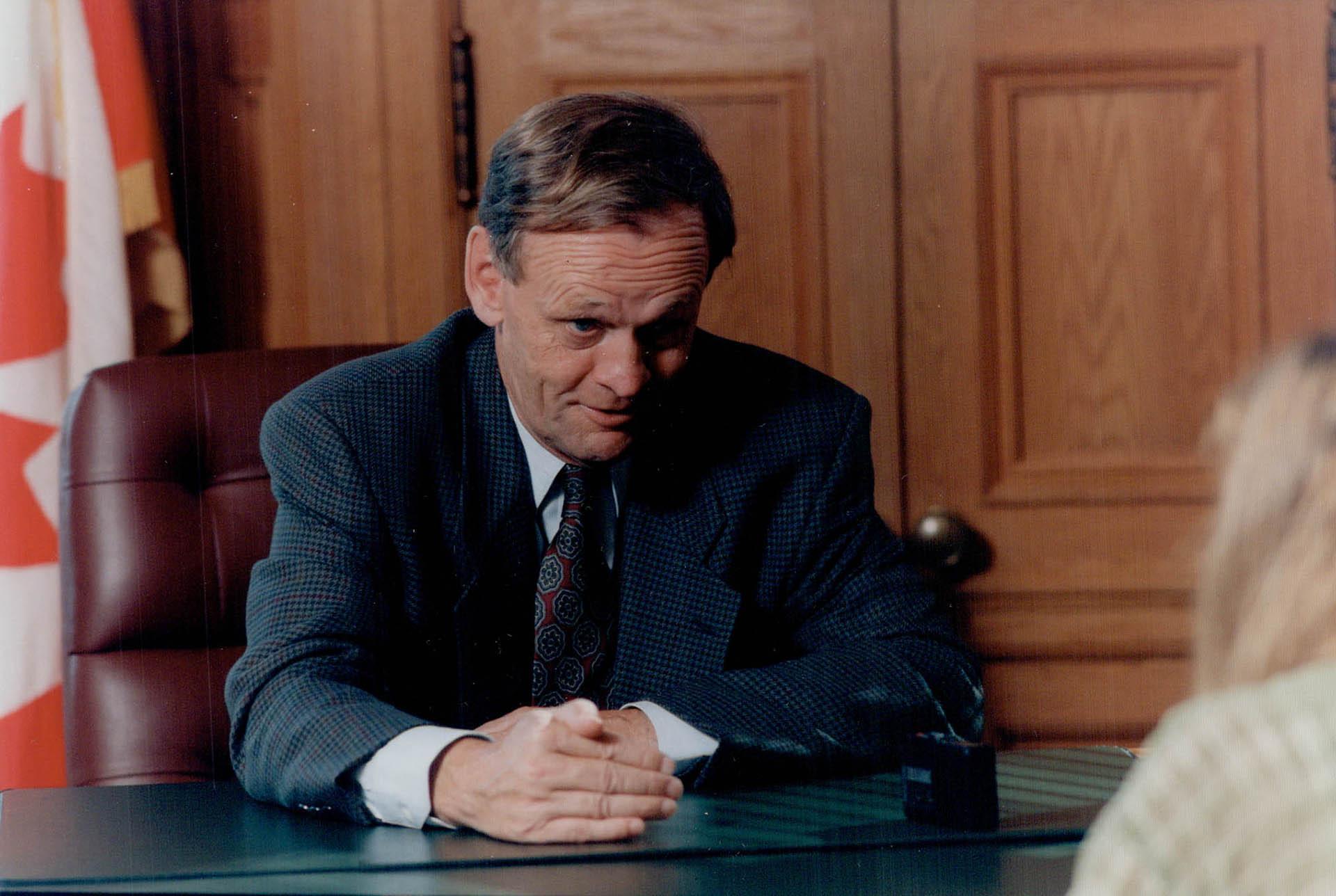
1994
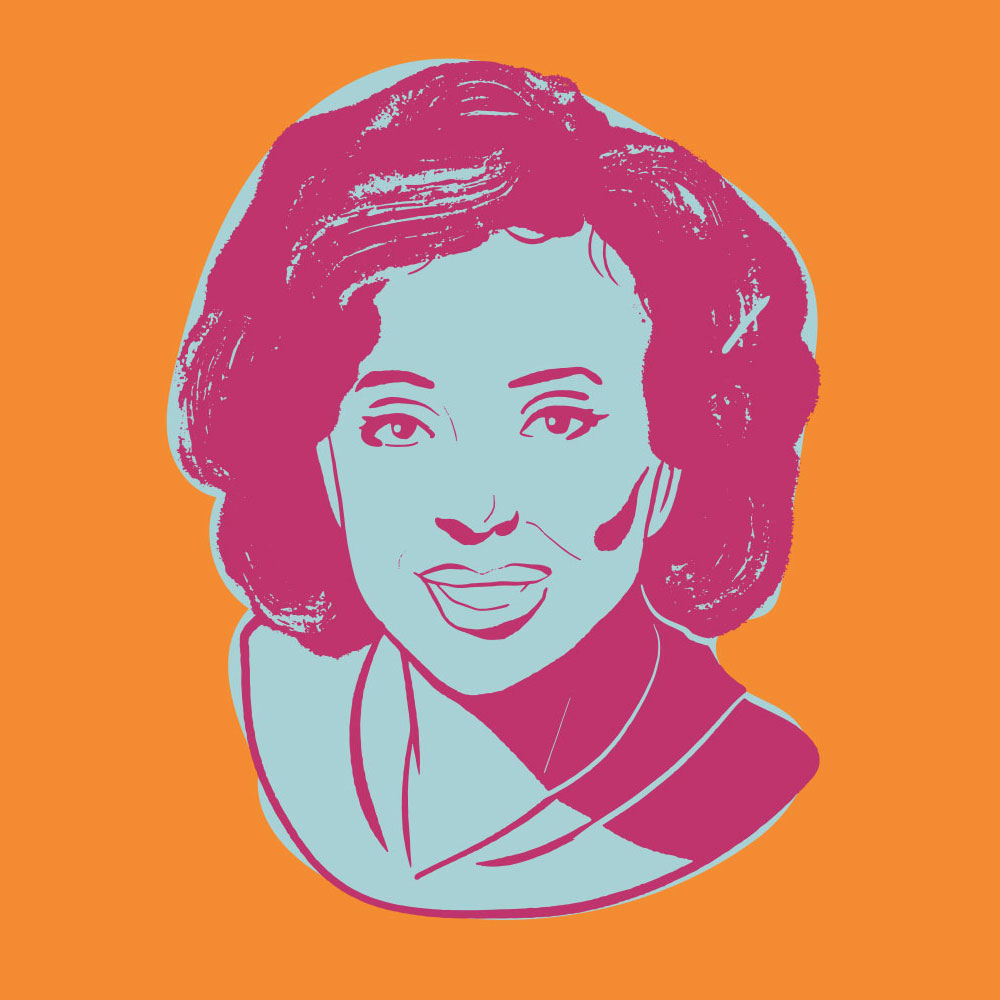
Emancipation Day in the City of Toronto is officially recognized
Driven by years of community organization led by Rosemary Sadlier and the Ontario Black History Society (OBHS), Toronto became the first major municipality in Canada to formally issue a civic proclamation recognizing August 1st as Emancipation Day.
Explore more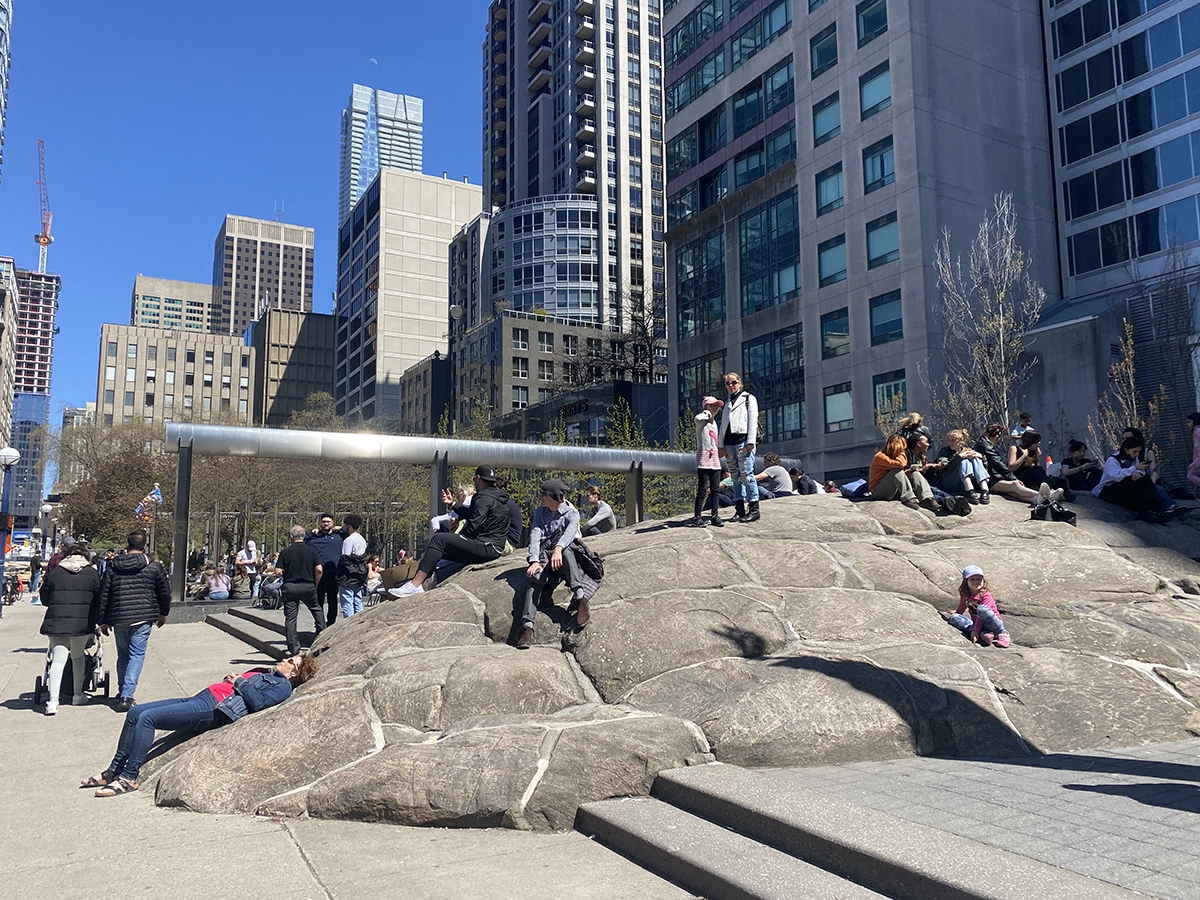
1994
Village of Yorkville Park opens with a billion-year-old boulder centrepiece
The iconic 650-ton "Yorkville Rock" was transported in pieces from the Canadian Shield in Gravenhurst, Ontario.
Explore more
1994
Dream Team II wins in Toronto
A sellout crowd showed up to the SkyDome to watch the United States's "Dream Team II" throttle Russia.
Explore more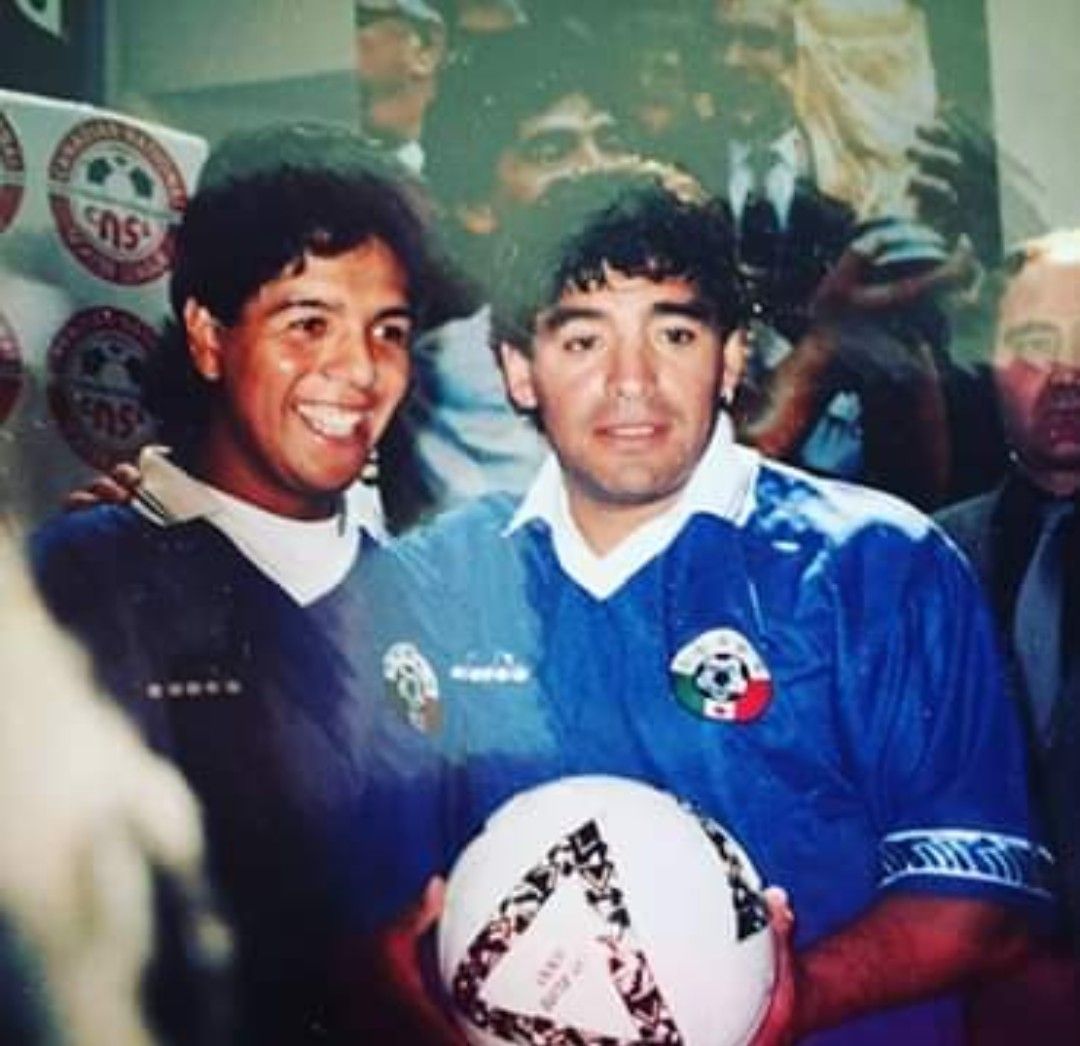
1996
Diego Maradona plays his second-last soccer match at Birchmount Stadium
Argentinian soccer legend Diego Maradona played his second-last soccer match at Toronto's Birchmount Stadium on September 2, 1996, subbing in for his brother Lalo who played in the semi-professional Canadian National Soccer League (CNSL).
Explore more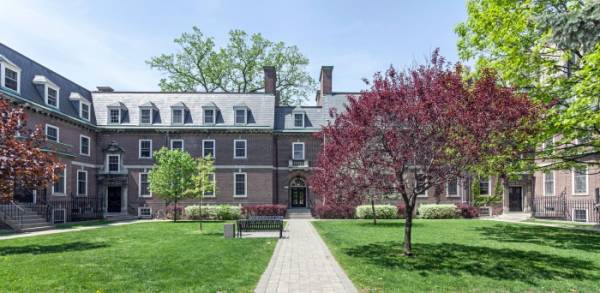
1997
"Good Will Hunting" is filmed at the University of Toronto
85 St. George Street may look like an ordinary Toronto campus building, but it quietly played a role in one of the most recognizable films of the 1990s.
Explore more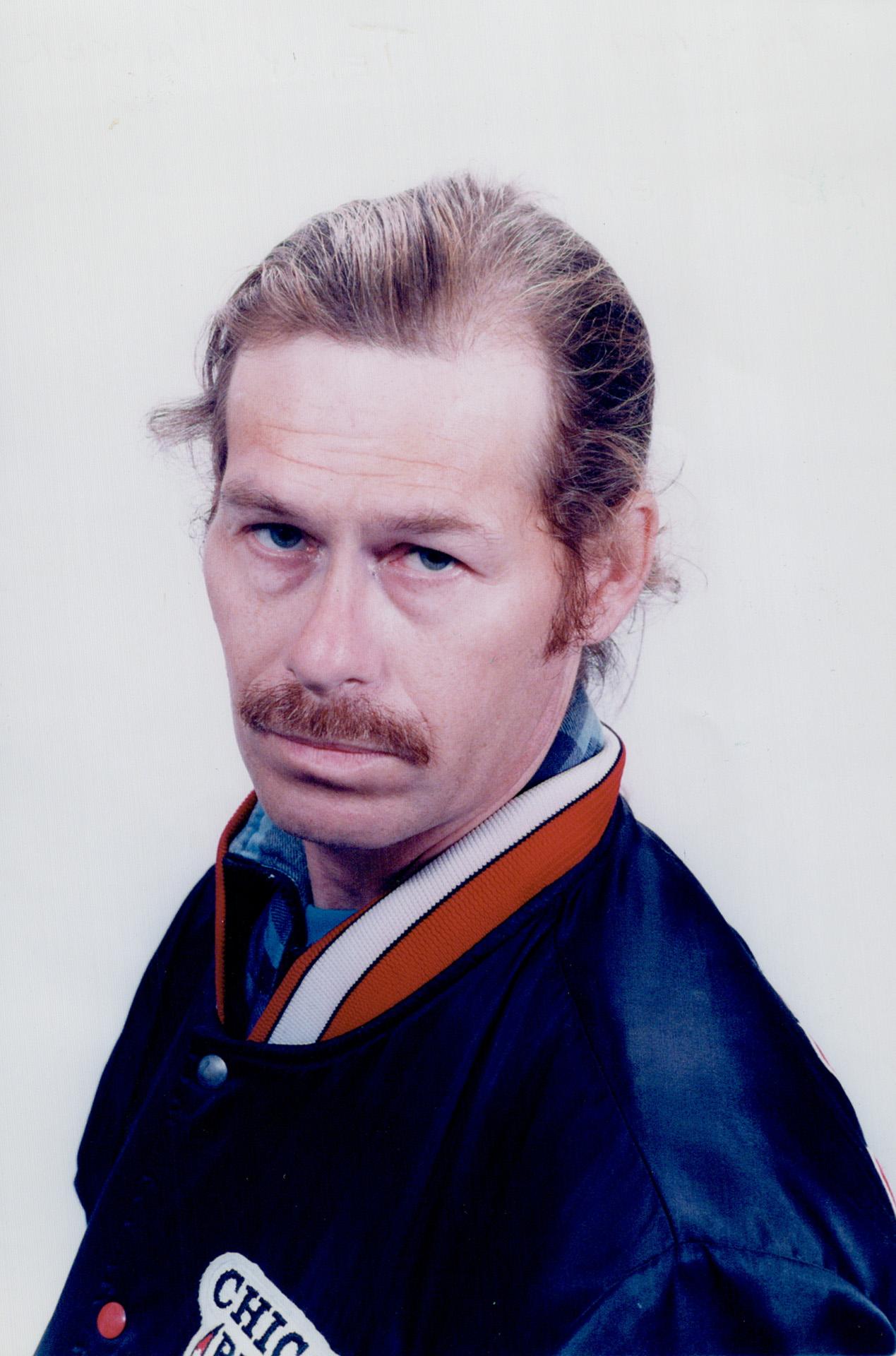
1997
Terry Parker wins landmark cannabis case
Terry Parker is acquitted of all charges, establishing that he had a constitutional right to use cannabis for his severe epilepsy.
Explore more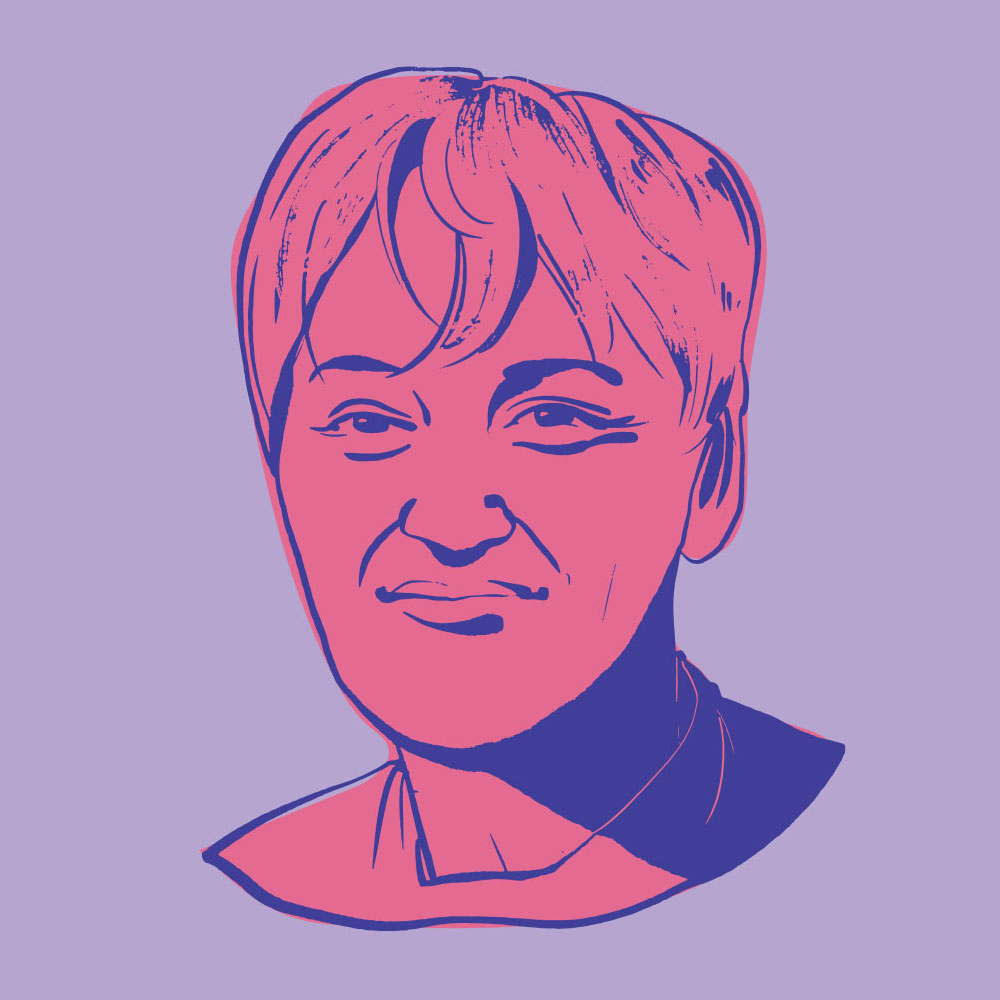
1998
Cathy Crowe co-founds the Toronto Disaster Relief Committee (TDRC)
Cathy Crowe's many initiatives and advocacy lead to the successful declaration of homelessness a national disaster. Crowe was one of Canada’s first street nurses and received the Order of Canada in 2018.
Explore more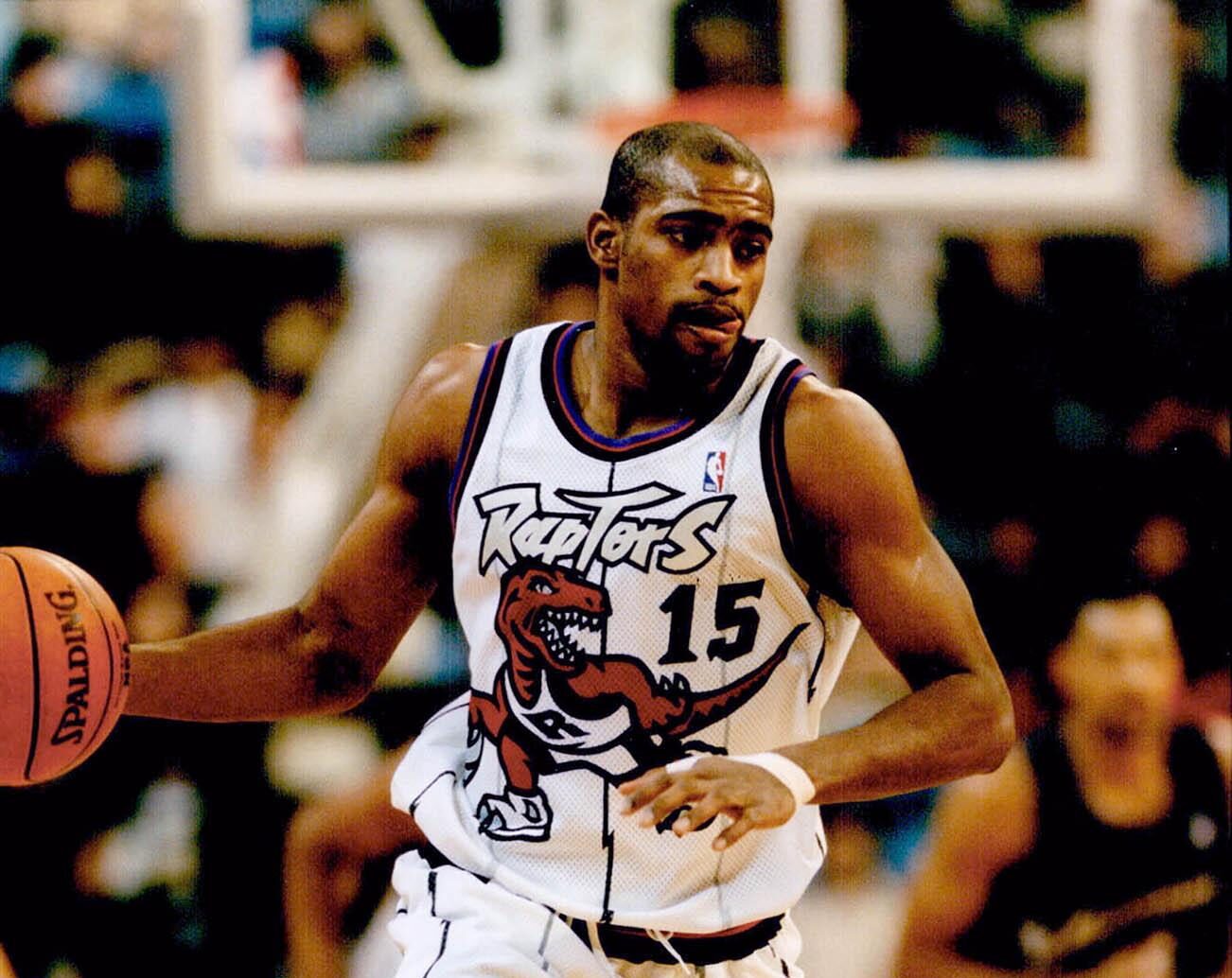
1998
Raptors draft Vince Carter
Following the 1998-1999 NBA lockout, Vince Carter officially plays his first game with the Toronto Raptors, quickly becoming a household name in the city.
Explore more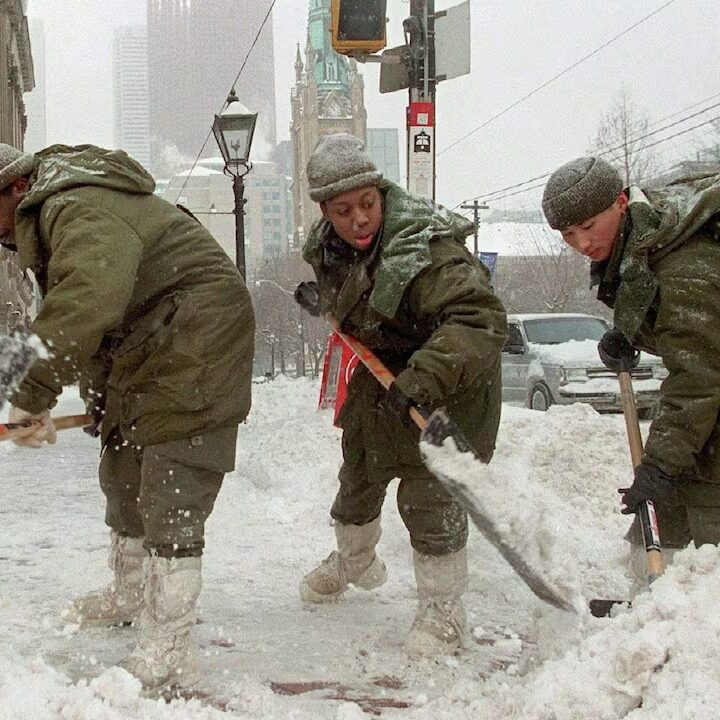
1999
A Snowstorm makes Mel Lastman call in the army
The infamous Blizzard of '99 brought the entire city to standstill, which pressured Mayor Mel Lastman to call in the army to help with snow removal. At the time, Canadians across the country heard the news and took the chance to make fun of that fact.
Explore more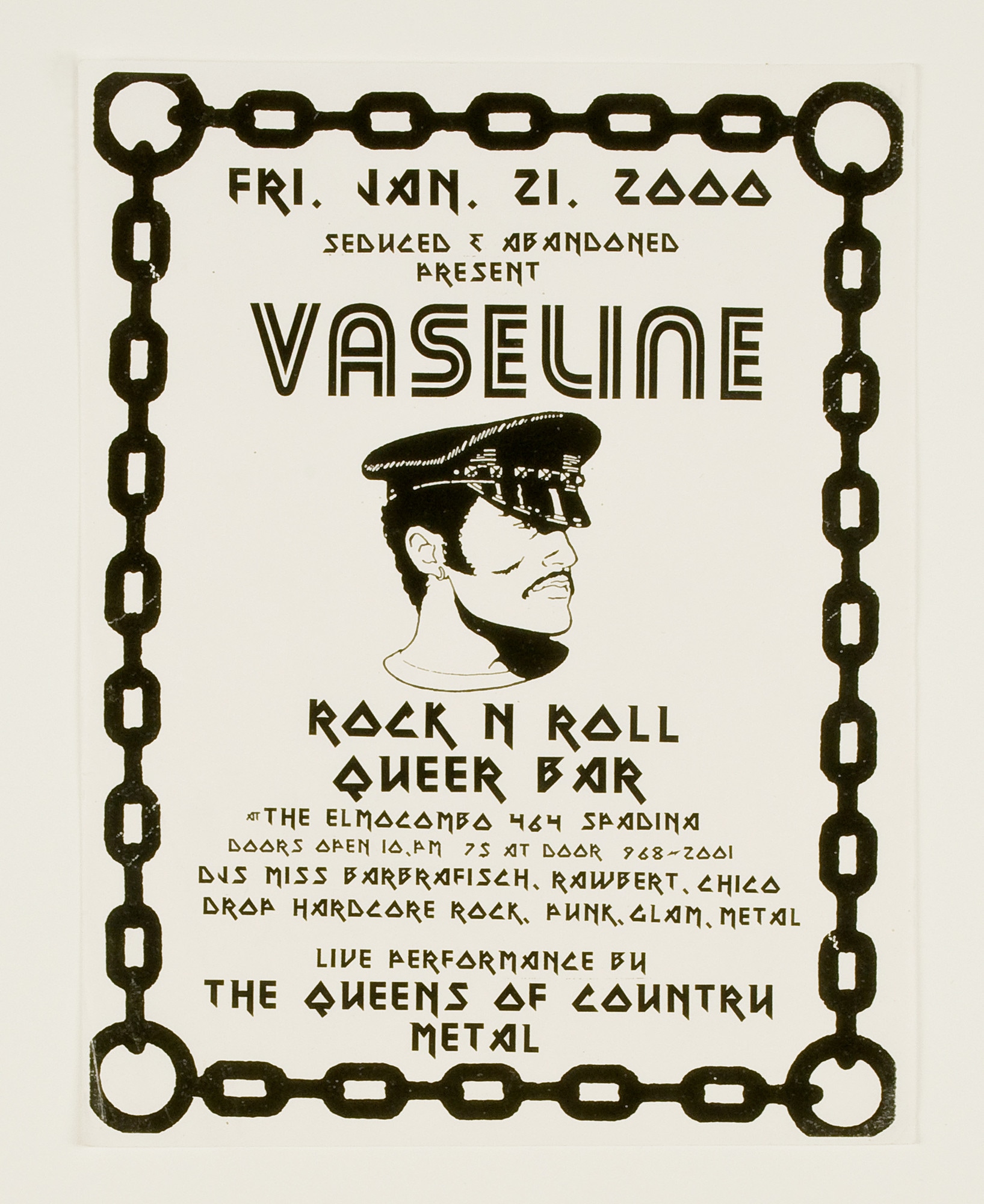
1999
Will Munro starts Vazaleen
Vazaleen was a monthly women-centric queer club night. Organized by artist Will Munro (1975-2010), it featured lube wrestling and bobbing for butt plugs, set against a backdrop of 1970s-era porno flicks, punk rock, and funk. It made its freaky debut in 1999.
Explore more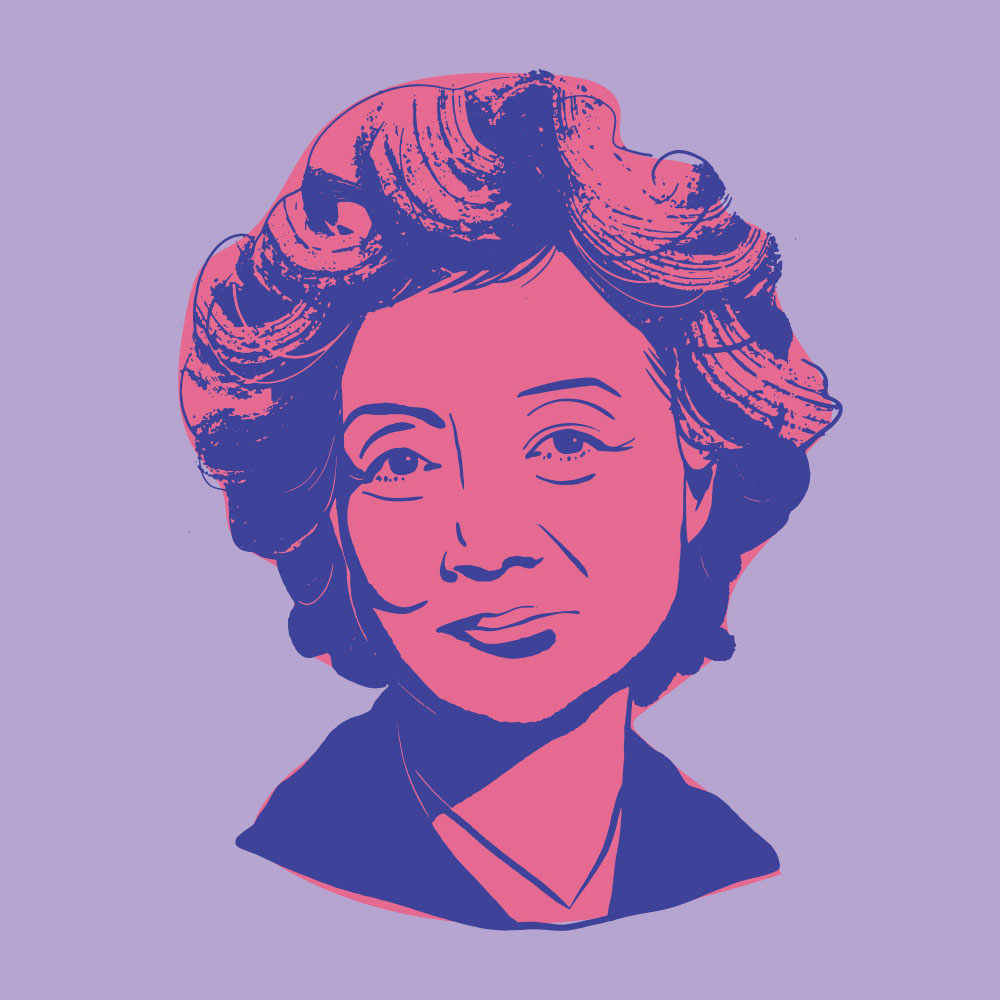
1999
Adrienne Clarkson is sworn in as Canada's 26th Governor General
Clarkson is the first visible minority and the first individual without a political or military background to hold the office.
Explore more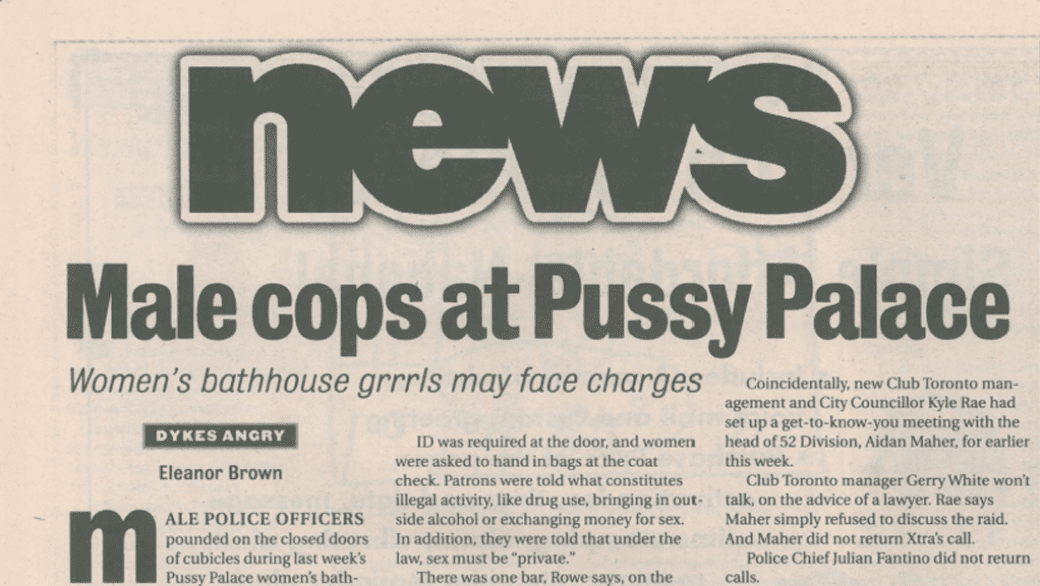
2000
The police raid the Pussy Palace
Claiming a liquor license violation, six male police officers raid the Pussy Palace, a queer women's-only bathhouse event taking place at Club Toronto. The police proceeded to strip-search the women and charged them with multiple minor infractions. Outraged, the community soon organized a protest dubbed the "Panty Picket" to advocate for police reform.
Explore more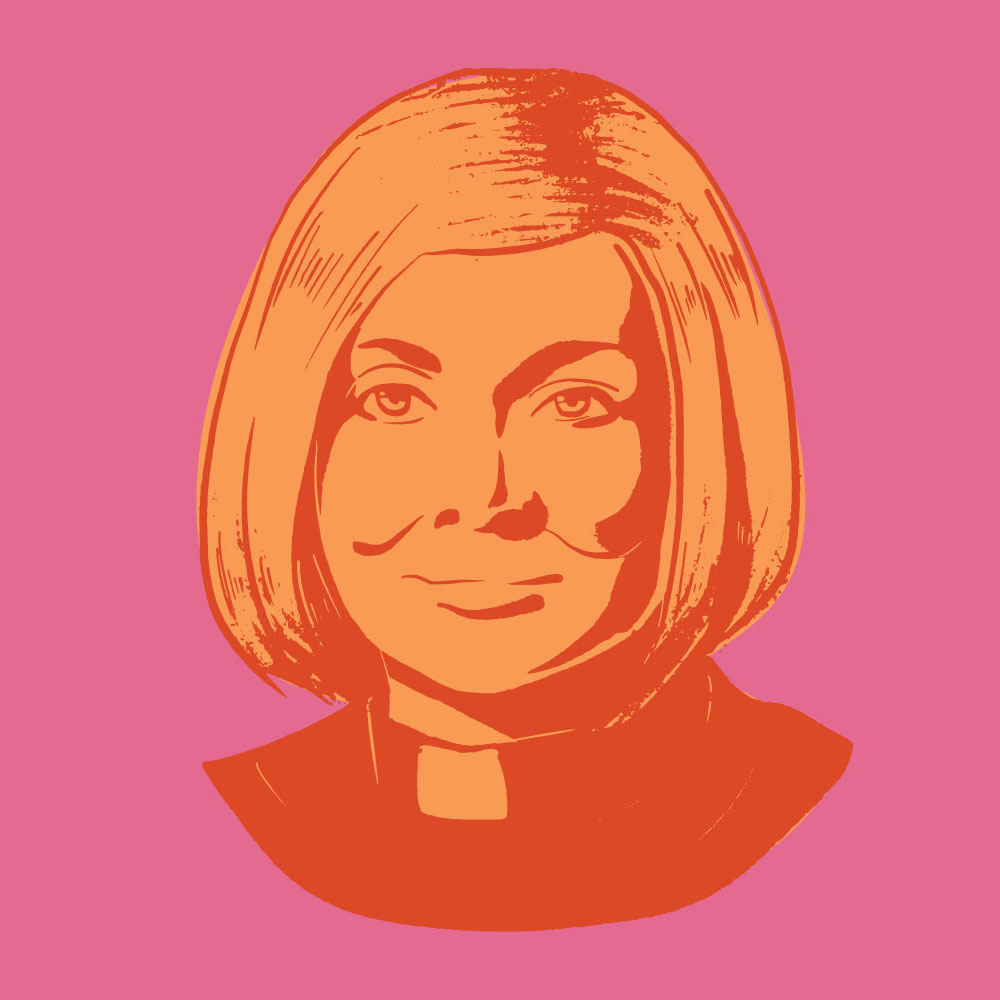
2001
Cheri DiNovo performs Ontario's first legalized same-sex marriage at Emmanuel-Howard Park United Church
Cheri DiNovo was the first minister to perform a legal same-sex marriage in Canada. Her support for 2SLGBTQIA+ rights shines through in her political work of passing inclusive legislation.
Explore more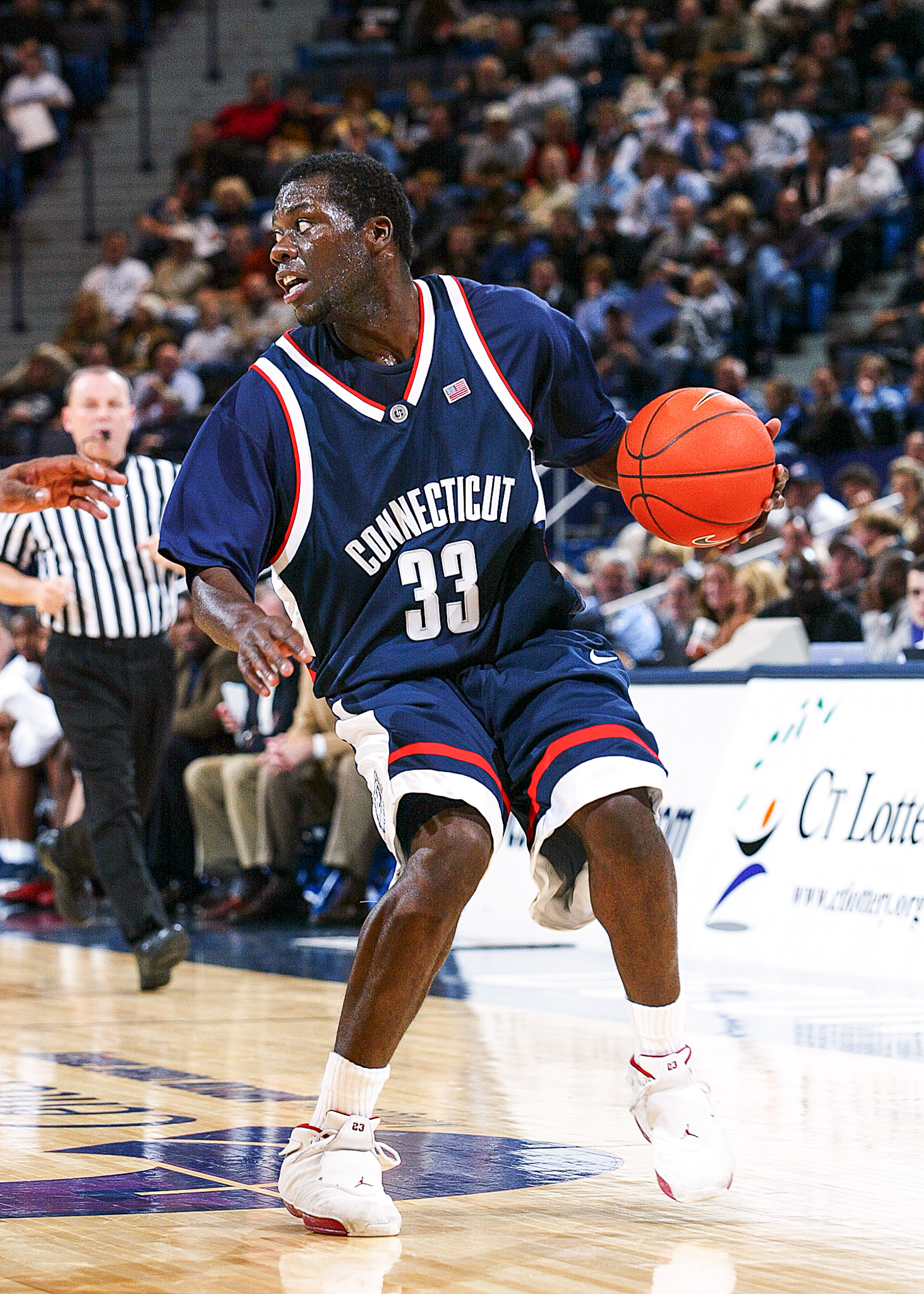
2002
Denham Brown scores 111 points
Prior to his move to the University of Conneticut Huskies, Denham Brown played for West Hill Collegiate Institute in Scarborough. In his closing game with the team, he scored 111 points in one game against the R.H. Academy.
Explore more
2003
El Contrato officially premieres at the Bloor Cinema in Toronto
Min Sook Lee's first film, she would become an industry-recognized documentarian who advocates for social justice at the intersection of art and social change through her films and professorship at OCAD University.
Explore more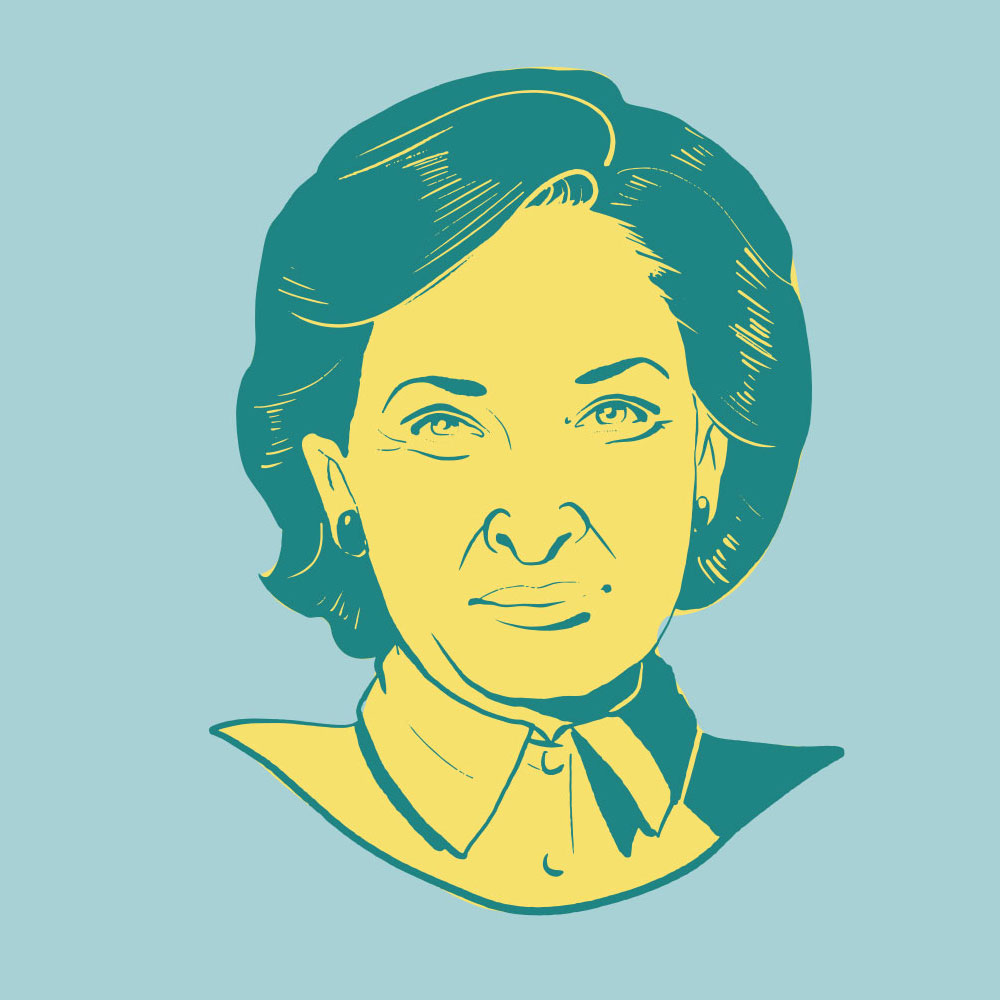
2004
Rosalie Silberman Abella appointed to Supreme Court of Canada
Rosalie Silberman Abella was the first Jewish woman appointed to the Supreme Court of Canada. She founded the concept of "employment equity" and shaped the first decision made under the 1989 Charter of Rights and Freedoms.
Explore more
2005
Karen Kain named Artistic Director of the National Ballet of Canada
Karen Kain worked as the Artistic Director of the National Ballet for 16 years. Kain began her career showcasing her passion and dedication to ballet by starring as the Swan Queen in Swan Lake and quickly thereafter becoming a Principal Dancer.
Explore more
2007
Columbia "Coco" Diaz helps found the Caregiver Connections, Education, and Support Organization (CCESO)
Columbia Diaz empowered newcomers and caregivers through education and advocacy for rights through her relentless community organizing work.
Explore more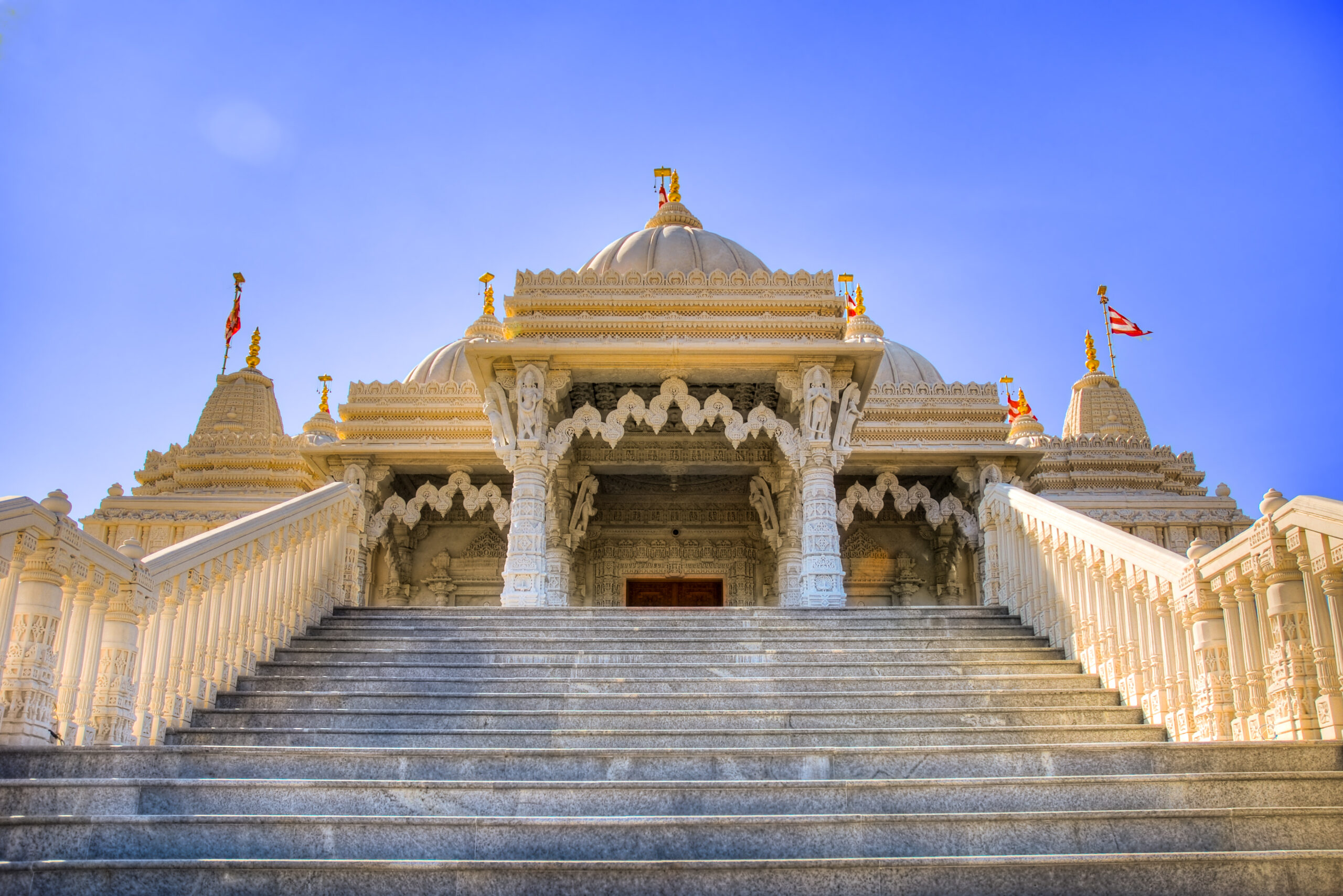
2007
The BAPS Shri Swaminarayan Mandir Toronto officially opens
The Bochasanwasi Akshar Purushottam Swaminarayan Sanstha (BAPS) Hindu sect opens their religious and cultural centre just off of Highway 427. Constructed entirely of limestone and marble, the construction borrows thousand-year-old Indian engineering techniques that refrains from steel or nails.
Explore more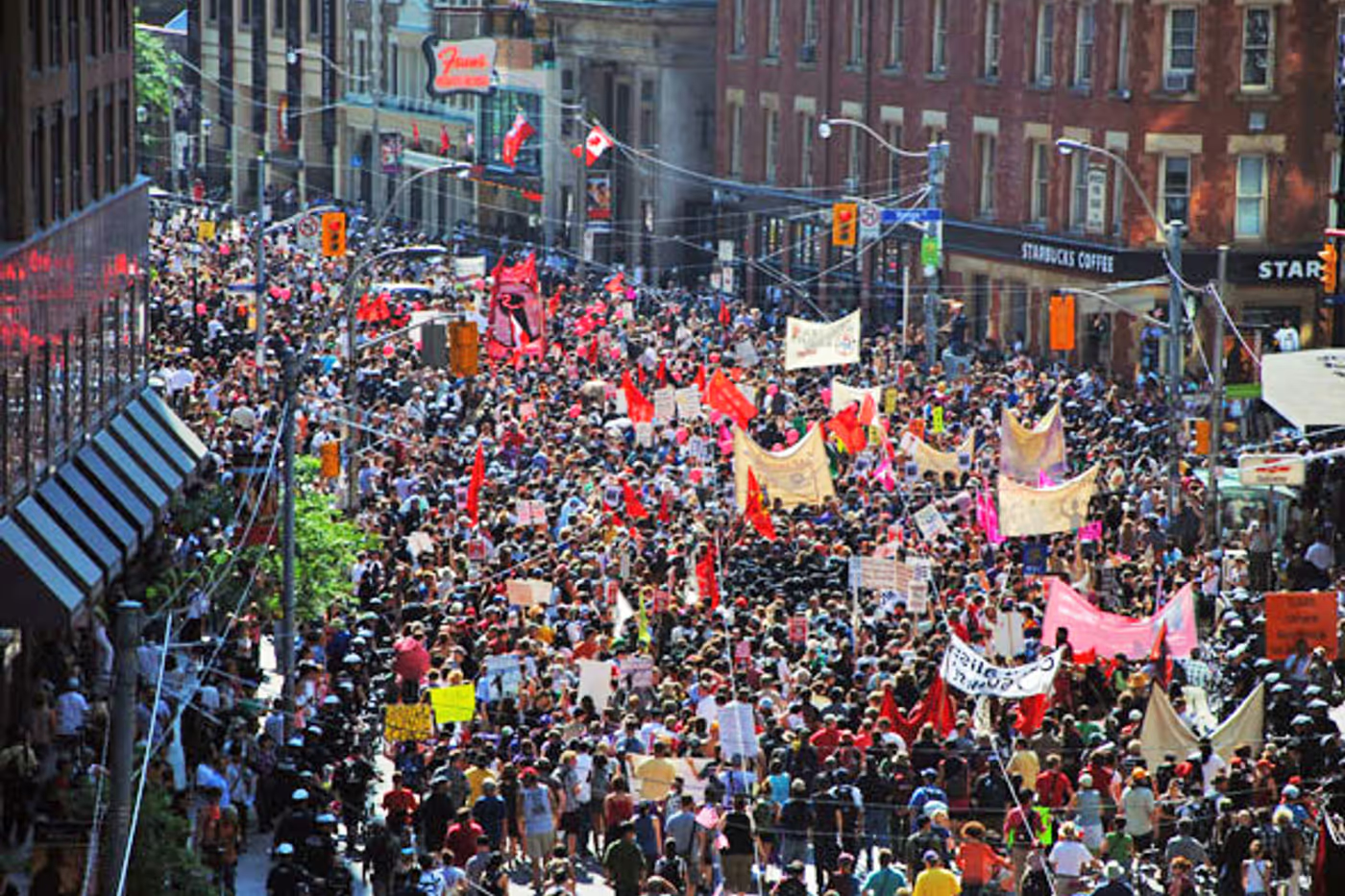
2010
Toronto hosts the G20, inciting public protests
When the G20 Summit was hosted in the city, it was met with public outcry by protestors looking for reforms following the 2008 financial crisis. While most protests remained wholly peaceful, some devolved into rioting and hard police intervention.
Explore more
2010
Angela James inducted into the Hockey Hall of Fame
Angela James was the first of two women inducted into the hall. She is widely revered as the first true superstar of modern women’s hockey, often dubbed the "Wayne Gretzky of women's hockey". Her reputation is built on her incredible scoring ability, fierce physicality, and her historic role as a trailblazer and pioneer for female, Black, and LGBTQ+ athletes
Explore more
2012
Saadia Muzaffar co-founds TechGirls Canada (TGC), establishing a highly influential national hub for diverse women in STEM
Tech entrepreneur and author, Saadia Muzaffar, is dedicated to empowering underrepresented communities to thrive in STEM.
Explore more2013
Robin Wall Kimmerer's novel is published
In her book Braiding Sweetgrass, Indigenous scientist and botanist Robin Wall Kimmerer outlines guidelines for what she calls an “Honorable Harvest."
Explore more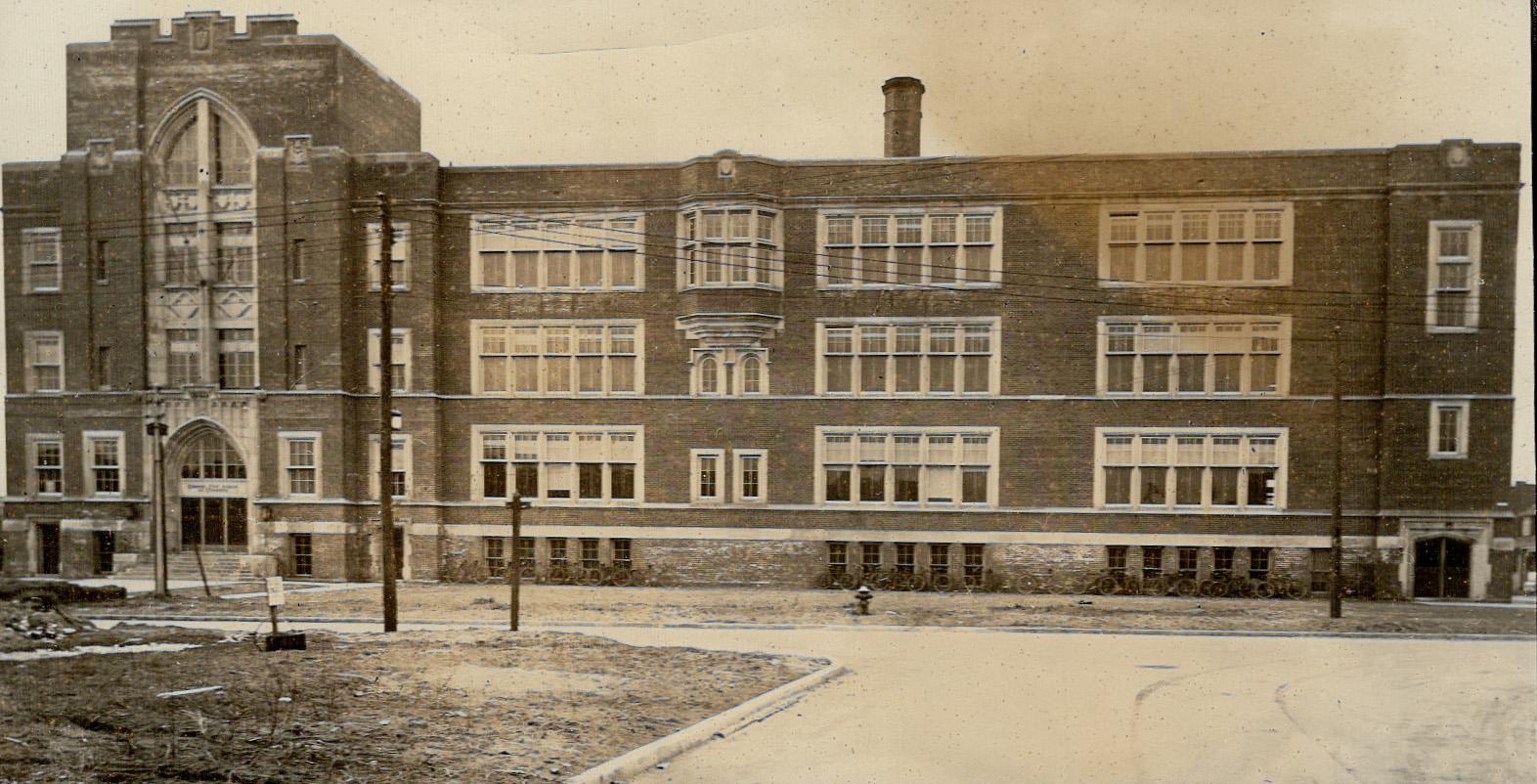
2015
Eastern Commerce closes, ending their High School reign
From 2002 until the school closed in 2015, Eastern won five provincial titles and three provincial silver medals. Sadly, due to low enrollment, the school was announced to be closing June 2015.
Explore more
2015
Jose Bautista and the Bat Flip
Following a three-run home run against the Texas Rangers in game five of the division series, Toronto Blue Jay Jose Bautista performs his iconic "bat flip."
Explore more
2016
Penny Oleksiak wins four medals in the Rio 2016 Summer Olympics
Oleksiak would go on to win 3 more olympic medals in 2020 to become Canada’s most decorated Olympian.
Explore more
2017
Kathleen Taylor named among the 50 most powerful people in Canadian Business
Kathleen Taylor breaks ground no matter what industry she stands in. An accomplished business leader, her career continues to break barriers and light the way for women at major corporate institutions.
Explore more
2017
Josephine Mandamin helps lead The Great Lakes Water Walk at the Toronto Waterfront
Anishinaabe Elder, Josephine Madamin, was a revolutionary leader in the fight to protect water rights for Indigenous peoples.
Explore more
2018
Dr. Jill Andrew becomes a member of the Ontario Provincial Parliamentfor Toronto—St. Paul's
Jill Andrew is the first Black and queer person elected into the Ontario Legislature. Her platform stands for race and social justice, healthcare equity, and the benefits of arts and culture.
Explore more
2019
Toronto Raptors become NBA champions
They secured the title by defeating the Golden State Warriors 114-110 in Game 6 of the NBA Finals at Oracle Arena. This marked the first time an NBA championship was won by a team based outside the United States
Explore more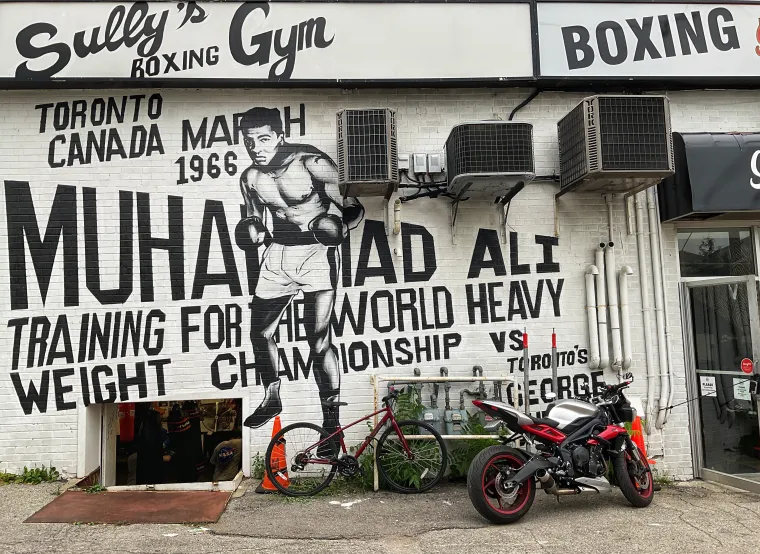
2019
Sully’s gym survives eviction order
Sully Gym’s, founded in 1943, is the thread that connects much of Toronto’s post-1940s boxing history. In March 2019, Sully’s faced eviction.
Explore more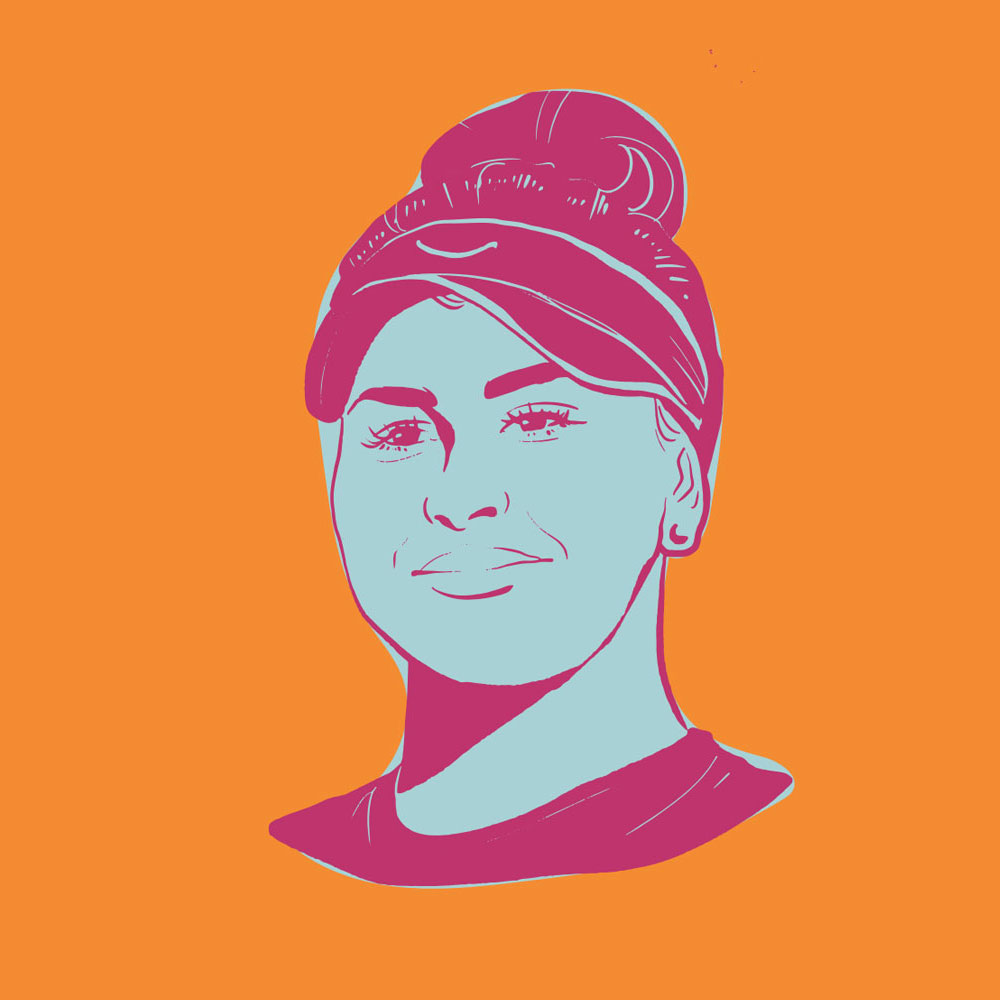
2019
Bianca Andreescu wins the US Open - a first for a Canadian
Bianca Andreescu has raised the global profile of tennis for Canadians. As one of the youngest winners of a Grand Slam singles title, Andreescu is the highest-ranked Canadian in Women’s Tennis Association history.
Explore more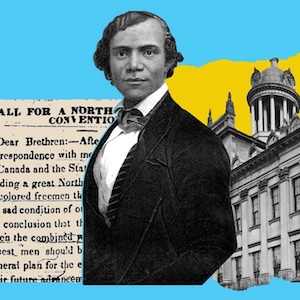
2022
Museum of Toronto Hosts 1851: Spirit and Voice!
Museum of Toronto hosts a live online event called 1851: Spirit and Voice, which fictionalizes the landmark lecture series held by the Anti-Slavery Society of Canada at St. Lawrence Hall in September 1851. It featured live-streamed performances of important historical anti-slavery activists, including Mary Ann Shadd Cary, Mary and Henry Bibb, and Frederick Douglass.
Explore more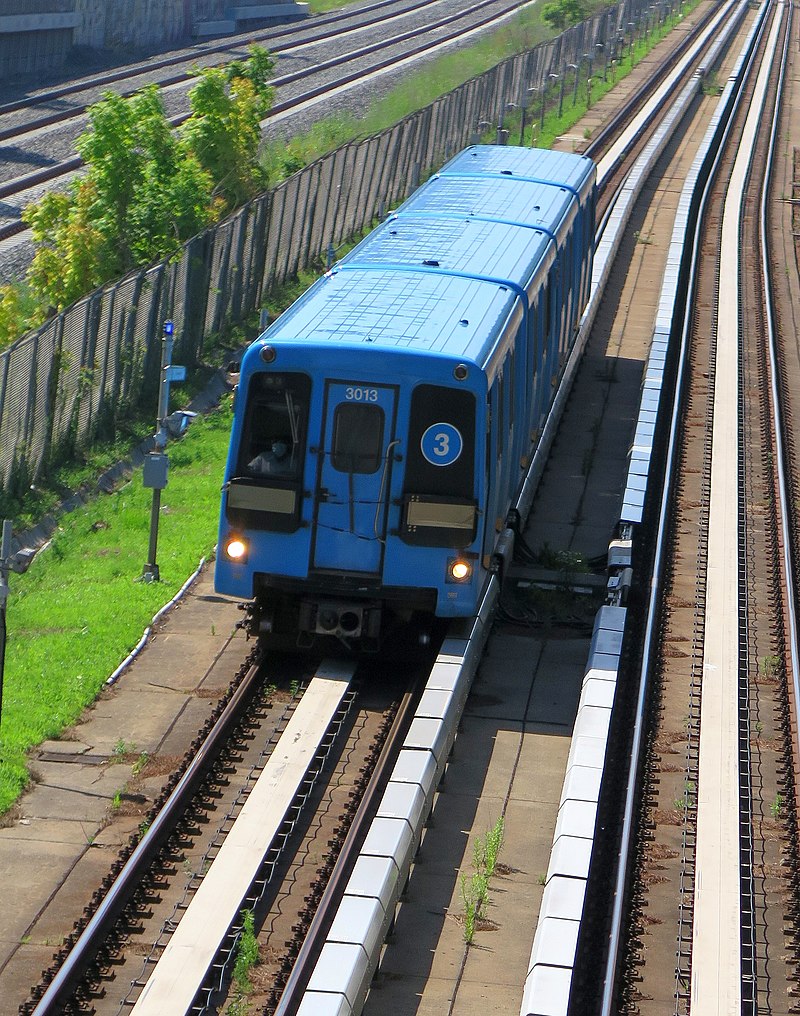
2023
Scarborough RT is decommissioned
Opening in 1985, Line 3 Scarborough was a vital community lifeline that connected eastern Scarborough to the broader TTC subway network via Kennedy station. Up until it's closer it had an annual ridership of 4,720,000 passengers.
Explore more
2023
Ausma Malik appointed by Mayor Olivia Chow as the Statutory Deputy Mayor of Toronto
Ausma Malik is the first hijab-wearing woman in public office in Canada. Her dedication to Toronto’s wellbeing is prominent in her championship of affordable housing and racial justice.
Explore more
2023
Argos turn 150
After 150 years, what began as an off-season hobby for a rowing team has grown into the oldest pro sports franchise in North America.
Explore more
2024
Toronto Sceptres play the inaugural game for the Professional Women's Hockey League
A 4-0 loss to the New York Sirens (formerly PWHL New York) the first game in franchise history for the Toronto Sceptres (formerly PWHL Toronto) took place at the Mattamy Athletic Centre.
Explore more
2026
Toronto Tempo make their WNBA debut in front of a sold out Coca-Cola Coliseum
The Tempo played their inaugural game losing to the Washington Mystics 68-65. Guard Brittney Sykes scored the first points in team history.
Explore more
Stay connected
Be the first to know about events, exhibitions, and updates coming to the Museum of Toronto.
Sign up