1851
Spirit & Voice


Acknowledgements
 | Museum of TorontoMuseum of Toronto is your Toronto museum. Our engaging programs and experiences showcase the history, spaces, culture(s), architecture, and the people, that represent Toronto’s unique place in the world. Museum of Toronto Credits Heidi Reitmaier, Executive Director Paula Hughes, Interim Executive Director Nadine Villasin Feldman, Director of Programming Kathleen Lew, Research & Programming Coordinator Nathan Heuvingh, Curatorial & Programming Lead Sarah Tumaliuan, Festival & Programming Coordinator Joshua Dyer, Director of Marketing Byron Kent Wong, Creative Strategy Davin Henson, Production Lead Zambrine Saeed, Marketing Coordinator & Jr. Graphic Designer Chloé Houde, Digital Content Coordinator Na’ama Freeman, Administrative Assistant Dawn Ellis-Mobbs, Education Lead Jashen Edwards, Education Consultant Kendra Thompson, Public Relations |
|
 | Soulpepper Theatre CompanyLocated in its multi-venue home, the Young Centre for the Performing Arts in Toronto’s Distillery Historic District, Soulpepper is Canada’s leading artist-driven theatre company. We believe that vital stories can connect us all and that they can motivate us toward social change. Soulpepper traditionally produces a year-round season of over 500 events, and plays a civic role in our community through free education programs, Community Conversations, artist training, and environmental sustainability initiatives. Soulpepper strives to ensure theatre is accessible to all by offering ASL interpretation, Relaxed Performances, as well as free tickets to frontline workers and those under 25 years old. Throughout the pandemic, Soulpepper has adapted to digital platforms offering over 50 hours of free shareable content, including play readings, workshops, interviews, and concerts. Soulpepper Credits Maricris Rivera, Producer Mimi Warshaw, Producer Jonathan Heppner, Executive Producer Weyni Mengesha, Artistic Director Emma Stenning, Executive Director |
|
| With assistance from: |
||
 | Ontario Black History SocietyFounded in 1978, the Ontario Black History Society (OBHS) is dedicated to the study, preservation and promotion of Black History and Heritage. Ontario Black History Society Credits: Natasha Henry, Historical Consultant |
Creative Team
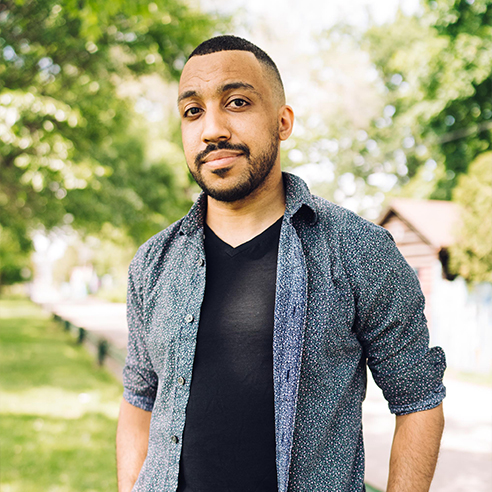 | Luke ReecePlaywright Luke Reece is an award-winning spoken word poet, theatre producer and playwright, recently appointed as Soulpepper’s Associate Artistic Director. Through his work as an educator and artistic leader within the national arts community, he advocates for engaging and nuanced storytelling that challenges Canadian audiences. He is one of Toronto’s most decorated slam poets, and has represented the country internationally. In 2021 Luke was included in York University’s inaugural Top 30 Changemakers Under 30 list. |
|
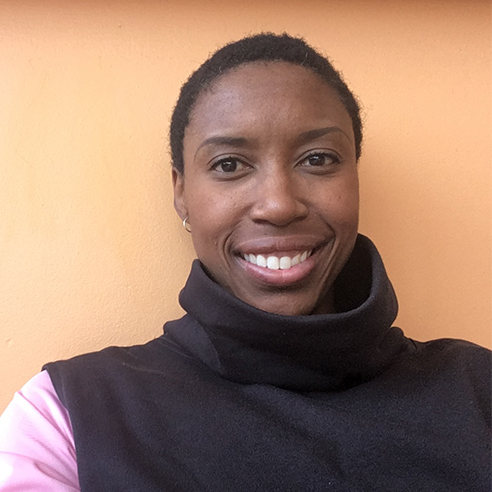 | Lisa Karen CoxDirector, Talent + Creative A graduate of Concordia University’s Interdisciplinary Studies program, Lisa Karen Cox relishes work that combines music, movement and heightened language. Often playing men and other mythical creatures, credits include: Flo in Now You See Her (Quote/Unquote Collective/WhyNotTheatre/Nightwood); The Penelopiad (Royal Shakespeare Co/NAC); Brutus in Julius Caesar (Spur-of-the-Moment Shakespeare), and 2 seasons at the Stratford Festival of Canada. Lisa was also the Assistant Director for We Are Proud to Present…(Theatre Centre), and Salt-Water Moon (Factory Theatre), and the Associate Director for Why Not Theatre’s Like Mother, Like Daughter. Most recently, as a director, Lisa worked Anna Karenina for UTM/Sheridan and Beyere in Obsidian Theatre’s 21 Black Futures. Lisa is also a Board member for Theatre Direct, a Steering Committee member for Balancing Act (a caregiving and performing initiative) and an Assistant Professor at Ryerson University. |
|
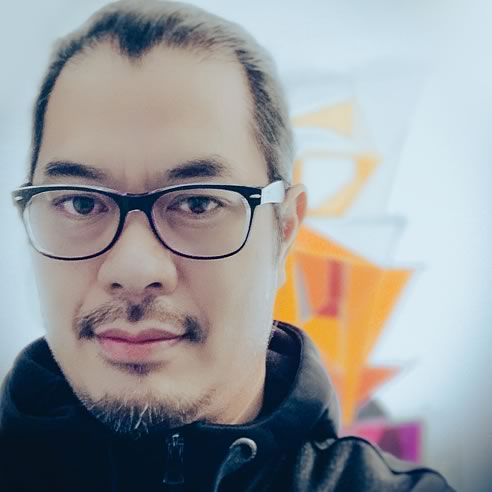 | Byron Kent WongCo-Director Byron Kent Wong helps to tell stories. As a creative strategist and producer, he created Iron Bay Media to encourage unique collaboration between educators, film makers, musicians, immersive + interactive designers, community-leaders, artists, and storytellers through strategic, artistic and event development. |
|
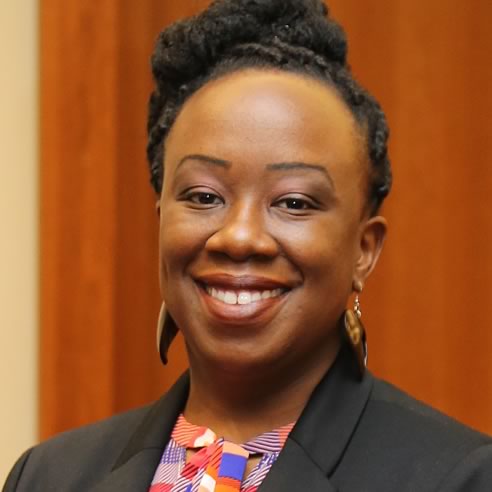 | Natasha HenryQ&A Natasha Henry is a historian and educator. She is a PhD candidate in the Department of History at York University. The 2018 Vanier Scholar is researching the enslavement of African people in early Ontario. Natasha is the president of the Ontario Black History Society. Her publications include Emancipation Day: Celebrating Freedom in Canada (June 2010), Talking about Freedom: Celebrating Freedom in Canada (2012), a number of youth-focused titles, and several entries for the Canadian Encyclopedia on African Canadian history. Through her various professional, academic, and community roles, Natasha’s work is grounded in her commitment to research, collect, preserve, and disseminate the histories Black Canadians. |
|
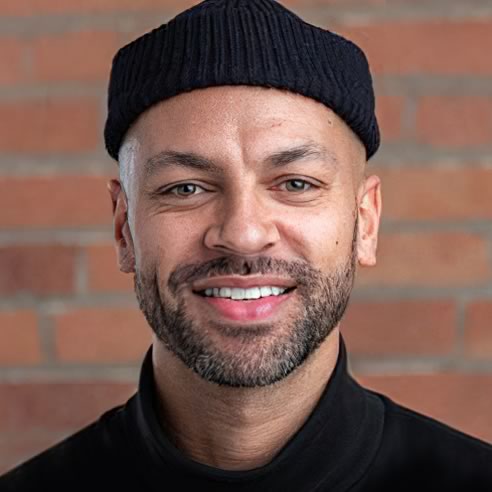 | Joshua DyerQ&A Moderator Josh is a seasoned marketing professional who started his marketing/communications career as a student working on electoral campaigns for Antonio Villarigosa in 2005 followed by Barack Obama in 2008. After completing his studies, Josh served in a variety of communications roles with the Canadian federal government, where he developed national campaigns as well as digital and social media strategies for the likes of Elections Canada, Citizenship & Immigration Canada, before joining Myseum of Toronto as Director of Marketing in 2016. Josh is currently the Director of Content & Strategy Delivery at Richmond Hill Public Library and serves on the Board of Directors at Black Artists Networks in Dialogue. |
Cast
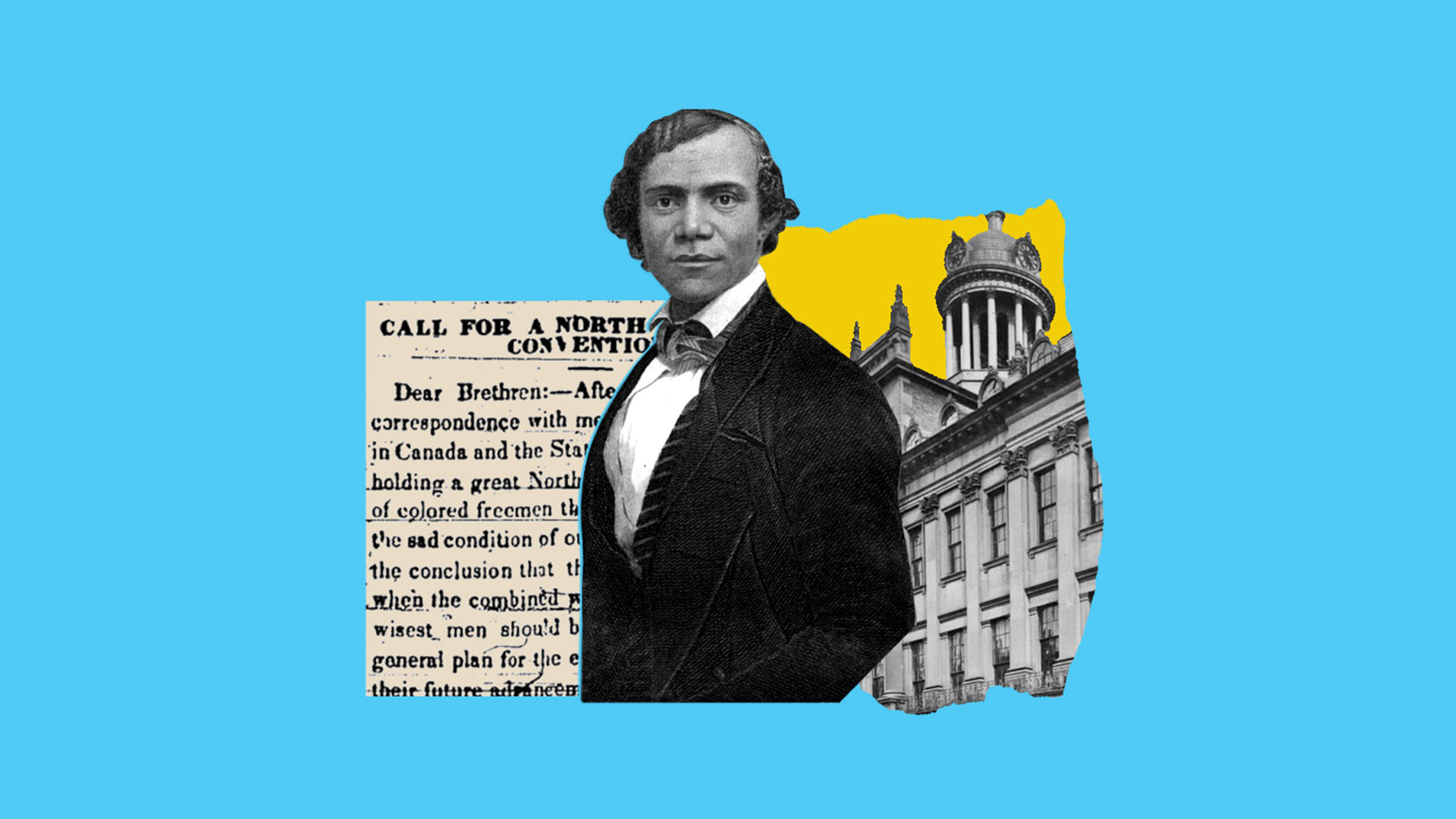
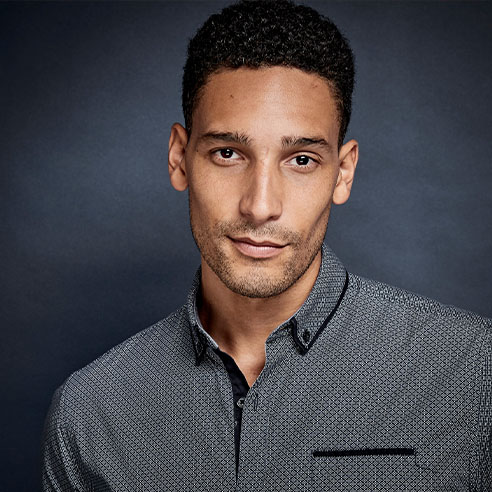 | Kaleb AlexanderActor, Frederick Douglass Kaleb Alexander was born in Thunder Bay Ontario and grew up in both Toronto and Thunder Bay Soulpepper 2021: 1851: 170 Years Later Other Theatre: Trouble in Mind (Shaw Festival), Alphonse (Theaturtle), Passover (Obsidian Theatre), All’s Well That End’s Well (Canadian Stage), Adventure’s of a black girl in search of God (The Centaur, Black Theatre Workshop, NAC) Film & Television: Cabin Connection (Hallmark), Death She Wrote (CTV), Rulebook of Love (Hallmark), The Other Half (Motel pictures), The Strain (FX) |
|
 | Cameron GrantActor, Anthony Cameron is a Brampton based actor and theatre creator. A graduate of the Theatre and Drama Studies program at Sheridan College and the University of Toronto Mississauga, some of his recent credits include Serving Elizabeth (Stratford Festival) 4 seasons at the Shaw Festival,Happy Birthday Baby J (Shadow Theatre); as well as productions with Talk Is Free Theatre, Theatre Animal, Theatre Erindale, Secret Shakespeare Series, Canadian Rep Theatre and Clay and Paper Theatre. Some of his other creative work includes assistant directing Theatre Eridale’s cecil hotel and Factory Theatre’s director’s training program, Factory Foreman. As a playwright, Cameron’s first play Meet Chloe: a play that explores the challenges Black students face in the education system and the lack of Black curriculum content in the study of Canadian History, received its premiere at Carousel Players in the fall of 2021. |
|
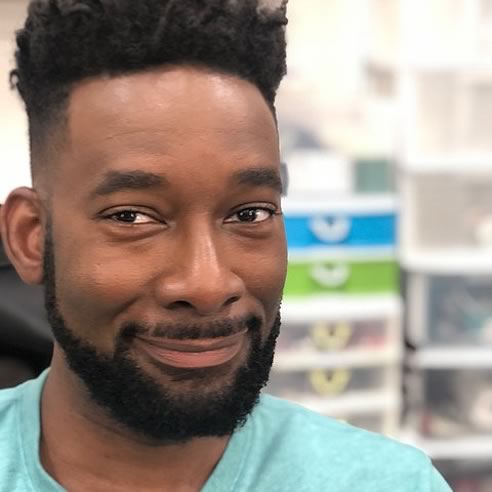 | Daren A. HerbertActor, Henry Bibb Daren is a stage and screen artist whose love for acting continues to grow. Recent television appearances include recurring roles on CBC series Kim’s Convenience and Pretty Hard Cases. His theatre work includes Dora and Toronto Theatre Critics Award winning roles in The Brothers Size and Jesus Hopped the A Train at Soulpepper as well as The Wild Party with The Musical Stage Co. Daren has practiced at LS&Co. Studios + Gracemoon Arts Company for over a decade under the mentorship of Michele Lonsdale Smith. He serves as an artist liaison for The Black Pledge Collective and is a Musical Stage Co. board member. Daren has also earned an MFA in Drama at The University of California, Irvine and a BFA in Theatre Arts from The University of the Arts in Philadelphia. #allblacklivesmatter |
|
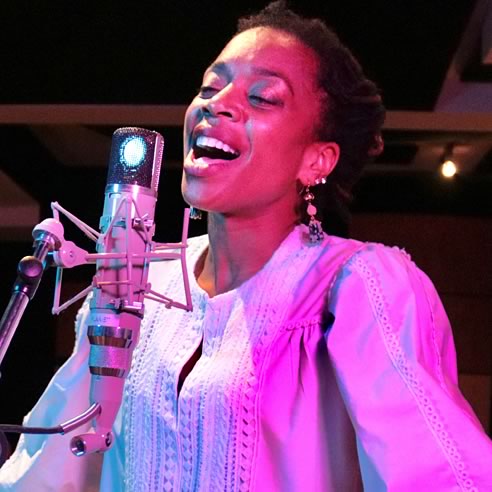 | Dr. Naila Keleta-MaeKeynote Writer and Speaker Dr. Naila Keleta-Mae is an Associate Professor Arts with expertise in race, gender and performance and an artist who works in theatre, literature and music. Her scholarship has been published in journals including Theatre Research in Canada; Atlantis: Critical Studies in Gender, Culture & Social Justice; and Girlhood Studies: An Interdisciplinary Journal and books including bestseller Until We Are Free: Reflections on Black Lives Matter in Canada (2020); and award-winning Performance Studies in Canada (2017). Her music albums are: Fire Woman (2020); Bloom (2009) and Free Dome: South Africa (2001); and her plays are What We Deserve (2020), No Knowledge College (2005); and Stuck (2001). Dr. Keleta-Mae has commentated for outlets including the BBC, CBC, BBN, CTV, The Canadian Press, The National Post and The Fader. One of her articles was one of the most read stories for a week across Vice Network’s Noisey websites in 15 countries (2016) and another one broke The Globe and Mail’s opinion section record for most shares (2015). Her research on blackness and freedom is funded by the Ontario Ministry of Colleges and Universities, the Social Sciences and Humanities Research Council of Canada and the University of Waterloo. She is Subject Editor of Black Theatre and Performance for the Routledge Performance Archive and Co-Editor of Theatre Research In Canada/Recherches théâtrales au Canada. |
|
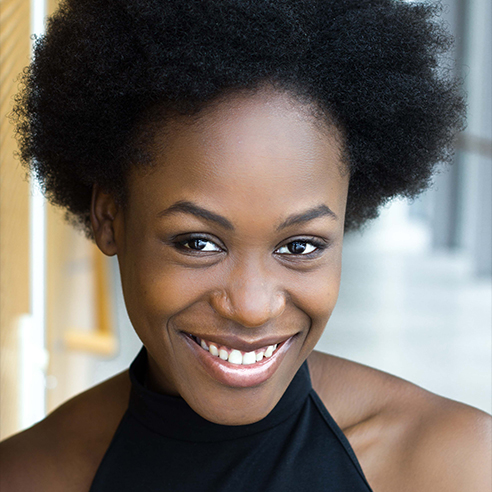 | Emerjade SimmsActress, Marie Emerjade Simms is a Jamaican-Canadian artist and storyteller based in Toronto. SOULPEPPER 2021: 1851: 170 Years Later. FOR SOULPEPPER: Peter Pan (in association with Bad Hats Theatre)(2019-2020). OTHER THEATRE: 21 Black Futures (Obsidian/CBC); School Girls; Or, The African Mean Girls Play* (Obsidian/Nightwood); Wounded Soldiers (4th Line); The Bird Killer (Let Me In). *Dora Award for Outstanding Production FILM & TELEVISION: Forbidden, Fear Thy Neighbor, See No Evil and Paranormal 911. OTHER: Emerjade enjoys napping in her downtime and thanks her mom for everything. |
|
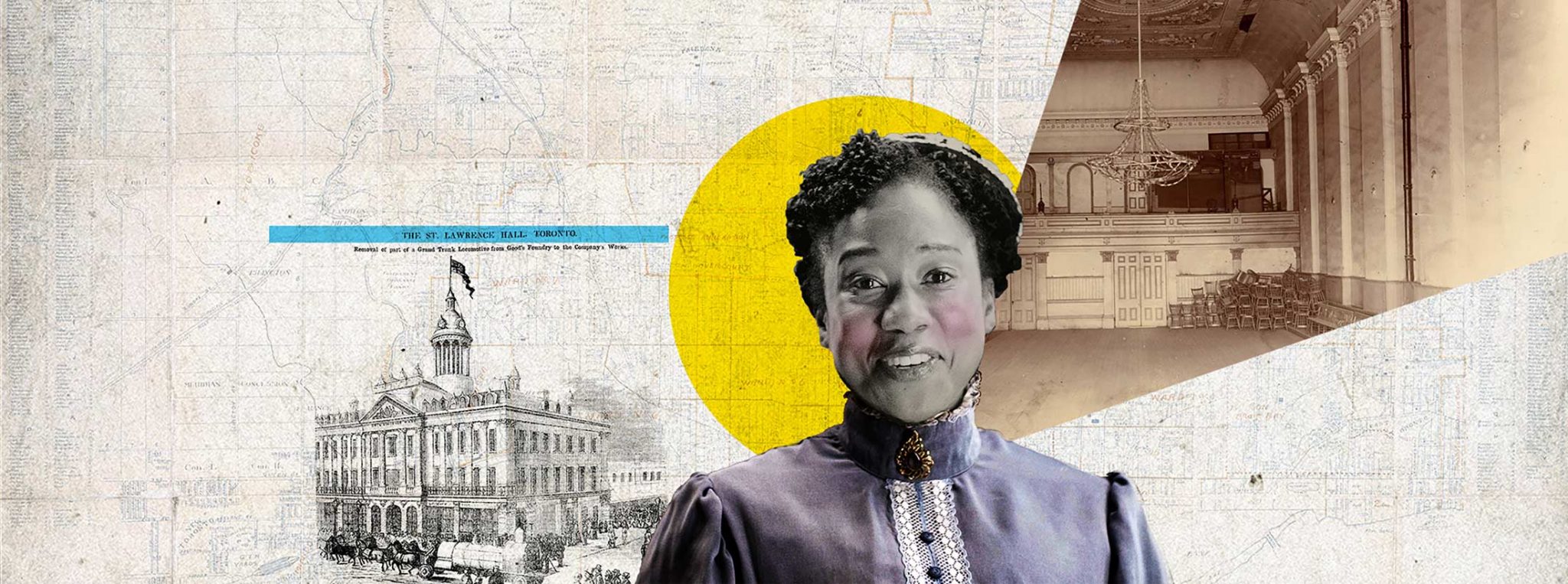
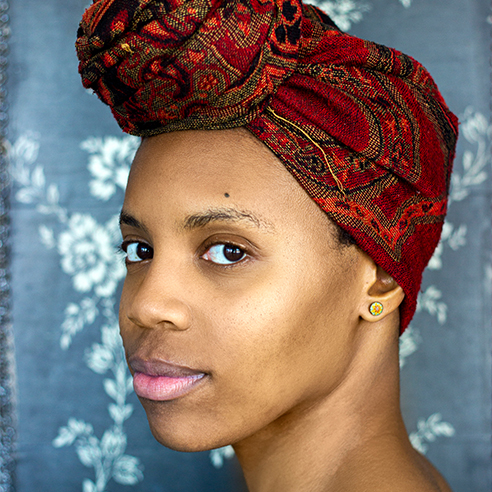 | Amaka UmehActress, Mary Ann Shadd Cary Amaka Umeh was born and raised in Lagos, Nigeria. SOULPEPPER 2021: 1851 – 150 Years Later. FOR SOULPEPPER: Death and the King’s Horseman (2021). OTHER THEATRE: A Midsummer Night’s Dream (Stratford Festival); The Wolves (Howland Company/Crow’s); A Christmas Carol (Grand Theatre); James and the Giant Peach (Young People’s Theatre). OTHER: In 2019, Amaka received a Dora Mavor Moore Award for Outstanding Performance in a Featured Role for The Wolves. |
|
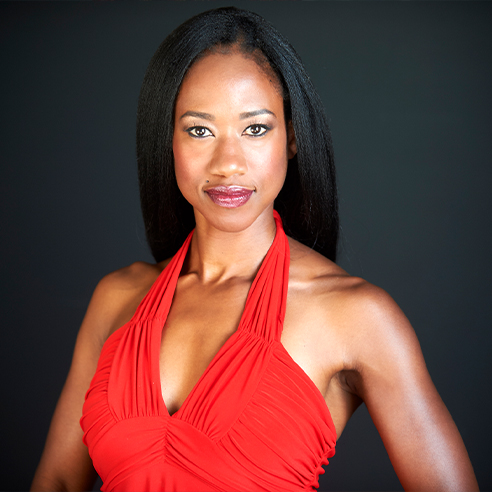 | Sophia WalkerActress, Mary Bibb Sophia Walker is a Ryerson University Theatre Graduate, Alum of the Canadian Film Centre’s CBC Actor’s Conservatory and an award Winning Actor. Her recent Theatre credits include: Lady Gertrude in An Ideal Husband, Calpurnia in To Kill A Mockingbird, Mistress Ford in The Merry Wives of Windsor and Sybil in Private Lives, The Bridge (2b/Neptune Theatre), Blood Wedding, Jitters, The Heidi Chronicles (Soulpepper) ; Mary in Mary’s Wedding ( The Blyth Festival); Salima in the Dora Award-Winning Ruined (Obsidian Theatre). Walker has spent the last 11 seasons performing at The Stratford Shakespeare Festival, where she was part of The Birmingham Conservatory for Classical Theatre. Film/TV: Aisha Baker ( recurring on FX Y The Last Man), Catarina Loss(recurring) on Shadowhunters, Murdoch Mysteries, Carter files, In the Dark, Carmilla: The Movie, How to Buy a Baby, Vanessa in The Divide (AMC), Happy One Year( Temple Street/City Life), 12 Monkeys, Designated Survivor, Black Cop, Guilty Party (Miniseries). Mary Savidge, Michael Mawson, Jean A Chalmers and The Richard Monette 2019 Travel Grant, 2012 Dora (ensemble) Other: Love to my Family and Gil! |
Producers
 | ZERO11ZEROZERO11ZERO is a company dedicated to the convergence of motion media, new media, artist development, music, publishing and creative strategy. |
|
 | Iron Bay MediaIron Bay Media is an award winning and Emmy-nominated creative team dedicated to innovative thinking, messaging, solutions and end-to-end creative deployment. |