Tkarón:to: Names Travel
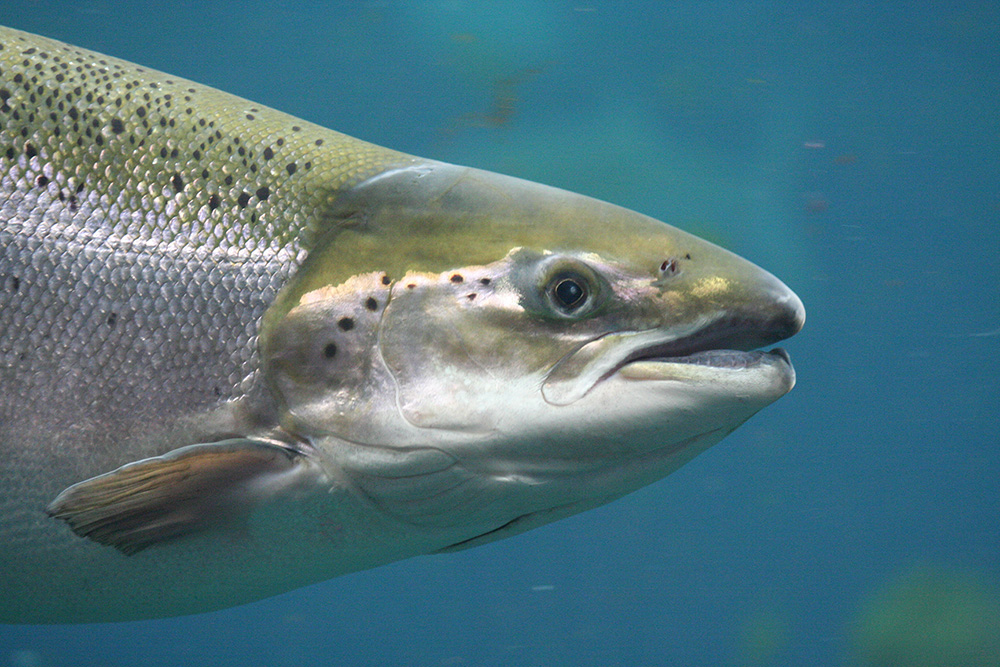
A trail and portage route along the Humber River from Lake Ontario connected to this ancient fishing ground and gathering place. And the name travelled, along with the traders and the fish. In the 1680s, French traders labelled what is now known as Lake Simcoe “Tarantos Lac” and the Humber River “passage de Taranto.” In 1834, officials renamed the City of Toronto (formerly known as York) in recognition of this history.
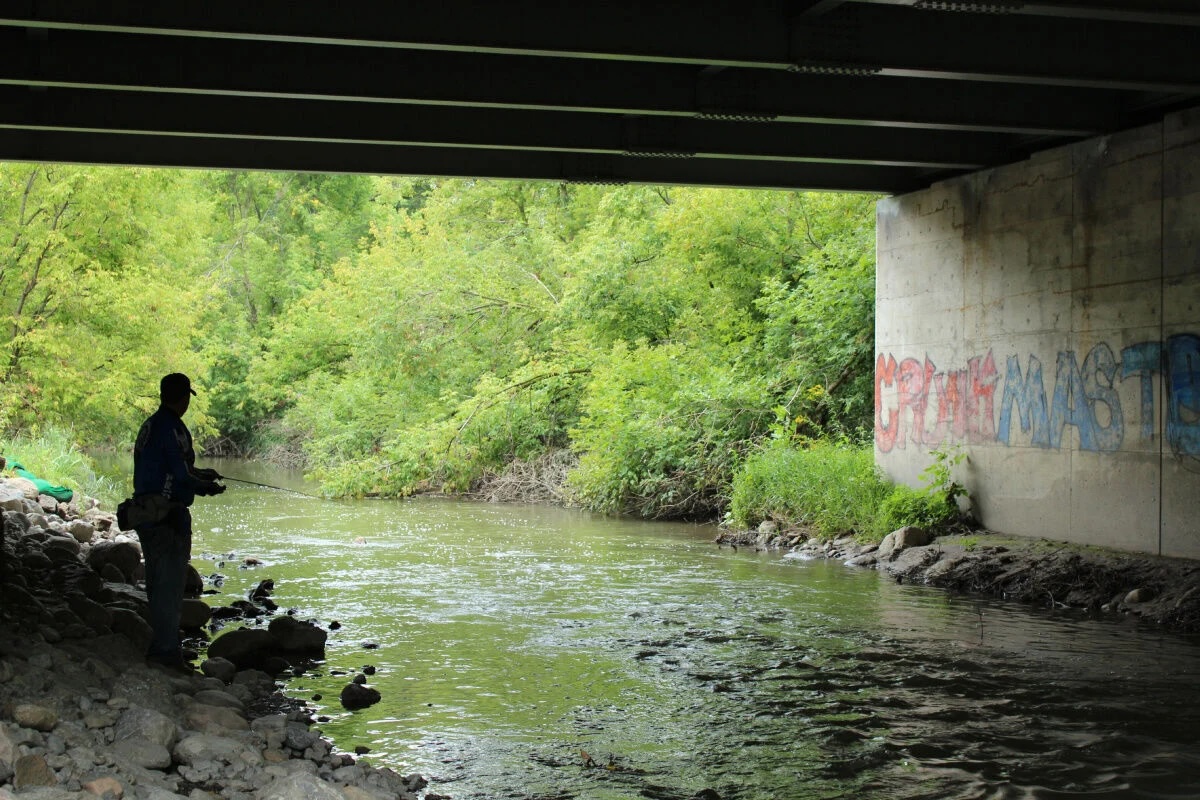
Tkarón:to remains an important fishing site for many First Nations. Today, the Anishinaabek of the region call it the Mnjikaning Fish Weirs, and they are the largest and best-preserved wooden fish weirs in eastern North America. They are jointly cared for by the Chippewas of Rama Mnjikaning First Nation and Parks Canada.
“We fold in upon ourselves like the waves, we fold under, falling in and out of the world’s vision. How many languages can we know? We approach the end of utterance.”
- Gwendolyn MacEwen, Earthlight (1982)
Working with Nature: Managing Cormorants at Tommy Thompson Park
Tommy Thompson Park attracts many kinds of birds, including the double-crested cormorant, a Lake Ontario native. Cormorants are important to the ecosystem because they consume large numbers of invasive fish.They nest in large colonies, on the ground and sometimes in trees, and their acidic droppings can cause significant damage.
To work with nature—rather than against it—the Toronto Region Conservation Authority (TRCA) installs nesting scaffolding in environmentally sensitive areas. These structures encourage the birds to use the structures for their nests and leave the trees alone.
Our Modified Shoreline
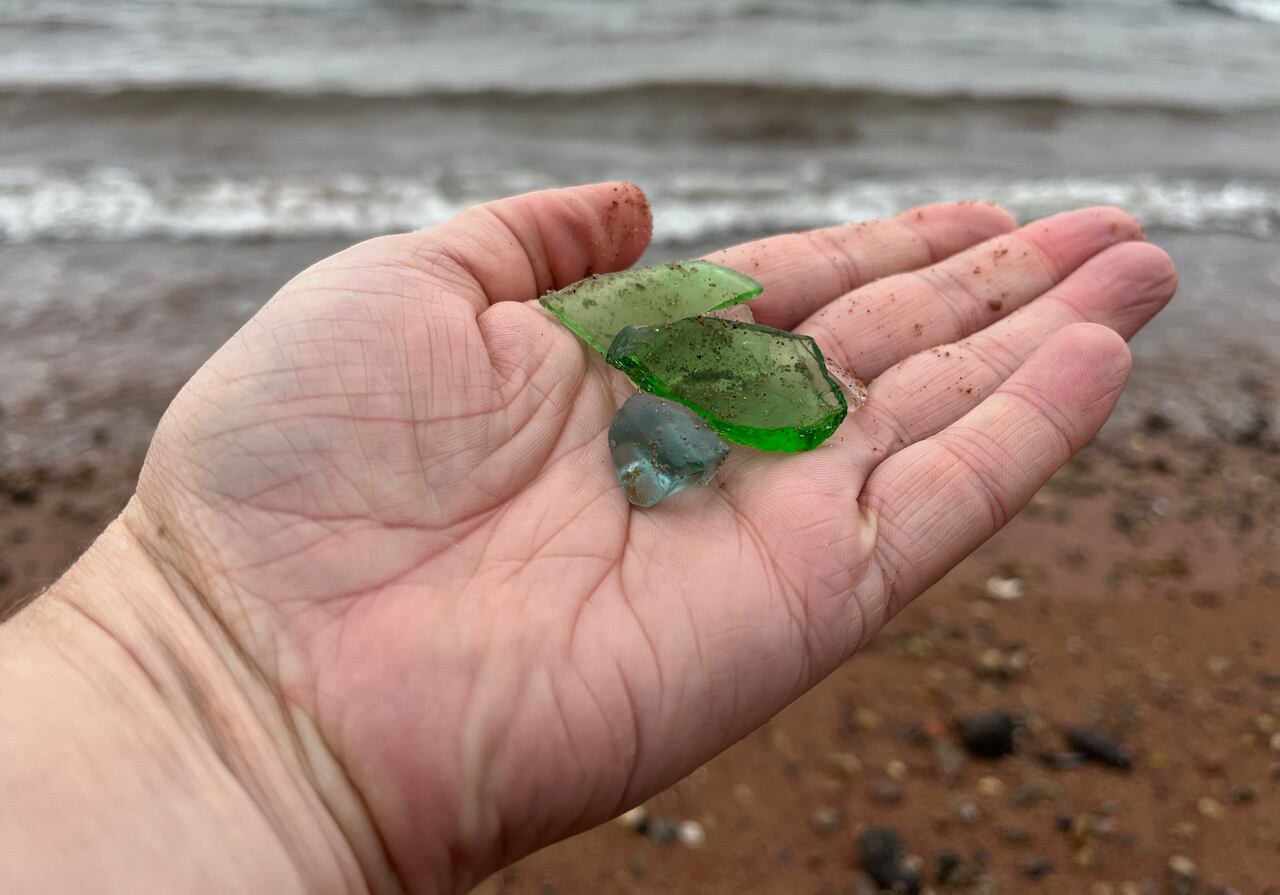
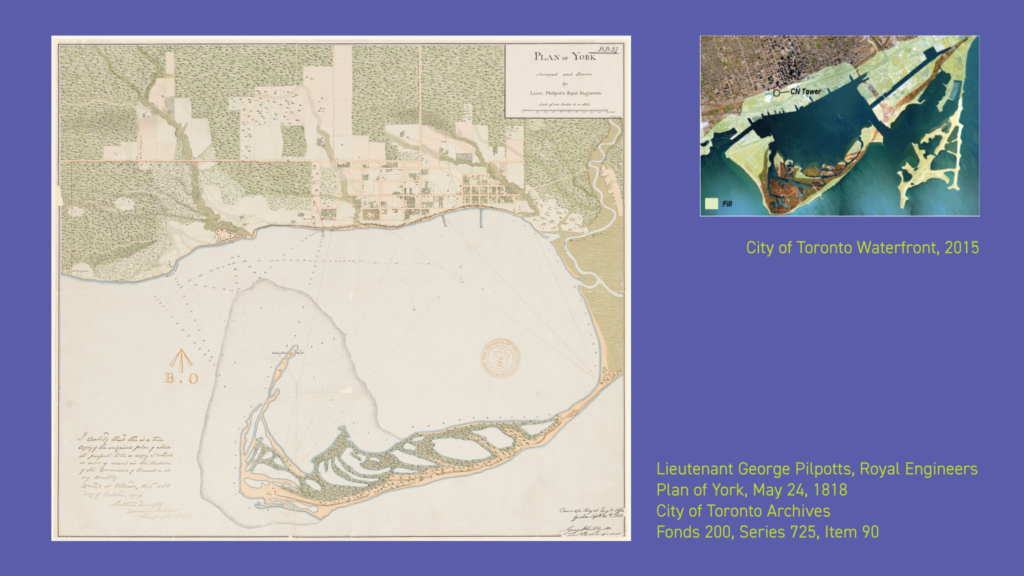
The images below show how the shoreline of what is known today as Lake Ontario has changed over time. After 1850, settlers dredged and filled the city’s marshy shoreline, ultimately creating the Eastern Beaches and Samuel Smith Park. This landfill, consisting mainly of soil, brick, and concrete rubble, brought the shoreline almost 1 kilometre forward. The area south of Front Street, Harbourfront, the Keating Channel at the mouth of the Don River, Tommy Thompson Park, Ontario Place, and Humber Bay Park consist of entirely of filled land.
The Rewilding of Tommy Thompson Park
Today, Tommy Thompson Park (or the Leslie Street Spit) is a richly biodiverse urban wilderness, but this wasn’t always the case. The land beneath the park is entirely humanconstructed. Workers began dumping fill at the foot of Leslie Street in 1949, eventually creating a 5.2 kilometre peninsula that extends into the lake. By 1960, the city had initiated more extensive land reclamation work as part of plans for the outer harbour.
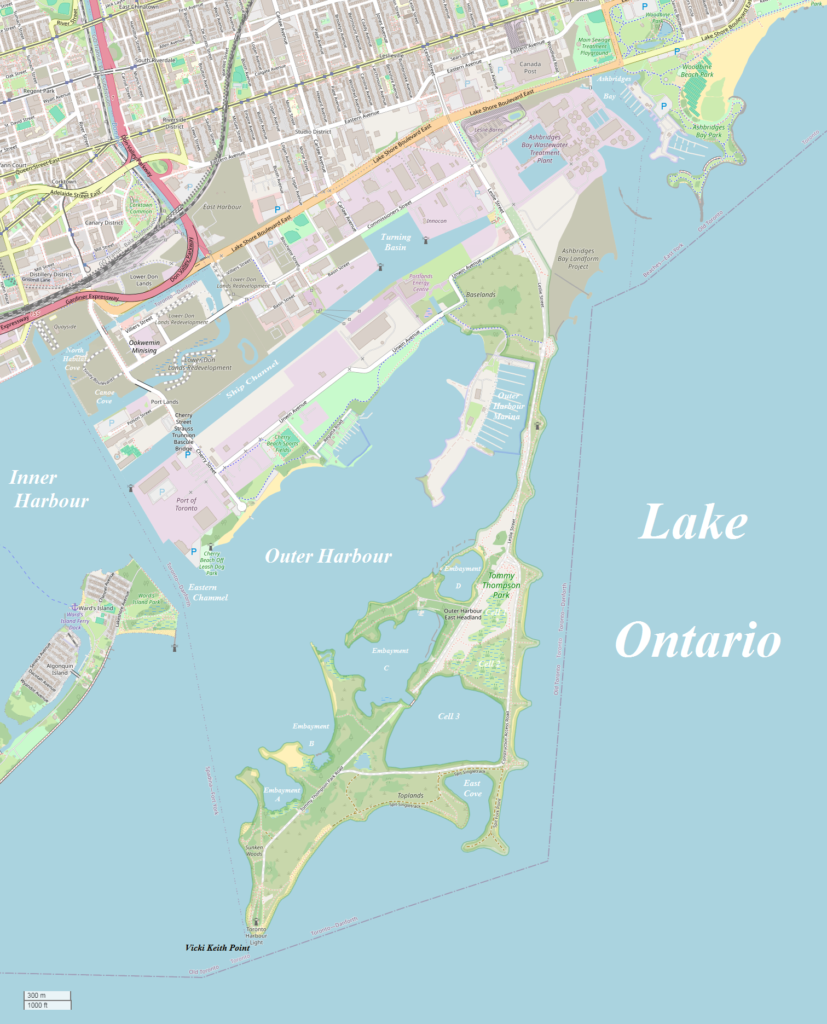
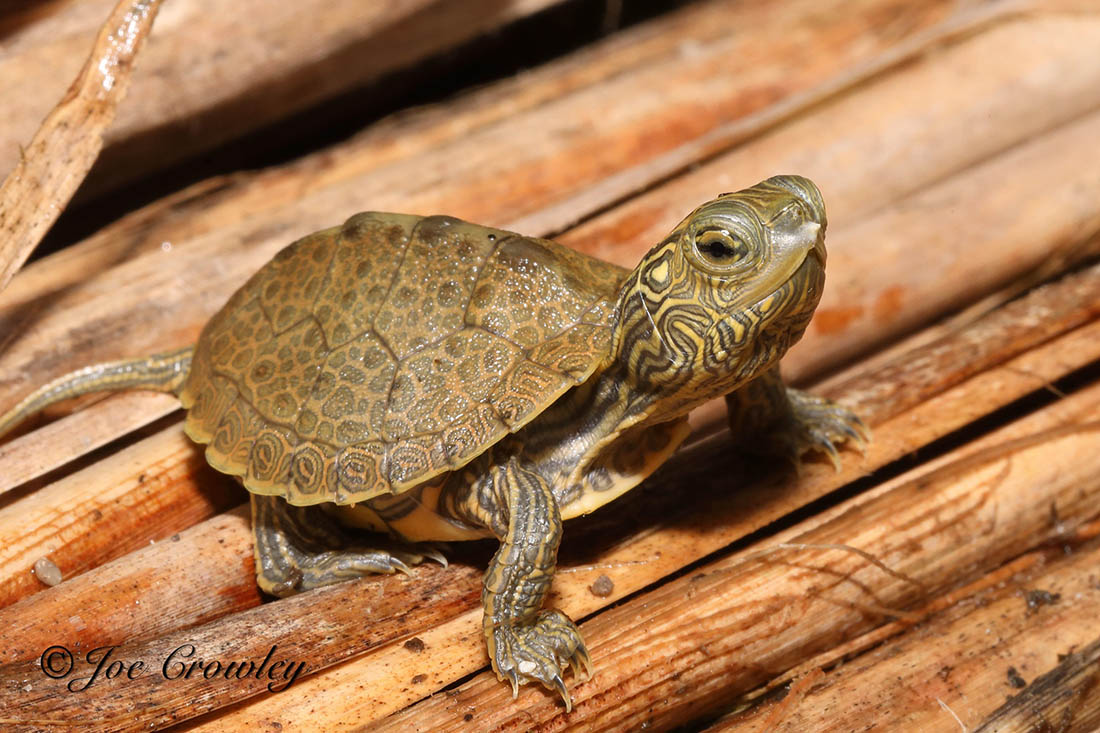
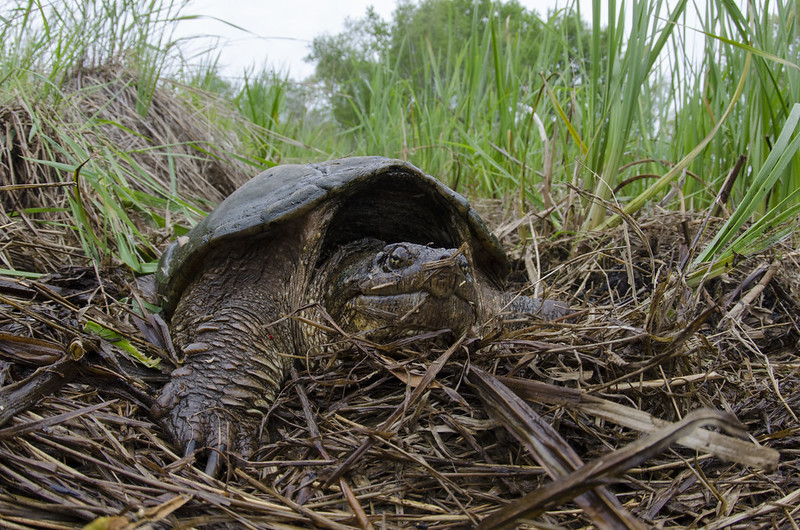
By the early 1970s, wildlife had begun to settle in the area. Grass and sedges grew out of the rubble, aquatic birds arrived, and turtles and beavers began to make the park their home.
Its diverse ecology encourages us to see our city as a dynamic, living ecosystem—home not only to humans but also to a vast and interconnected array of living things that depend on each other for survival.
Bringing Back the Don River
A transformation is occurring at the mouth of the Don River. Over the past seven years, Waterfront Toronto has been working to reroute the mouth of the Don along its historical course into Lake Ontario and restore some of the wetland and shoreline habitat we lost through industrialization in the 1910s. This will be one of the largest urban revitalization projects in North America. It will provide flood protection to the Lower Don Lands and build new parks, roads, and bridges to support the development of a new residential community.