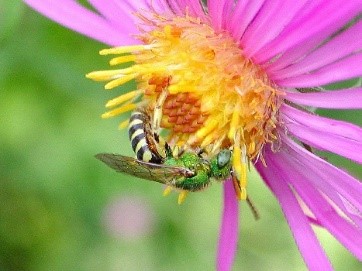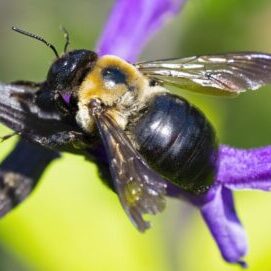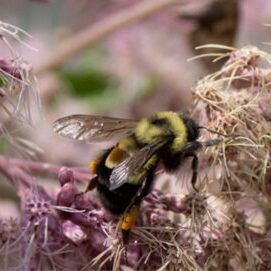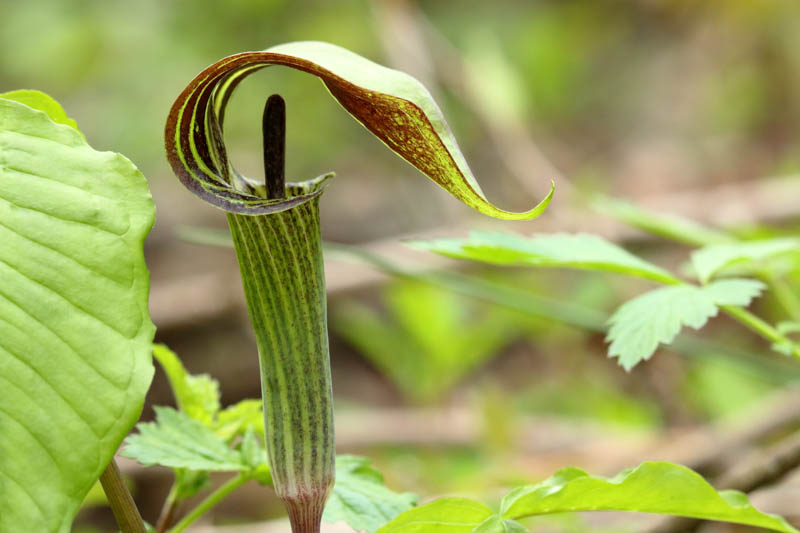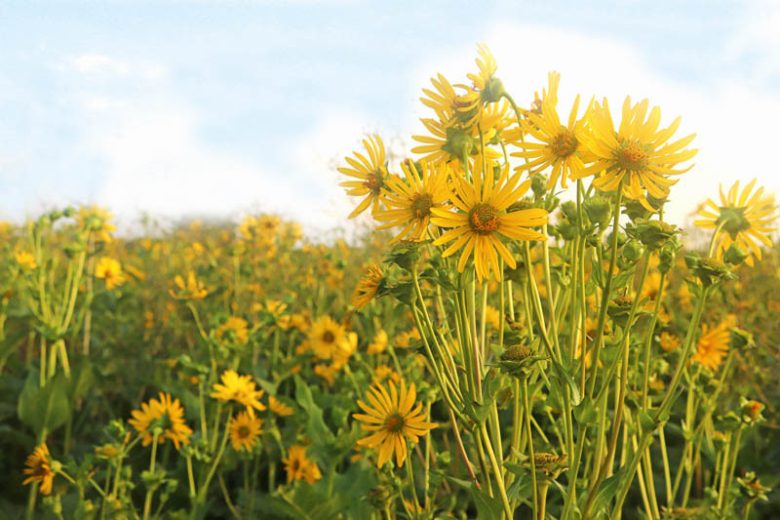
Plants evolve alongside the insects, birds, and mammals who rely on them for shelter and food. In return, plants receive help with pollination and the spread of their seeds. At their best, these partnerships are balanced and reciprocal, and foster healthy, resilient ecosystems.
The phrase “all our relations” reflects Indigenous worldviews that understand plants and animals as “generous relatives”—family members who participate in reciprocal relationships with people, and who are worthy of respect.
Let Your Garden Grow Wild
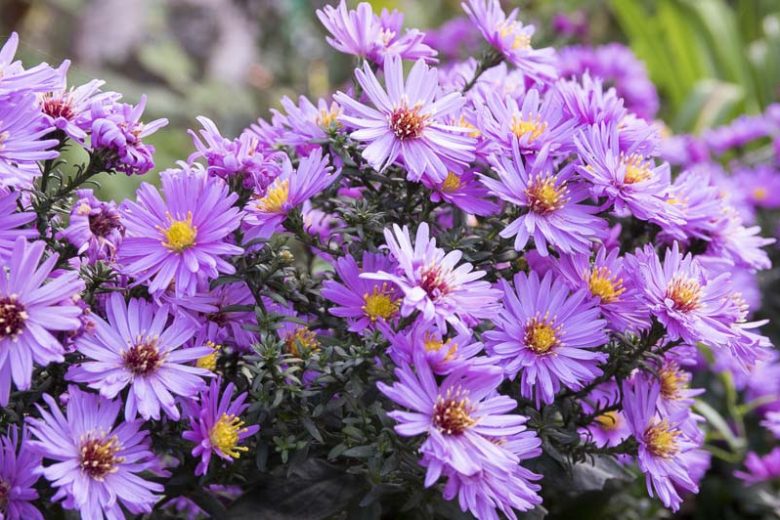
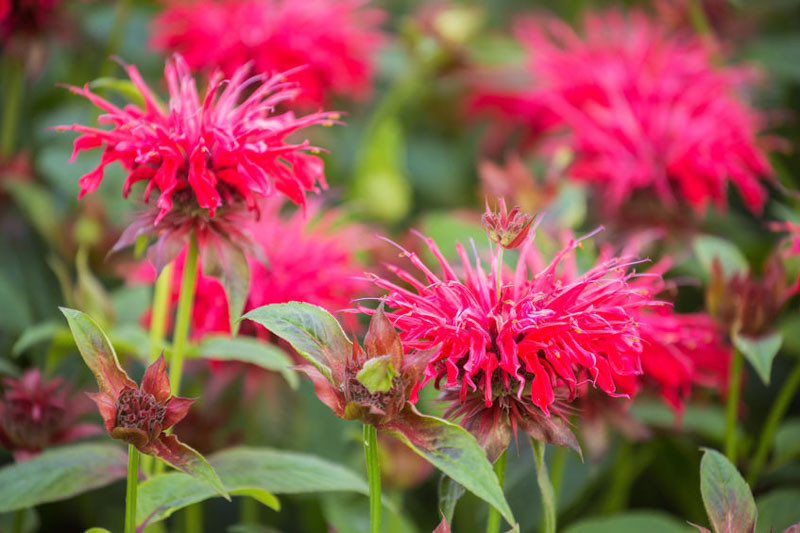
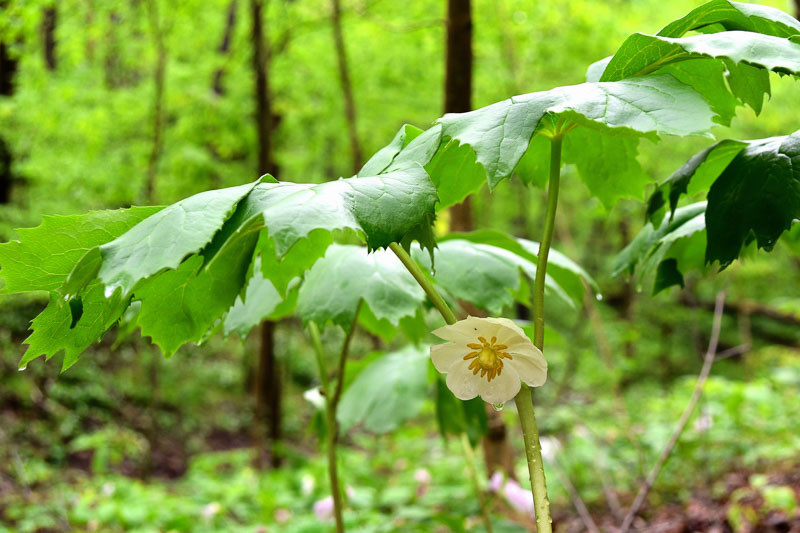
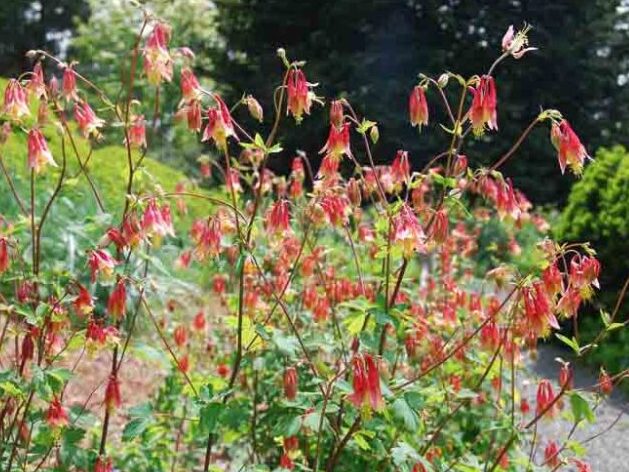
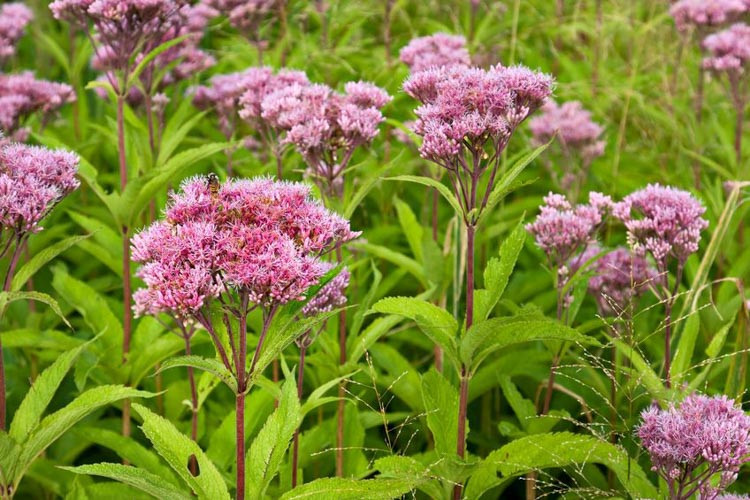
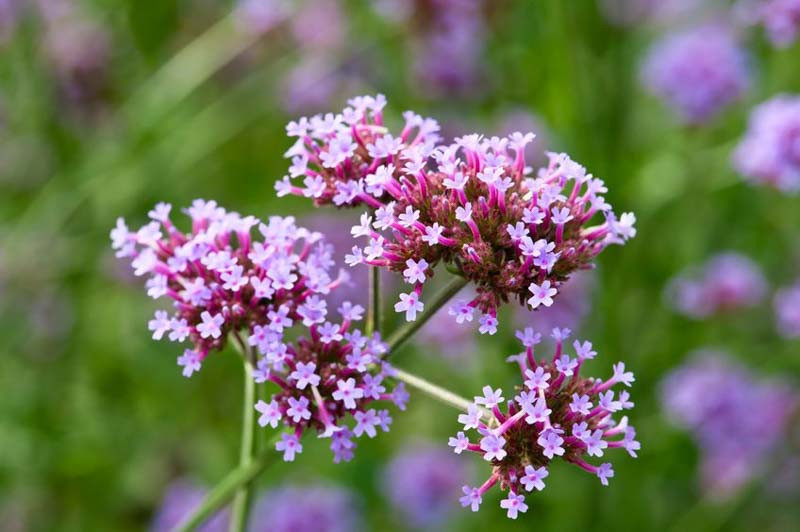
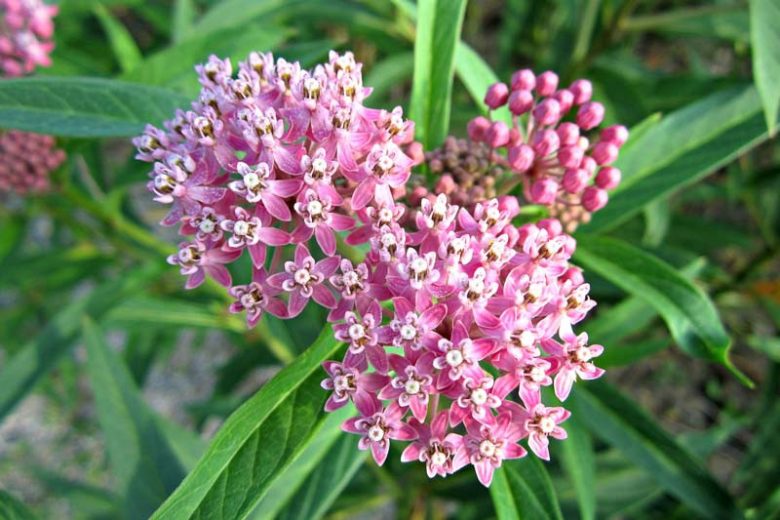
Plant experts recommend growing at least 75% native species in your garden—which means there is still room for non-native roses, irises, andpeonies. Native plants have flourished in our bioregion for thousands of years and have co-evolved complex interrelationships with indigenous wildlife. Some of Southern Ontario’s now-celebrated native plants include milkweed and purple coneflower.
Look for native plants at local nurseries and seed-sharing organizations.
Is It a Weed? It’s Complicated
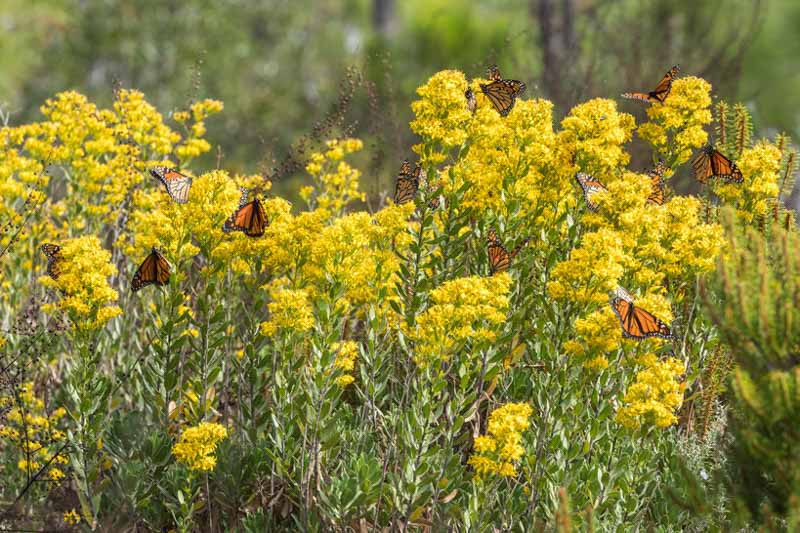
A common definition of a weed is “a plant out of place.” But perhaps a better definition is “a plant out of balance.” What we consider weeds can depend on context. Some varieties of goldenrod—an important native plant that supports numerous pollinator species—spread aggressively in gardens. Does this make them weeds? A biologist would say no, but some gardeners might disagree.
Renowned nature writer Richard Mabey calls weeds “human familiars” because they thrive in our cities and along our highways, taking root in the environments we disrupt. In this sense, they are adaptable and hardy—much like us.
Invasive Plants
Our gardens and parks host a wide variety of native and introduced plants. Sometimes introduced plants escape gardens and grow out of control in Ontario’s ravines, meadows, and woodlands. When this happens, naturalists consider them invasive. Invasive plants can deplete soils of important nutrients and, by pushing out native plants, starve insects of food.
Toronto’s most notorious invasive plant species include dog-strangling vine, garlic mustard and Japanese knotweed.
[insert photos of invasive species of plants]
Native Bees and Honeybees
Honeybees aren’t native to North America—they are an introduced species brought by European settlers. Humans farm honeybees for their honey and use them as pollinators for monoculture crops on large farms. Honeybees are important to our food supply, but these animals can pose risks to bee species that are native to North America. They can spread disease, and out-compete other insects for food and shelter.
Best Friends Forever
Some pollinating insects like bees and butterflies have specialized relationships with particular native plants that are critical to their survival. All the more reason to plant a wide variety of native plants, which are beautiful as well as useful.
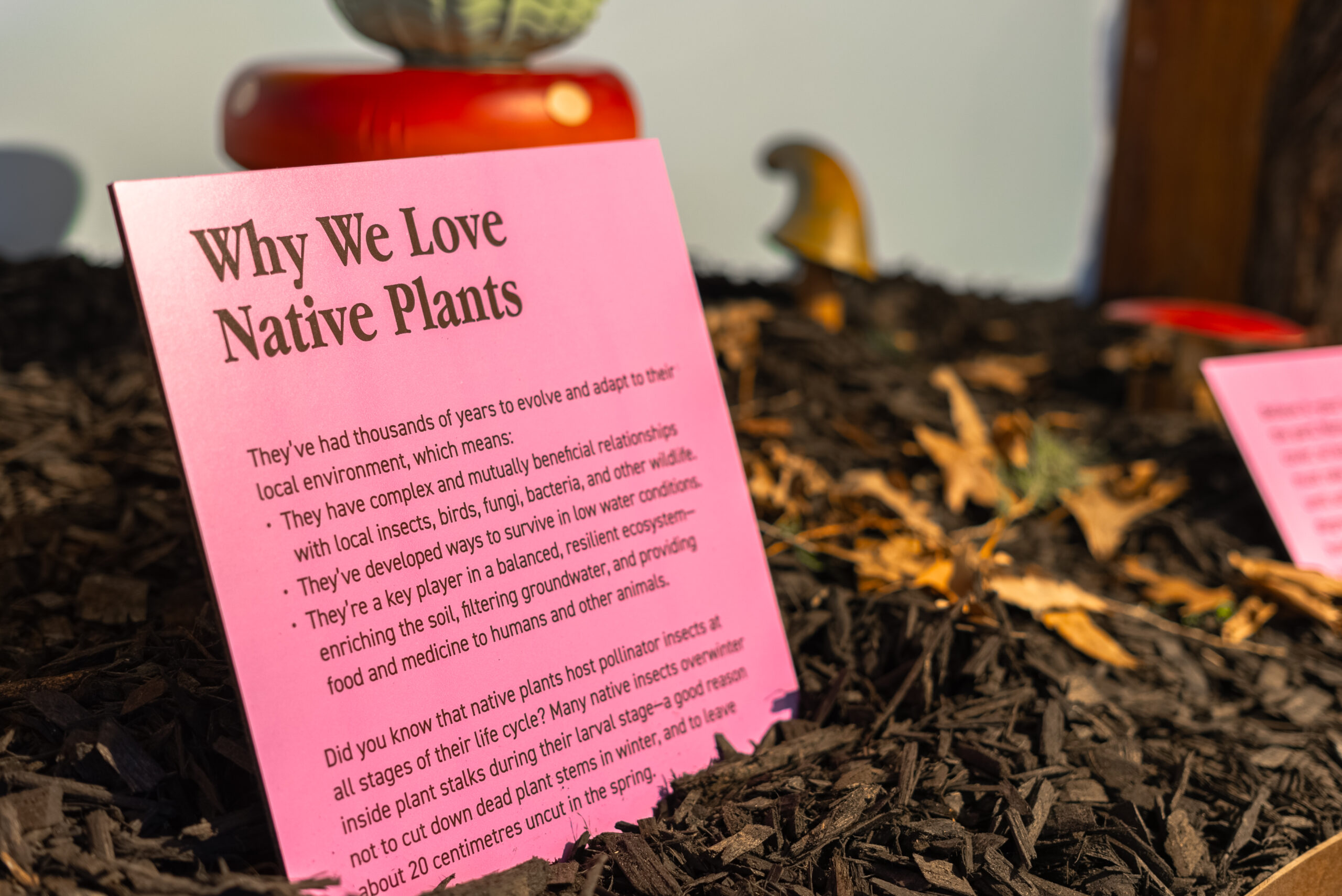
Why We Love Native Plants
They’ve had thousands of years to evolve and adapt to their local environment, which means:
- They have complex and mutually beneficial. relationships with local insects, birds, fungi, bacteria, and other wildlife.
- They’ve developed ways to survive in low water conditions.
- They’re a key player in a balanced, resilient ecosystem—enriching the soil, filtering groundwater, and providing food and medicine to humans and other animals.
Did you know that native plants host pollinator insects at all stages of their life cycle? Many native insects overwinter inside plant stalks during their larval stage—a good reason not to cut down dead plant stems in winter, and to leave about 20 centimetres uncut in the spring.
Believe It
Believe it– your leaf mulch brings all the bees to the yard. Many native insects hibernate under leaf cover, so leave the leaves where they fall. If you must rake leaves back in the spring, it’s best to wait until soil temperatures have reached at least 10 degrees Celsius. Decaying leaves act also as mulch, holding much-needed moisture in the soil, reducing weeds, and injecting nutrients as they break down.
Meet Some of Your Local Bees & Their Favourite Foods
Researchers have identified over 300 bees native to this area—and they’re still finding new ones every year.