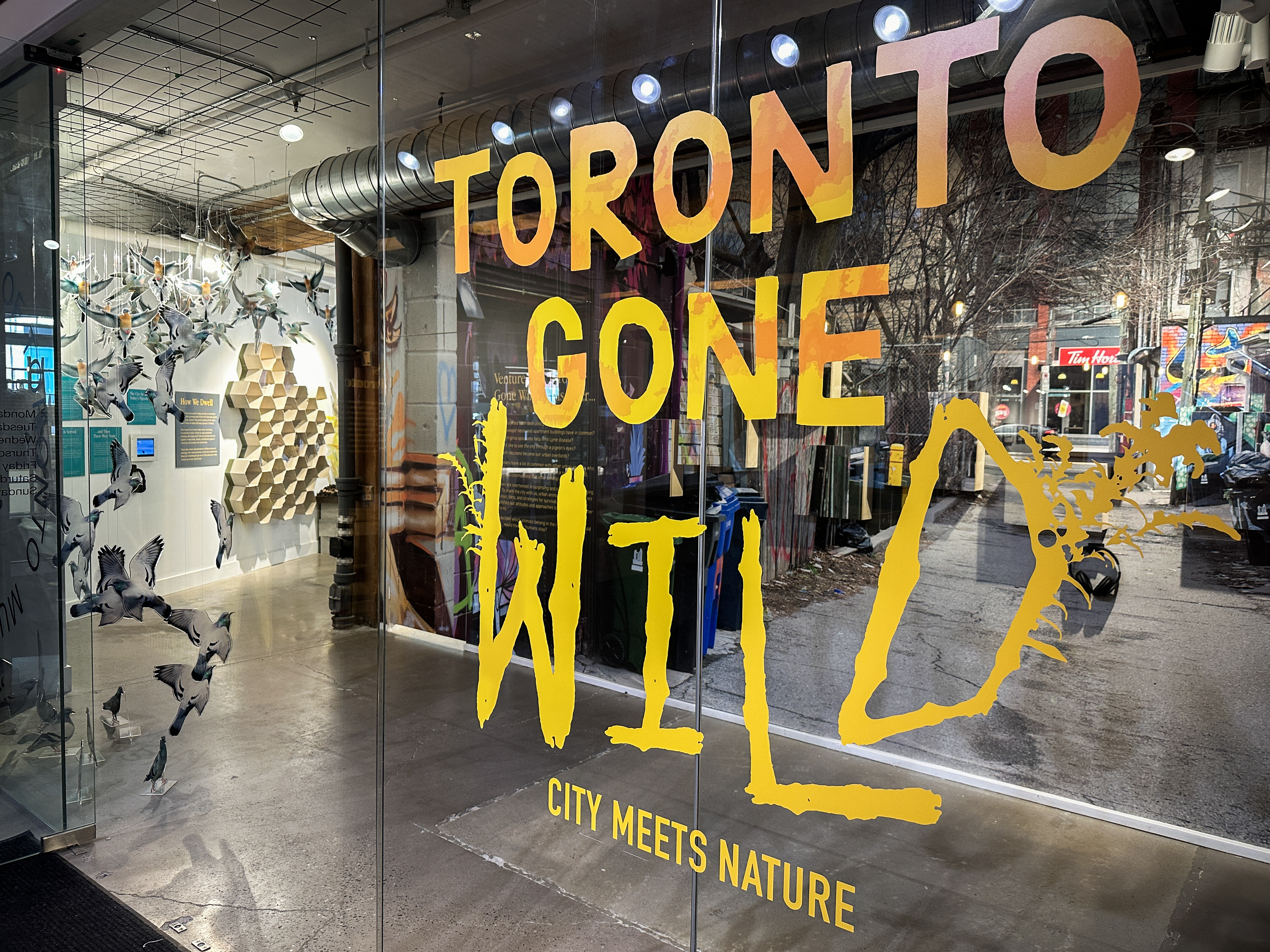
Toronto Gone Wild

City Meets Nature

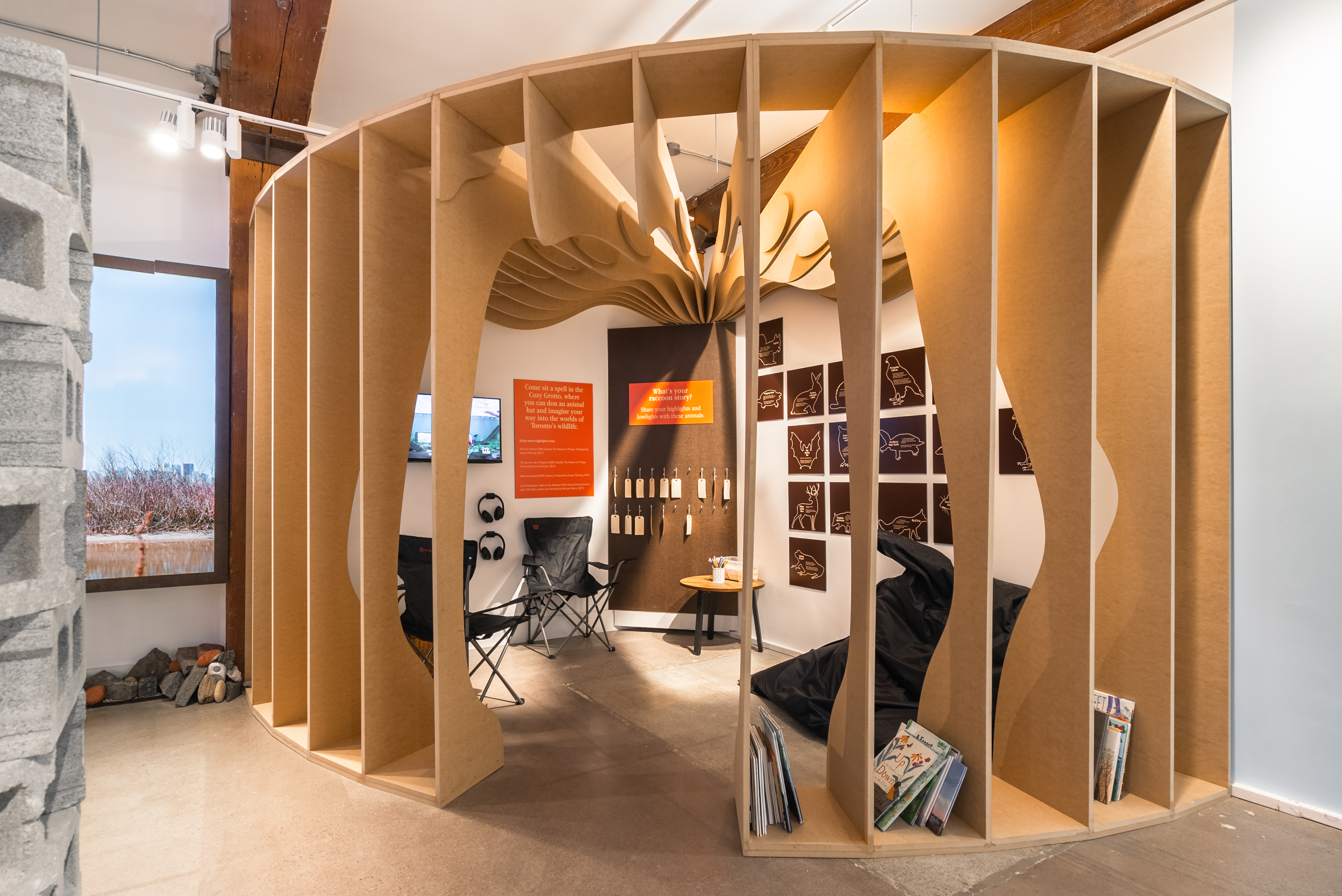
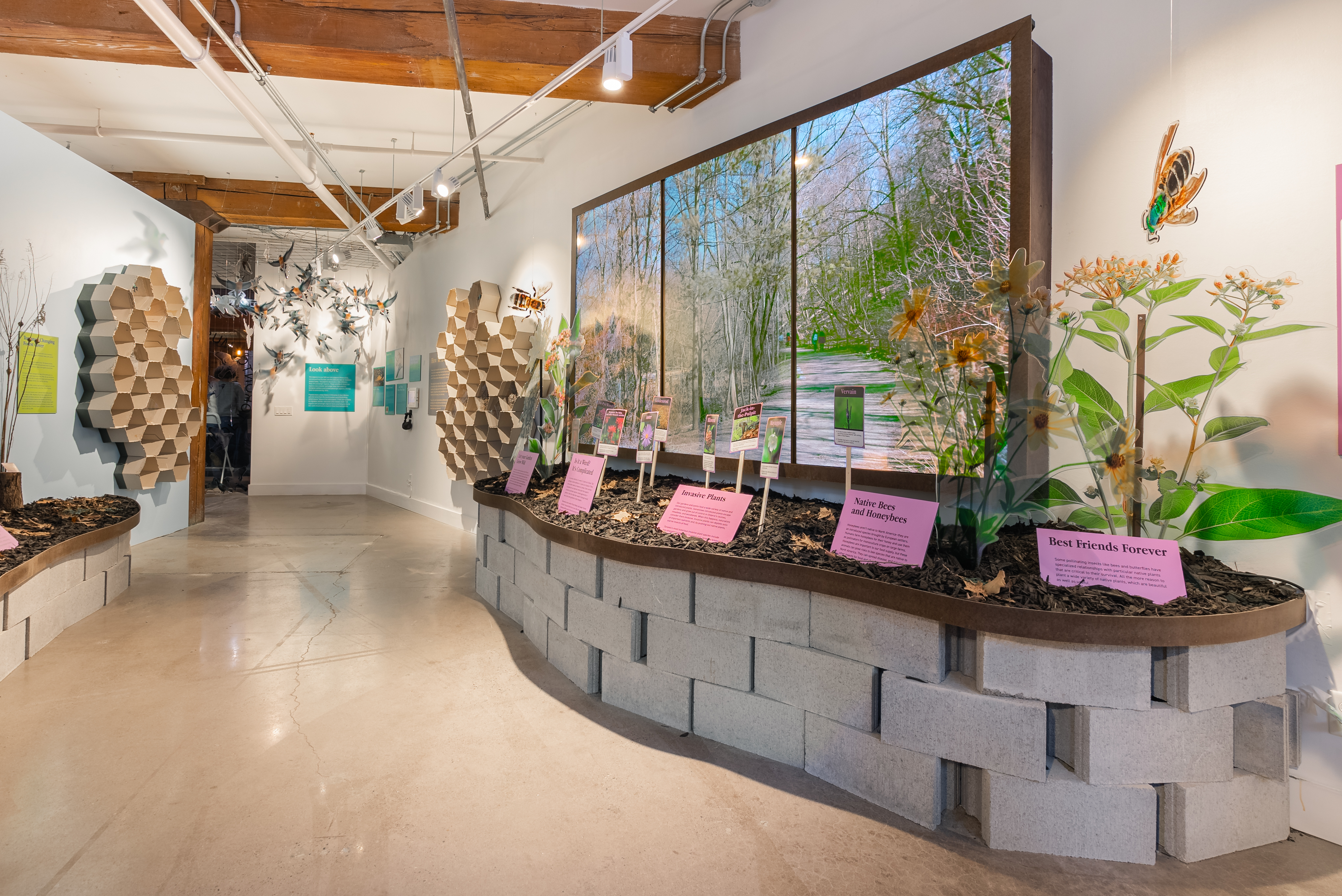
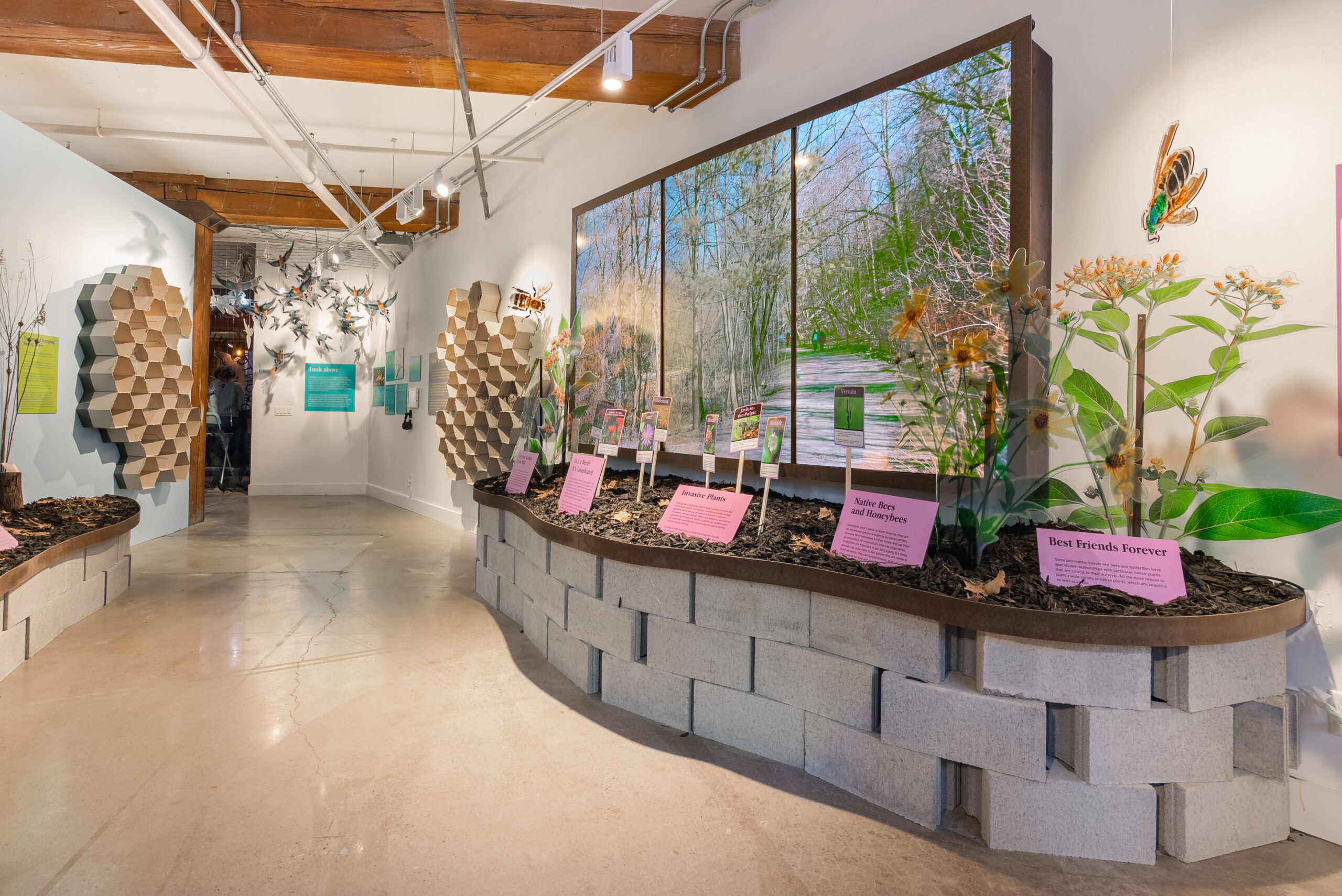
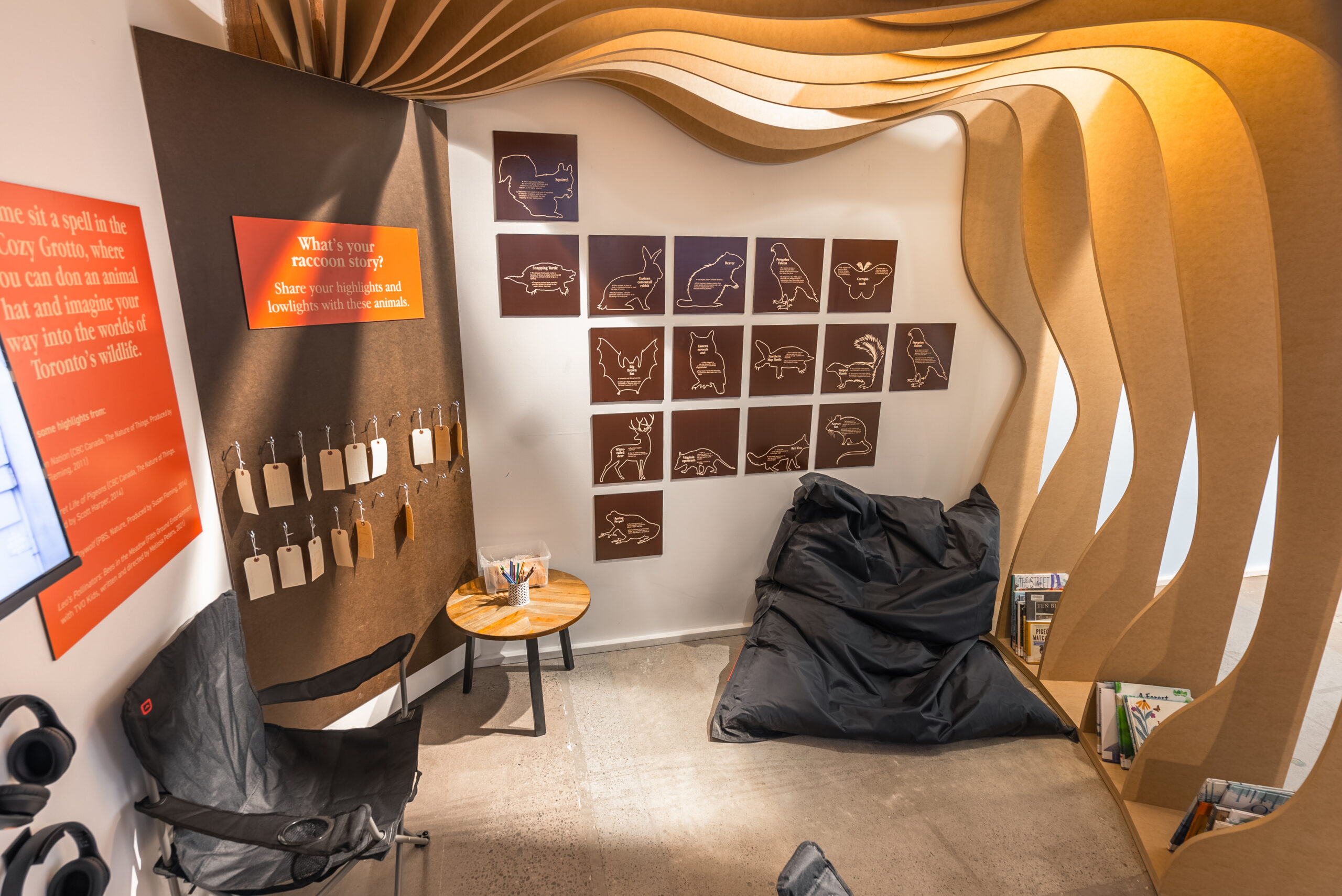
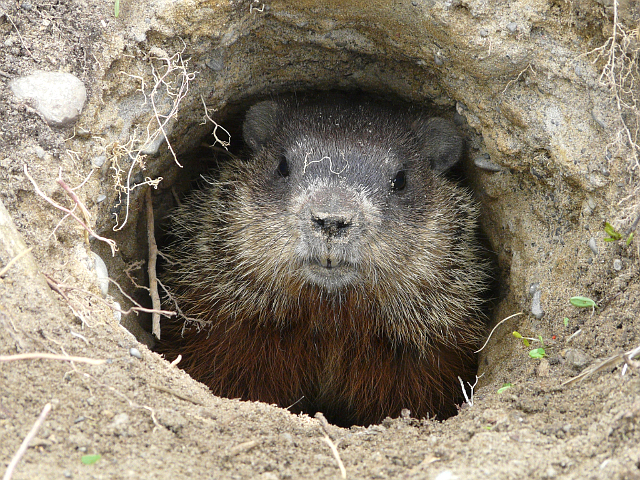
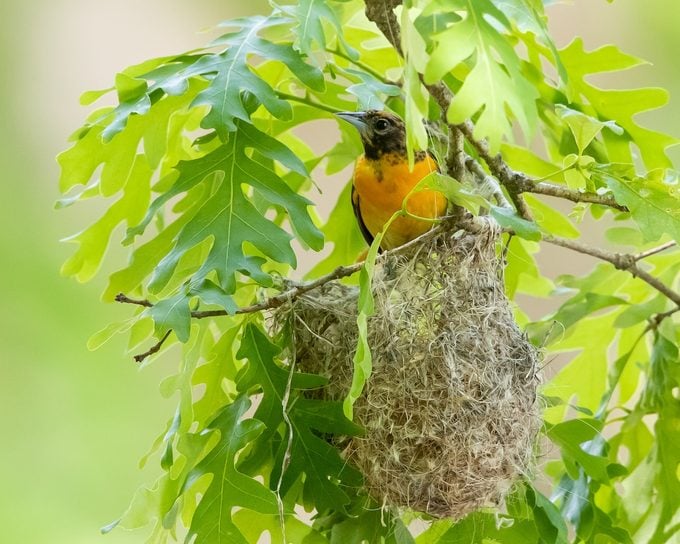
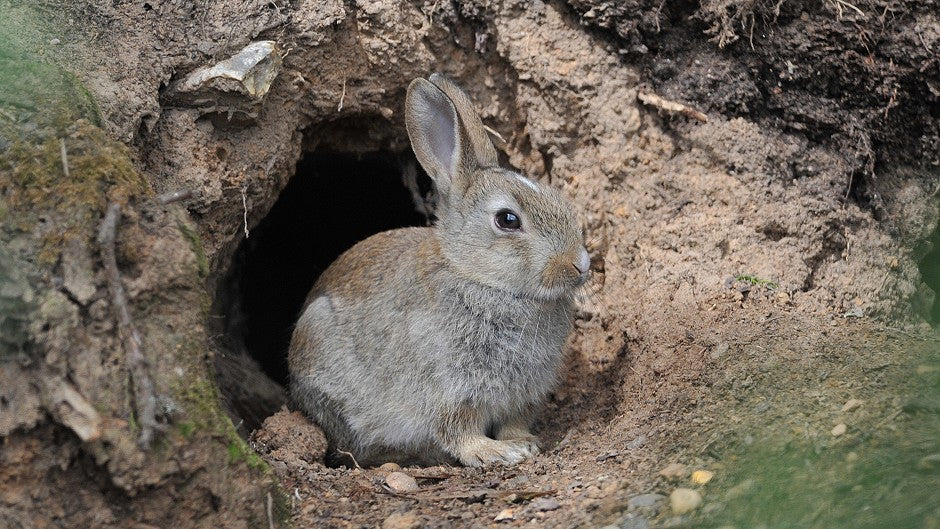
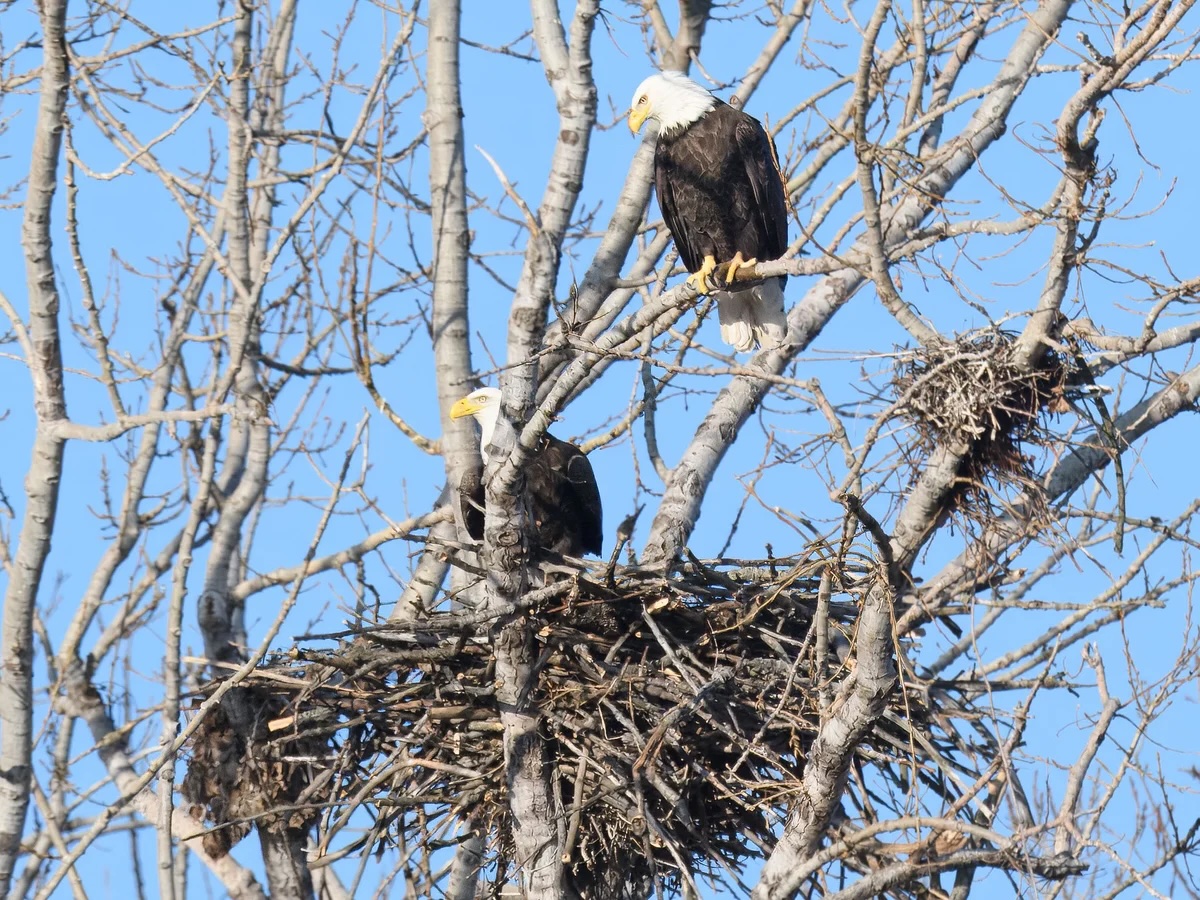
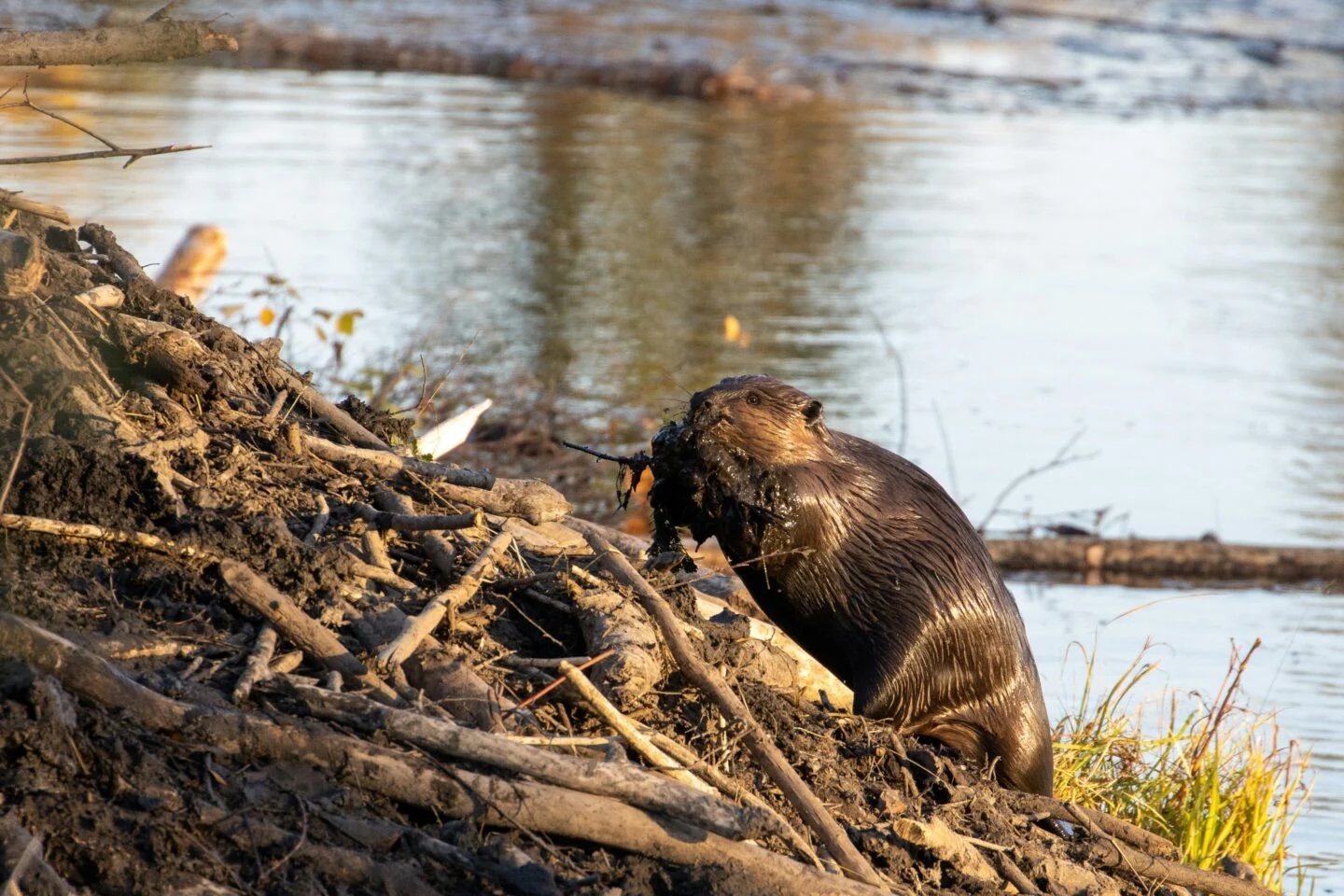
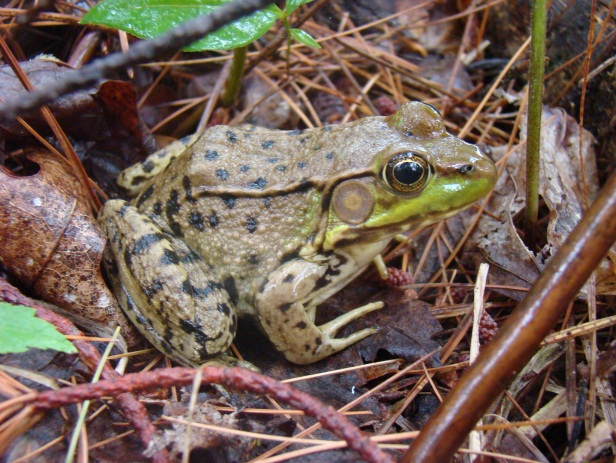
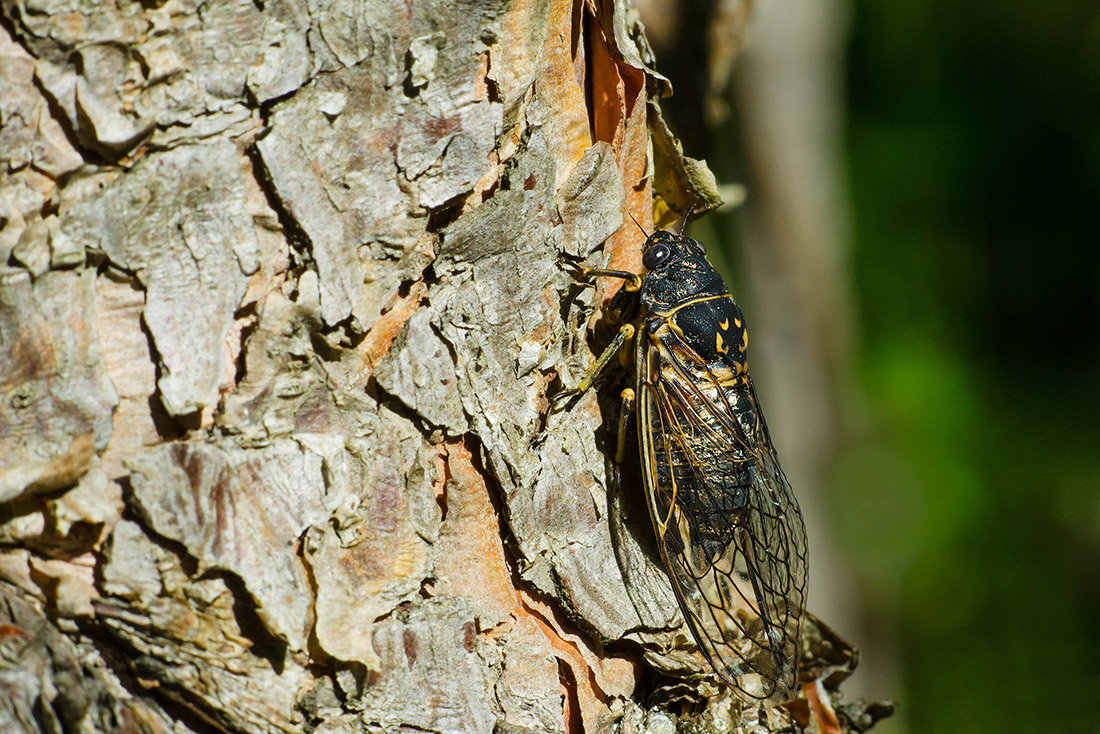
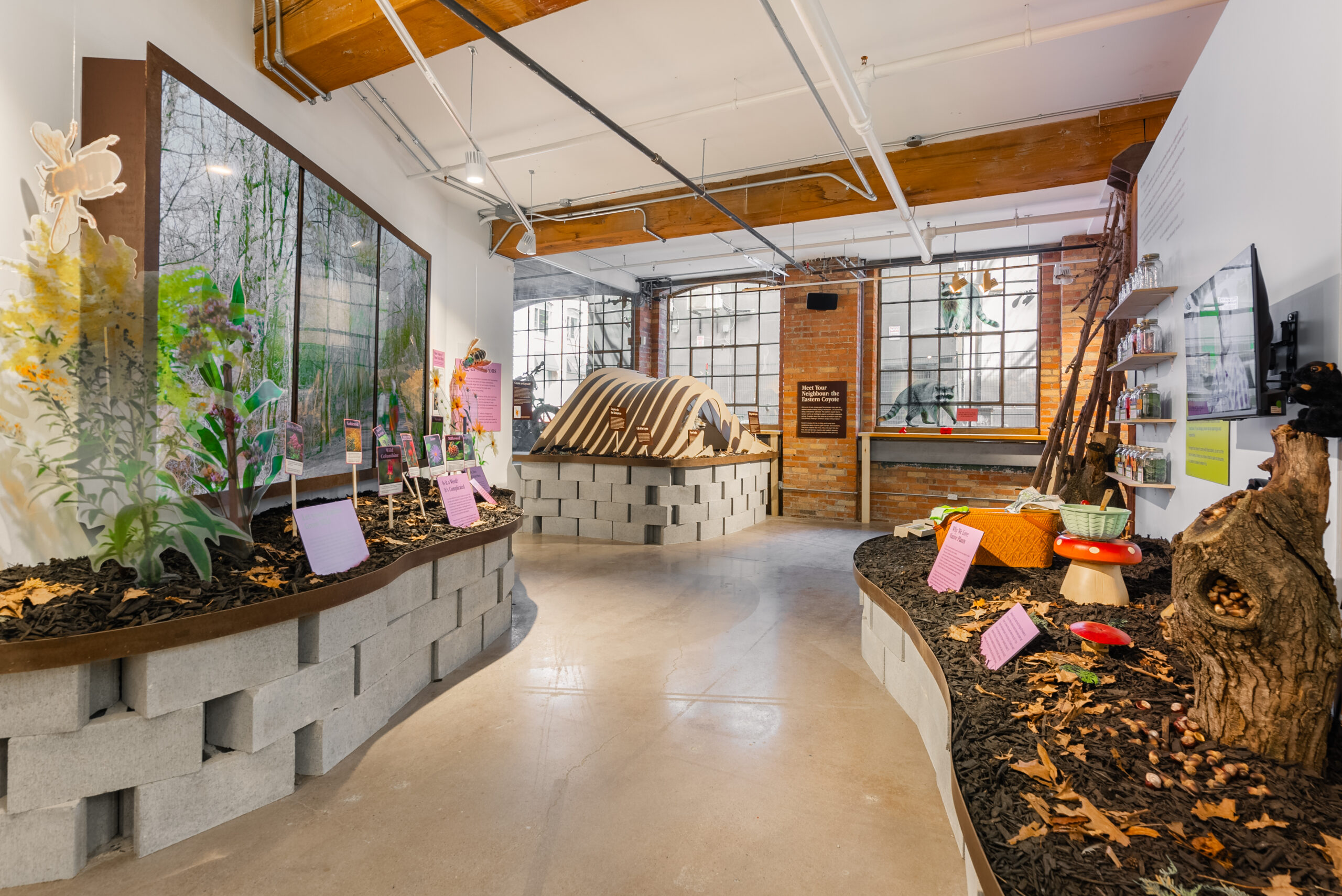
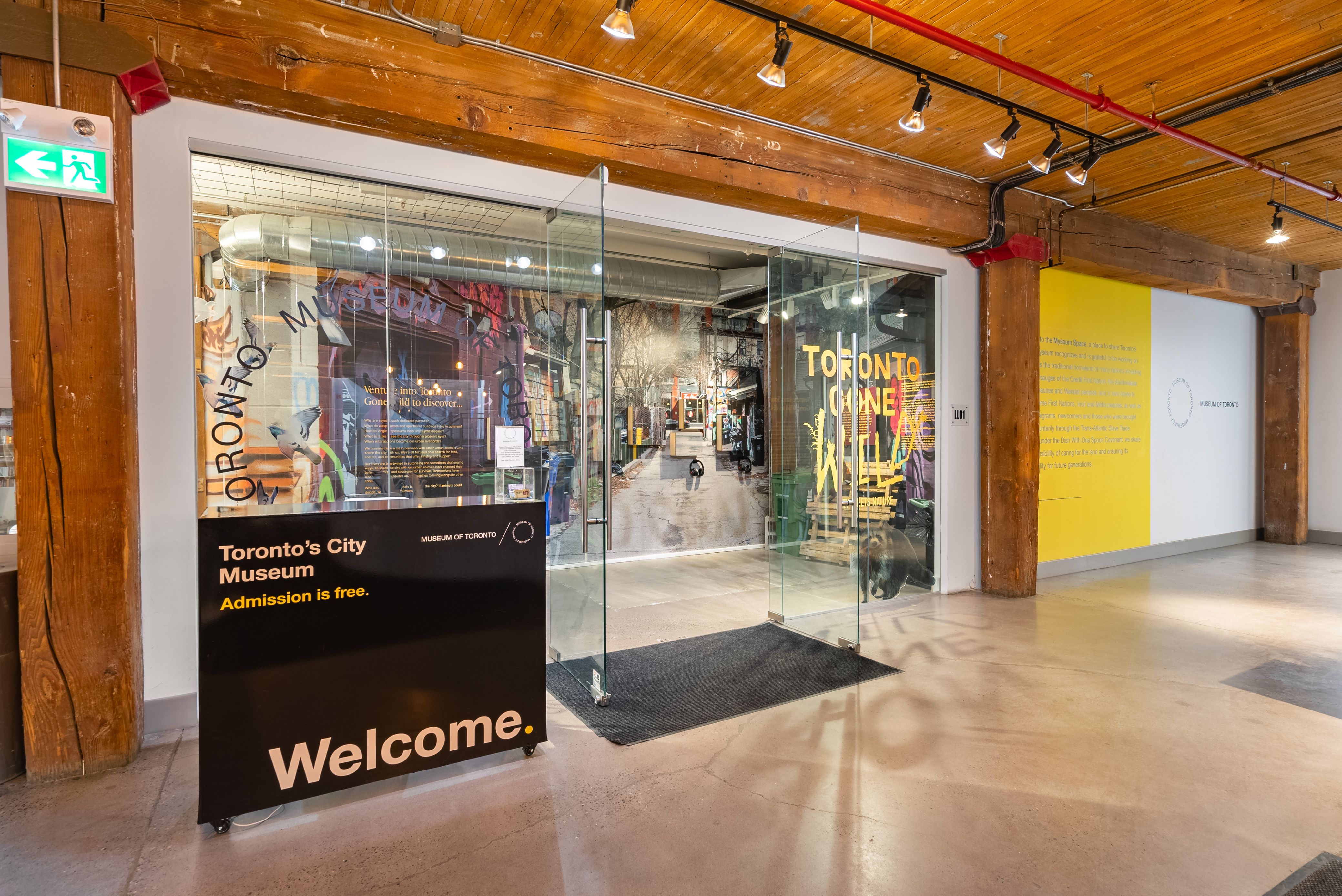
Toronto was never just a city for humans. Toronto Gone Wild explored the surprising lives of the animals that share our streets and backyards, and what living alongside them reveals about us.

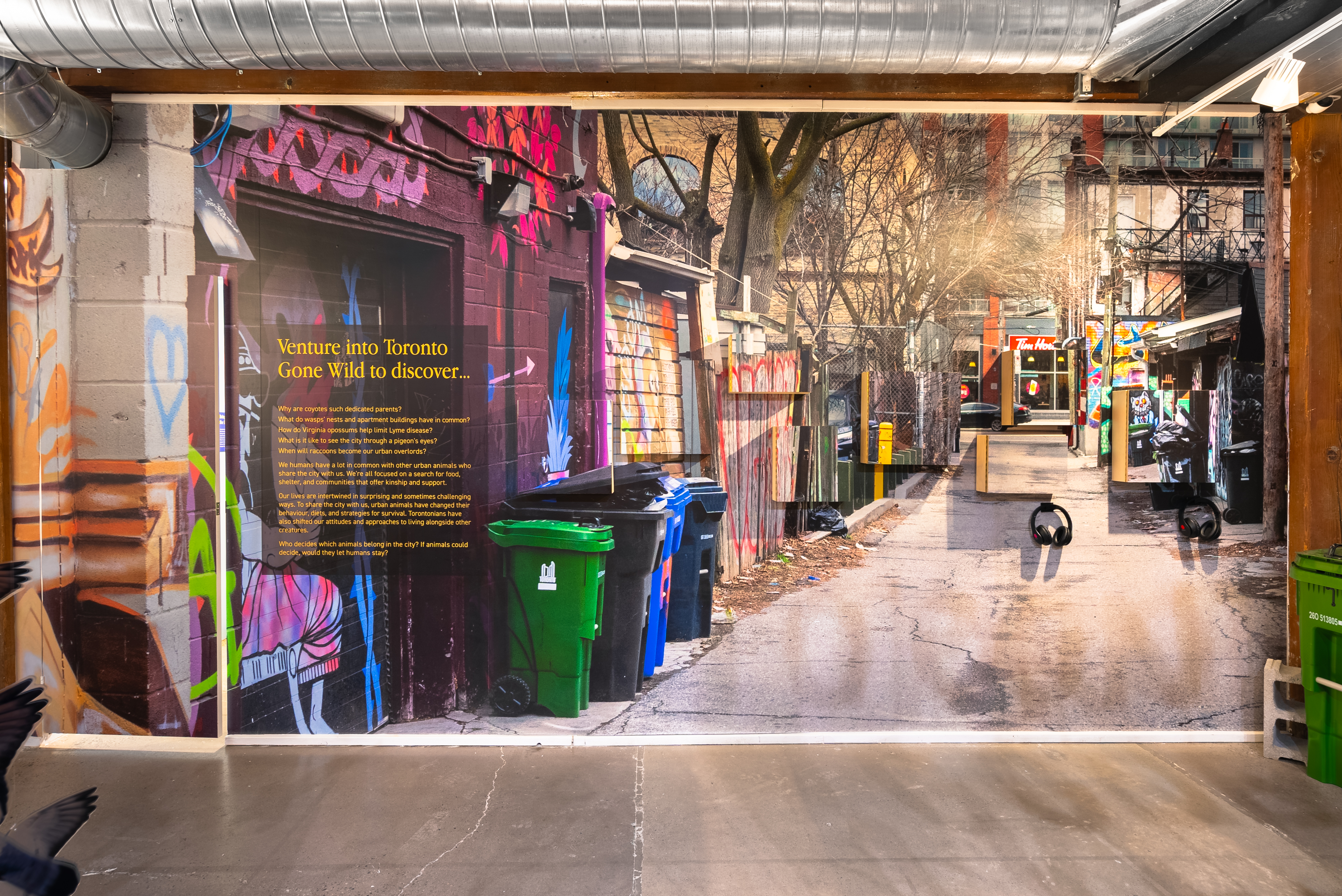
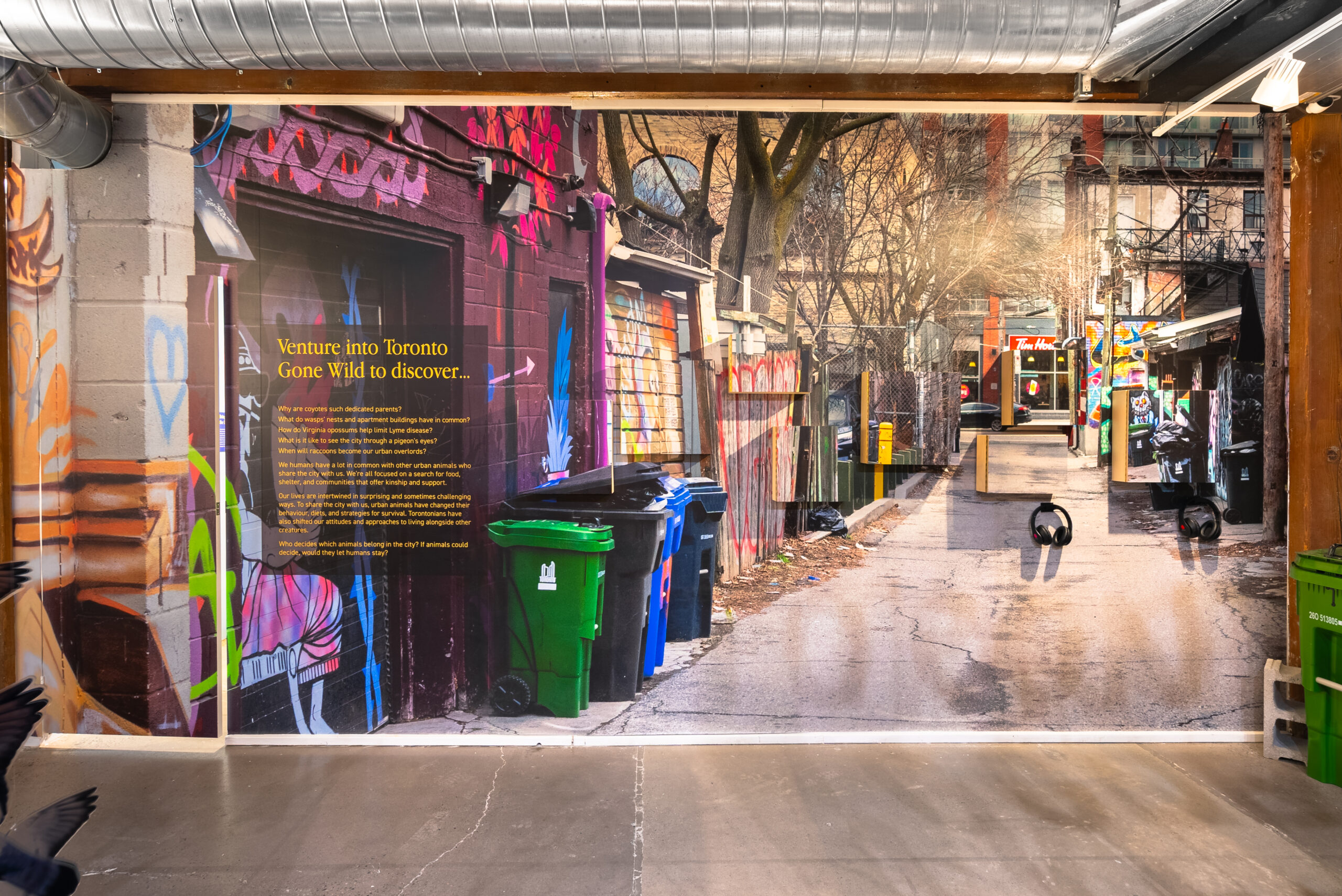
Venture into TORONTO GONE WILD to discover…

Why are coyotes such dedicated parents?

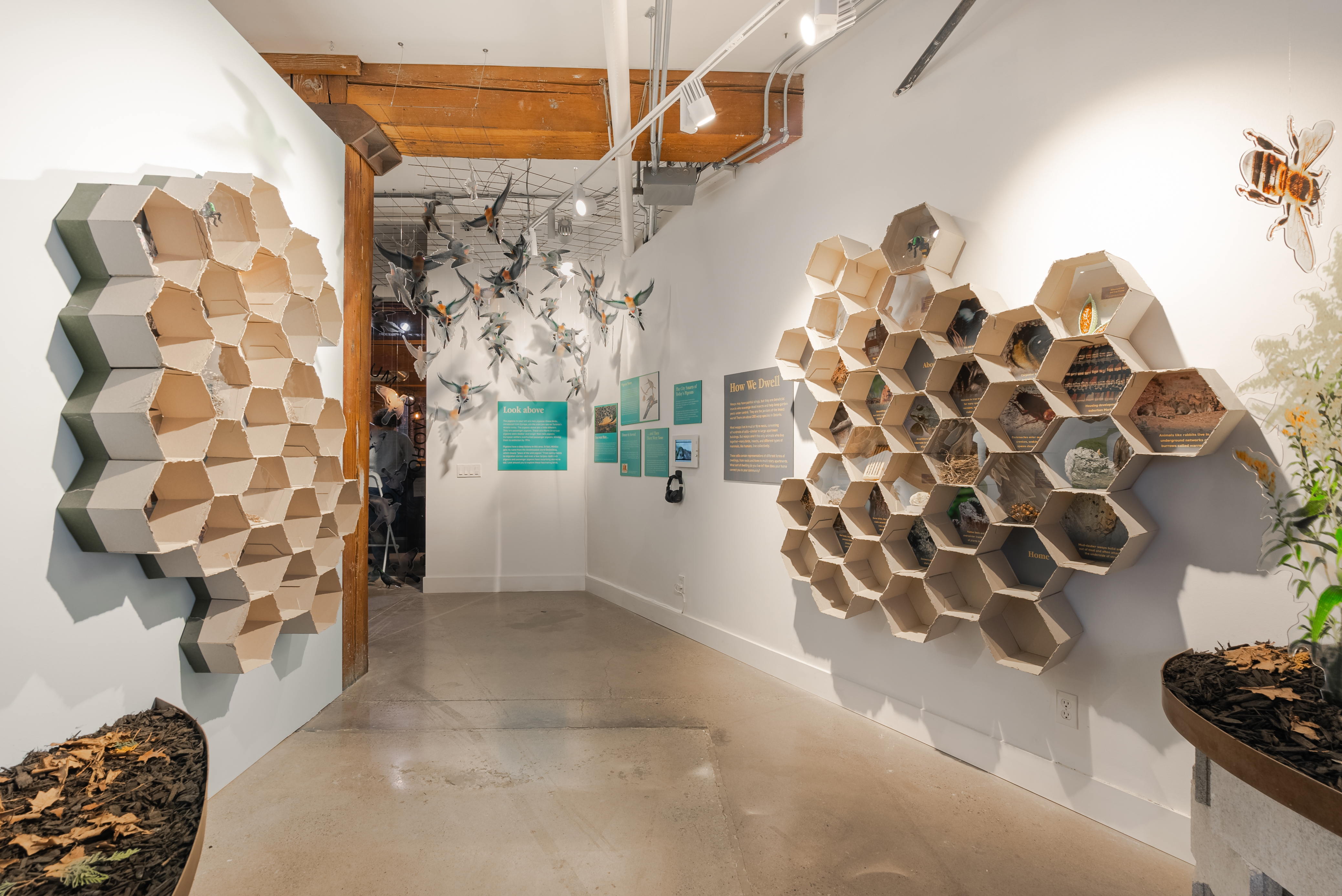
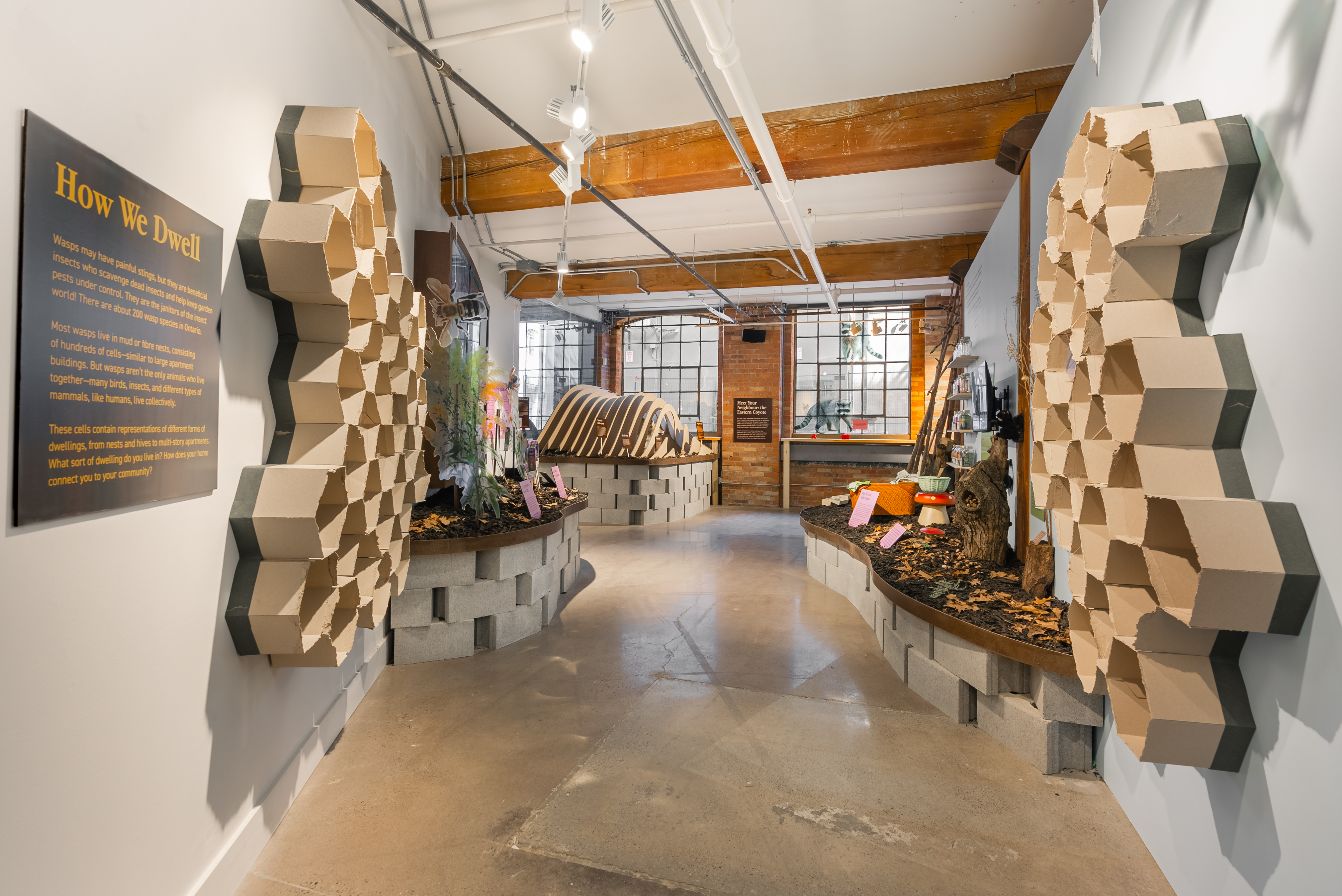
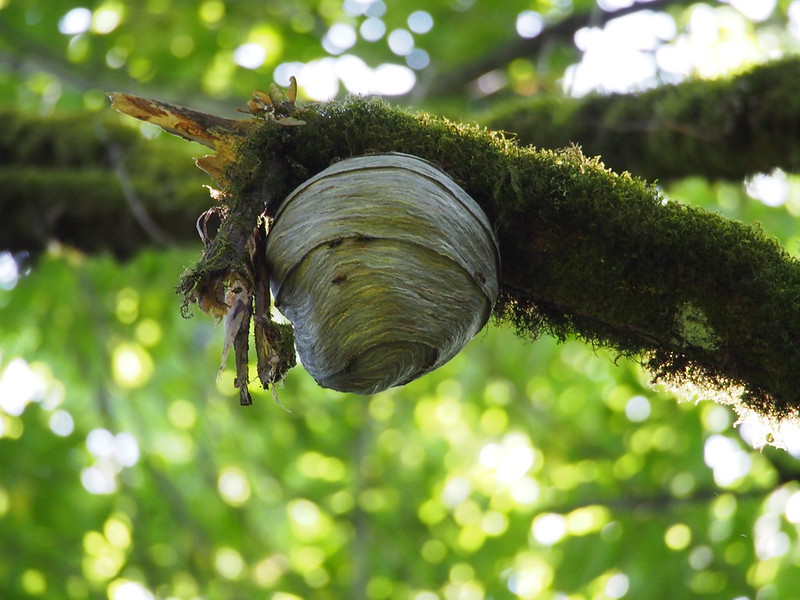
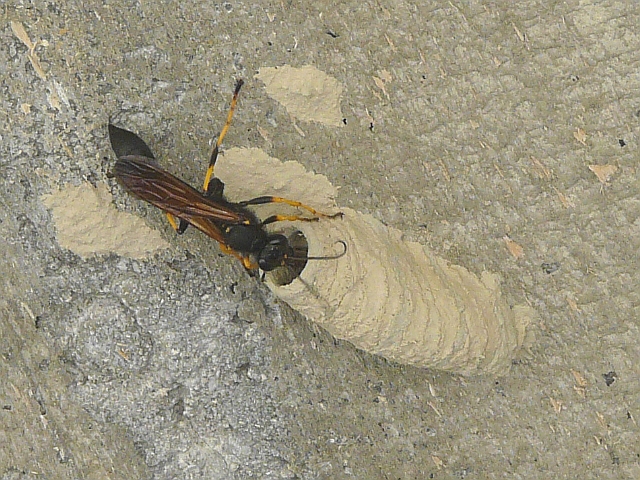
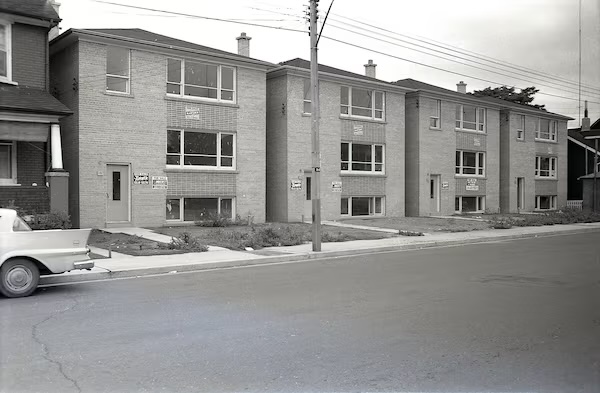
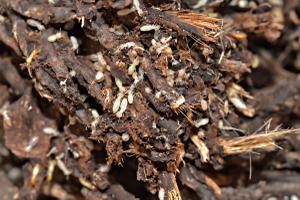
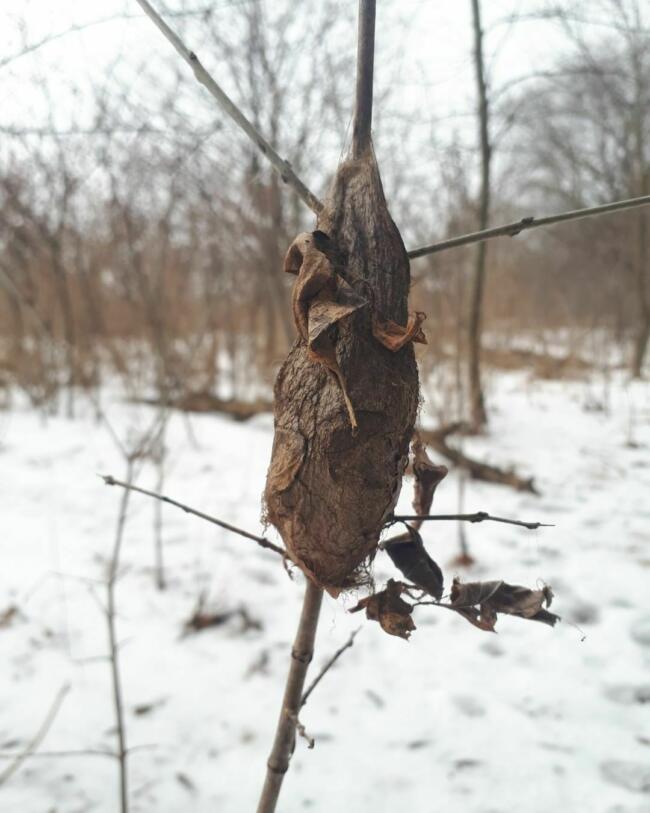
What do wasps’ nests and apartment buildings have in common?

How do Virginia opossums help limit Lyme disease?

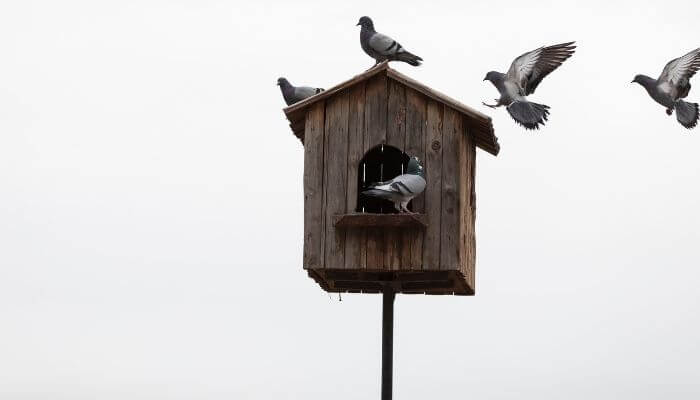
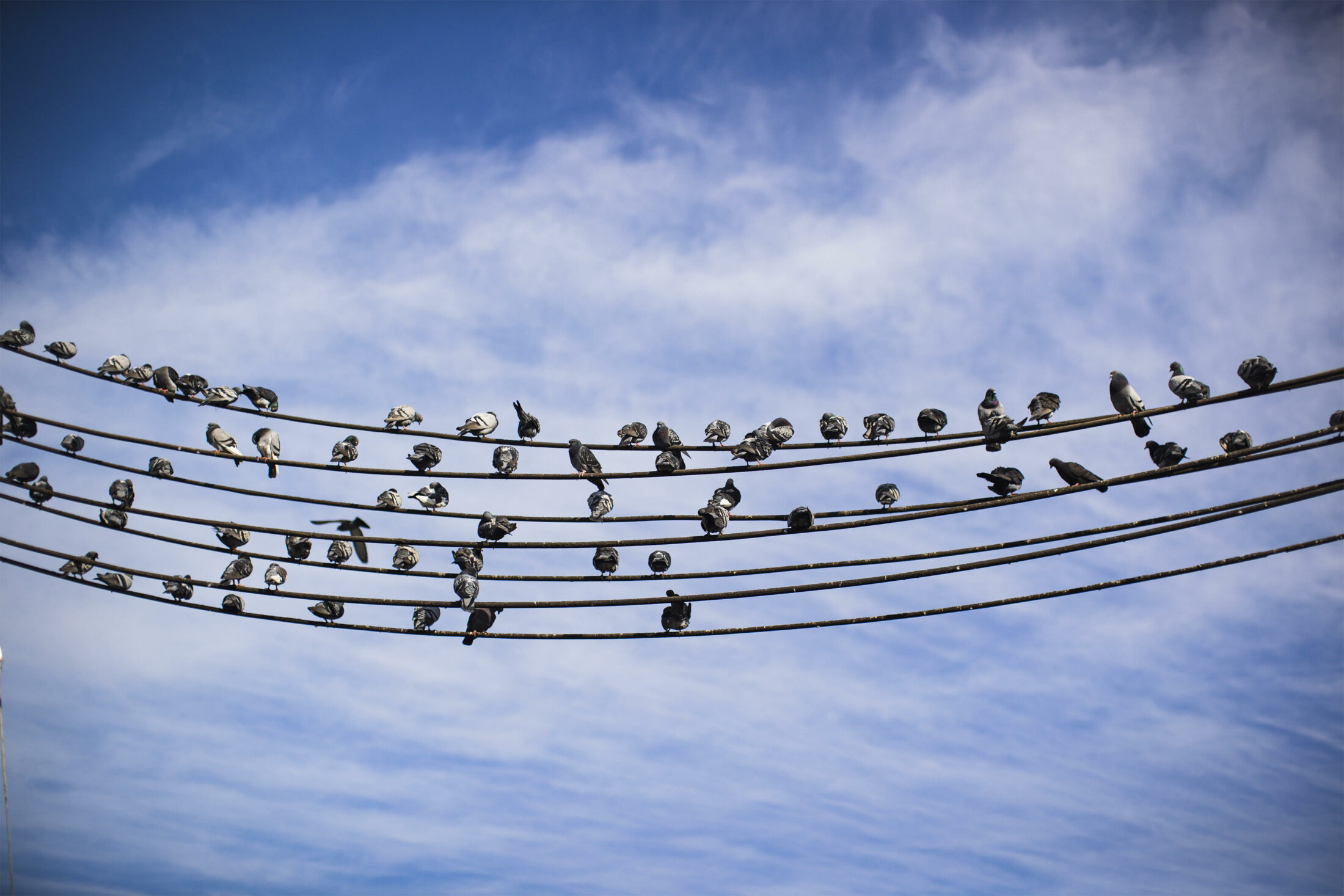
What is it like to see the city through a pigeon’s eyes?

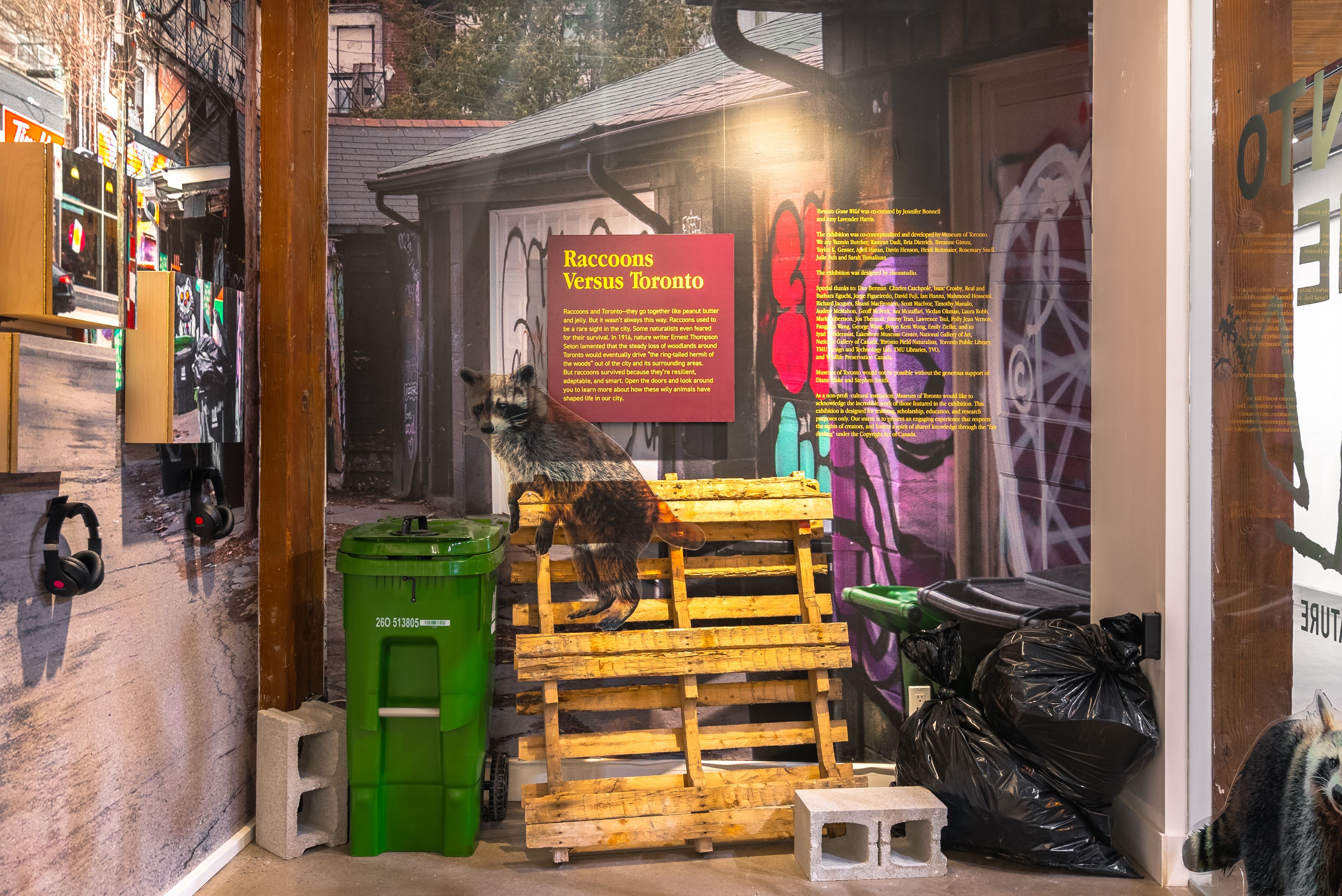
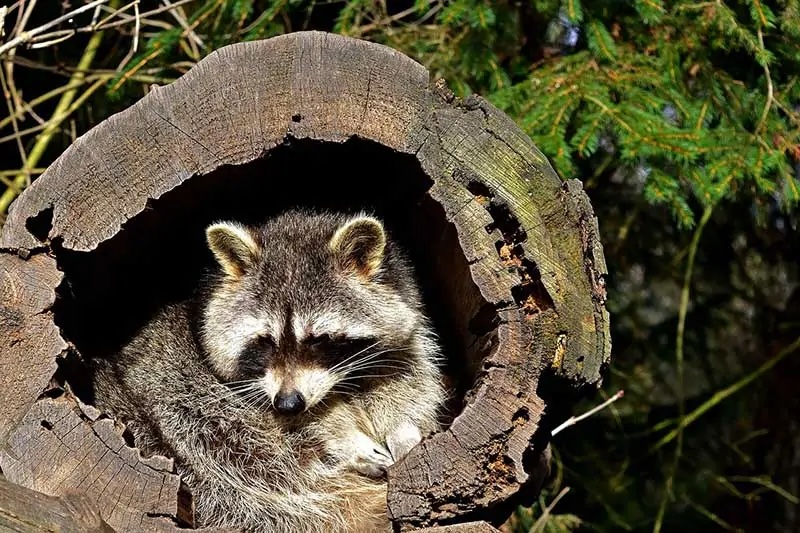
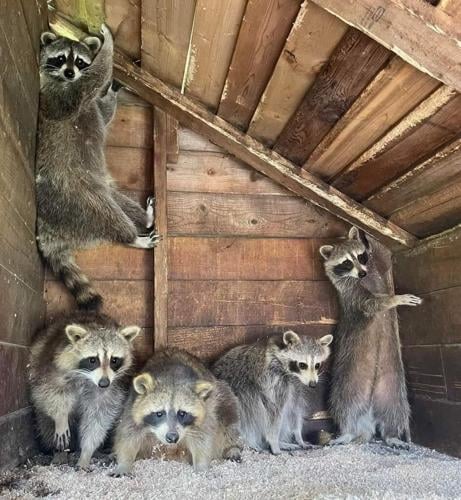
When will raccoons become our urban overlords?


We humans have a lot in common with other urban animals who share the city with us. We’re all focused on a search for food, shelter, and communities that offer kinship and support.


Our lives are intertwined in surprising and sometimes challenging ways. To share the city with us, urban animals have changed their behaviour, diets, and strategies for survival. Torontonians have also shifted our attitudes and approaches to living alongside other creatures.


Who decides which animals belong in the city? If animals could decide, would they let humans stay?
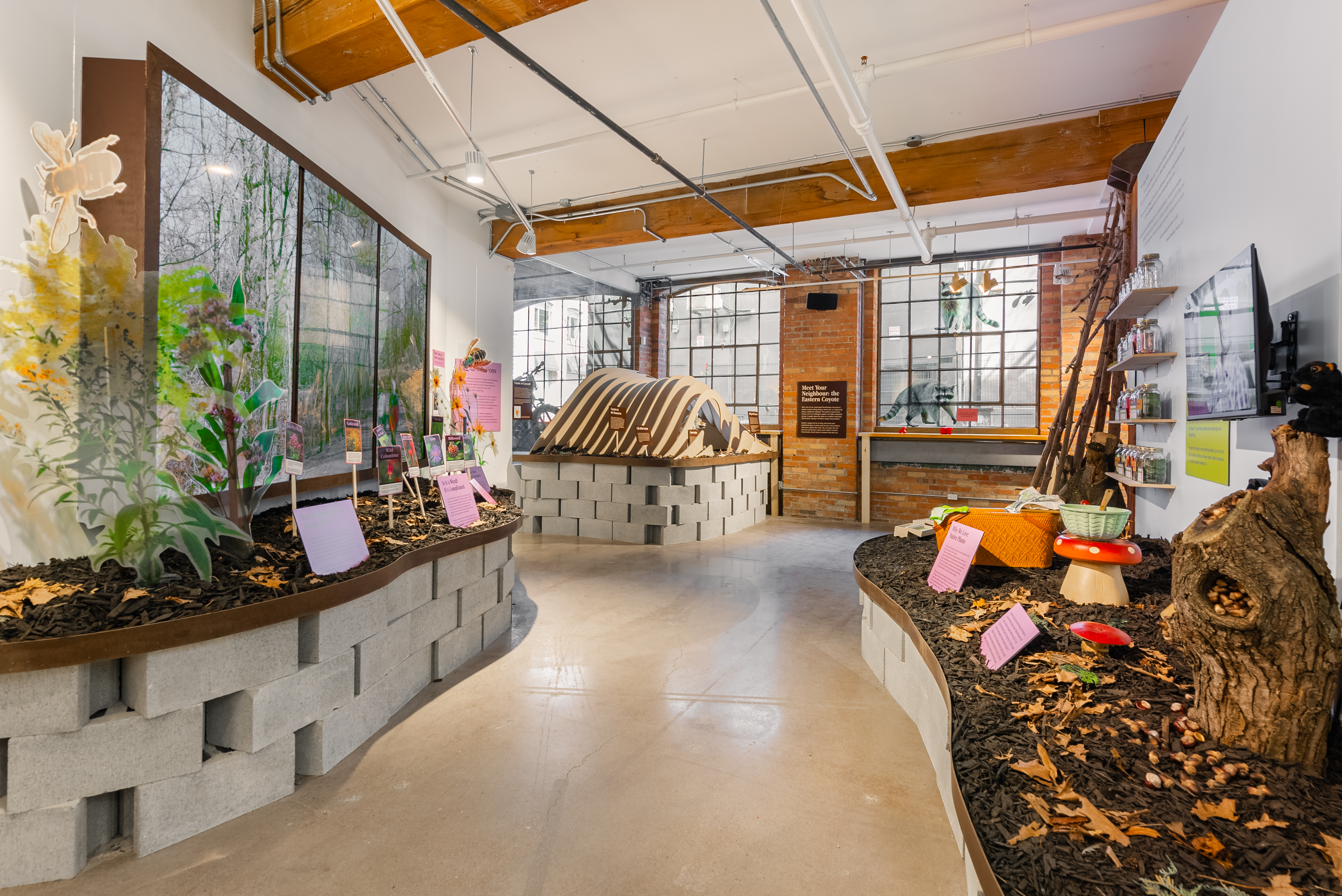
Meet Your Neighbours

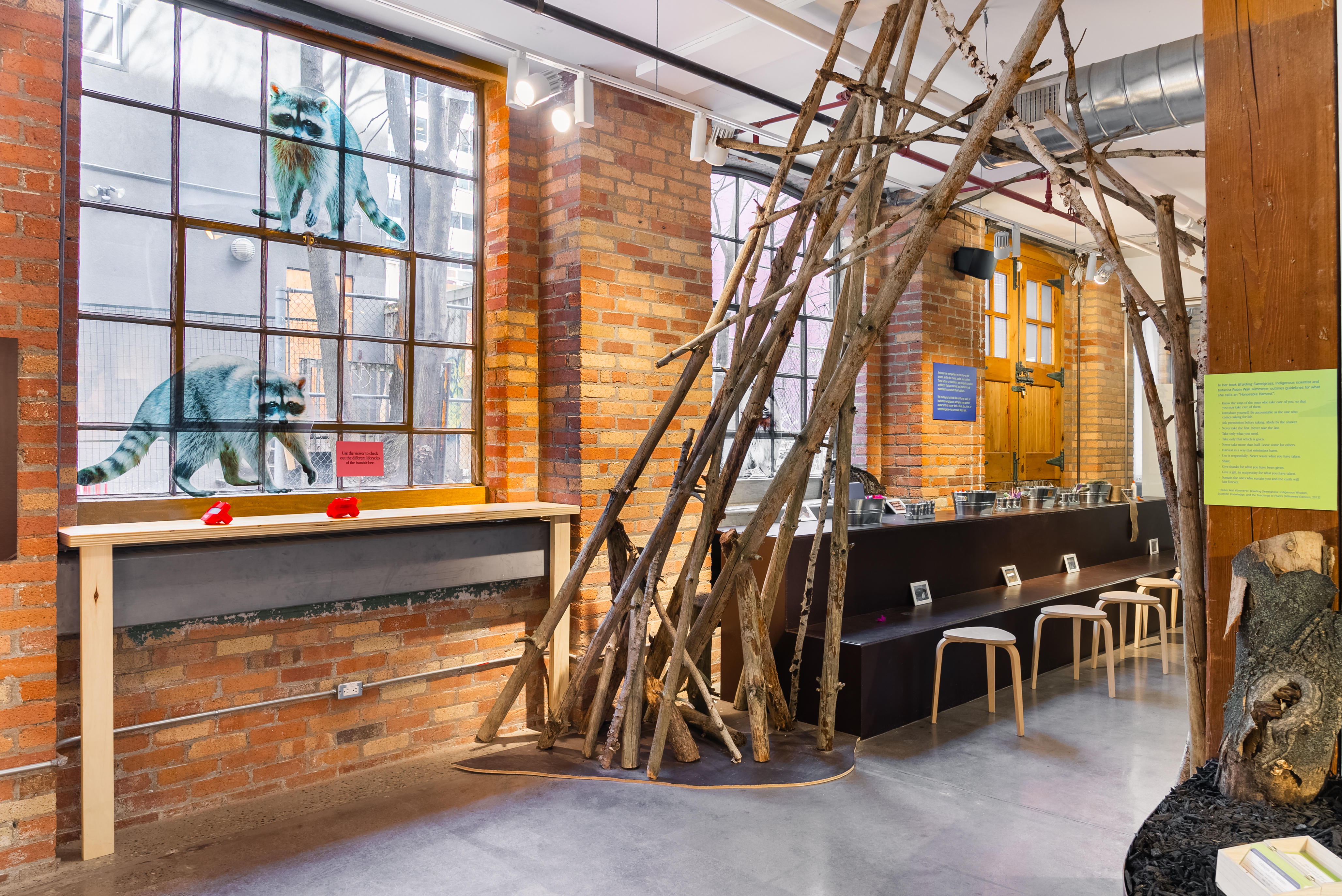
Us humans are not the only ones who call this city “home.” You may spot the flocks of pigeons perched on nearby street signs, the bees buzzing from flower to flower, and even the infamous raccoon perusing through your trash can. Animals have adapted to their new concrete jungle just as we have.

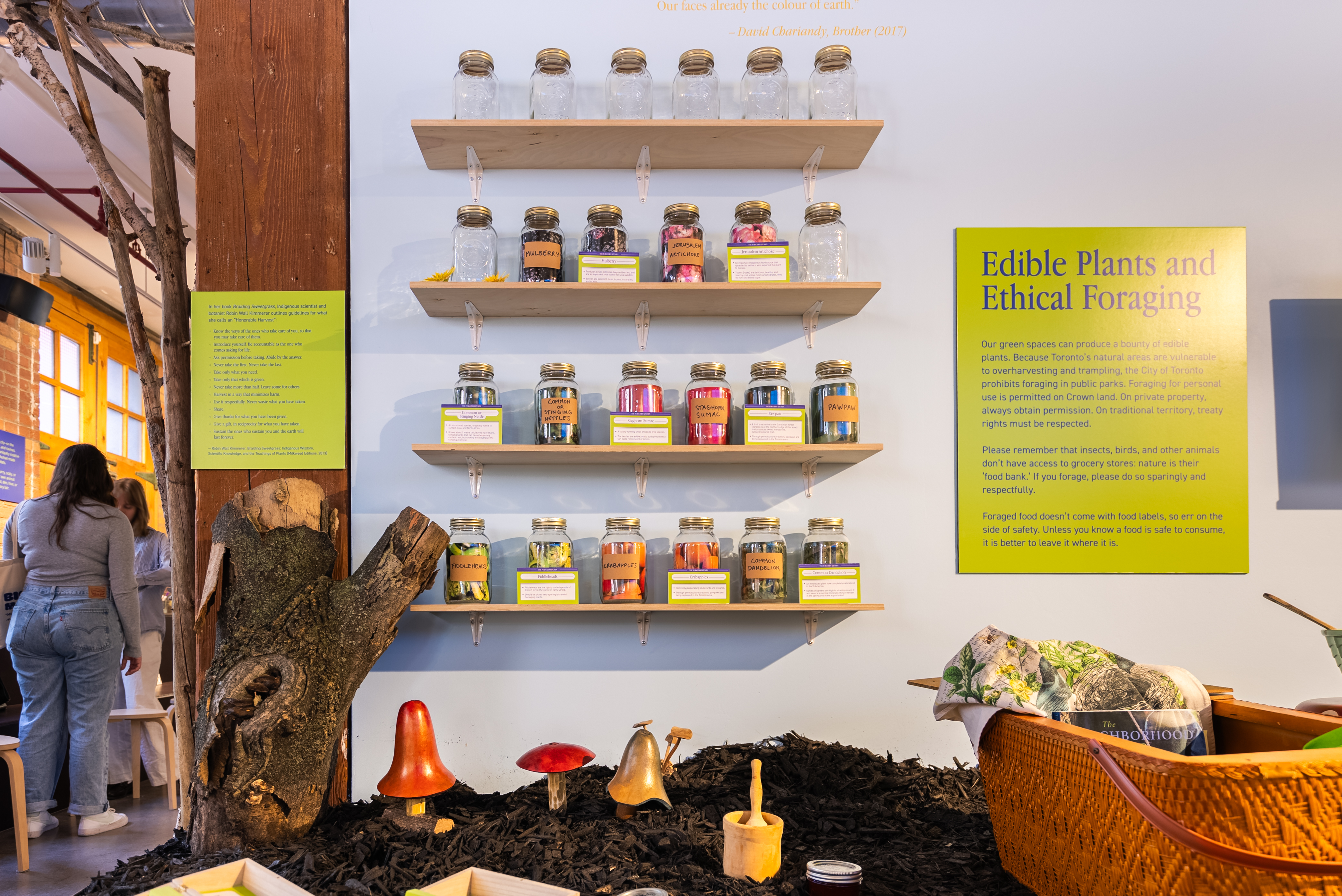
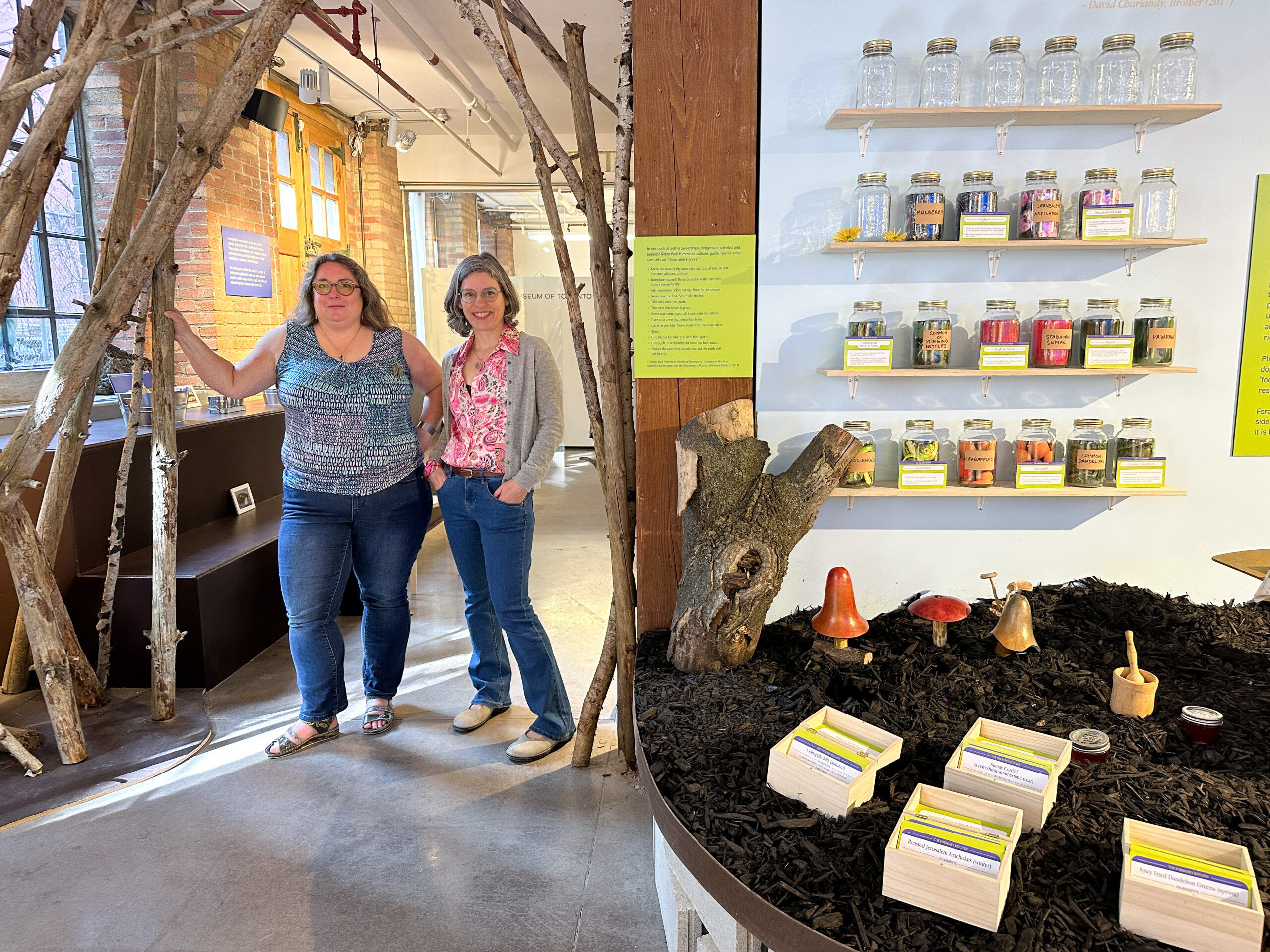
Foraging

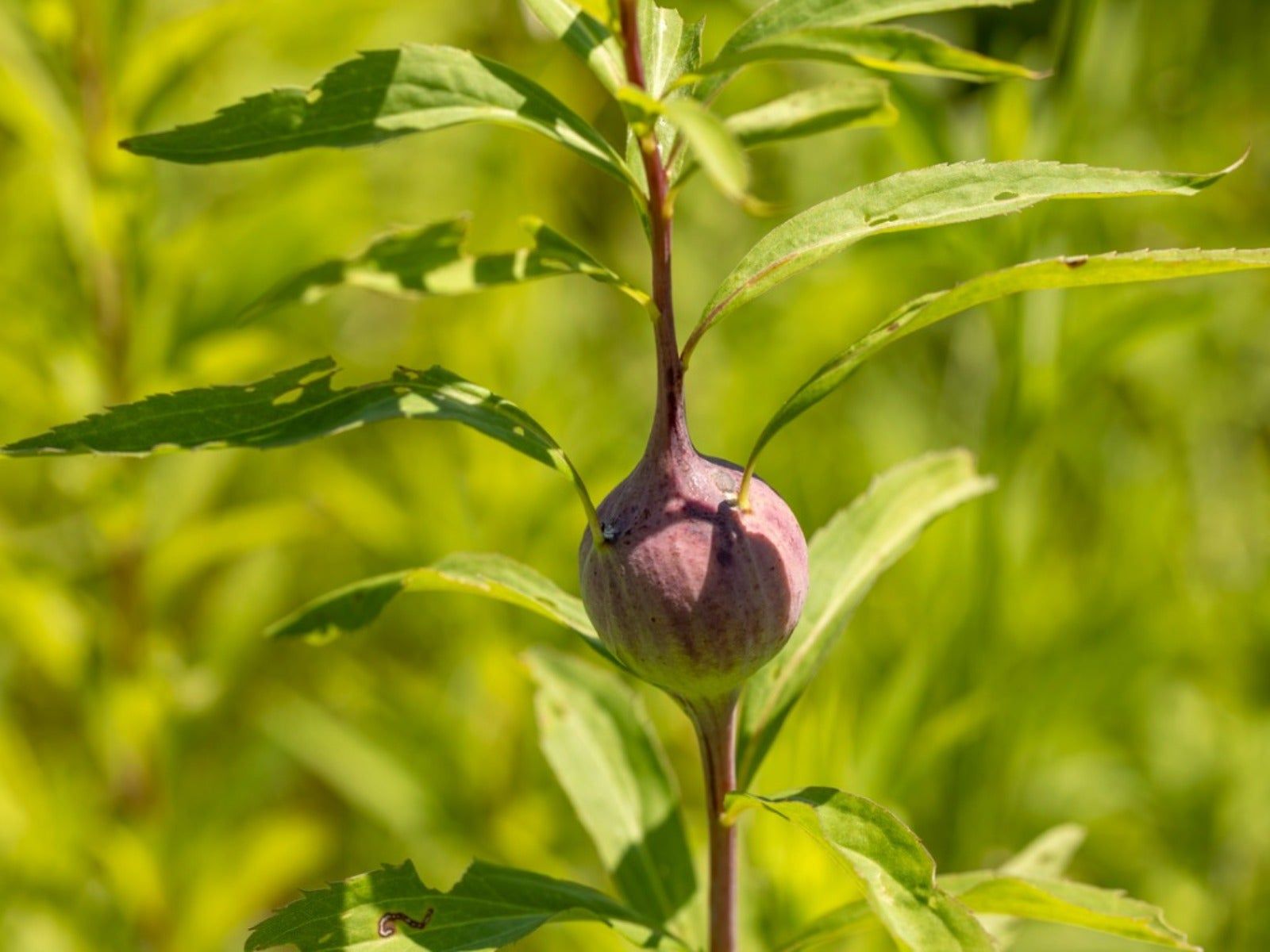
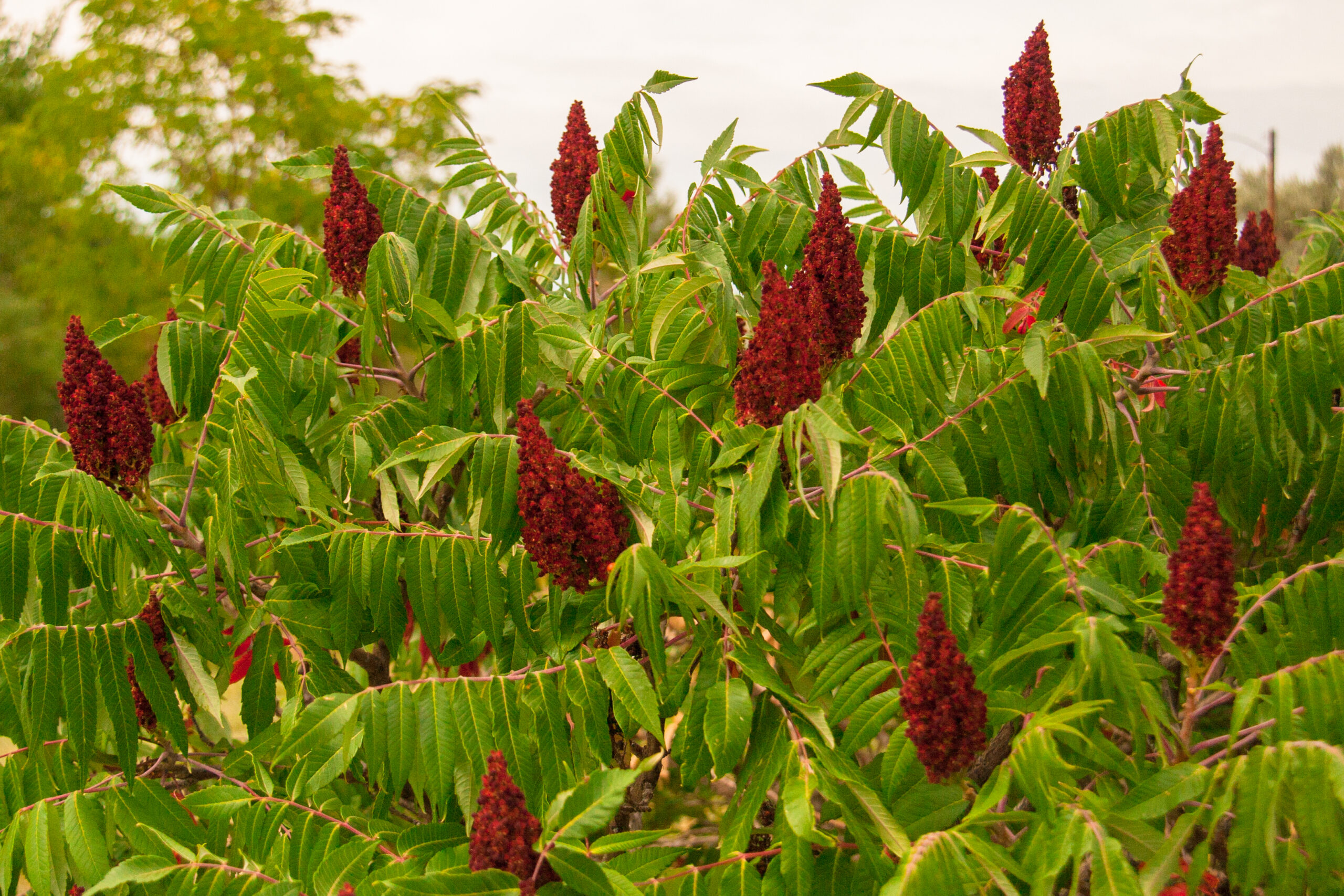
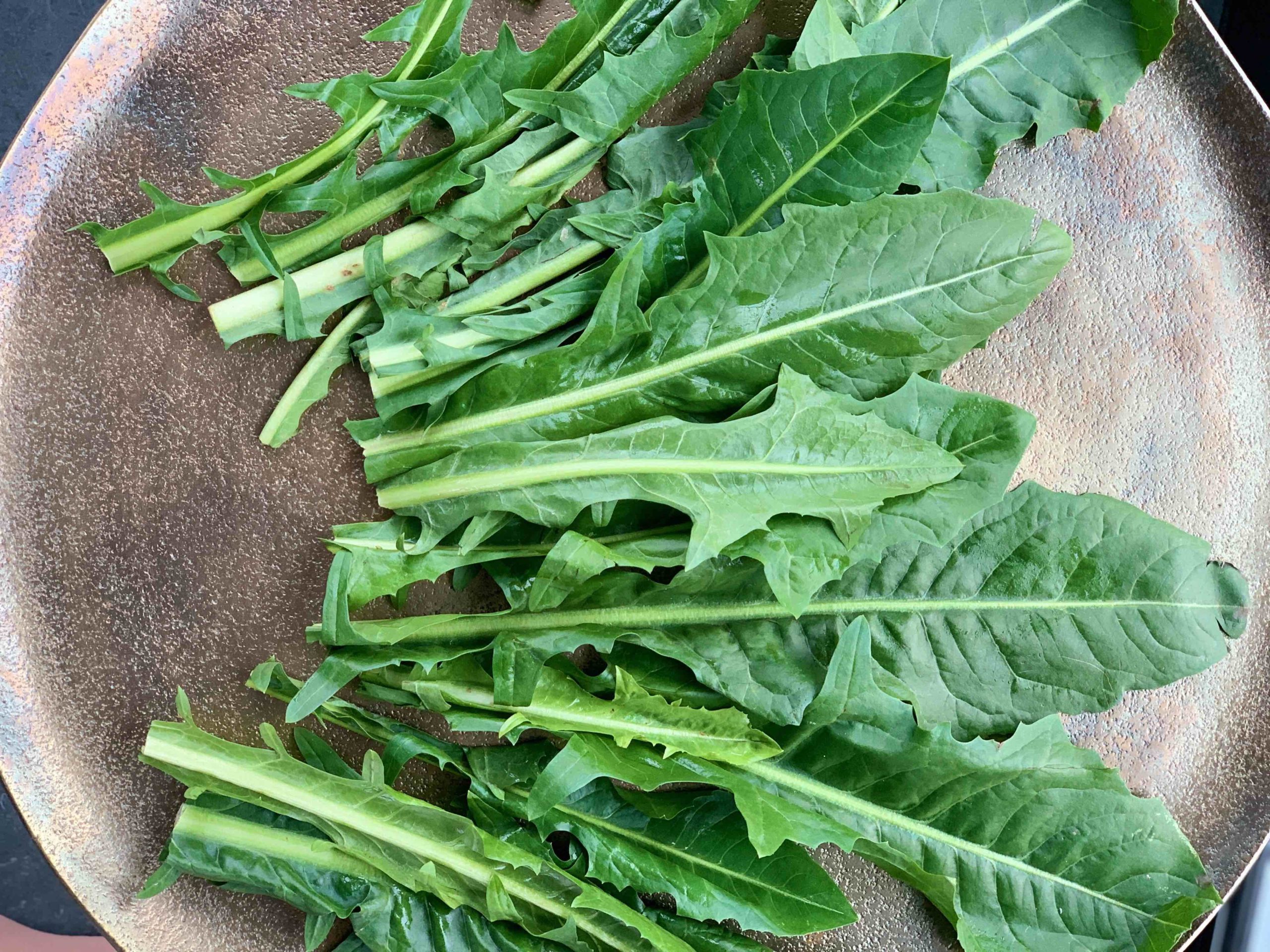
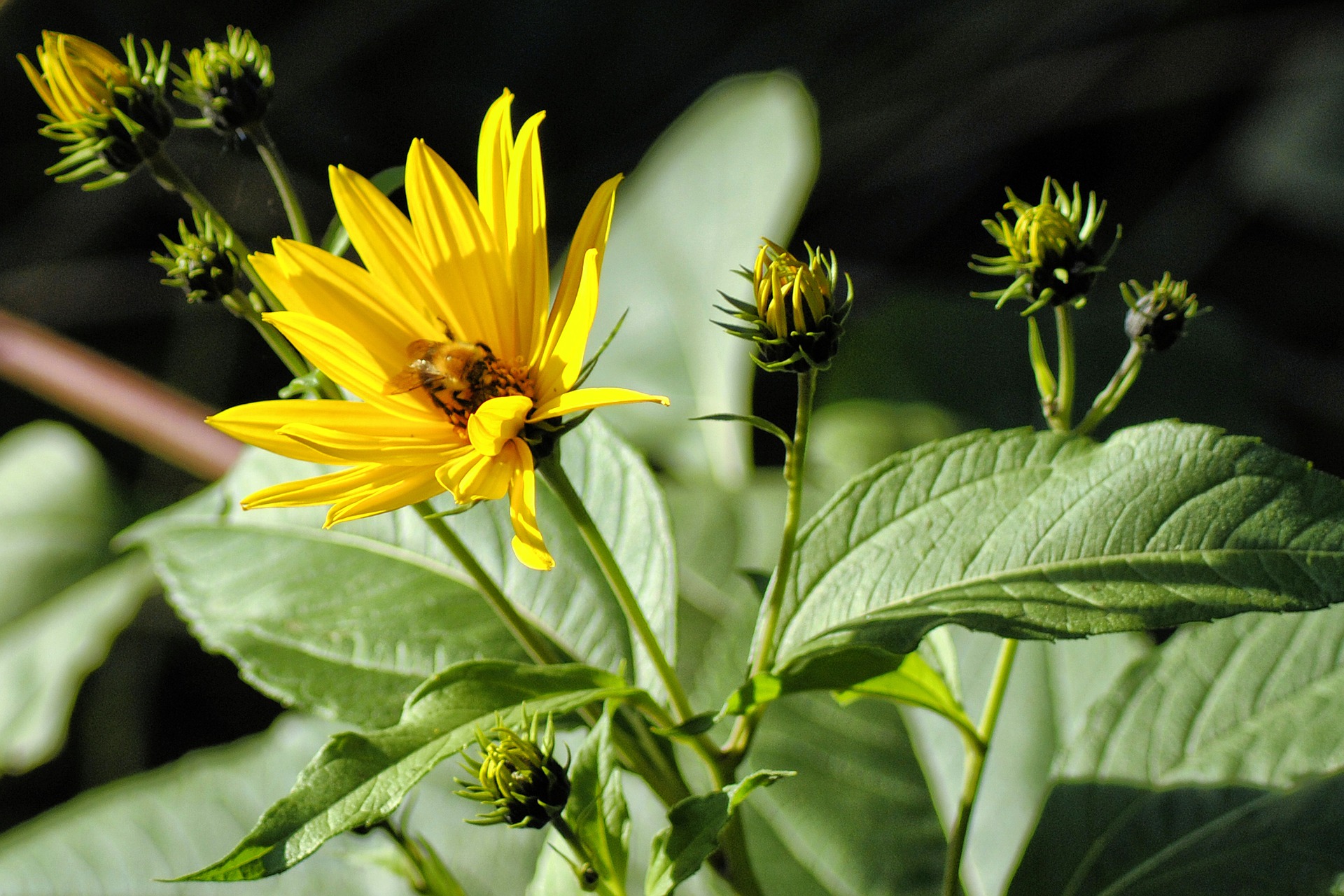
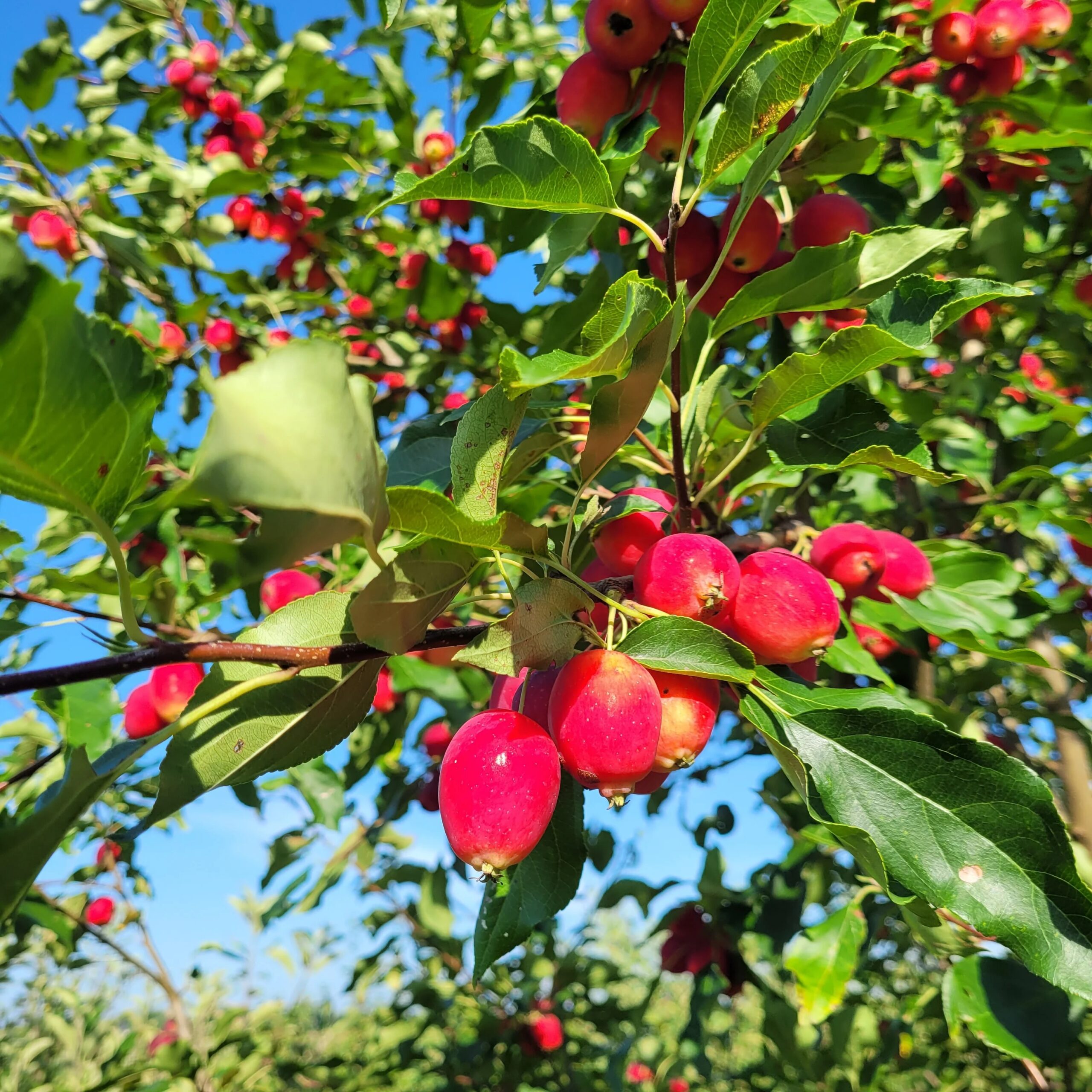
Although we may be accustomed to city streets and pavement, Toronto still has its share of green spaces that have their host of edible plant life. As our city urbanizes and our impact increases, these spaces continue to diminish. It is up to us to help preserve our natural landscape just as it can help preserve us.

Local Biomes

Content
Explorer

The Other Locals

Article

Raccoons

Article

Pollinators

Article

Pigeons

Article

Our Waterways

Article

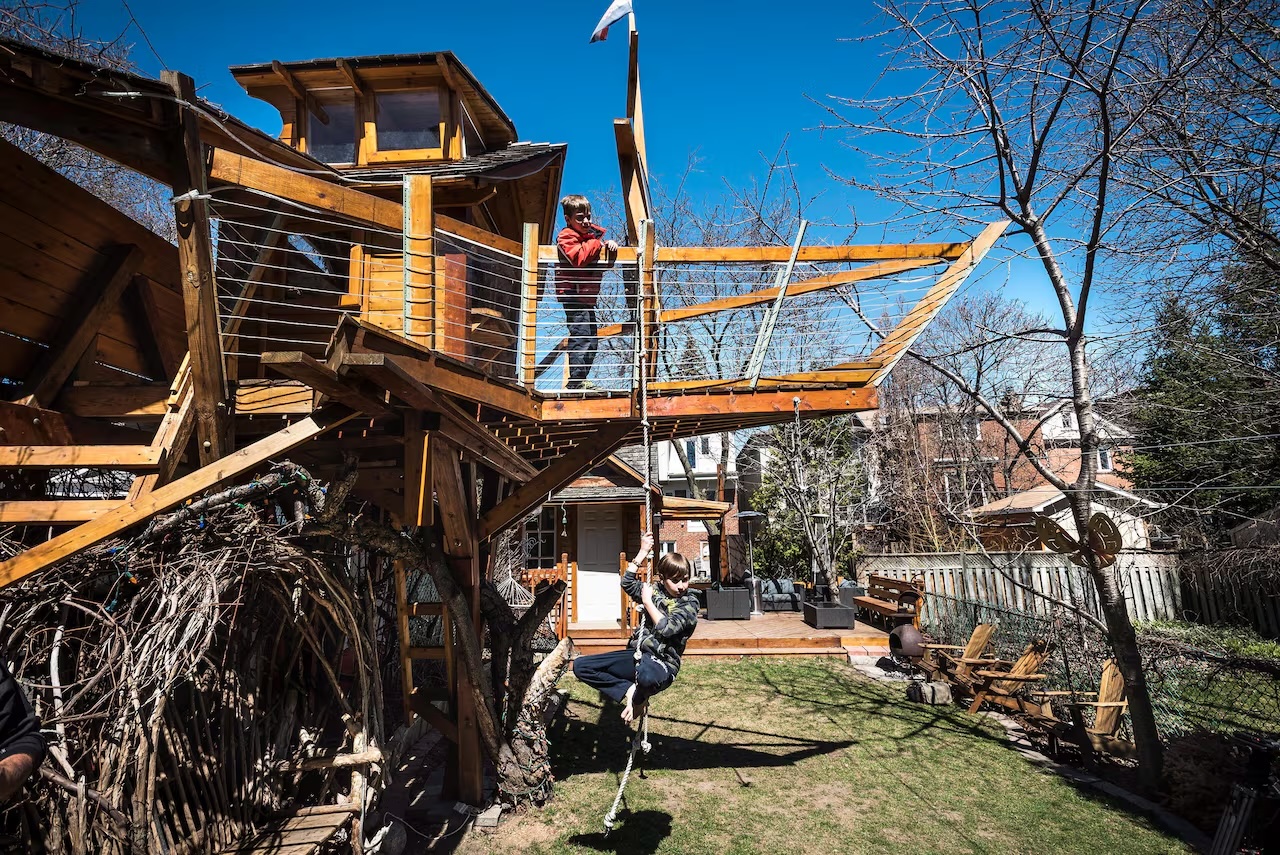
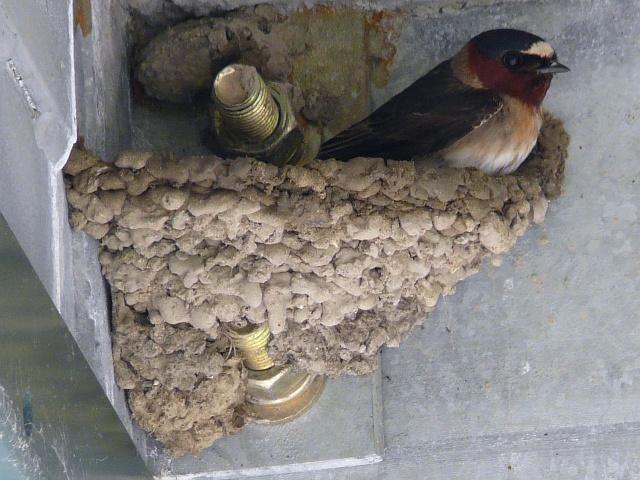
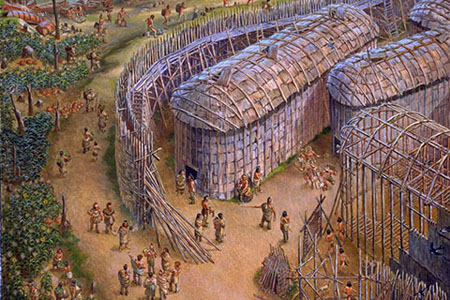
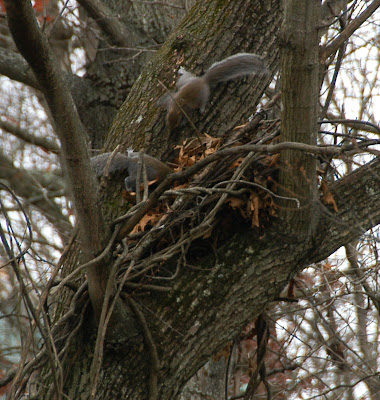
How We Dwell

Article

Forager’s Kitchen: Sumac Cordial

Article

Forager’s Kitchen: Spicy Fried Dandelion Greens

Article

Forager’s Kitchen: Roasted Jerusalem Artichokes

Article

Forager’s Kitchen: Crabapple Jelly

Article

Ethical Foraging

Article

Coyotes

Article

More Articles

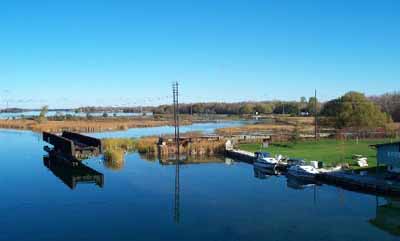
The Mnjikaning Fish Weirs National Historic Site of Canada. Image by Jim Molnar from Parks Canada, 2003.

The Mnjikaning Fish Weirs: The Fish Fence Circle

Featuring Mark Douglas

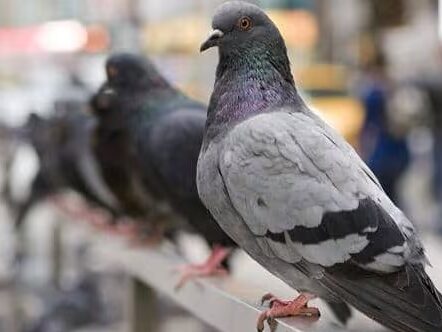
Excerpt screencap from CBC's Secret World of Pigeons documentary.

The Secret Life of Pigeons

CBC Canada: The Nature of Things | Produced by Scott Harper, 2014

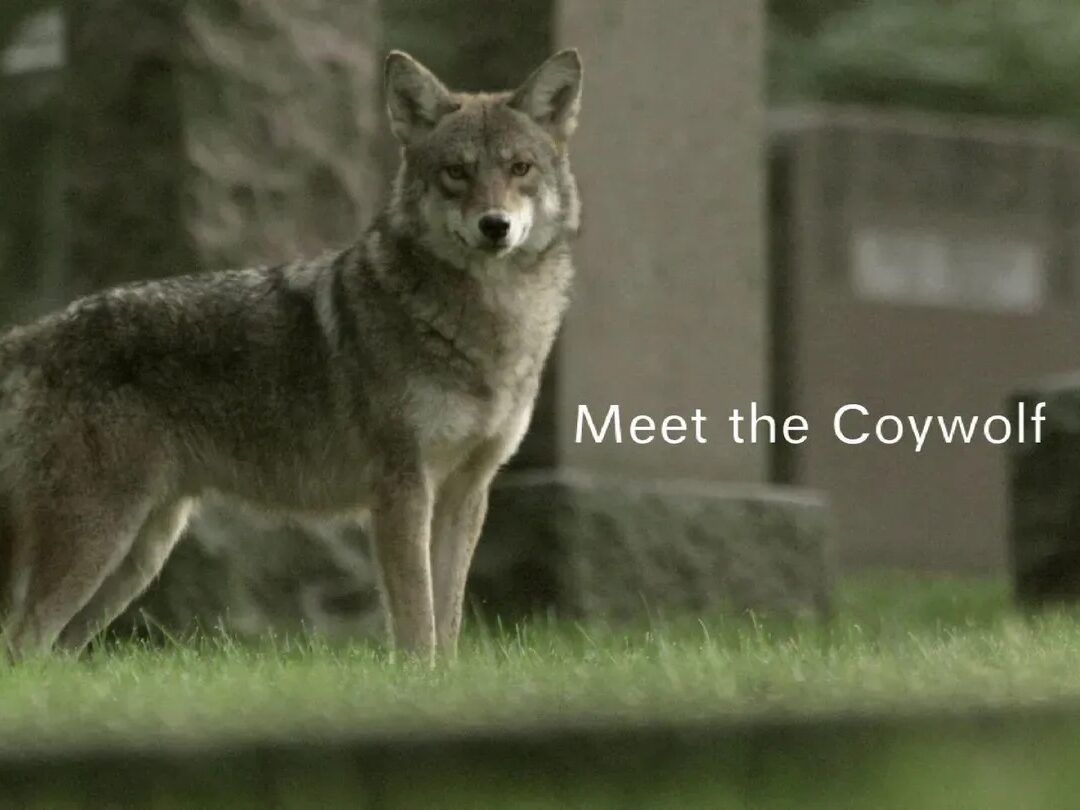
Excerpt screencap from PBS' Meet the Coywolf documentary.

Meet the Coywolf

PBS: Nature | Produced by Susan Fleming, 2014

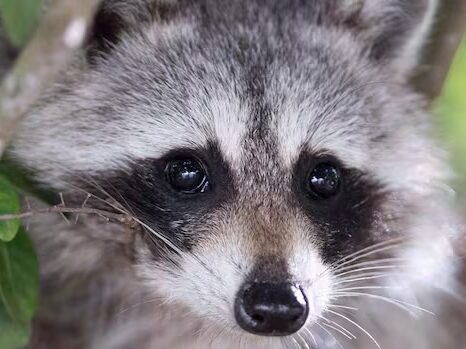
Excerpt screencap from CBC's documentary Raccoon Nation.

Raccoon Nation

CBC Canada: The Nature of Things | Produced by Susan Fleming, 2011

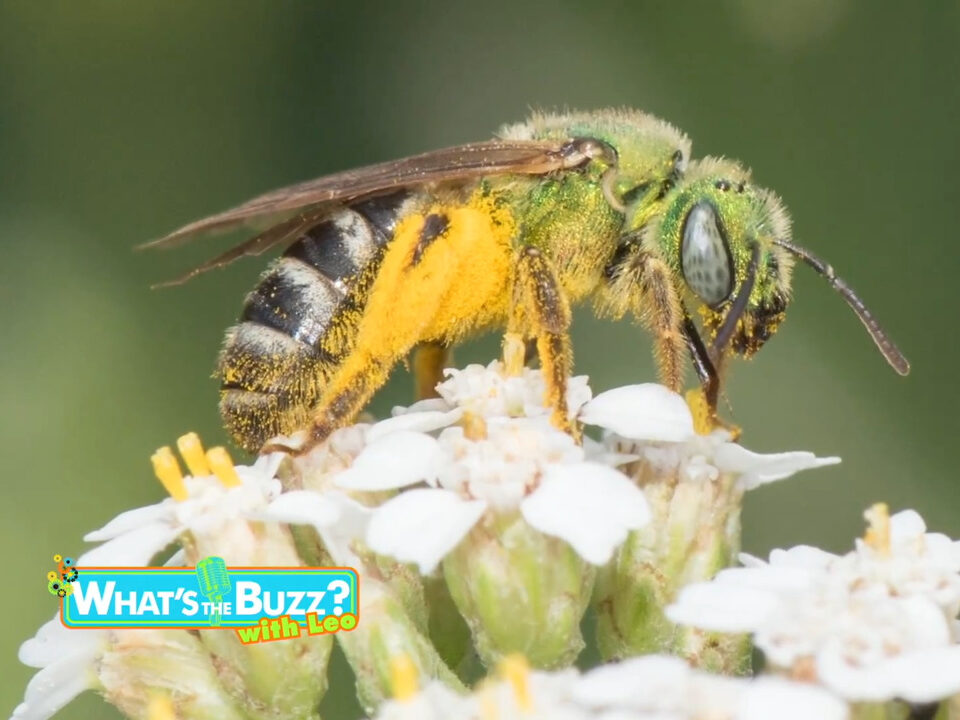
Toronto's own Green Sweat Bee perched atop a flower. Sourced from Leo's Pollinators series hosted by TVOkids.

Leo's Pollinators: Bees in the Meadow

Fifth Ground Entertainment with TVO Kids | Written and Directed by Melissa Peters, 2021

More About the Project

Toronto Gone Wild was co-curated by Jennifer Bonnell, and Amy Lavender Harris.

The exhibition was co-conceptualized and developed by Museum of Toronto. We are Yazmin Butcher, Kamran Dadi, Bria Dietrich, Breanne Gimza, Taylor K. Gresner, April Hazan, Davin Henson, Heidi Reitmaier, Rosemary Snell, Julie Suh and Sarah Tumaliuan.

The exhibition was designed by elsonstudio.

Special thanks to: Dan Berman, Charles Catchpole, Isaac Crosby, Real and Barbara Eguchi, Jorge Figueiredo, David Fuji, Ian Hanna, Mahmood Hosseini, Richard Jacques, Shanti MacFronton, Scott MacIvor, Timothy Manalo, Audrey McMahon, Geoff McPeek, Ava Mozaffari, Vicdan Okman, Laura Robb, Mark Robertson, Jos Theriault, Jimmy Tran, Lawrence Tsui, Polly Jean Vernon, Fangmin Wang, George Wang, Byron Kent Wong, Emily Zielke, and to Iyad Taxidermist, Lakeshore Museum Center, National Gallery of Art, National Gallery of Canada, Toronto Field Naturalists, Toronto Public Library, TMU Design and Technology Lab, TMU Libraries, TVO, and Wildlife Preservation Canada.

Museum of Toronto would not be possible without the generous support of Diane Blake and Stephen Smith. 


As a non-profit cultural institution, Museum of Toronto would like to acknowledge the incredible work of those featured in the exhibition. This exhibition is designed for teaching, scholarship, education, and research purposes only. Our intent is to present an engaging experience that respects the rights of creators, and fosters a spirit of shared knowledge through the “fair dealing” under the Copyright Act of Canada.