Winners and Losers
Sport Histories of Toronto
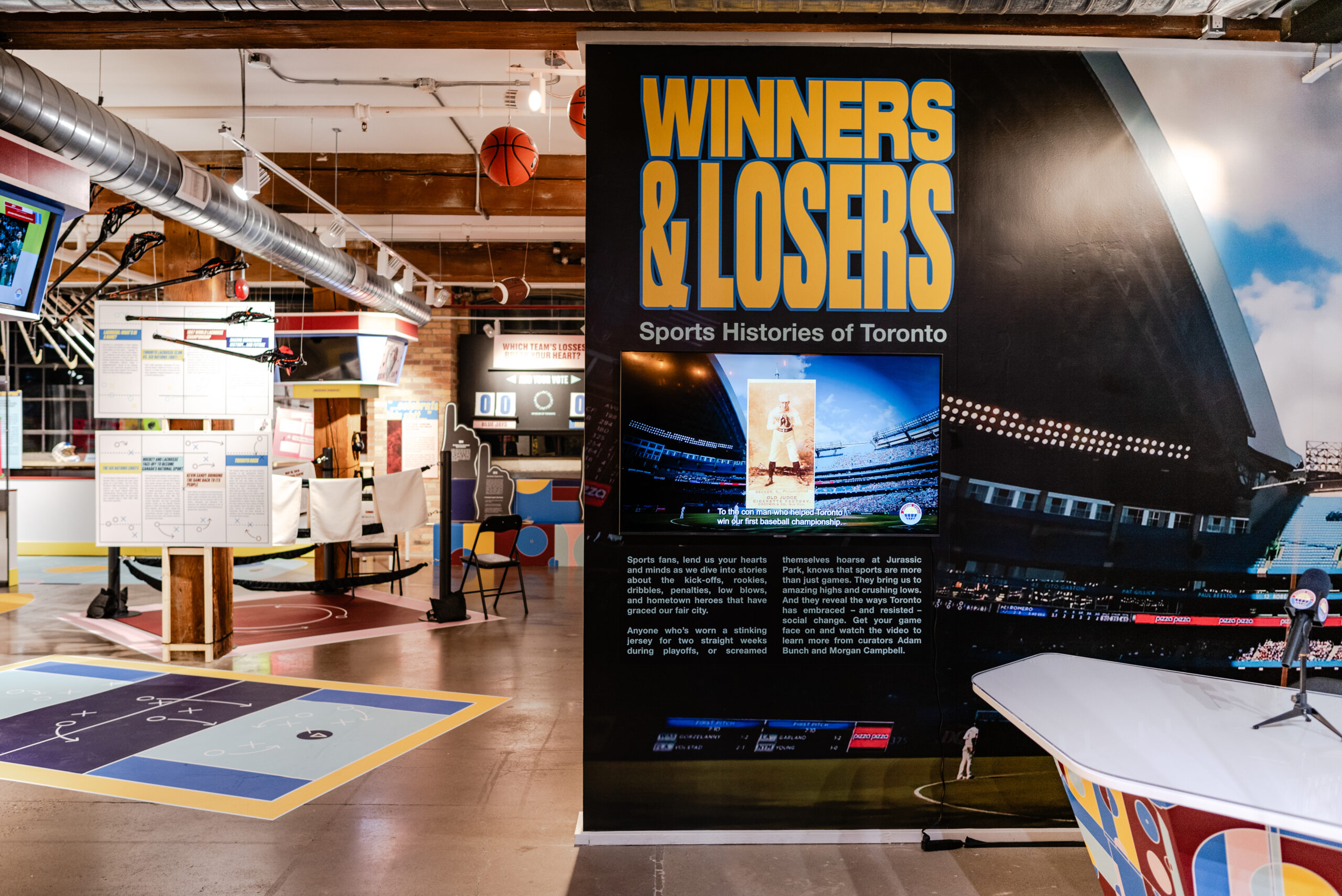
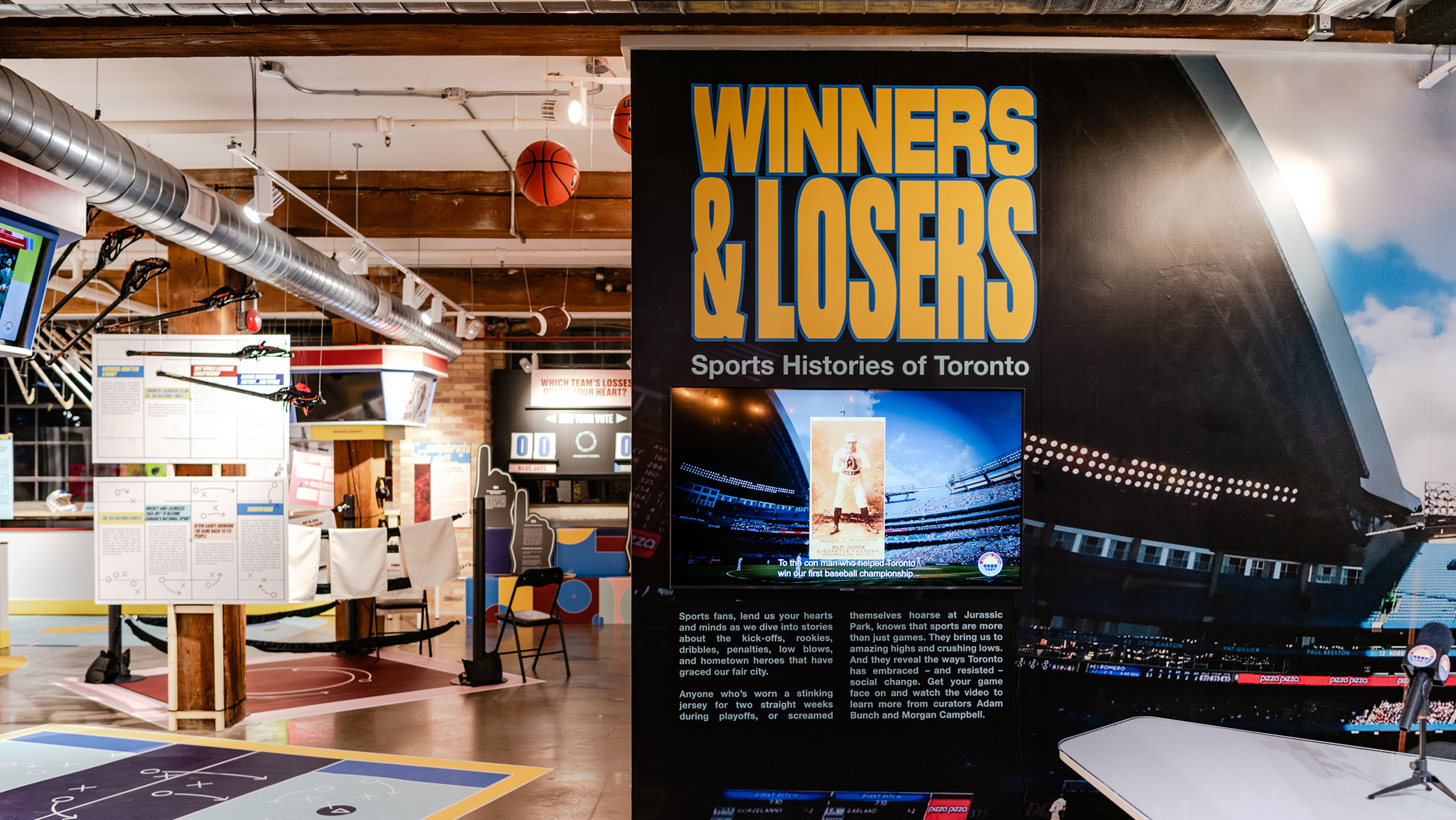
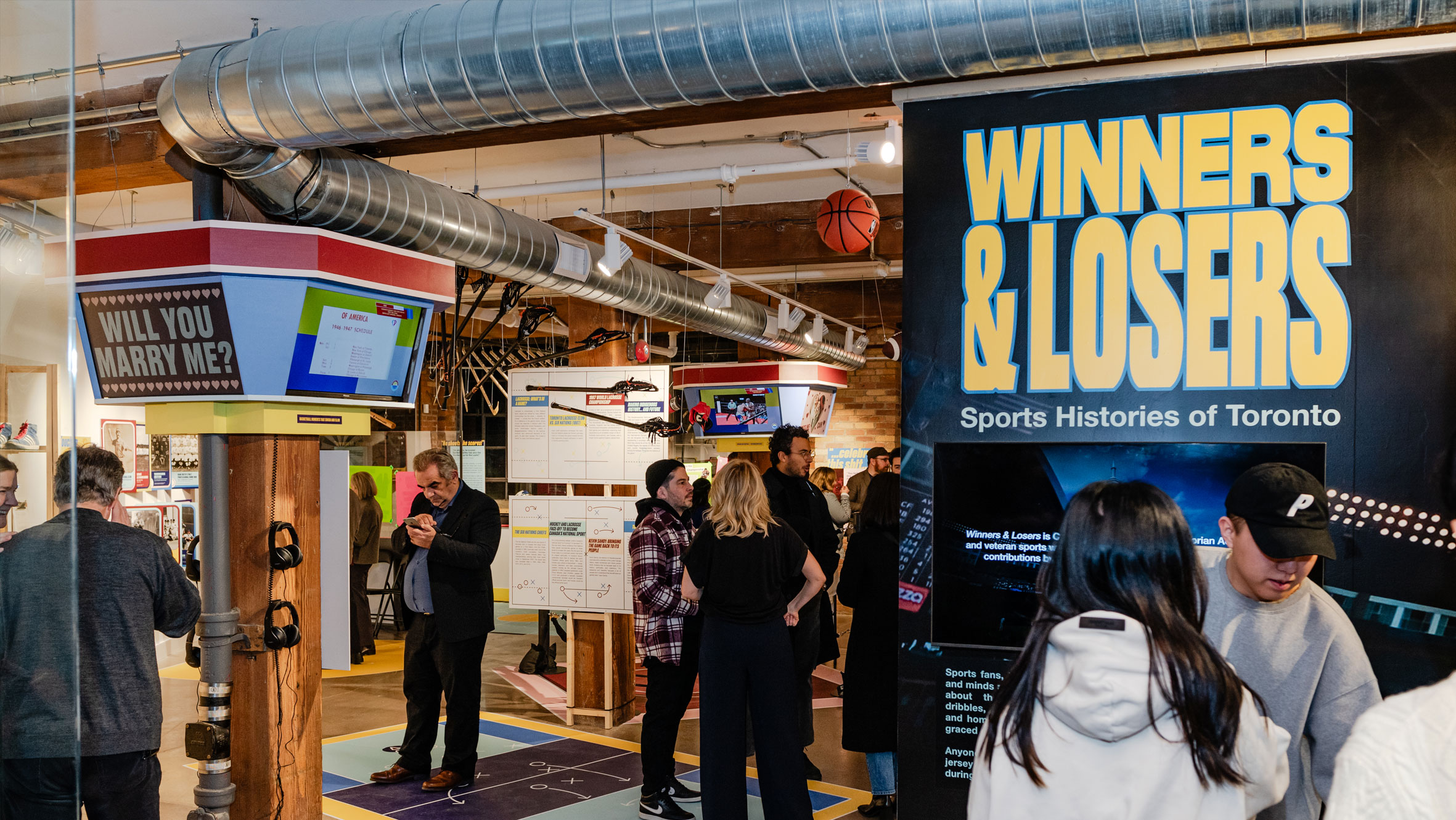
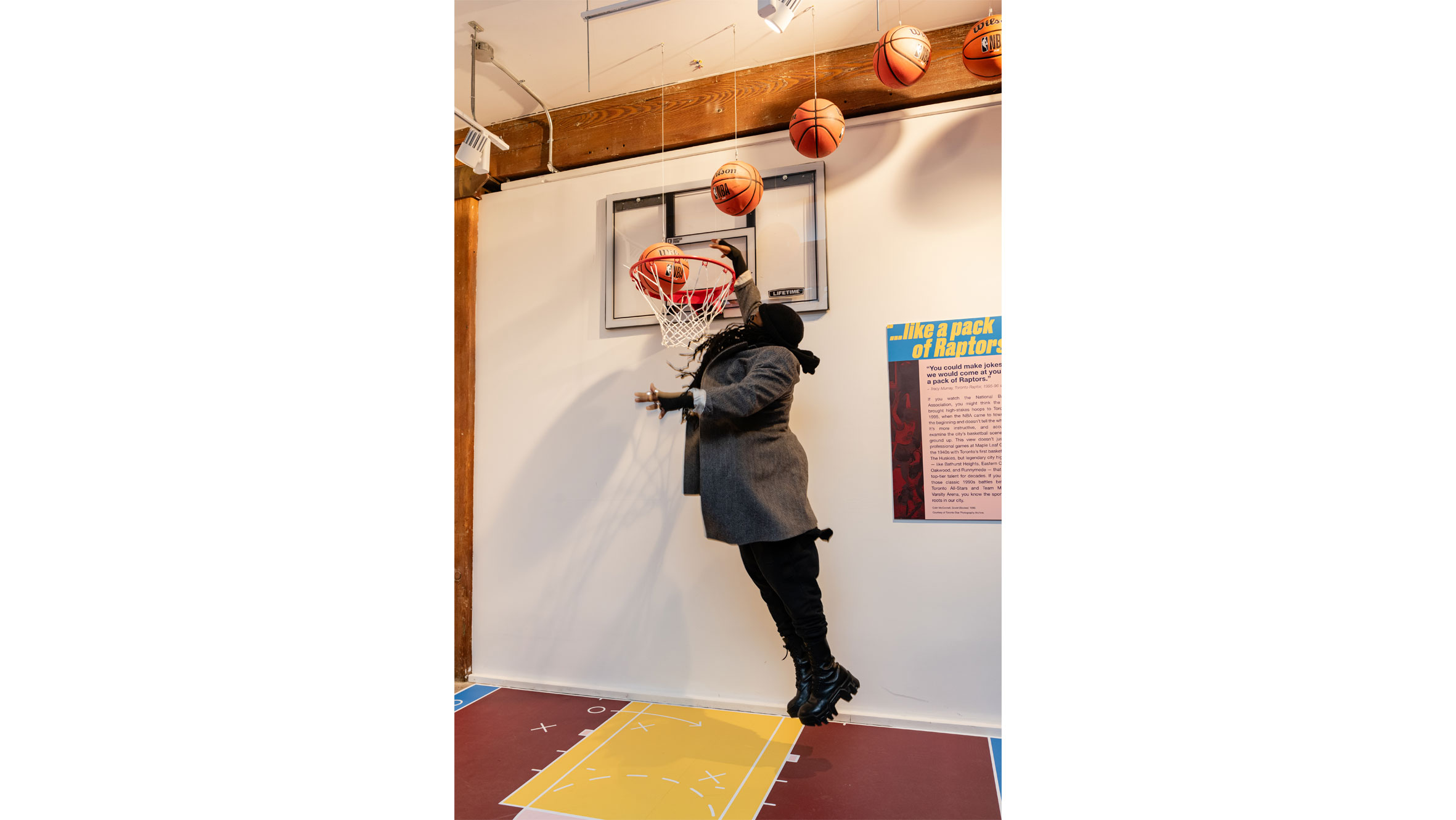
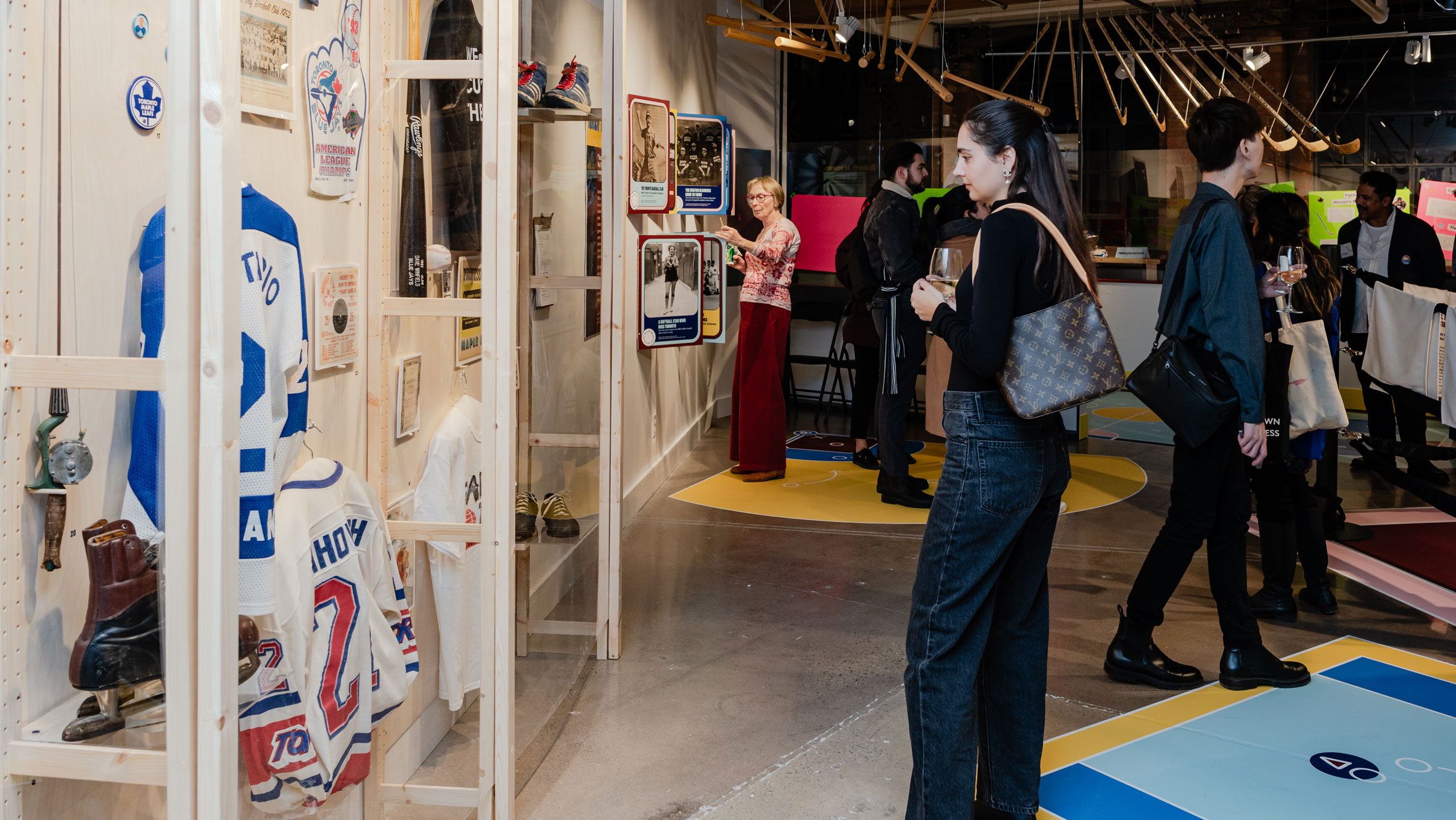
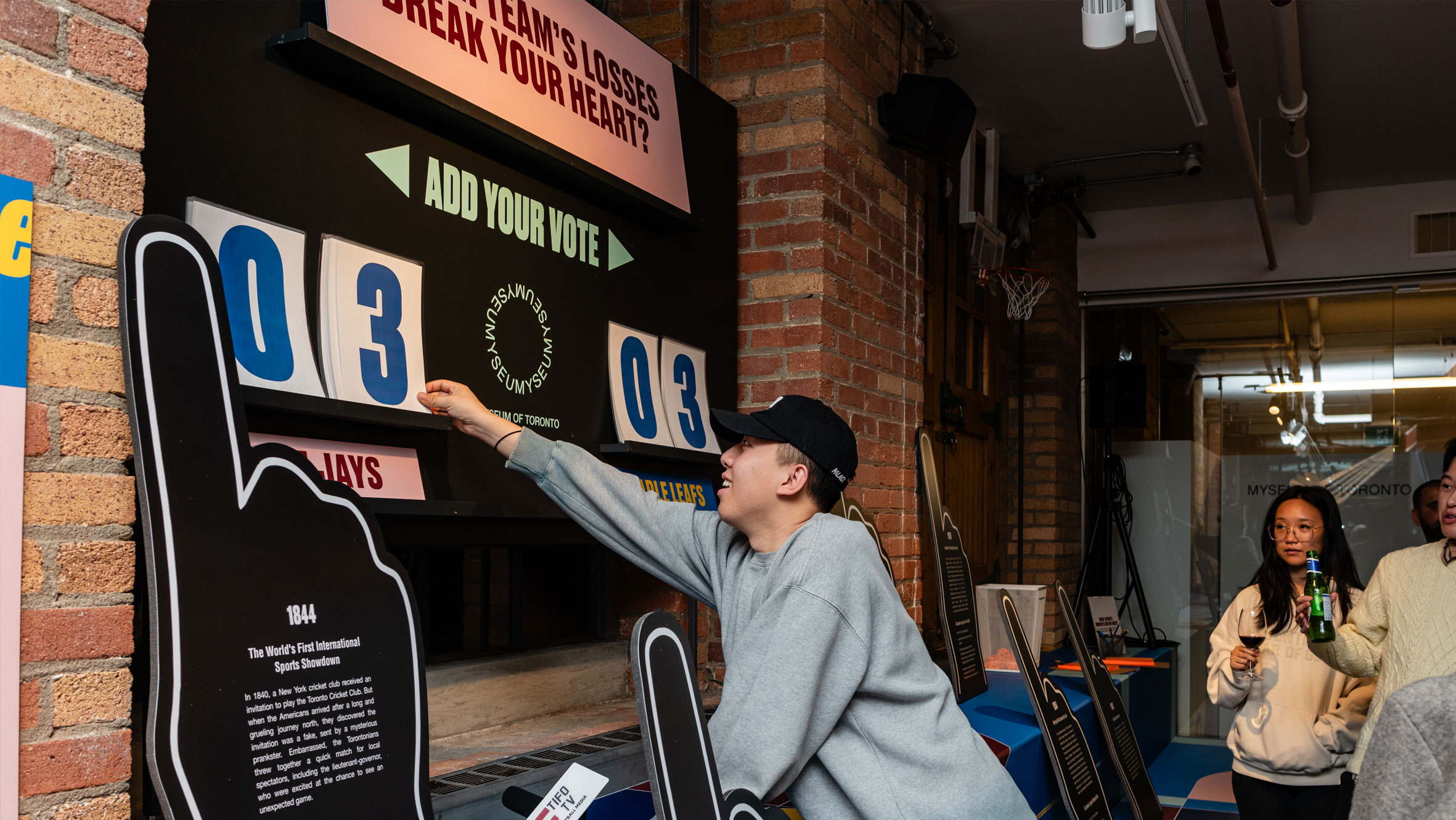
Anyone who’s worn a stinking jersey for two straight weeks during playoffs, or screamed themselves hoarse at Jurassic Park, knows that sports are more than just games. They bring us to amazing highs and crushing lows. And they reveal the ways Toronto has embraced – and resisted – social change. Get your game face on and watch the video to learn more from curators Adam Bunch and Morgan Campbell.
Winners and Losers
Digital Collection




Exhibition
Explorer
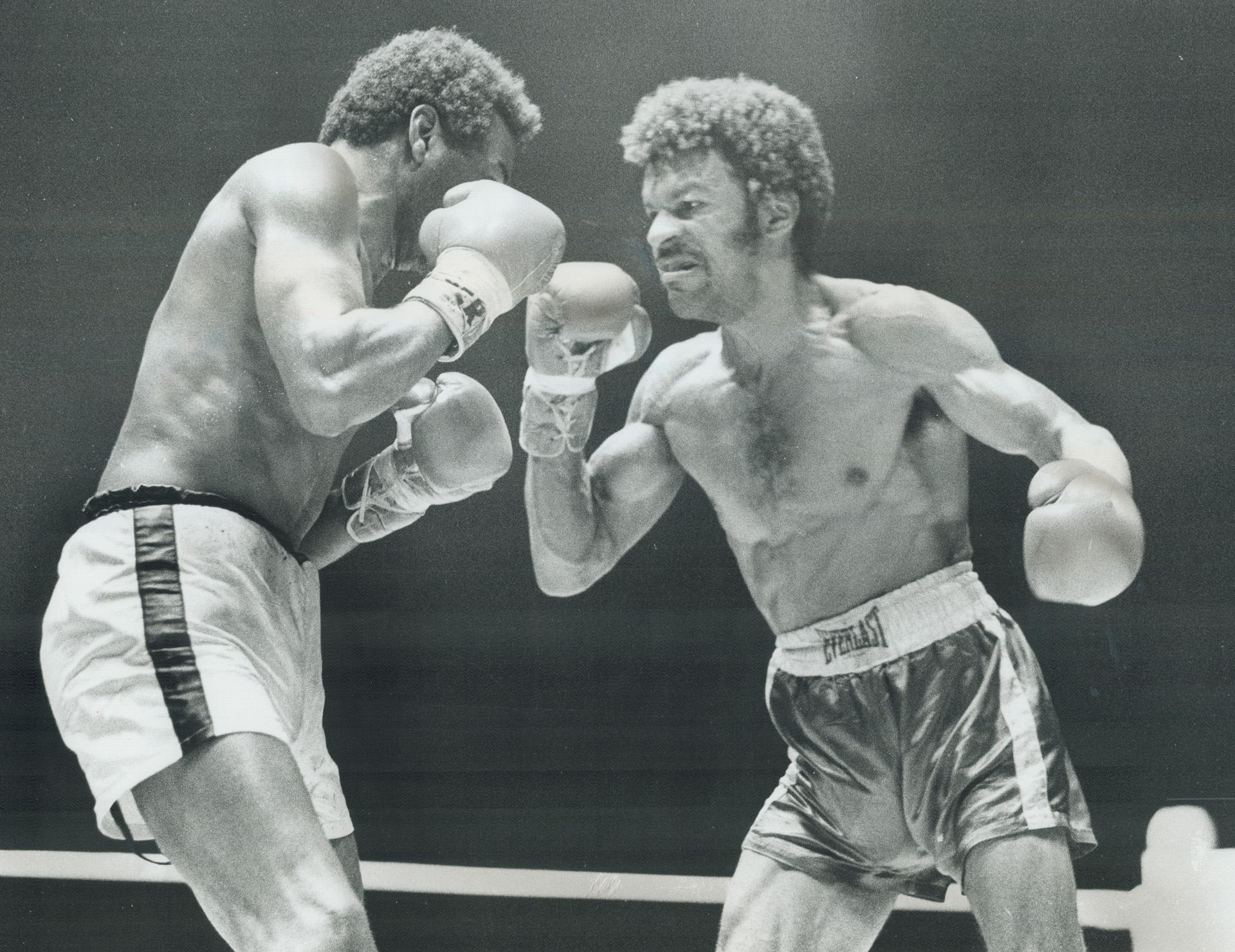
World Welterweight Championship
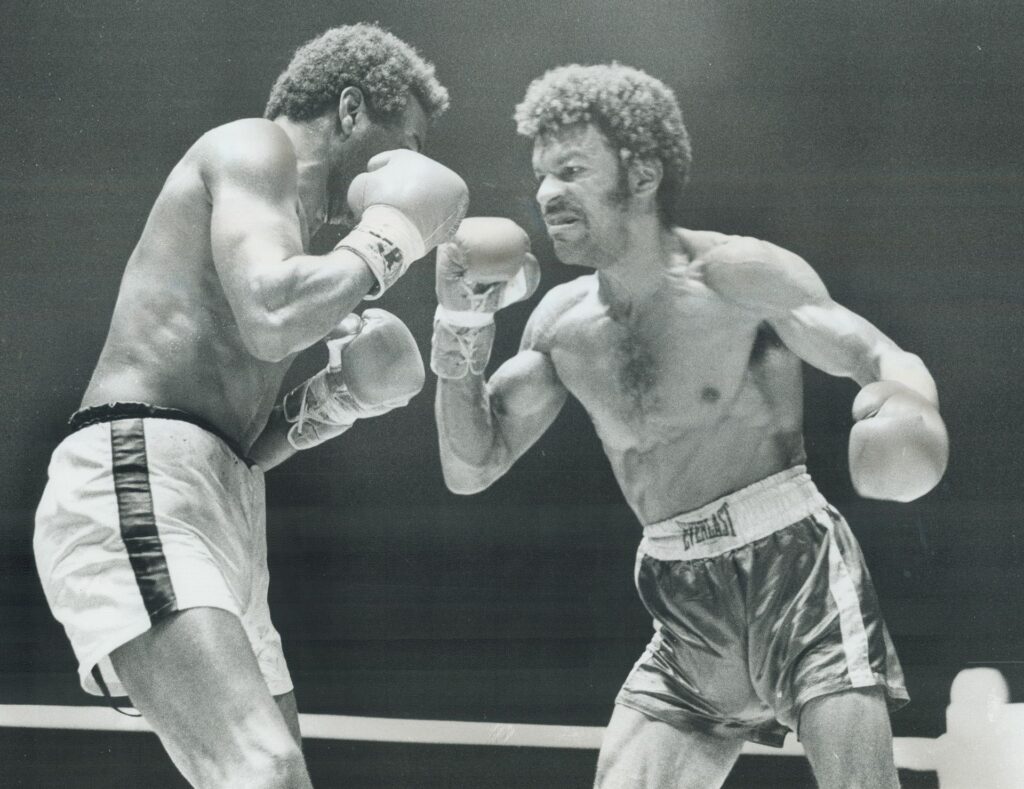
Maple Leaf Gardens – World Welterweight Championship – Jose Napoles vs. Clyde Gray
If Muhammad Ali defeating George Chuvalo in 1966 was Toronto’s most famous prize fight, José Nápoles defending his welterweight title against Clyde Gray in 1973 might be the highest-stakes matchup ever fought in the city. Nápoles, a Cuban based in Mexico, and Gray, a Toronto-based Nova Scotian, were both top-tier welterweights near their primes. Ali attended as a spectator and received a standing ovation from the audience. Nápoles and Gray delivered a thrilling match between master boxers, and Nápoles knocked Gray down once before winning.
World Welterweight Championship
Article
World Coloured Heavyweight Championship
Maple Leaf Stadium
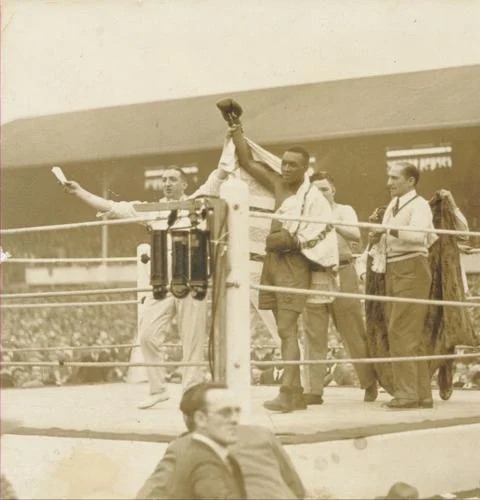
Born in Toronto, Canadian and Commonwealth boxing champ Larry Gains was nicknamed “The Toronto Terror.” Gains was a skilled, elusive boxer, who, for all his success, never fought for a world heavyweight title – a de-facto ban on Black challengers kept that championship segregated. But Gains competed for and won the “World Colored Championship” several times, including against American boxing legend George Godfrey at Maple Leaf Stadium in 1928. Godfrey was disqualified after hitting Gains with a blatant low blow. According to The Globe and Mail, the below-the-belt punch dented Gains’ aluminium groin protector.
World Coloured Heavyweight Championship
Article
Winfield Wants Noise
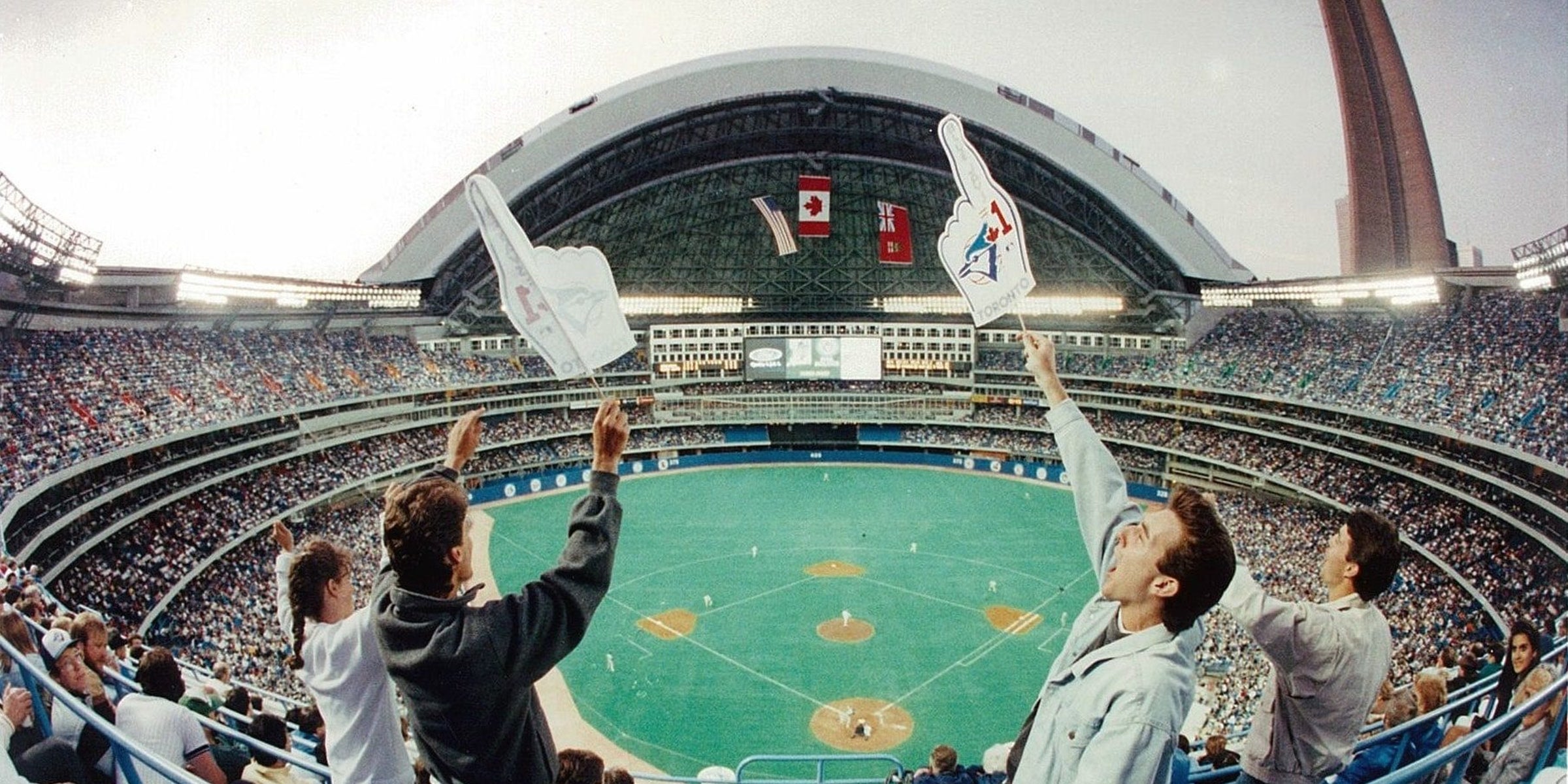
It’s very different today, but in the 1980s and ’90s, Jays fans developed a reputation for being quiet, polite, and reserved.
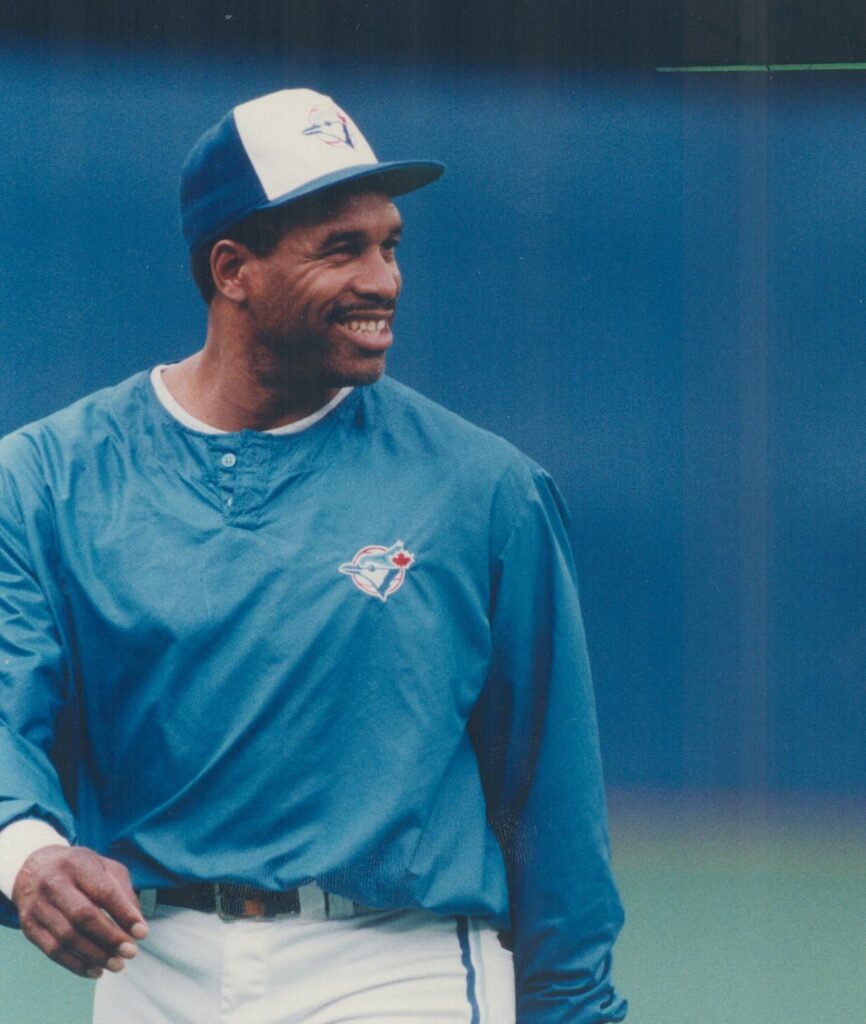
When the SkyDome (now known as the Rogers Centre) opened in 1989, the crowd’s relative silence was blamed on corporate season ticket holders, rather than true fans, buying up the seats. In 1992, designated hitter Dave Winfield called on fans to support the team more vocally. His comments sparked a “Winfield Wants Noise” campaign that inspired fans to let loose and cheer the team on to their first World Series championship.
Winfield Wants Noise
Article
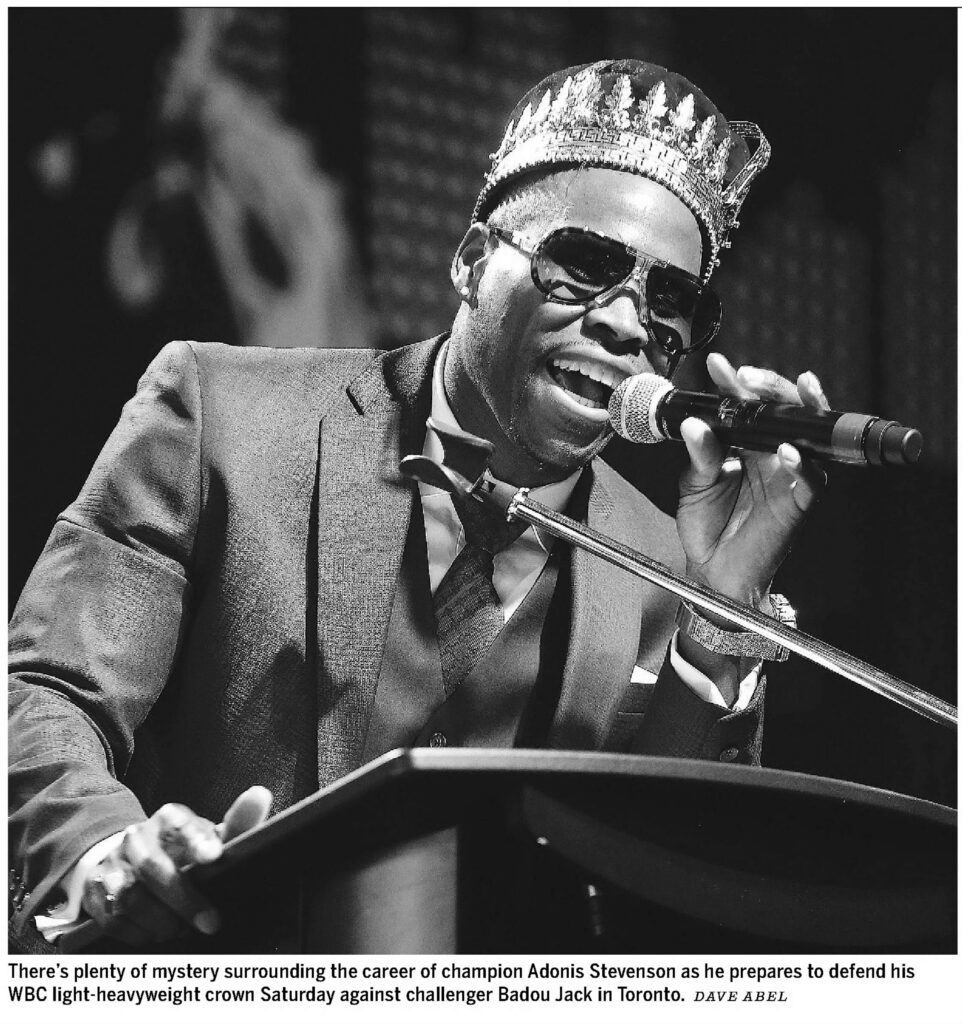
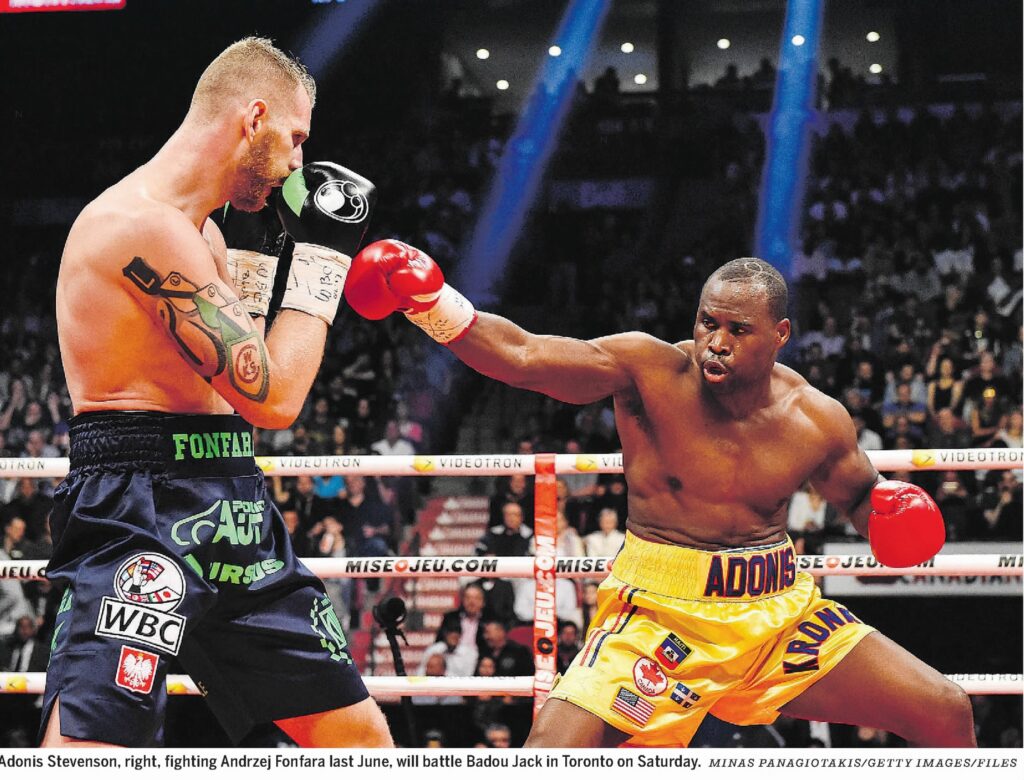
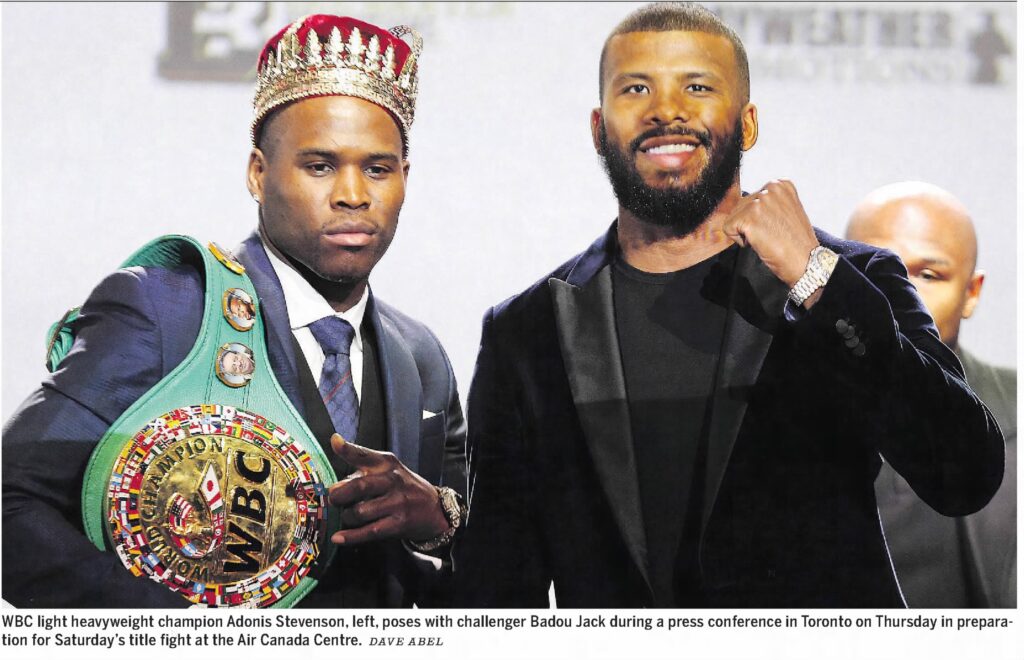
WBC World Light Heavyweight Championship
Air Canada Centre – Adonis Stevenson vs. Badou Jack
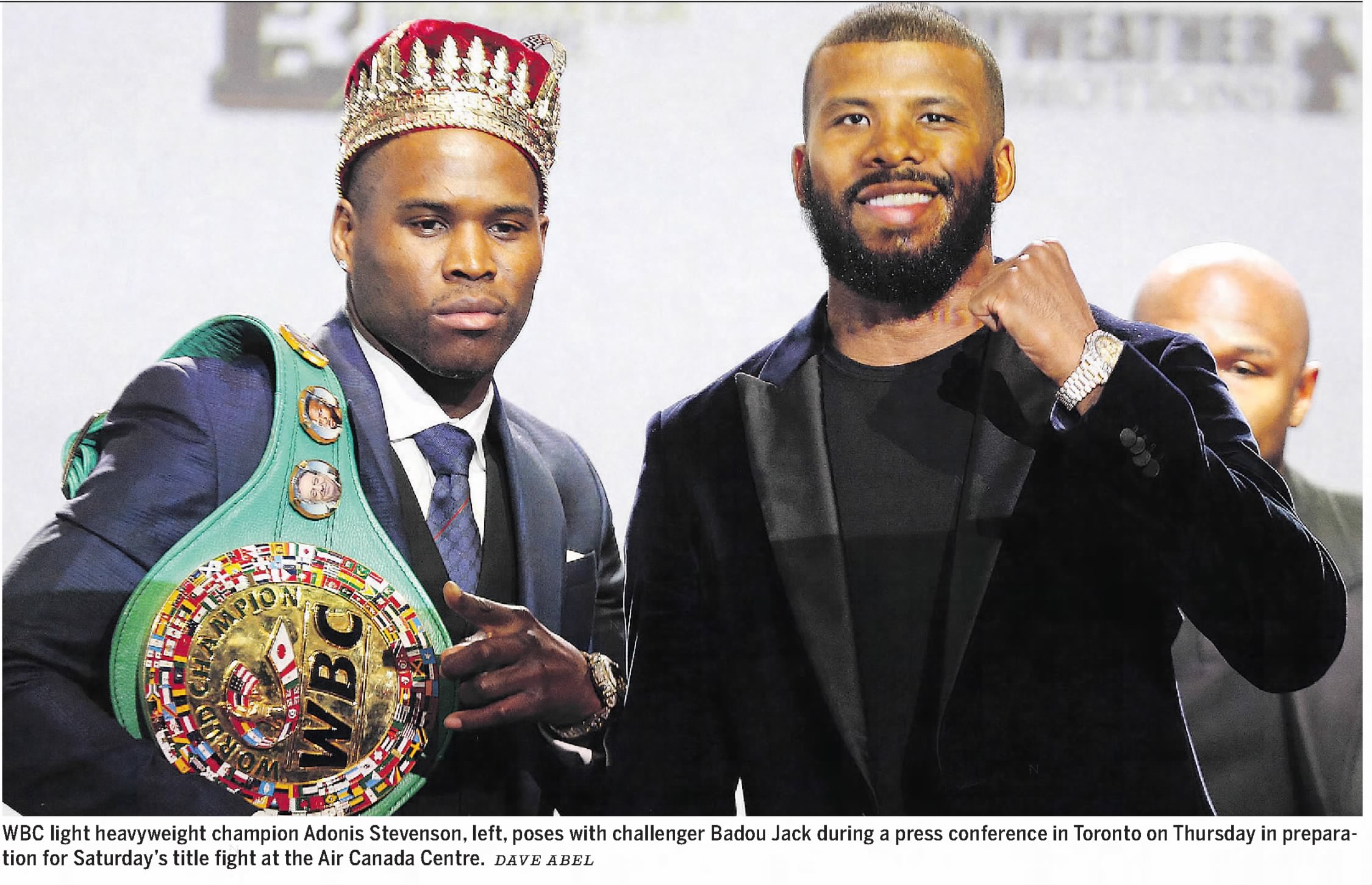
Toronto hadn’t hosted a world title boxing match since 1984, so when the world light heavyweight championship was scheduled in 2018, a question arose: could high-level boxing still thrive in the city? In the ring, Adonis Stevenson, the champion from Montreal, and Badou Jack, the challenger from Sweden, engaged in a dramatic brawl filled with momentum shifts, power-punching, and resilience. The judges scored it a draw; fans made it a success. The bout was moved from Montreal to Toronto on three weeks’ notice, but still drew 5,000 spectators. It remains the only boxing world title fight to take place at the venue now known as the Scotiabank Arena.
WBC World Light Heavyweight Championship
Article
Toronto’s Paralympic Games
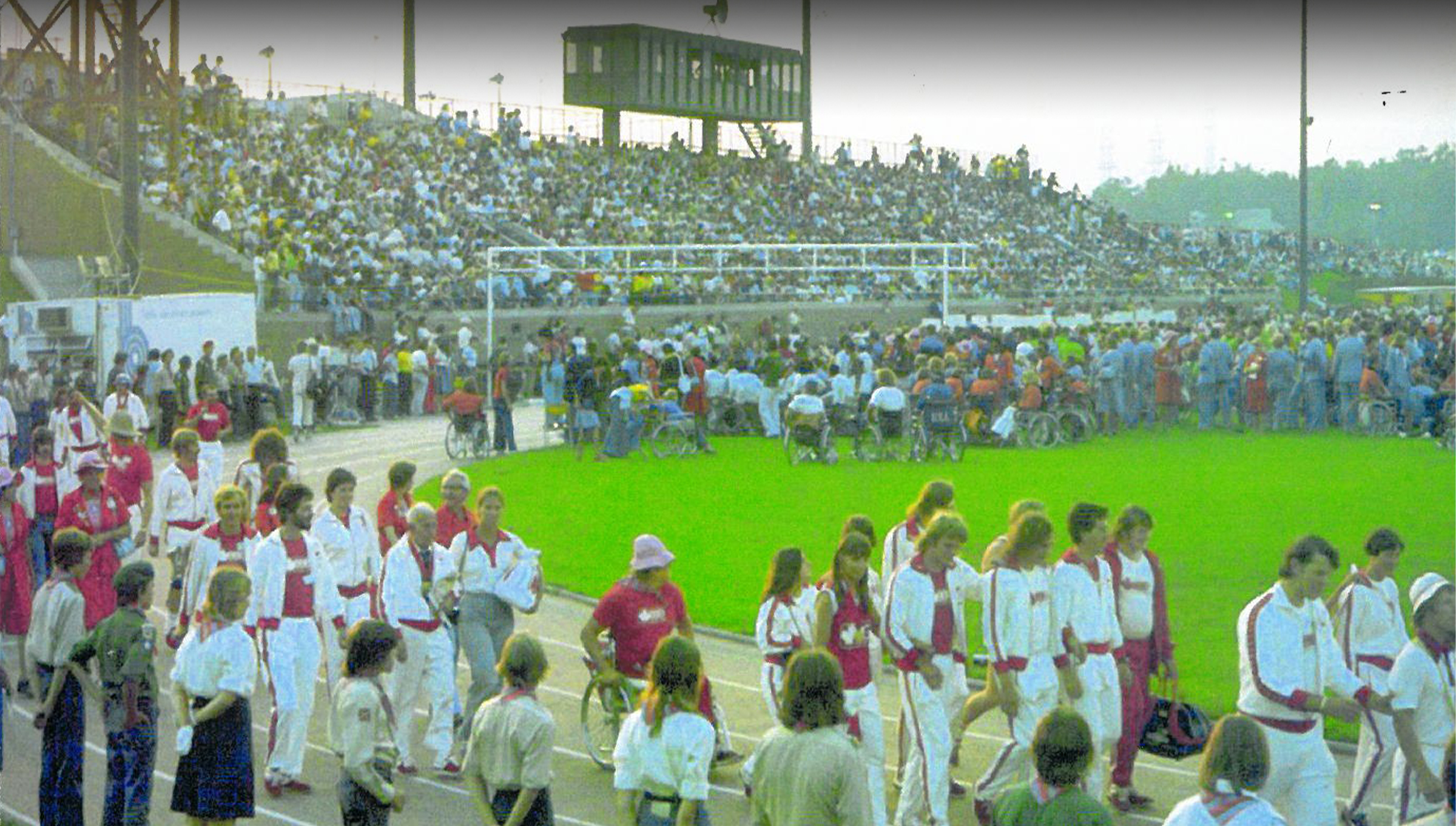
The same summer Montreal hosted the Olympic Games, Toronto hosted the fifth edition of the Paralympic Games, known as the Toronto Olympiad for the Physically Disabled at the time.
The opening ceremonies were held at Woodbine Racetrack, where a crowd of 24,000 welcomed athletes from more than forty countries. Canadian fans cheered our Paralympians on as they won 25 gold medals. These were the first televised Paralympics, and the event’s success inspired the federal government to increase funding for athletes with disabilities competing at the highest level.
A Canadian Legend: Arnie Boldt
- Born 1957, Osler, Saskatchewan.
- Lost a leg at the age of three in a farming accident.
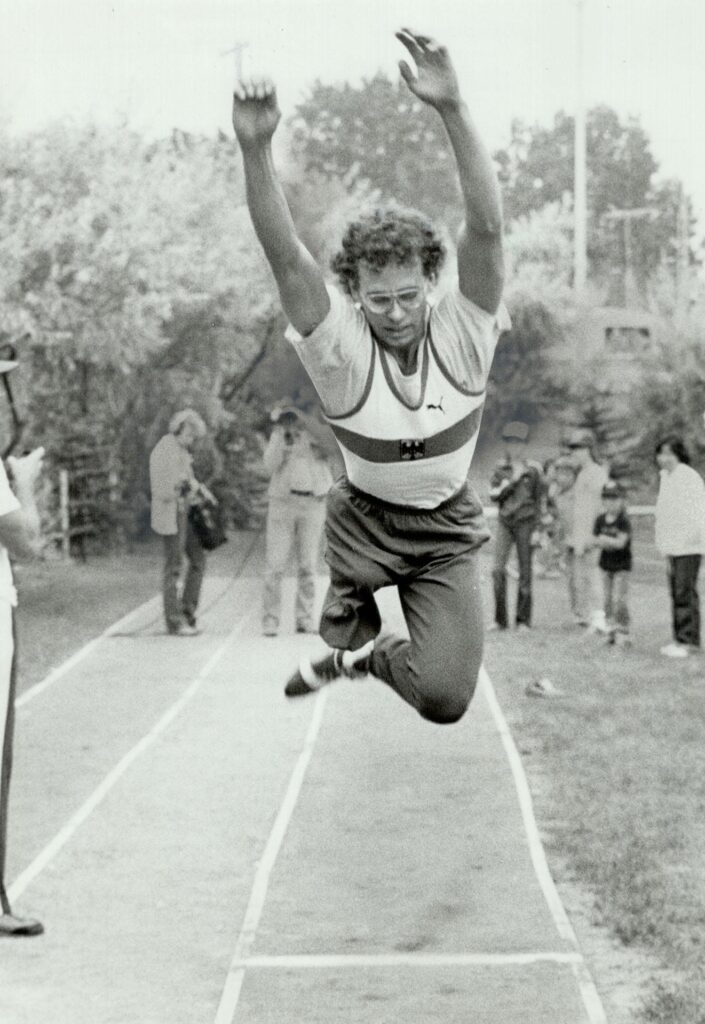
- Won three gold medals at the Toronto Paralympics, setting new records in the high jump and long jump, and recognized as the “Outstanding Performer of the Games.”
- Competed in seven Paralympic games – most recently at the 2012 Summer Paralympics in para-cycling at the age of 65.
Toronto’s Paralympic Games
Article

Toronto’s New Hockey Champions
Sure, the Leafs haven’t won a Stanley Cup in over 50 years…but our city has still been able to celebrate some incredible champions.
The Toronto Aeros won back-to-back-to-back titles in the National Women’s Hockey League in 2000, 2001 and 2002. The Toronto Furies took home the crown of the Canadian Women’s Hockey League in 2014. And the Leafs’ Toronto-based farm teams, the Marlboros and Marlies, have also been champs numerous times throughout their histories.
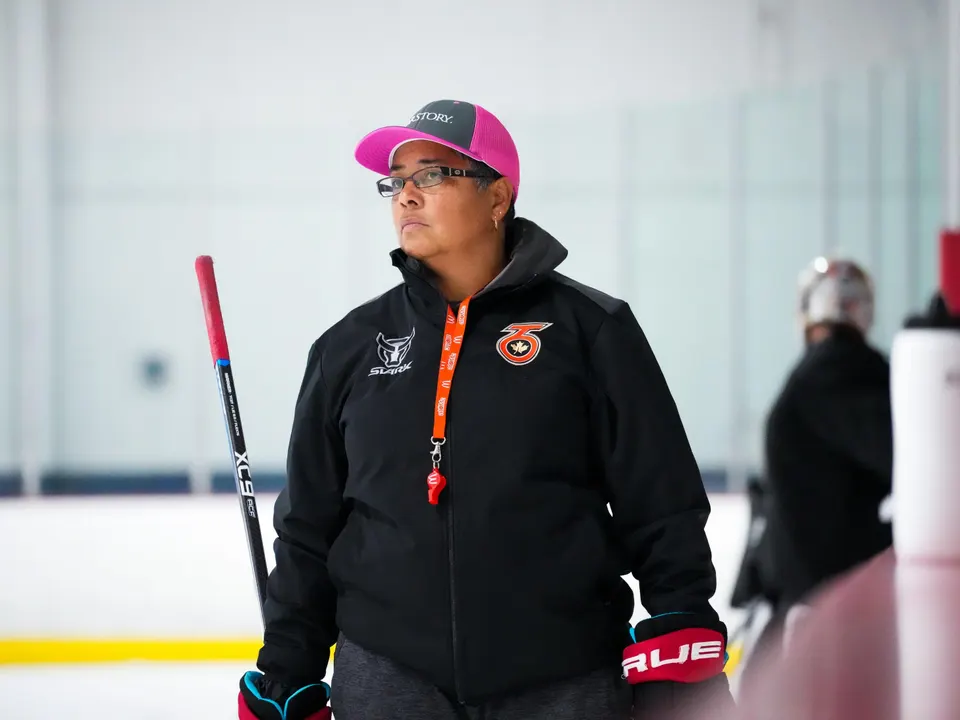
In 2023, the Toronto Six – with women’s hockey superstar Angela James at the helm as general manager – became champions of the Premier Hockey Federation. And while that league folded, the creation of a new women’s league was recently announced. When our city’s new team takes the ice in the Professional Women’s Hockey League, a new era of Toronto’s hockey history will begin.
Toronto’s New Hockey Champions
Article
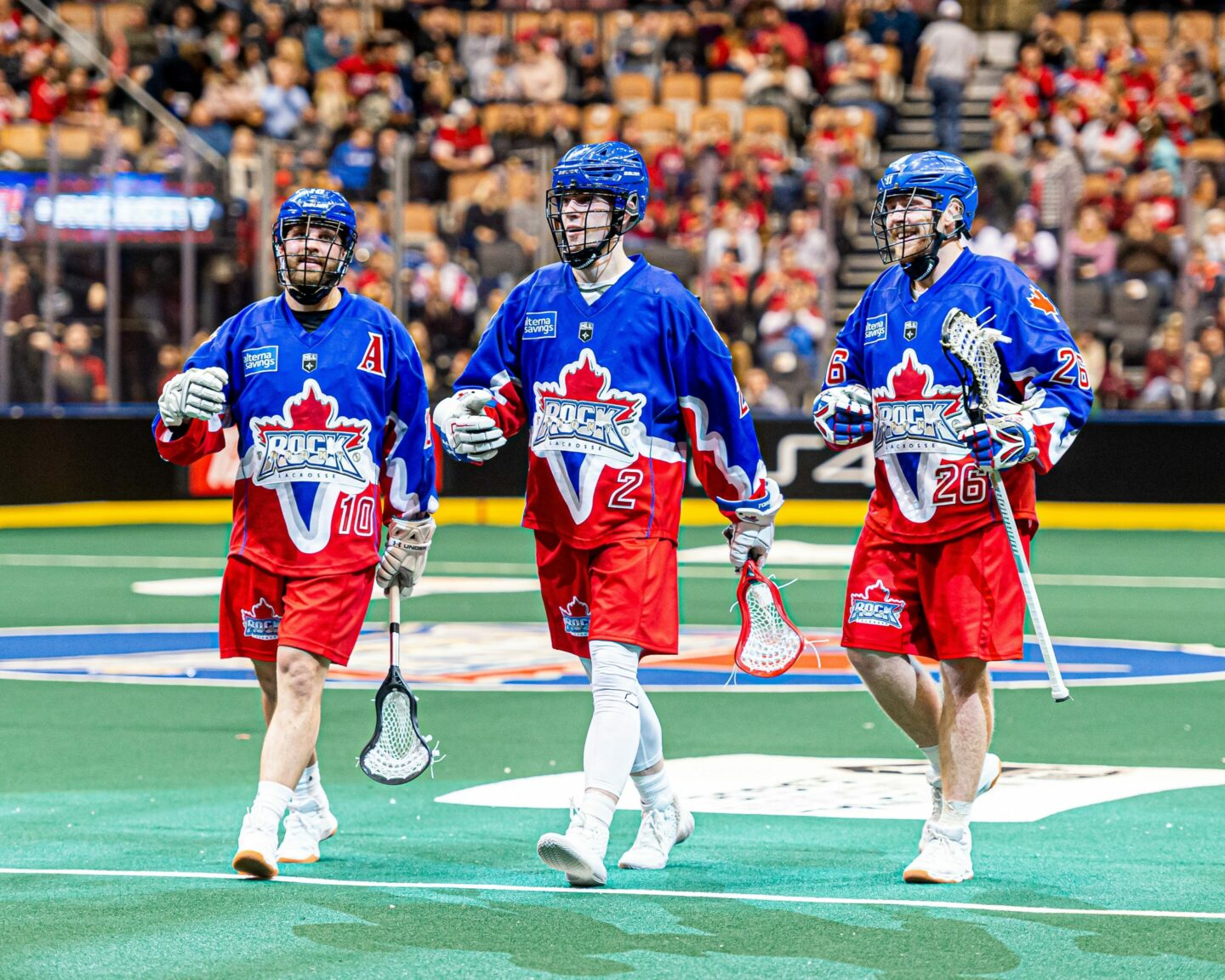
Toronto Rock
The Toronto Rock was the first Canadian franchise in the professional National Lacrosse League (NLL).
The Rock, founded in 1998, played its first season in Hamilton where the club was called the Ontario Raiders. The franchise relocated to Toronto in 1999 and enjoyed immediate success, winning four NLL championships (1999, 2000, 2002 and 2003) in five years.
The Rock also captured NLL titles in 2005 and 2011. With six titles, the Rock is tied with the Philadelphia Wings for the most NLL championships in league history. Originally, the Rock played its home games at Maple Leaf Gardens. When the arena closed, the Rock moved to Scotiabank Theatre. In December 2021, the team returned to Hamilton, but the franchise has maintained its Toronto Rock moniker.
Toronto Rock
Article
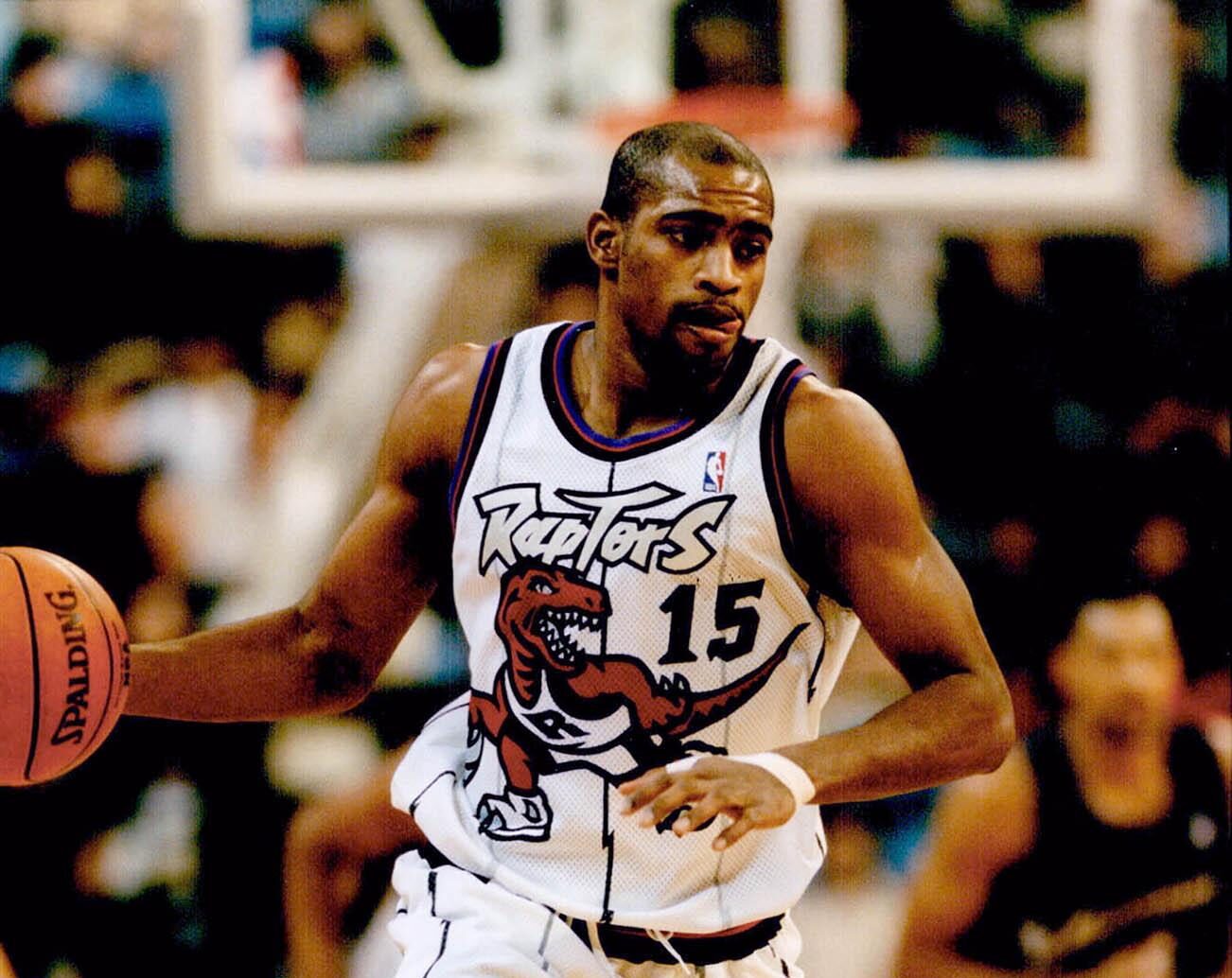
Toronto Raptors Draft Vince Carter
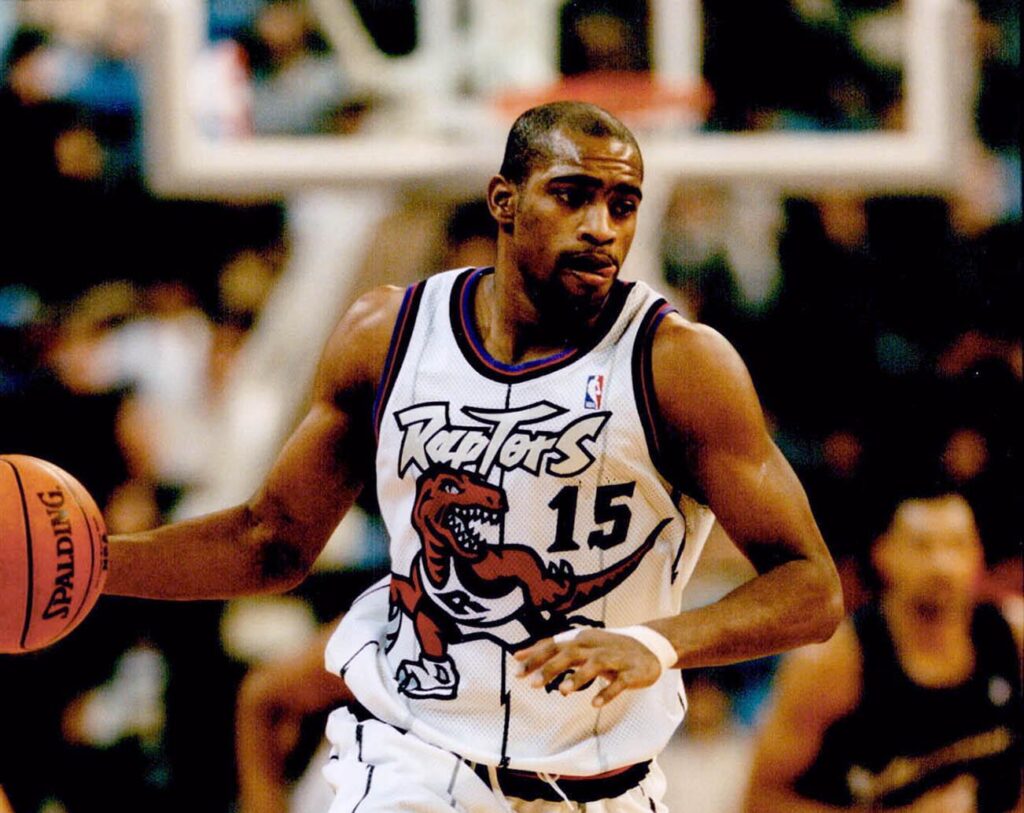
There’s no debate: Vince Carter’s arrival from the University of North Carolina energised the Toronto Raptors and its fan base.
He was a prolific scorer who could pass, and a fearless dunker who won the 2000 National Basketball Association’s annual Slam Dunk Contest, hitting a windmill dunk before turning to the TV camera and declaring, “It’s over.” Carter’s standout college career meant he arrived in Toronto with a following that propelled the Raptors into the U.S. media spotlight. He averaged 27.6 points in 2000-2001, when the Raptors made the Eastern Conference Final. More importantly, he helped transform the club from expansion team to big-time franchise with championship ambition.
Toronto Raptors Draft Vince Carter
Article
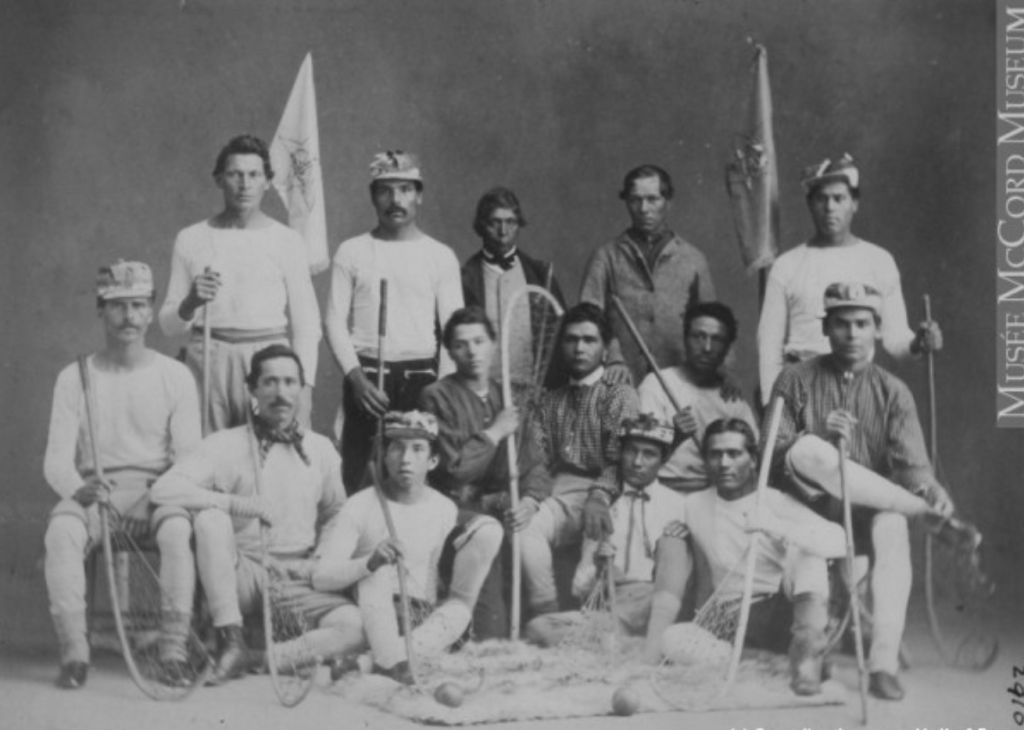
Toronto Lacrosse Club vs. Six Nations (1867)
Over 4,000 spectators witnessed the team from Six Nations defeat the Toronto Lacrosse Club 3-2.
It’s likely this game marked the first time organisers charged admission to watch a Toronto sporting event.
Toronto Lacrosse Club vs. Six Nations (1867)
Article
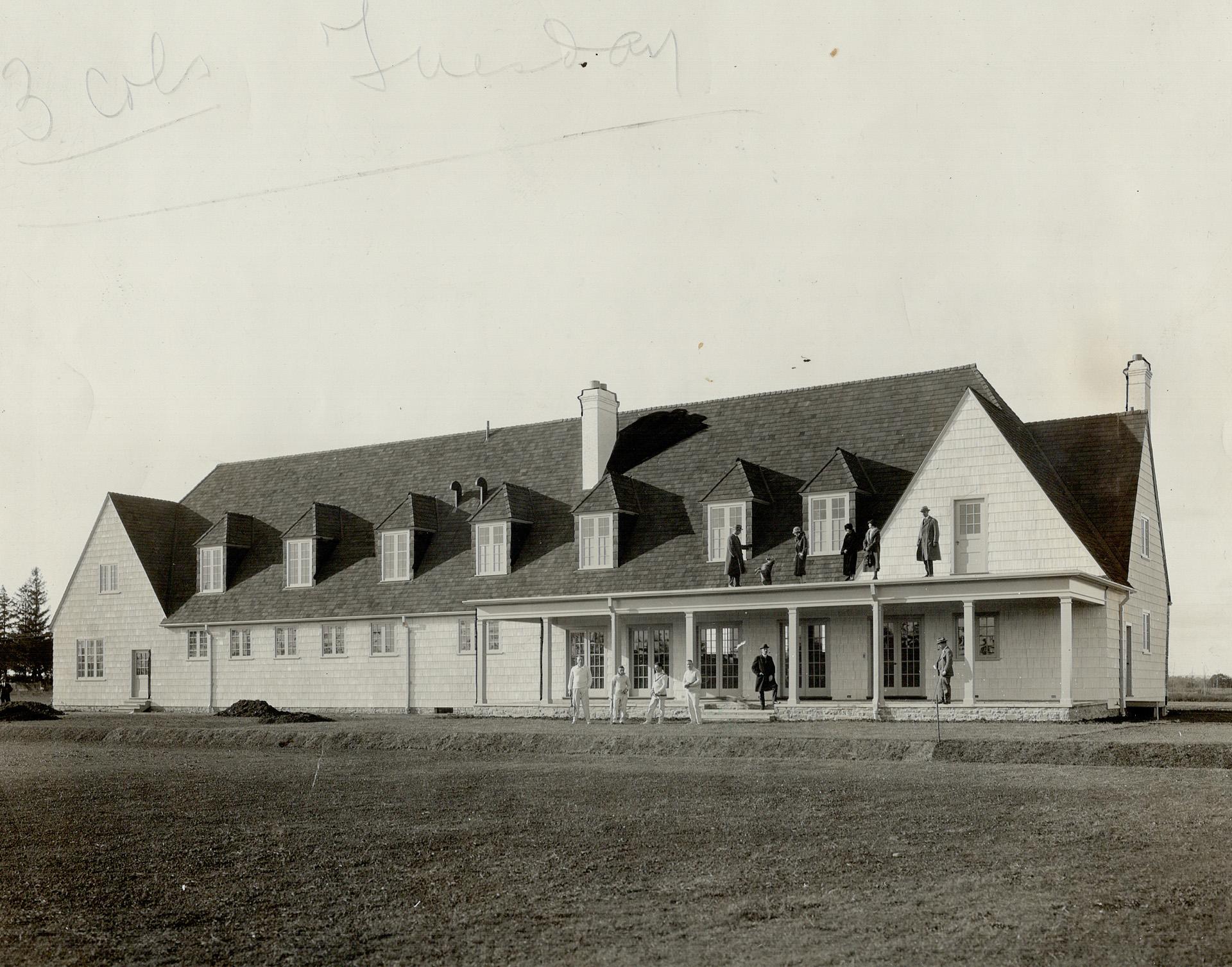
The World’s First International Sports Showdown
In 1840, a New York cricket club received an invitation to play the Toronto Cricket Club.
But when the Americans arrived after a long and gruelling journey north, they discovered the invitation was a fake sent by a mysterious prankster. Embarrassed, the Torontonians threw together a quick match for local spectators, including the lieutenant governor, who were excited at the chance to see an unexpected game.
The World’s First International Sports Showdown
Article
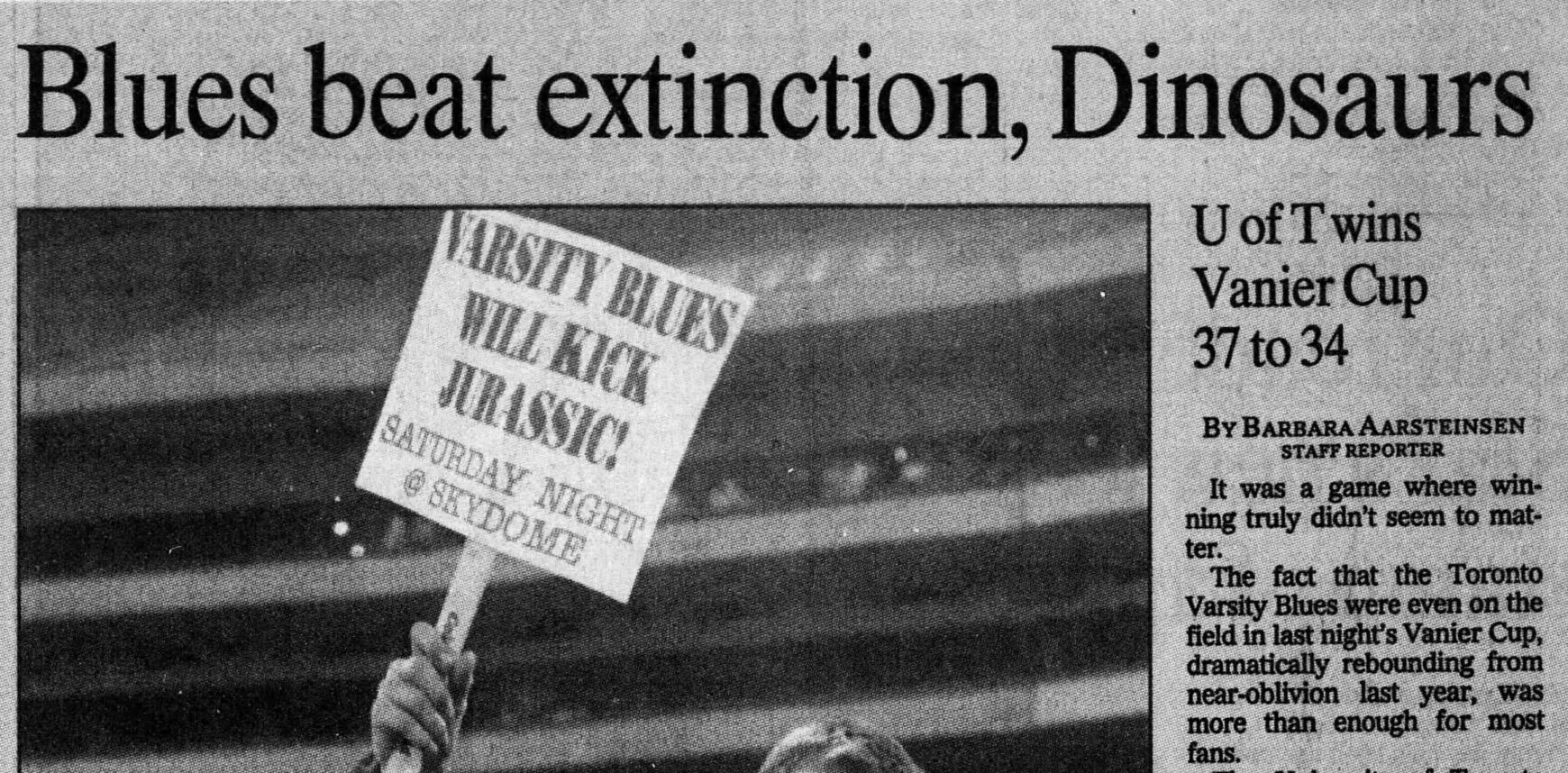
The Vanier Cup
SkyDome – University of Toronto 37 vs. University of Calgary 34
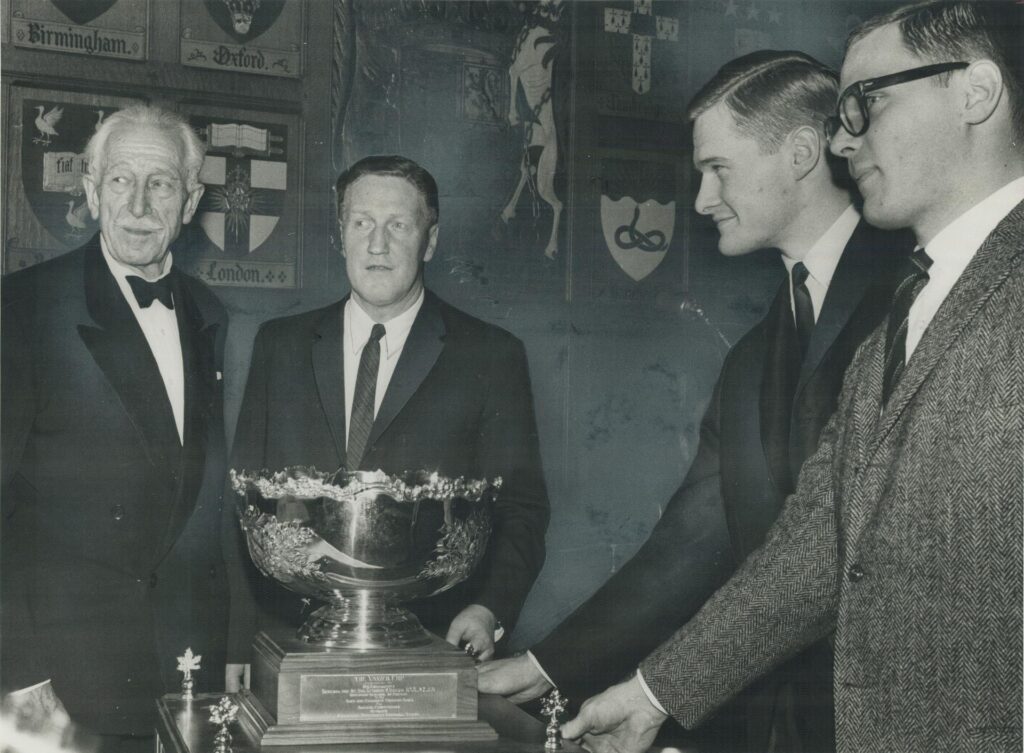
In 1993, the University of Toronto’s Varsity Blues both won the championship and overcame cancellation. The university needed to plug a $1.3 million budget gap, so they opted to drop the school’s most expensive sport – football. The team proposed a compromise: if the school covered half the cost, the team and alumni would fundraise the rest. That deal salvaged the season, in which the Varsity Blues, behind stars like Glenn McCausland, Francis Etienne and Lou Tiro, won 11 games and lost just one, and finished the season with a dramatic victory over Calgary to win the national championship.
The Vanier Cup
Article
The Toronto Baseball Club
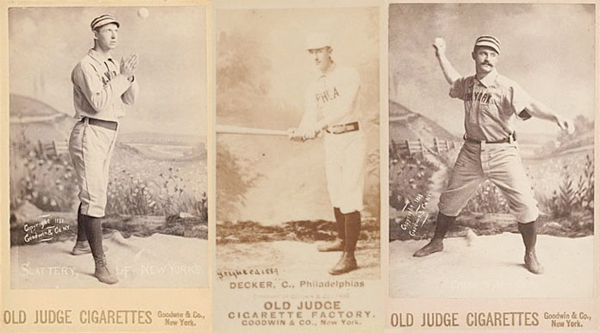
The Toronto Baseball Club was our city’s first professional baseball team.
In 1887, the team boasted a talented roster that included catcher Harry Decker, a con artist who later played for the team at San Quentin Prison, and pitching ace Ned “Cannonball” Crane, who was also the club’s best hitter and would soon become a notorious alcoholic who travelled the world with his pet monkey. Crane hit the city’s first legendary home run, a blast that won the second game of a doubleheader in which he also pitched all 20 innings. The day’s victories sparked a 16-game winning streak for the team that brought Toronto the International League pennant, the city’s first baseball championship.
The Toronto Baseball Club
Article
THE THIRD PERIOD: 1968 to today
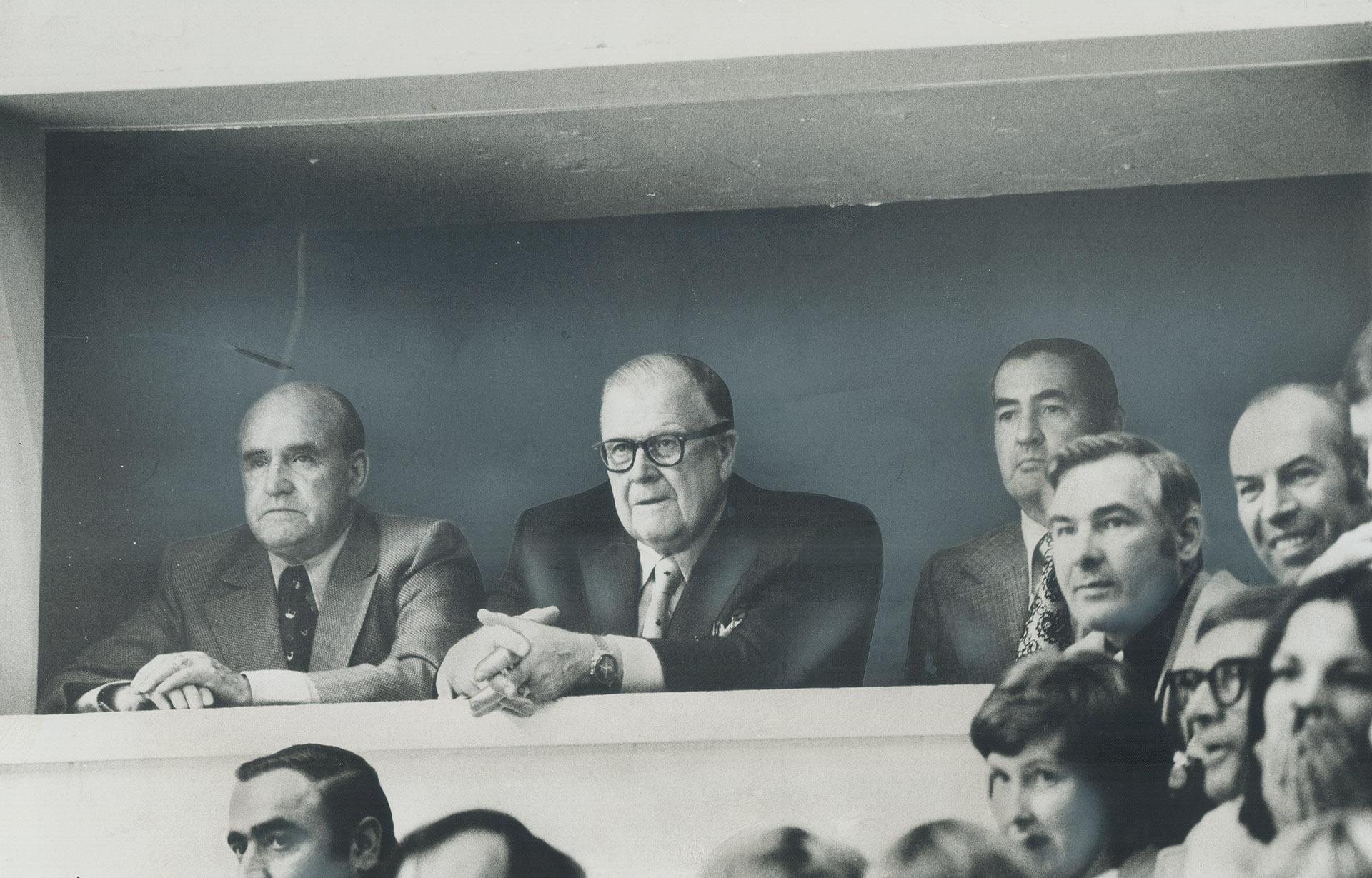
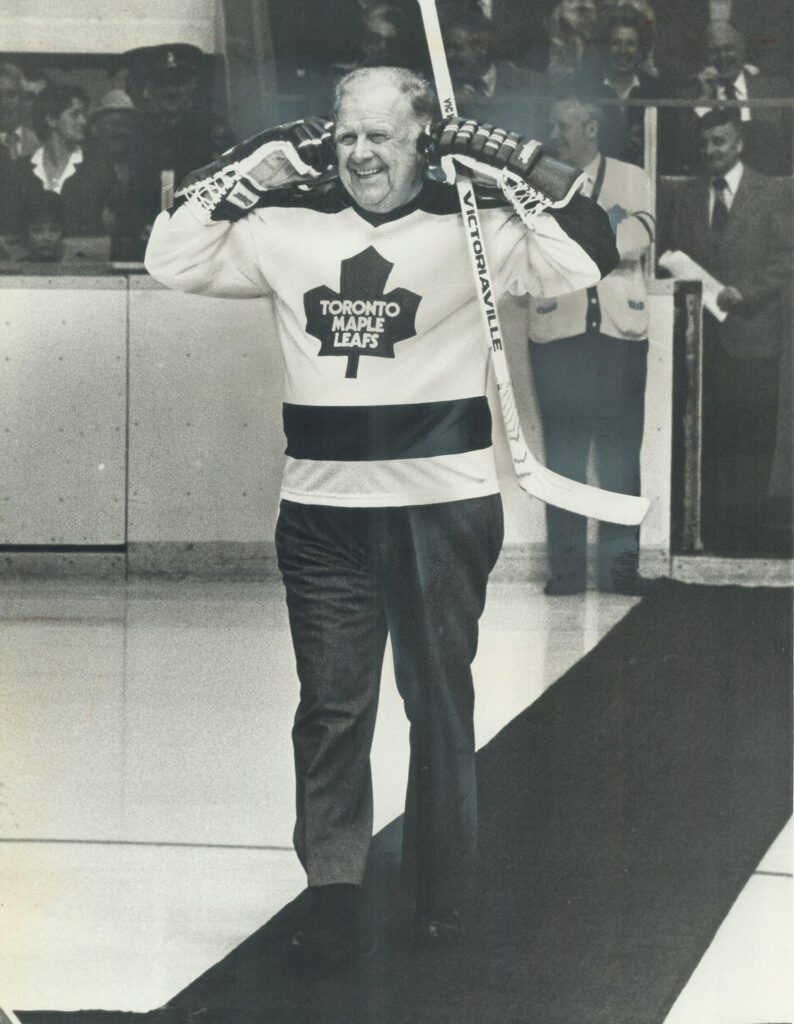
The Maple Leafs last won the Stanley Cup in 1967.
The drought goes back to the days of Harold Ballard, whose infamous reign over the team included a year spent in prison on charges of theft and fraud as well as racism, xenophobia, misogyny, and employees convicted of sexual abuse.
But while the decades of heartbreak and disappointment on the ice have taken a toll on Toronto’s civic spirit, the Leafs haven’t been the only hockey team in town. Read on to discover more about other hockey heroes from our city.
THE THIRD PERIOD: 1968 to today
Article

The Six Nations Chiefs
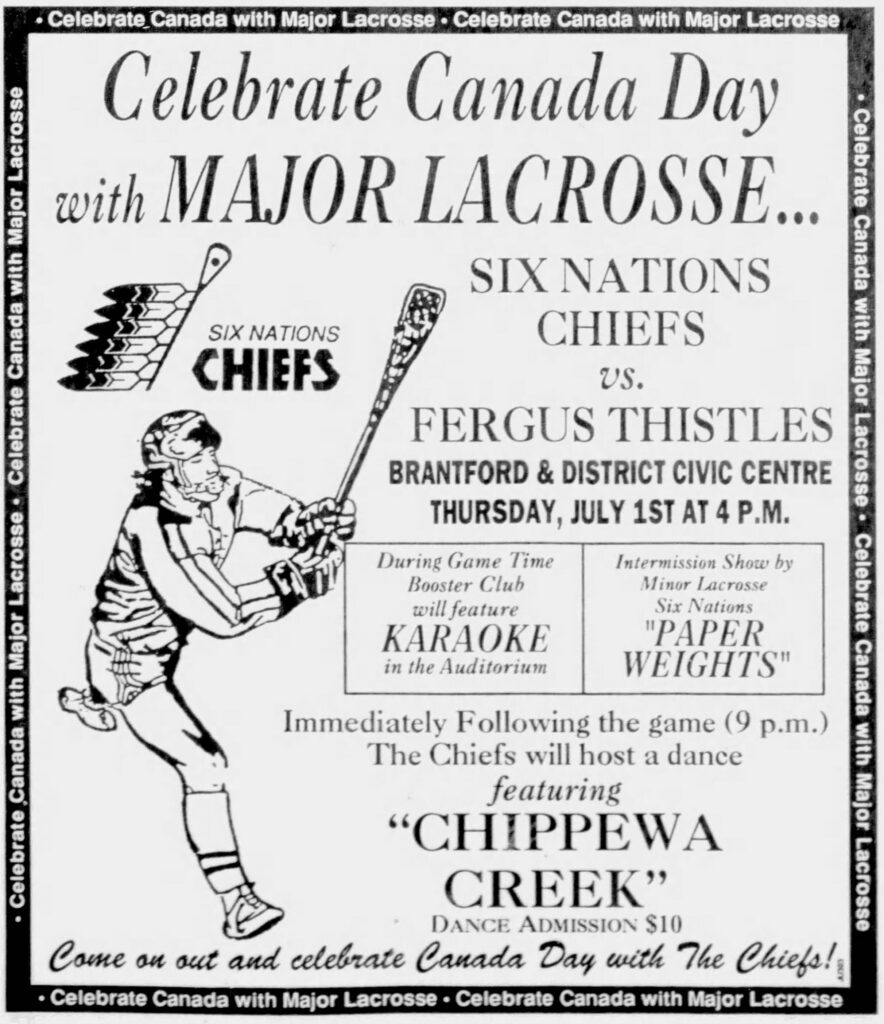
The Six Nations Chiefs are the only Senior A lacrosse club in Canada that plays home games on a First Nation.
And the Chiefs, founded in 1993, have also been one of the country’s most successful franchises. They’ve won seven national Mann Cup championships, winning their most recent crown in September 2023. The squad also won Canadian titles in 1993, 1994, 1996, 2013, 2014, and 2016.
The Six Nations Chiefs
Article
The Short-Lived Toronto Phantoms Era
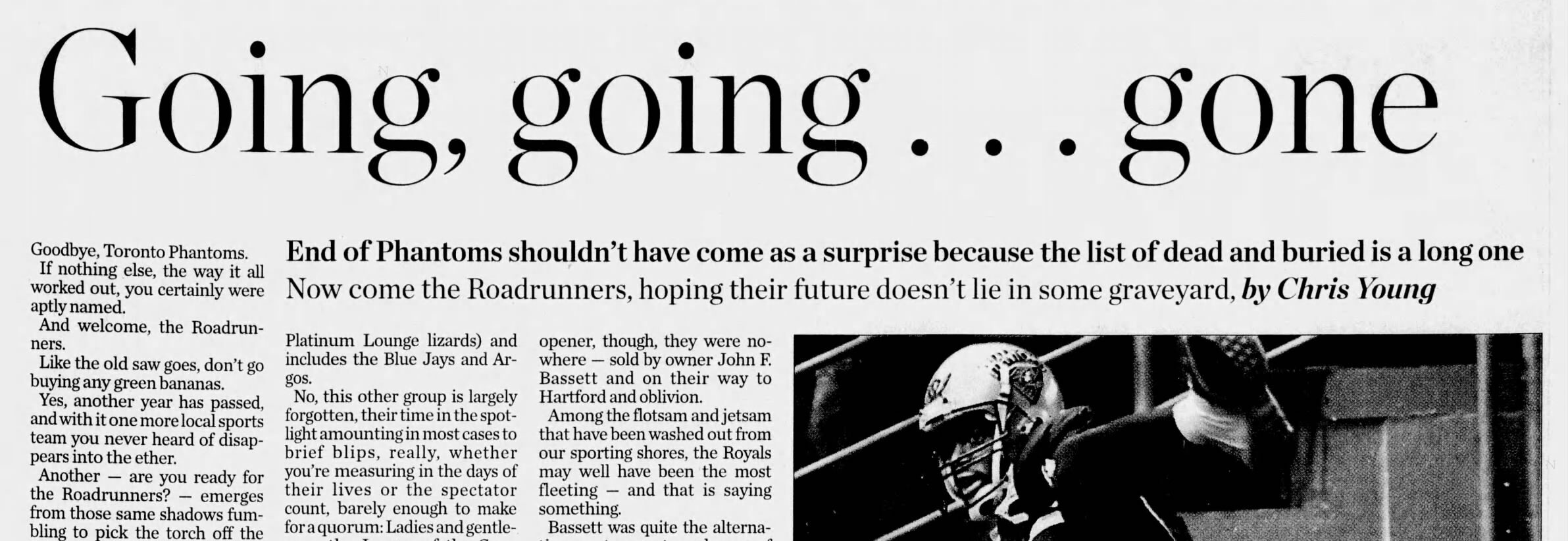
This franchise began in New York State and moved to Connecticut before relocating and renaming themselves The Phantoms for the 2001 Arena Football League season.
They never stood a chance. Torontonians love big-league sports, but the Arena Football League was a third-tier circuit. The Phantoms posted tepid results: in 2001, they won 8 and lost 6 games. In 2002, they managed 5 wins and 9 losses. Audiences never warmed to them and attendance at most games hovered just below 7,000. The team suspended operations in 2002, and never returned.
The Short-Lived Toronto Phantoms Era
Article
THE SECOND PERIOD: 1927 to 1967
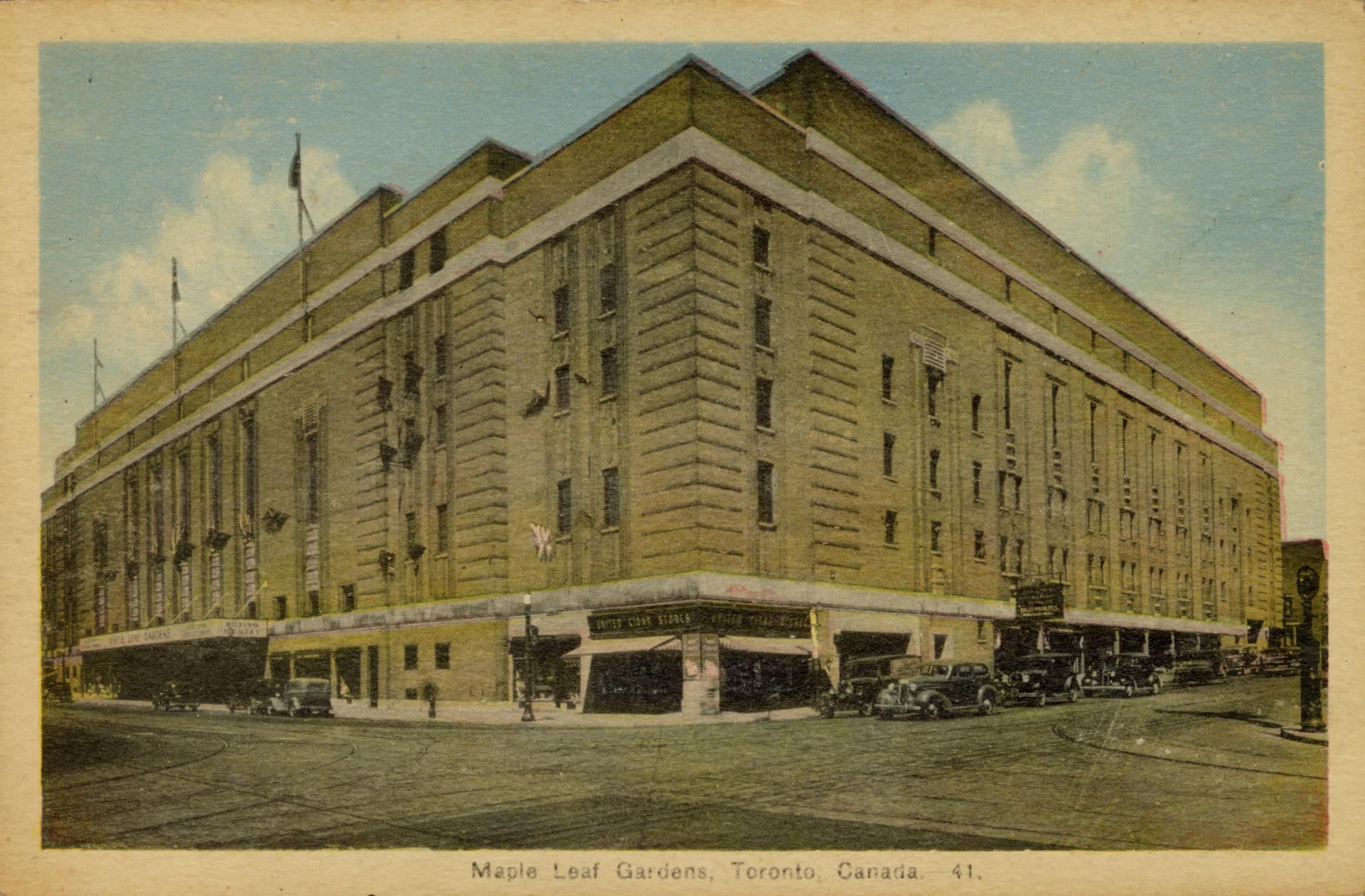
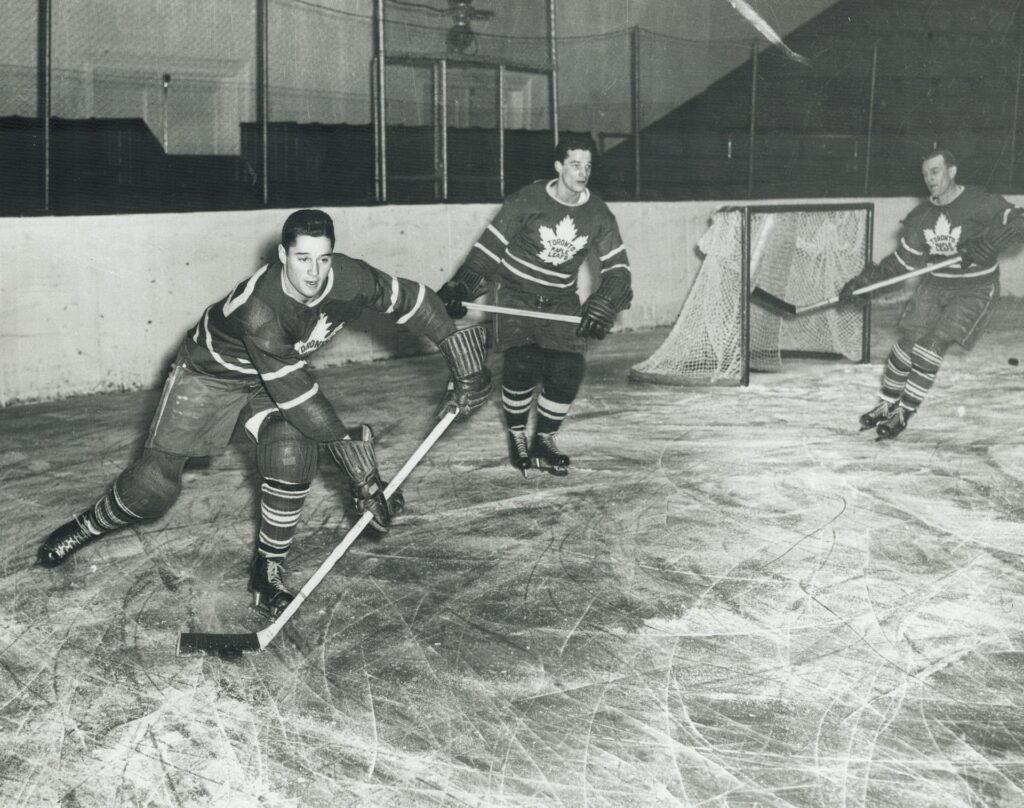
Toronto’s National Hockey League franchise was originally known as the Arenas when the club was founded in 1917.
Two years later, they were renamed the St. Patricks. When Conn Smythe, a local entrepreneur, bought the team in 1927, he renamed them The Toronto Maple Leafs and gave them blue and white uniforms. He claimed the colours were meant to represent Canadian sky and snow, but they also happened to match the branding of his sand and gravel business (as well as the look of other local teams). Smythe owned the Leafs for decades, winning eight Stanley Cups and building a wildly successful sports franchise for a booming city.
THE SECOND PERIOD: 1927 to 1967
Article
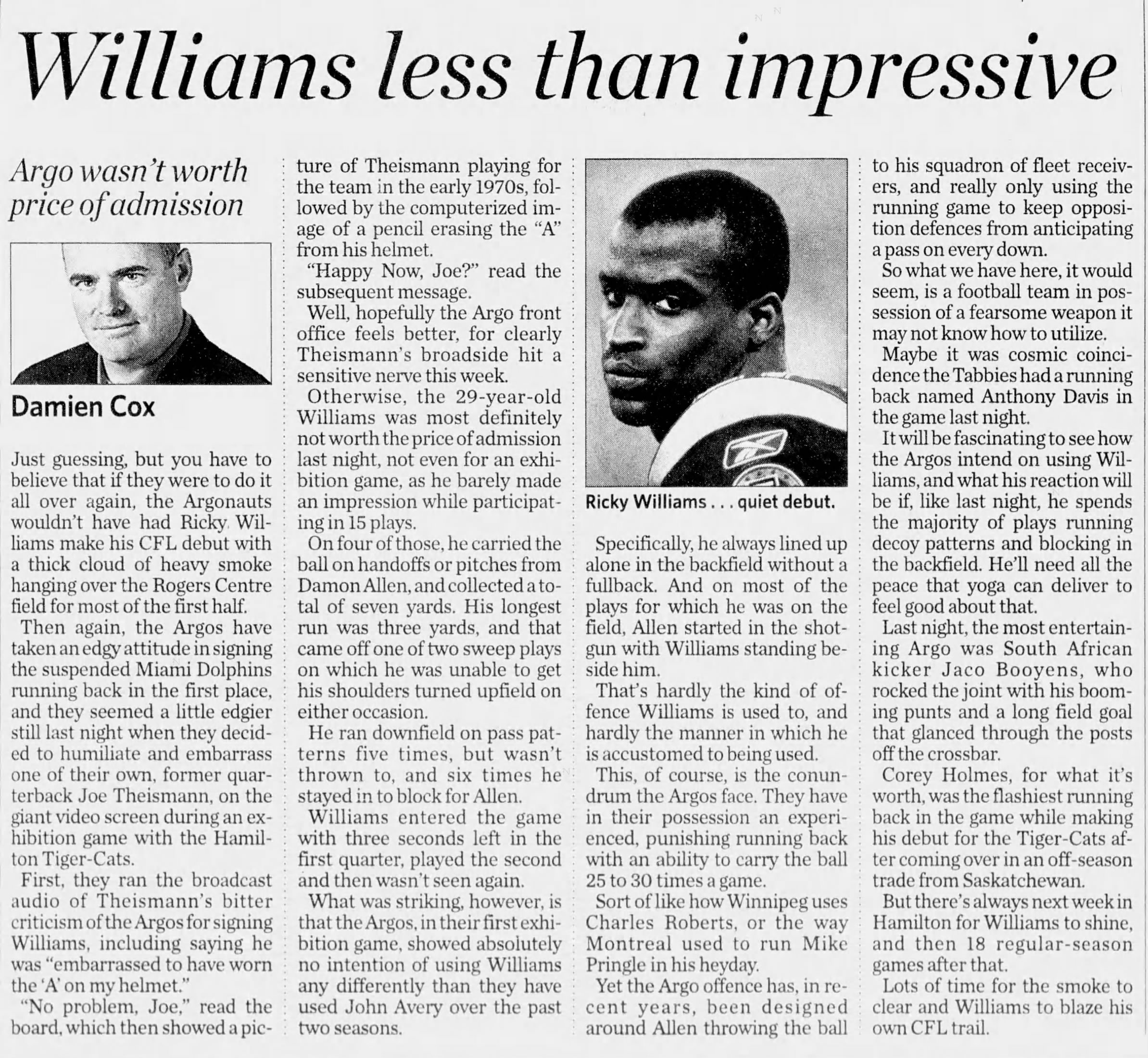
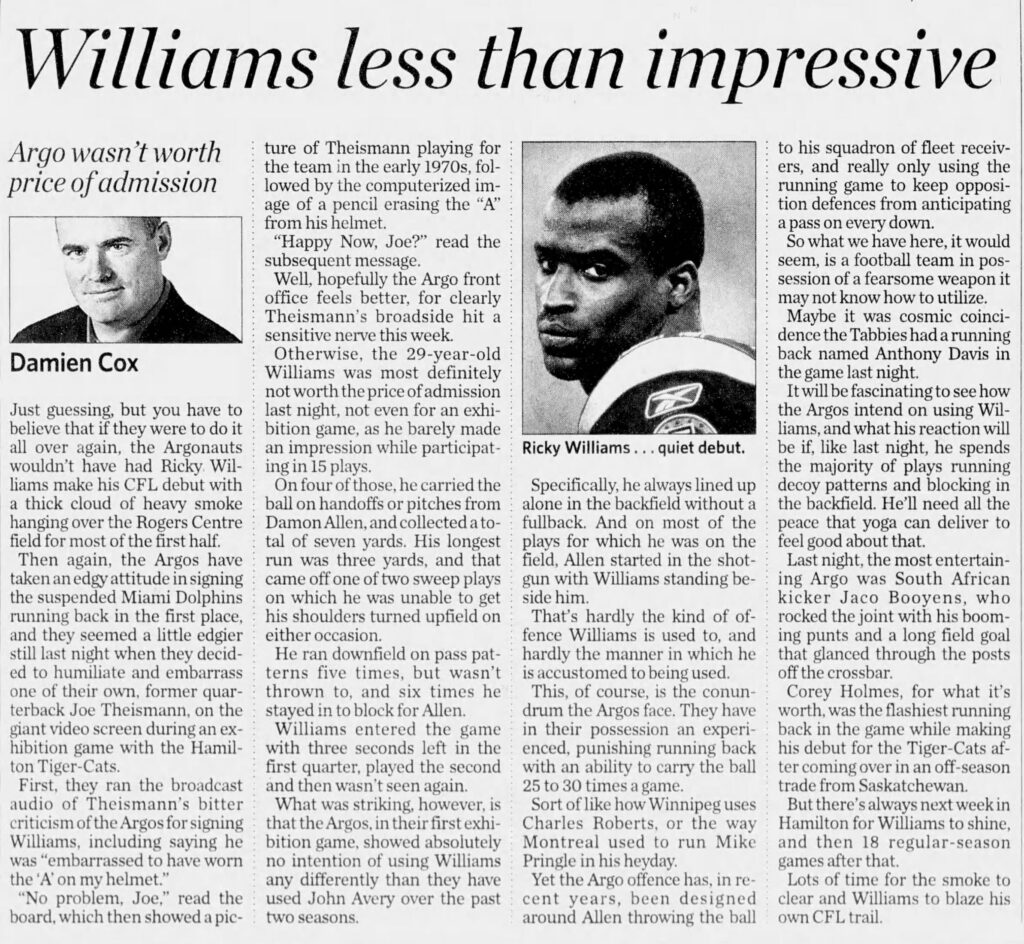
The Ricky Williams Experiment
Williams, a National Football League star who played with Florida’s Miami Dolphins, was suspended for the 2006 season after failing several drug tests.
There was no rule preventing him from spending that year playing in Canada, so the Argonauts signed him. His arrival generated plenty of attention, but Williams was miscast, a high-usage running back on a passing team. He broke his forearm in one game, suffered a gash on his lower leg after one practice, and finished with modest stats: 109 carries for 526 yards. Afterward, Canadian Football League commissioner Tom Wright barred CFL teams from signing suspended NFLers, a stipulation dubbed “The Ricky Rule.”
The Ricky Williams Experiment
Article
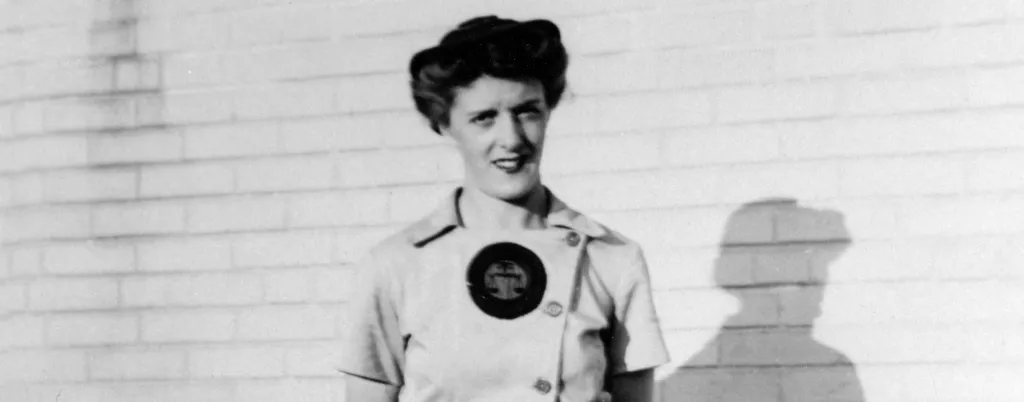
The Real-Life Star of the Rockford Peaches
Organised during the Second World War and made famous by A League Of Their Own, the All-American Girls Professional Baseball League (AAGPBL) was a real league that ran from 1943 to 1954.
The AAGPBL was far from “all American” – more than 10% of the players were actually from Canada. The Rockford Peaches was the league’s most successful club, and their real-life star was a Torontonian window dresser named Gladys Davis. She won the league’s first batting title in 1943, made its first All-Star team, and helped lead the Peaches to a championship.
The Real-Life Star of the Rockford Peaches
Article
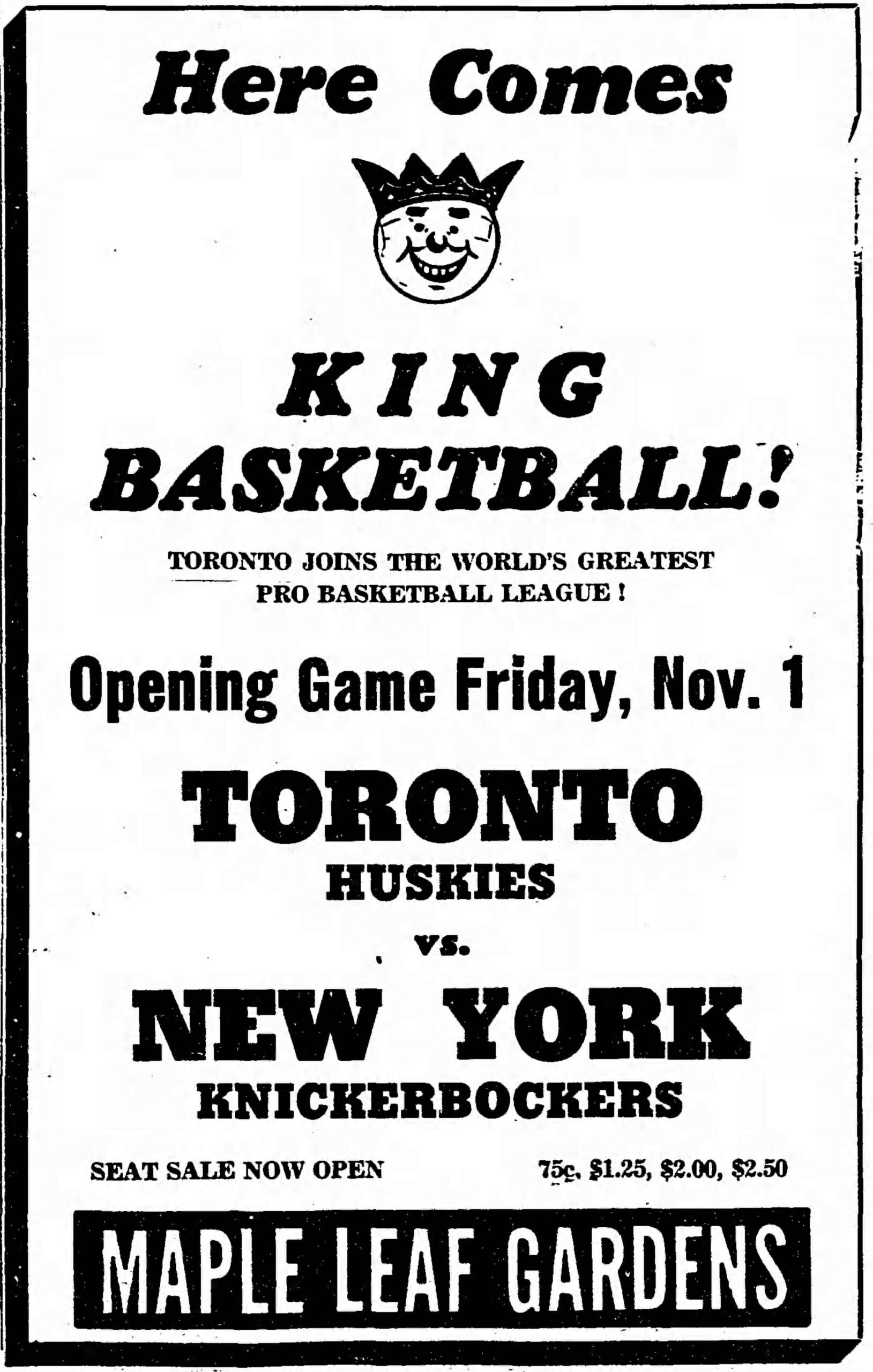
The Real First Basketball Team in Toronto
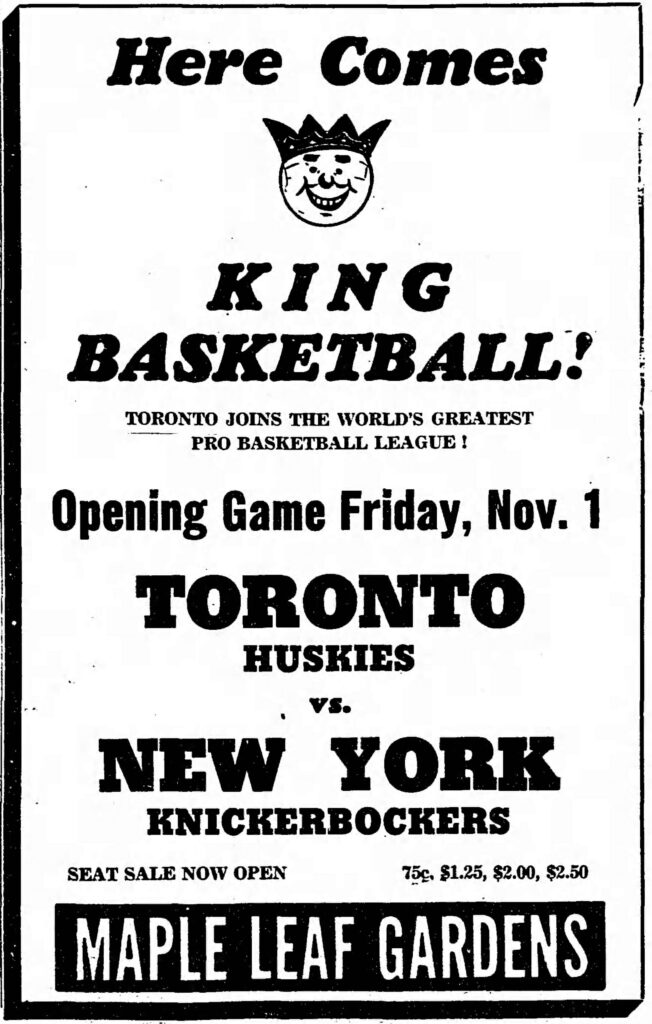
New York Knickerbockers 68, Toronto Huskies 66
Did the National Basketball Association begin in Toronto? Sort of. In 1946, the Toronto Huskies played the New York Knickerbockers – a.k.a the Knicks – at Maple Leaf Gardens in the inaugural game of the NBA’s forerunner, the Basketball Association of America. Toronto’s first pro hoops franchise lasted one underwhelming season, with 22 wins and 38 losses. The Huskies first game attracted 7,090 spectators, and attendance continued to decline. The Huskies may not have won many games, or lasted very long, but they were “The First,” and they blazed a trail for the Raptors.
The Real First Basketball Team in Toronto
Article
The NFL That Never Was in Toronto
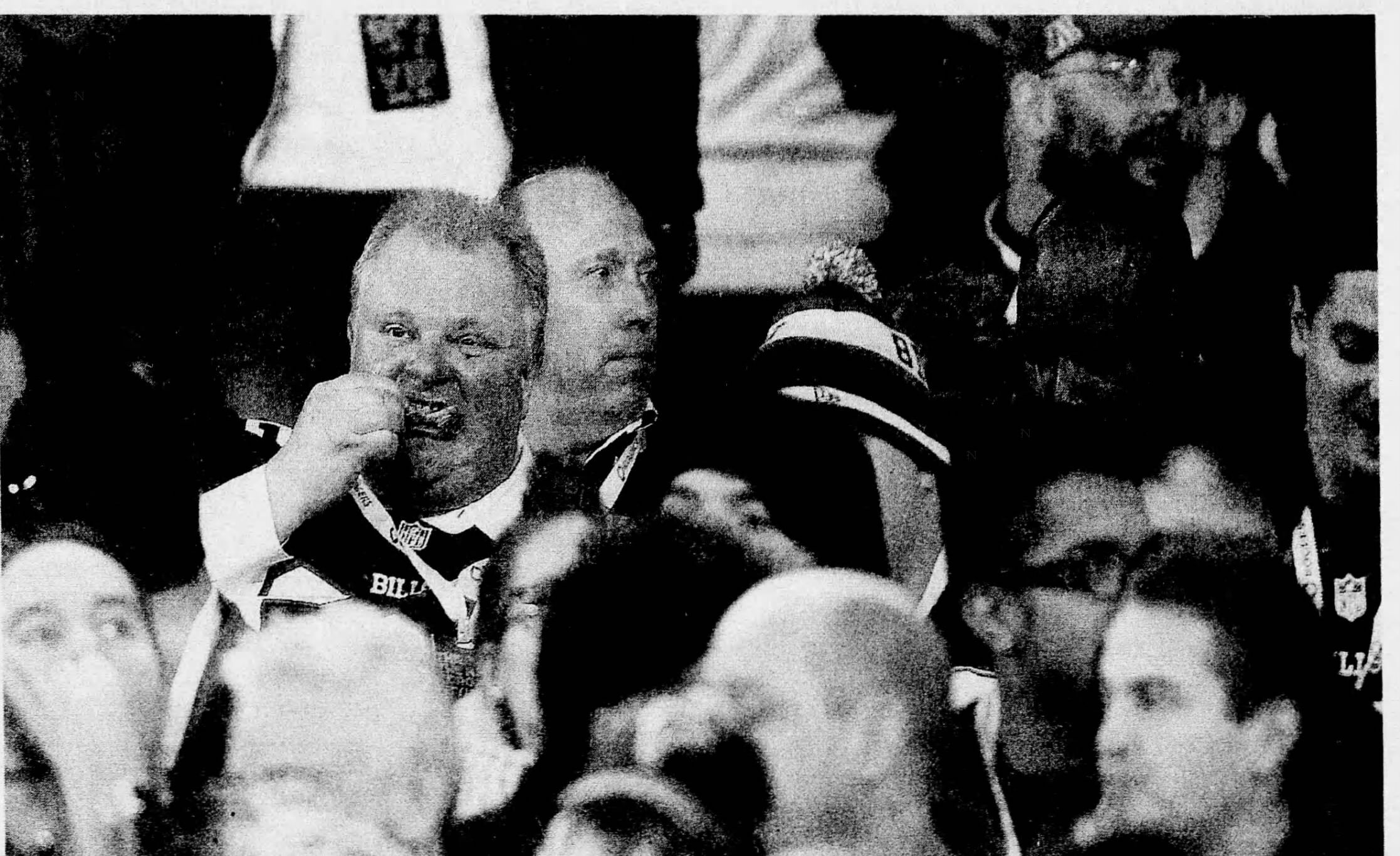
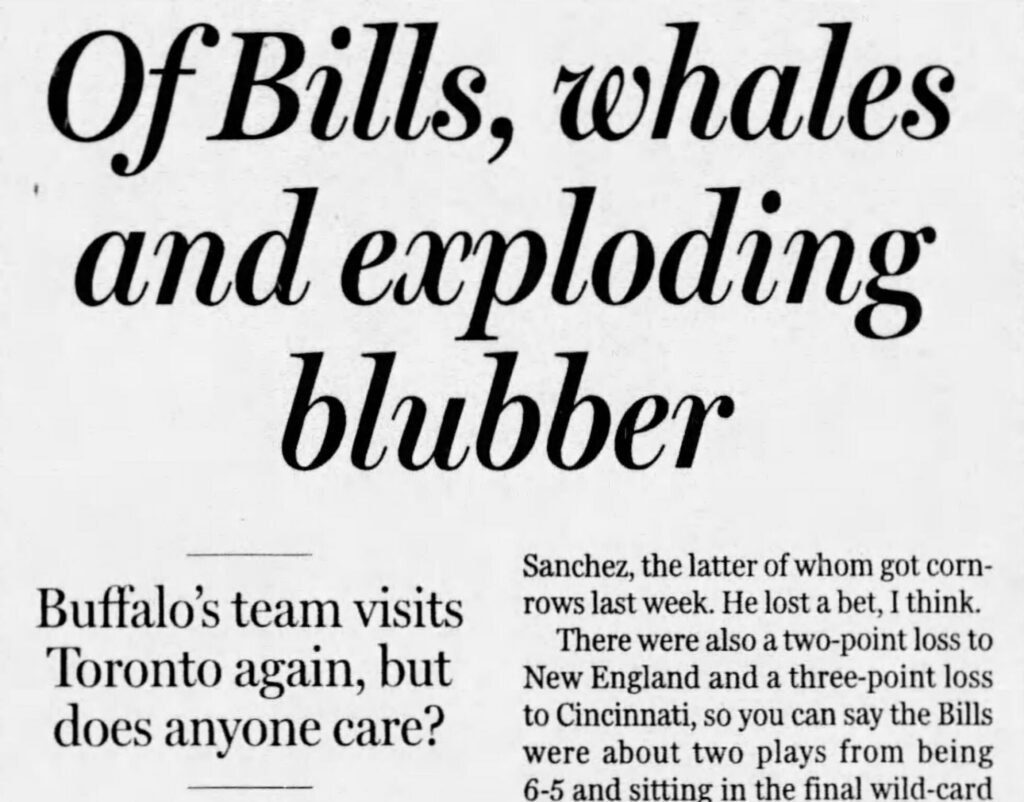
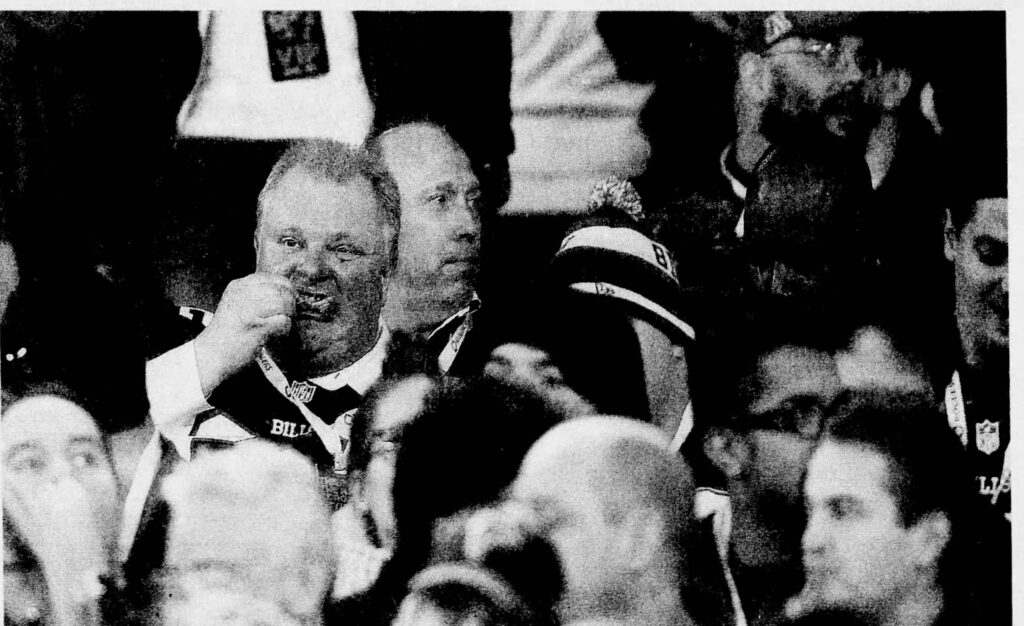
In 2013, Rogers Communications paid the Buffalo Bills $78 million for the right to host seven Bills home games, to test-drive the market in Toronto for the National Football League.
The games, spread over five seasons, took place at the Rogers Center. Bills ownership appreciated the up-front cash, and the chance to rebrand their franchise as regional. But the results? Inconclusive. The first regular season game drew 52,134 spectators. The final game, in 2013, attracted 38,969. An agreement to extend the series was dissolved after 2013, and Toronto hasn’t hosted a National Football League game since.
The NFL That Never Was in Toronto
Article
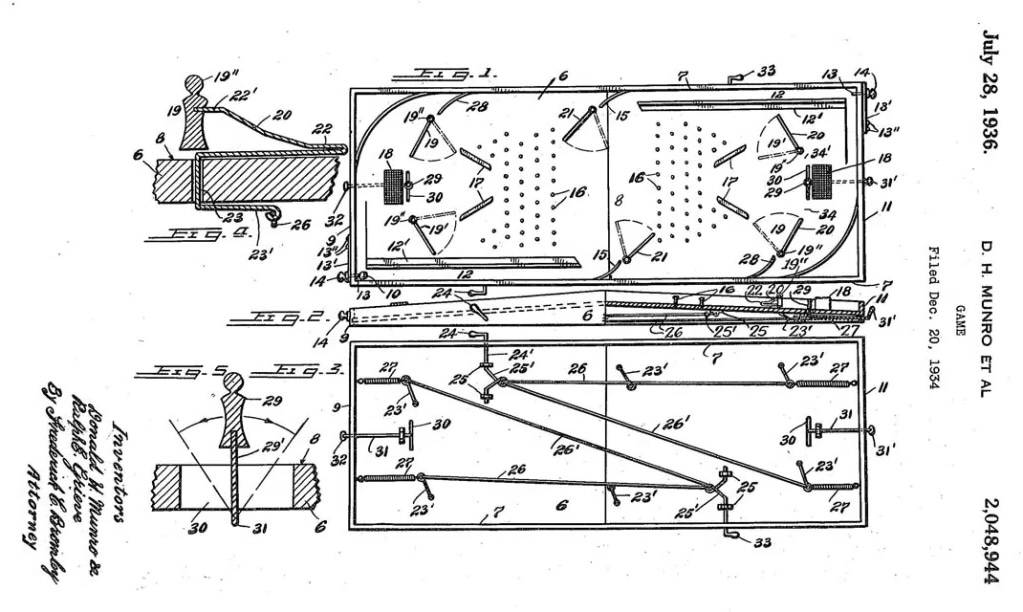
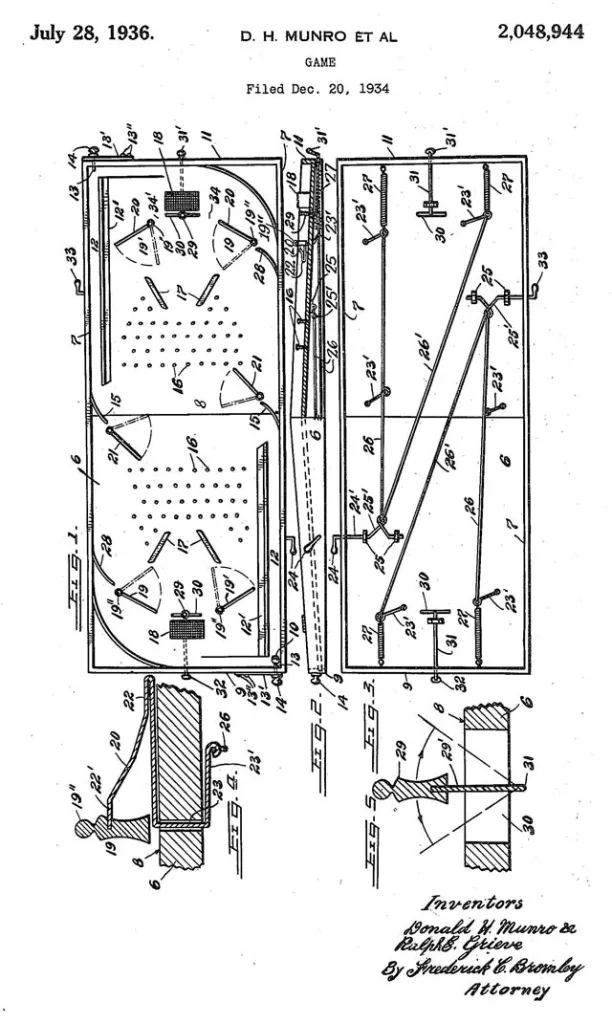
The Invention of Table Hockey
Table hockey was invented in 1932, during the Great Depression.
Donald Munro couldn’t afford to buy his children Christmas presents that year, and decided to make them one instead. Using an ironing board, wood from a coal bin, a coat hanger, clock spring and twine, he fashioned the first makeshift tabletop hockey game in his Toronto home.
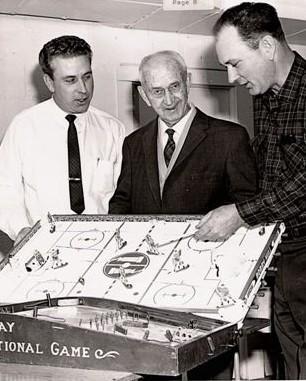
When a travelling salesman spotted the invention, he suggested Munro take it to Eaton’s, then the largest department store chain in Canada. The store put his prototype on display, and it sold so quickly that by the time he got home, ten more had been ordered.
The Invention of Table Hockey
Article
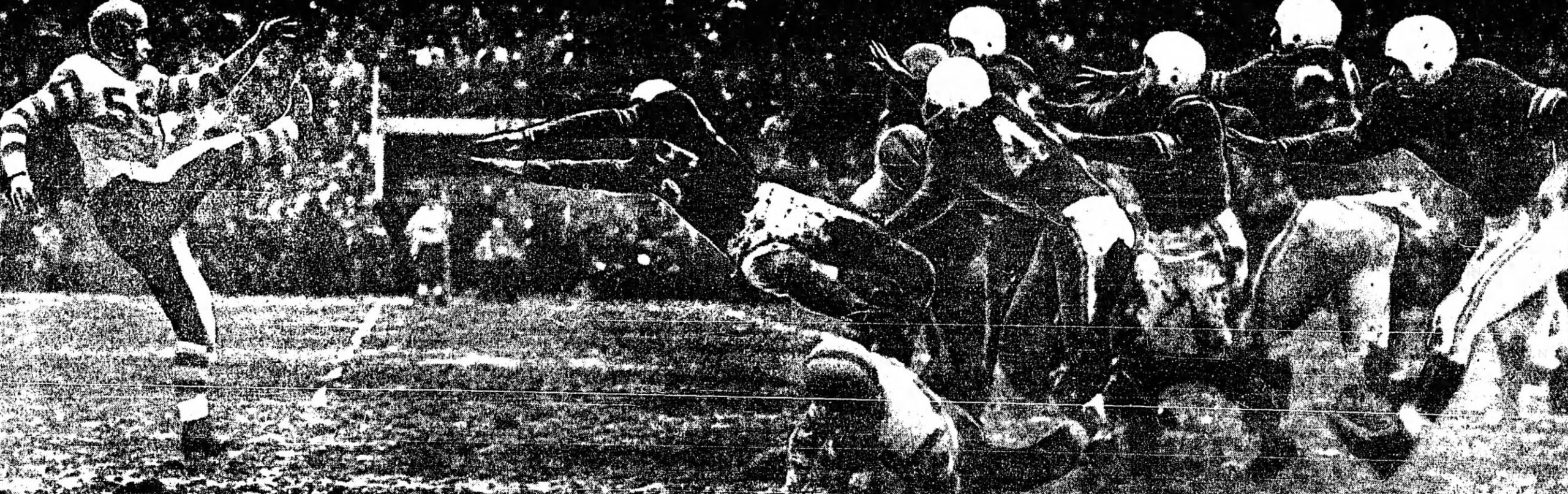
The Grey Cup a.k.a. The Mud Bowl
Toronto vs. Winnipeg
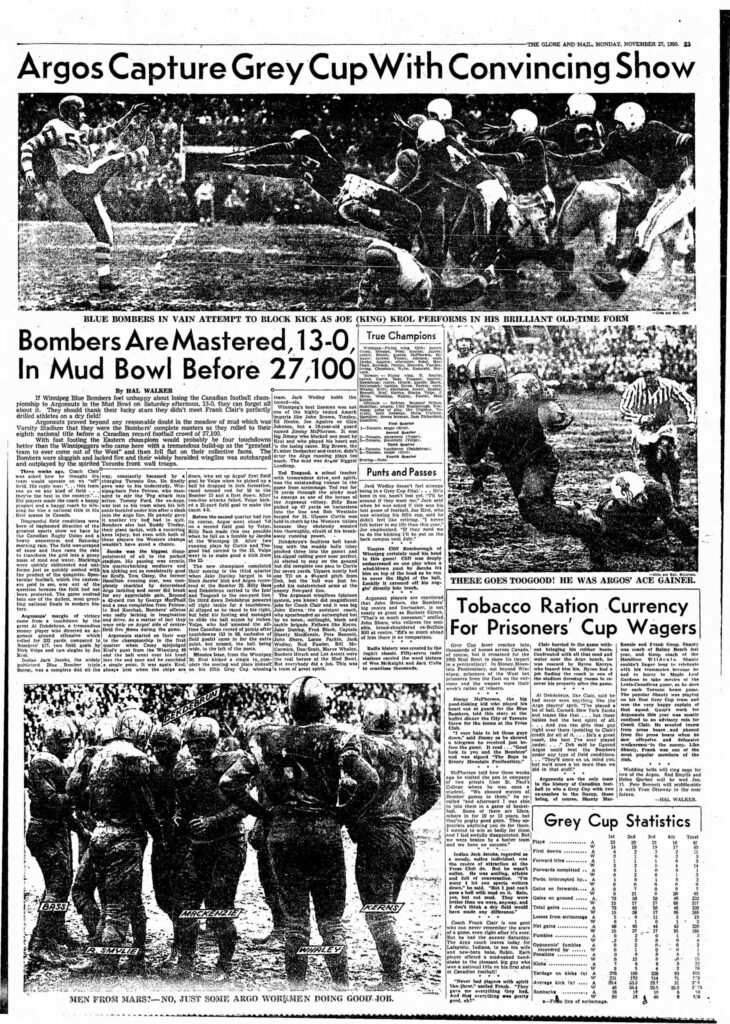
What could go wrong when playing football in November in Toronto? Everything. A heavy snowfall on Grey Cup eve in November 1950 covered the field at Varsity Stadium and attempts to clear the snow damaged the playing surface. Then, an extremely heavy rainfall on game day turned the field into a literal mud bowl. The 27,101 spectators watched a slow-moving slog of a game in which the hometown Toronto Argonauts outlasted the Winnipeg Blue Bombers. Toronto scored 13 points, and Winnipeg scored none. The Argonauts only needed that first point to win, and they secured it when Winnipeg failed to return a punt out of the end zone – an only-in-Canada scoring play known as a rouge.
The Grey Cup a.k.a. The Mud Bowl
Article
The Golden Era of Toronto High School Hoops
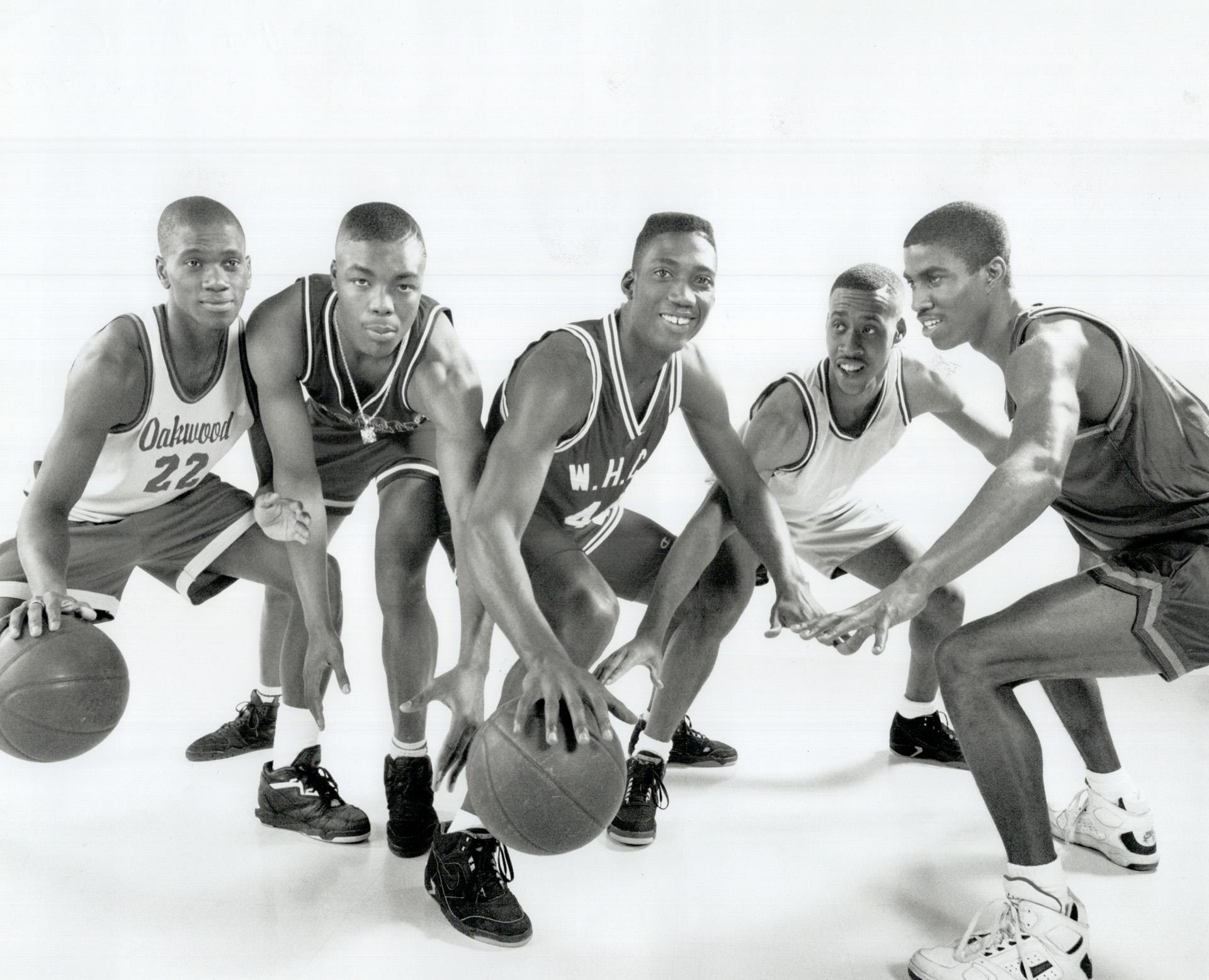
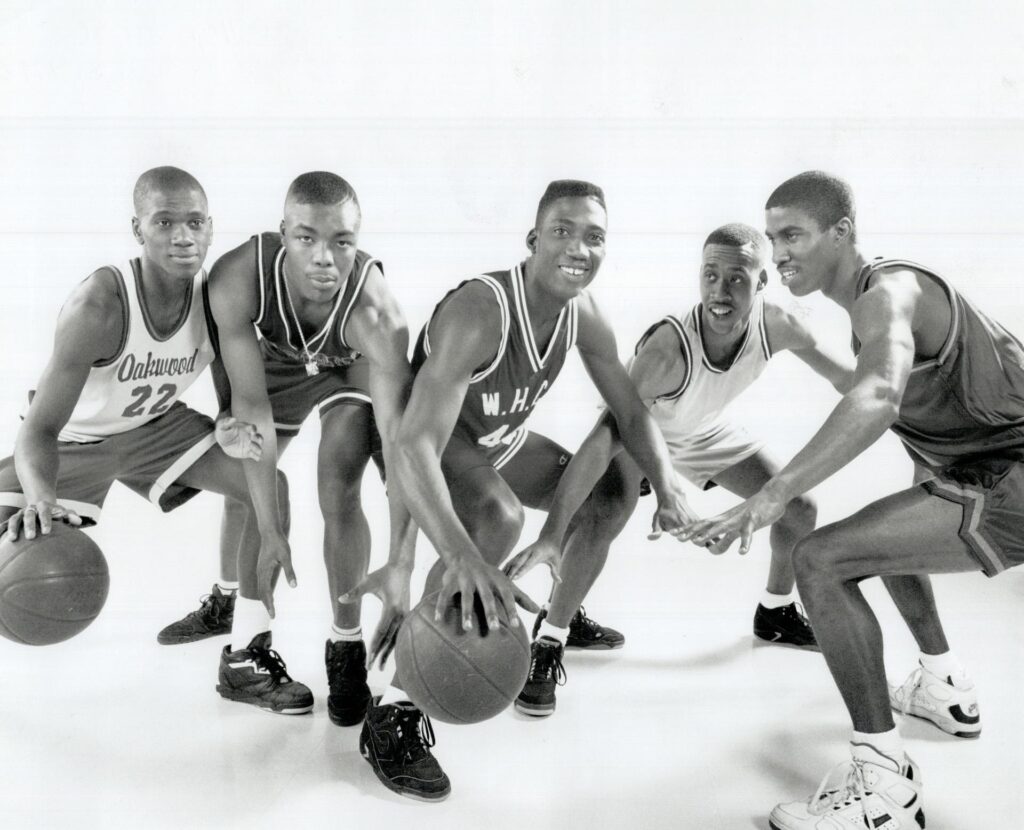
A year-by-year list of provincial high school basketball champions shows our city had a thriving hoops culture that predated the Raptors.
From 1982 to 2001, half of the championships were shared among the same Toronto schools: Oakwood Collegiate Institute, Bathurst Heights High School, Runnymede Collegiate Institute, and Eastern Commerce Collegiate Institute. These schools were perennial contenders that produced legendary players, including Greg Francis, Jamaal Magloire, and Phil Dixon, and pioneering coaches like Bob Maydo, John Petrushchak, and Simeon Mars. The dominance of these schools defined a time when high school basketball mattered, and neighbourhood schools ruled.
The Golden Era of Toronto High School Hoops
Article
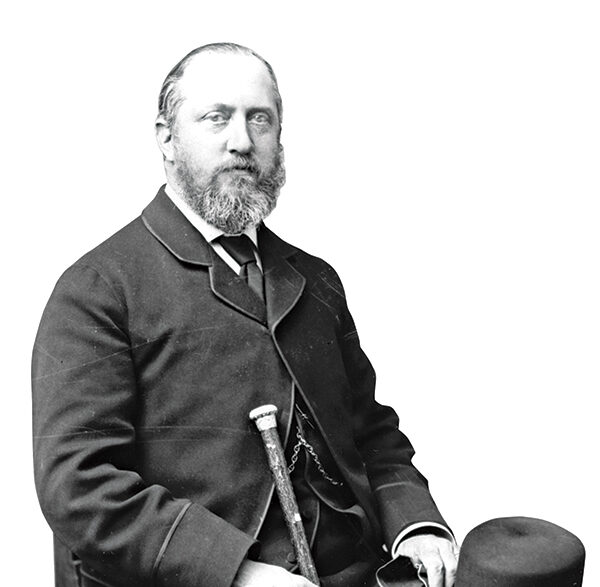
THE FIRST PERIOD: 1888 TO 1926
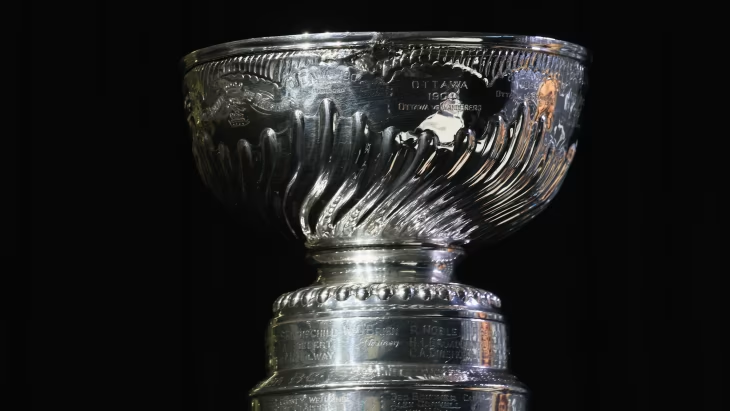
In 1893, he began offering a silver cup – dubbed the Stanley Cup – as a prize to the country’s top team. When the National Hockey League (NHL) was established in 1917, its teams also competed for the Cup. Today, the Stanley Cup is North America’s oldest professional sports trophy and still the ultimate prize for the NHL.
THE FIRST PERIOD: 1888 TO 1926
Article
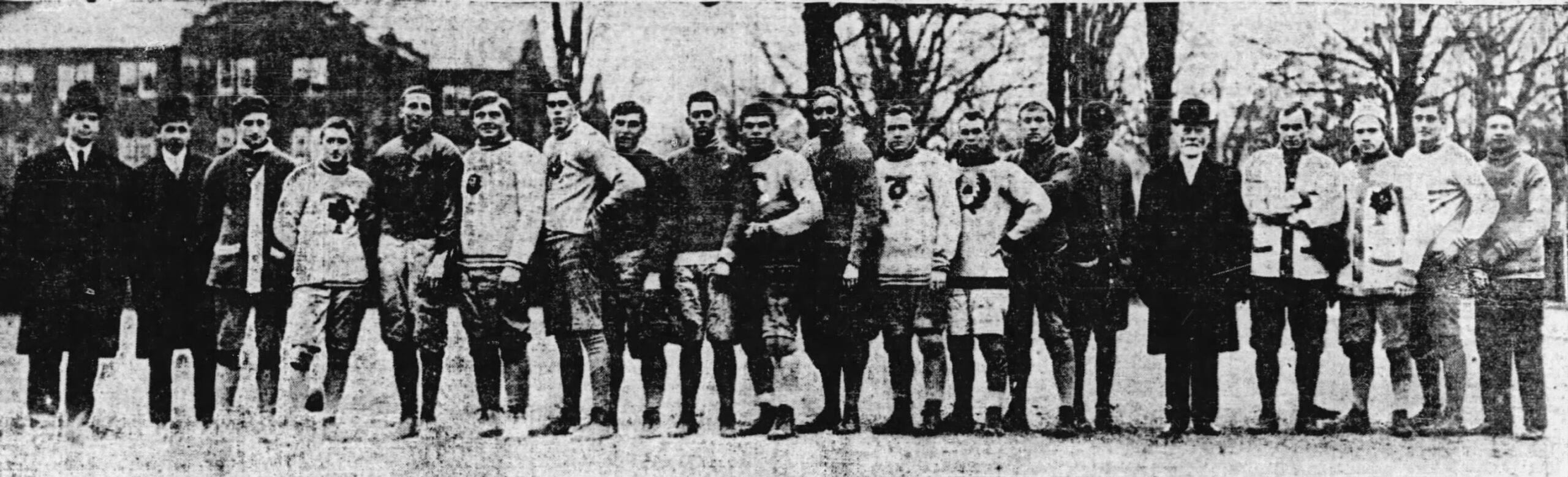
The First Grey Cup
Rosedale Field – University of Toronto vs. Parkdale Canoe Club
Canadian football teams have been competing for a national championship since 1884, but it wasn’t until 1909 that the Grey Cup was born. The Governor General, Lord Earl Grey, wanted to present a trophy to the country’s top hockey team, but since one of those already existed – the Stanley Cup – he offered it to football instead. The University of Toronto’s Varsity Blues crushed the Parkdale Canoe Club, but apparently Lord Grey forgot all about his promised award. The Varsity Blues, the first winners of the Grey Cup, had to wait three months for the trophy to be made and delivered before they could finally hoist it.
The First Grey Cup
Article
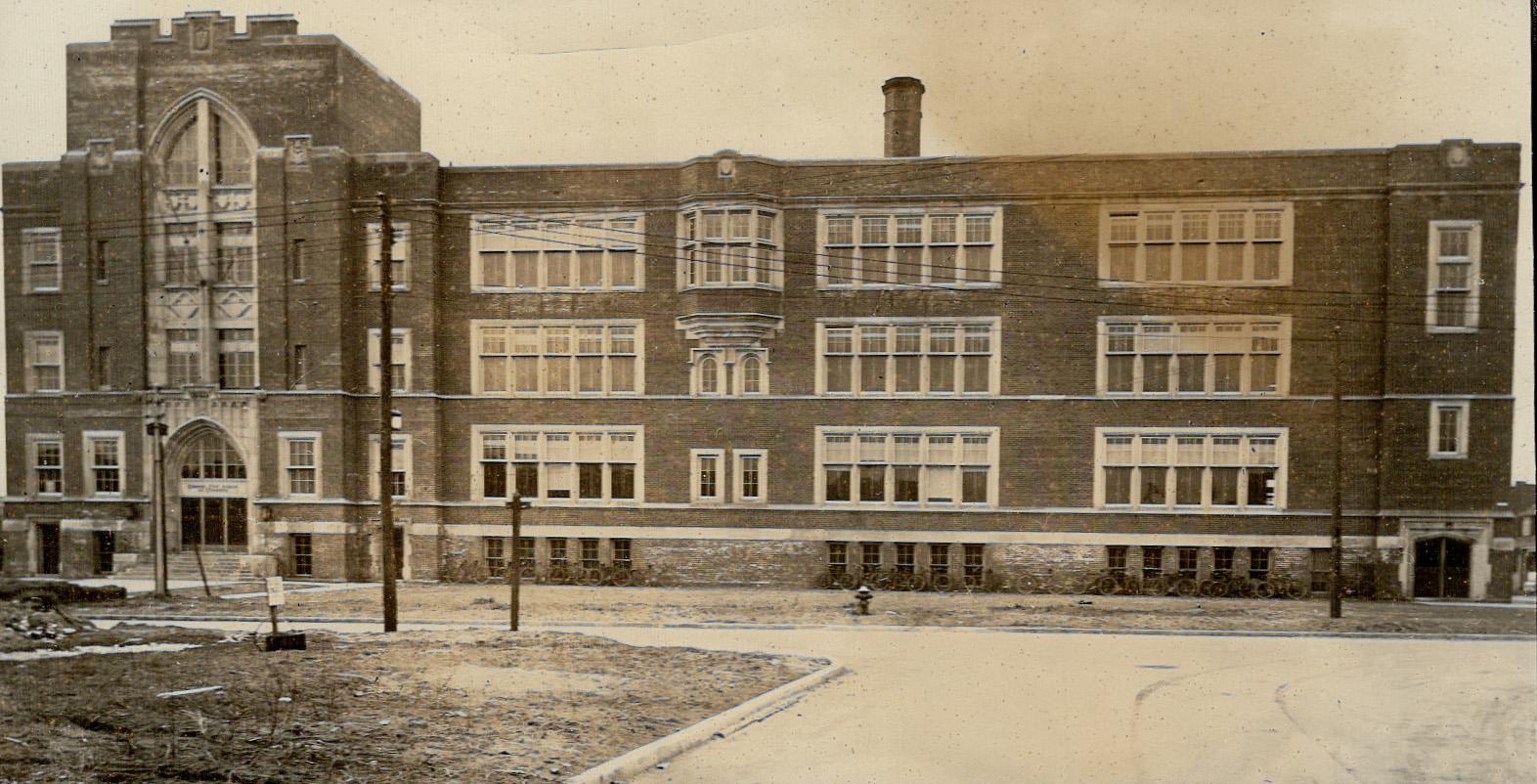
The Eastern Commerce Era
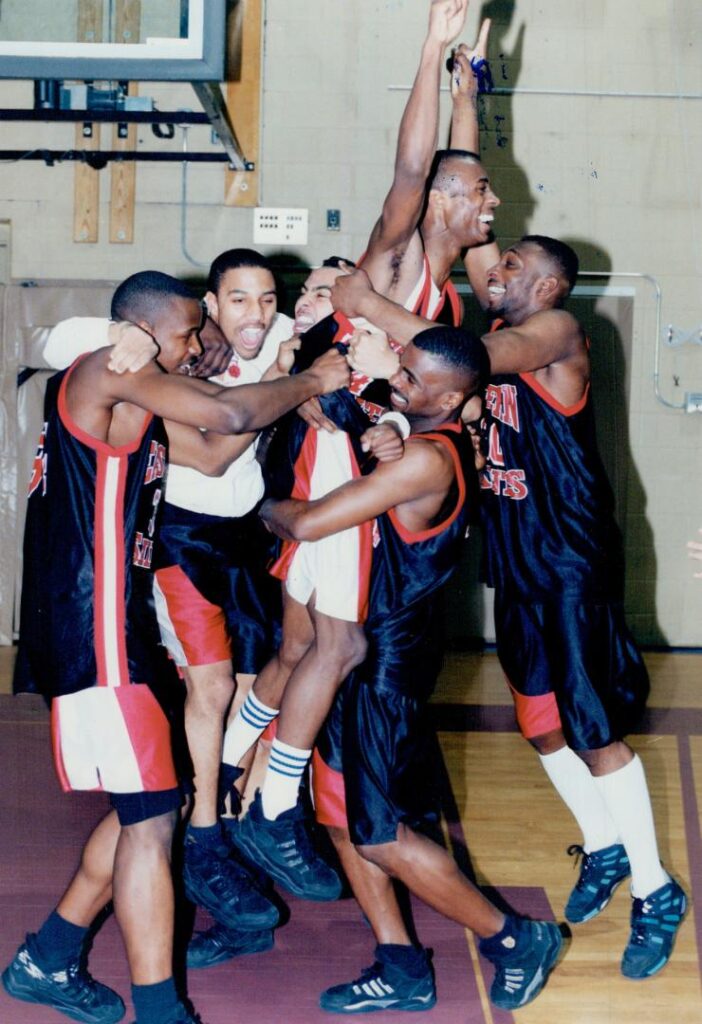
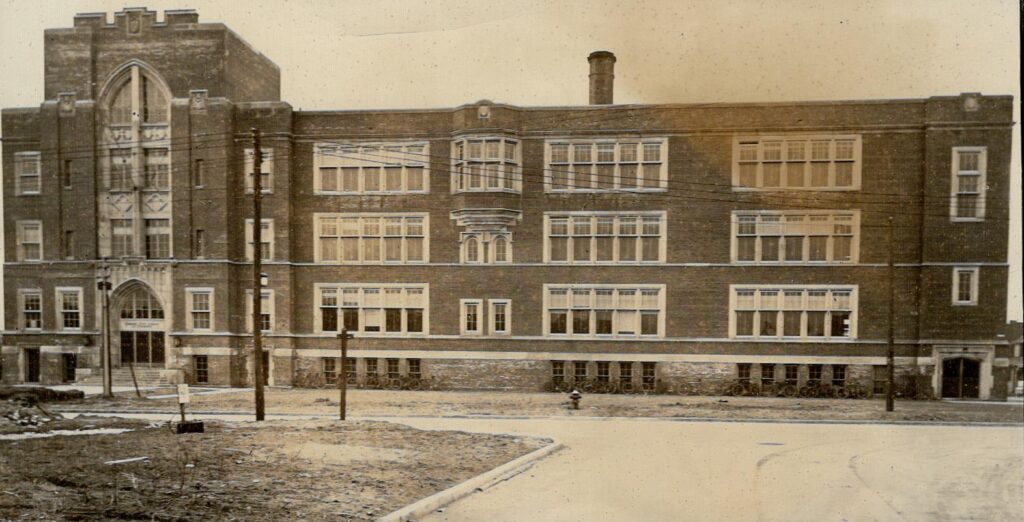
Eastern Commerce Collegiate Institute had a tiny gym with a-smaller-than-regulation court, and a surplus of talent almost every year.
From 2002 until the school closed in 2015, Eastern won five provincial titles and three provincial silver medals. The program vaulted players like Jamaal Magloire and Jermaine Anderson to the top tier of U.S. college basketball and beyond. Anderson became a national team mainstay and Magloire blossomed into an NBA all-star, whose teams included New Jersey Nets, Miami Heat, and Toronto Raptors. Eastern also developed coaches like Simeon Mars and future Canadian national team coach Roy Rana. Eastern’s 1996 team is still considered the best Canadian high school team in history. “That was a special run,” Magloire told the Toronto Star in 2015.
The Eastern Commerce Era
Article
The Creation of Baseball’s Colour Barrier
Video
The Christie Pits Riot
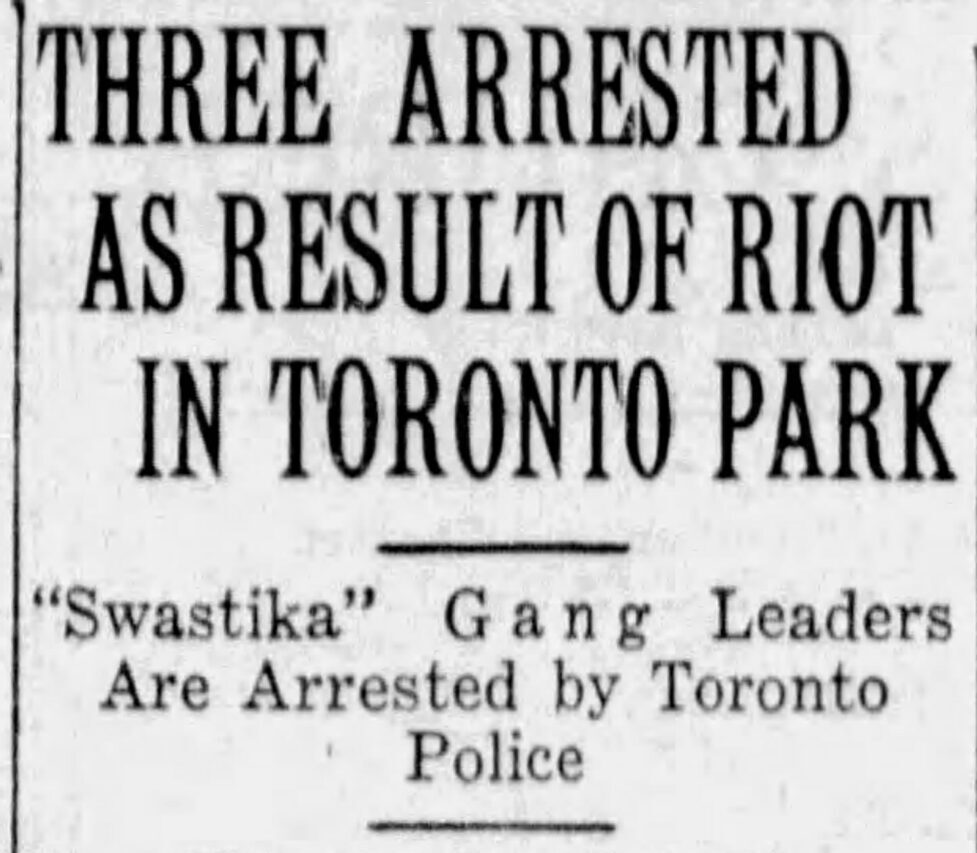
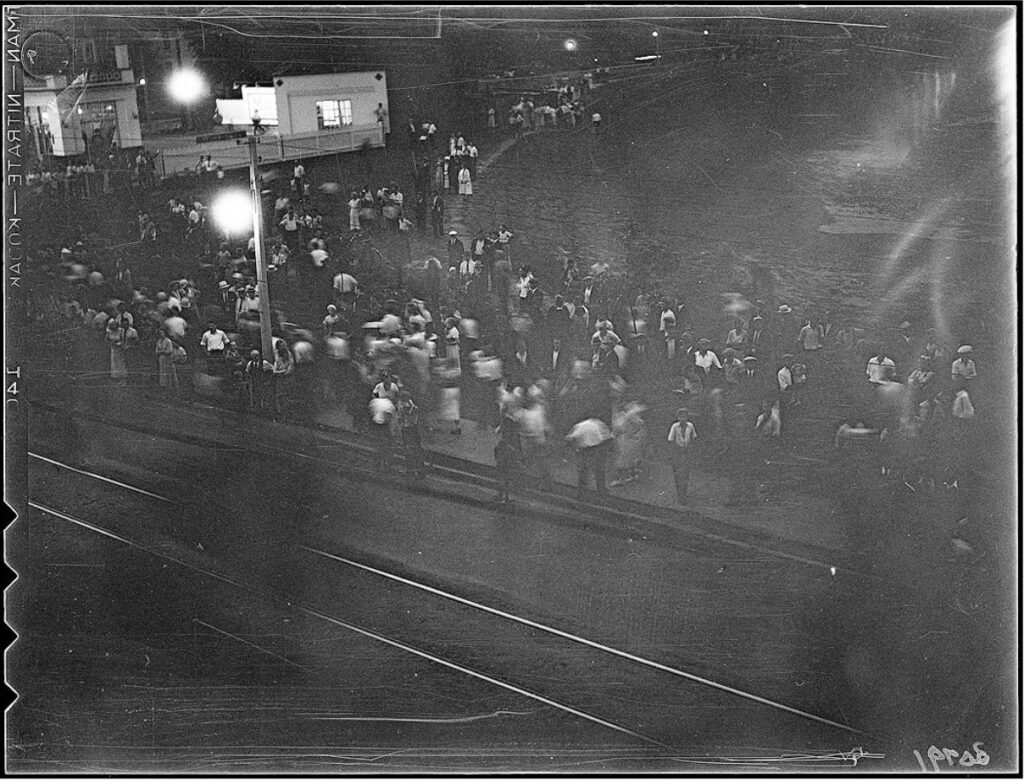
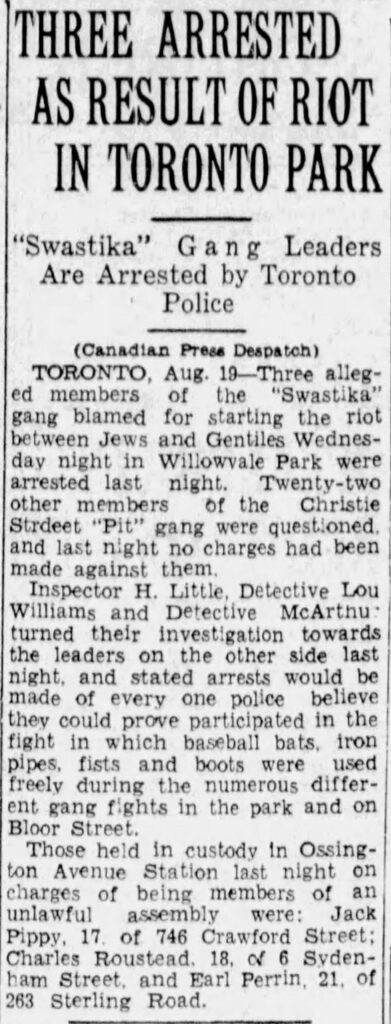
Toronto’s most infamous riot broke out in 1933, just months after Adolf Hitler seized power in Germany. It happened at Christie Pits, on the corner of Bloor and Christie Streets in the west end, known as Willowvale Park at the time.
When local Nazis unfurled a Swastika banner at a ballgame involving a Jewish team, it sparked a night of violence that saw more than 10,000 people battle in the streets. It was the climax of a summer of demonstrations by Toronto fascists, and the fact only a few were arrested highlighted how deeply ingrained xenophobia was in a city that still saw itself as a fiercely Protestant place.
The Christie Pits Riot
Article
The Boston Bloomers Come to Town
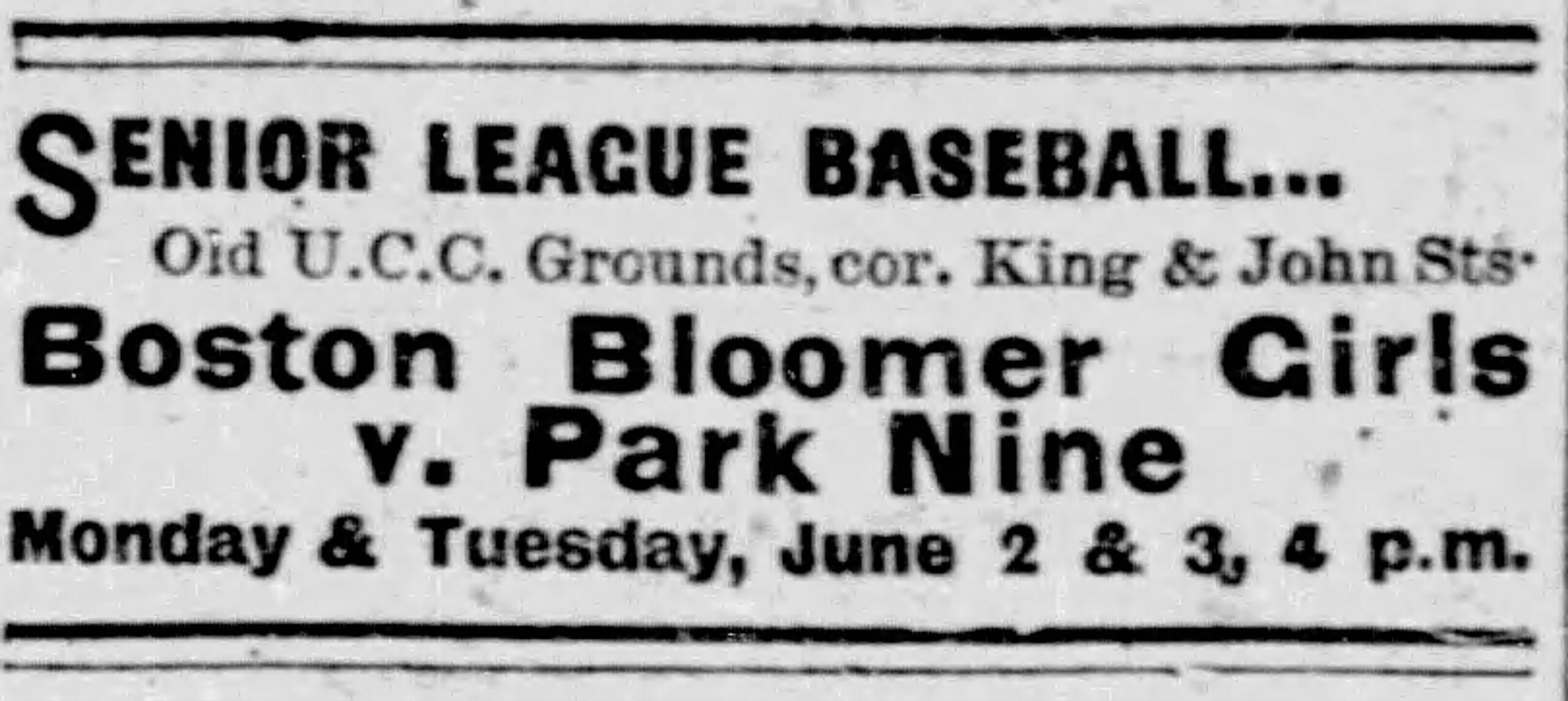
“The girls showed surprising form, their fielding, batting and baserunning being fully up to the mark. Their pitcher had the Park Nine guessing, and in one innings [sic] retired the side on strikes.”
– The Globe, June 3, 1902
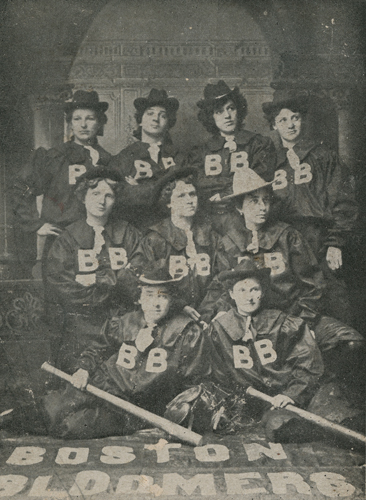
Though women were discouraged from taking part in baseball, teams of “Bloomer Girls” defied gender conventions and travelled from town-to-town to challenge men’s teams to exhibition matches. The clubs were made up of young, single women who played in loose-fitting trousers – hence the term “bloomer girls.” They played gruelling schedules and often had to set up their own fences and grandstands.
The most famous were the Boston Bloomers. When they came to Toronto in 1902, they drew thousands of fans. Some people climbed trees and scaled rooftops to get a better view as police officers tried to control the crowds. The Bloomers beat Toronto’s Park Nine in one of three games, proving baseball was a sport for more than just men.
The Boston Bloomers Come to Town
Article
The Bitter Birth of the National Hockey League
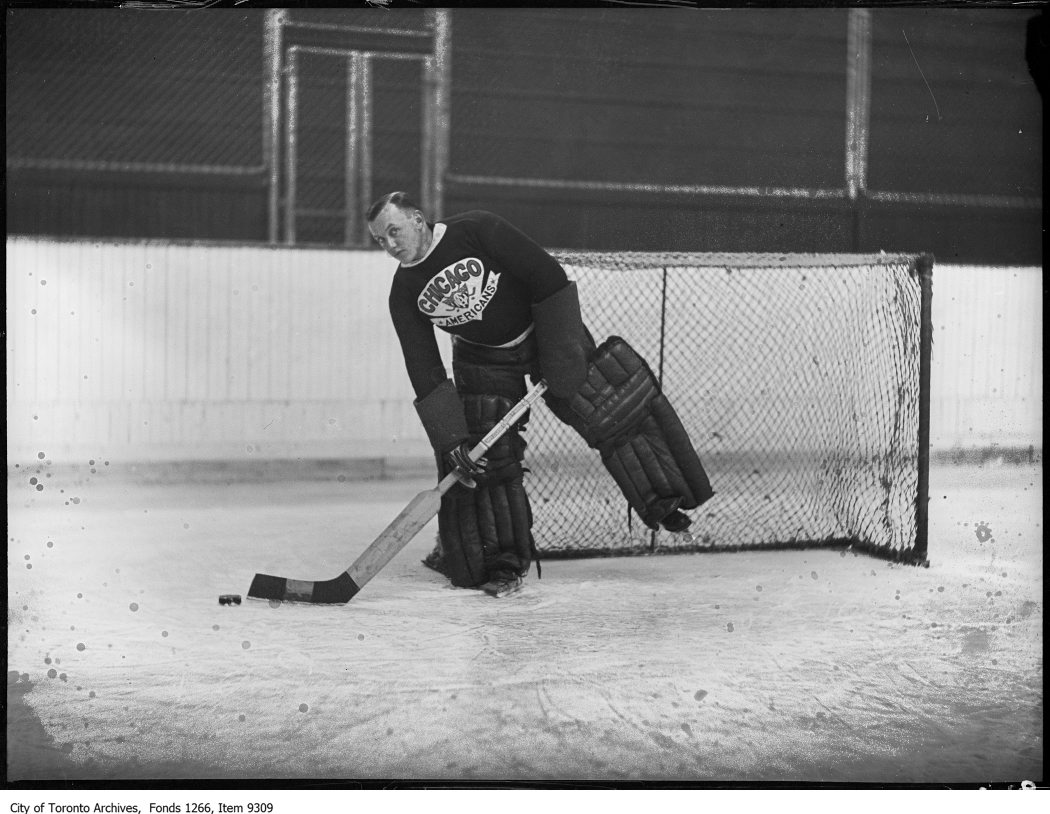
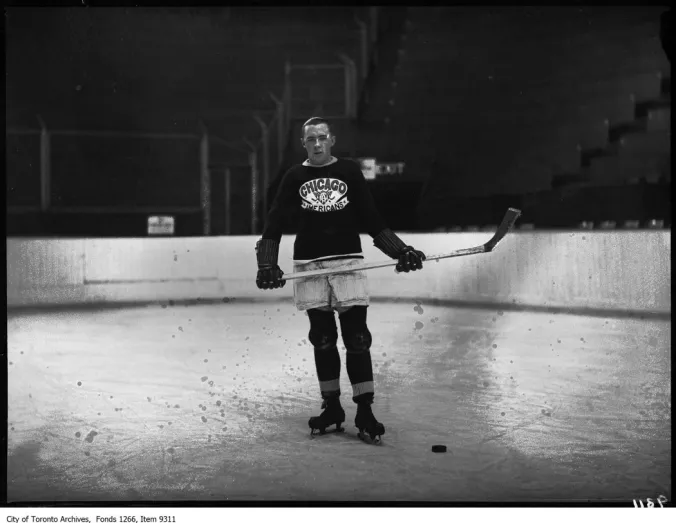
Eddie Livingstone was not a popular man. The owner of the Toronto Blueshirts was confrontational, argumentative, and thin-skinned, nearly getting into fistfights with his fellow owners.
By 1917, the other National Hockey Association team owners were so sick of Livingstone they decided to shut down the association. They started a new league: the National Hockey League. “It’s like our old league,” the owner of the Canadiens explained to a reporter, “except that we haven’t invited Eddie Livingstone to be part of it.”
The Bitter Birth of the National Hockey League
Article
The Bat Flip
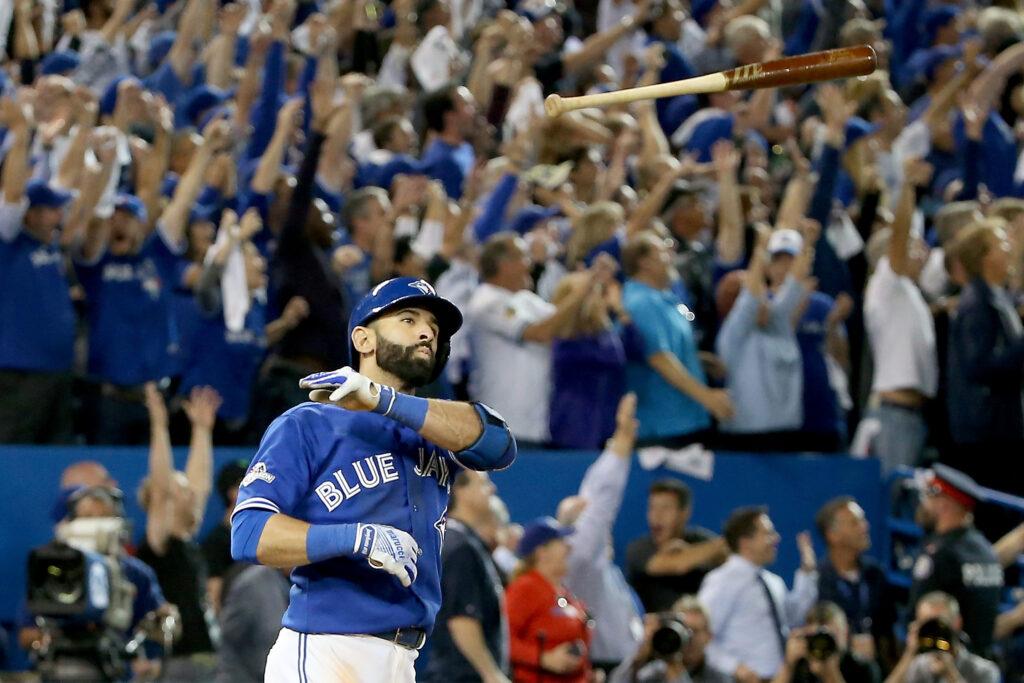
“I wasn’t planning to flip the bat, I never thought about it in advance. It was a reaction to the moment, and then the stadium exploded. I don’t remember anything after I hit the ball.”
– José Bautista, Toronto Life, 2023
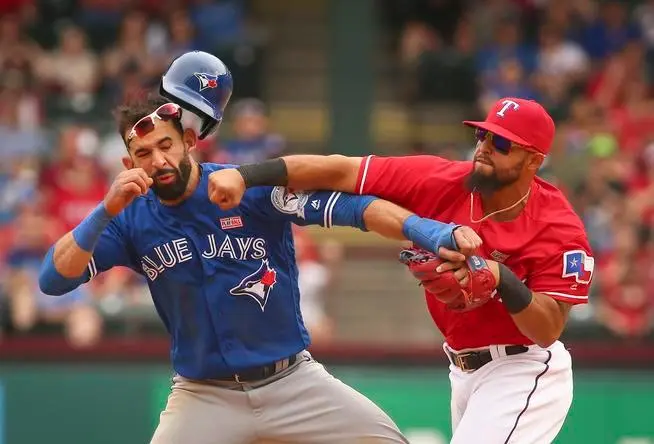
The significance and style of baseball has shifted over the years. A pivotal moment for the sport came in 2015, when Blue Jays slugger José Bautista flipped his bat after a dramatic postseason home run against the Texas Rangers. As the ball sailed out of the stadium, he stood admiring his work, and then threw his bat as much in defiance as in celebration. The moment highlighted tensions within the sport, between traditionally conservative players and management and a new generation with a flashier approach. The Rangers would violently retaliate the following season, hitting Bautista with a pitch and then a punch to the jaw in an on-field brawl, but his bat flip launched a new era in baseball, giving players more freedom to show emotion and personality on the field.
The Bat Flip
Article
The Barilko Curse
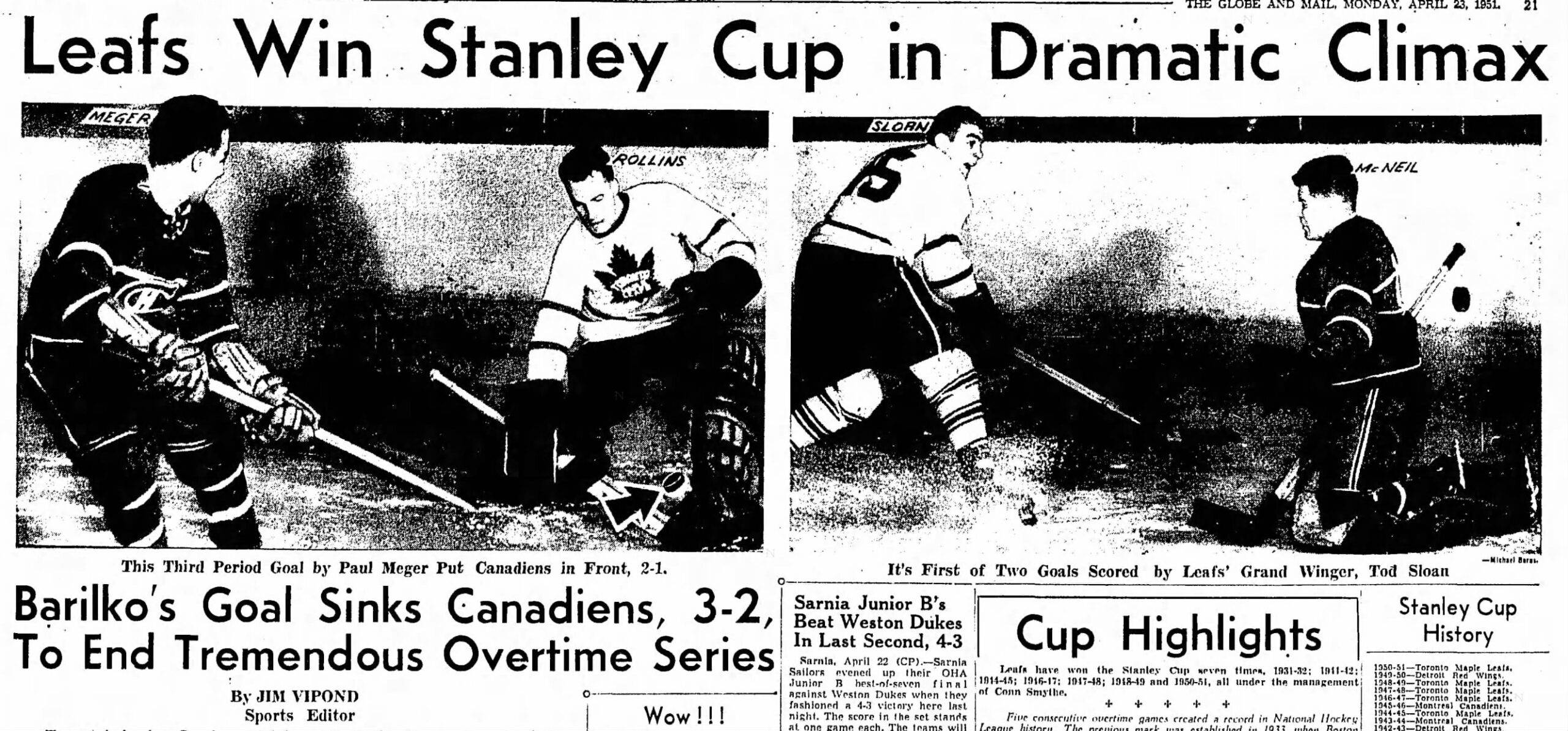
Bill Barilko was the hero of the 1951 Stanley Cup.
The defenceman scored the winning goal in overtime against the Montreal Canadiens, securing the Leafs’ fourth championship in a five-year span. Just months later, Barilko disappeared while on a fishing trip in northern Ontario.
The Leafs didn’t win another cup that decade, and people believed the team was cursed, thinking they wouldn’t win again until Barilko’s body was found. In 1962, Toronto finally won another championship. Just a few weeks later, the wreckage of Barilko’s float plane was discovered. It was the beginning of a new dynasty for the team, and the saga would be remembered for decades. In 1992, Canadian rock band the Tragically Hip released their breakthrough album Fully Completely featuring “Fifty Mission Cap,” a song about Barilko and his disappearance.
The Barilko Curse
Article
The Argonauts Turn 150 and Don’t Give Up
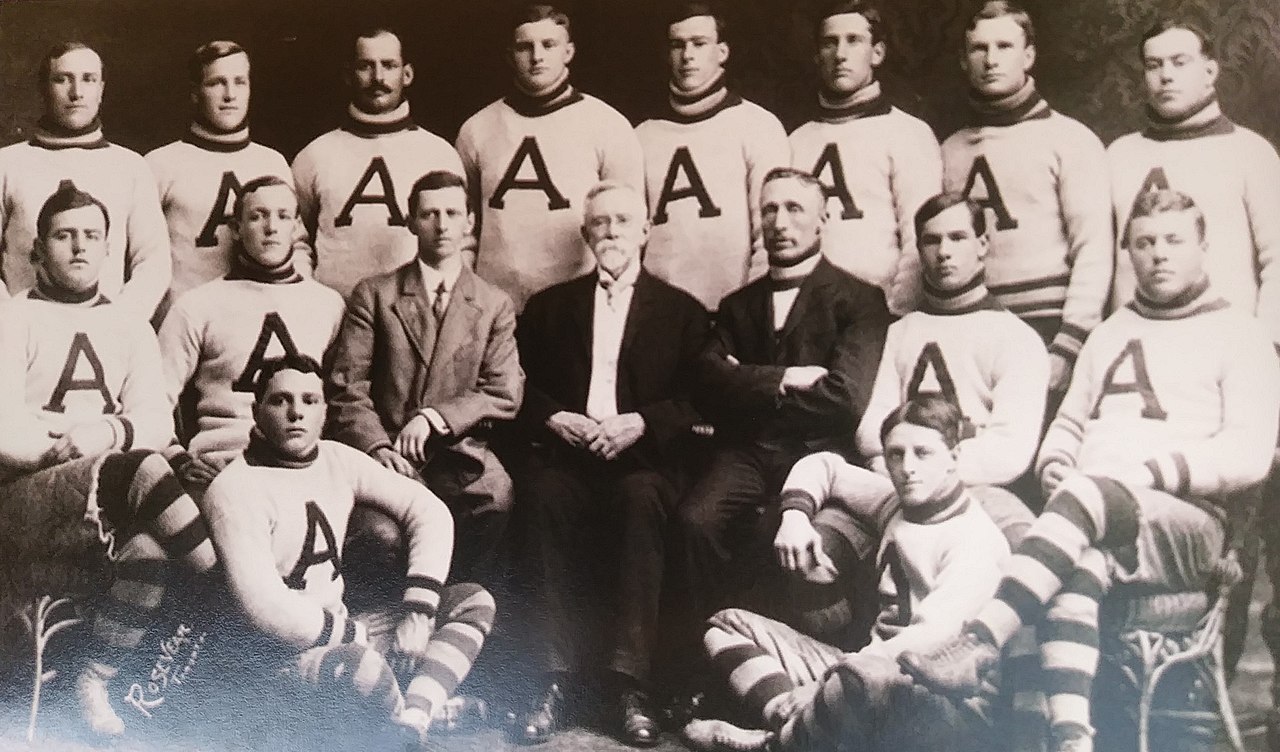
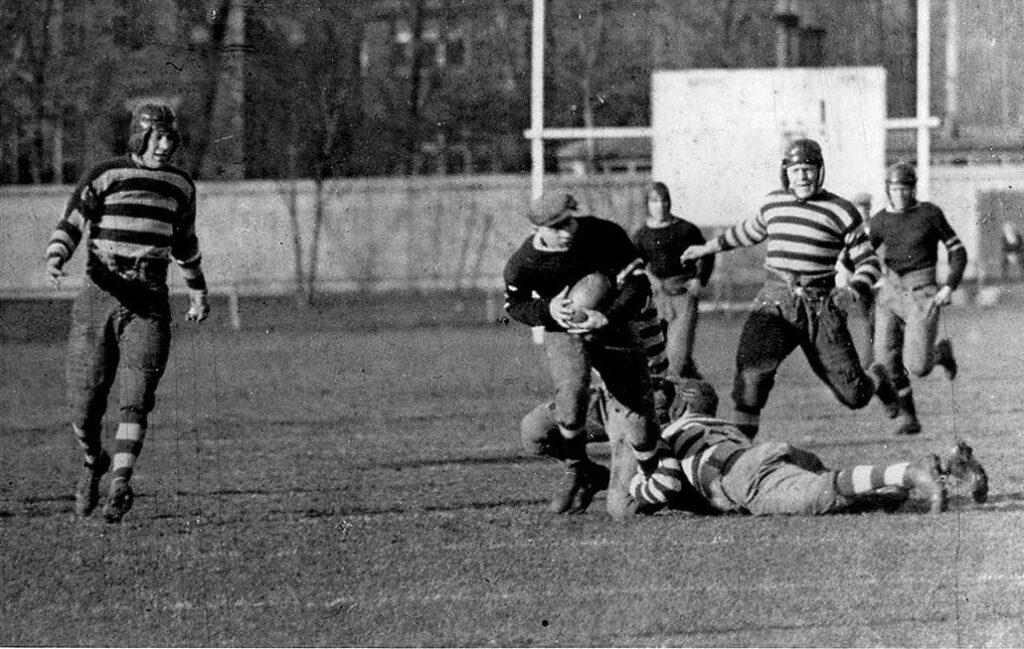
After 150 years, what began as an off-season hobby for a rowing team has grown into the oldest pro sports franchise in North America.
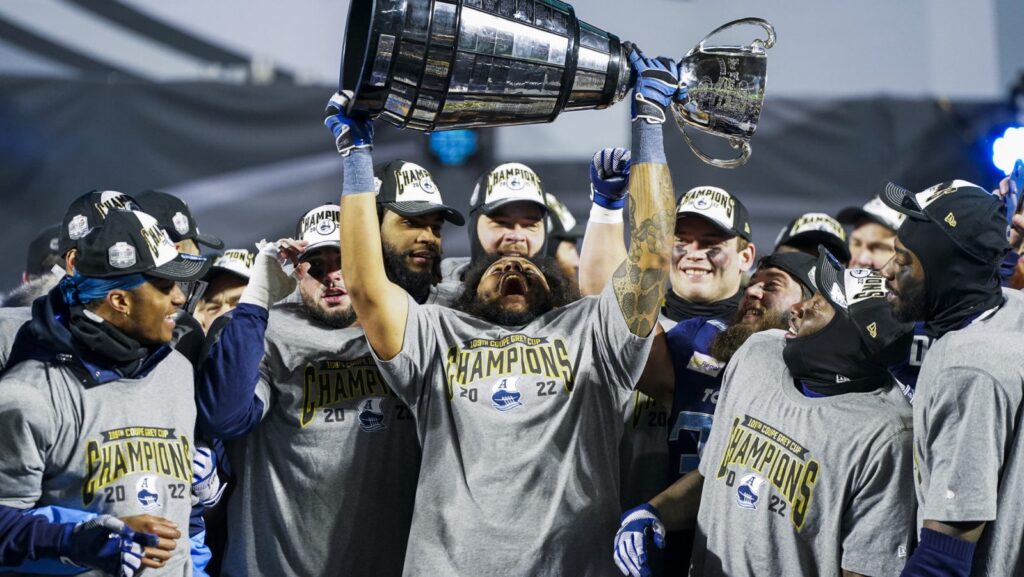
The Argos have survived some lean years, including a championship drought that lasted from 1952 to 1983. In 2015, only 2% of the 1000 local sports fans polled by Forum Research, considered the Argonauts their favourite team. The figure was 0% in the 18-34 demographic – not good news. Yet the Argos are trending upward again. In 2022, they won the Grey Cup for the 18th time in their history. Attendance trails their late-1970s glory days, but their mid-season average – 14,185 fans per game – is their best figure since 2014.
The Argonauts Turn 150 and Don’t Give Up
Article
Sully’s Gym Survives Eviction Order
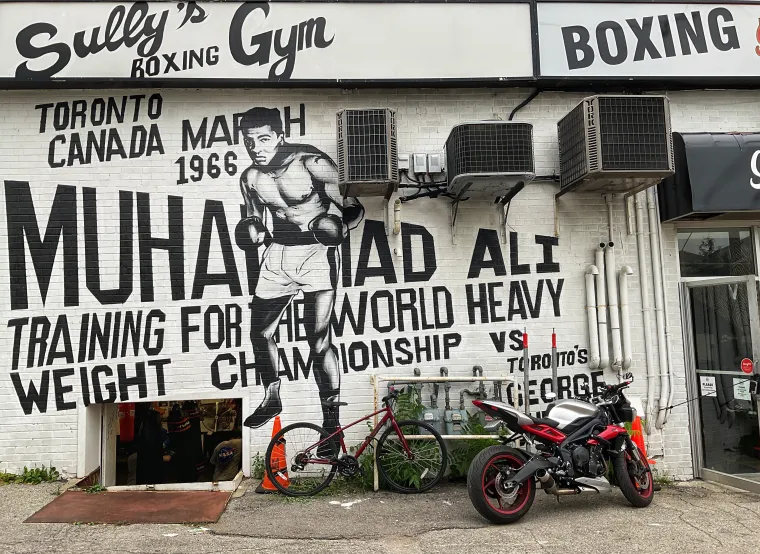
Sully Gym’s, founded in 1943, is the thread that connects much of Toronto’s post-1940s boxing history. Muhammad Ali worked out there for the 1966 World Heavyweight fight against local hero George Chuvalo. Lennox Lewis trained there before representing Canada at the Los Angeles Olympics in 1984. In March 2019, Sully’s faced eviction. “It’s an old-school gym and I try to keep it that way,” head coach Tony Morrison told the Toronto Star. “But everywhere you go, the rents have gone up.” A $30,000 fundraising campaign enabled Sully’s to move its current spot on Dundas St. West, in the summer of 2019.
Sully’s Gym Survives Eviction Order
Article
Ned Hanlan’s Deadly Victory
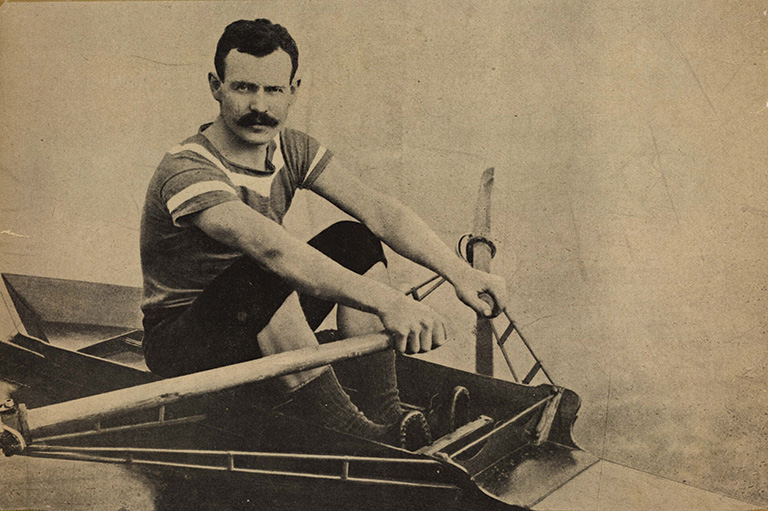
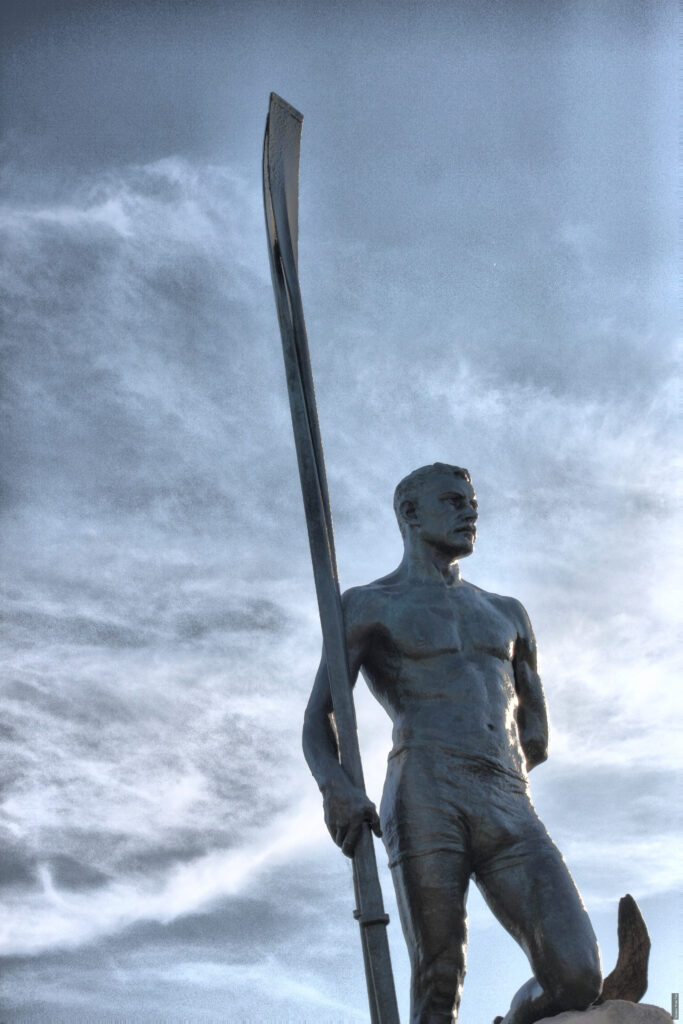
On a spring day in 1878, 40,000 people crowded around Toronto Bay to watch the world’s greatest rower, Ned Hanlan, defeat American champ Fred Plaisted.
Excitement was so high the city declared it an official holiday. Organisers built grandstands on the water, and people scaled onto rooftops along the waterfront. One fan even fell to his death from a grain elevator. Despite the tragedy, the day was celebrated as a thrilling success thanks to Hanlan’s win.
A Canadian Legend: Ned Hanlan
- Born 1855, Toronto, Ontario; died 1904, Toronto, Ontario.
- Grew up on the Toronto islands and used to row to school on the mainland.
- Once charged for bootlegging, but the scandal was quickly forgotten after his first big win; he was feted as a hero by the mayor and a crowd of thousands.
- Hanlan was such a dominant athlete—and showboat—that he’d pause during races to blow kisses to the crowd.
Ned Hanlan’s Deadly Victory
Article
Muhammad Ali Wins 15 Rounds Against George Chuvalo
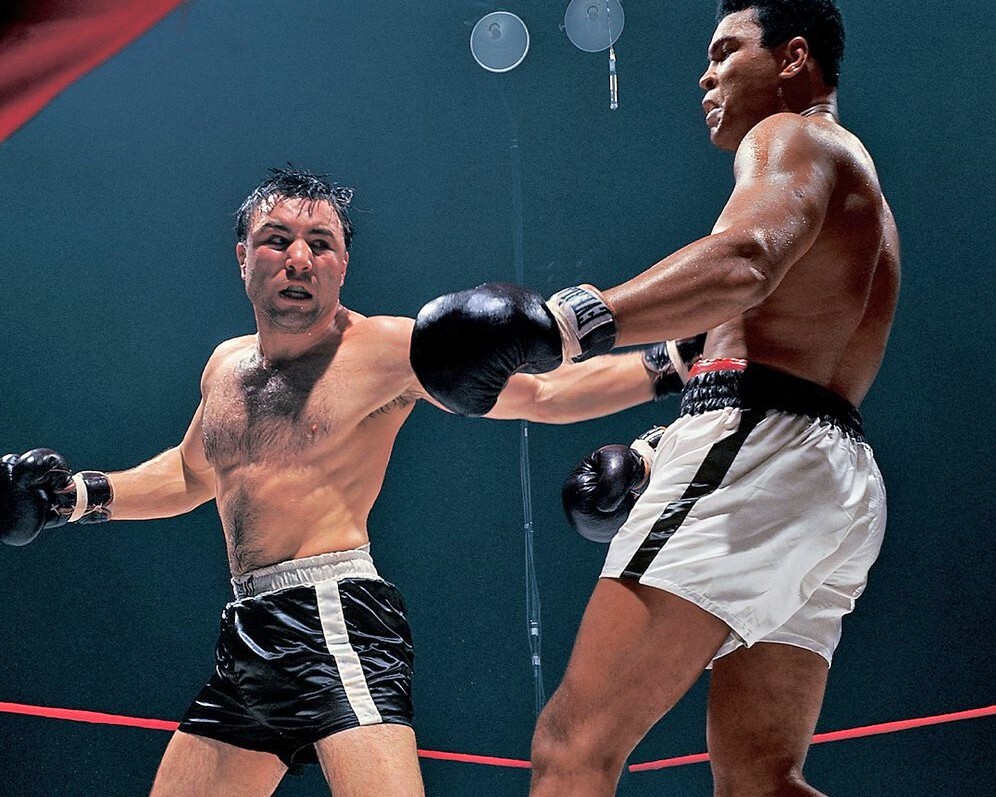
Maple Leaf Gardens – World Heavyweight Championship
When the United States decided to enter the Vietnam War in 1965, public opinion was mixed. Muhammad Ali, the reigning world heavyweight champion, publicly opposed the war on moral and religious grounds. His stand affected his career – sales for a scheduled fight against Jimmy Ellis in 1966 slowed to a trickle, several American cities declined to sanction the bout, and Ellis pulled out. Lucky for Toronto, organisers offered up Maple Leaf Gardens as a venue. George Chuvalo, a local fighter and five-time Canadian heavyweight champion stepped in as Ali’s foil. The 13,918 people in attendance saw 15 rounds of peak ali: a fast, fluid puncher and savvy self- promoter, fighting his way to a place in history. Only one year later, Ali was stripped of his heavyweight title and boxing licence after refusing induction into the U.S. Army.
Muhammad Ali Wins 15 Rounds Against George Chuvalo
Article
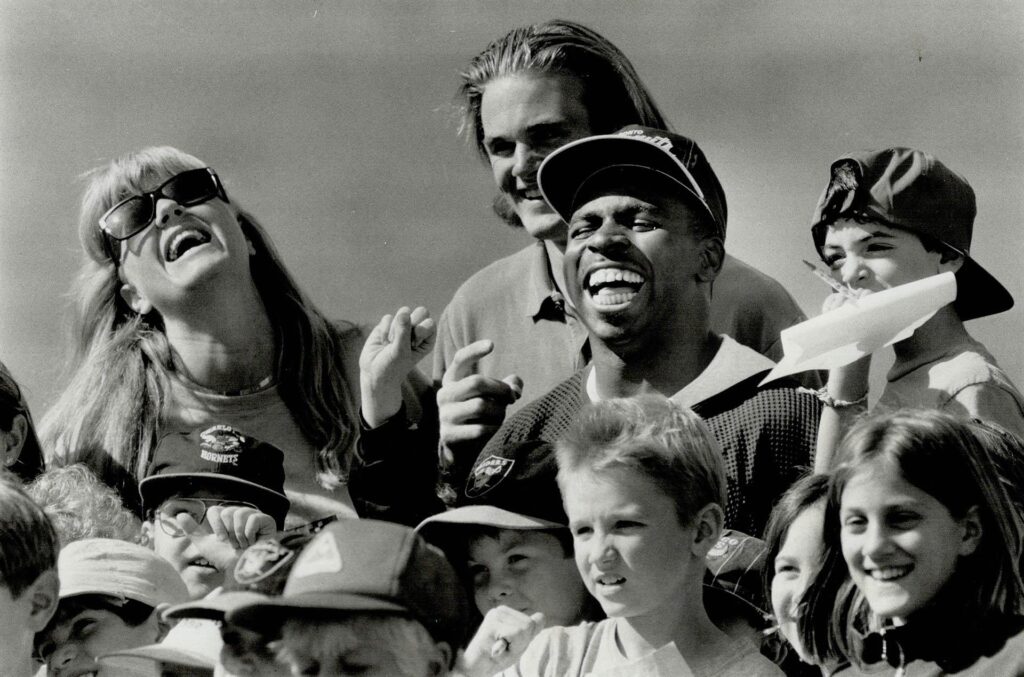
Michael “Pinball” Clemons Debuts for the Argos
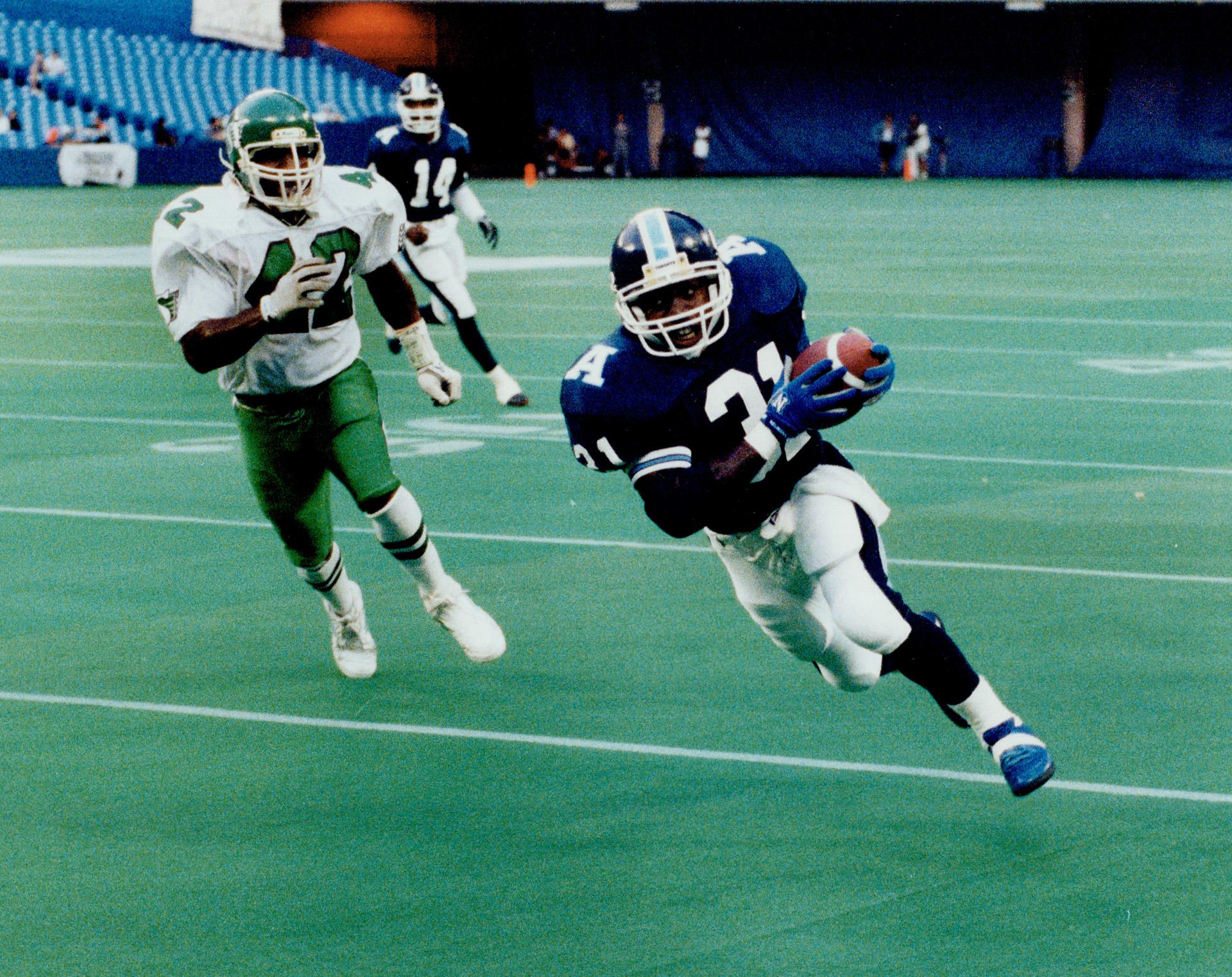
At 5’5” and 170 Michael Clemons was an undersized running back from a small school – the College of William & Mary in Williamsburg, Virginia.
He logged a solid Argos debut, gaining 108 yards on eight punt and kickoff returns, and quickly earned the nickname “Pinball” for his ability to bounce off would-be tacklers. In 2000, he retired as the greatest Argonaut in history, setting six team records. He graduated to head coach, and from there to the front office – Clemons is currently the team’s general manager – all while running a foundation that supports children in marginalized communities. He remains the team’s highest-profile ambassador, and few athletes in the city’s history can equal his on- and off-the-field impact.
Michael “Pinball” Clemons Debuts for the Argos
Article
Making Indigenous history…and future
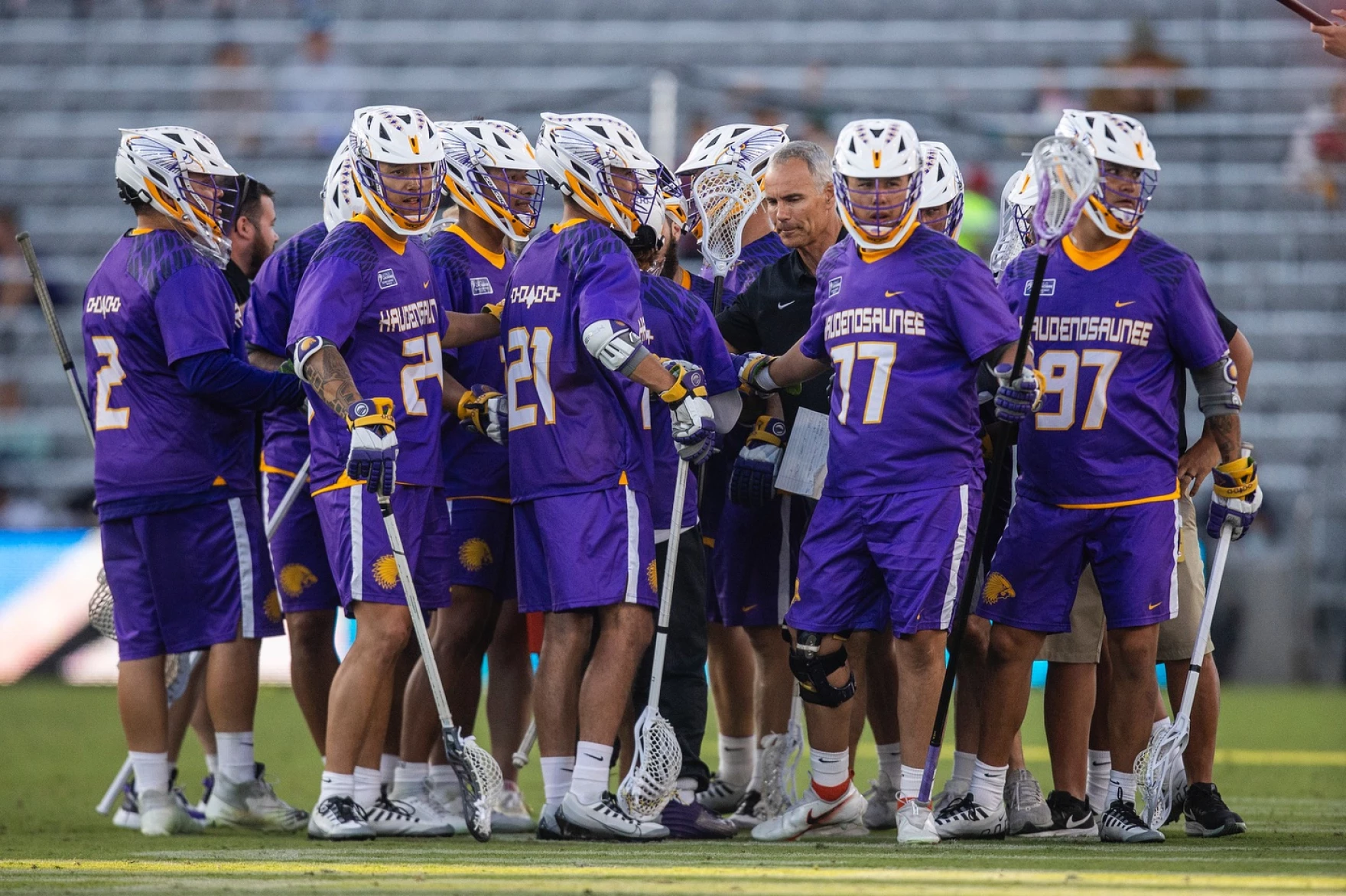
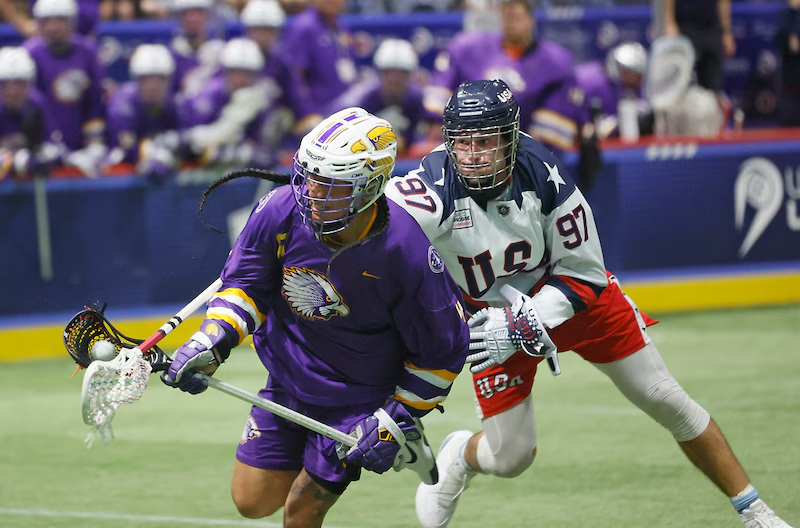
The Haudenosaunee Nationals, founded in 1983 and based in Six Nations of the Grand River in Ontario, are the only Indigenous sports organisation that competes internationally.
Both the men’s and women’s divisions are pushing to be included in the 2028 Summer Olympics in Los Angeles, but the International Olympic Committee does not yet recognize the Haudenosaunee as representing a sovereign state. “I definitely think they should be at the Olympics,” says Challen Rogers, the captain of Toronto Rock who counts Kwakwaka’wakw ancestry among his heritage. “They are the creators of the game.”
Making Indigenous history…and future
Article
Lionel Conacher’s Championship Day
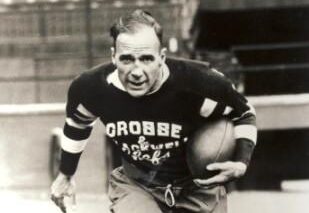
Lionel “The Big Train” Conacher is considered by some to be the greatest athlete of all-time.
He was a multi-sport athlete who eventually counted two Stanley Cup victories, a Grey Cup, and induction to the Canadian Lacrosse Hall of Fame among his triumphs. In 1921, Toronto sports fans witnessed him capture two different championships in a single day. West enders watched him drive in the winning run to clinch the local city baseball championship. Afterward, Conacher raced across town to the Beaches, where his lacrosse team was trailing in another championship game. He led them to a comeback victory, scoring the winning goal.
A Canadian Legend: Lionel Conacher
- Born 1900, Toronto, Ontario; died 1954, Ottawa, Ontario.
- All-around athlete: he won championships in hockey, football, boxing, wrestling, baseball, and lacrosse.
- Died while playing a charity baseball game on the front lawn of Ottawa’s parliament buildings, having been elected as a Member of Parliament.
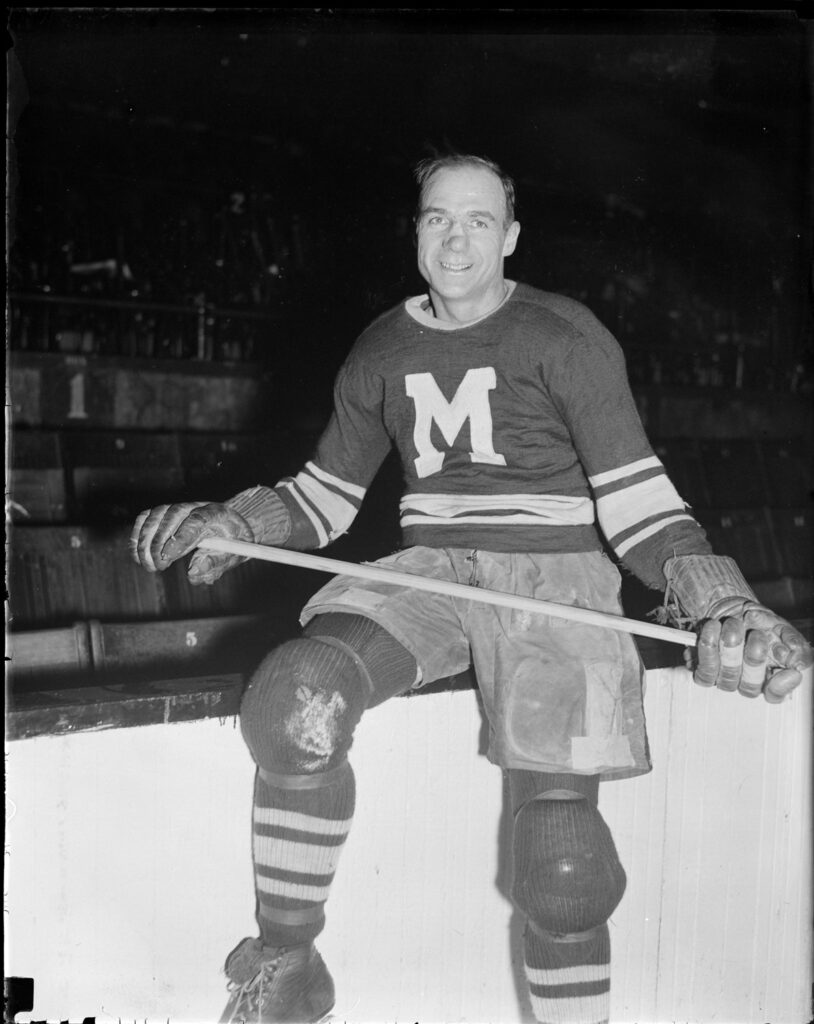
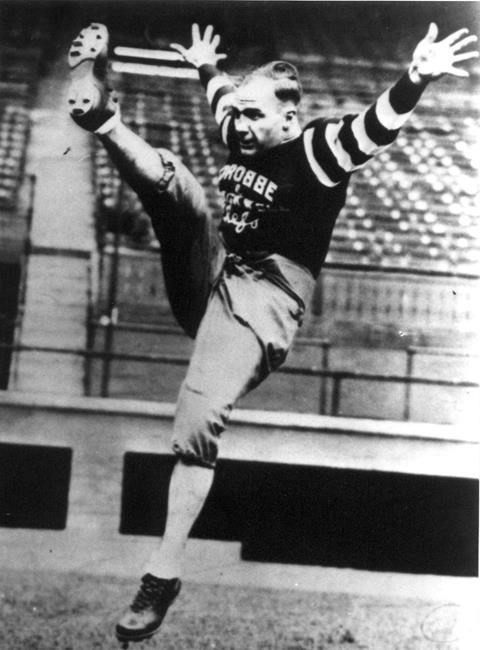
Lionel Conacher’s Championship Day
Article
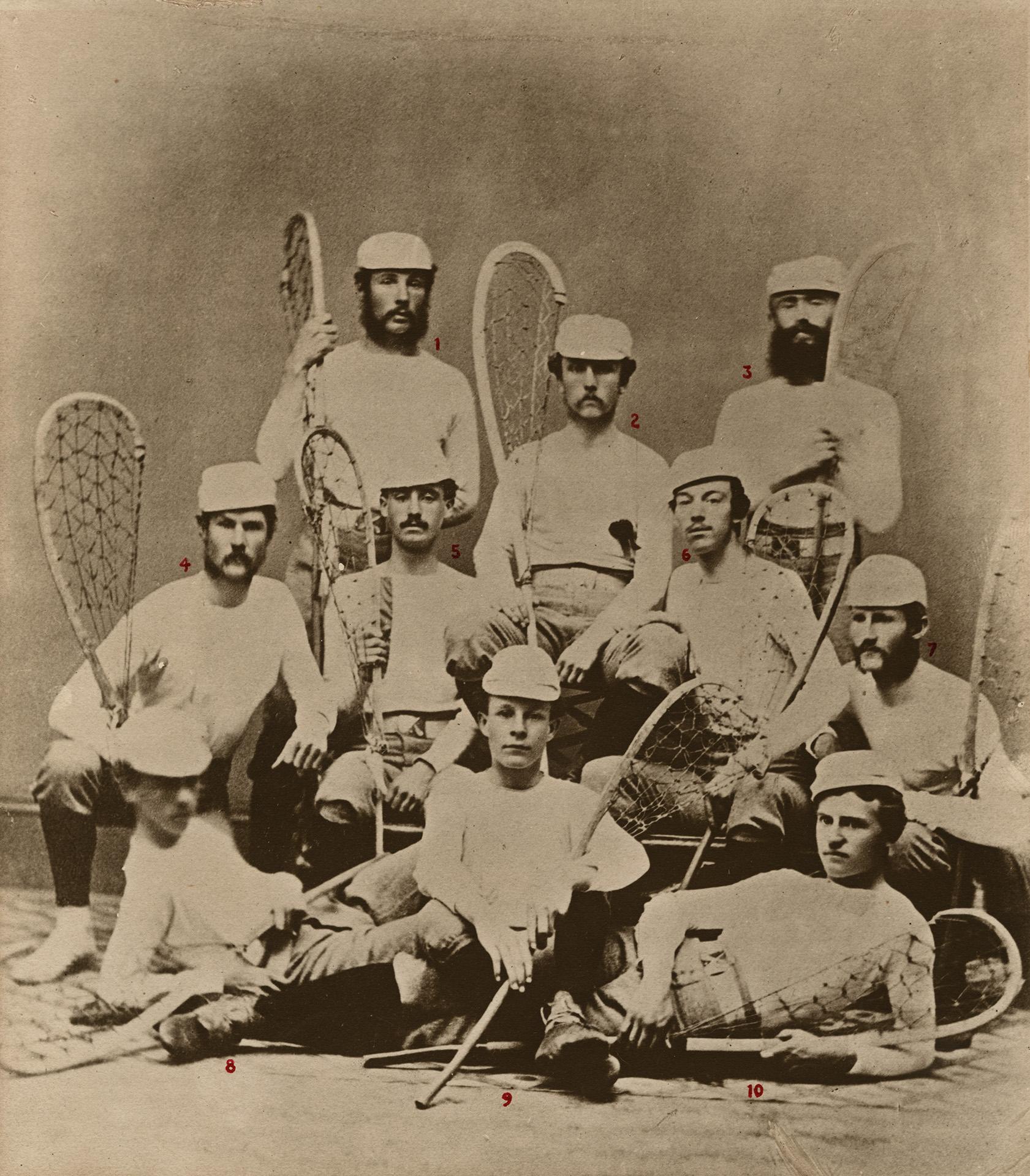
Lacrosse: What’s in a Name
Lacrosse is undoubtedly a First Nations sport, played and refined by many different communities, but the name—originally “la crosse”—comes from the French settlers.
It’s a reference to the game’s sticks, whose curved top resembles a bishop’s staff. The Mohawk called their version Tewaaraton, and some Anishinaabe Nations called it Baagaadowewina. Owing to the spiritual, physical, and ceremonial elements of the sport, it’s also been dubbed “The Creator’s Game” by many First Nations players.
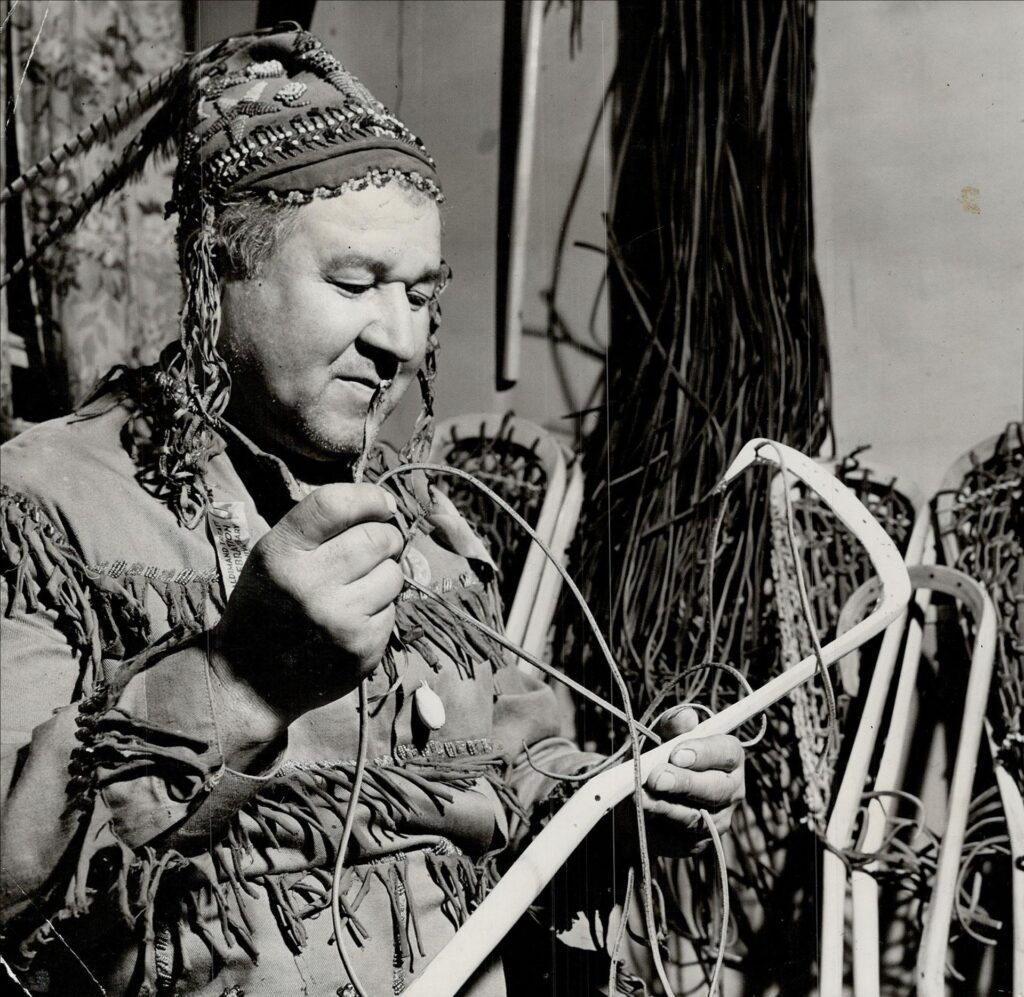
Lacrosse: What’s in a Name
Article

Lacrosse Introduction
“…playing the sport Indigenous People created…”
“It means a lot being Indigenous and playing the sport Indigenous people created. It really brings awareness to the roots and where this game came from.”
– Challen Rogers, Toronto Rock captain
Lacrosse goes back to at least the late 1600s. Back then, there were only two guidelines: no touching the ball with your hands, and no out-of-bounds gameplay areas. Matches could last days and feature hundreds of players.
In the 1860s, a Montrealer named William George Beers colonised the sport, designing a list of rules, different equipment, and reducing the number of players. He also removed the spiritual and ceremonial components. Today, contemporary lacrosse resembles Beers’ version, but Indigenous educators, players, and leagues are bringing the sport back to its roots.
Lacrosse Introduction
Video
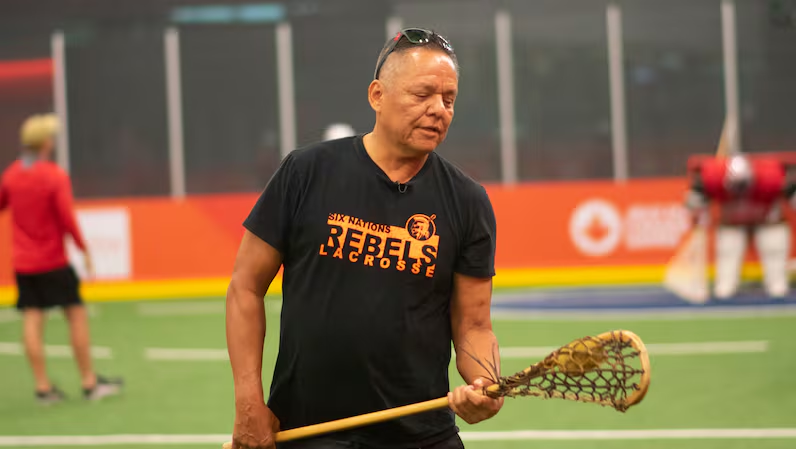
Kevin Sandy: bringing the game back to its people
“It’s awesome and beautiful because a lot of people don’t understand that we still have our games here.”
Kevin Sandy.
Kevin Sandy, the director of Haudenosaunee Lacrosse and a member of the Lower Cayuga Nation, leads workshops and clinics across North America that tie the lacrosse back to its history, spirituality, and ceremony.
Kevin Sandy: bringing the game back to its people
Article
Ken Whitlock Integrates the Argos
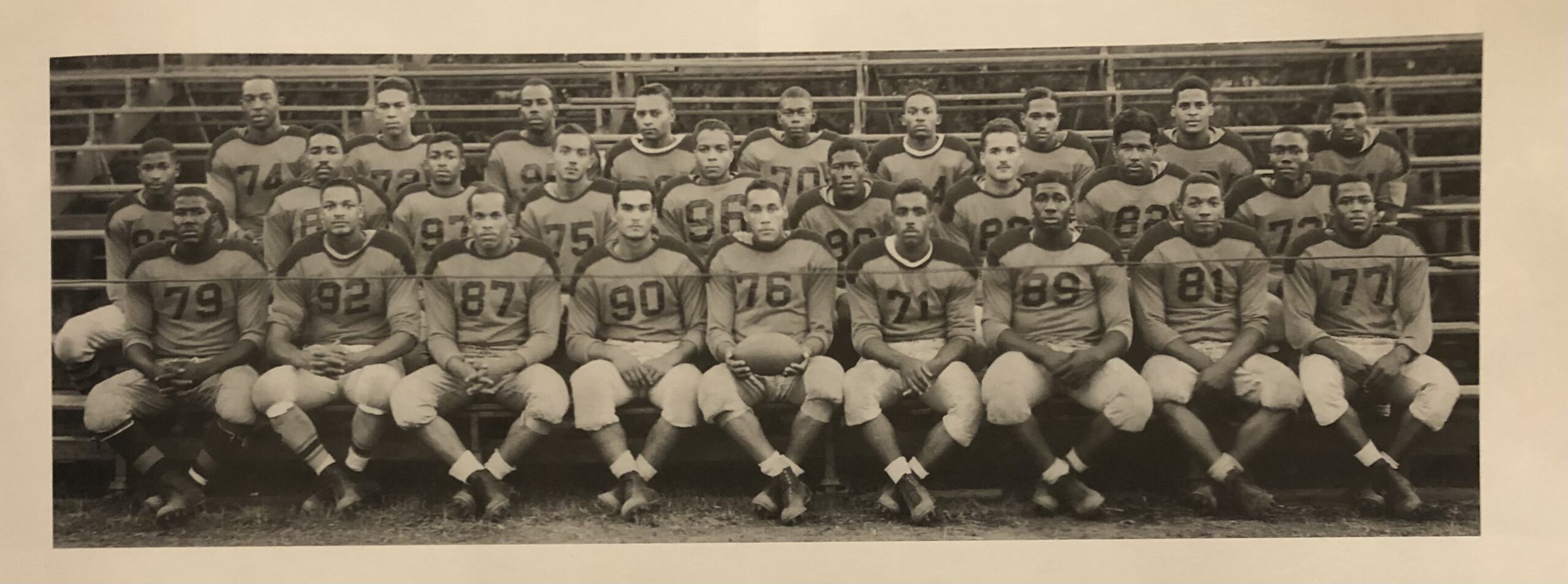
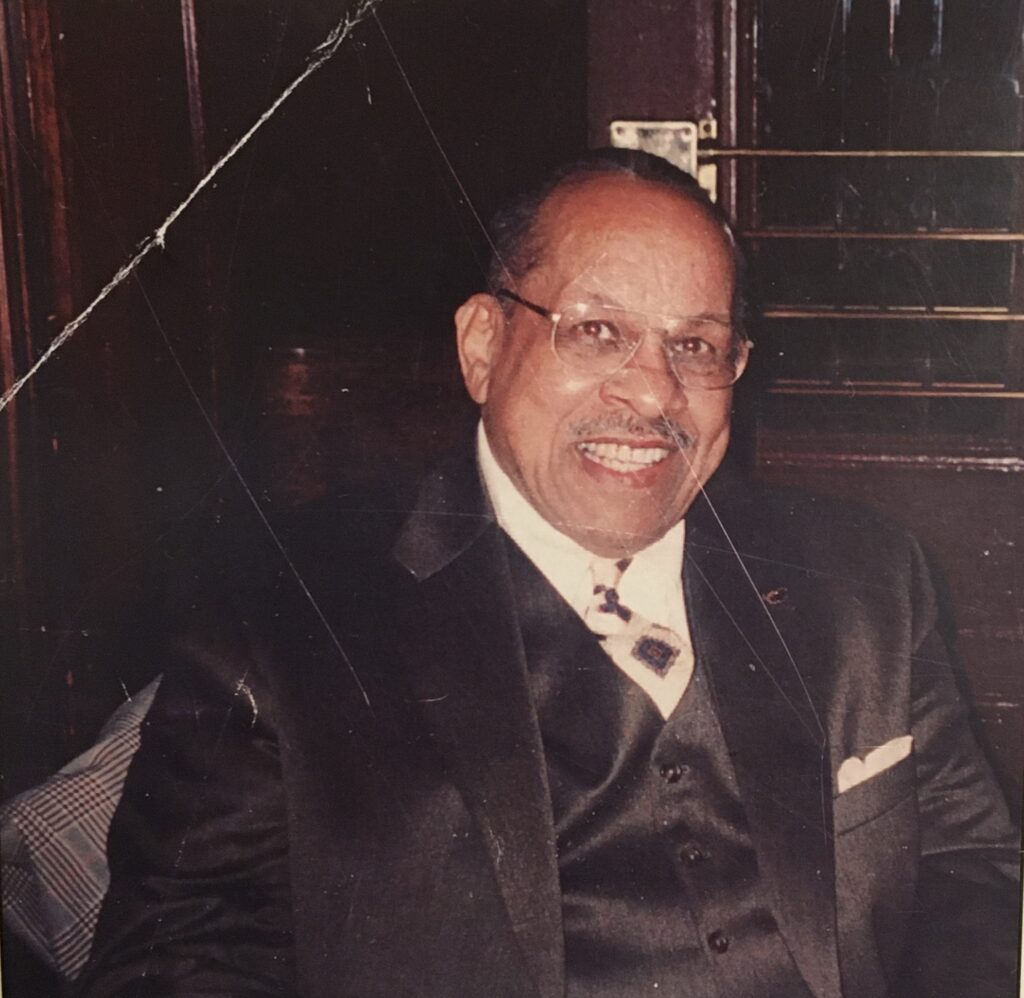
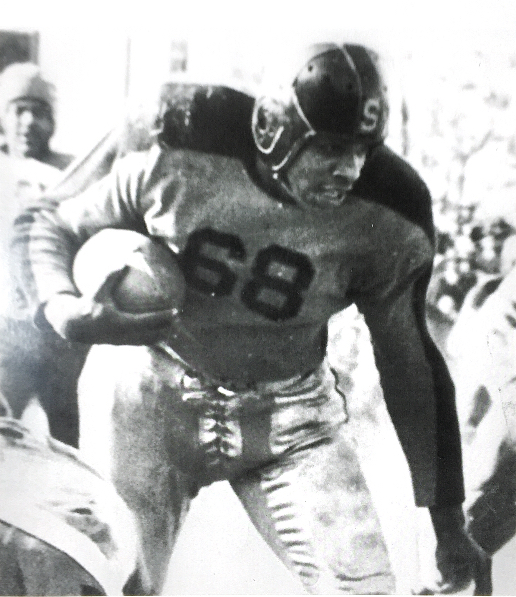
The Argonauts had never featured a Black player before Ken Whitlock called the team in 1948, seeking a tryout.
Whitlock, who was a halfback, punter, and a Negro All-American honouree at Virginia State University, was 28 by the time he arrived at the Argonauts camp. He scored his first point in a quintessentially Canadian way: sending a punt through the opposing end zone for a rouge. A torn rotator cuff shortened his season, and his Canadian Football League career, to four games. But he found what he had sought: a fair opportunity.
Ken Whitlock Integrates the Argos
Article
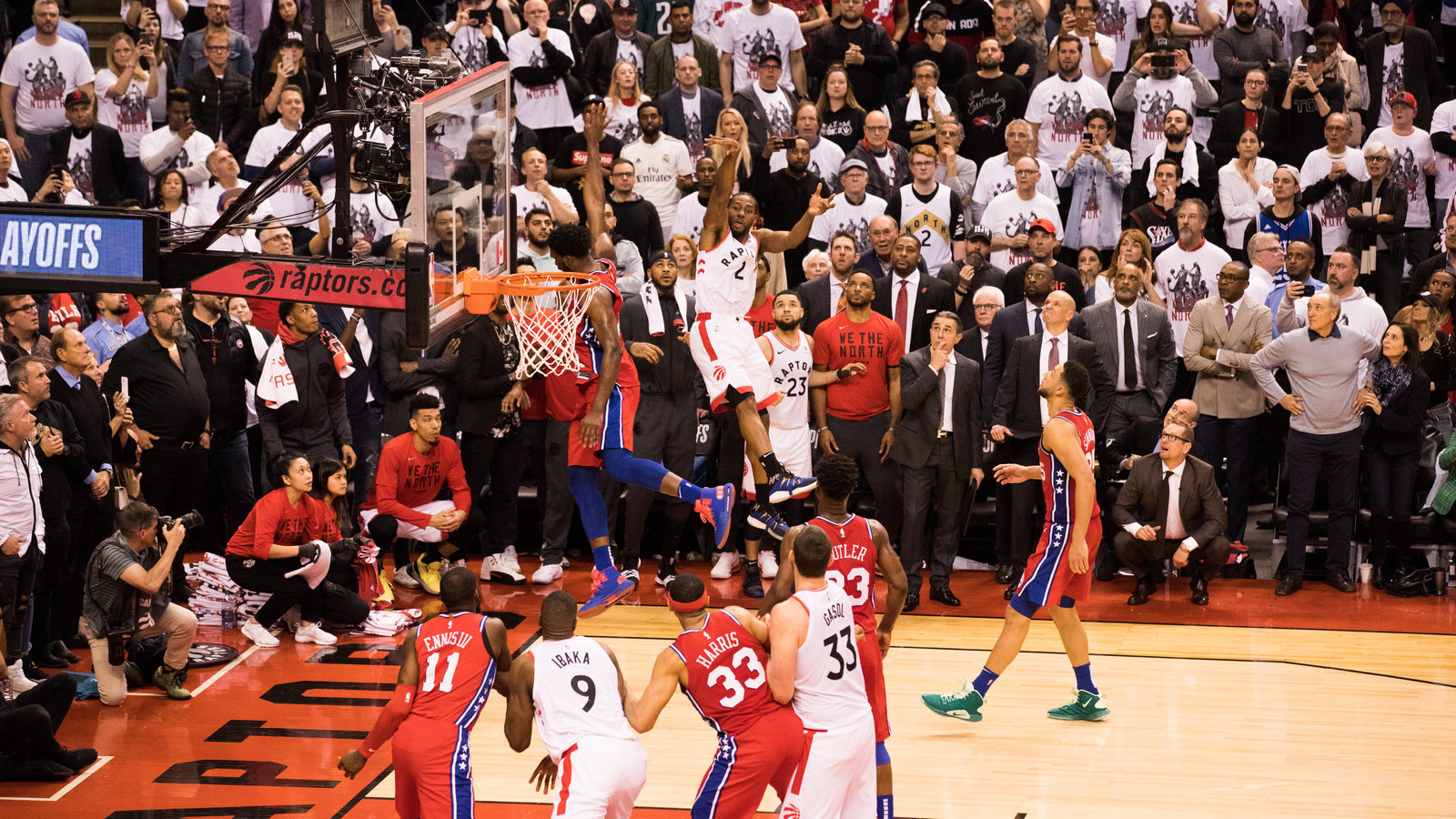
Kawhi Leonard and “The Shot”
Scotiabank Arena – Raptors 92 vs. 76ers 90
Can a game-winning shot in an Eastern Conference semi-final be more important than the actual National Basketball Association championship? In this context…absolutely. Kawhi Leonard launched that shot half a second before the final buzzer of a tie game. If he missed, the game would go to overtime and maybe the Raptors’ title quest would end. The ball bounced on the rim four times as a sold-out arena sat in silent suspense. When the ball dropped, the crowd erupted, and the Raptors advanced to the conference final. Leonard’s shot remains the only Game 7 buzzer-beater in NBA history, and it ranks alongside Joe Carter’s game-winning home run and José Bautista’s bat flip as “Where Were You When it Happened?” Toronto sports moments.
Kawhi Leonard and “The Shot”
Article
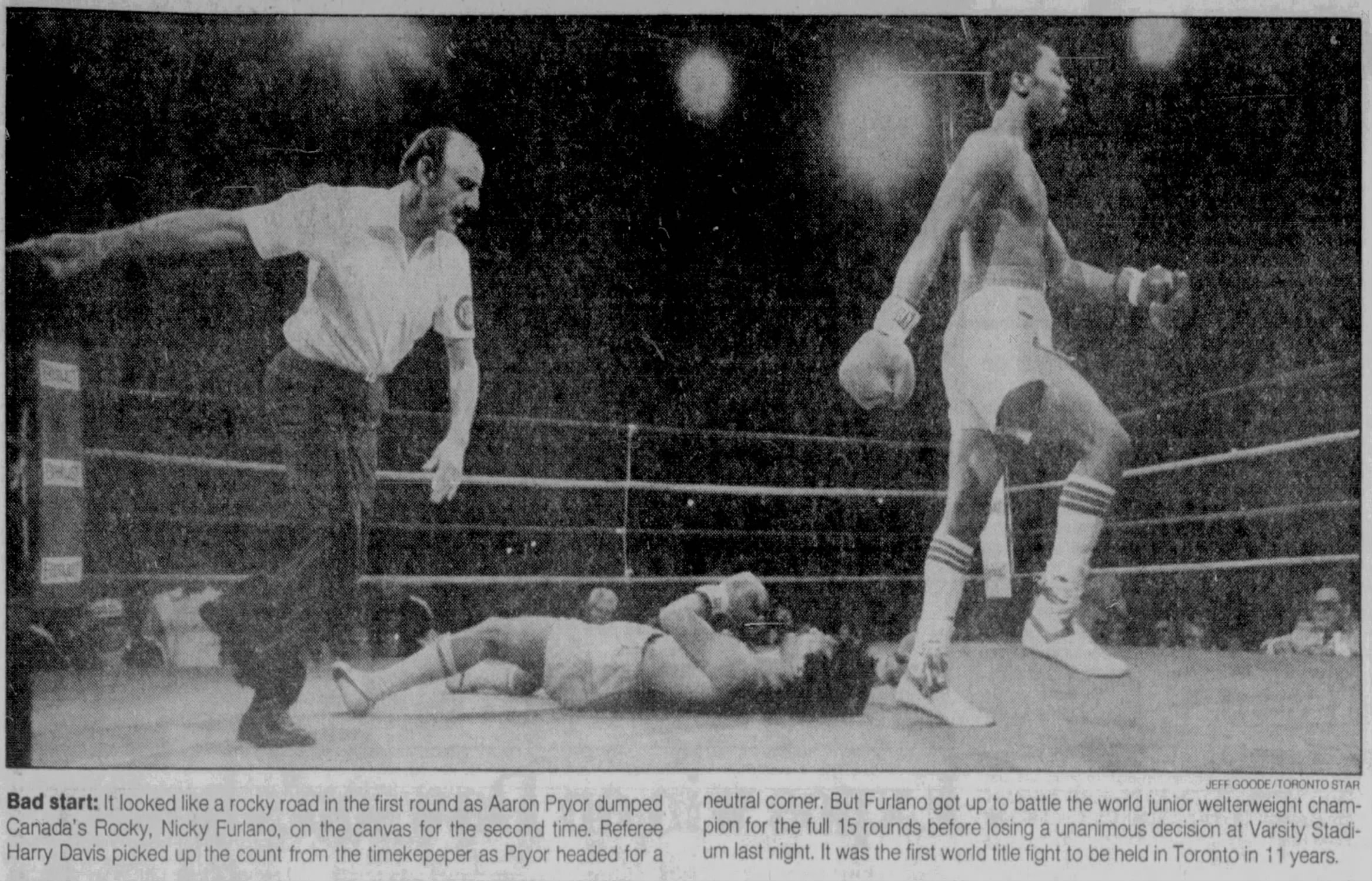
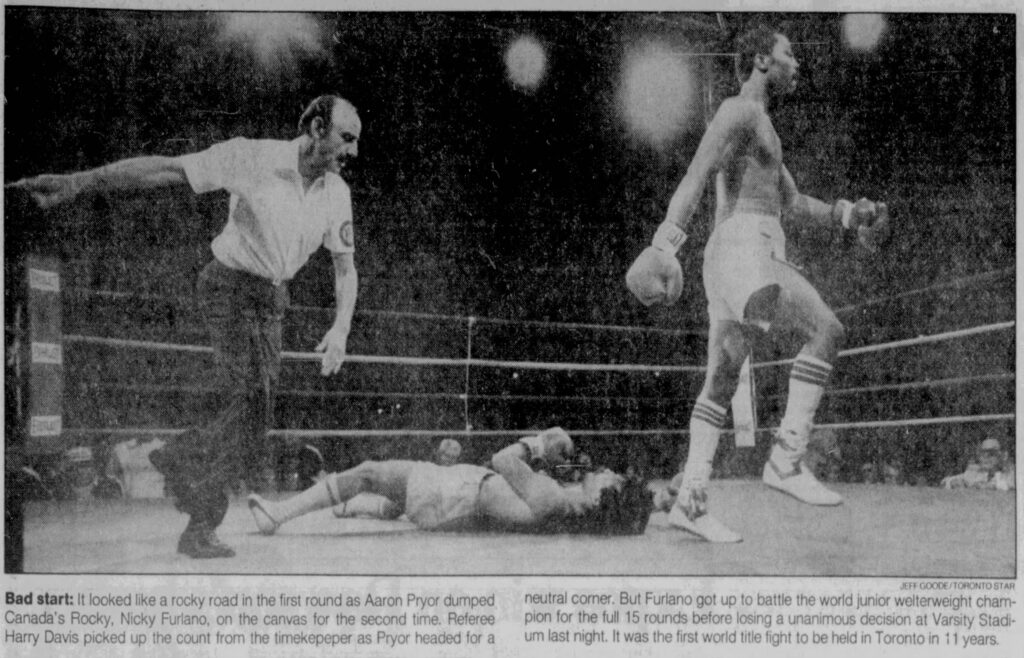
IBF Super Lightweight World Title
Varsity Stadium – Aaron Pryor vs. Nick Furlano
Aaron Pryor, the Cincinnati-born champion, came out of retirement to defend his International Boxing Federation title facing Nick Furlano, a Toronto-based challenger with whom he had a lot in common. Both boxers grew up tough, and lived on their own as teenagers. Both battled addiction during and after their careers. This fight, staged at University of Toronto’s Varsity Arena, saw Pryor, a feared power puncher, knock Furlano down in the first round. Furlano, surprisingly, survived that knockdown and lasted all 15 rounds, becoming the first fighter to go the distance with Pryor since 1977. Their meeting would be the last world title fight in Toronto for the next 34 years.
IBF Super Lightweight World Title
Article
Hockey And Lacrosse Face-Off to Become Canada’s National Sport
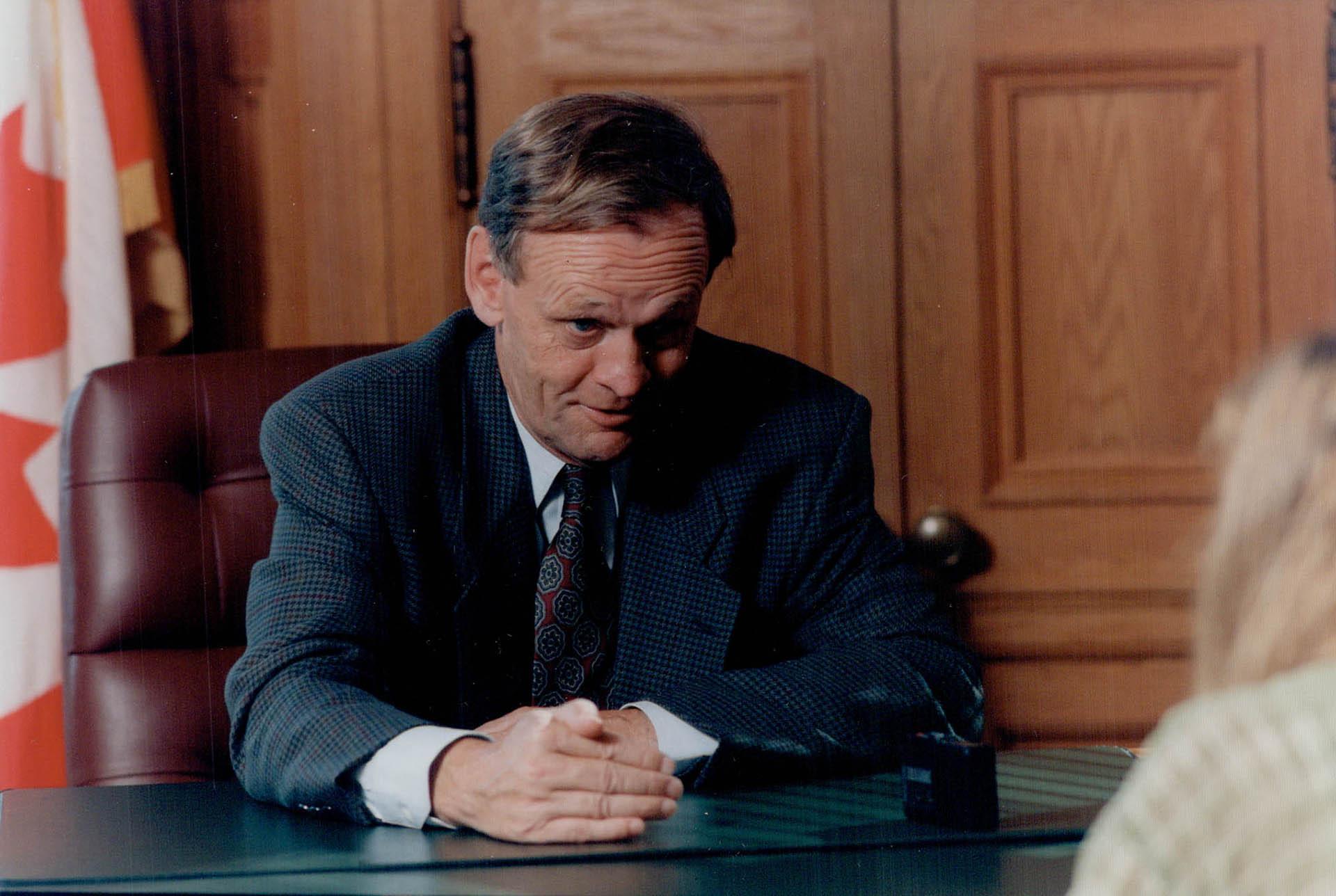
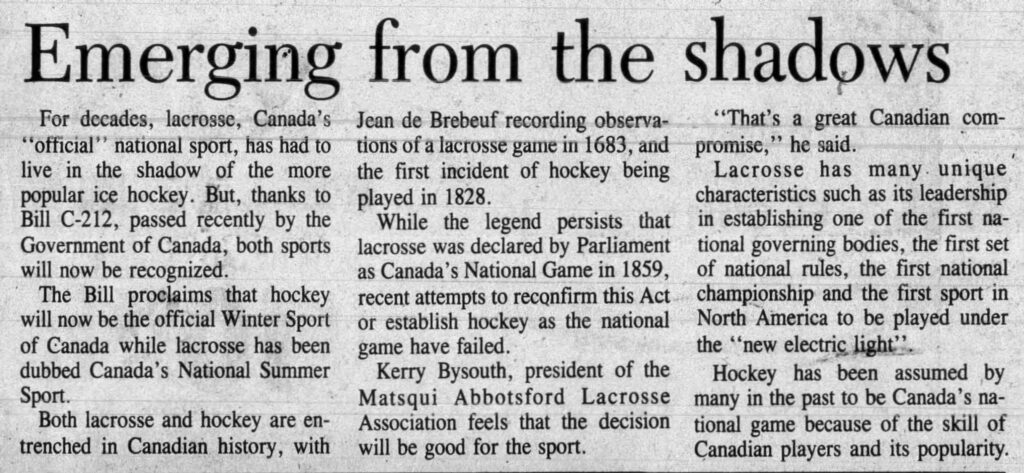
It’s a long-standing debate: what’s Canada’s national sport? Is it hockey? Or lacrosse?
On the one hand, there’s evidence First Nations have played lacrosse-like games on these lands for at least 400 years. But the sport we know today is a colonised version that lacks its original spirituality. In hockey’s favour, politicians have tried to declare the sport Canada’s official game since 1964. And hockey pop culture is everywhere—songs, movies, television, and beer commercials position hockey as the ultimate Canuck pastime. In 1994, Canadian parliament, under Prime Minister Jean Chretien, passed Bill C-212 and produced a typically Canadian compromise: lacrosse would be Canada’s official summer sport, and hockey would be the official winter game.
Hockey And Lacrosse Face-Off to Become Canada’s National Sport
Article
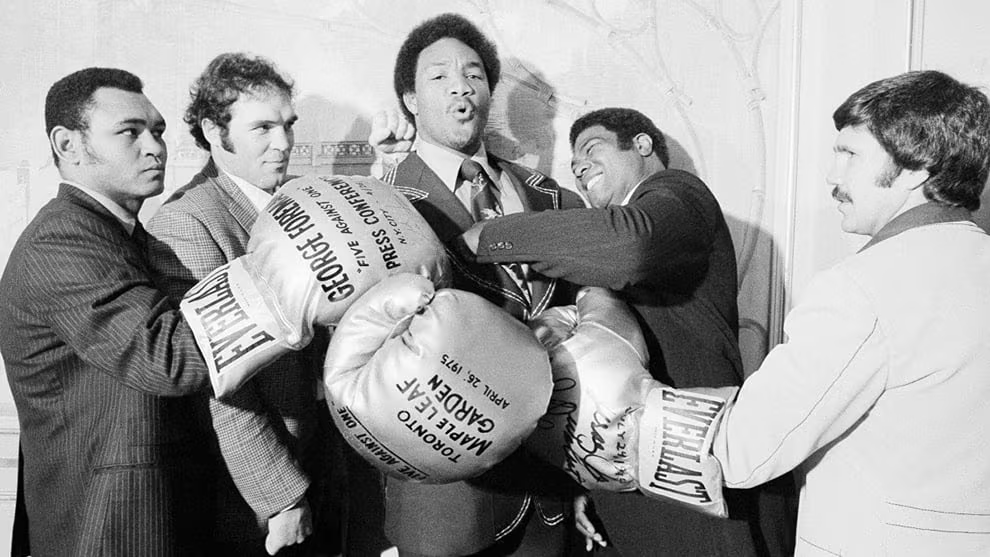
George Foreman Fights Five
Maple Leaf Gardens
Even though the day’s main event was Toronto’s Clyde Gray versus American Sammy Rookard, history remembers American boxer George Foreman on this night. Six months after losing the heavyweight title to Muhammad Ali, Foreman appeared in Toronto to fight five journeymen… consecutively over the course of an hour. Whatever Foreman thought he would prove didn’t matter. The crowd booed him, and Ali mocked him from the ringside, where he was working as a commentator alongside legendary journalist Howard Cosell. The action was sloppy, disjointed, and forgettable. Cosell called it “the weirdest thing you will ever see.” Whether this was the reason or not, Maple Leaf Gardens never hosted another boxing event.
George Foreman Fights Five
Article
Fighting for the Women’s World Championship
Video
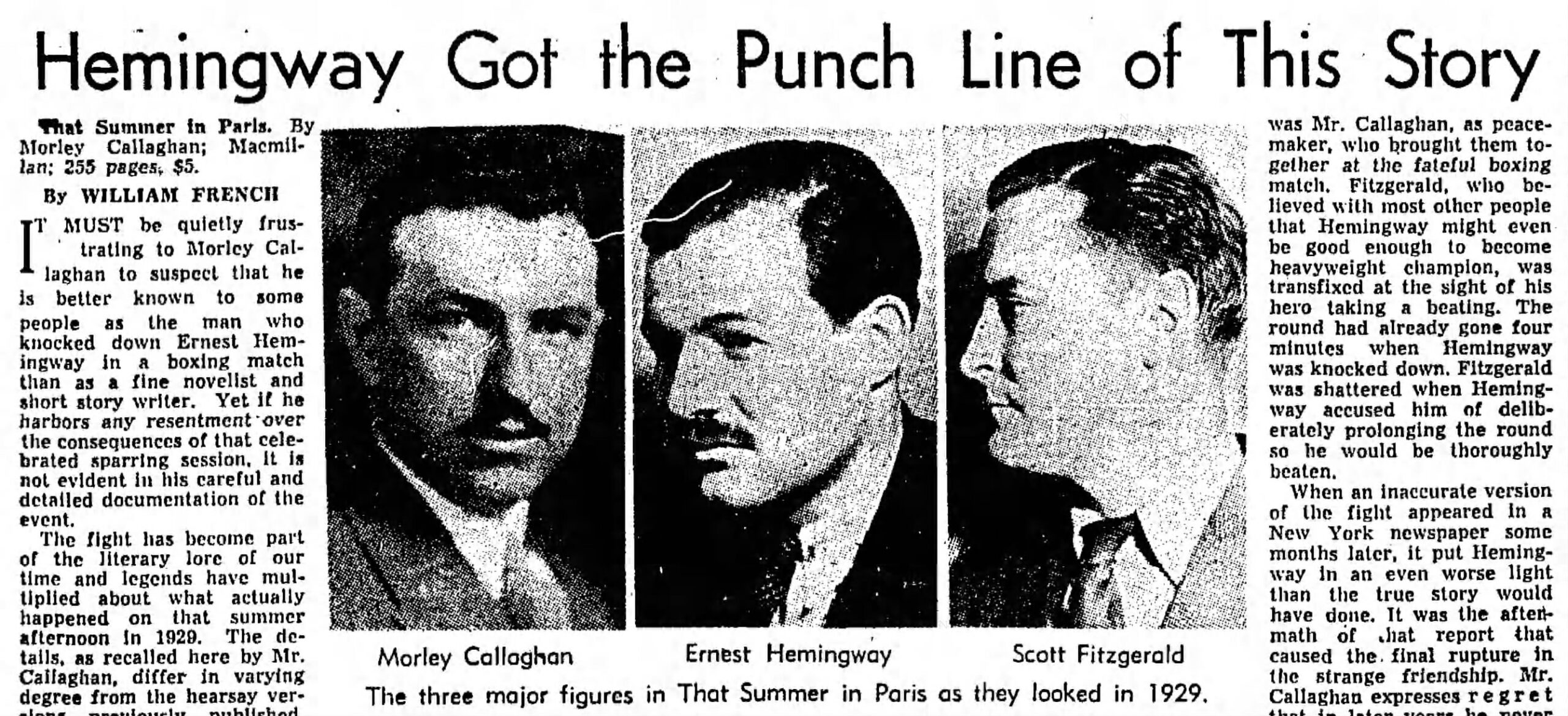
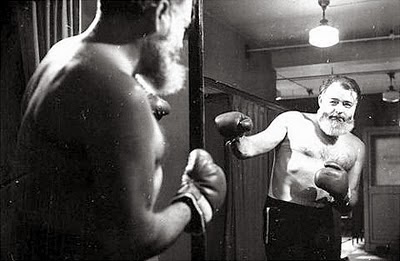
Ernest Hemingway vs. Morley Callaghan
American Club, Paris
One of history’s strangest boxing matches took place in Paris, France, between two Toronto Star writers. American novelist Ernest Hemingway was a foreign correspondent for the Star, as was Toronto-based author Morley Callaghan. The two writers become friends as well as sparring partners. Hemingway, often described as a “macho blowhard,” claimed to be one of the world’s great boxers, but he was no match for Callaghan. Their friend, American author F. Scott Fitzgerald, was asked to serve as timekeeper. Fitzgerald let a round go too long, and Callaghan knocked Hemingway to the mat. Hemingway never forgave Fitzgerald; it was the end of their famous friendship.
Ernest Hemingway vs. Morley Callaghan
Article
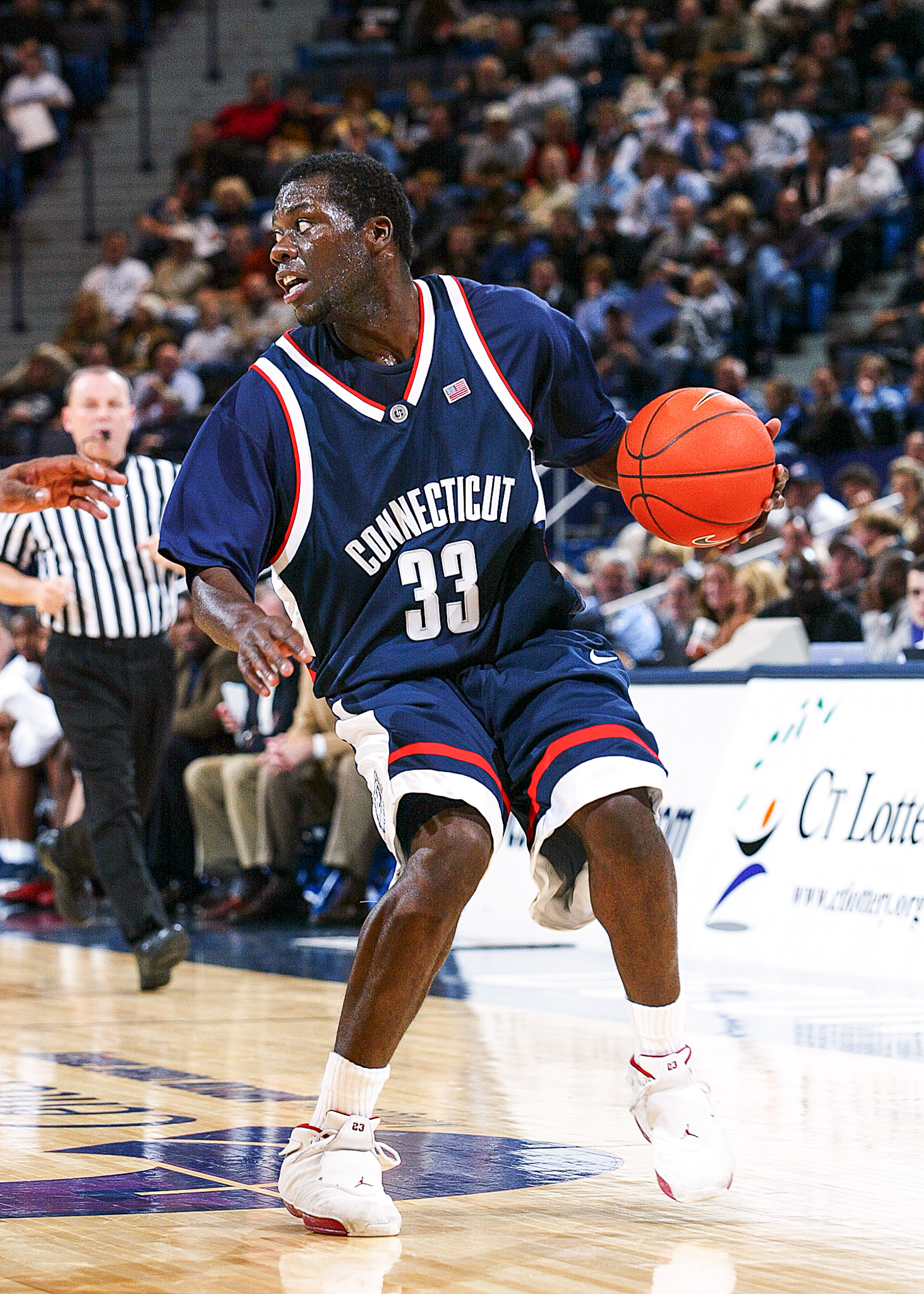
Denham Brown Scores 111 Points
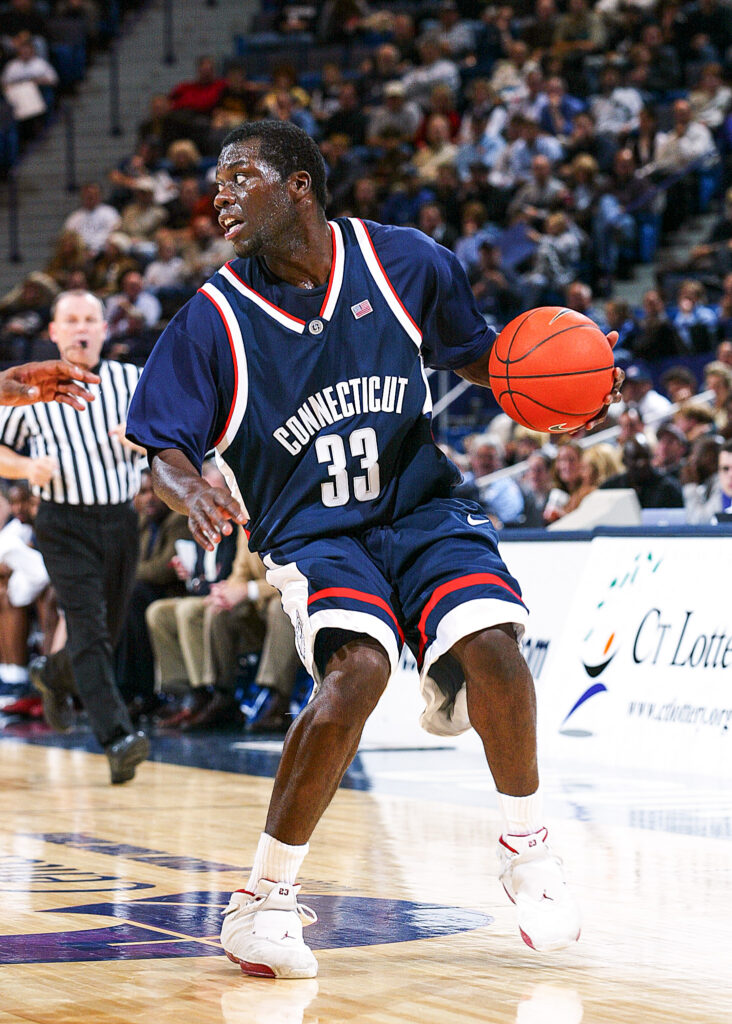
West Hill vs R.H. King – Denham Brown Scores 111 Points
Is it really possible to score 111 points in a single game? Maybe…and maybe the right player can score even higher. Denham Brown, a high school student at Scarborough’s West Hill Collegiate Institute, was 6-foot-6 and versatile: he could play guard and forward with strength, speed, skill, and shooting range. When he learned West Hill was ineligible for the league’s playoffs in 2002, Brown decided to close his high school career with a flourish against R.H. King Academy. His official 111 points remains a record, and a testament to the difference between a future NBA player and everybody else. Years later, Brown told the Scarborough Mirror that the score keeper had miscounted, and he had actually scored 113 points.
Denham Brown Scores 111 Points
Article
Cheering for the Red Handers
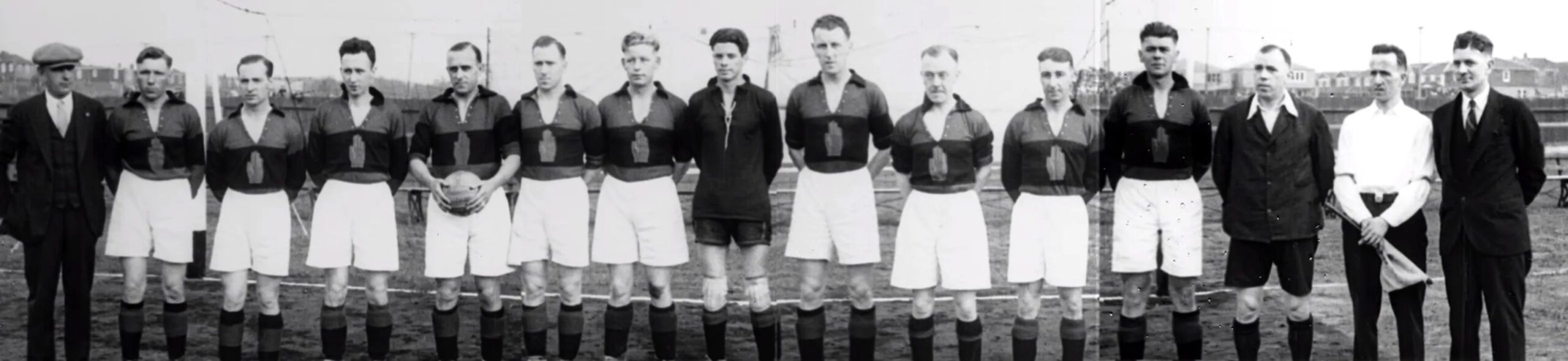
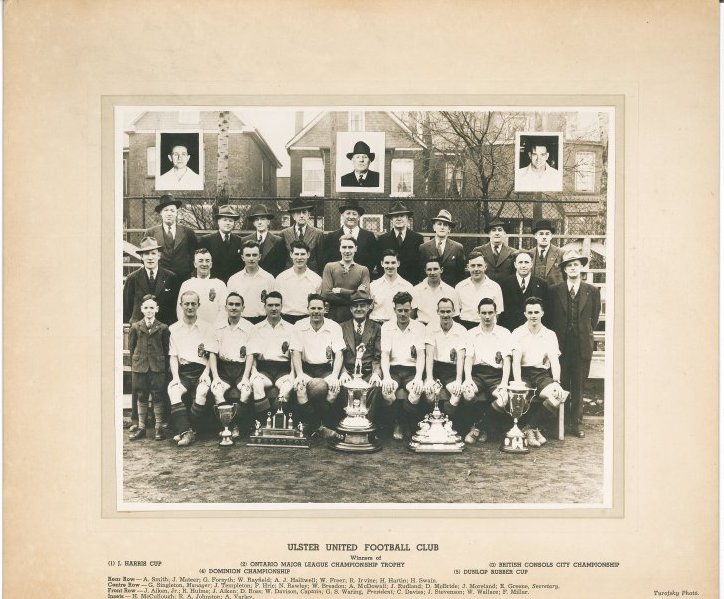
For much of its history, Toronto was a deeply Protestant and very Irish city.
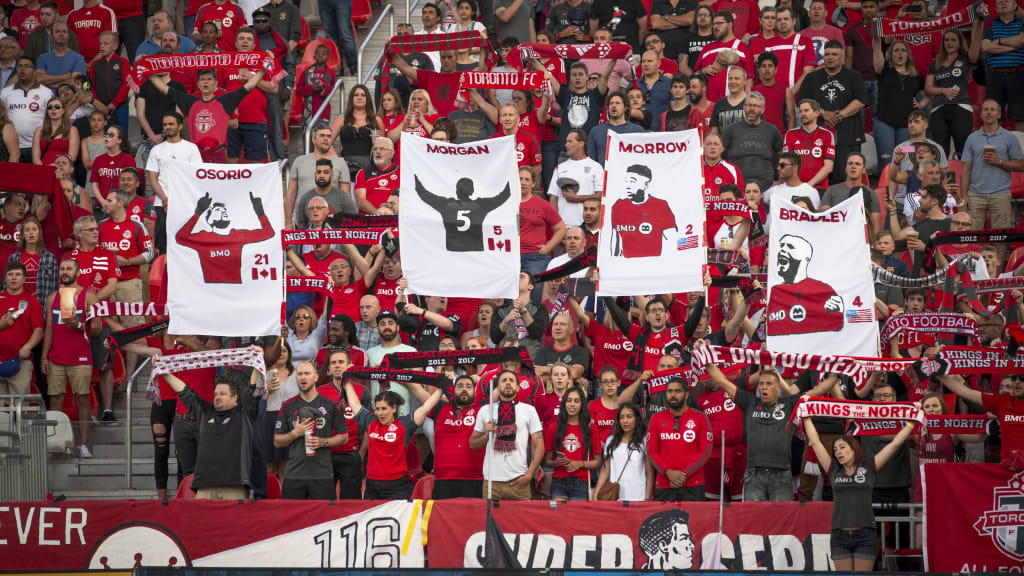
A century ago, the city’s most popular soccer team was known as Ulster United or the Red Handers – names that reference to Northern Ireland – and attracted a fiercely Protestant fanbase to Ulster Stadium in the east end. Today’s soccer scene is much more inclusive. When Toronto Football Club (TFC) was founded in 2007 as part of Major League Soccer (MLS), the Reds welcomed a more diverse set of fans than the Red Handers ever did, connecting people across a multicultural city deeply proud of its diversity.
Cheering for the Red Handers
Article
Canadian Welterweight Championship
Varsity Arena – Donovan Boucher vs. Shawn O’Sullivan
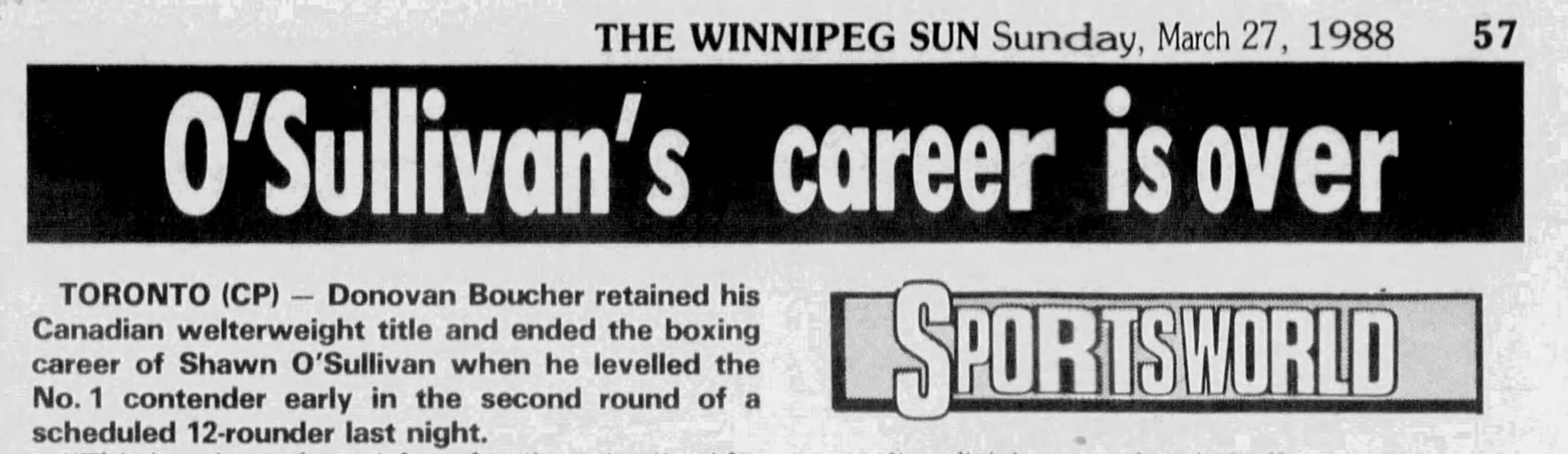
This match was international. Shawn O’Sullivan won Olympic silver in 1984 in Los Angeles, while Donovan Boucher had world title ambitions. It was also personal, as the men had been sparring partners in the past. And it was intensely local: O’Sullivan was the pride of the Cabbagetown Gym, while Boucher got his start at Toronto’s Sully’s Gym. Each man drew a passionate group of supporters to Varsity Arena on fight night, but the bout itself was one-sided. Boucher, younger and quicker, beat O’Sullivan to the punch repeatedly before knocking him out in the second round. Afterward, O’Sullivan announced the first of his three retirements.
Canadian Welterweight Championship
Article
Bloody Rivalries Are Born
Early hockey fights could be brutally dangerous, and the Blueshirts’ brawls were no different.
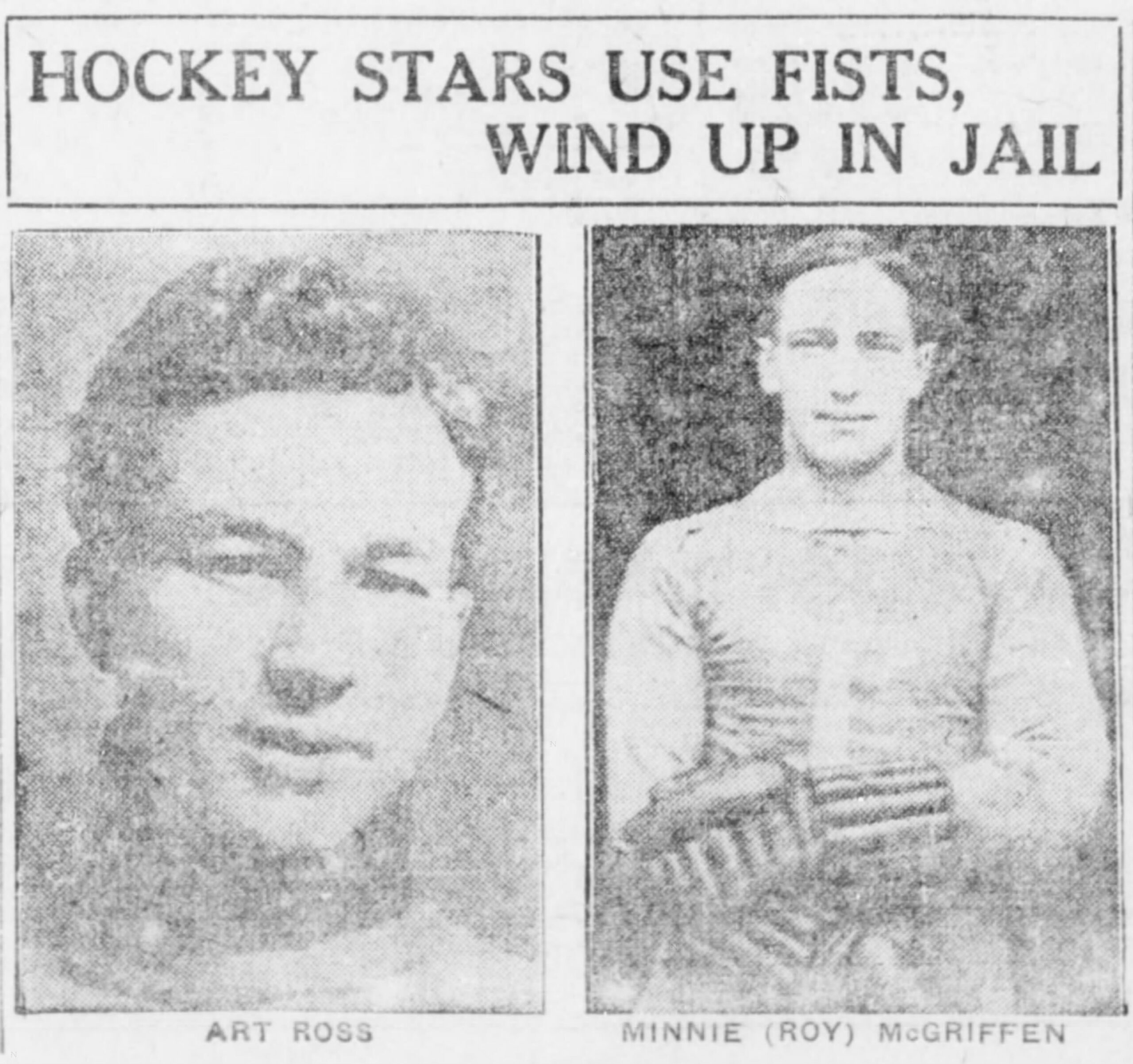
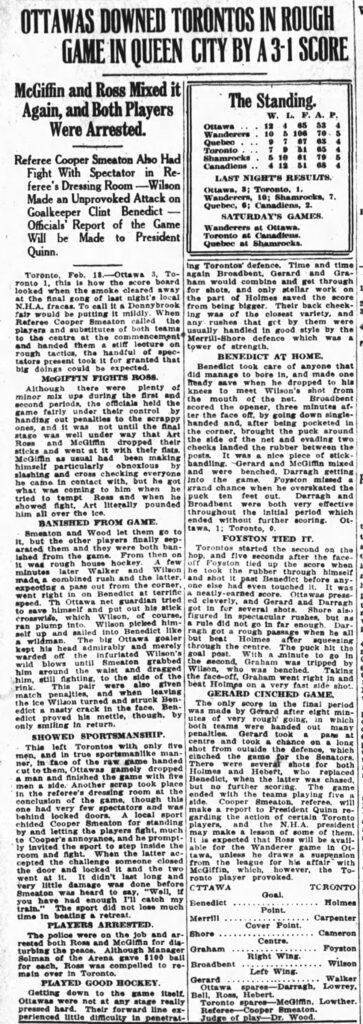
Many of their most vicious bouts featured familiar rivals for Toronto hockey fans: the Ottawa Senators and Montreal Canadiens. When the Senators came to town in 1915, several fights broke out – one so violent that Toronto’s Roy McGiffen and Ottawa’s Art Ross were arrested, released on $100 bail, and fined $1 plus costs. The following year the Canadiens paid a visit to Toronto, and a Montreal player assaulted Blueshirts’ right-winger Alf Skinner, which led to another arrest. Skinner himself was arrested two years later following a fight with the Canadiens’ Joe Hall. After several players died in the wake of on-ice brawls, some called for hockey to be banned entirely.
Bloody Rivalries Are Born
Article
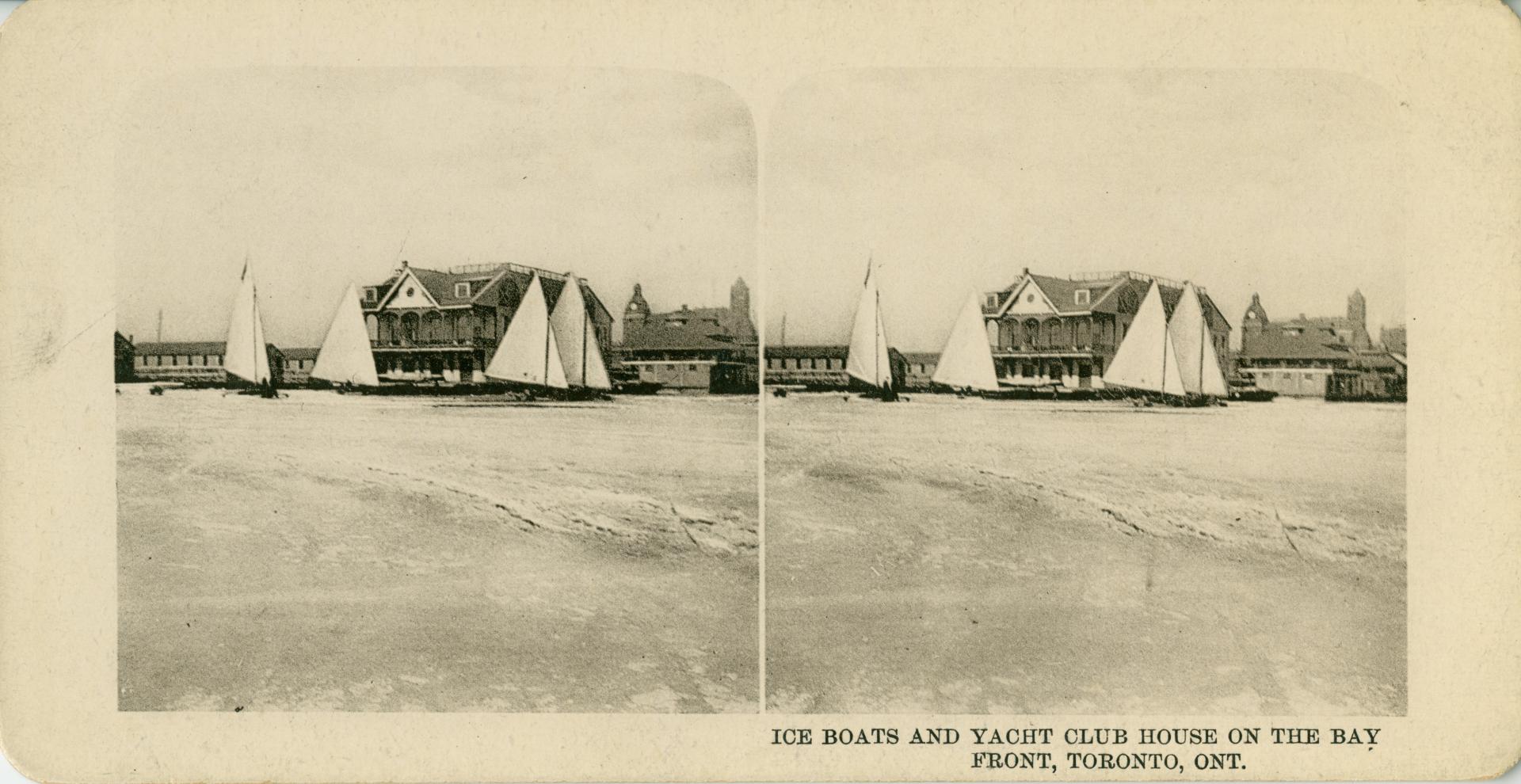
Argonaut Rowing Club Forms a Football Team
When fall arrived and rowing season ended, members of the Argonaut Rowing Club sought ways to stay in shape.
Their solution: a football team. By late October 1873, they had lined up for their first game, playing something resembling rugby rather than modern football. There were no pads, forward passes, lines of scrimmage, but the game still featured plenty of 1873-style action. “After a most exciting contest, one goal was scored at five o’clock by the Toronto man,” wrote The Globe and Mail.
Argonaut Rowing Club Forms a Football Team
Article
Archie Moore TKO James J. Parker
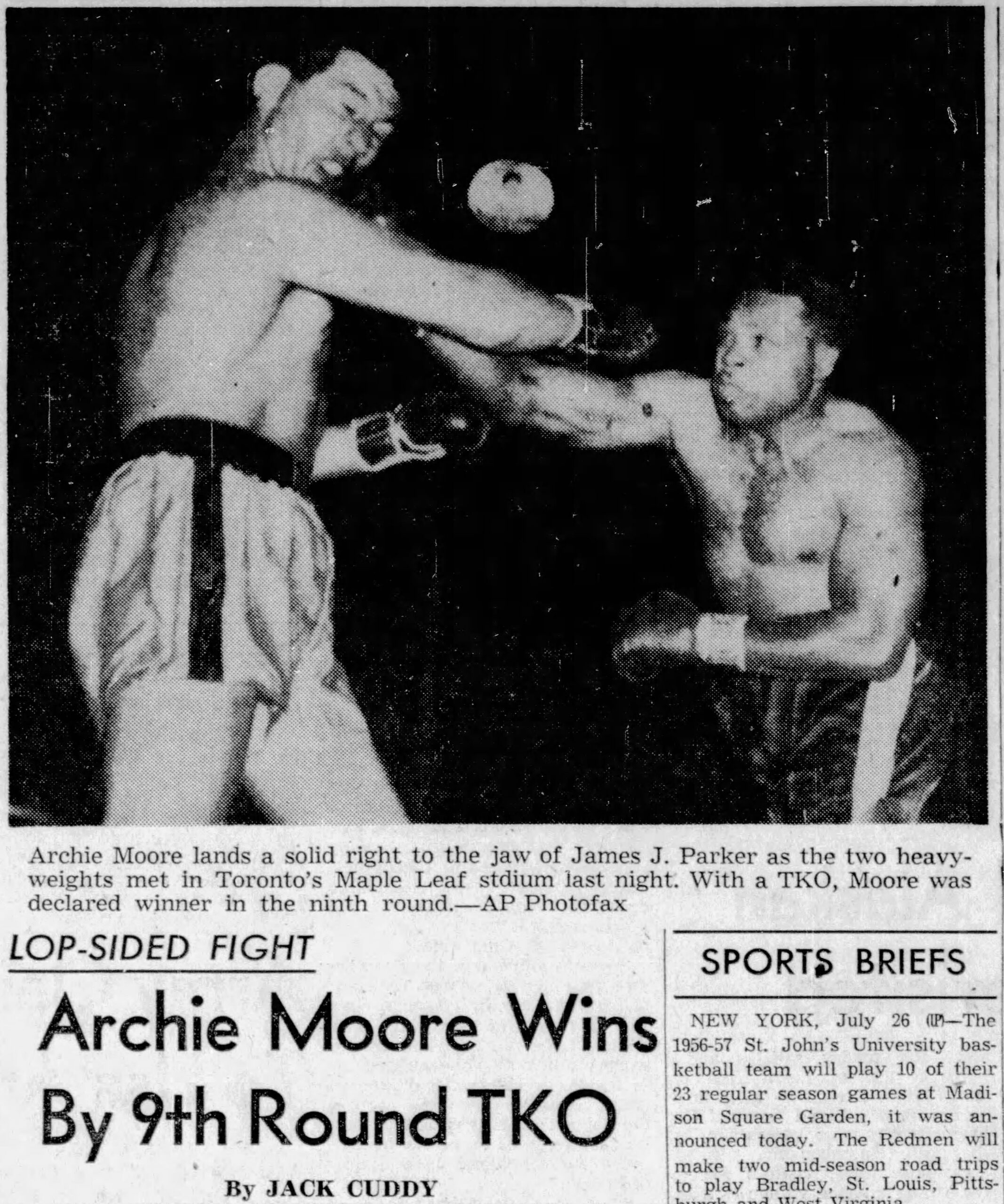
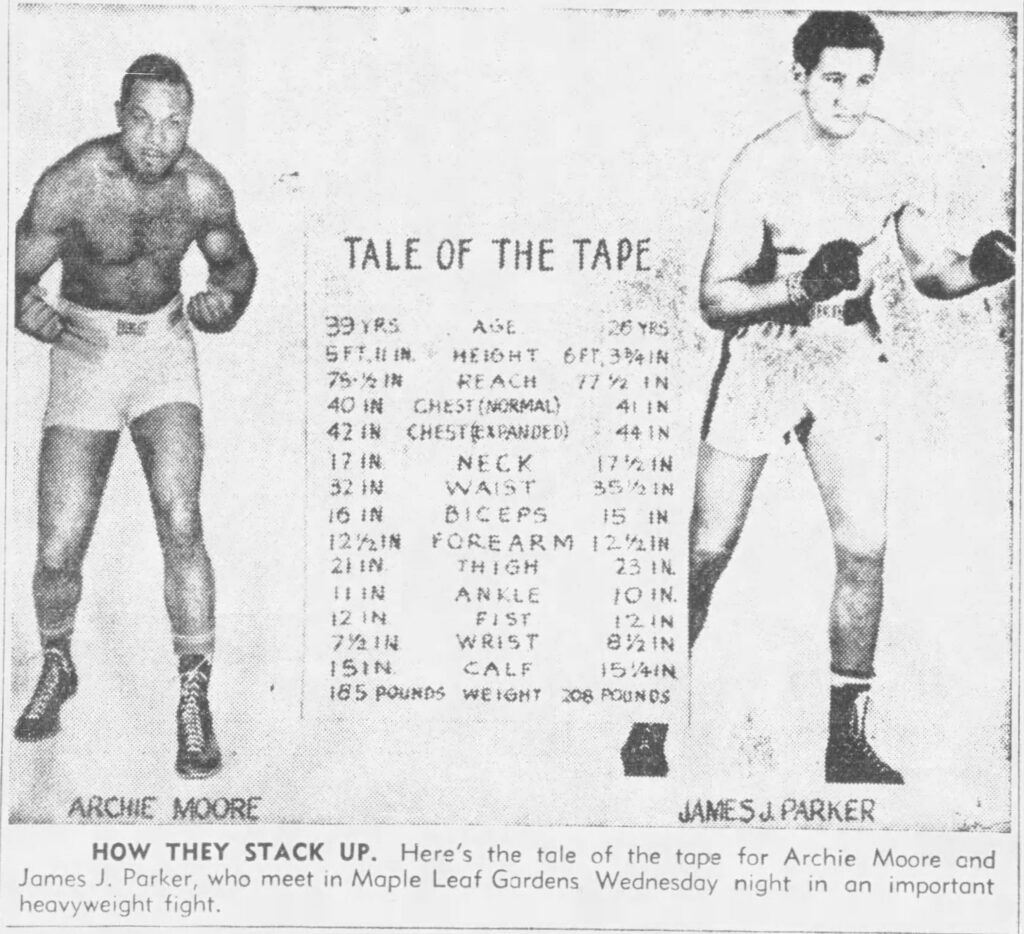
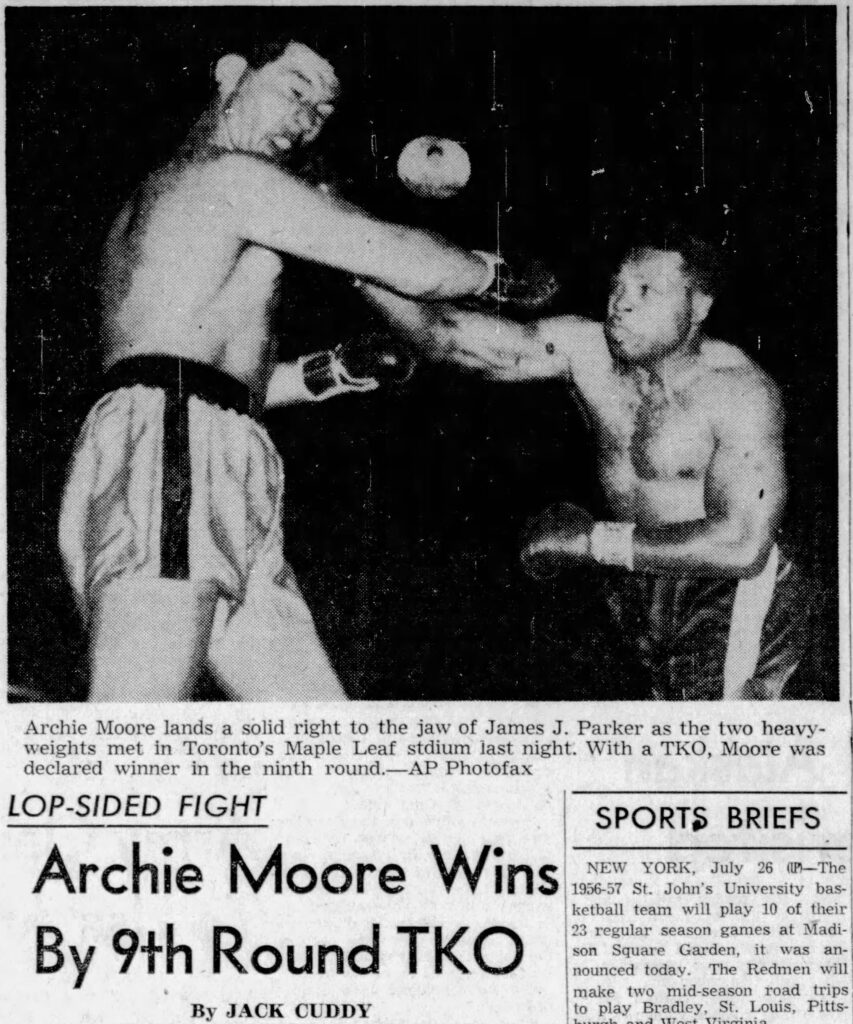
When Archie Moore, the longest reigning World Light Heavyweight Champion of all time, fought James J. Parker at Maple Leaf Gardens, they attracted 19,832 spectators and widespread press.
Even Sports Illustrated, which had launched in 1954, sent a writer. The winner of the bout would face Floyd Patterson for the world heavyweight championship. Parker was 17 years younger and almost 25 pounds heavier, but Moore, nicknamed “The Old Mongoose,” had the edge in technique, tactics, and pure power. He beat Parker to the punch over eight bloody rounds before stopping him. “Don’t believe all that stuff about Archie [Moore] being 43 years old,” Parker told reporters. “That’s malarkey. He can really step.” Ticket sales totaled $148,5000, the equivalent of $1.6 million today.
Archie Moore TKO James J. Parker
Article
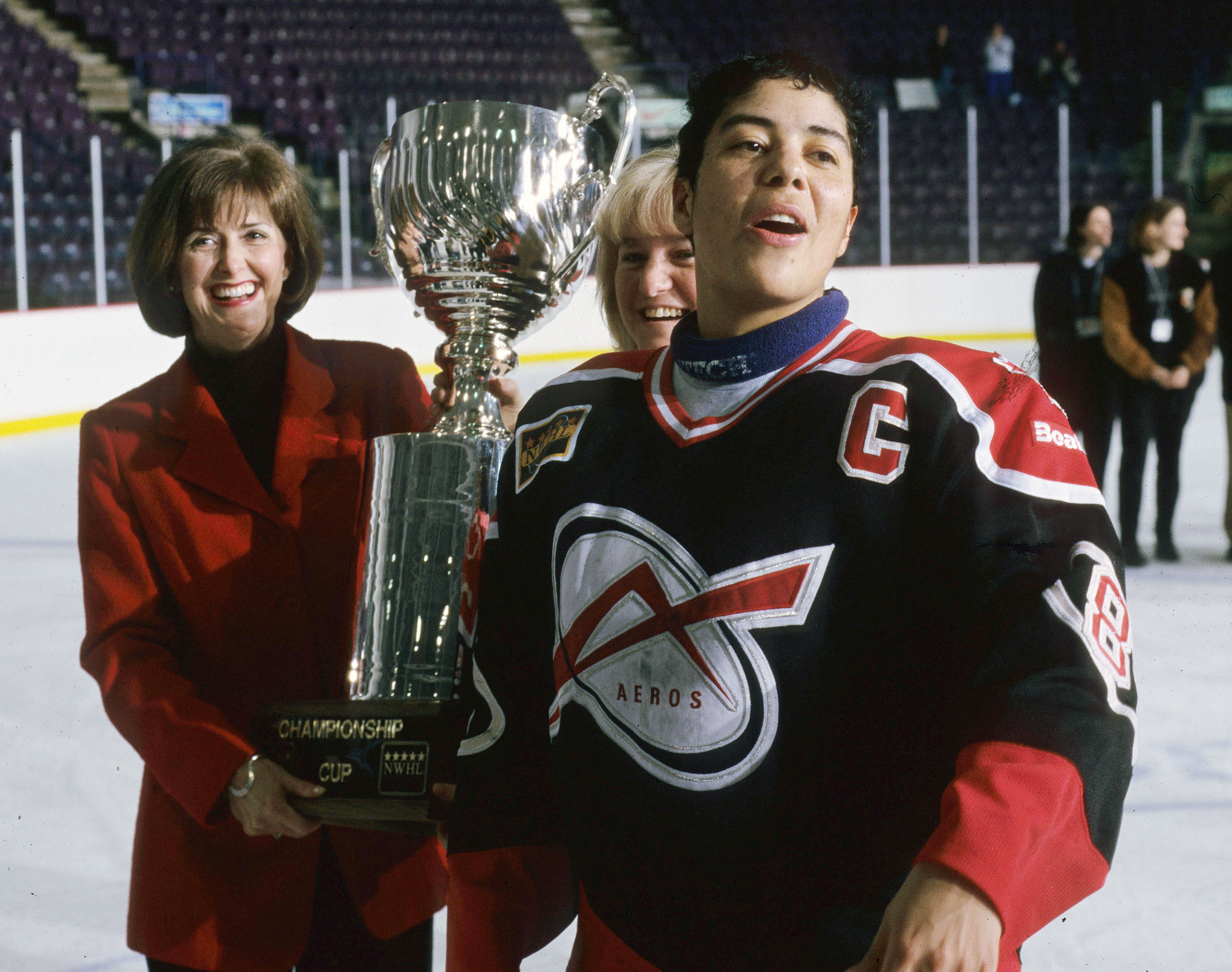
Angela James
Angela James is a dominant force in women’s hockey. In the 1980s and 1990s.
James led the Canadian women’s hockey team to four world championships in 1990, 1992, 1994, and 1997. James is one of the first three women, the first out lesbian, and the second Black athlete to be inducted into the International Ice Hockey Federation Hall of Fame.
Angela James
Article
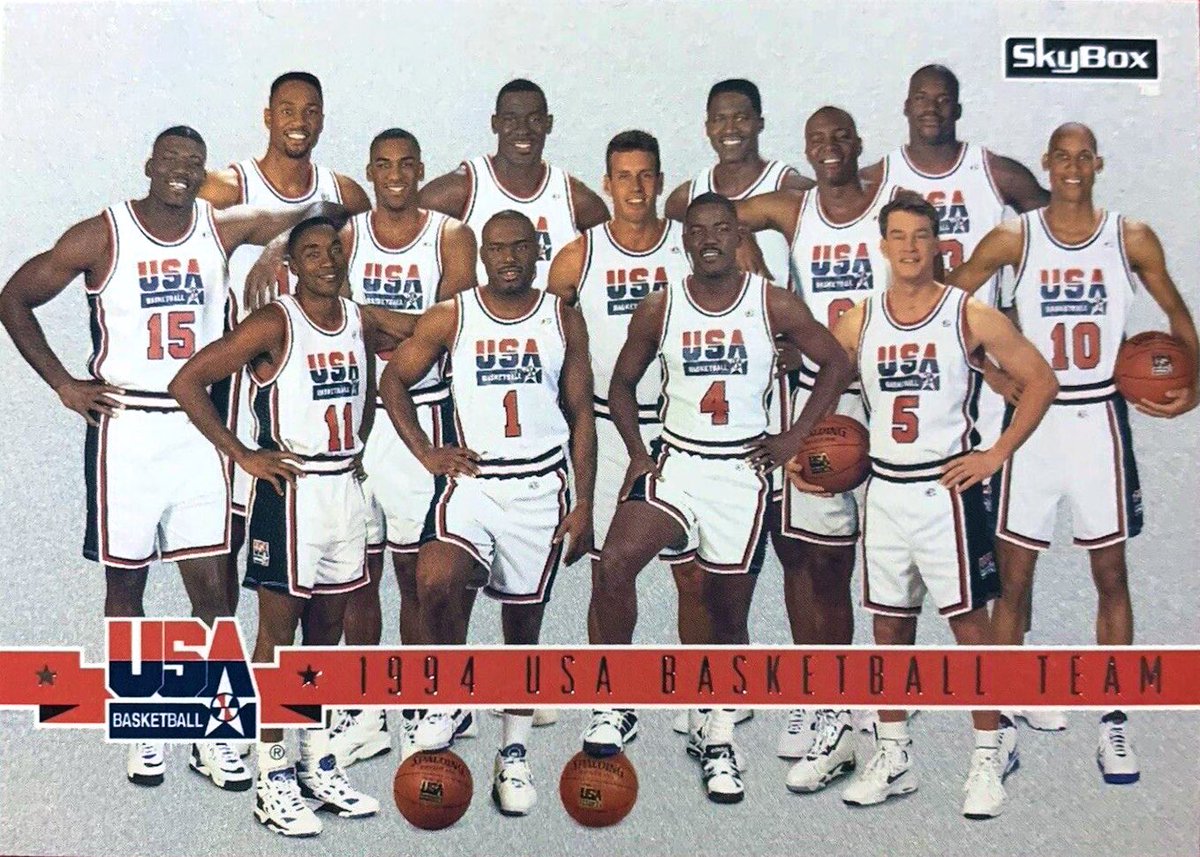
America’s Dream Team in Toronto’s FIBA World Championship Final
SkyDome – USA 137, Russia 91
Fifteen months before the Raptors arrived, the 1994 FIBA World Championship descended on Toronto. The SkyDome (currently the Rogers Centre) wasn’t built for hoops, but did fit a court and a lot of spectators. A sellout crowd showed up to watch the United States’s “Dream Team II” throttle Russia. The Dome had hosted NBA pre-season games before, but this edition of Team USA represented the highest concentration of basketball talent the city had ever seen, with future Hall of Famers like Shaquille O’Neal and Dominique Wilkins. The final drew 32,616 people to the arena, and showcased Toronto as a pro basketball market.
America’s Dream Team in Toronto’s FIBA World Championship Final
Article
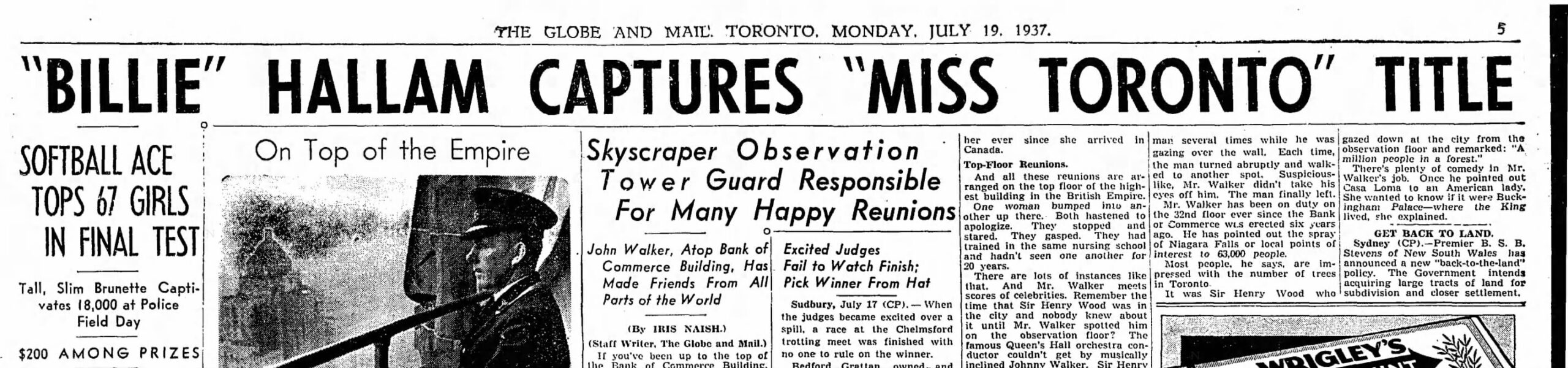
A Softball Star Wins Miss Toronto
“There is nothing like exercise and sport to make a girl a real lady.”
– Billie Hallam
Billie Hallam won the Miss Toronto beauty pageant in 1937, and her passion for the game of baseball challenged the way Torontonians thought about femininity. After accepting her title and crown at the Canadian National Exhibition, the seventeen-year-old pitcher rushed to the Beaches with a police escort to cheer on her team in a fancy gown before racing back downtown for the pageant gala at the Royal York Hotel.
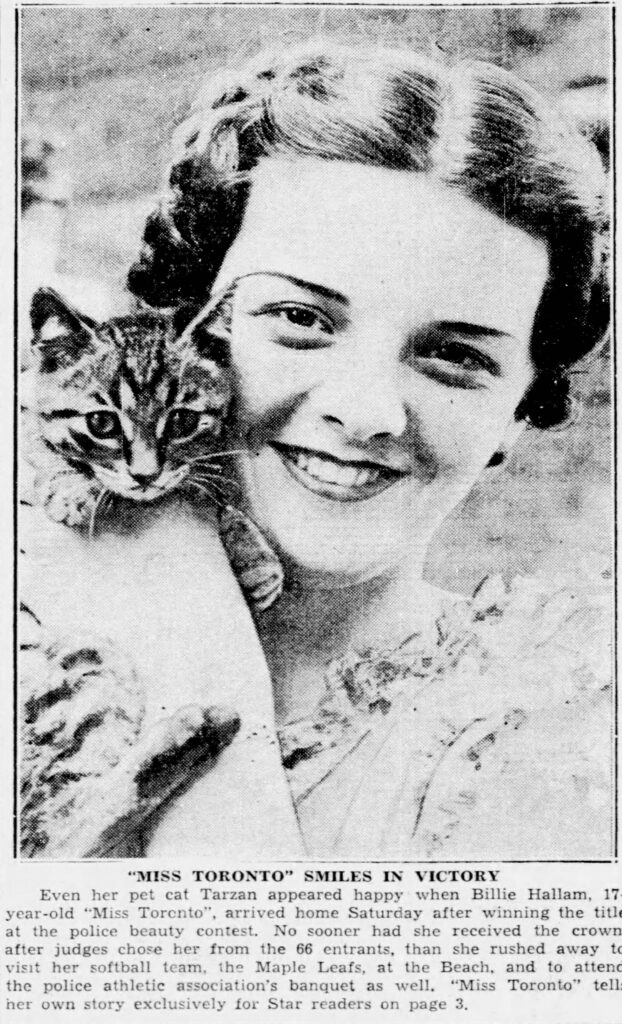
A Softball Star Wins Miss Toronto
Article
A Journey in Feminism, Sports and Footwear
Senior Curator at Toronto’s Bata Shoe Museum, Elizabeth Semmelhack, connects with Abby Albino, owner of North America’s only for-women-by-women sneaker store, Makeway Co.
A Journey in Feminism, Sports and Footwear
Video
• 10:59
1967 World Lacrosse Championship
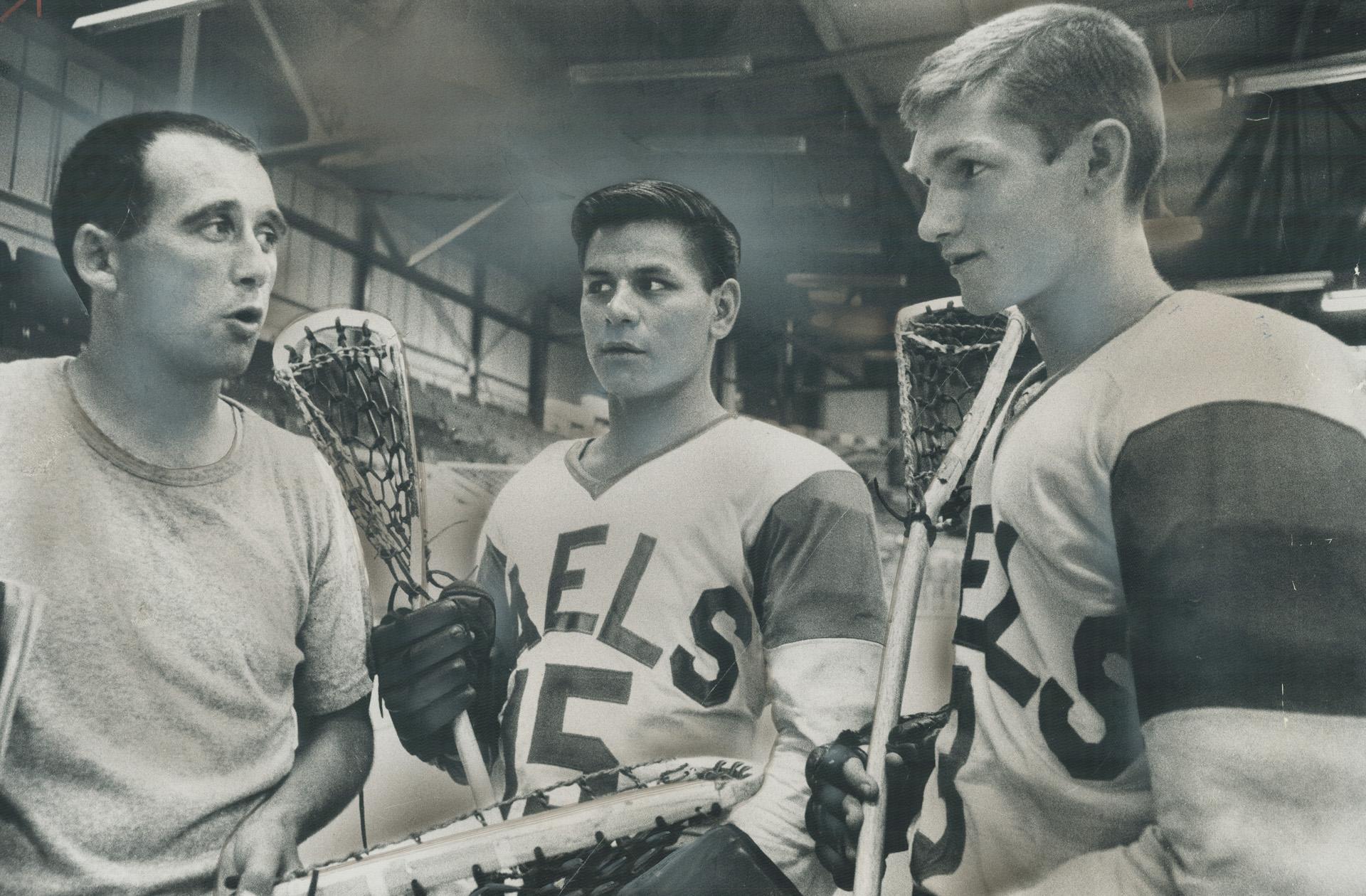
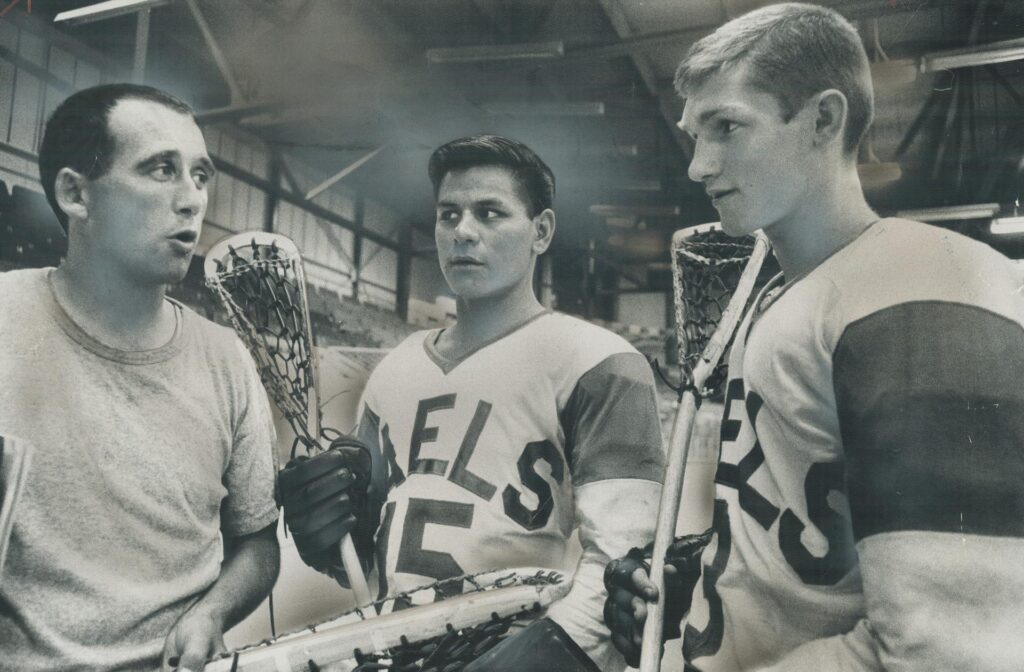
In May of 1967, as a companion to Canada’s Centennial celebrations, Toronto hosted the first men’s world field lacrosse championships.
Players from Oshawa and Peterborough made up the Canadian squad. The tournament also featured teams from Australia, England, and the United States. The Americans triumphed, winning all three of their games and collectively outscoring their opponents by an incredible margin of 58-21. Australia came second, and Canada, with a single victory against England, placed third.
1967 World Lacrosse Championship
Article
“Rocket” Ismail Signs with the Argos
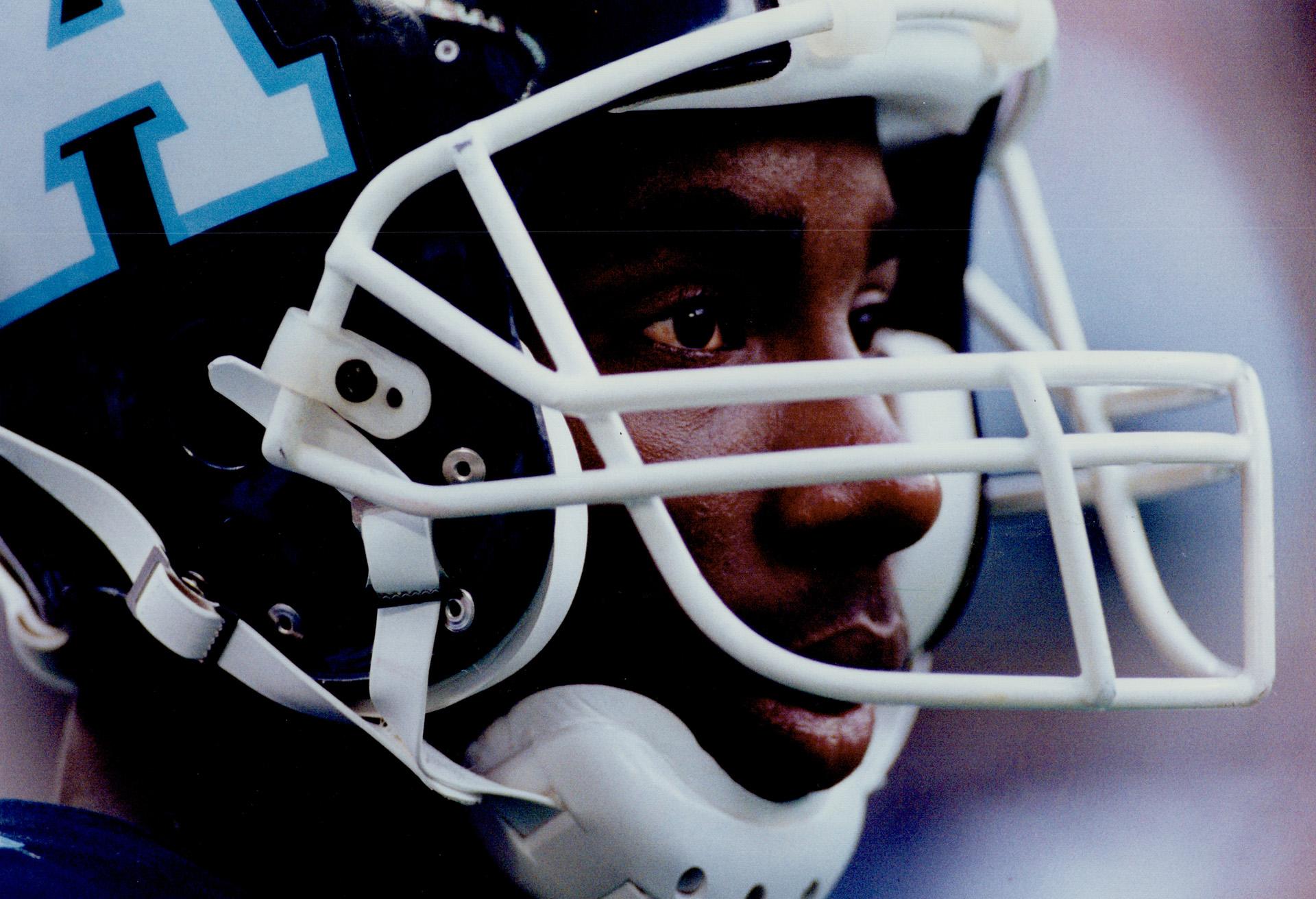
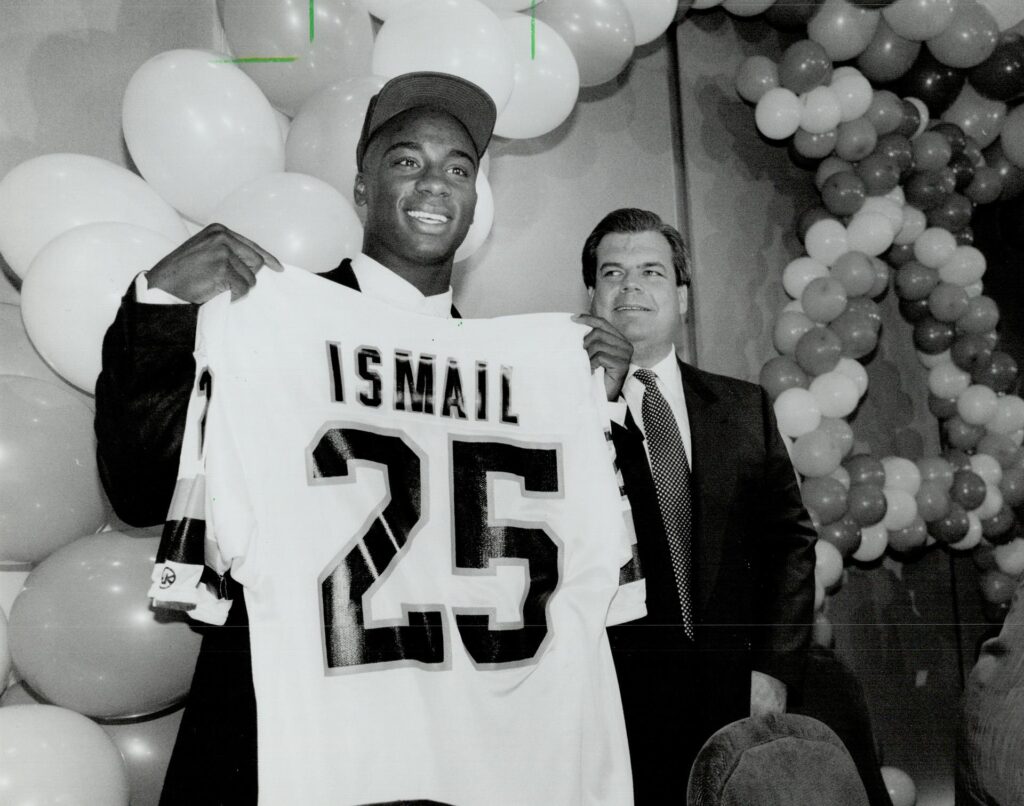
How did the Argos manage to lure Raghib “Rocket” Ismail, a sure-fire first-round draft pick, away from the National Football League in 1991?
With numbers: $18 million in salary over four years; a $5 bonus for every seat sold over 40,000 at home games; a car worth up to $100,000; and more perks. The 21-year-old Ismail signed with Toronto and responded with his own big numbers: a 4.21-second 40-yard dash in training camp, and an 87-yard kickoff return touchdown to seal their Grey Cup victory. Ismail created a massive buzz for the Argos and CFL, but ultimately it was short-lived. Ismail stayed for just two seasons before joining the Los Angeles Raiders of the NFL.
Public Library.
“Rocket” Ismail Signs with the Argos
Article
“F*** Brooklyn!”
Jurassic Park, Bremner Avenue
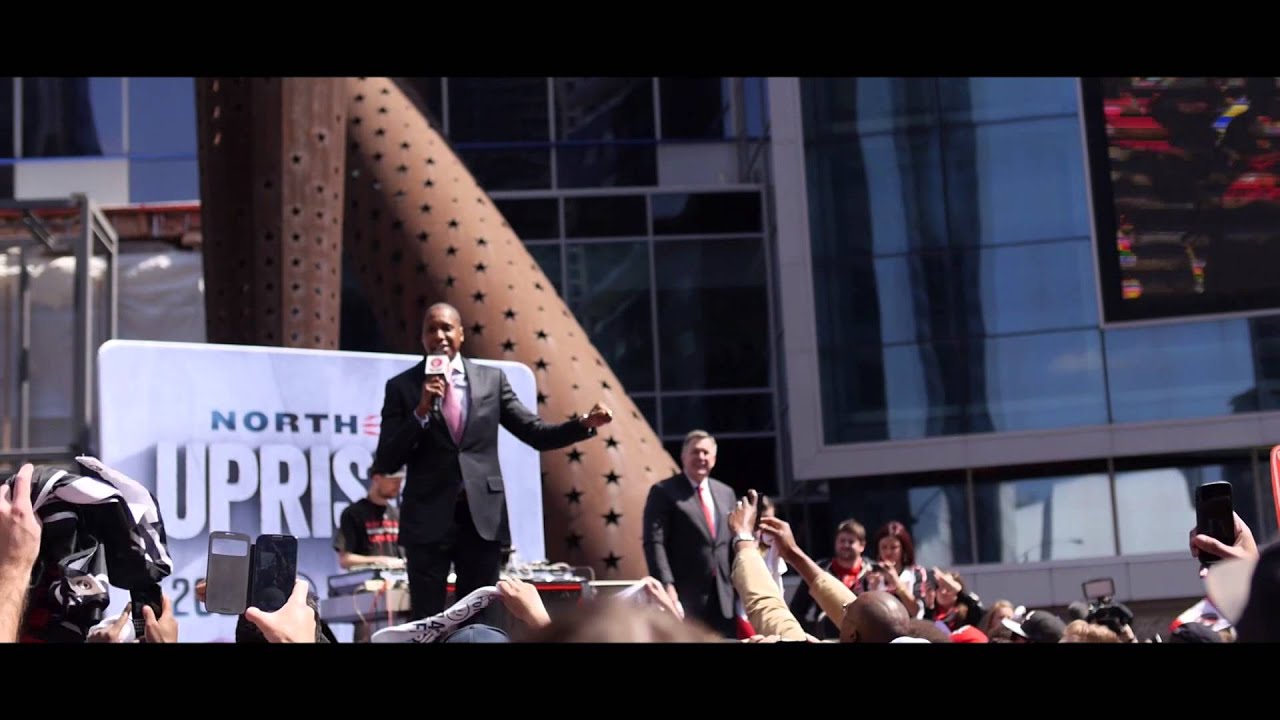
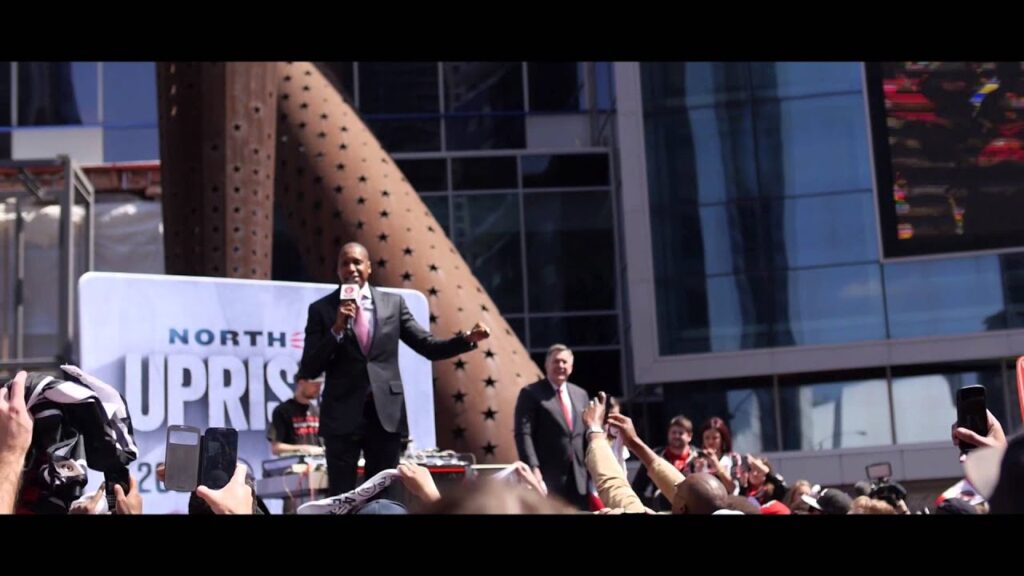
When addressing a fan rally before the Toronto Raptors and Brooklyn Nets opened their playoff series, team president Masai Ujiri told the gathering how he felt about the opposing team’s hometown. “F*** Brooklyn!” he shouted, as the crowd roared its approval. The remarks came the same week as the Raptors launched their “We The North” rebrand, which cast the club as defiant, proud, and distinctly Toronto. The Raptors lost the series, but it didn’t matter. Message sent: the Raptors didn’t come to make friends, they came to compete. And the $25,000 fine the NBA levied at Ujiri? Just the cost of becoming a Toronto legend.
“F*** Brooklyn!”
Article
More About the Project
Winners & Losers was co-curated by author and historian Adam Bunch, and veteran sports writer and tv commentator Morgan Campbell, with contributions by journalist and freelance writer Sam Laskaris.
The exhibition was conceptualised and developed by the team at Museum of Toronto. We are Bria Dietrich, Yazmin Butcher, Kamran Dadi,, Breanne Gimza, April Hazan, Davin Henson, Heidi Reitmaier, Rosemary Snell, Julie Suh, Sarah Tumaliuan, along with Laura Robb, Scott Taylor, Ada Hopkins, Mimi Vuong, Mia Yaguchi-Chow.
The exhibition was designed by Christine Elson and George Wang of elsonstudio,
Special thanks to: Donna and David Babstock, Kelly Babstock, Scott Crawford, Jeremy Diamond, Laura Furman, Paul Gilkinson, Gabrielle Major, Eric Skouris, Jos Theriault, and to the Canadian Baseball Hall of Fame and Museum, City of Toronto Archives, City of Toronto Museums & Heritage Services, McWood Studios Inc., Ontario Lacrosse Hall of Fame, the Hockey Hall of Fame and Museum, the Midway Village Museum, and the Toronto Public Library.
Museum of Toronto would not be possible without the generous support of Diane Blake and Stephen Smith.
As a non-profit cultural institution, Museum of Toronto would like to acknowledge the incredible work of those featured in the exhibition. This exhibition is designed for teaching, scholarship, education, and research purposes only. Our intent is to present an engaging experience that respects the rights of creators, and fosters a spirit of shared knowledge through the “fair dealing” under the Copyright Act of Canada.