Mr. Dressup to Degrassi
42 Years of Legendary Toronto Kids TV
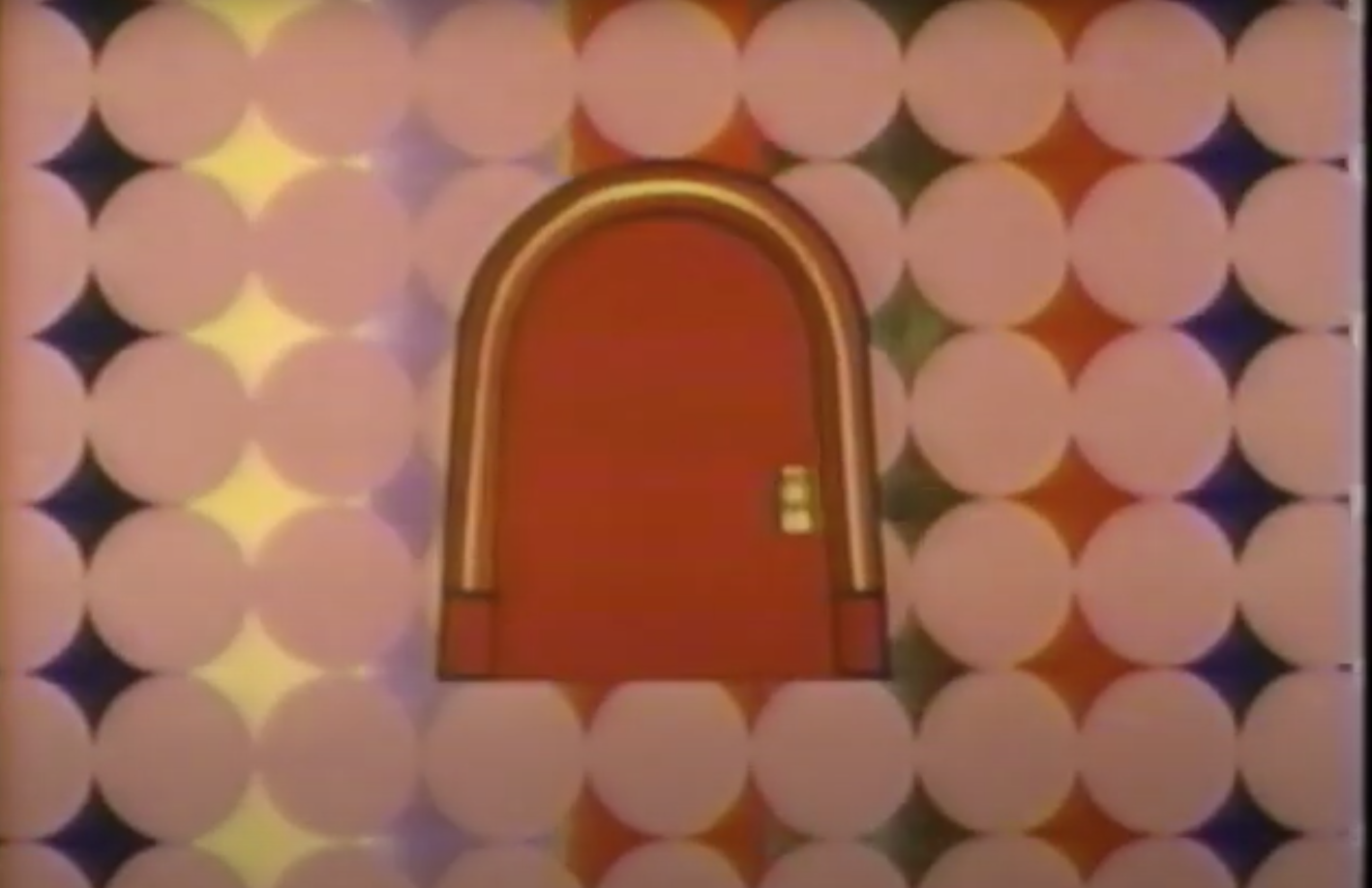
For over four decades, our city brought together innovative thought leaders, passionate creators and unexpected collaborations, forming a powerhouse of the television industry unlike any other in the world.
Through classic clips, reimagined sets, and beloved puppets, the exhibition celebrates the people and programs that shaped Toronto’s identity and inspired viewers across decades. A joyful tribute to the city that taught the world how to learn, laugh, and grow on screen.
Mr. Dressup to Degrassi
Digital Collection
Exhibition
Explorer

The 1990s
Toronto in the 1990s
The 1990s saw increasing globalization and rapid advancements in technology. The World Wide Web was launched in 1990, heralding a new decade of democratization. Text messages, Amazon, and Sony PlayStation all made our lives and workplaces faster.
In the US, the election of President Bill Clinton ended twelve years of Republican rule and seemed to usher in a new era of social change. In Canada, the Meech Lake Accord failed, the Bloc Quebecois was founded, and the federal government announced a national economic recession.
Toronto won the World Series back-to-back in 1992 and 1993. The city continued to grow, and the downtown core was still affordable. The Citytv and MuchMusic headquarters at 299 Queen Street West became a media magnet – attracting celebrities and citizens alike. And participation by audience members in local series, such as Speakers Corner and Electric Circus, foreshadowed the rise of user-generated content.
The concept of “narrowcasting” – targeting viewers through their values, preferences, demographics, and subscription choices – came to fruition and the cable universe exploded with hundreds of channels.
The Story of YTV
YTV launched on September 1, 1988 with a primetime special hosted by Scarborough local John Candy. The company was active from 1968 to 1995.
The Afterschool Zone – later known as The Zone – launched in 1991, and was hosted by a rotating group of “Program Jockeys” (PJs). The initial group of PJs included PJ Jazzy, Gord the PJ Man, and PJ “Fresh” Phil, acted by Janis Mackey, Gordon Michael Woolvert, and Phil Guerrerro respectively.
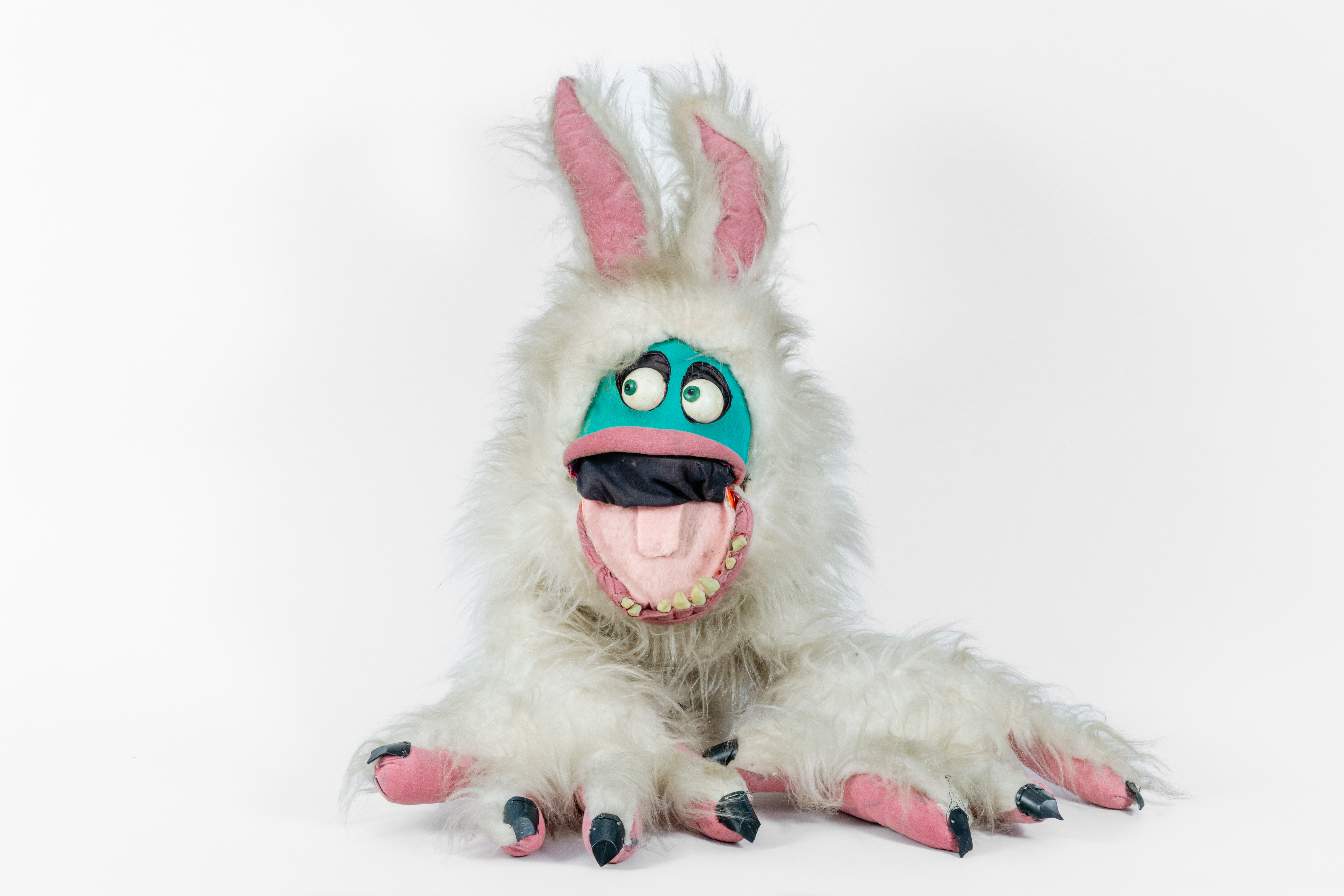
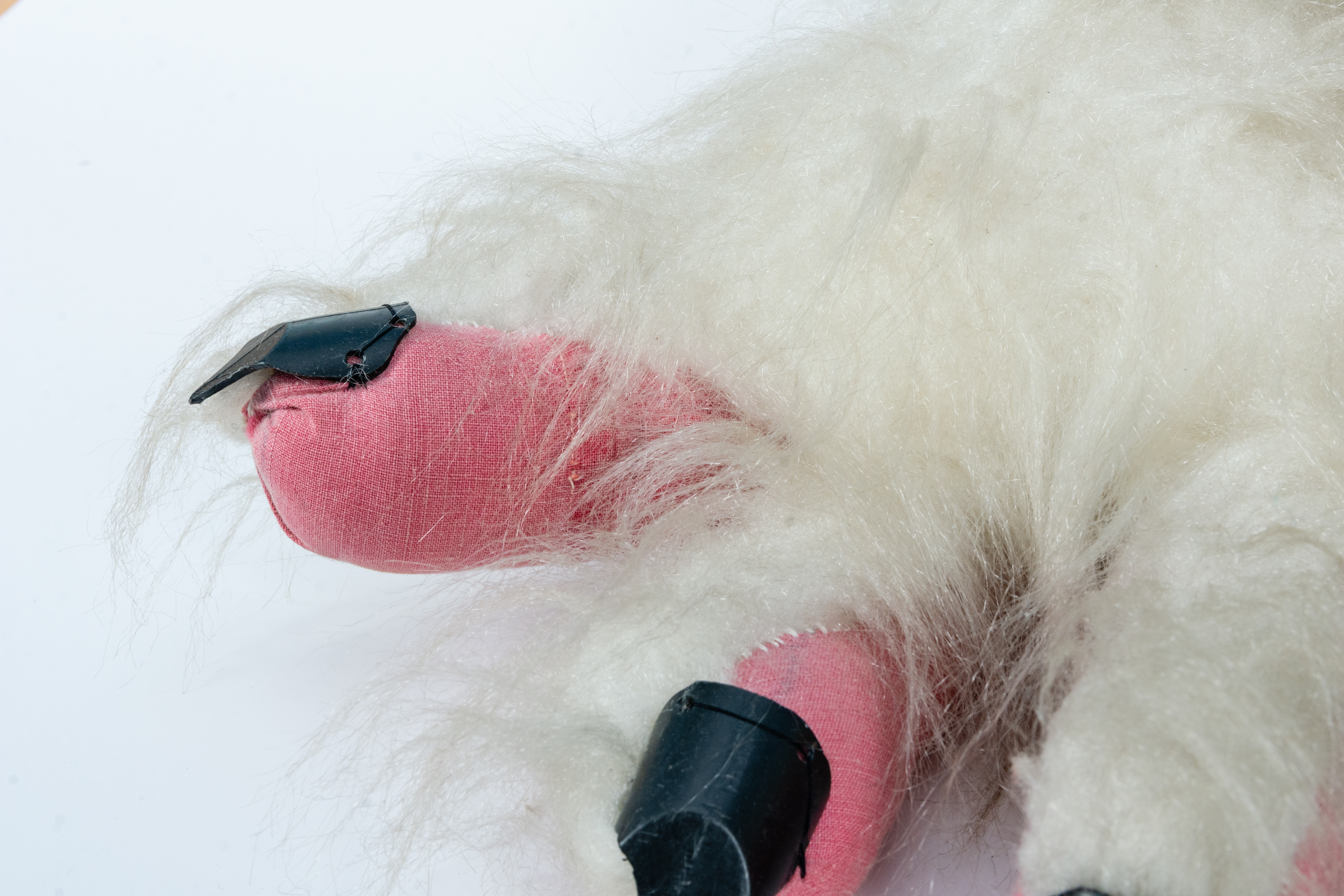
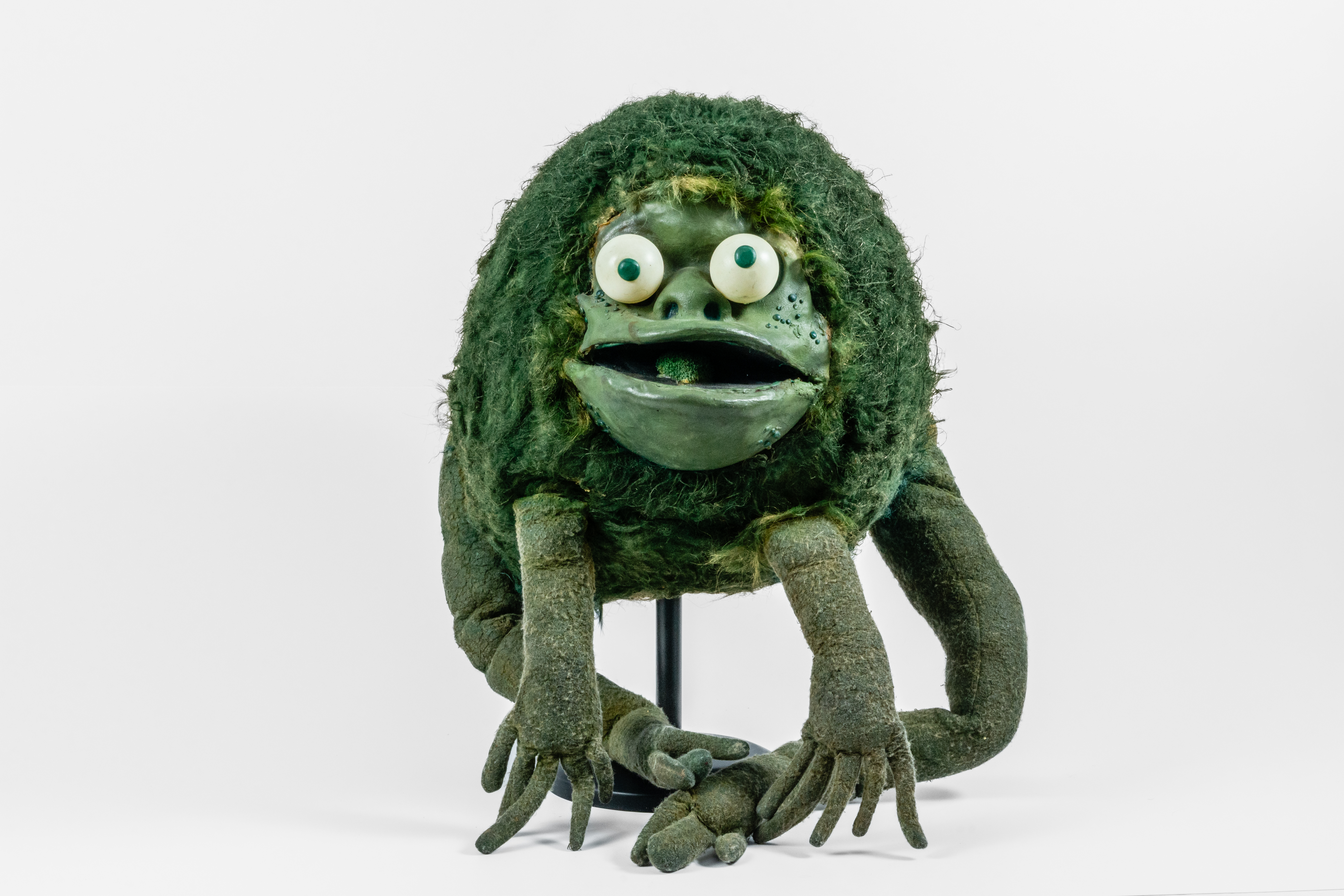
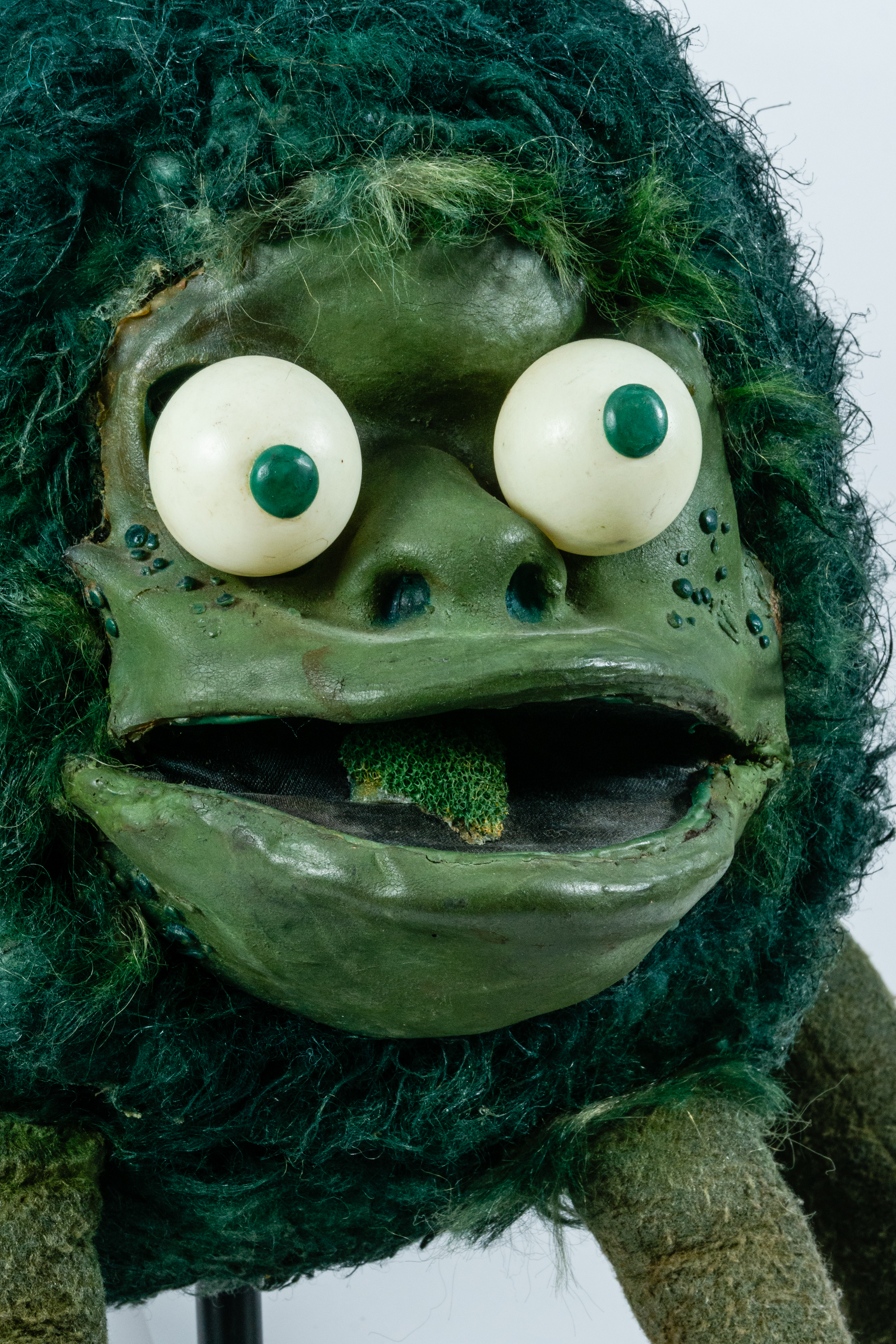
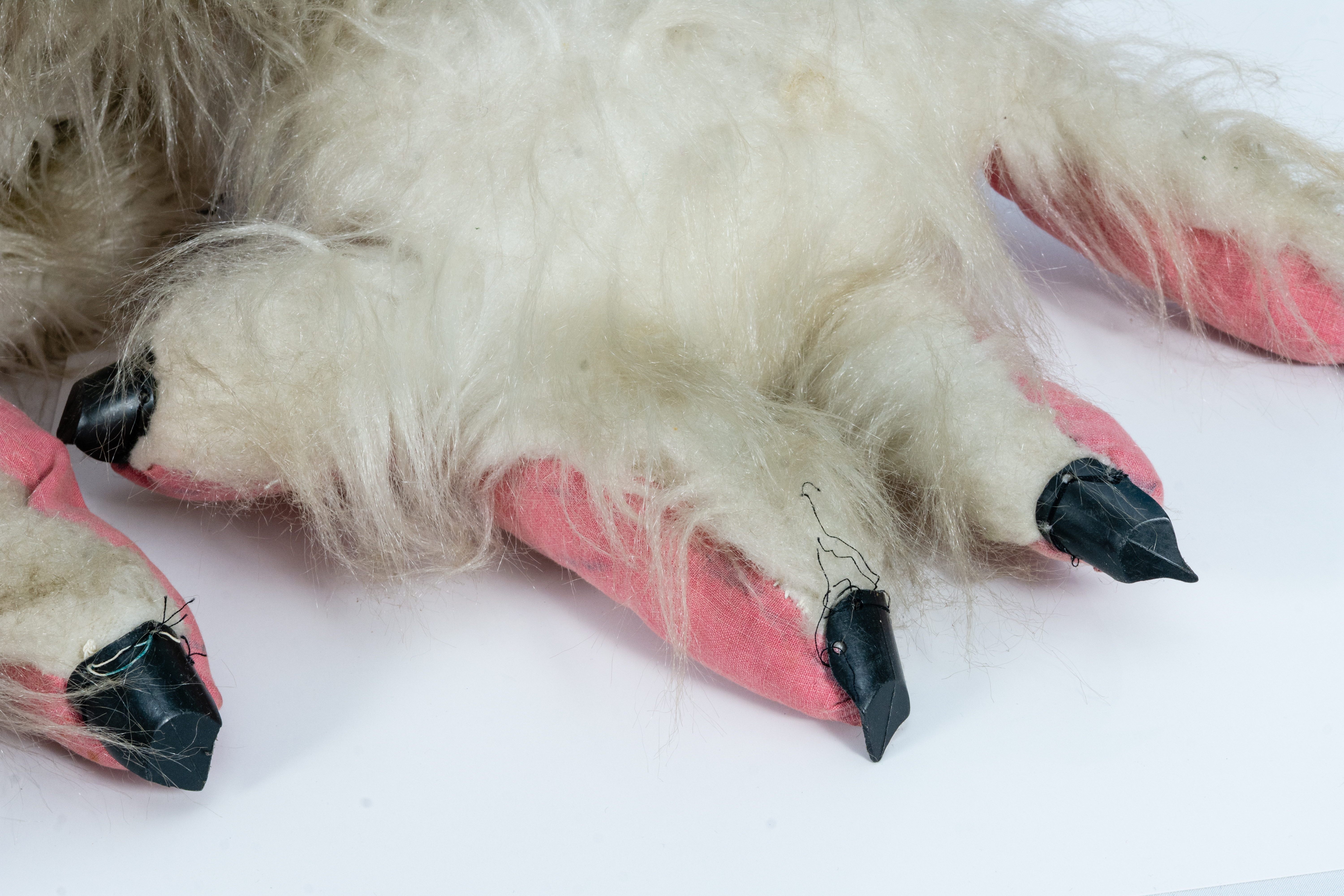
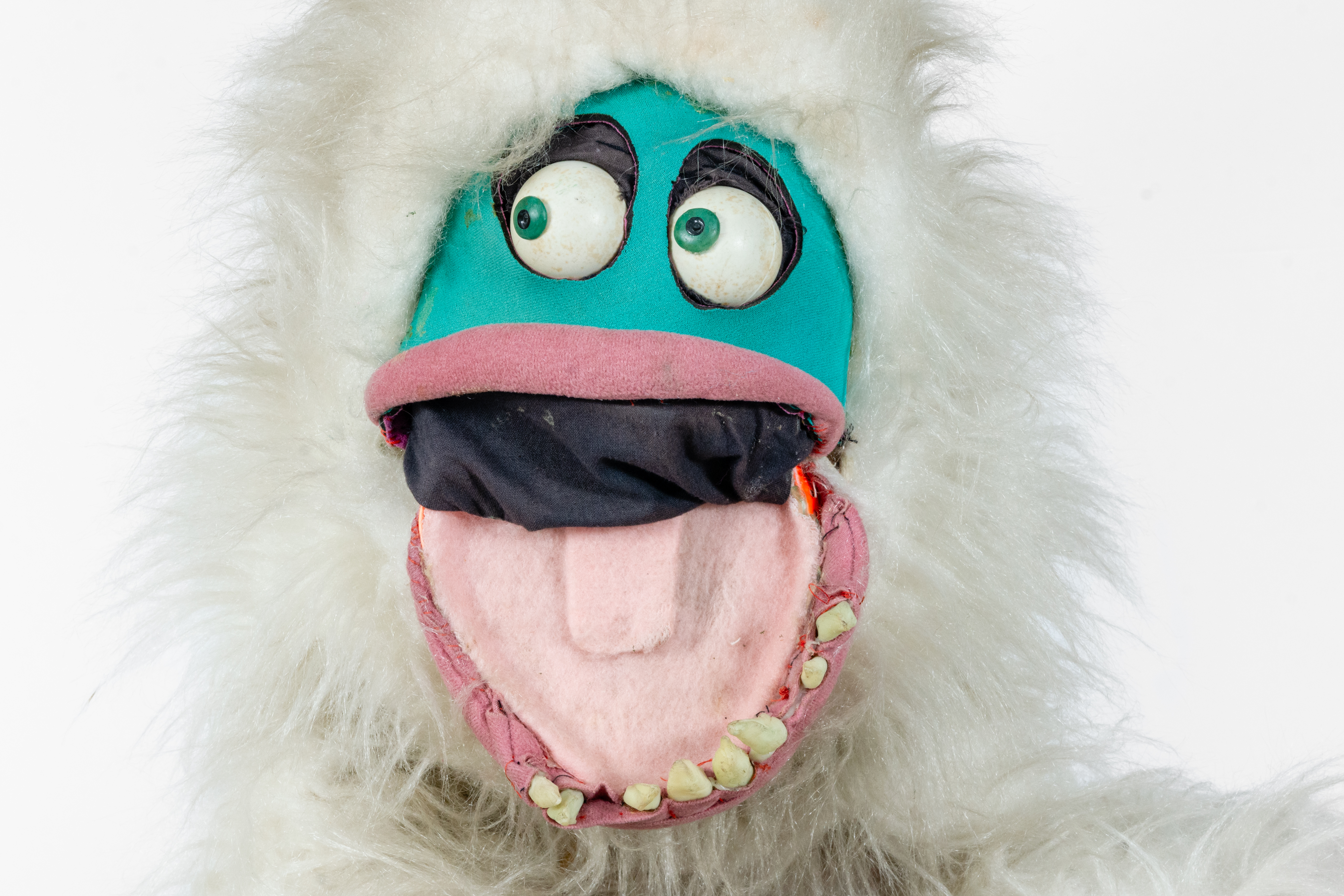
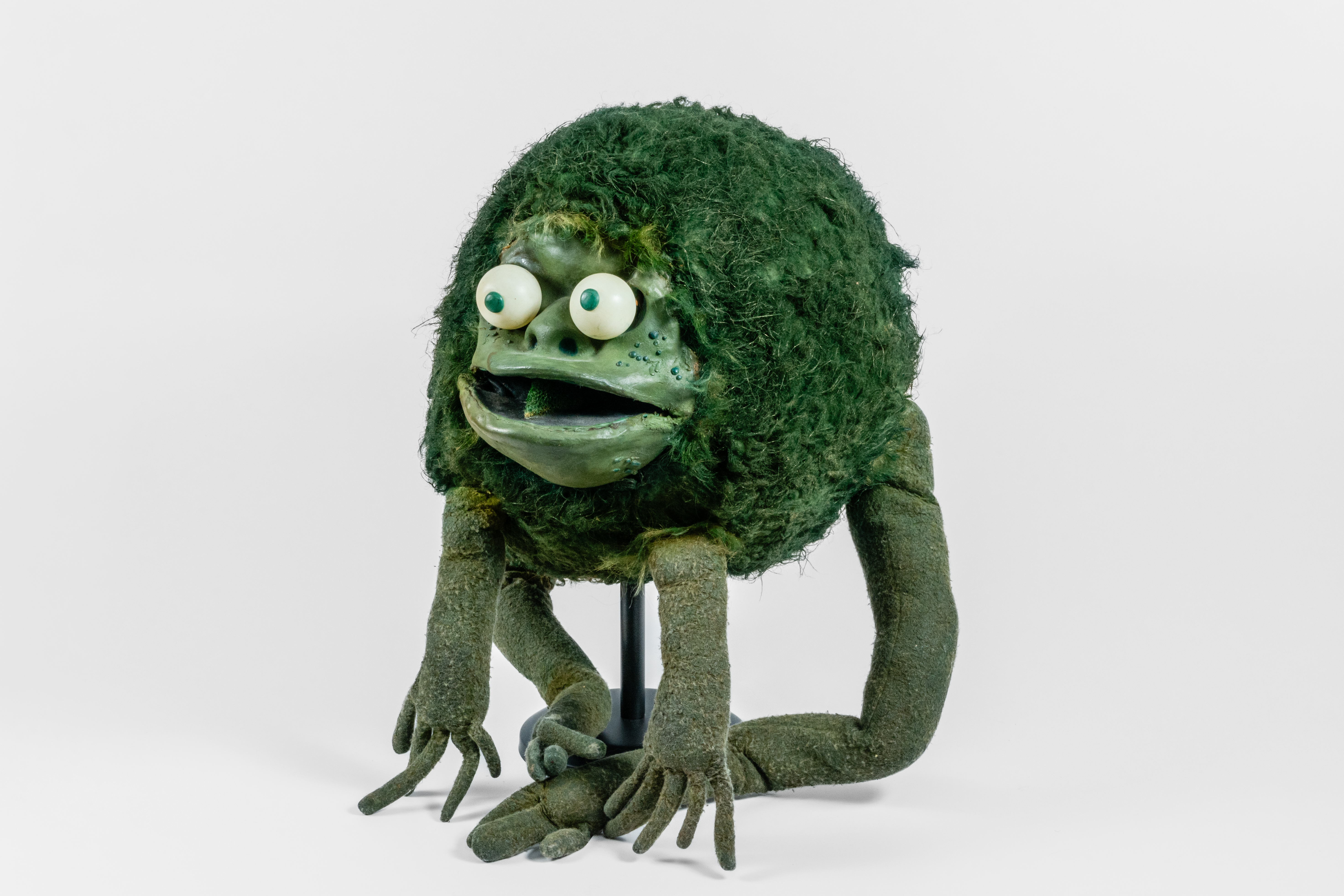
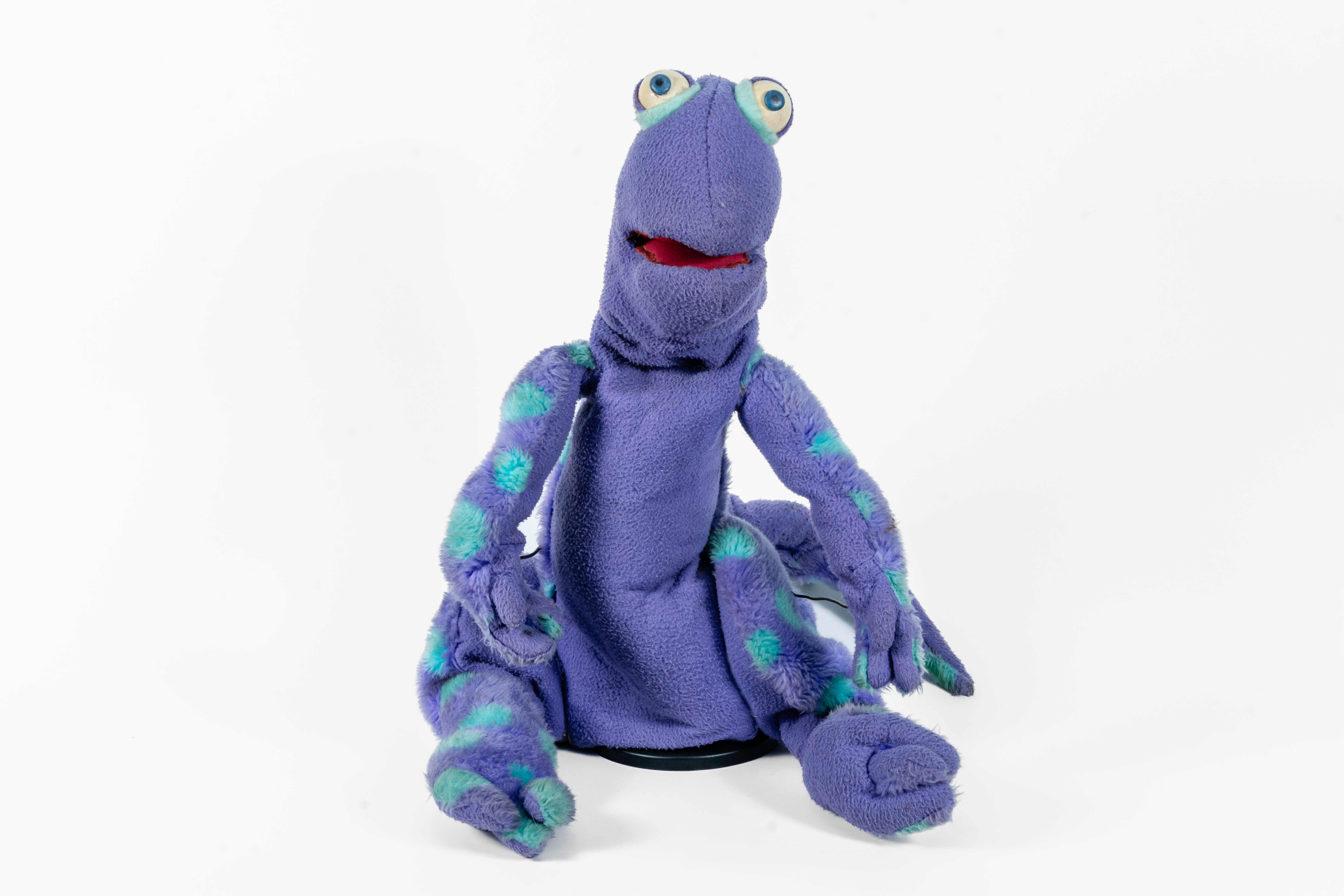
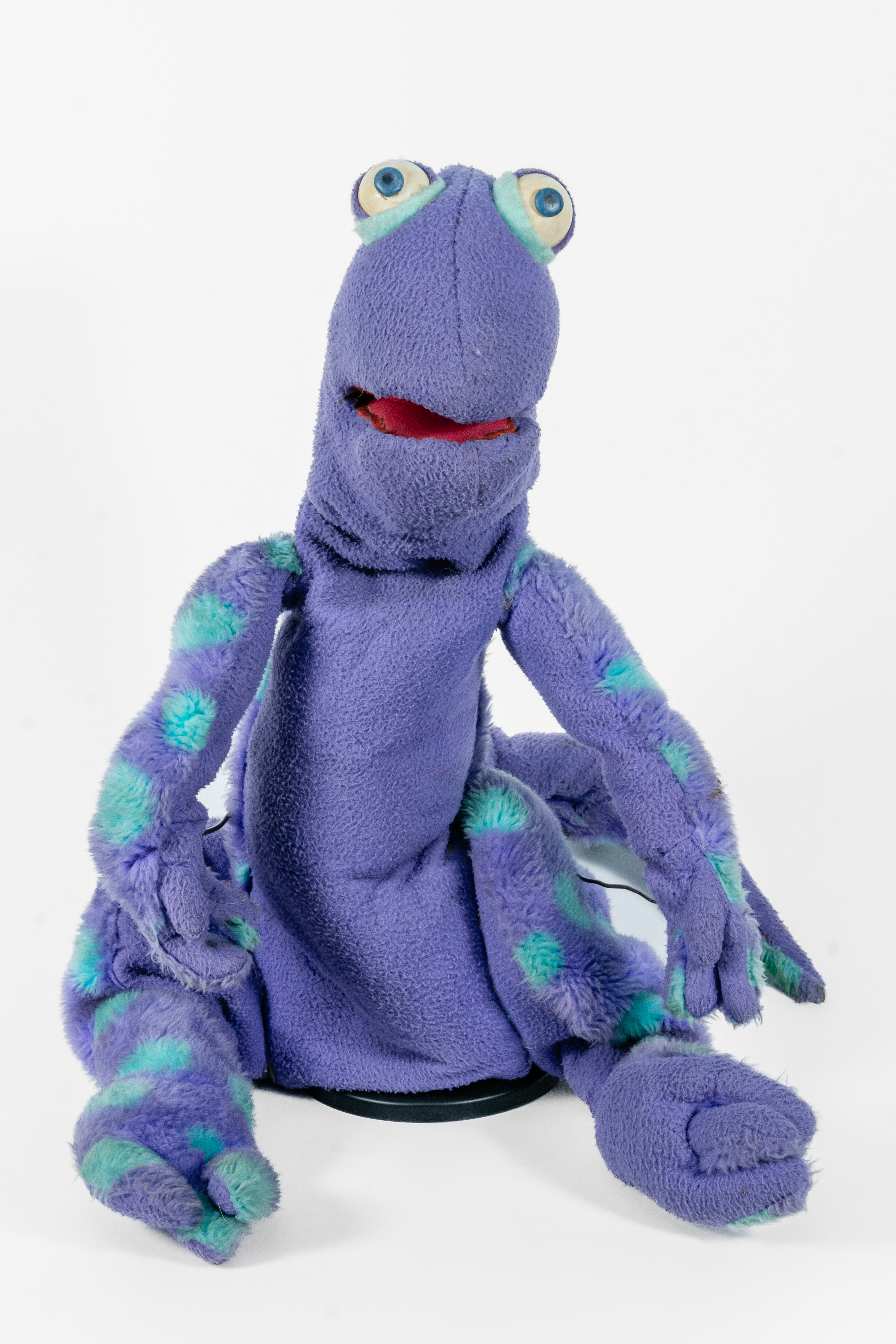
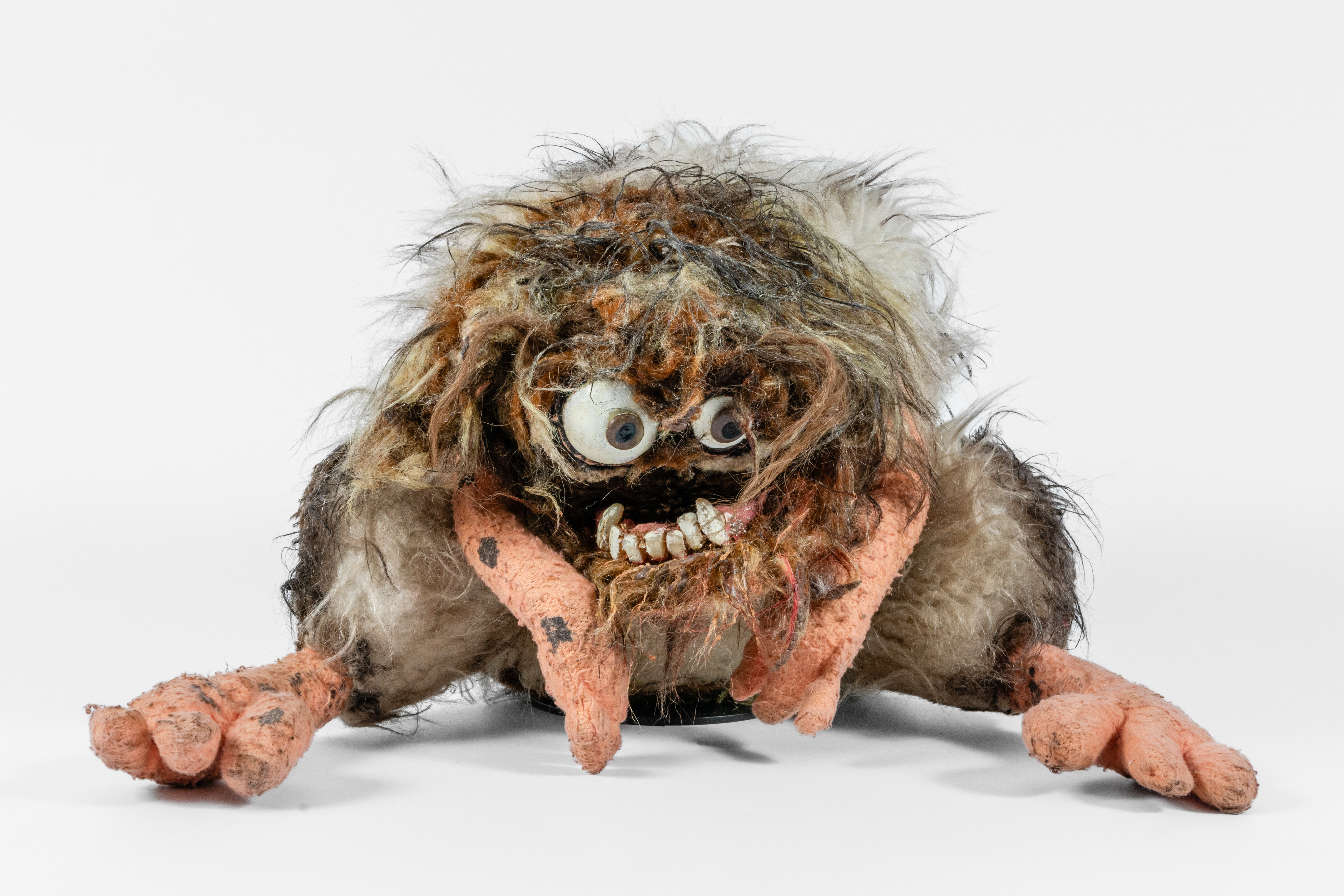
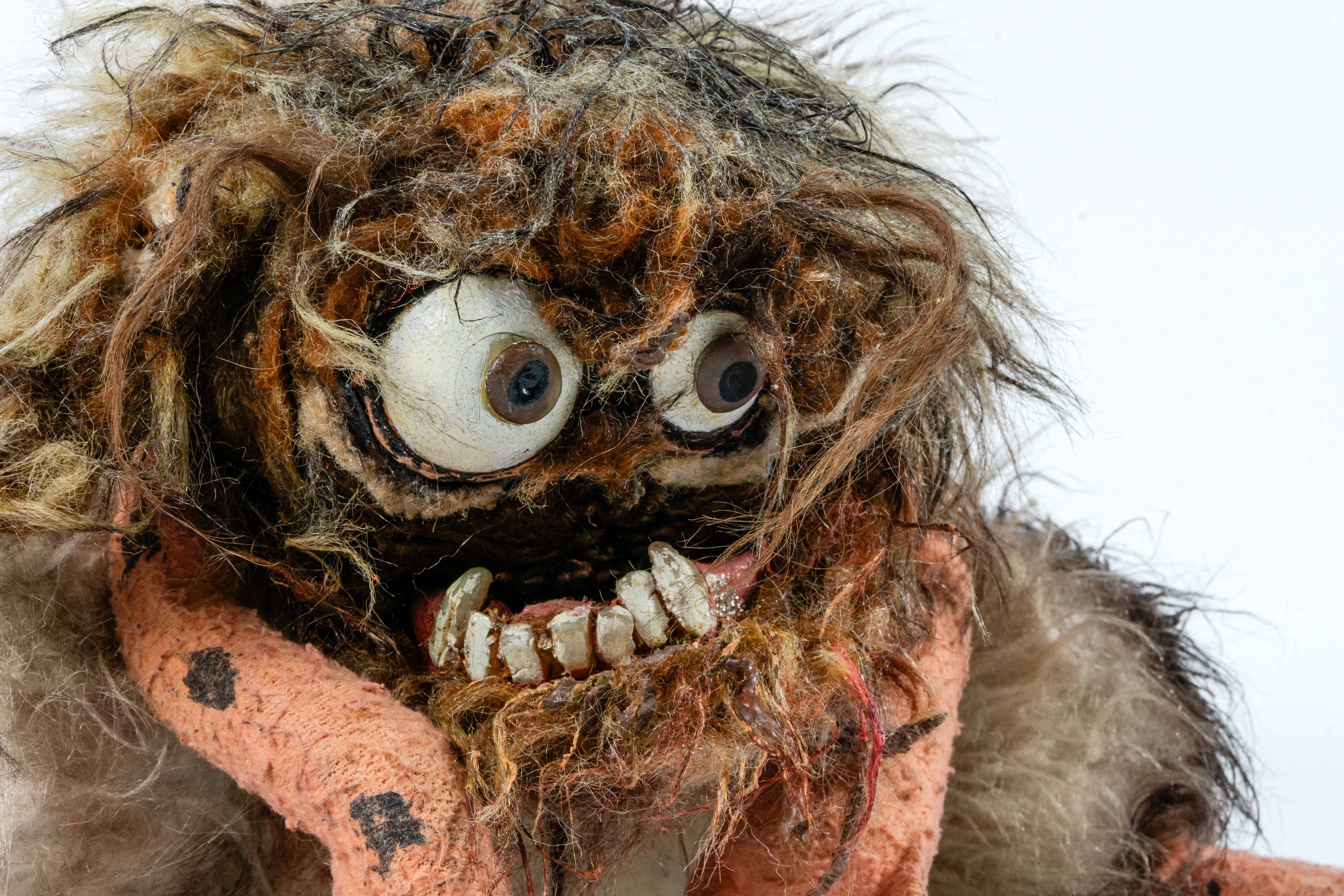
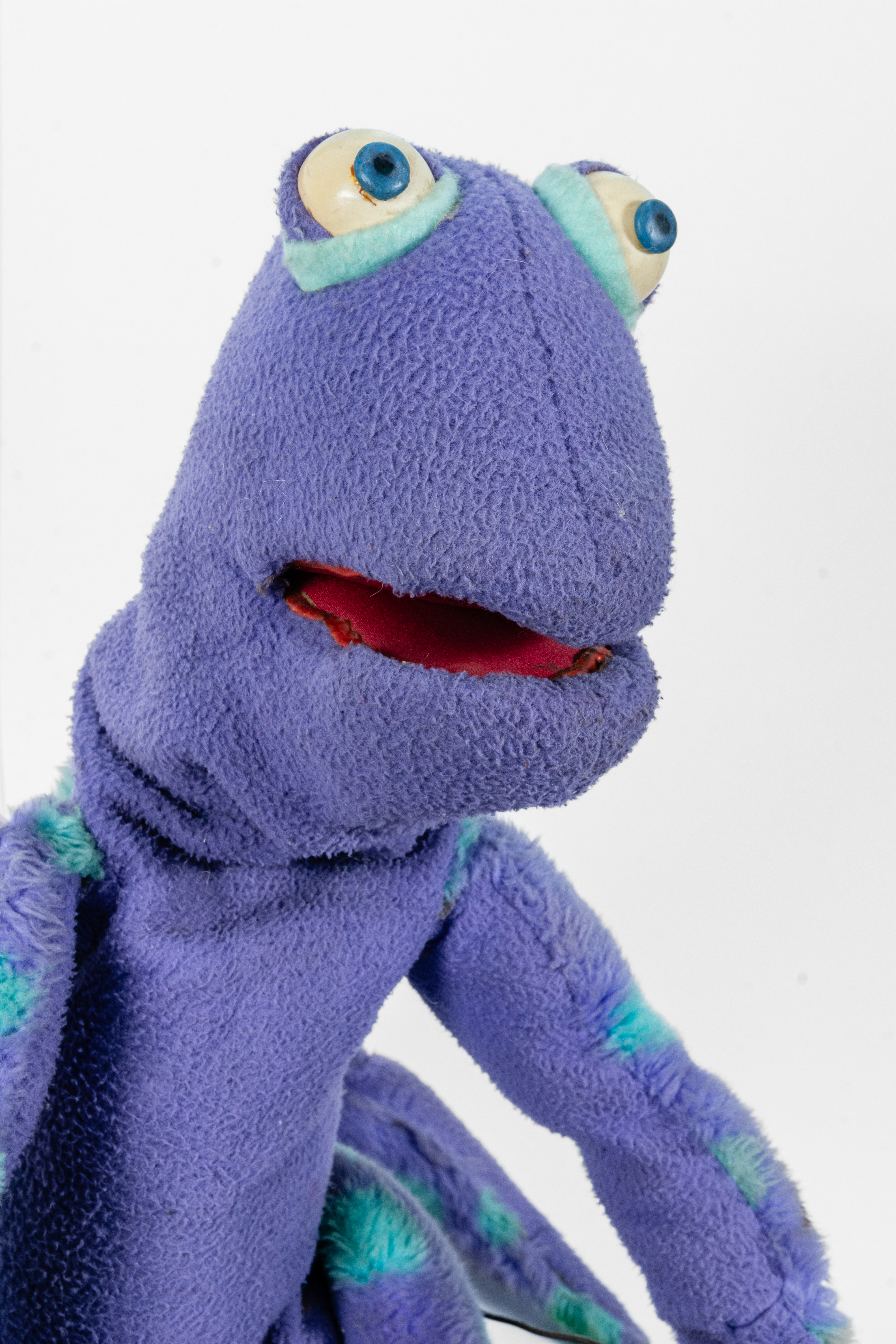
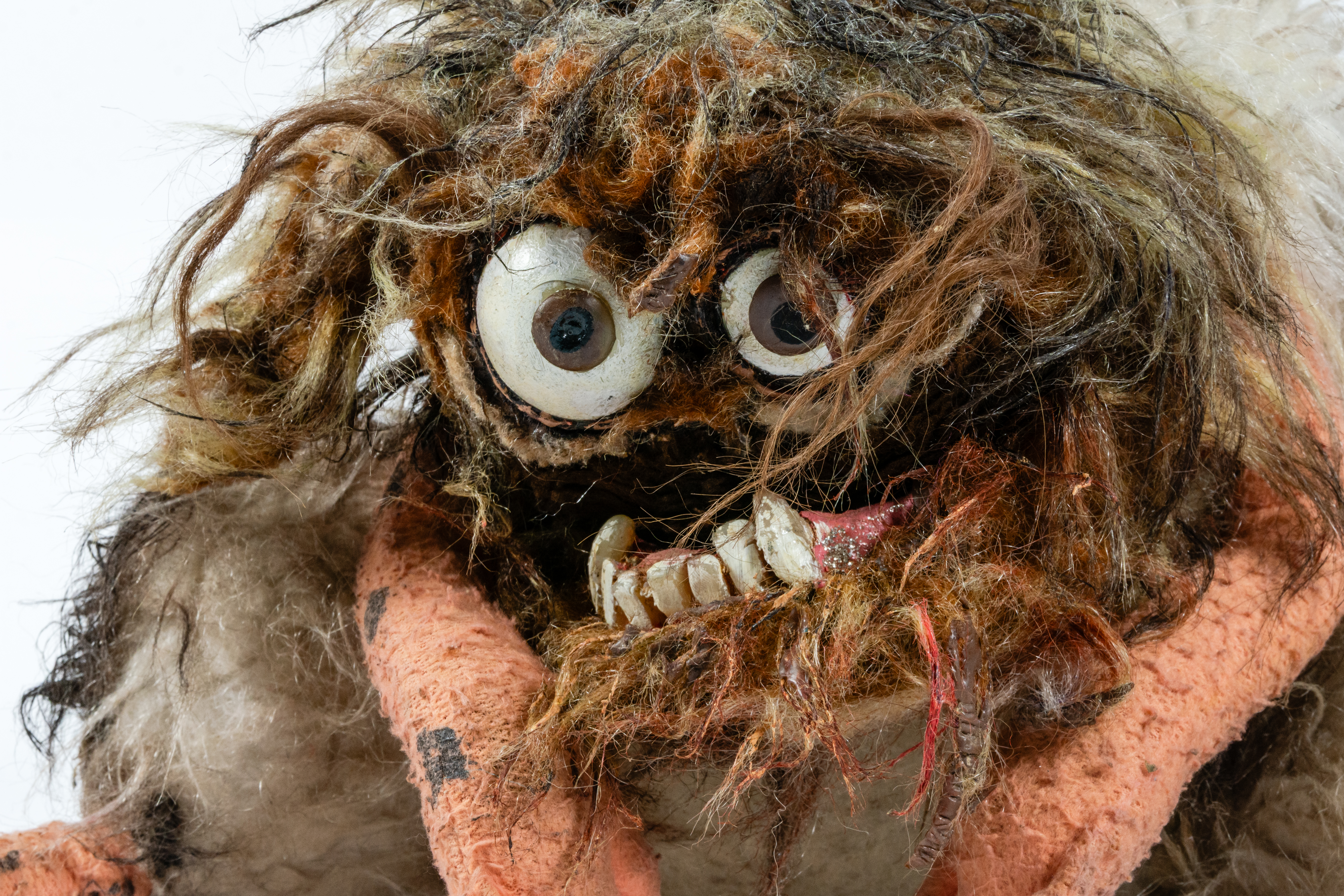
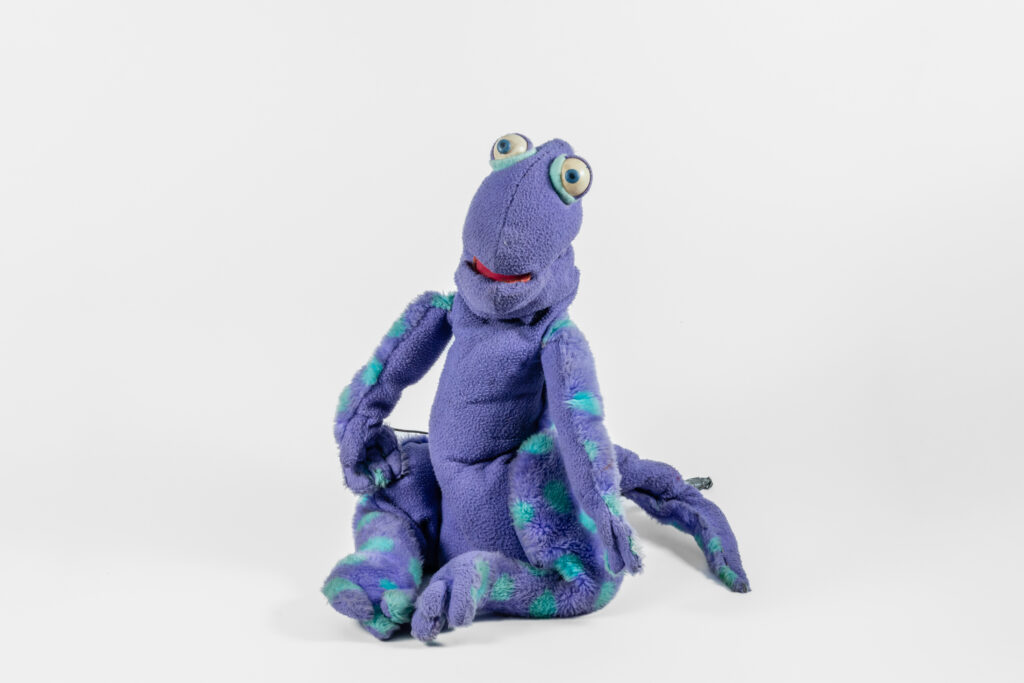
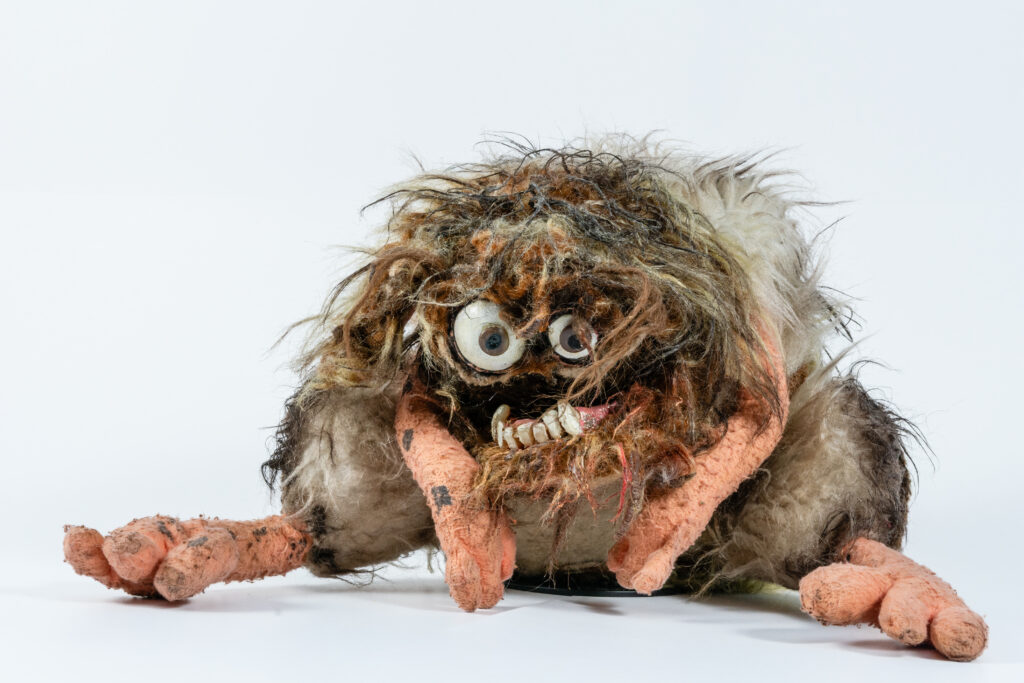
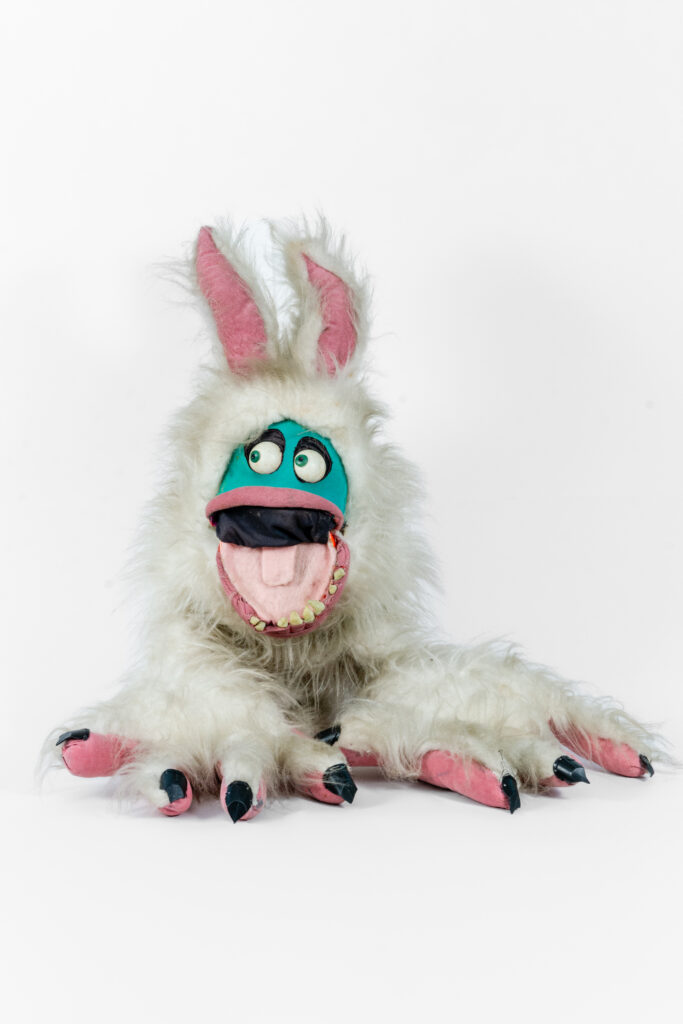
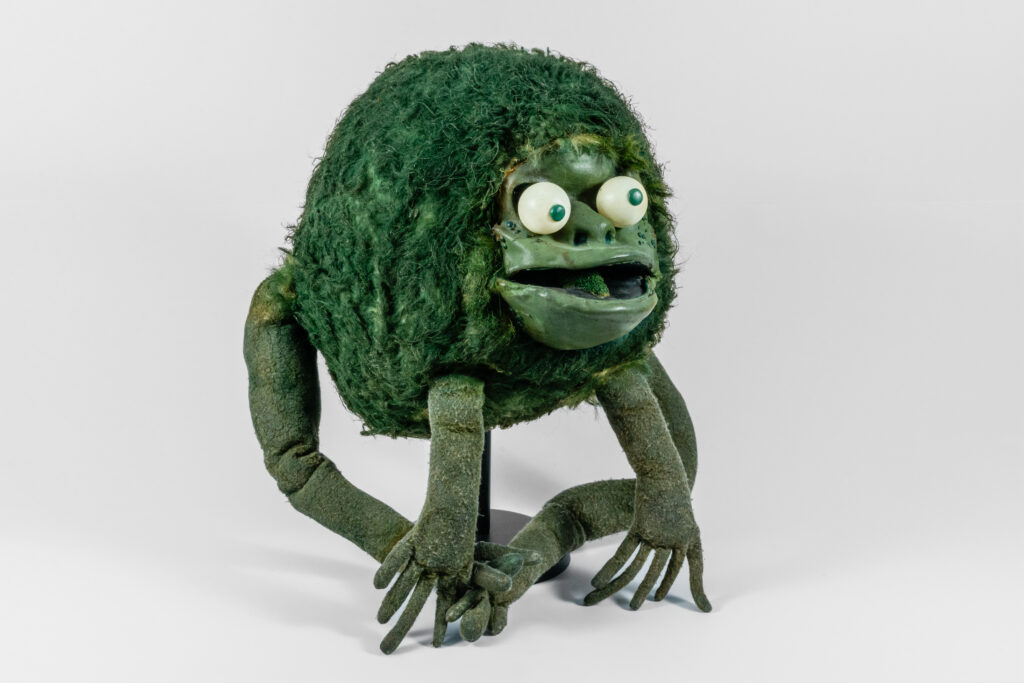
Two young Toronto puppeteers – Jamie Shannon and Jason Hopely – devised “The Grogs,” a group of monster puppets to join the cast. By 1993, the puppets had become the most popular on-screen characters.
The Grogs’ tenure on the show came to an end in 1994 when their creators declined to license the puppets to YTV. Their final day on set saw Grog-oriented programs which included a random assortment of cartoons and programs that were occasionally interrupted by the puppets’ demands for praise. After a Grog-centred program, The Grogs disappeared – never to be seen on air again.
The 1990s
Article

The 1980s
Toronto in the 1980s
The 1980s marked the period in which baby boomers – those born between 1946 and 1964 – gained control of economic and political power. It was a decade that showcased glamour, fitness, and an obsession with monetary success.
Canada signed the Free Trade Agreement, and fear of nuclear war continued to cast a dark shadow. Under the guise of protecting children, campaigns that warned parents of “stranger danger,” condemned premarital sex, and called the population to “just say no to drugs” became hallmarks of the decade – reflecting the media-induced moral anieties of the time.
In 1984, The Sports Network and MuchMusic heralded the arrival of niche cable channels in Canada. By 1988, YTV launched – marking Canada’s very first dedicated children’s network. With this development, television became increasingly integrated into the classroom, and series such as Today’s Special were designed from the ground up to meet the emotional and learning needs of children.
Before They Were “Famous”
Children’s television shows were a pipeline for a lot of young talent. In the 1950s, Hollywood director Norman Jewison got his start as a floor director with the Canadian Broadcast Corporation (CBC), working on Uncle Chichimus and Maggie Muggins. Star Trek’s Captain Kirk and Scotty – William Shatner and James Doohan respectively – appeared in the CBC’s adaptation of The Howdy Doody Show. Fred Rogers came to Toronto to start Misterogers (the conceptual seed of Mister Rogers’ Neighbourhood), while budding Second City comedians John Candy and Martin Short appeared in TVOntario’s Cucumber. Electronic music pioneer Beverly Glenn-Copeland appeared as a regular on Mr. Dressup, while original Polka Dot Door host Tonya Williams went on to star in the glossy US soap opera The Young and The Restless. Perhaps the most famous Torontonian in the world, Aubrey Graham, known as “Drake,” started out as an actor on the third iteration of Degrassi – “The Next Generation” – in 2001.
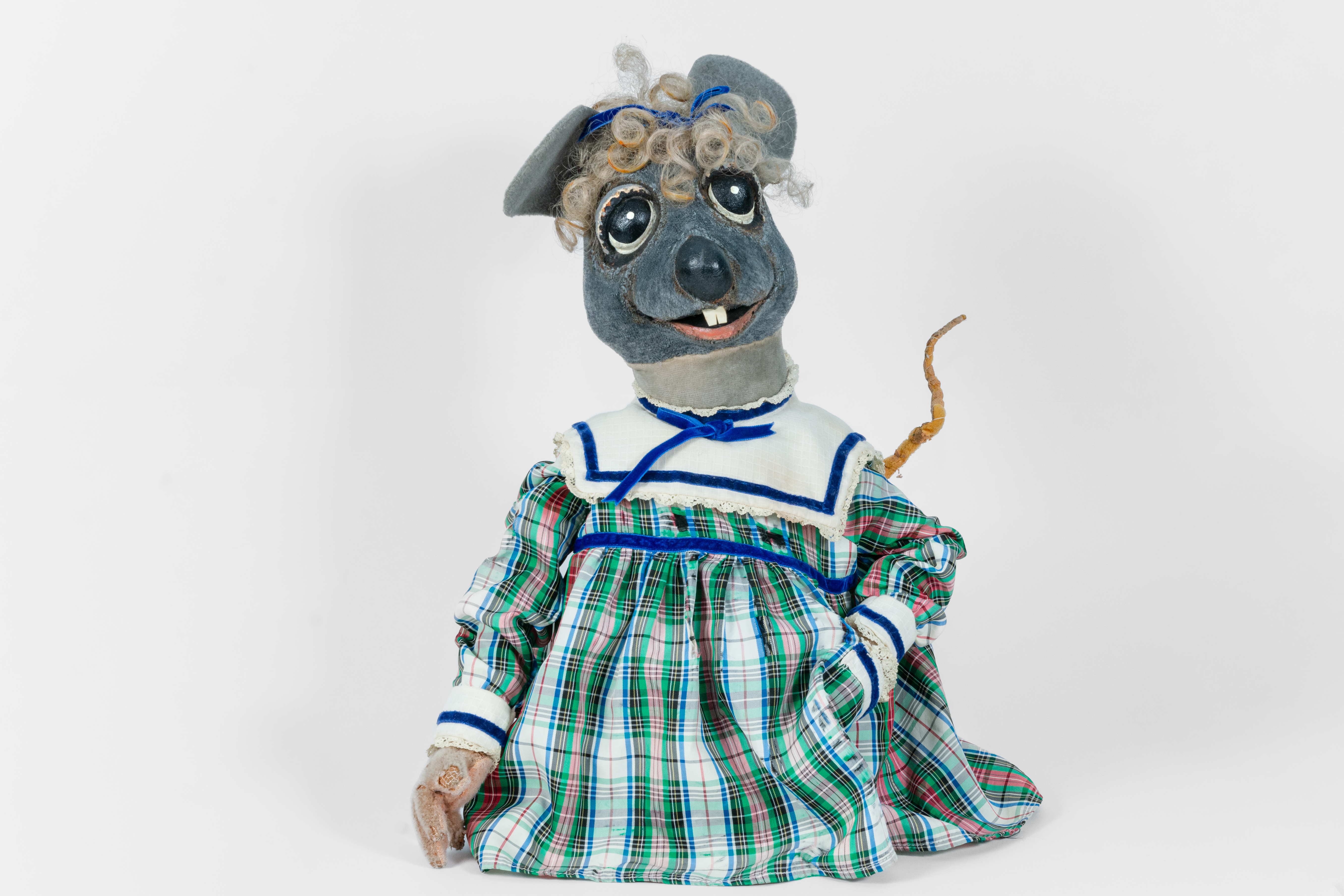
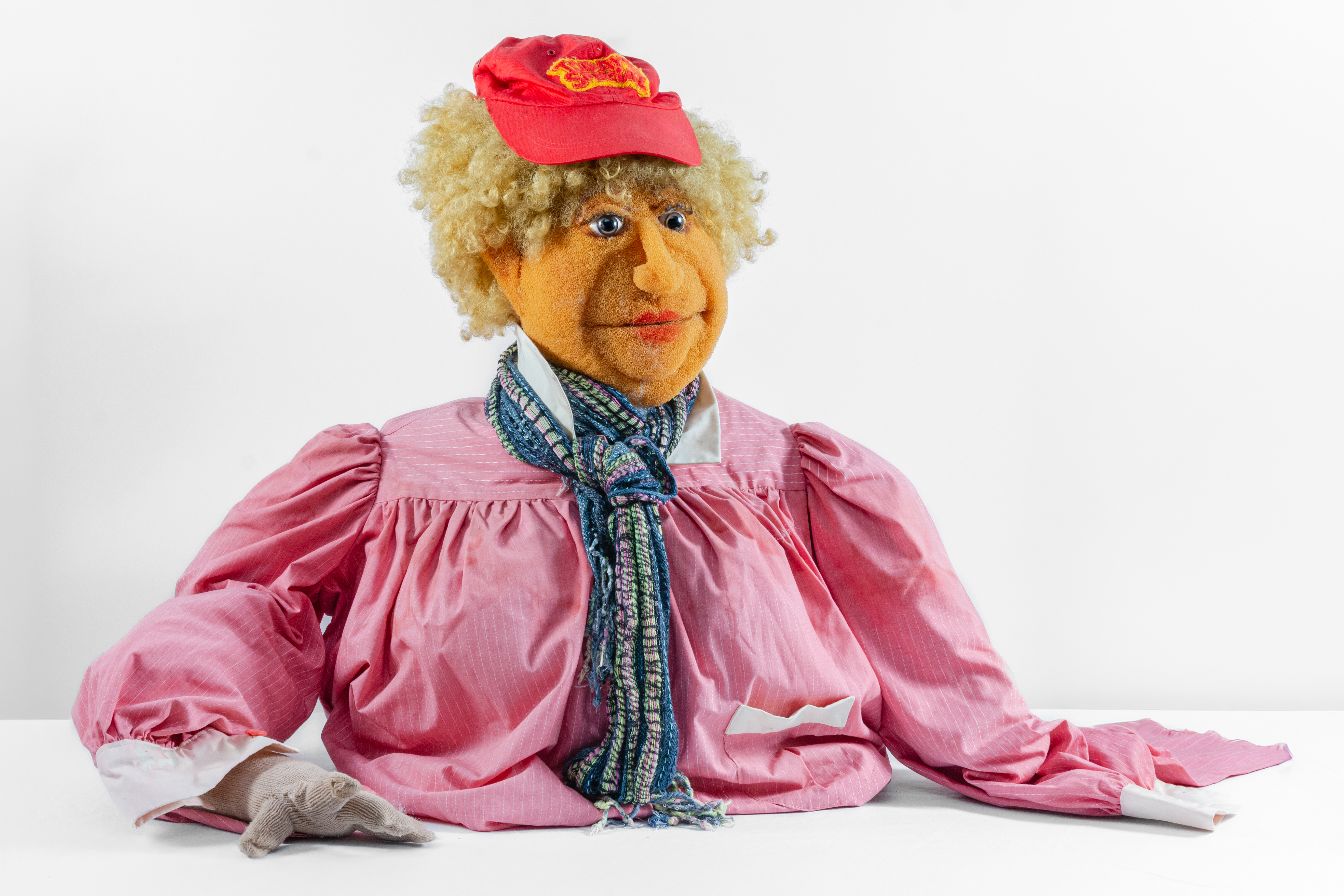
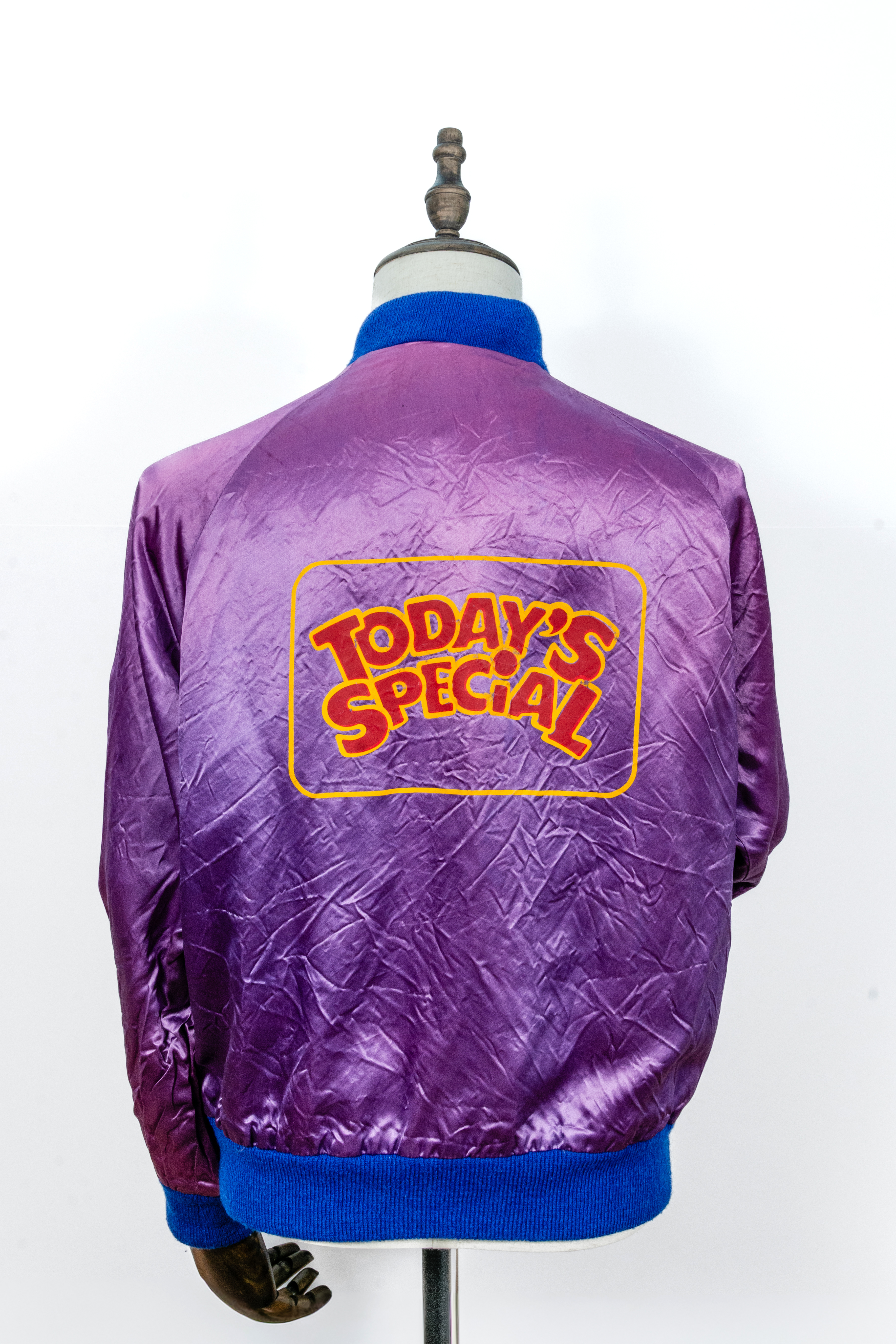
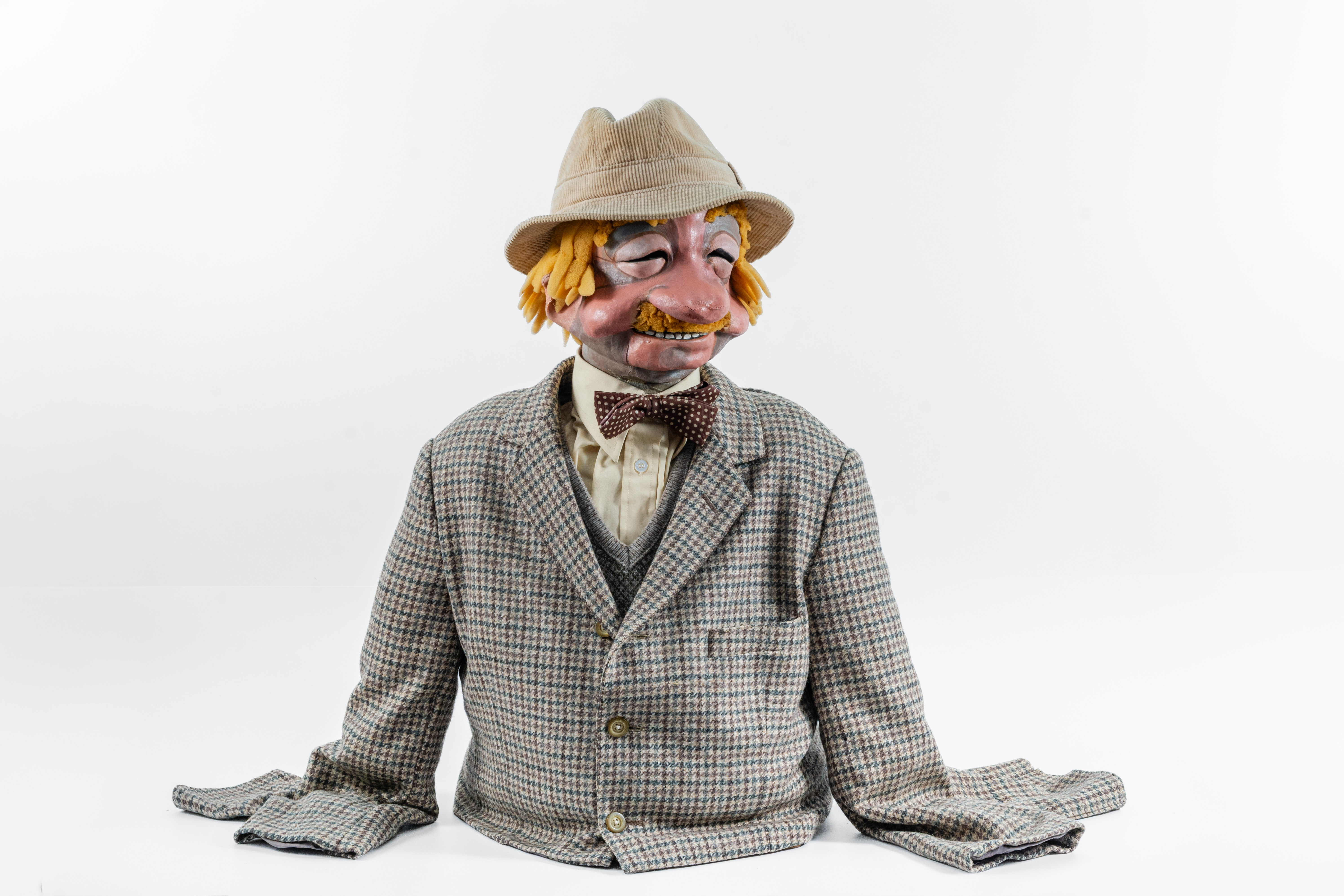
Today’s Special
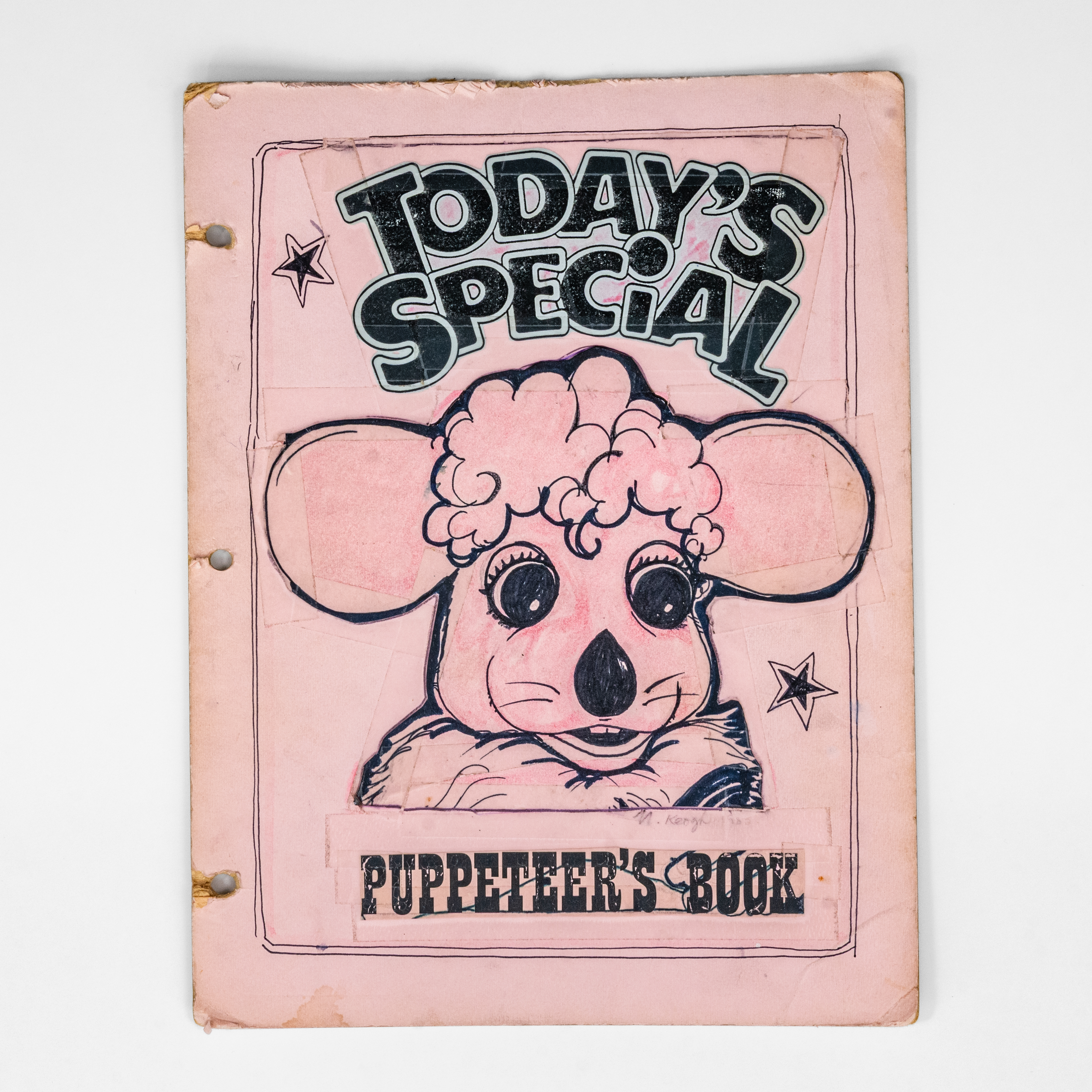
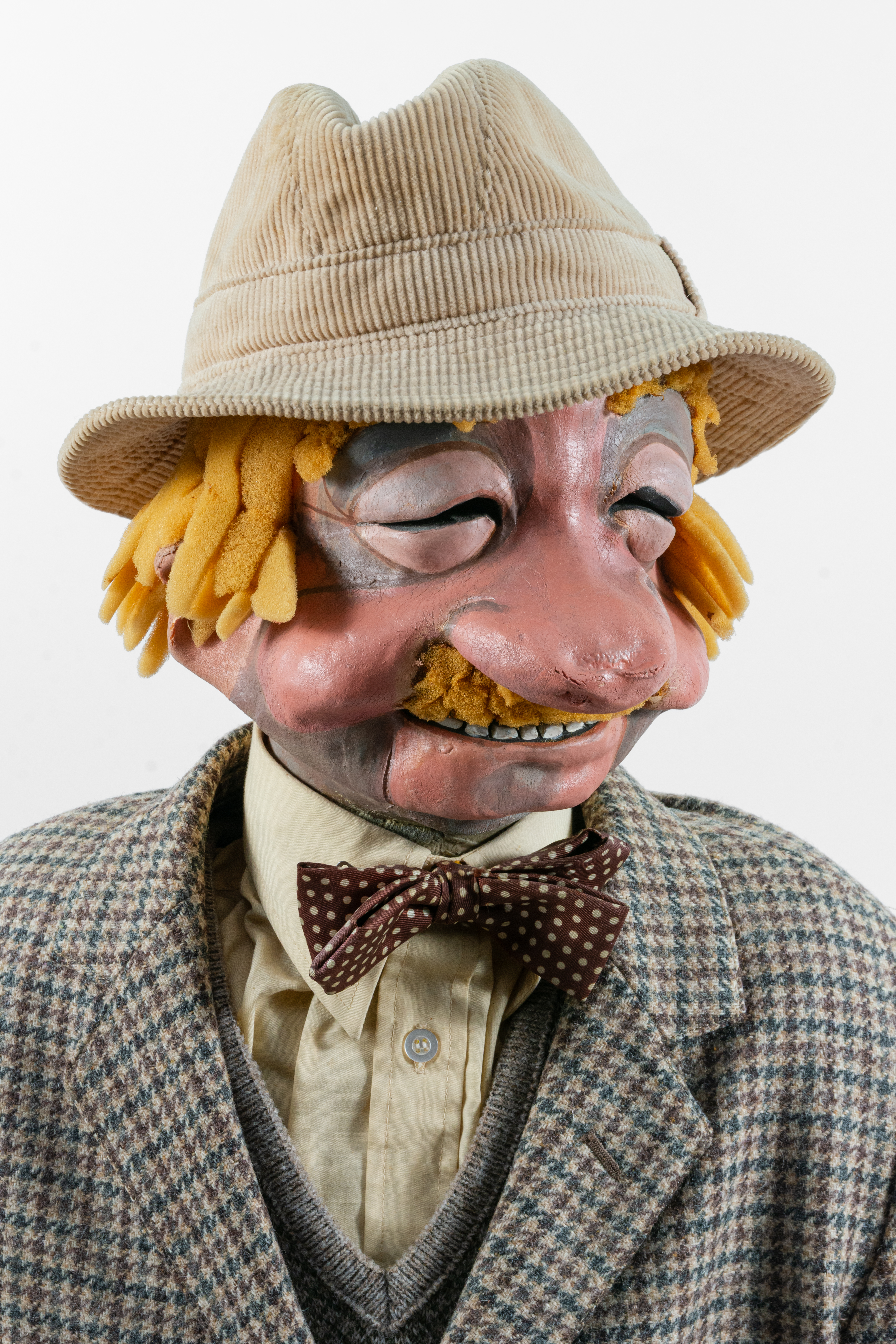
Set in a Toronto department store, Today’s Special ran from 1981 to 1987. During its development, the show conducted audience testing, capturing a trove of data about children’s learning behaviors and outcomes. Compiled into a strategic document, Formative Evaluation: Two Pilot Programs by the Office of Project Research Report #5, the research informed key learning objectives for Today’s Special. The show fostered preschool-level learning in dance, poetry, music, picture reading, and cognitive learning – all while relating lessons to real-world applications. Over time, the series began to reach a broader and slightly older audience. It began to delve into more complicated subject matter such as alcoholism, death, race, and different intellectual and physical abilities.
Stewardship of the program was given to Clive VanderBurgh, an established producer. He worked with writers including Jed MacKay and Clive Endersby, and puppeteers such as Nina Keogh, Bob Dermer, and Nikki Tilroe. Singer and dancer Jeff Hyslop was cast as the mannequin who was brought to life with a hat and a magical spell, and former Polka Dot Door star and teacher Nerene Virgin was cast as Jody, the store’s level-headed display designer who functioned as a mentor and teacher. For the first time in Canadian broadcast history, a Black woman and white man appeared as friends and colleagues.
The Elephant Show
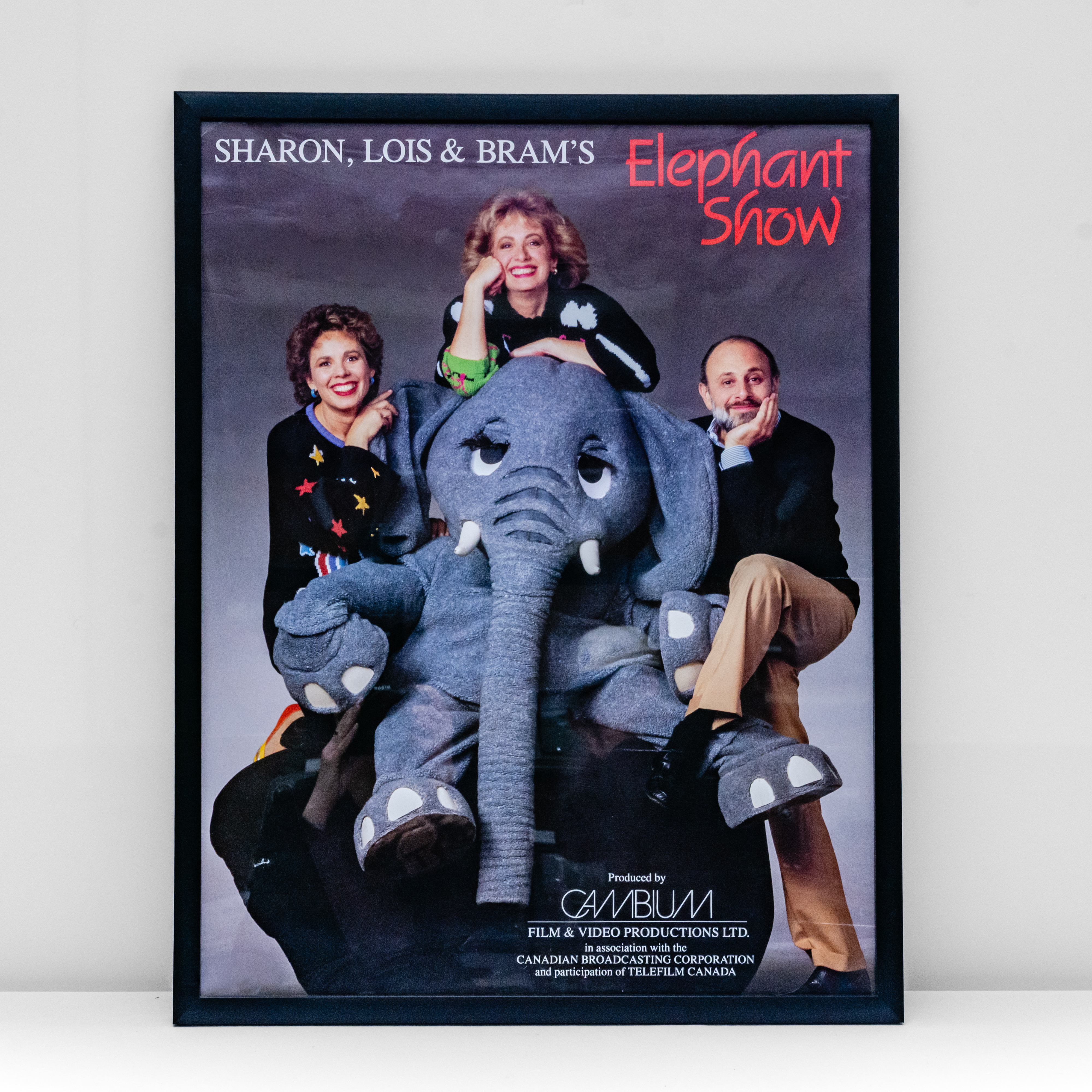
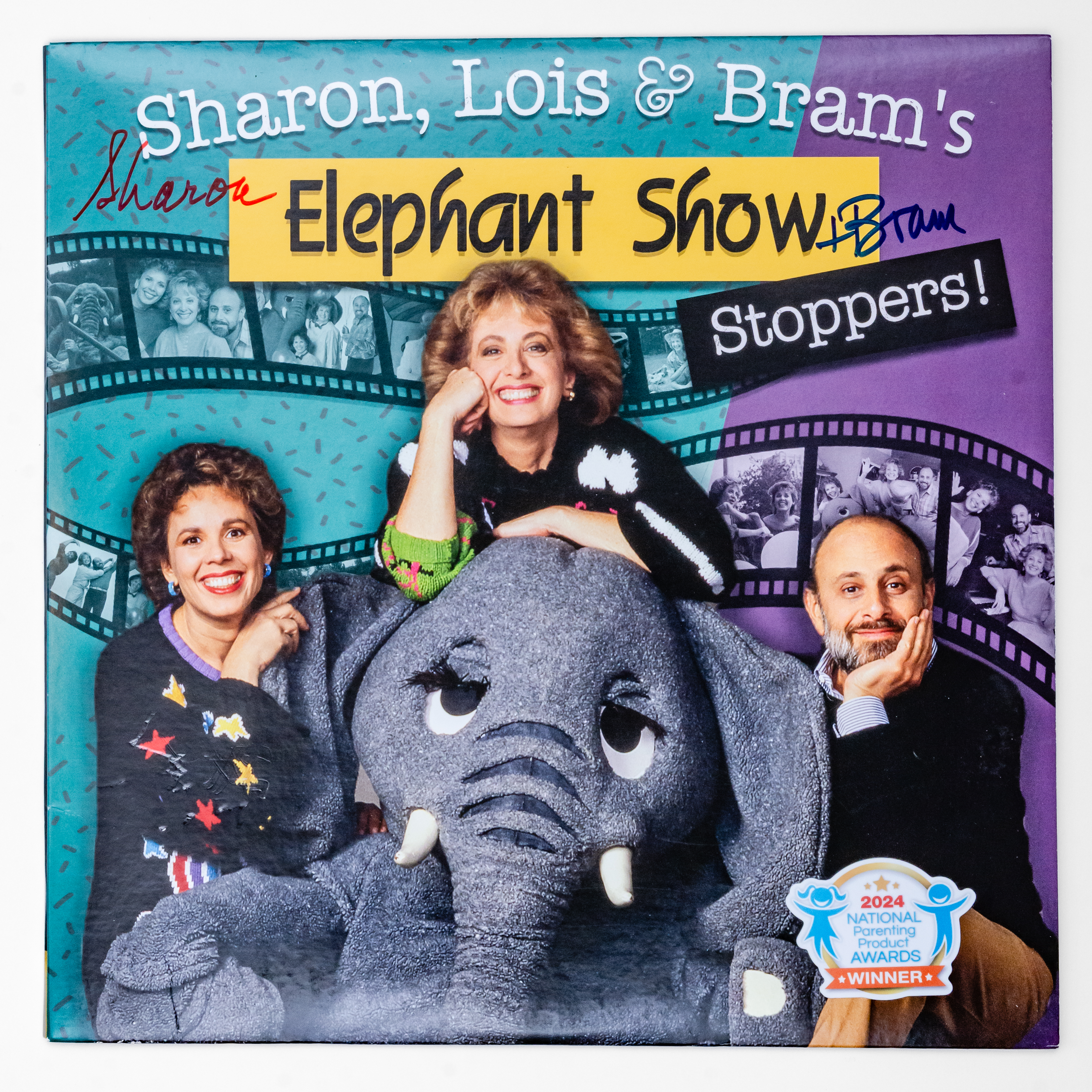
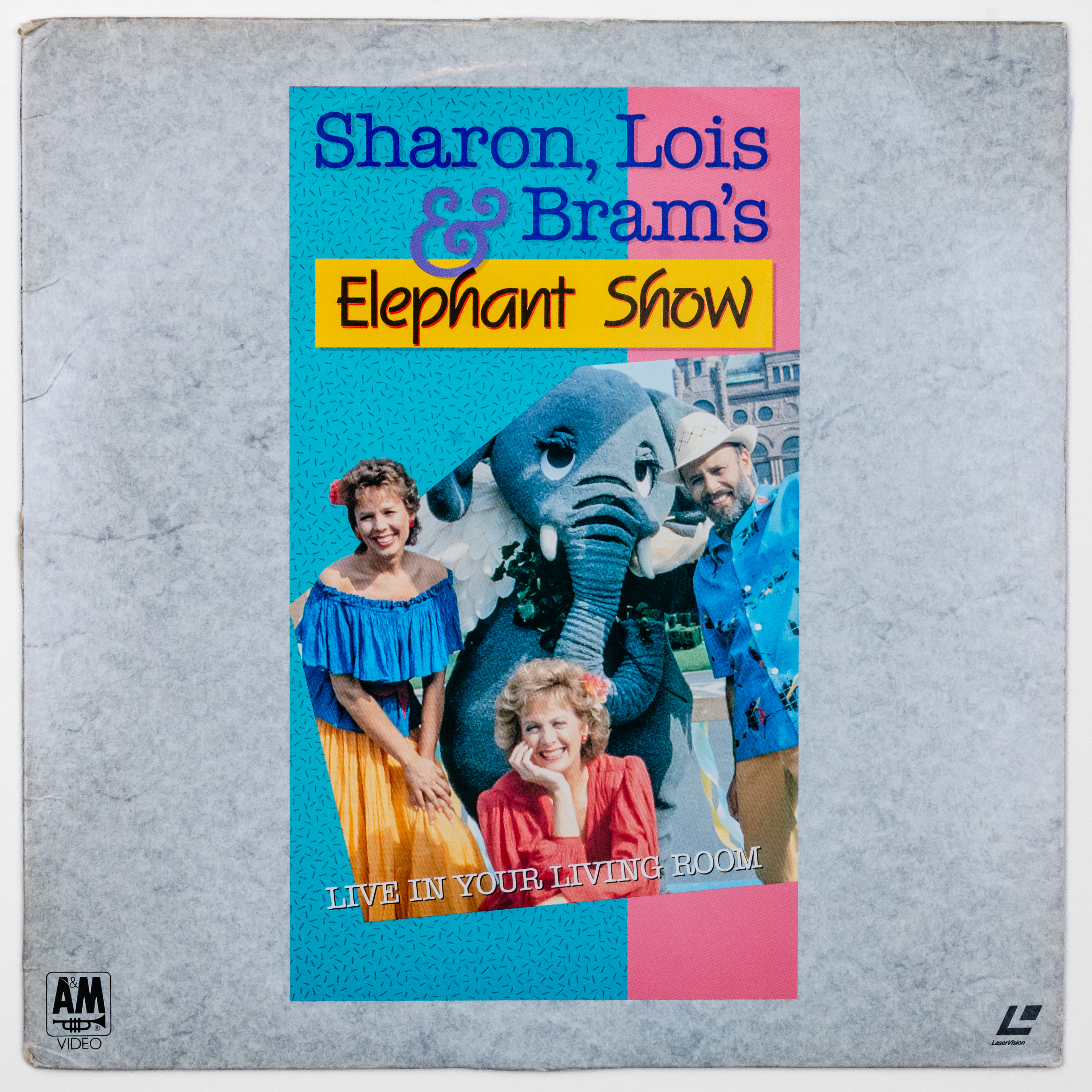
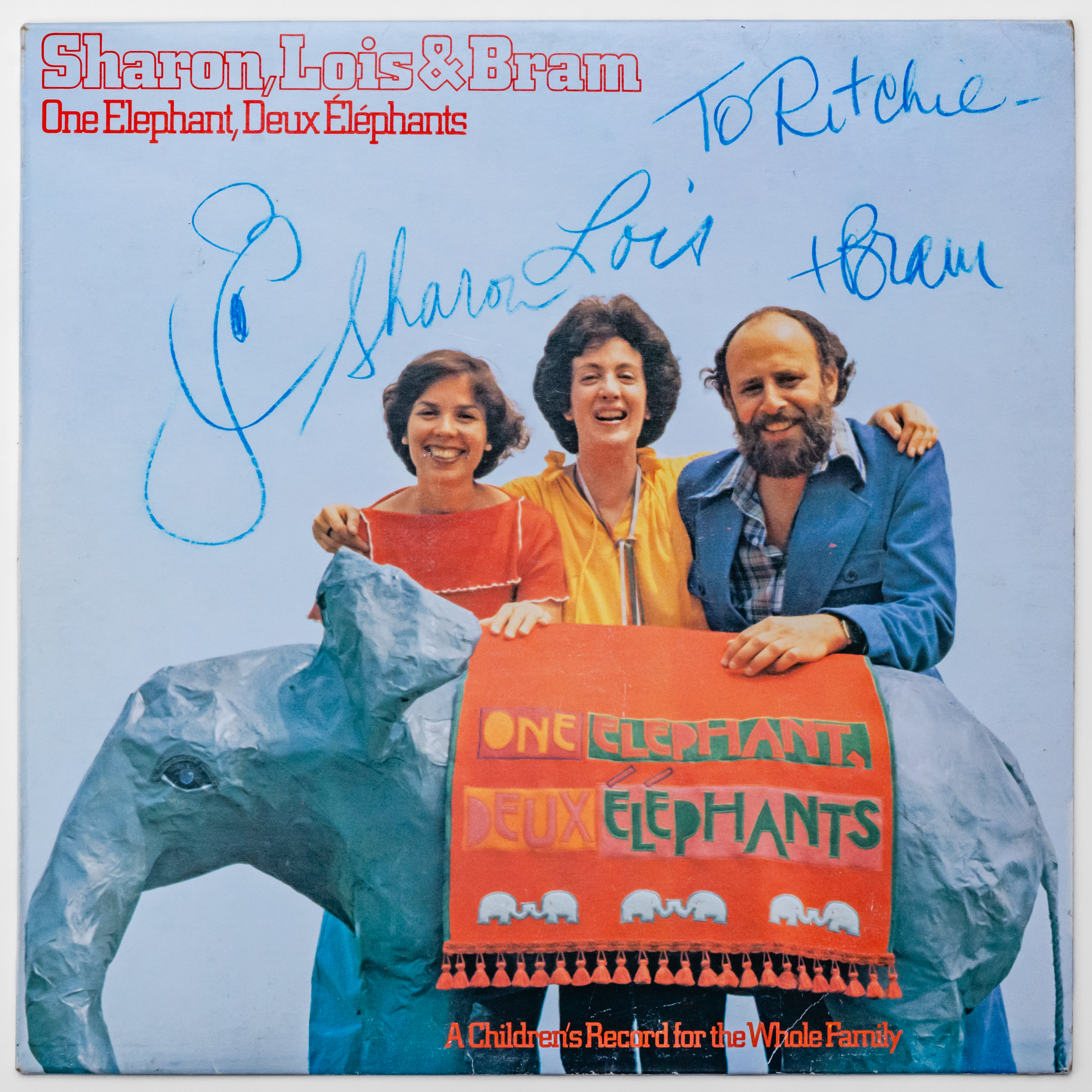
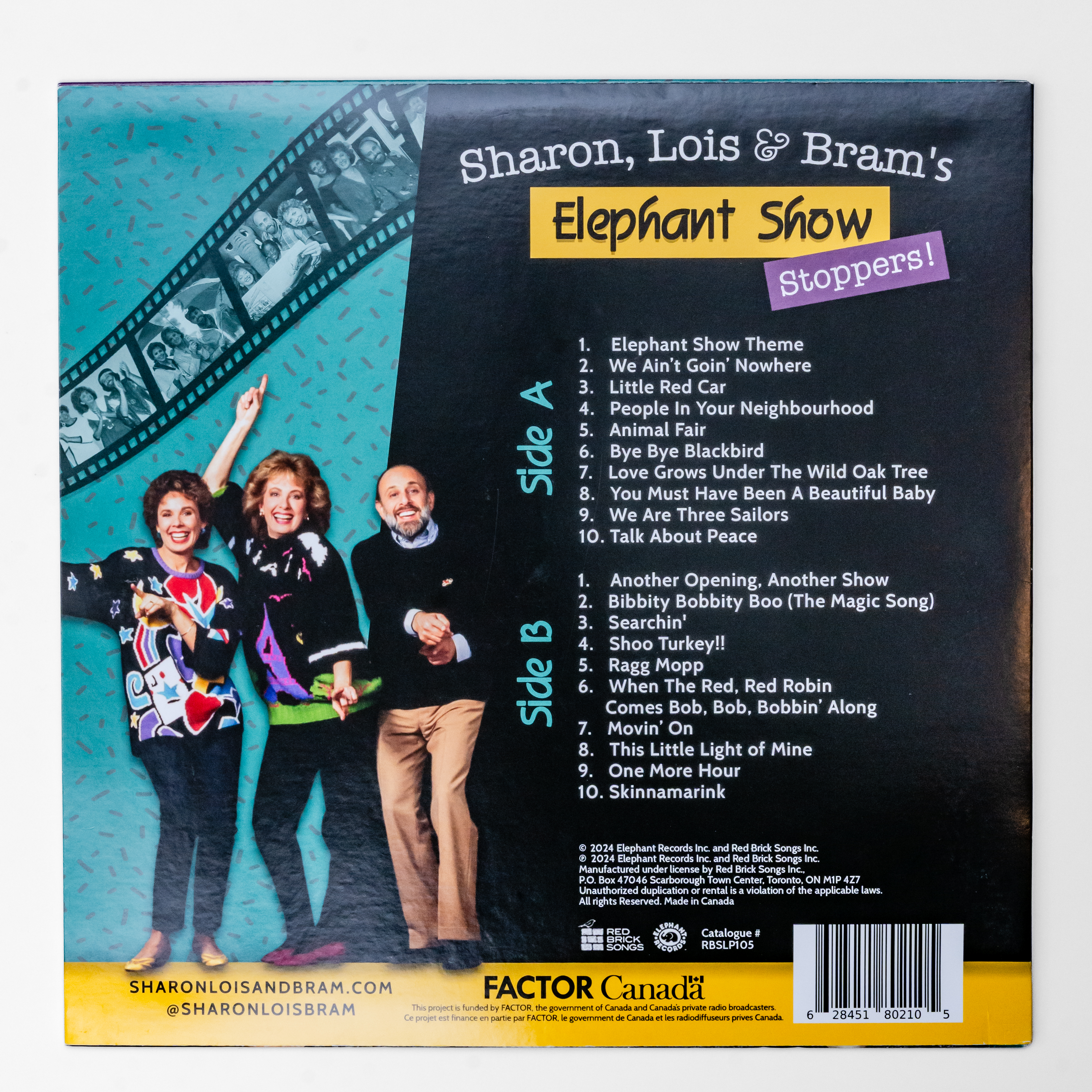
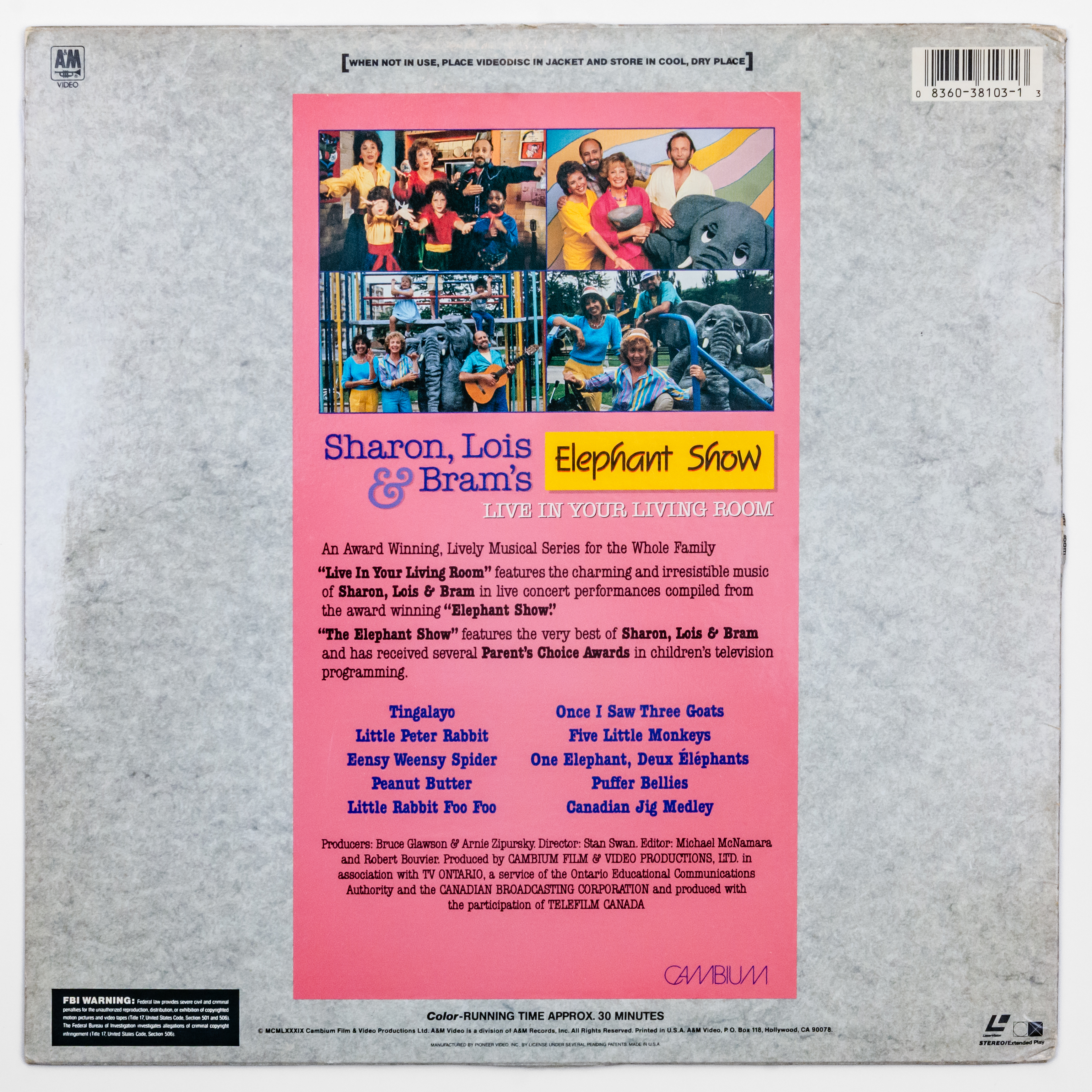
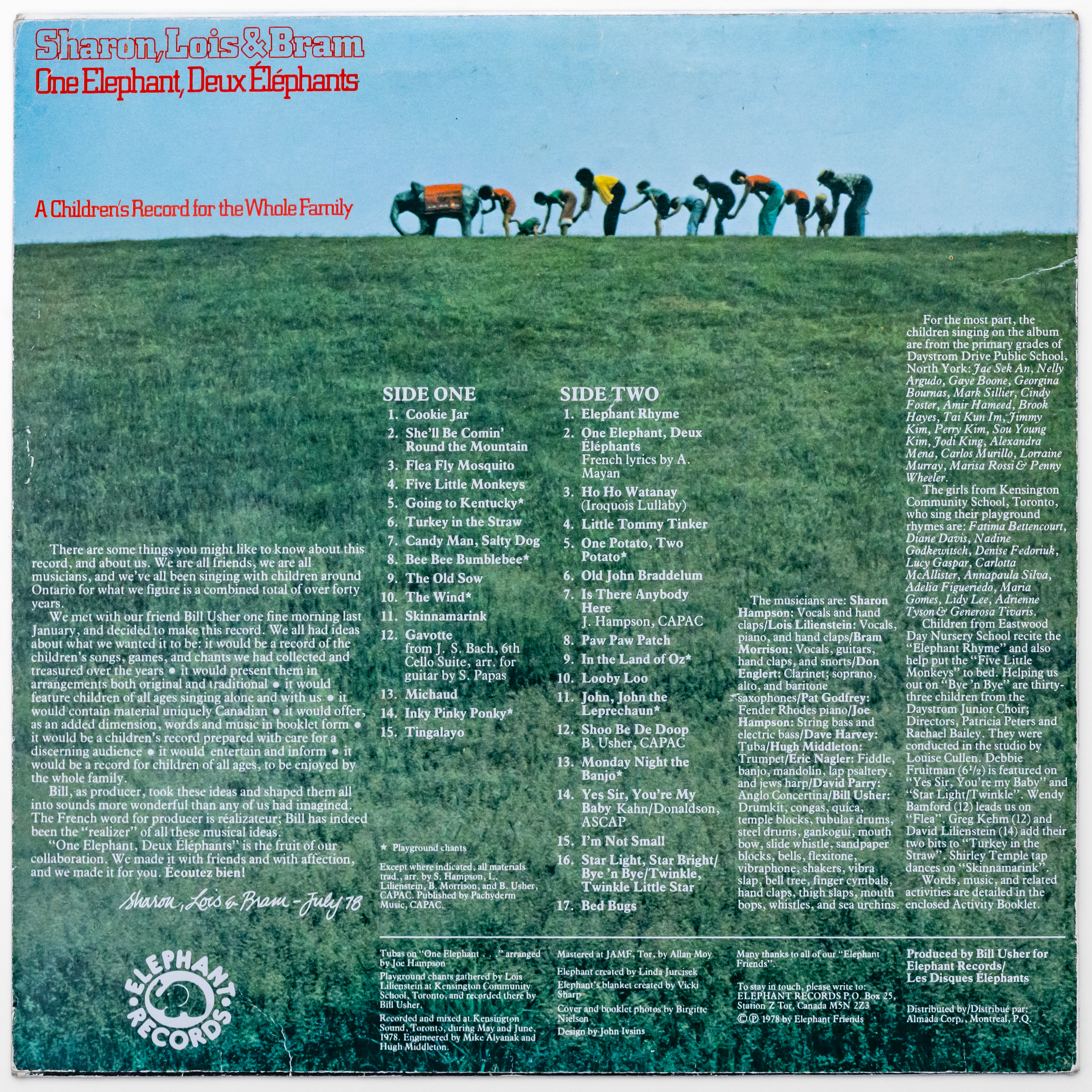
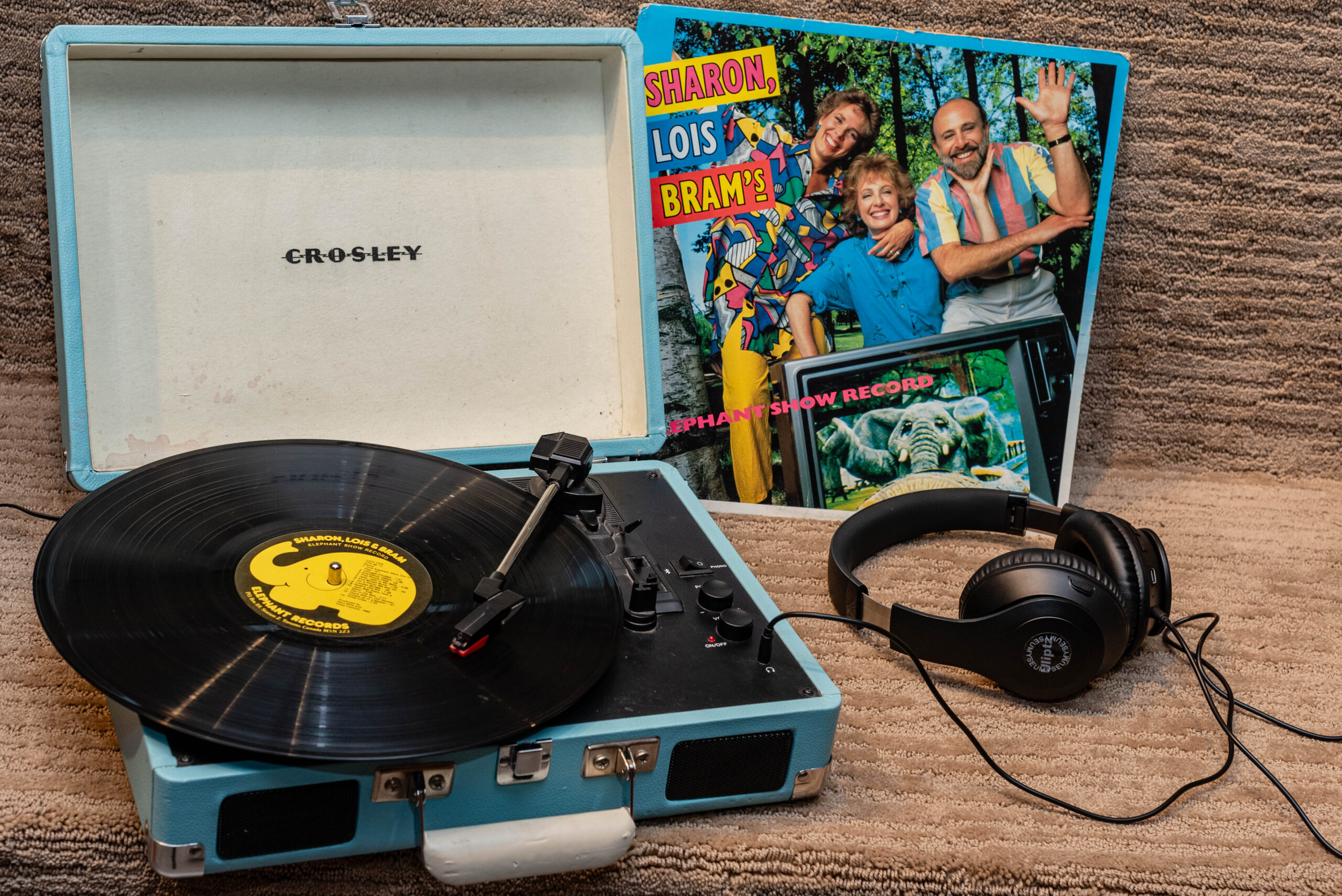
October 8, 1984 was when The Elephant Show aired. It featured the musical group Sharon, Lois & Bram – popular children’s entertainers who had released many albums. The program mixed live concert footage along with segments that helped children address fear, anxiety, jealousy, and other challenging emotions. The show was shot all over Toronto and featured many Canadians who would gain international fame later in life, including Andrea Martin, The Nylons, Murray McLauchlan, and Louis Del Grande. The Elephant Show developed enormous American viewership because it was broadcast on the dedicated kids cable service Nickelodeon, where Today’s Special also enjoyed great success.
The 1980s
Article

The 1970s
Toronto in the 1970s
During the 1970s, Canada was a dichotomy of hope and fear. Toronto’s changing demographics became a direct reflection of the times. The population of Toronto surpassed Montreal, a wave of Americans immigrated to Toronto in the wake of the Vietnam War, and 1972 saw Toronto’s first Gay Pride Week. North America underwent a cultural shift after two decades of civil rights movements, all while struggling with an oil crisis, stagnant national economic growth, and persistent inflation.
The television industry – along with consumer habits – began to change. The opening of the CN Tower in 1976 expanded the reach of local television and radio broadcasts. Citytv launched in 1972, becoming Toronto’s first dedicated, independent broadcaster. 1975 saw the launch of the domestic videocassette, enabling viewers to tape and rewatch programs. The emergence of cable television, Pay TV, and increasingly niche channels offered more choices for consumers.
Songs and Stories, and So Much More
In the Fall of 1971, TVOntario (TVO) premiered its flagship children’s series Polka Dot Door.
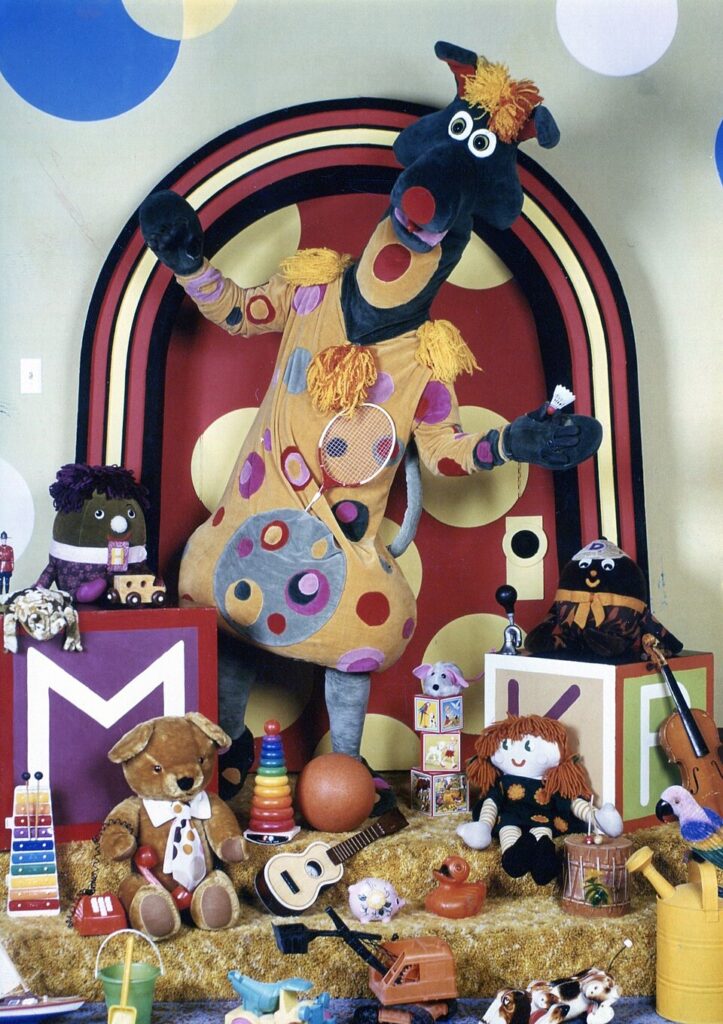
The series was an adaptation of the British Broadcasting Corporation’s show Play School. Many aspects of Play School were licensed by TVO for use on Polka Dot Door – including educational film segments and the designs of the stuffed animals. Perhaps the best-known character in the series was the “Polkaroo,” a mythical creature whose name combines the words “polka dot” and “kangaroo.”
Polka Dot Door welcomed a diverse cast of hosts including Nina Keogh, Rex Hagon, Heather Conkie, Sherry Miller, Nerene Virgin, Tonya Williams, Jane Luk, Gerry Mendicino, and Denis Simpson – a somewhat radical move in television at the time.
Education, Education, Education
All of TVOntario’s (TVO) early children’s programming was created in alignment with the Ministry of Education. Provincial curriculum objectives often led to content development and storytelling.
The Adventures of Timothy Pilgrim aired in 1975. This science-fiction series featured a boy who travels backwards in time. Shot on film on location around the west end of Toronto, the series focused on social skills – including fostering friendship, sharing, and overcoming challenges.
Readalong! in 1975 featured a coterie of puppets to help children with the fundamentals of word recognition and reading.
Tell Me A Story was launched in 1975. It featured various children’s authors reading new stories direct-to-camera and was book-ended with psychedelic animations.
Read All About It! From 1979 followed a group of children stopping an alien invasion of Earth via their local newspaper. The series was widely used to teach reading, writing, and history lessons to Grade 5 students.
The Body Works in 1980 helped children better understand nutrition and exercise through fitness demonstrations. It was used in many classrooms – usually at the start of the day.
The 1970s
Article

The 1960s
Toronto in the 1960s
By this time, Toronto saw itself as a truly modern city. York University opened its doors and Rochdale College became Canada’s first free university. The New City Hall, the Line 2 Bloor-Danforth Subway line, and the Don Valley Parkway were all developed.
Toronto was dramatically impacted by changing immigration regulations and the Federal Government’s introduction of The Canadian Bill of Rights in 1960. This era prompted an influx of newcomers that dramatically changed the demographics of the city.
Innovation in Television
While television programs prior to the 1960s were pushing creative boundaries, they often reinforced limiting representations of gender, race, and sexual identity. Thankfully, times were a-changin’… The number of television sets and channels were on the rise, and the sector showed a growing interest in how this media could be an agent of social change.
The power of television was dramatically influenced by the Canadian communications theorist Marshall McLuhan, who spent most of his career at the University of Toronto. The increasing significance that television played in everyday life – along with McLuhan’s phrase “the medium is the message” – led many to rethink the way television affects our human consciousness and society at large.
Along with this, more experimentation was happening. Razzle Dazzle based a large portion of its scripts on jokes, anecdotes, and stories mailed in by young viewers – predating today’s popular user-generated content models. The CBC launched Misterogers, in which Fred Rogers directly addressed young children about challenging subjects in a calm and precise manner. This was before the show launched on PBS, and was lauded for being so empathetic and sophisticated.
The Arrival of Sesame Street
November 10, 1969 was the date that Sesame Street premiered in the US on the American Public Broadcast Service network (PBS). It was first conceived in 1966 and the goal was to create a children’s television show that would use the captivating nature of television for the betterment of children’s development. It was the first preschool-level educational television program to base its contents on formative research.
A Canadian version of Sesame Street premiered on the Canadian Broadcast Corporation (CBC) in January 1972. It was originally known as Sesame Street Canada but was changed to Sesame Park – the conceit was that American children played on the street while Canadian children played in the park. The series was a hybrid of American and Canadian segments that included Canadian entertainers and personalities as well as basic French language lessons created to replace the Spanish language sequences.
As Sesame Street became increasingly popular among Canadian audiences, the CBC co-created the Canadian-ized off-shoot in response to public discontent about the show’s lack of Canadian-specific subject matter. During this decade and into the 1980s, Sesame Park anchored a three-show block that included The Friendly Giant and Mr. Dressup.
Mr. Dressup
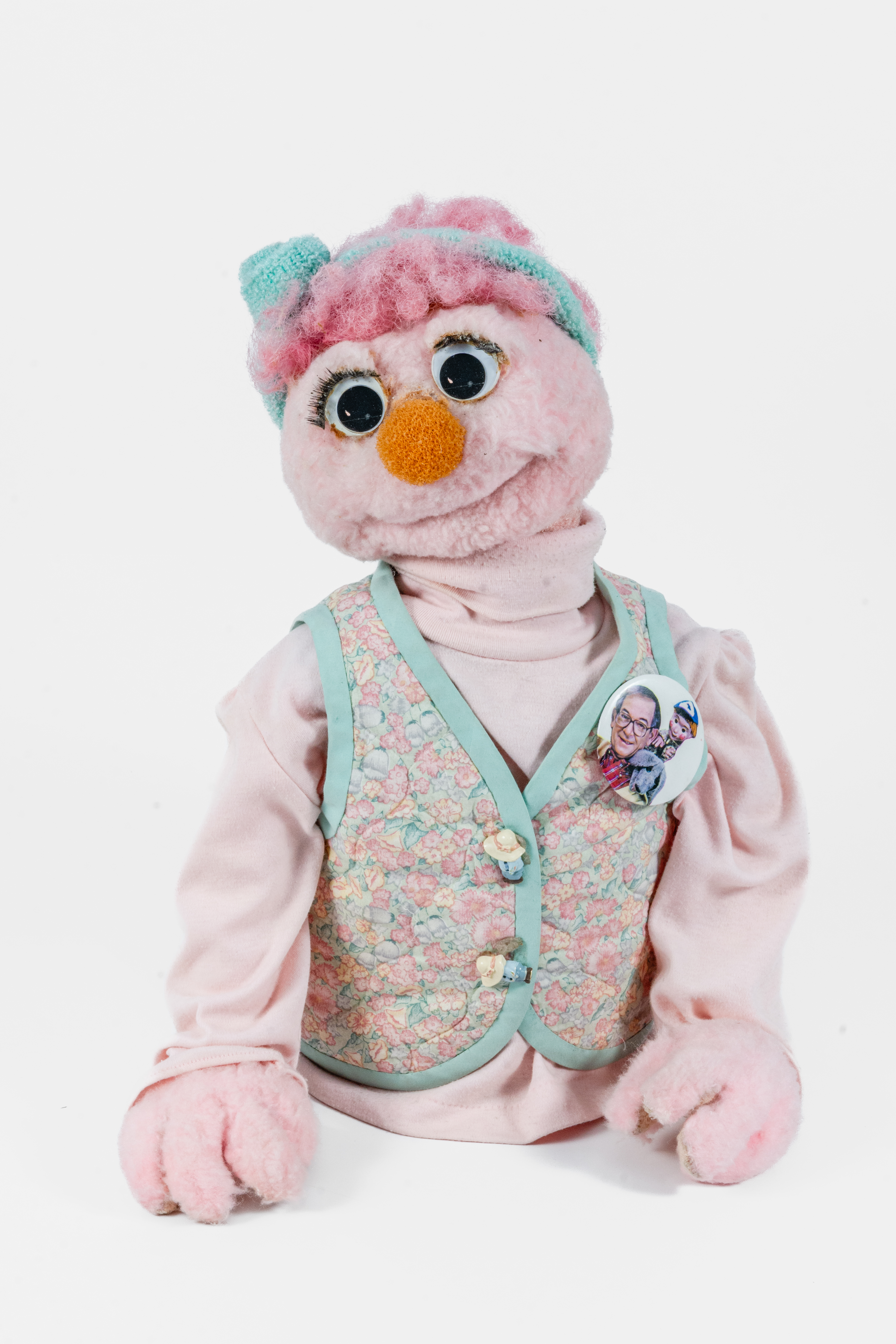
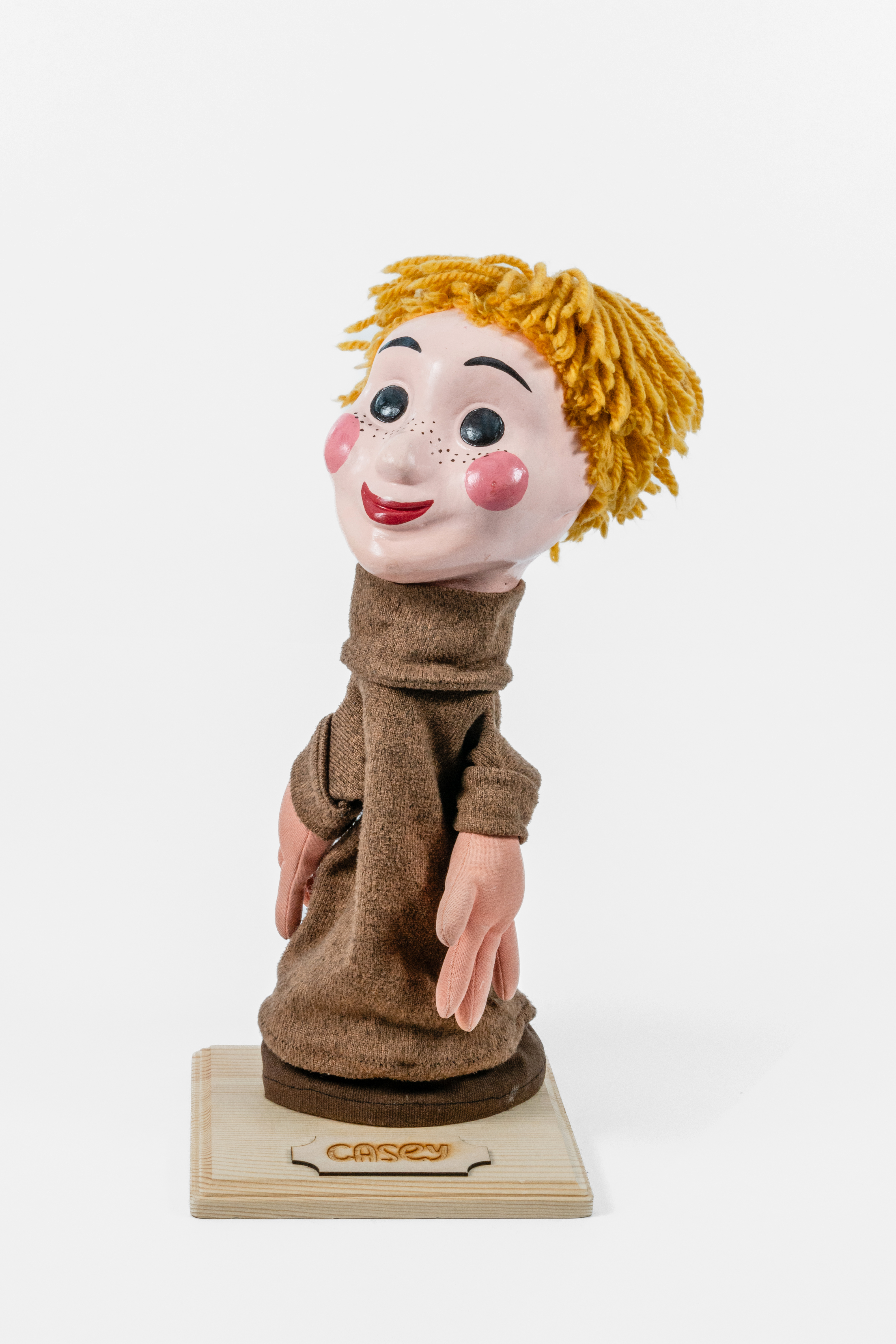
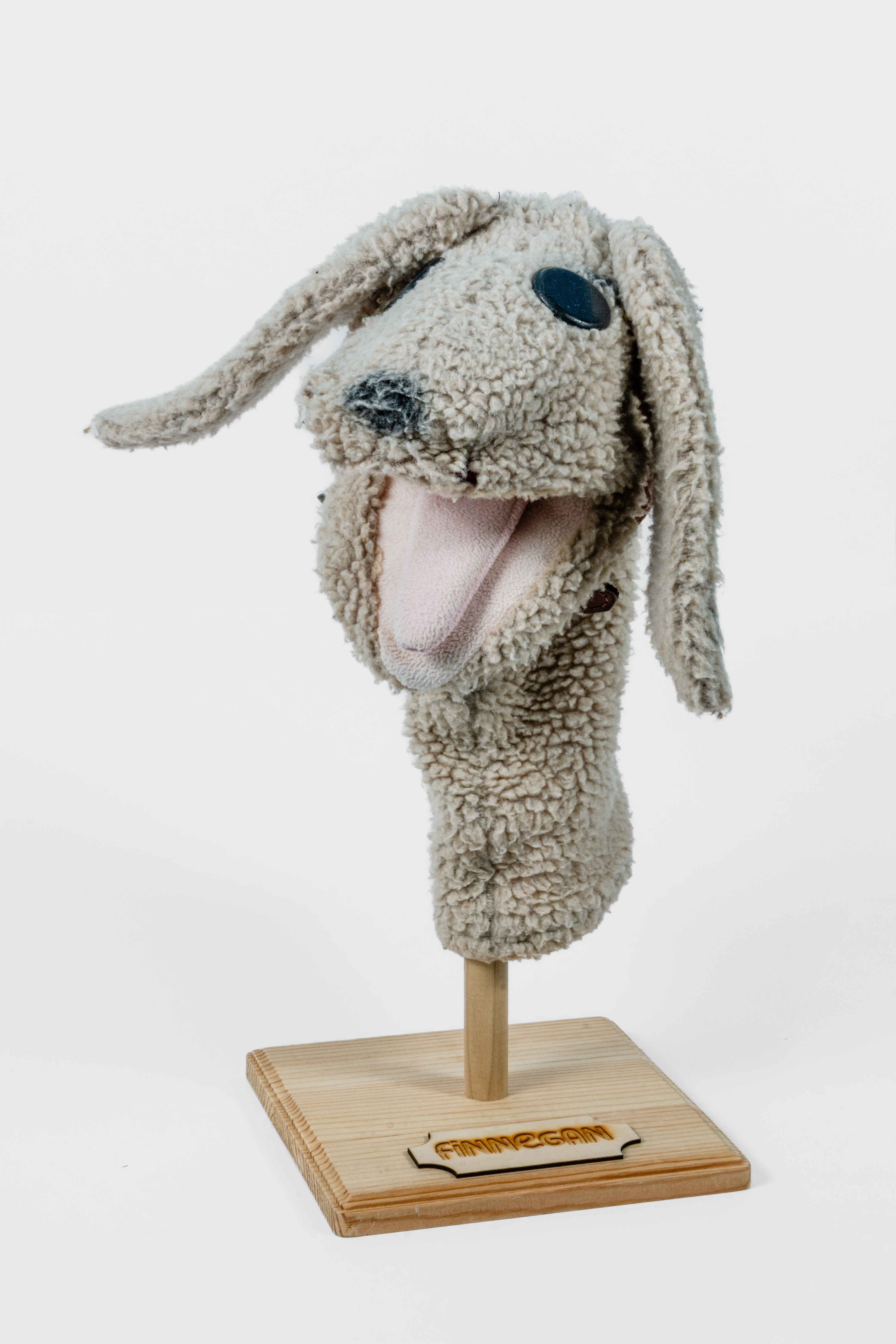
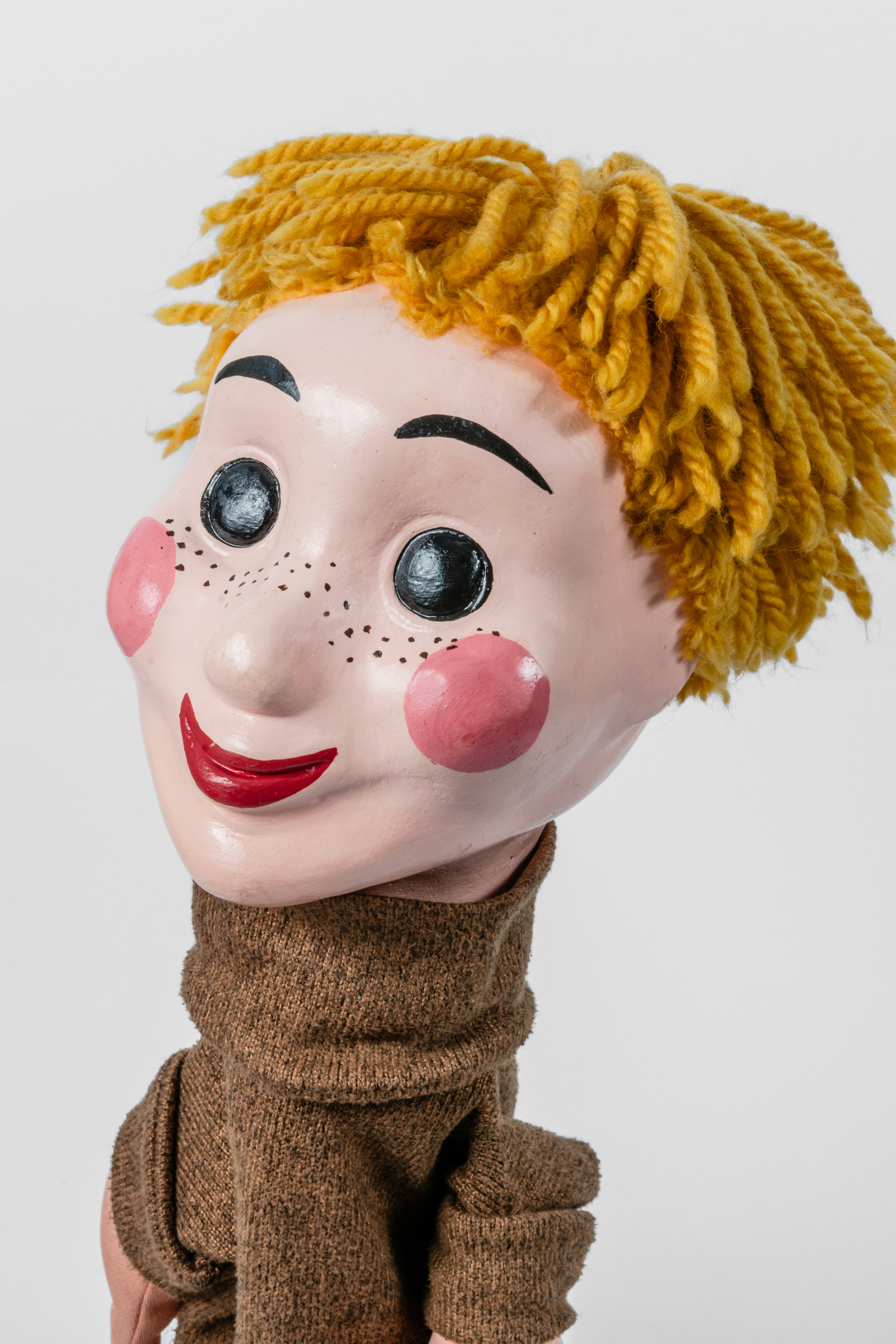
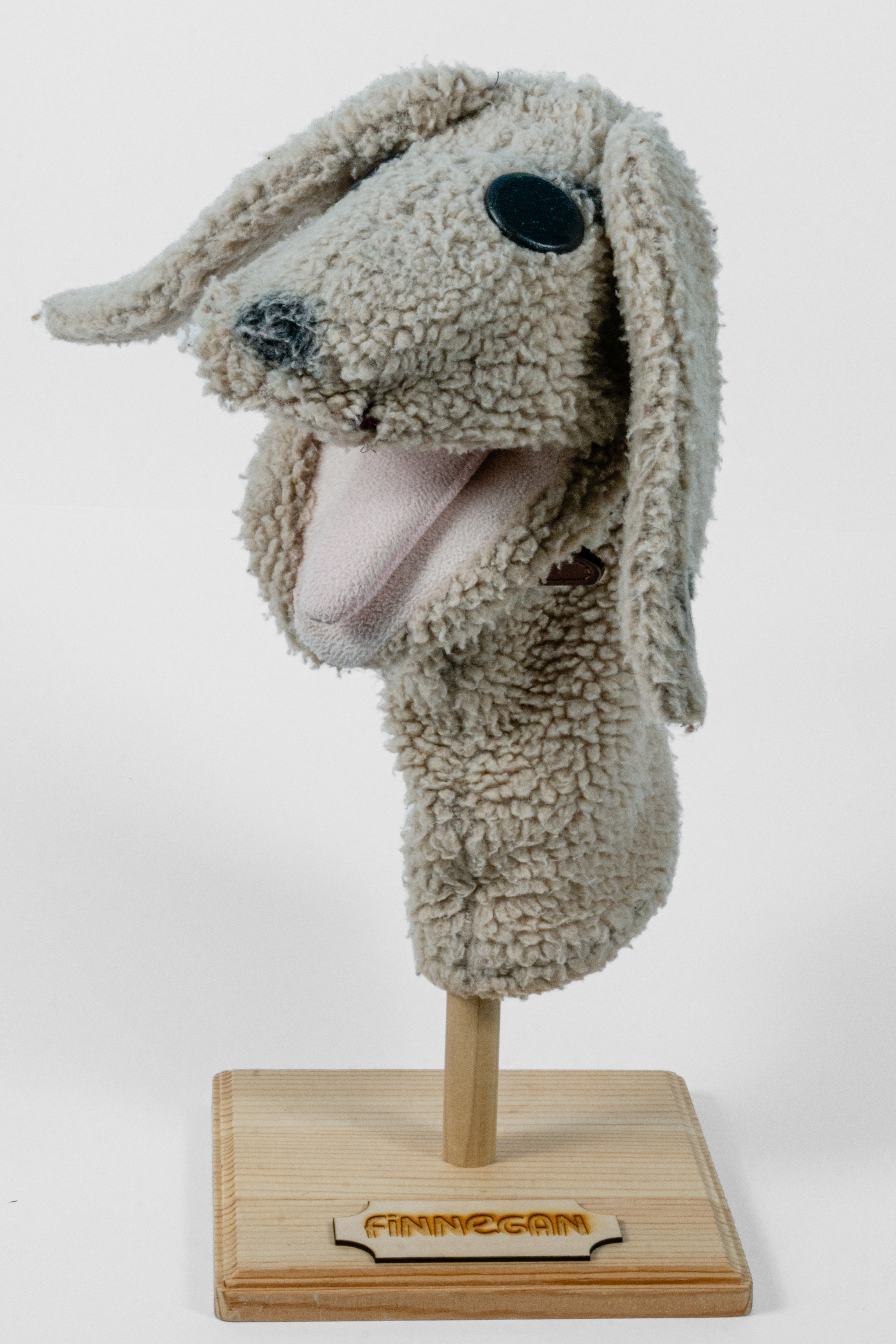
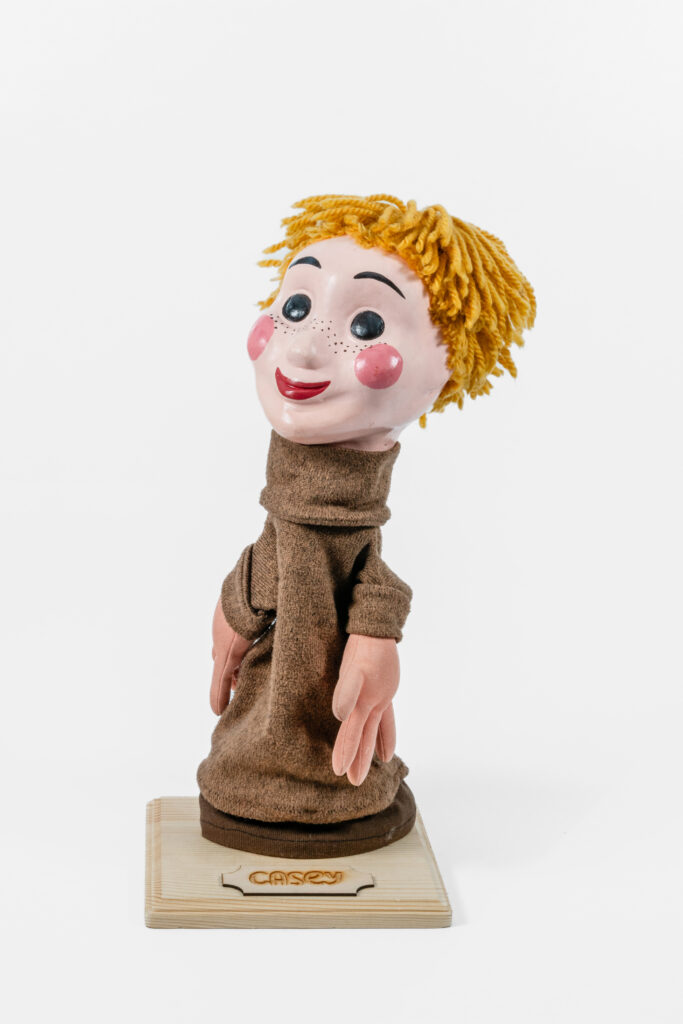
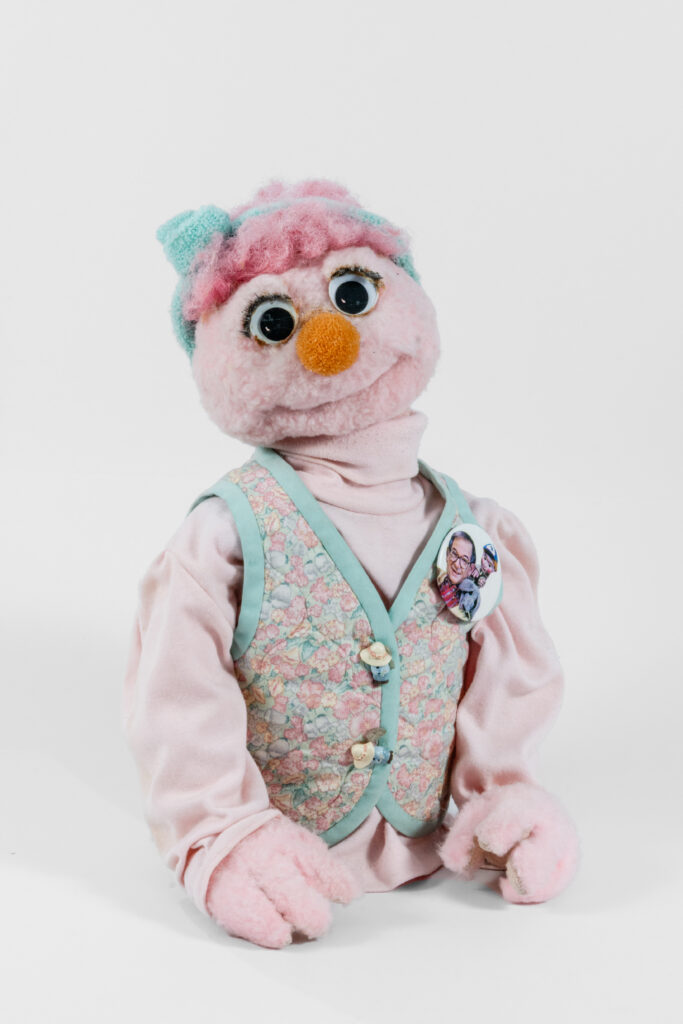
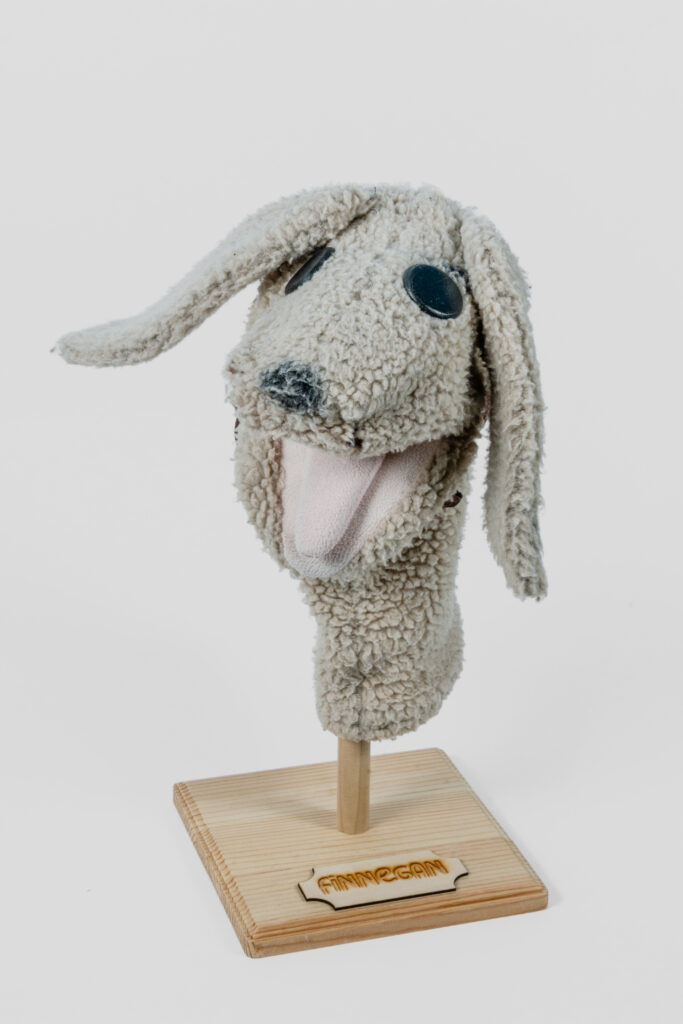
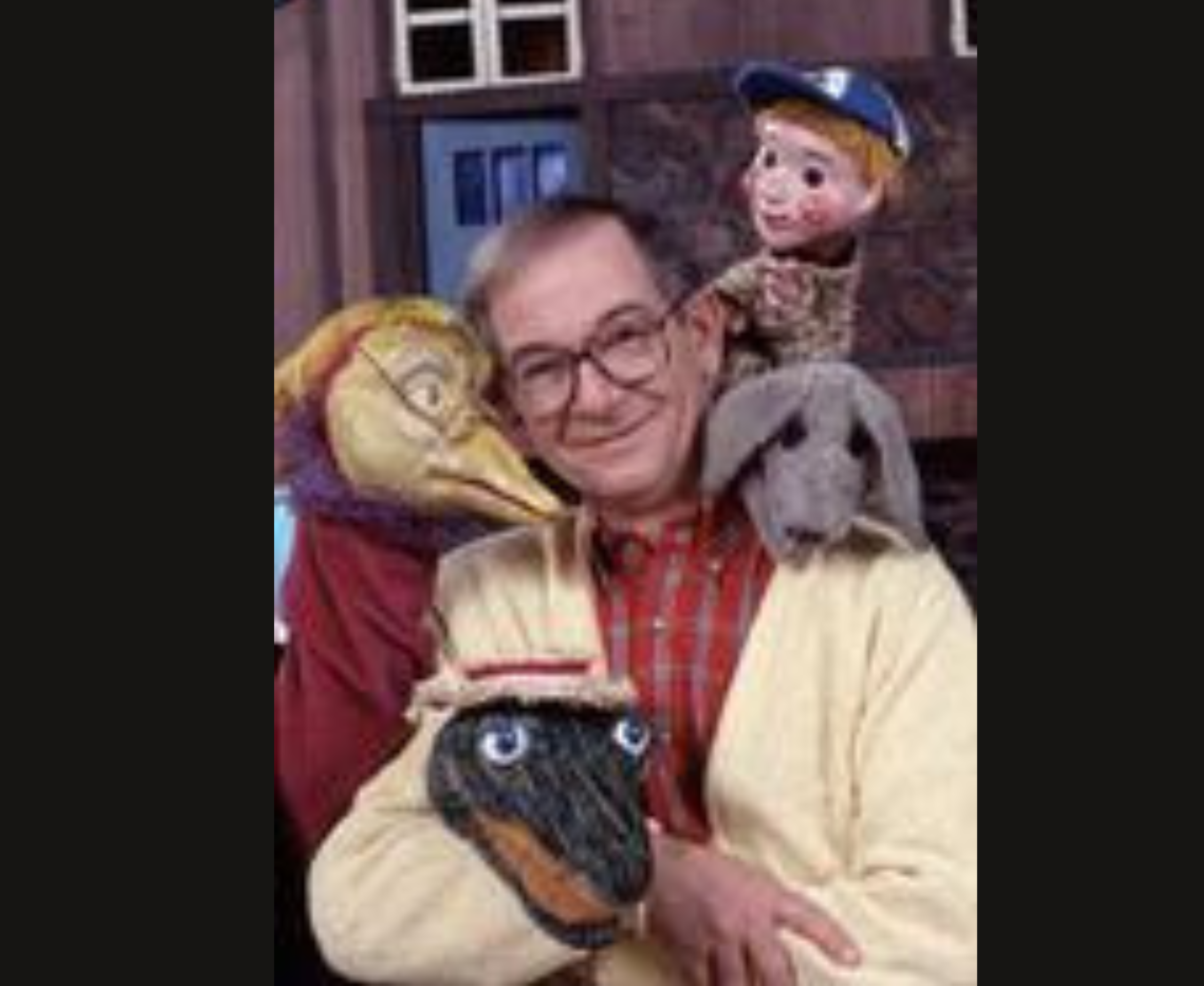
Mr. Dressup premiered on the CBC on February 13, 1967. The beloved series aired every weekday morning leading children through a series of songs, stories, arts, crafts and imagination games. Mr. Dressup was accompanied by his puppet friends Casey and Finnegan – a child and a dog who lived in a treehouse in Mr. Dressup’s backyard.
Due to the decades-long lifespan of the series, several generations of North American children grew up watching Mr. Dressup, etching the show into our cultural consciousness.
Comparisons are often drawn between Mr. Dressup and Mr. Rogers. Ernie Coombs played Mr. Dressup for the first time in 1964 on Butternut Square. Fred Rogers worked behind the scenes of this show until he decided to return to the US. Shortly after, in 1966, Rogers sold Mister Rogers’ Neighborhood to PBS.
Uncle Bobby & Friends
In the Fall of 1964, CTV’s Toronto affiliate CFTO created a flagship series entitled Playtime with Uncle Bobby starring British vaudevillian performer Bobby Ash.
The series featured cartoons, singers, puppets, animals, and magic tricks. Later, in 1968, it was picked up by the national CTV network. Playtime with Uncle Bobby was the first children’s series in North America to feature sign language – via co-host Bev Marsh.
Ash became ubiquitous at charity events – performing tricks as Uncle Bobby, and covering the Eaton’s Toronto Santa Claus Parade for many years. His weekly show was devoured by a legion of devotees whom he called “Bobby Soxers.”
Ontario’s safety mascot Elmer the Elephant was a regular presence on the show, both as a character and a plastic statue.
The 1960s
Article

The 1950s
The Beginning of Canadian Television
September 8, 1952 was when CBLT – CBC Ontario’s flagship English Television service – first aired and accidentally launched with an upside-down CBC logo. The Canadian Television Network (CTV) began operating in October 1961 and in the same year CHCH-TV in Hamilton became the first independent station.
The legacy of Toronto as a hub for children’s television started long before the launch of TVOntario (TVO). First known as the Ontario Educational Communications Authority (OECA), TVO launched in 1970. It produced children’s educational programming which aired on commercial television stations. This network was conceived by then Education Minister and future Progressive Conservative Premier Bill Davis.
TVO reported to the Ontario legislature through the Ministry of Education. This alignment ensured that children’s television incorporated curriculum for all stages of development. Even children’s series from other countries – such as the British science-fiction series Doctor Who – required newly filmed segments that supported the provincial curriculum.
Toronto in the 1950s
Toronto was recognized as the fastest-growing city on the continent, but it was still a quiet town. For many this was a period of economic stability and prosperity. Immigration levels increased as Europeans – primarily Italian, Portuguese, Polish, and British – were drawn to the city. The annual number of births in Canada rose as did life expectancy.
Toronto saw the construction of the country’s first subway and an expanding suburban landscape. In 1952, the Canadian Broadcast Company (CBC) launched Canada’s first two stations, and only 146,000 Canadians owned televisions.
The genre of “children’s television” was somewhat of an afterthought. Gifted writers, producers, and performers primarily worked in theatre, radio, and film, so the sector drew from a small talent pool that was young and less experienced, but eager to experiment.
The Rainsberry Effect
During this time, the Canadian Broadcast Corporation (CBC) increased their budgets for children’s programming. They enlisted Dr. Fred Rainsberry – a former teacher and thought leader from Enniskillen, Ontario – to inject education and emotion into programs. Rainsberry had written extensively about the growing medium of television and had progressive ideas on how to best deploy its strengths for young viewers.
While many Canadians feared that television would divert children’s attention away from educational subjects, Rainsberry’s thesis found that television created the opportunity for learning during out-of-school hours.
Rainsberry and his team scouted for promising talent across North America. They soon assembled a group of entertainers with unique talents to create new content.
The new recruits included Bob Homme (The Friendly Giant) from Wisconsin, Fred Rogers (Mr. Rogers) and Ernie Coombs (Mr. Dressup) from Pittsburgh, and Elwy Yost (Passport to Adventure) from Vancouver.
The Friendly Giant
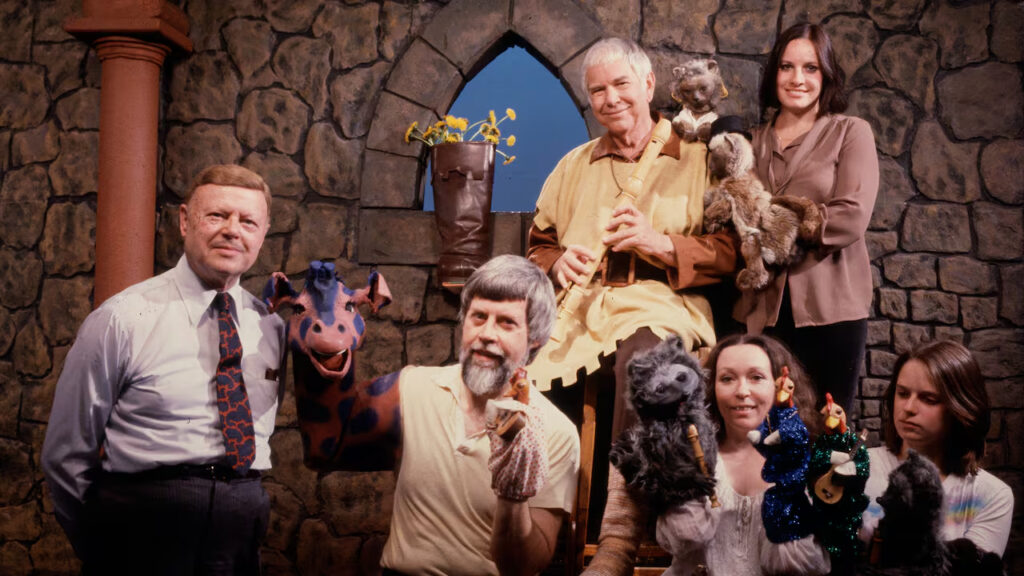
September 30, 1958 saw the premiere of the CBC’s The Friendly Giant, starring Bob Homme and Rod Coneybeare who played a giant named Friendly, a puppet giraffe named Jerome, and a puppet rooster named Rusty. These characters became known for swapping gentle stories and anecdotes in the giant’s castle.
The program started in 1954 on WHA-TV – a local station in Madison, Wisconsin – before it was purchased to air in Canada by Dr. Fred Rainsberry, the CBC’s enterprising head of the children’s television department.
The Kidnapping of Chichimus
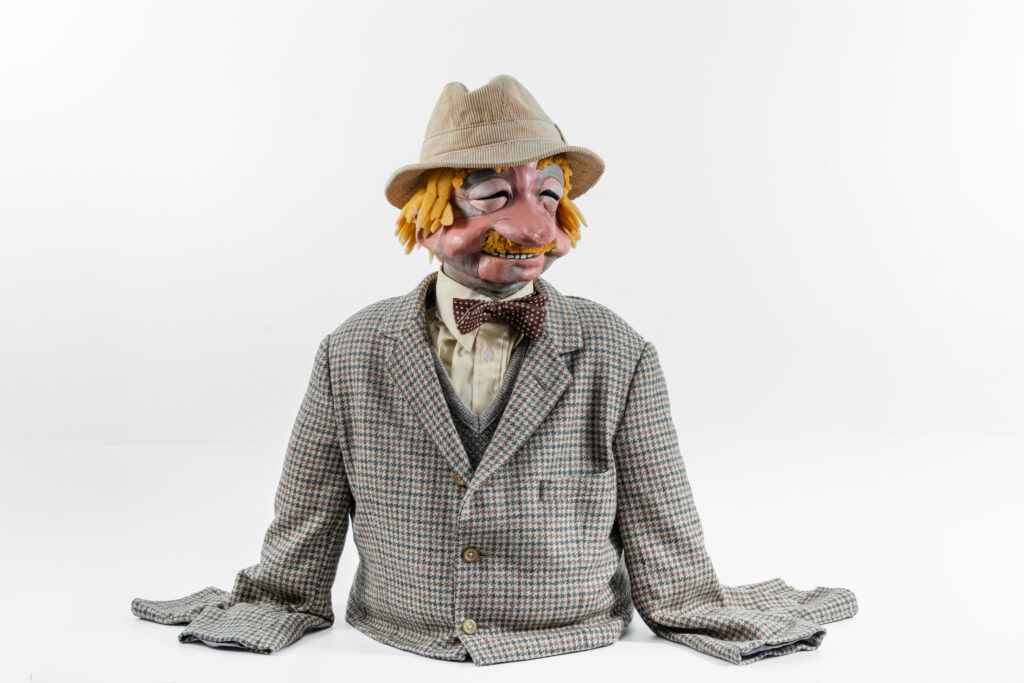
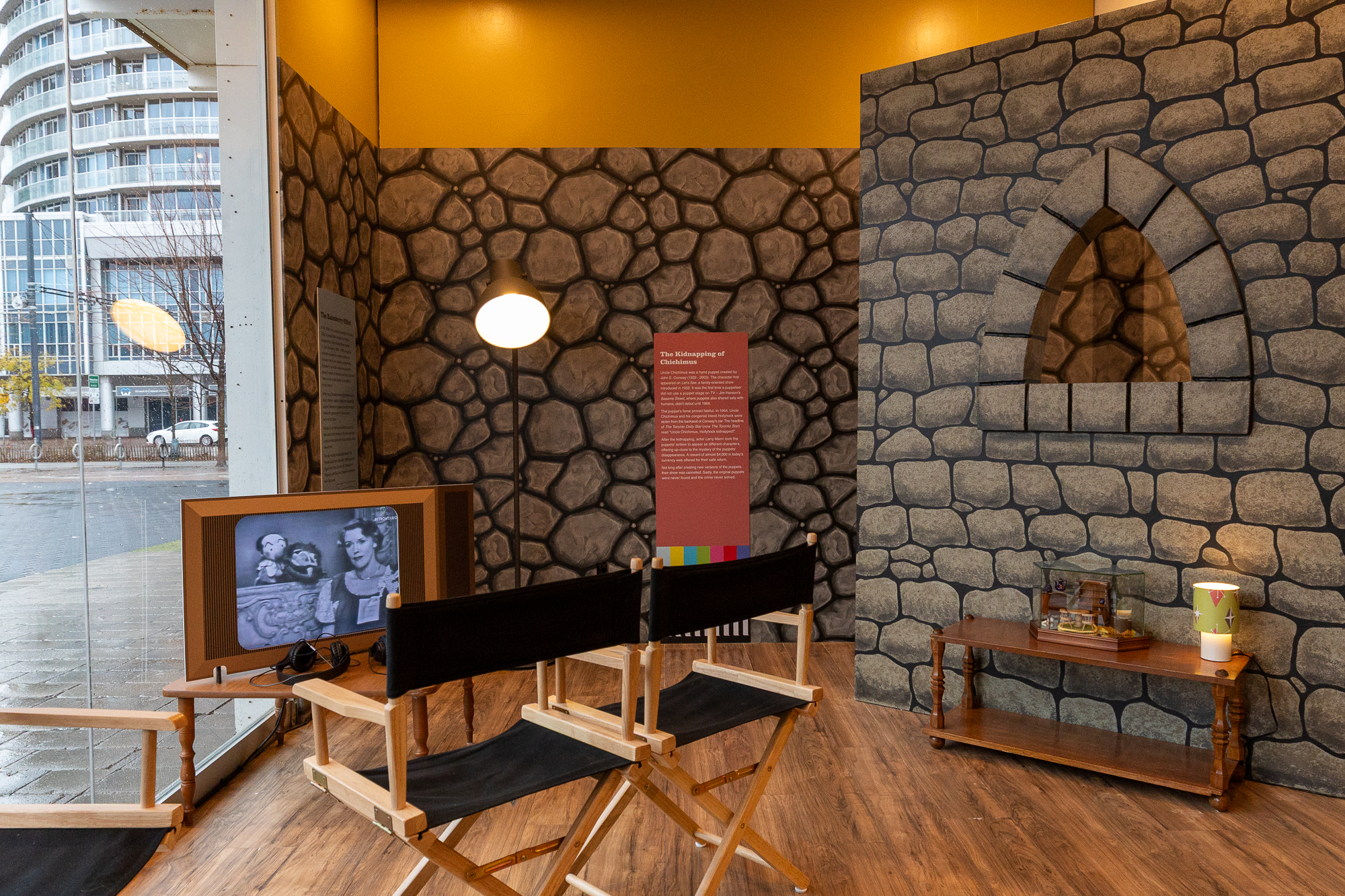
Uncle Chichimus was a hand puppet created by John Conway. The character first appeared on Let’s See, a family-oriented show. It was the first time a puppeteer did not use a puppet stage on TV – before Sesame Street creator Jim Henson’s widely known stage-free work.
The puppet’s fame proved fateful. In 1954, Uncle Chichimus and his congenial friend Hollyhock were stolen from the backseat of Conway’s car. The headline of The Toronto Daily Star (now The Toronto Star) read “Uncle Chichimus, Hollyhock kidnapped!”
After the kidnapping, actor Larry Mann took the puppets’ airtime to appear as different characters, offering up clues to the mystery of the puppets’ disappearance. A reward of almost $4000 in today’s currency was offered for their safe return.
Not long after creating new versions of the puppets, their show was cancelled. Sadly, the original puppets were never found and the crime never solved.
The 1950s
Article
Puppets
Starting in 1947 with The Howdy Doody Show in the US, puppets became an essential component in children’s television – but it wasn’t until 1969 that Jim Henson revolutionized the use of puppets through Sesame Street.
Early on, Sesame Street saw puppetry as an opportunity to reflect diversity. In 1970, Black actor Matt Robinson created and voiced the puppet Roosevelt Franklin to introduce what he said was “more realism in Black-oriented problems.” Although wildly popular, many felt the puppet was a one-dimensional stereotype, so Franklin and Robinson exited from the show. Television producers began to lean into ‘non-human’ characters to avoid the challenges of representation, and it wasn’t until 2021 that Sesame Street returned to humanoid puppets, creating two Black Muppets – Elijah and Wesley – to speak more explicitly about race.
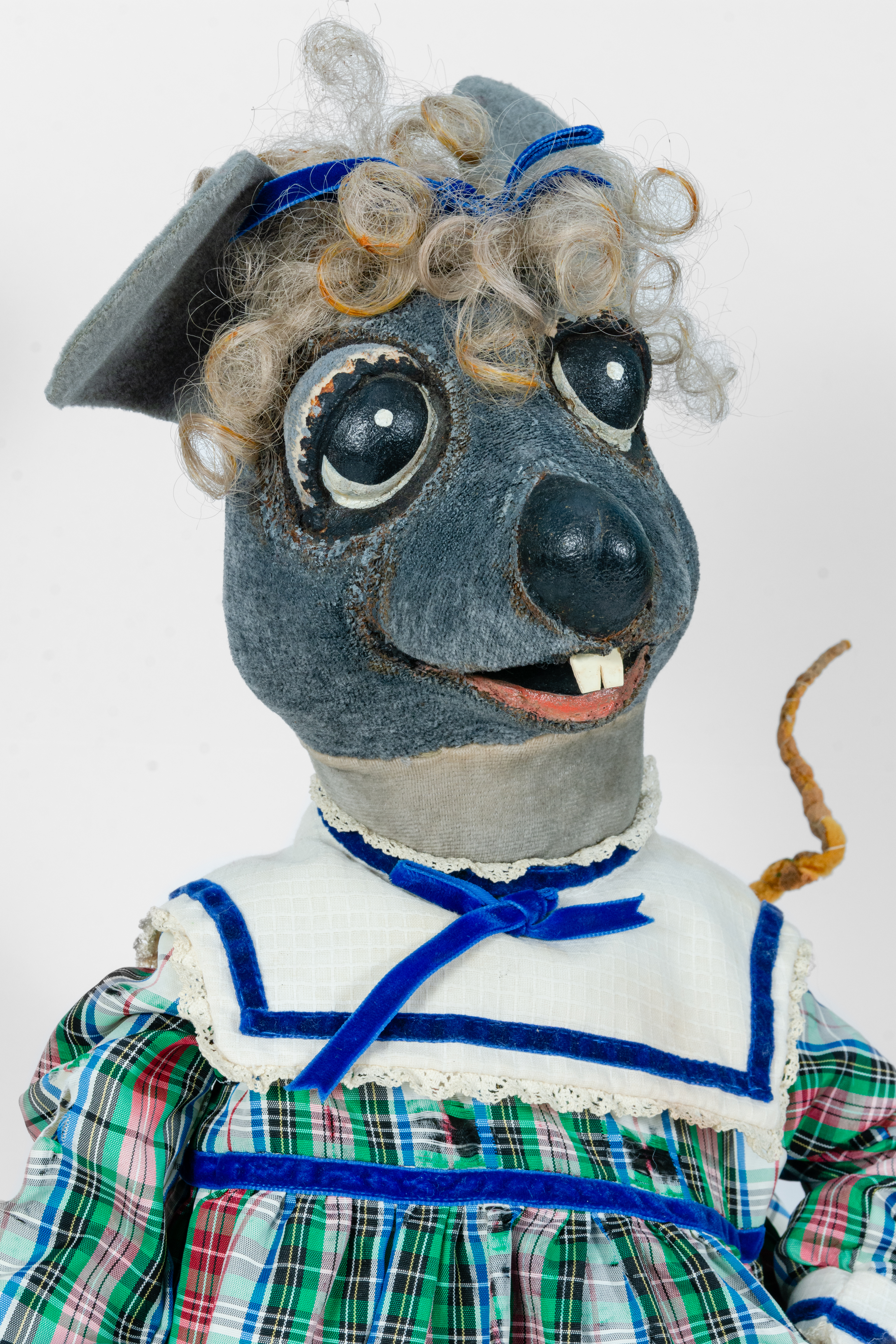
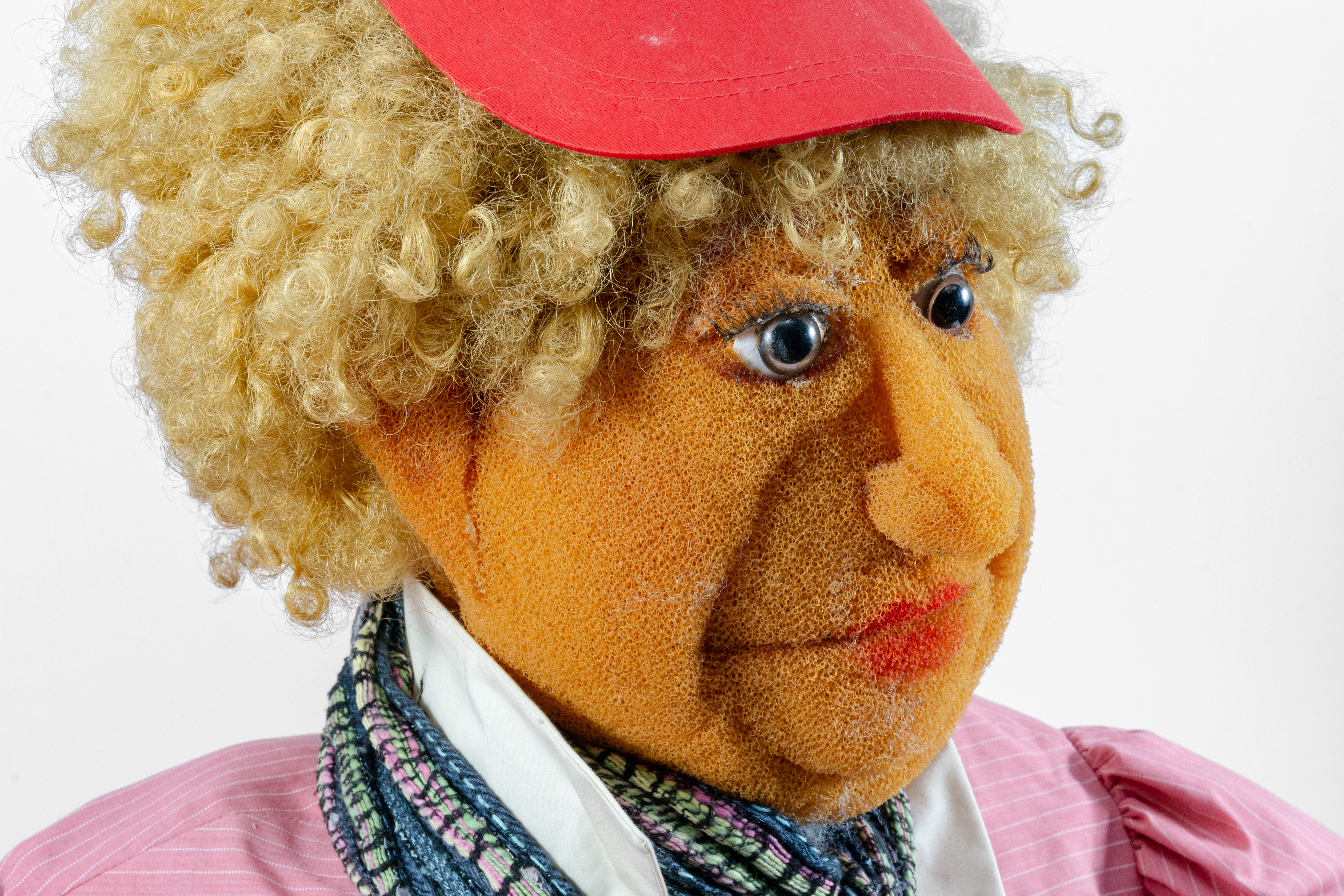
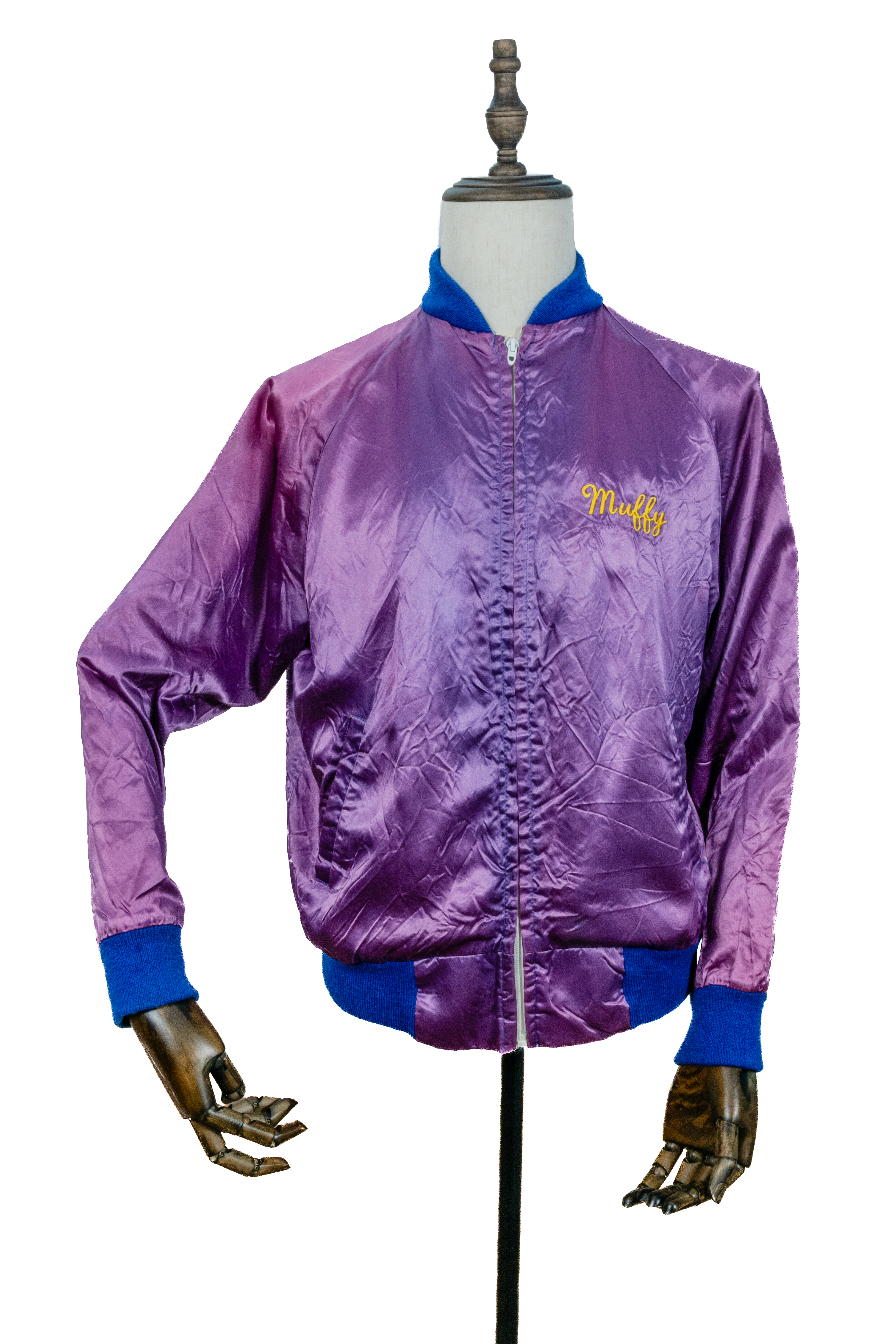
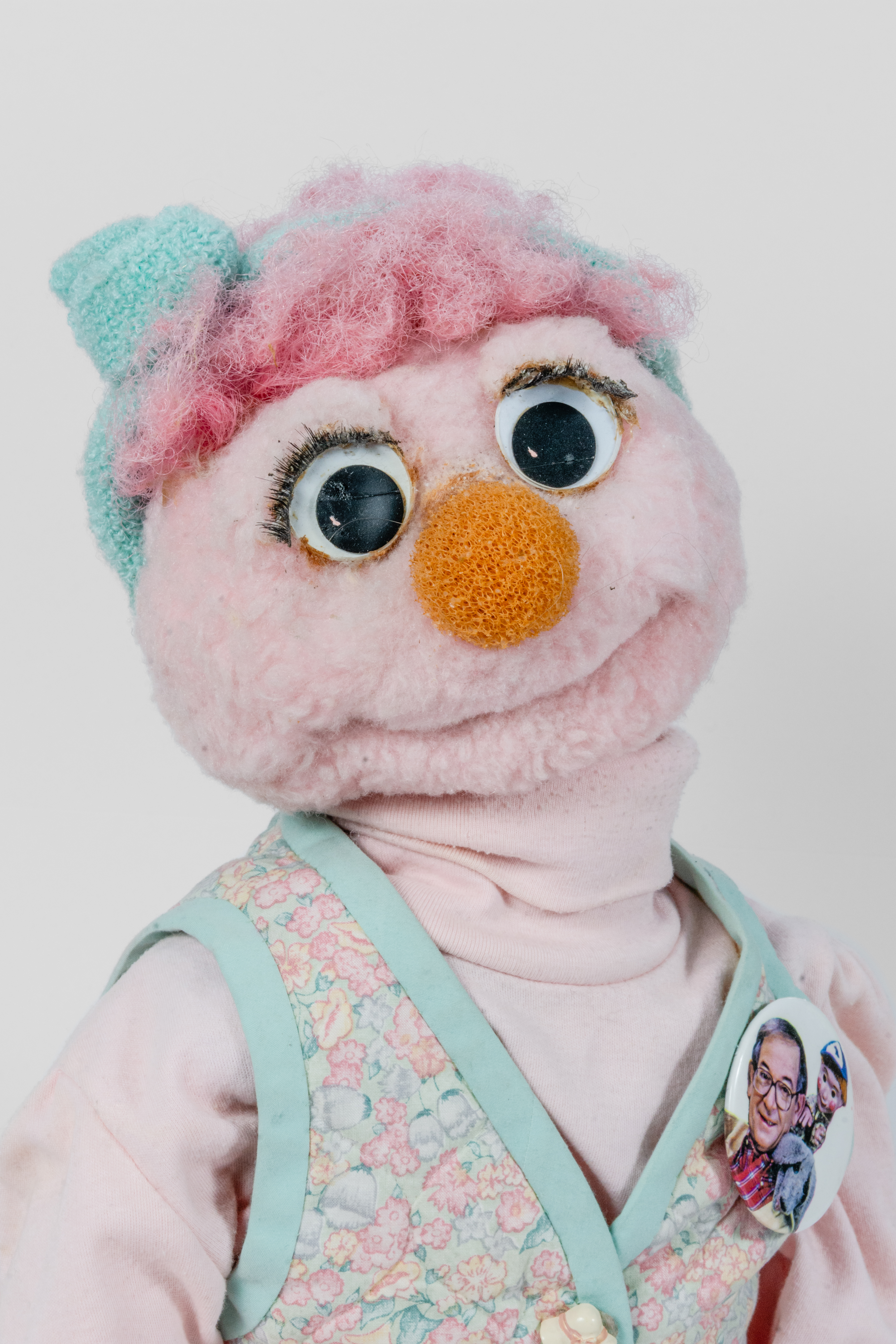
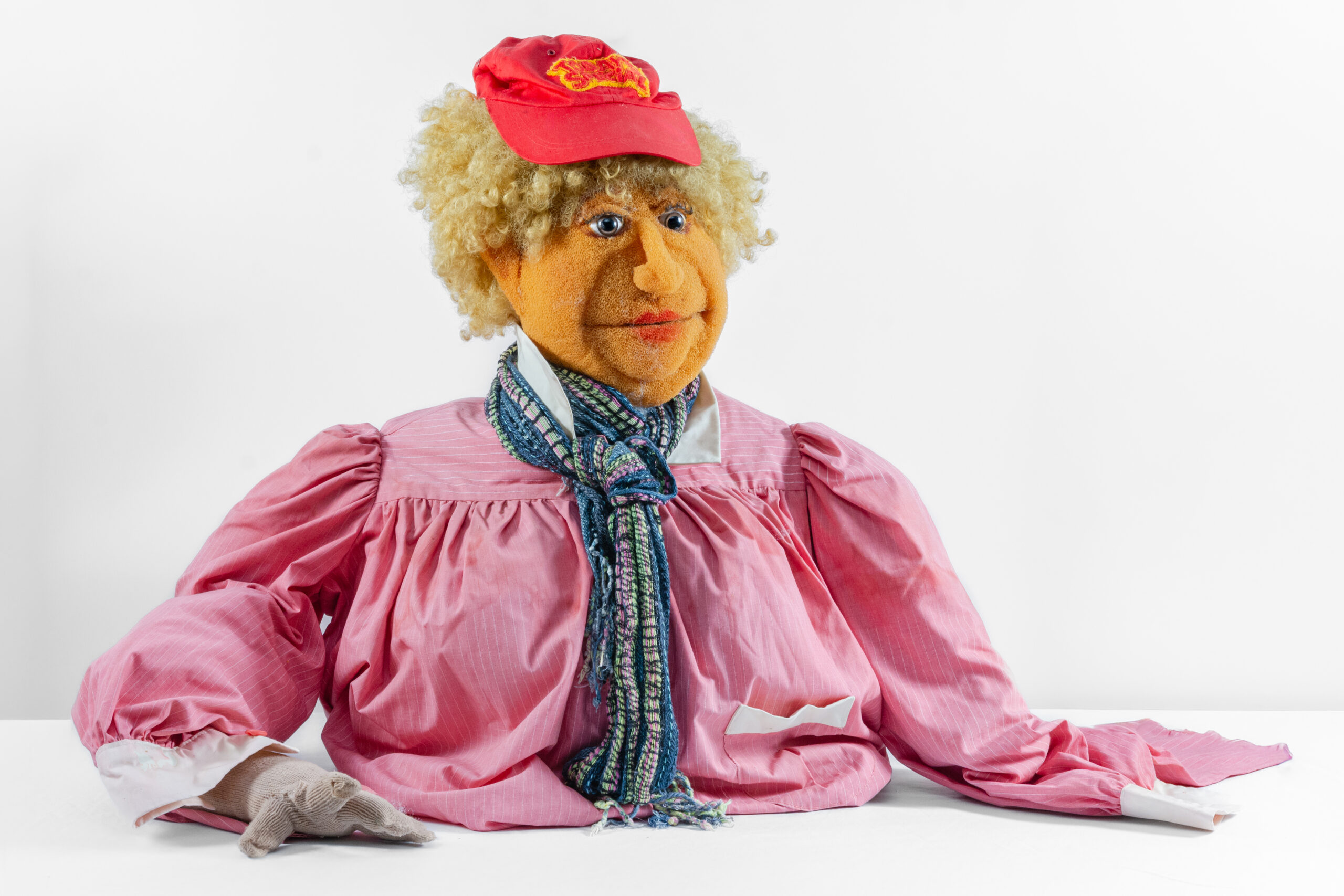
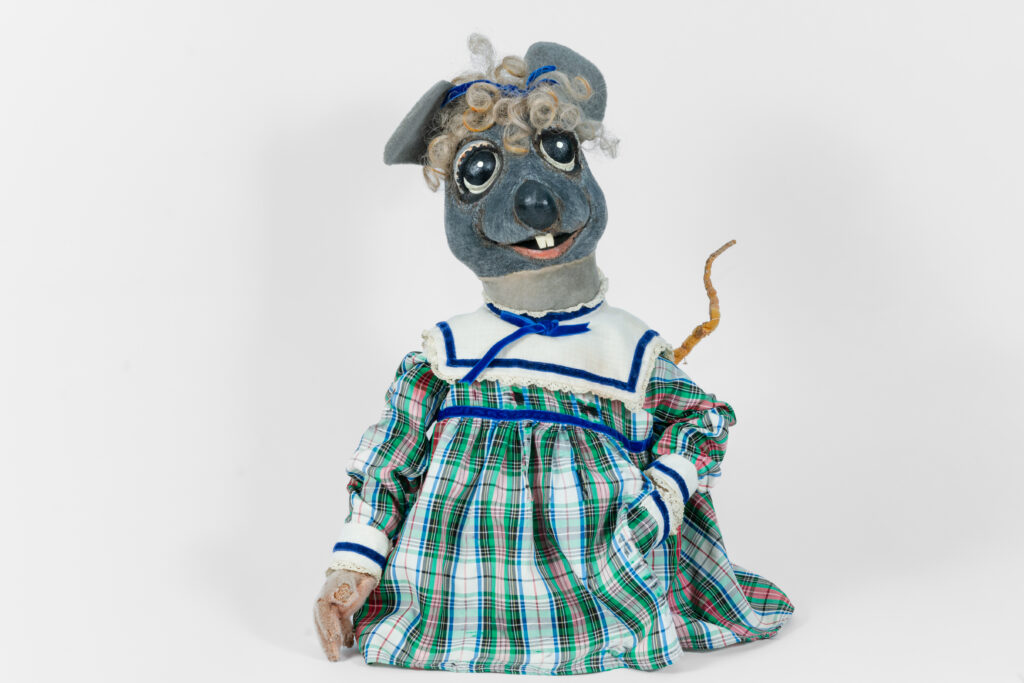
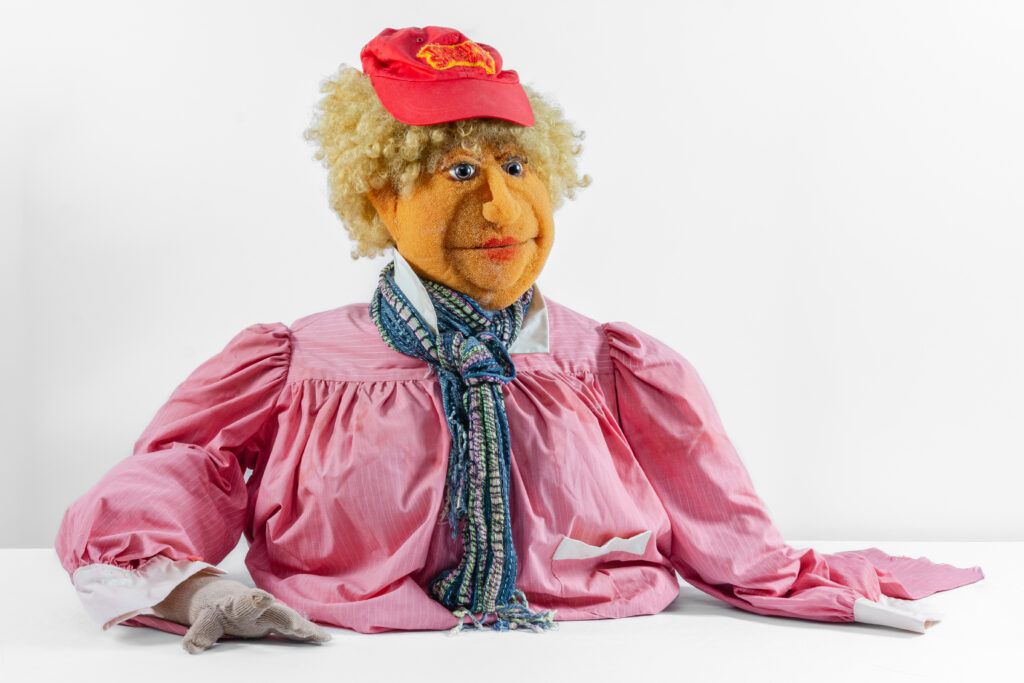
There were many well-known Canadian puppets including Uncle Chichimus, Gerome and Rusty, Howard the Turtle, Casey and Finnegan, Muffy the Mouse and Sam Crenshaw, and The Grogs. These were performed by successful puppeteers including John Conway, Rod Coneybeare, John Keogh, Judith Lawrence, Nina Keogh, Bob Dermer, Jamie Shannon, and Jason Hopely.
One of Canada’s famed puppet creators Noreen Young – who studied at Ontario College of Art University and created puppets for Sesame Park – was inducted as a Member of the Order of Canada in 1995 for using puppetry “to educate children on such crucial issues as safety, nutrition, environmental awareness and addictions.”
The Psychology of Puppets
Puppetry has been defined as animating the inanimate.
This act of animation makes puppetry an ideal medium for education. Because puppets appear to be both alive and not at the same time, the artform inherently promotes the development of a relationship between the audience and the puppet (1). These relationships establish feelings of trust and are essential to early childhood development. They are fostered by the puppet’s ability to have relatable physical appearances, shared experiences, approachable communication, humour, and whimsy.
Puppets appear authentic, and create a sense of safety, warmth, and comfort. Through these trusting relationships, children are encouraged to take risks and practice skills related to social and emotional development. (2)
Puppets on television often ask questions, provide time to reflect, and congratulate children when they respond.When children feel directly addressed, it increases their self-esteem and promotes active engagement.
Storytelling through puppetry is an effective method to teach ethics, values, and cultural norms – rich with opportunities to promote diversity and inclusivity.. (3) Puppets are therefore, not only an effective form of communication and education, they are also a positive tool for social change.
Gillian Hazan is an early childhood educator, author, and advocate for making a positive difference in the lives of children and their families.
Puppets
Article
Nerene Virgin
Today’s Special ran from 1981 to 1988 with 7 seasons and 122 episodes. The show sought to provide preschool-level learning in dance, poetry, music, picture reading, and cognitive learning, until later also appealing to older youth audiences.
Actor, Broadcaster, Educator
Nerene Virgin
Video
• 11:44
Ed Conroy
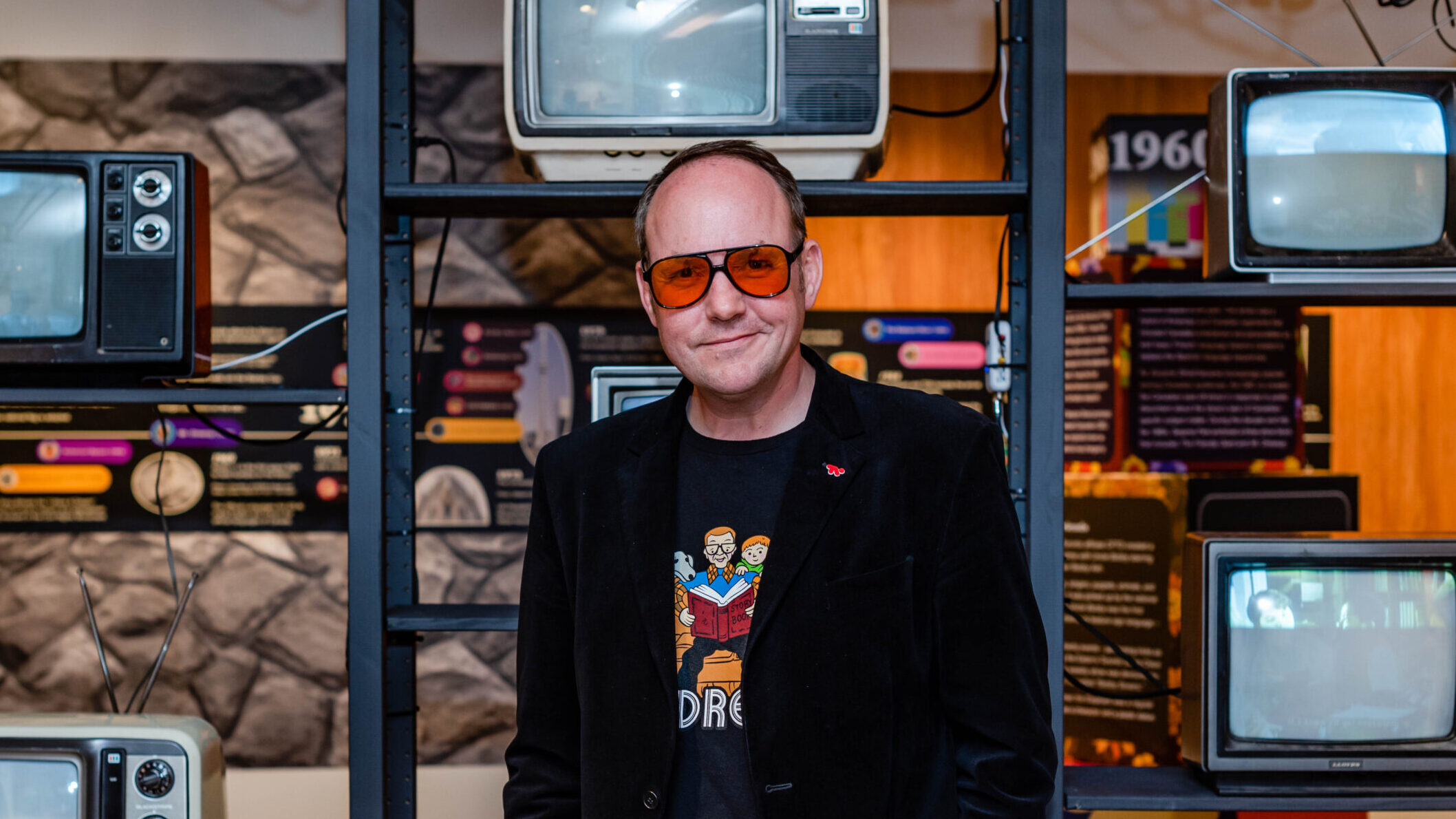
Mr. Dressup to Degrassi was co-curated by Ed Conroy and Museum of Toronto. Ed is a local cultural historian and the founder of Retrontario, 2008. Retrontario collects, converts, researches and exhibits vintage visual material and other ephemera.
To learn more about Retrontario and their work, visit www.retrontario.com.
Ed Conroy
Video
• 3:07
Degrassi Origin Story
Mr. Dressup to Degrassi was co-curated by Ed Conroy and Museum of Toronto. Ed is a local cultural historian and the founder of Retrontario, 2008. Retrontario collects, converts, researches and exhibits vintage visual material and other ephemera.
To learn more about Retrontario and their work, visit www.retrontario.com.
Degrassi Origin Story
Video
• 3:07
Degrassi
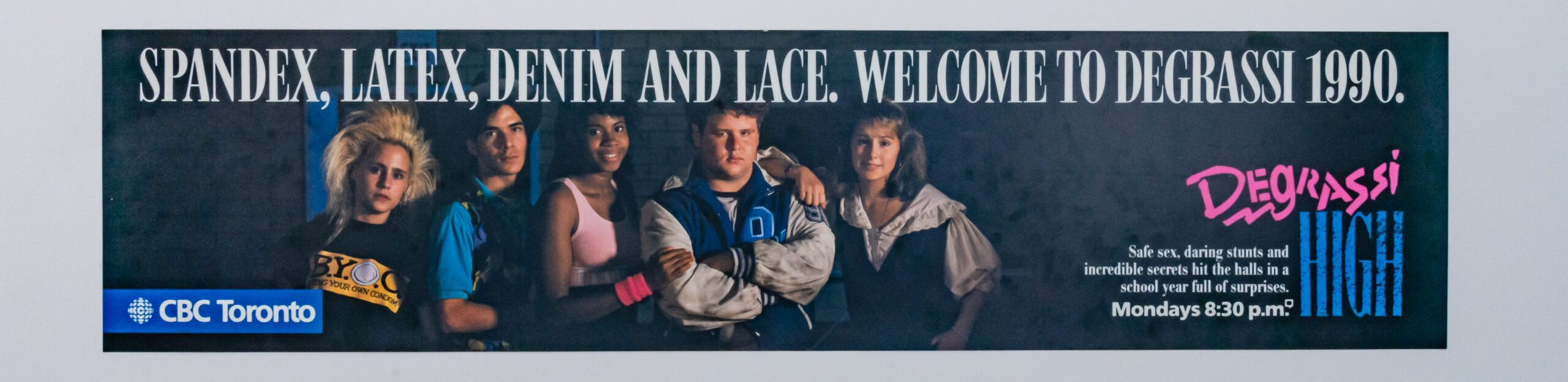
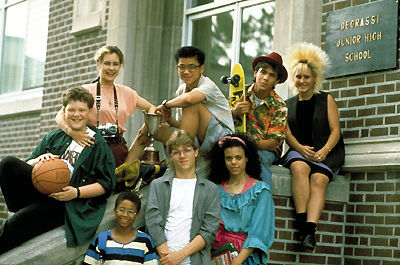
In the Fall of 1979, the Canadian Broadcast Corporation (CBC) premiered a new kids series set on Toronto’s real-life Degrassi Street in Leslieville. The series was widely hailed as being realistic and respectful of youth, and was seen to reflect the multiculturalism of Toronto.
Degrassi co-creator, Linda Schuyler, was a teacher at Earl Grey High School who came into the field while on a mission to create a media studies program. She had asked the school’s librarian Bruce McKey to order a selection of books for the course. After mistakenly ordering Ida Makes a Movie – an illustrated book for young children about a kitten who wanted to make a movie, the two turned the story into a short film. It was used in class as both a filmmaking primer and an exercise in social studies. The stylistic conventions aimed at their students would go on to inspire the relatable and approachable style of Degrassi.
Schyler partnered with television director, writer, and producer Kit Hood to create The Kids of Degrassi Street. The series was regularly shown on the CBC and later around the world – most famously, it was distributed on 16mm film by the Learning Corporation of America. In 1986, Degrassi Junior High – a co-production with PBS – became a successful spin-off sold around the world.
From 1989 to 1991, the series was re-titled Degrassi High and continued to tackle pressing social issues. A TV movie entitled School’s Out aired in 1992. Degrassi was spun-off again in 2001 as The Next Generation, and in 2016 as The Next Class.
Developed in close proximity to education and brought to life in Toronto’s innovative children’s television industry, Degrassi became a show that viewers all over the world saw themselves reflected in.
Degrassi
Article



More Articles

More About the Project
This exhibition celebrates Toronto’s legacy as a creative hub for children’s television and the communities that brought these stories to life.
As a non-profit cultural institution, Museum of Toronto would like to acknowledge the incredible work of everyone who made the content for children’s television possible, and note that this exhibition is designed for teaching, scholarship, education, and research proposes only. We suggest that fair use is permitted by copyright statute that might otherwise be infringing.
Visitors are exposed to a multi-sensory experience where they can reflect, reminisce, and reconnect with the programs that defined growing up in Toronto.
Presented in
Partnership with 