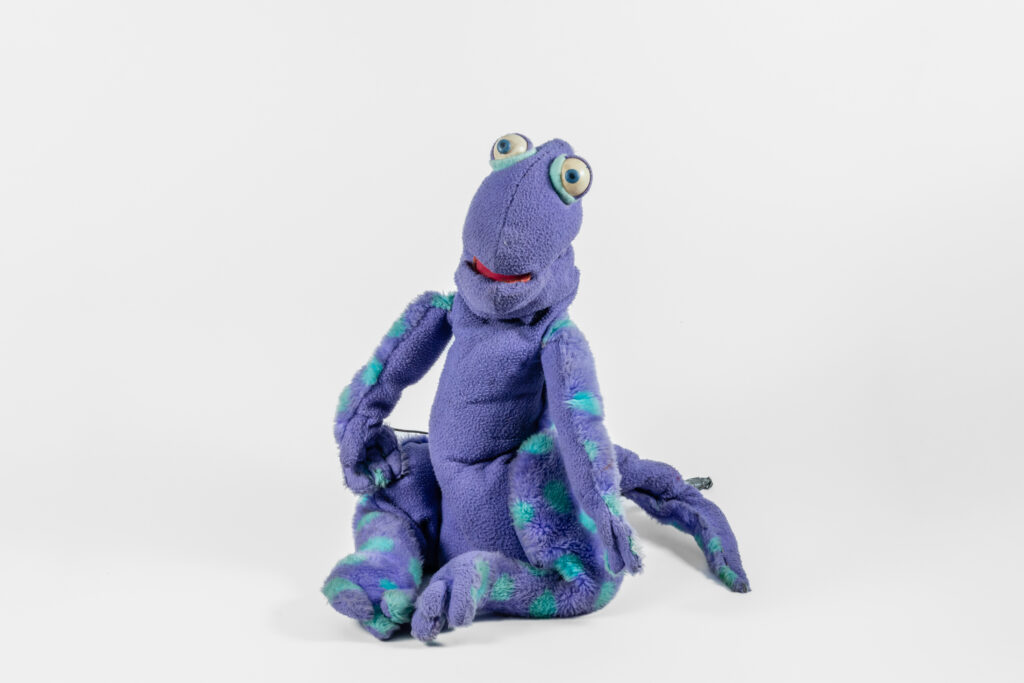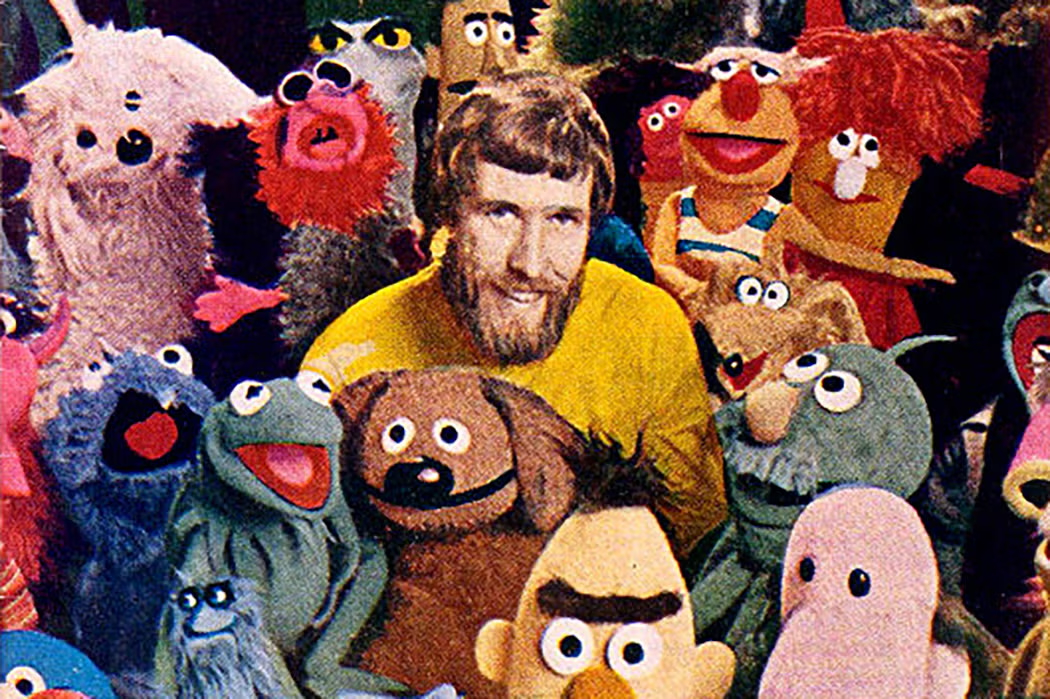
Early on, Sesame Street saw puppetry as an opportunity to reflect diversity. In 1970, Black actor Matt Robinson created and voiced the puppet Roosevelt Franklin to introduce what he said was “more realism in Black-oriented problems.” Although wildly popular, many felt the puppet was a one-dimensional stereotype, so Franklin and Robinson exited from the show. Television producers began to lean into ‘non-human’ characters to avoid the challenges of representation, and it wasn’t until 2021 that Sesame Street returned to humanoid puppets, creating two Black Muppets – Elijah and Wesley – to speak more explicitly about race.
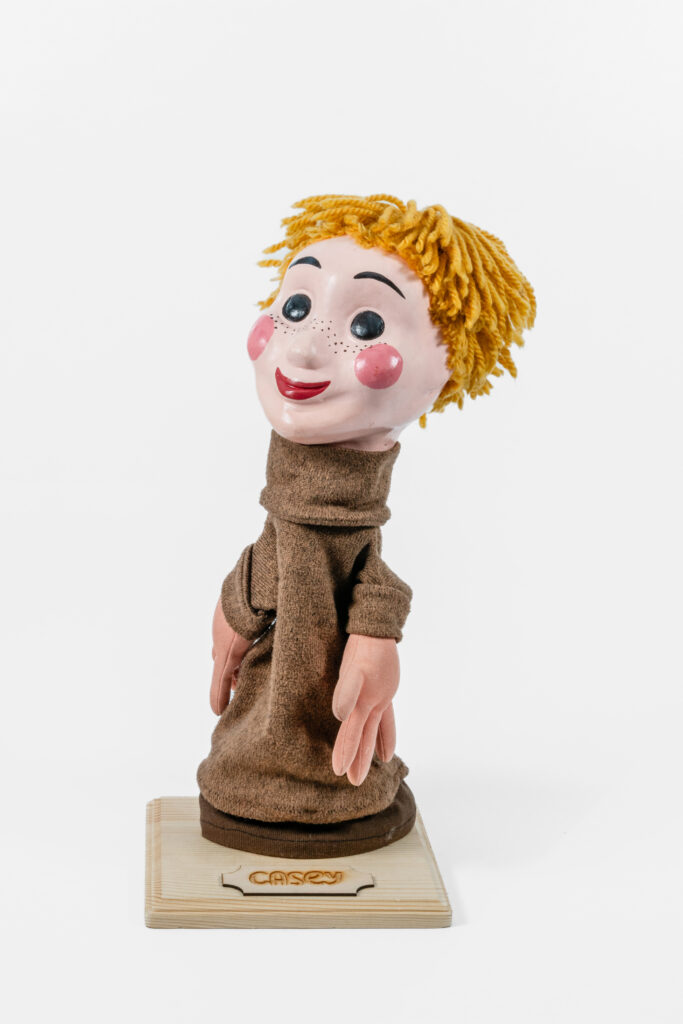
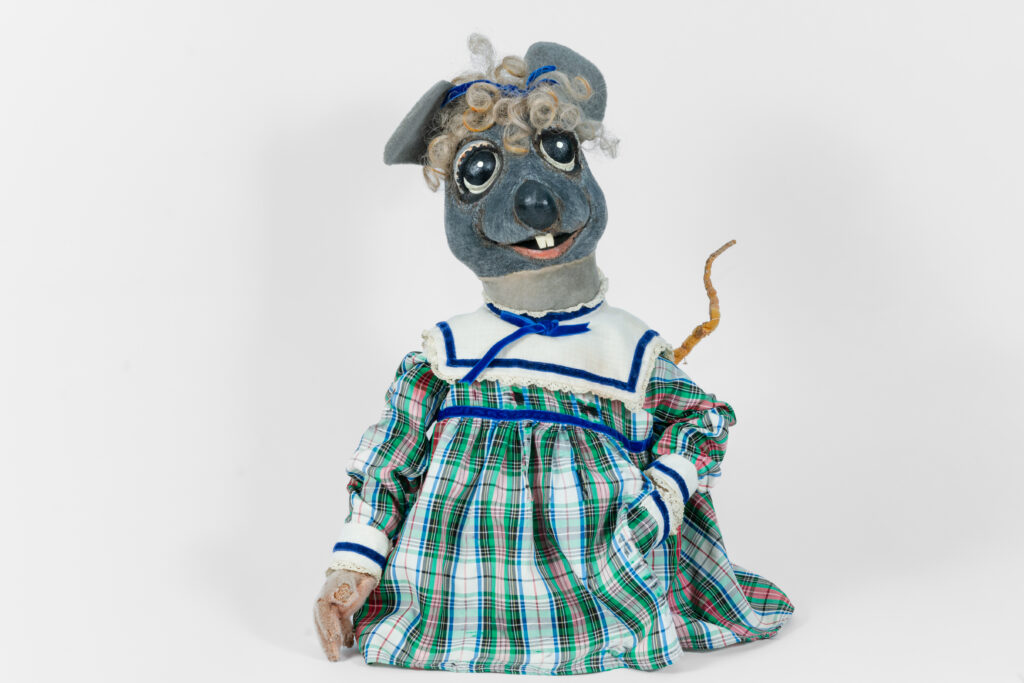
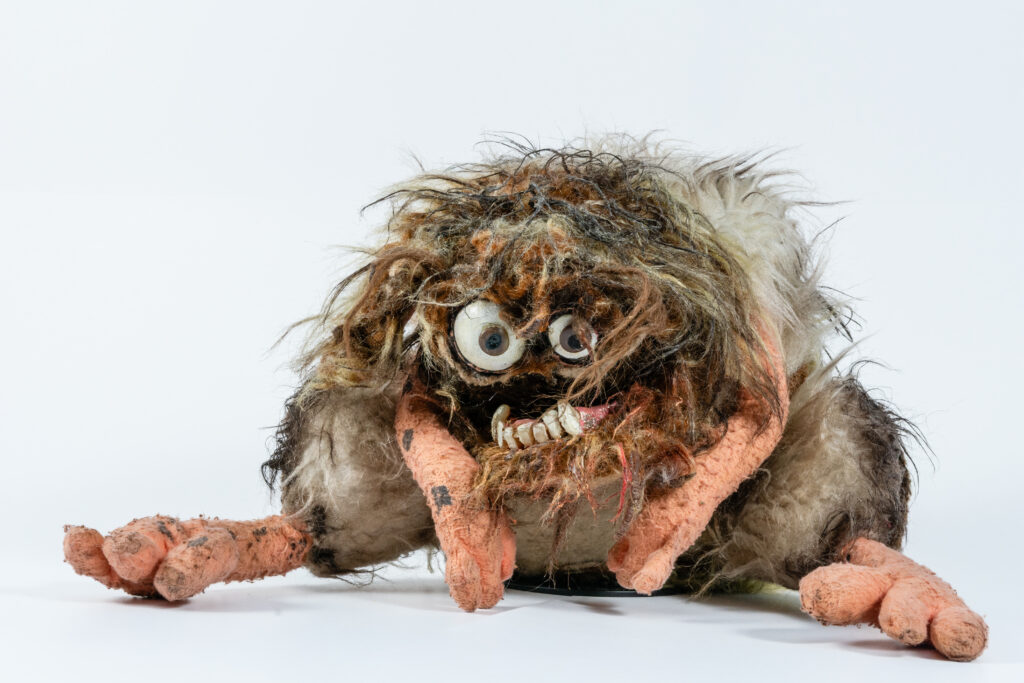
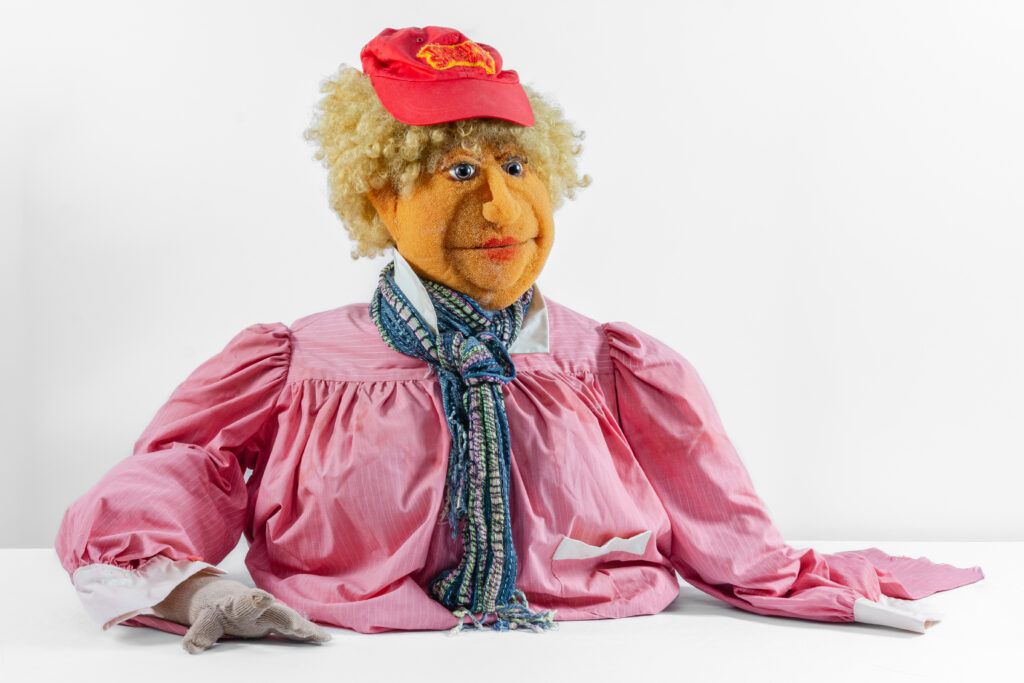
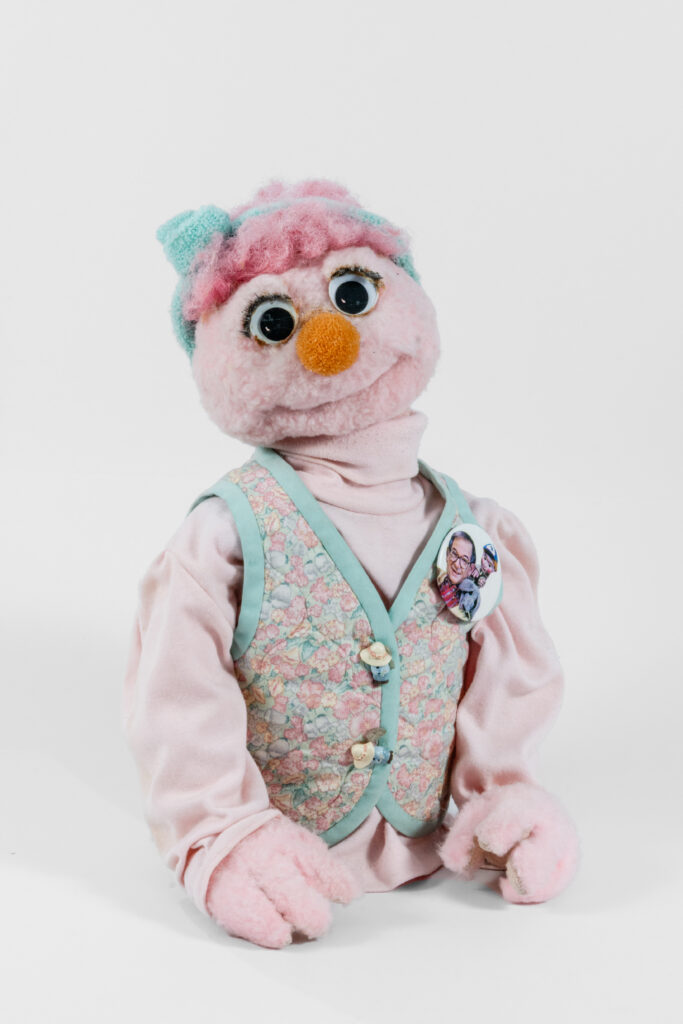
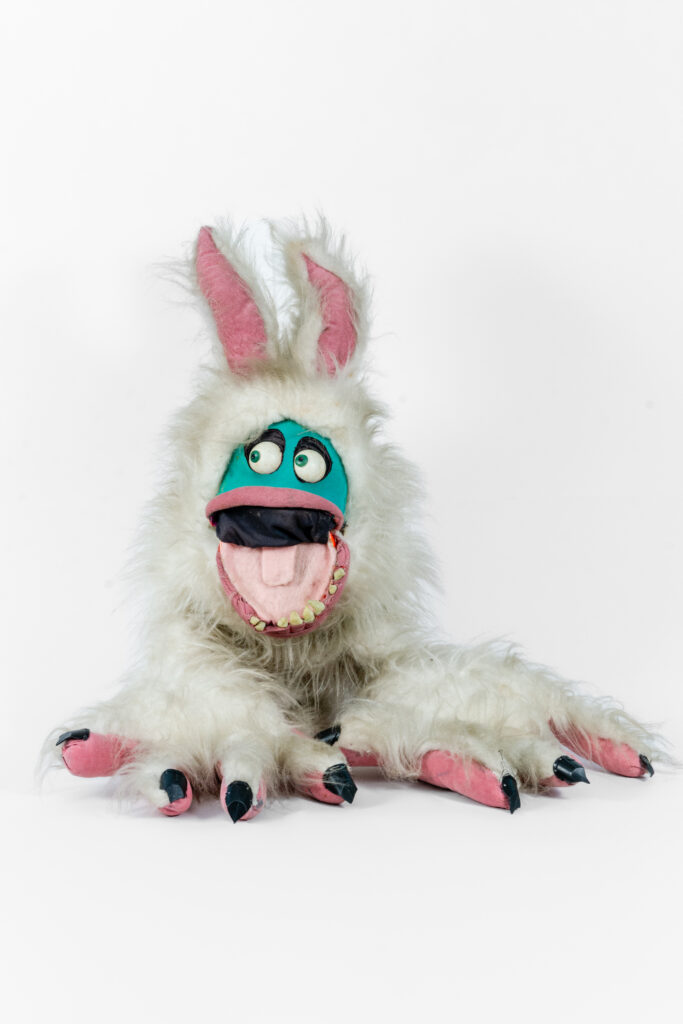
There were many well-known Canadian puppets including Uncle Chichimus, Gerome and Rusty, Howard the Turtle, Casey and Finnegan, Muffy the Mouse and Sam Crenshaw, and The Grogs. These were performed by successful puppeteers including John Conway, Rod Coneybeare, John Keogh, Judith Lawrence, Nina Keogh, Bob Dermer, Jamie Shannon, and Jason Hopely.
One of Canada’s famed puppet creators Noreen Young – who studied at Ontario College of Art University and created puppets for Sesame Park – was inducted as a Member of the Order of Canada in 1995 for using puppetry “to educate children on such crucial issues as safety, nutrition, environmental awareness and addictions.”
The Psychology of Puppets
Puppetry has been defined as animating the inanimate.
This act of animation makes puppetry an ideal medium for education. Because puppets appear to be both alive and not at the same time, the artform inherently promotes the development of a relationship between the audience and the puppet (1). These relationships establish feelings of trust and are essential to early childhood development. They are fostered by the puppet’s ability to have relatable physical appearances, shared experiences, approachable communication, humour, and whimsy.
Puppets appear authentic, and create a sense of safety, warmth, and comfort. Through these trusting relationships, children are encouraged to take risks and practice skills related to social and emotional development. (2)
Puppets on television often ask questions, provide time to reflect, and congratulate children when they respond.When children feel directly addressed, it increases their self-esteem and promotes active engagement.
Storytelling through puppetry is an effective method to teach ethics, values, and cultural norms – rich with opportunities to promote diversity and inclusivity.. (3) Puppets are therefore, not only an effective form of communication and education, they are also a positive tool for social change.
Gillian Hazan is an early childhood educator, author, and advocate for making a positive difference in the lives of children and their families.