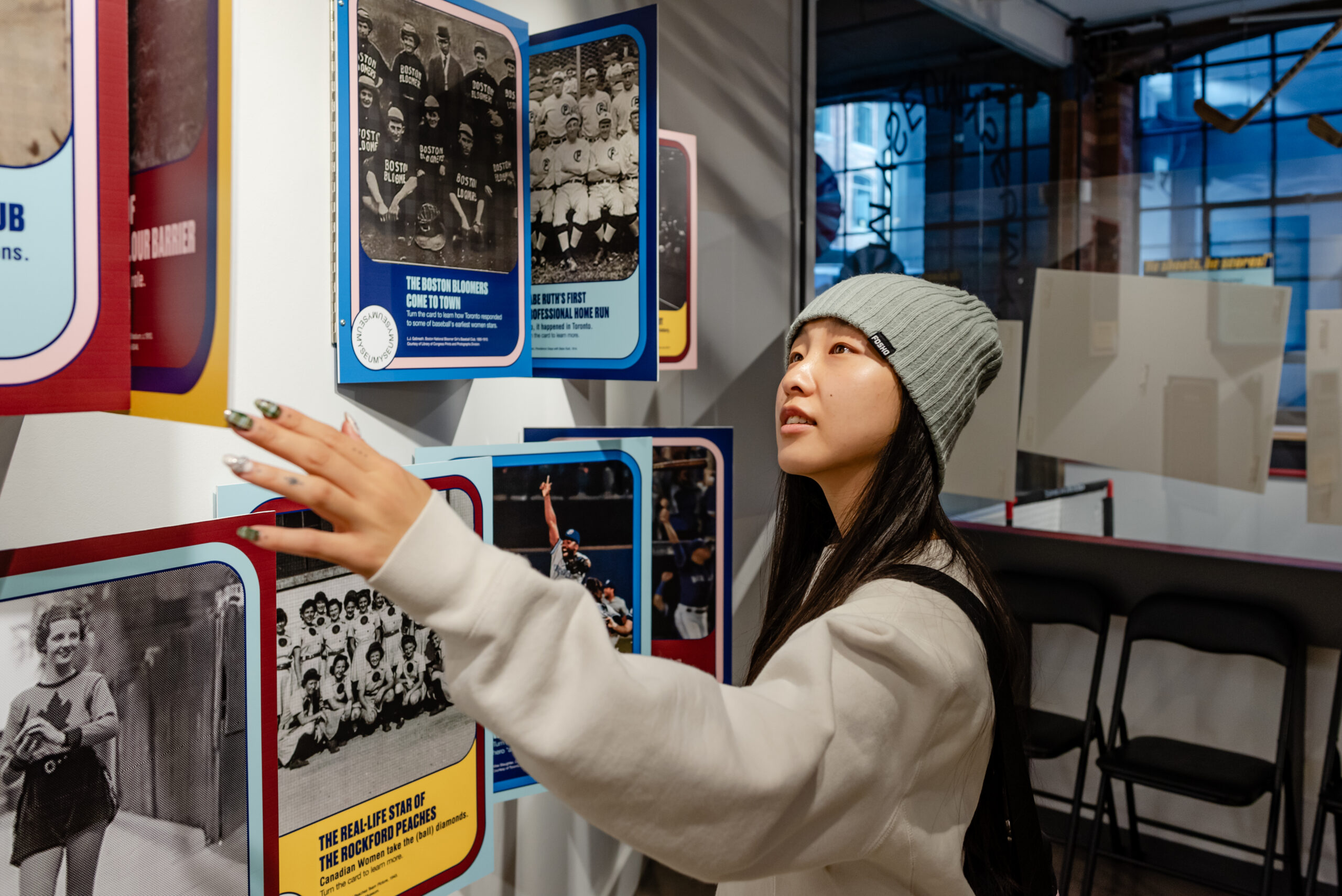
Toronto in the 1960s
By this time, Toronto saw itself as a truly modern city. York University opened its doors and Rochdale College became Canada’s first free university. The New City Hall, the Line 2 Bloor-Danforth Subway line, and the Don Valley Parkway were all developed.
Toronto was dramatically impacted by changing immigration regulations and the Federal Government’s introduction of The Canadian Bill of Rights in 1960. This era prompted an influx of newcomers that dramatically changed the demographics of the city.
Innovation in Television
While television programs prior to the 1960s were pushing creative boundaries, they often reinforced limiting representations of gender, race, and sexual identity. Thankfully, times were a-changin’… The number of television sets and channels were on the rise, and the sector showed a growing interest in how this media could be an agent of social change.
The power of television was dramatically influenced by the Canadian communications theorist Marshall McLuhan, who spent most of his career at the University of Toronto. The increasing significance that television played in everyday life – along with McLuhan’s phrase “the medium is the message” – led many to rethink the way television affects our human consciousness and society at large.
Along with this, more experimentation was happening. Razzle Dazzle based a large portion of its scripts on jokes, anecdotes, and stories mailed in by young viewers – predating today’s popular user-generated content models. The CBC launched Misterogers, in which Fred Rogers directly addressed young children about challenging subjects in a calm and precise manner. This was before the show launched on PBS, and was lauded for being so empathetic and sophisticated.
The Arrival of Sesame Street
November 10, 1969 was the date that Sesame Street premiered in the US on the American Public Broadcast Service network (PBS). It was first conceived in 1966 and the goal was to create a children’s television show that would use the captivating nature of television for the betterment of children’s development. It was the first preschool-level educational television program to base its contents on formative research.
A Canadian version of Sesame Street premiered on the Canadian Broadcast Corporation (CBC) in January 1972. It was originally known as Sesame Street Canada but was changed to Sesame Park – the conceit was that American children played on the street while Canadian children played in the park. The series was a hybrid of American and Canadian segments that included Canadian entertainers and personalities as well as basic French language lessons created to replace the Spanish language sequences.
As Sesame Street became increasingly popular among Canadian audiences, the CBC co-created the Canadian-ized off-shoot in response to public discontent about the show’s lack of Canadian-specific subject matter. During this decade and into the 1980s, Sesame Park anchored a three-show block that included The Friendly Giant and Mr. Dressup.
Mr. Dressup
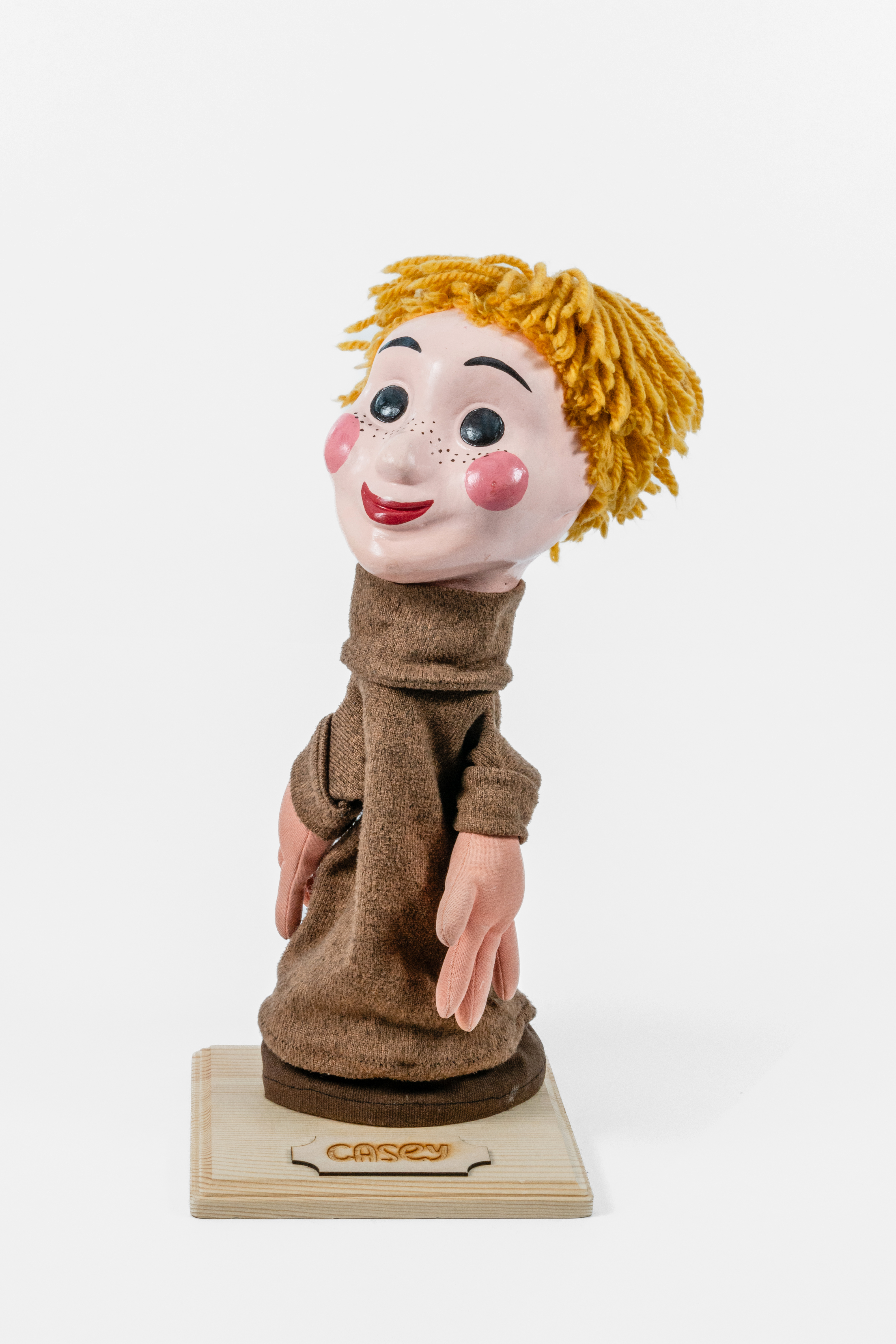
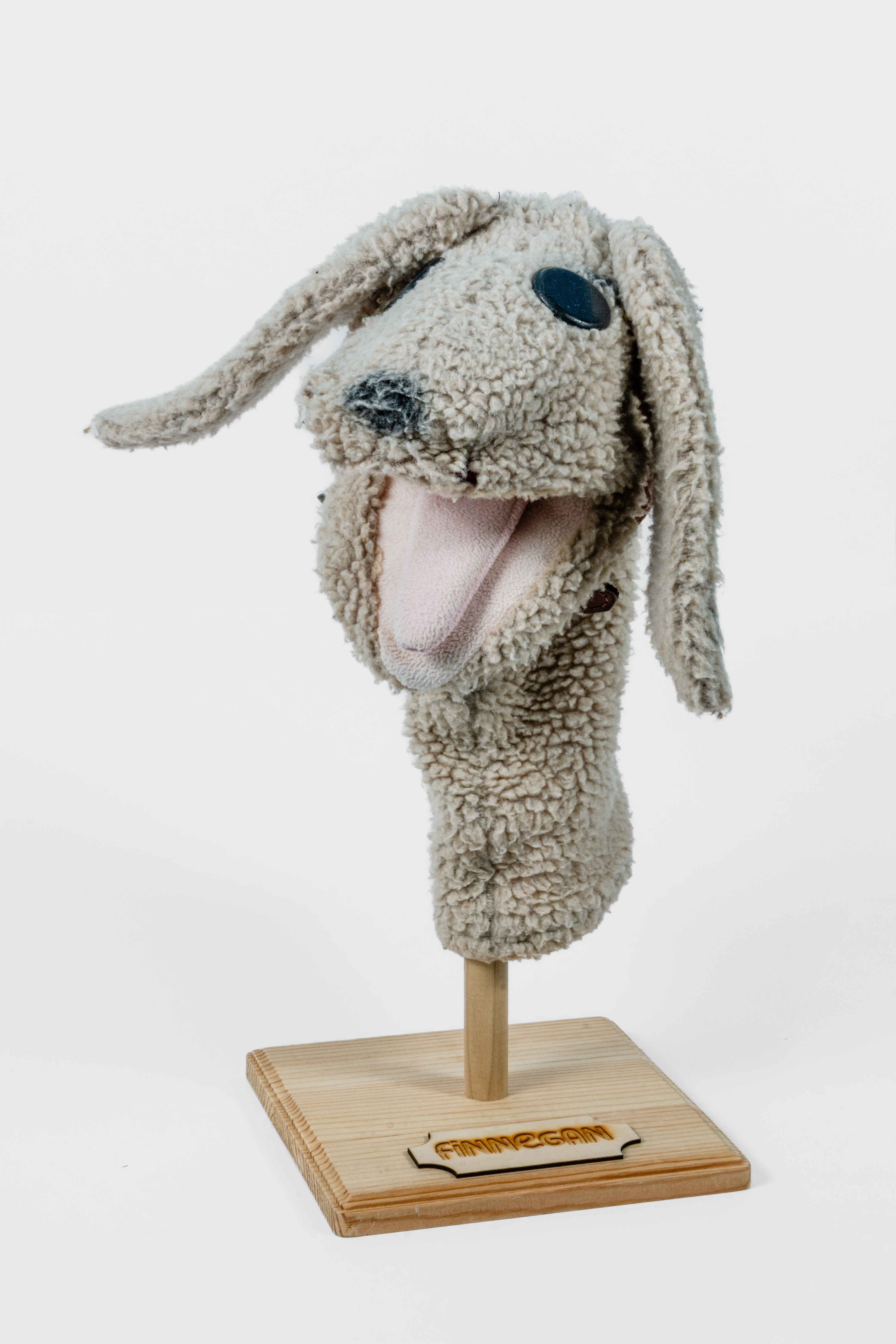
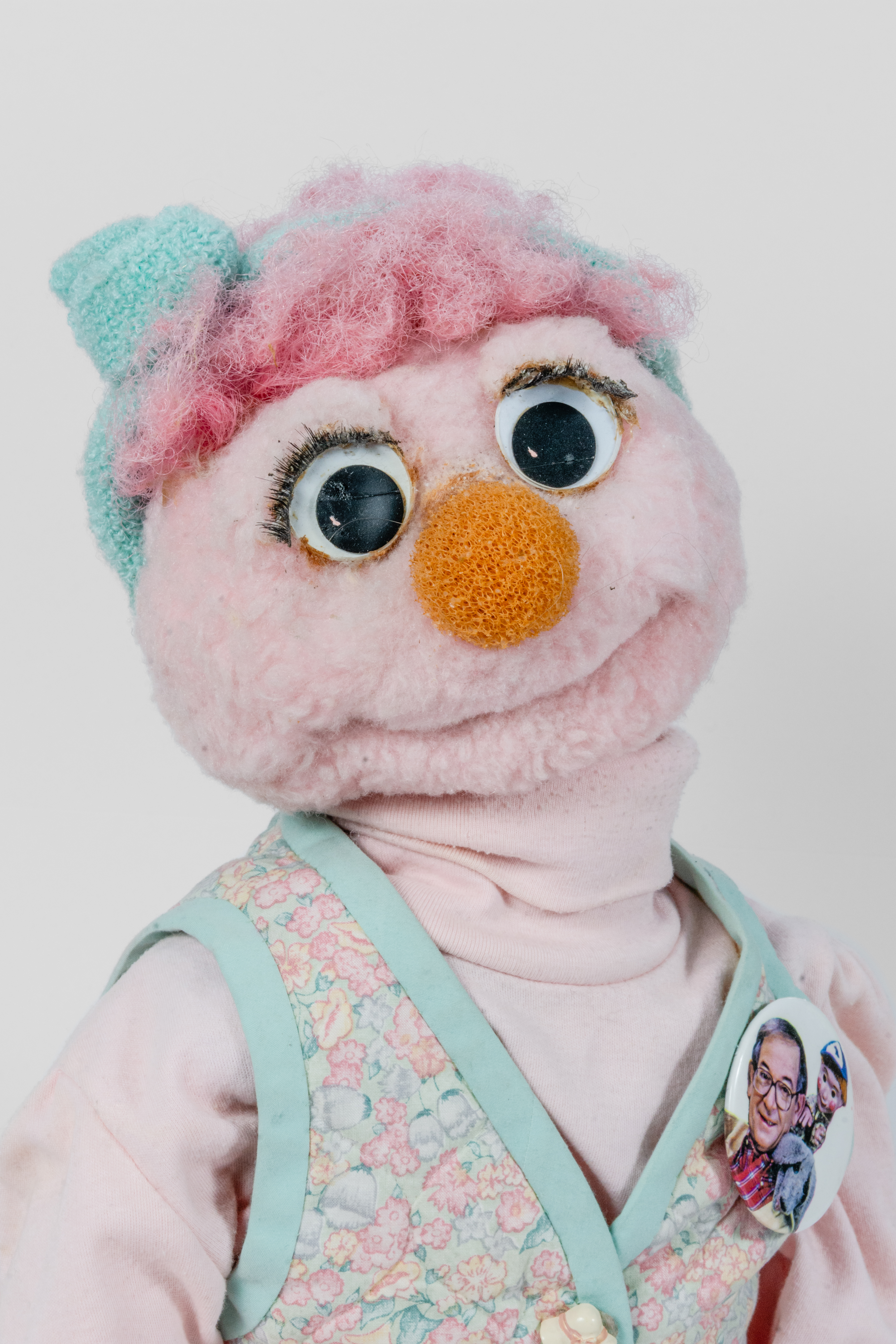
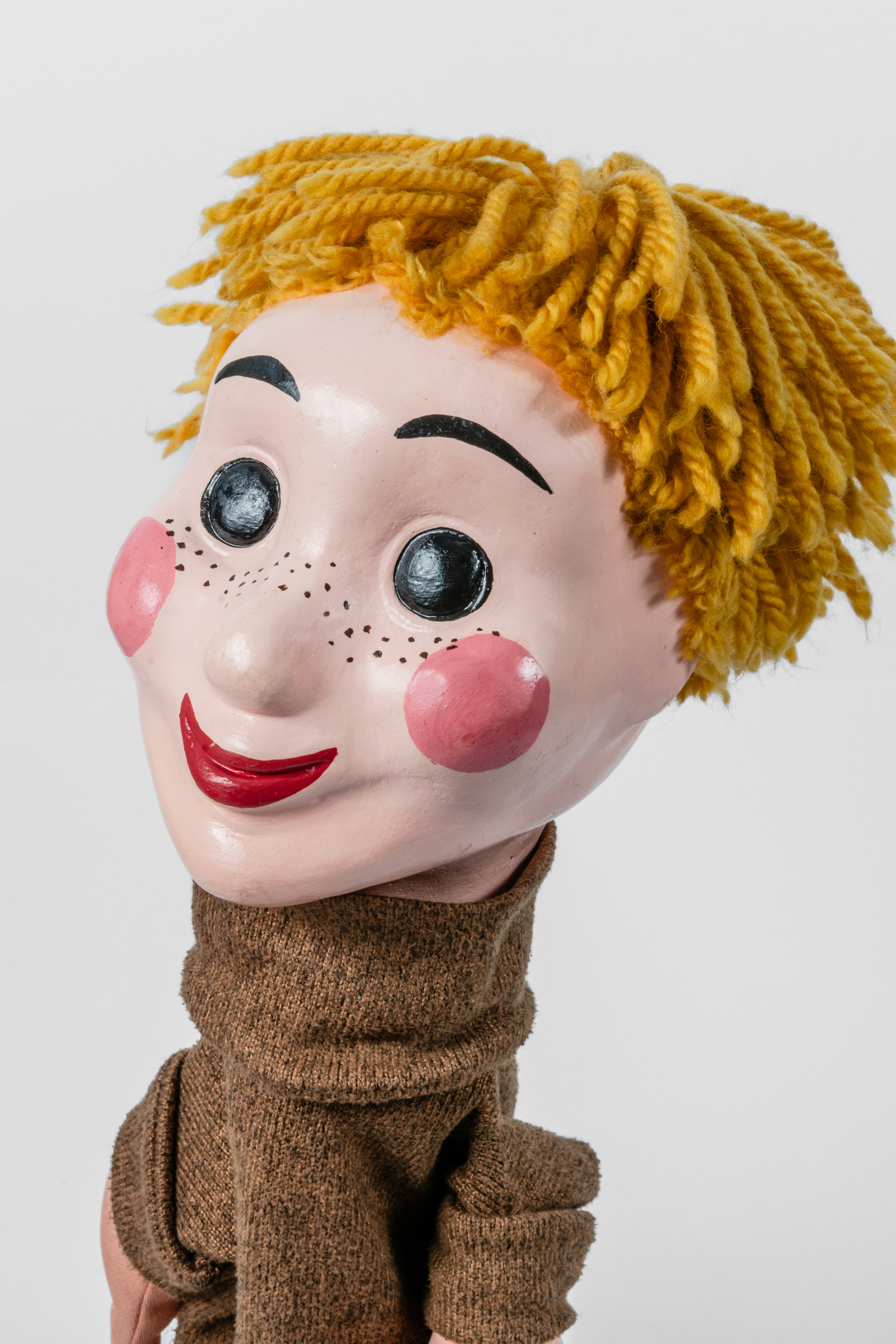
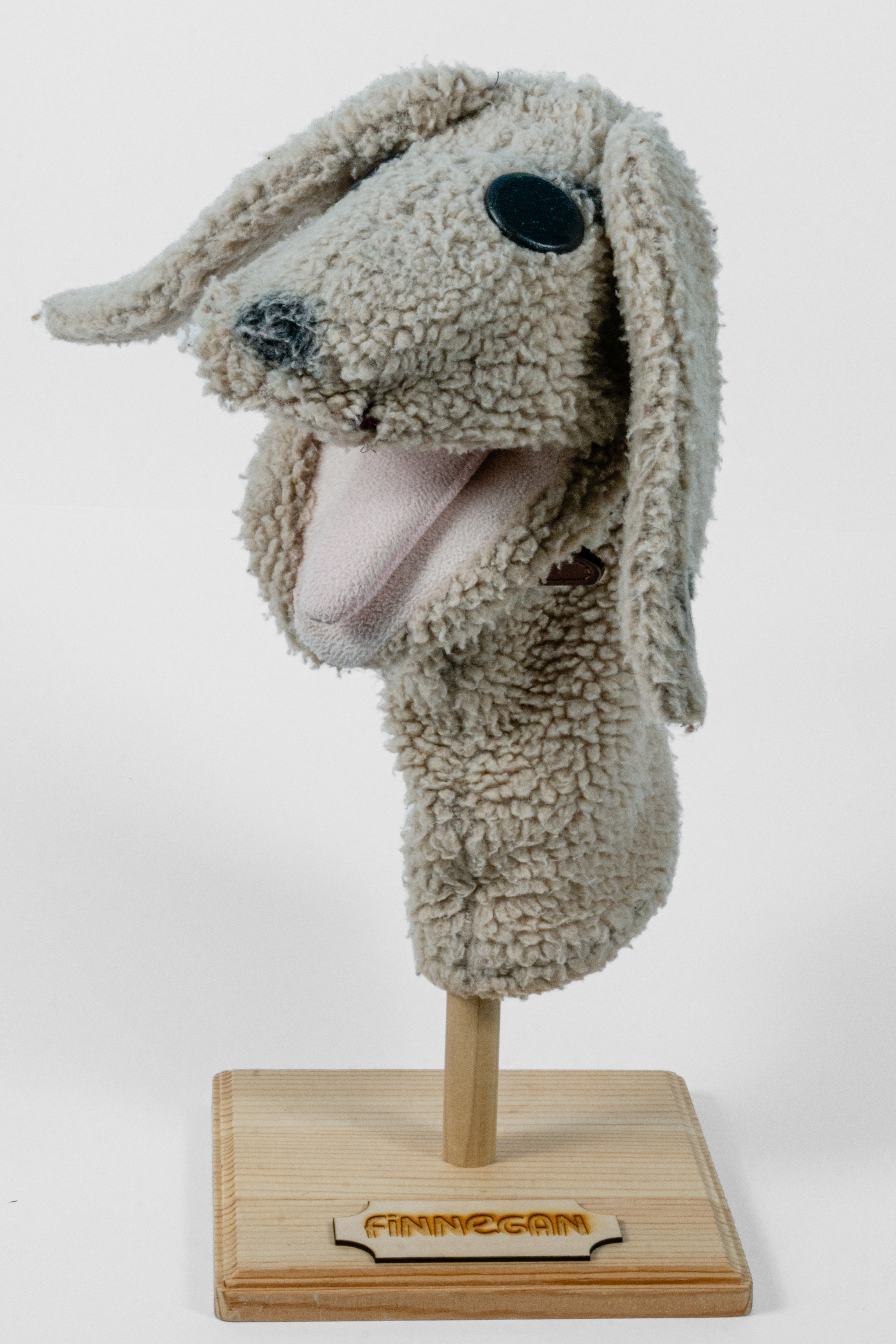
Mr. Dressup premiered on the CBC on February 13, 1967. The beloved series aired every weekday morning leading children through a series of songs, stories, arts, crafts and imagination games. Mr. Dressup was accompanied by his puppet friends Casey and Finnegan – a child and a dog who lived in a treehouse in Mr. Dressup’s backyard.
Due to the decades-long lifespan of the series, several generations of North American children grew up watching Mr. Dressup, etching the show into our cultural consciousness.
Comparisons are often drawn between Mr. Dressup and Mr. Rogers. Ernie Coombs played Mr. Dressup for the first time in 1964 on Butternut Square. Fred Rogers worked behind the scenes of this show until he decided to return to the US. Shortly after, in 1966, Rogers sold Mister Rogers’ Neighborhood to PBS.
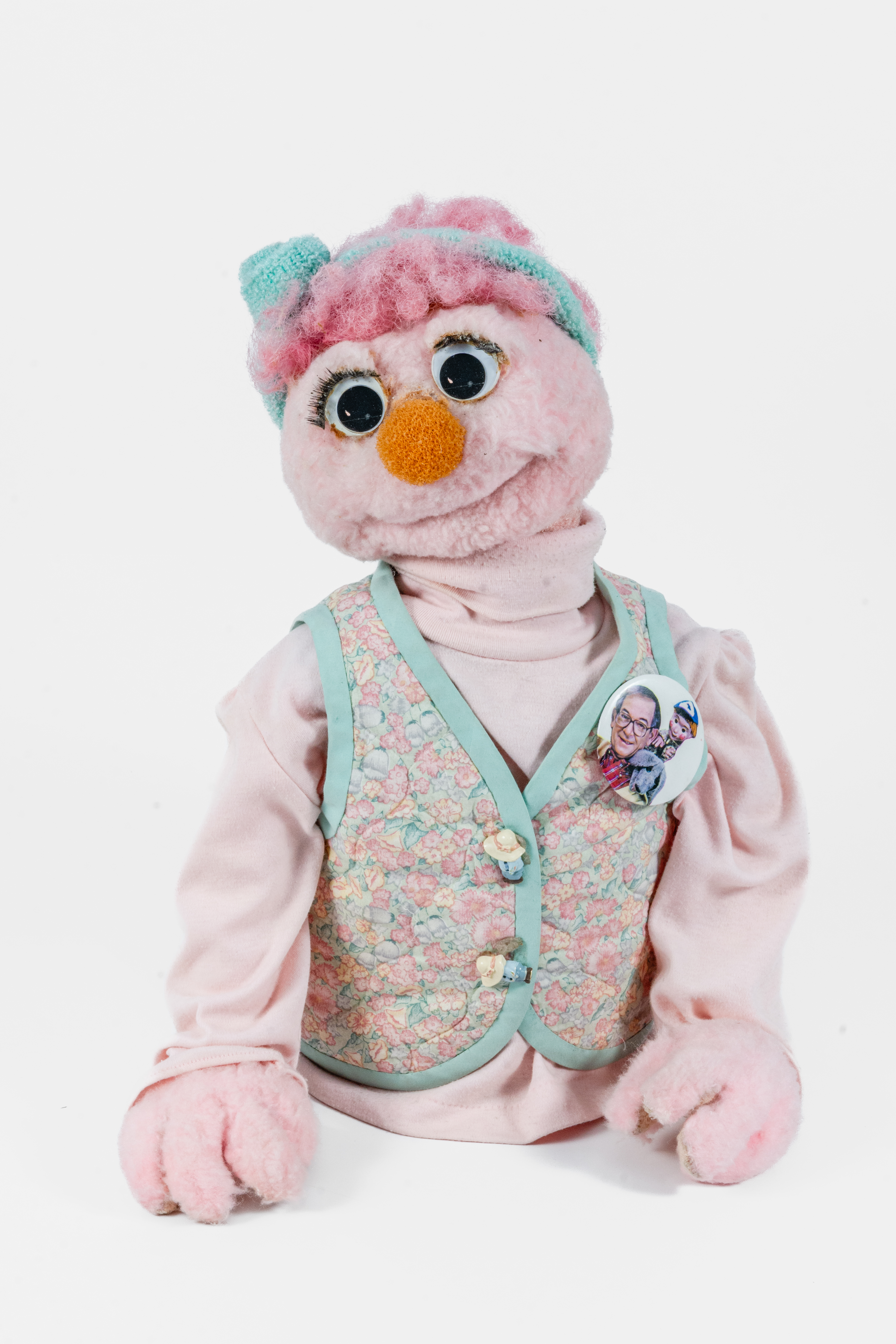
Uncle Bobby & Friends
In the Fall of 1964, CTV’s Toronto affiliate CFTO created a flagship series entitled Playtime with Uncle Bobby starring British vaudevillian performer Bobby Ash.
The series featured cartoons, singers, puppets, animals, and magic tricks. Later, in 1968, it was picked up by the national CTV network. Playtime with Uncle Bobby was the first children’s series in North America to feature sign language – via co-host Bev Marsh.
Ash became ubiquitous at charity events – performing tricks as Uncle Bobby, and covering the Eaton’s Toronto Santa Claus Parade for many years. His weekly show was devoured by a legion of devotees whom he called “Bobby Soxers.”
Ontario’s safety mascot Elmer the Elephant was a regular presence on the show, both as a character and a plastic statue.