Quick Facts
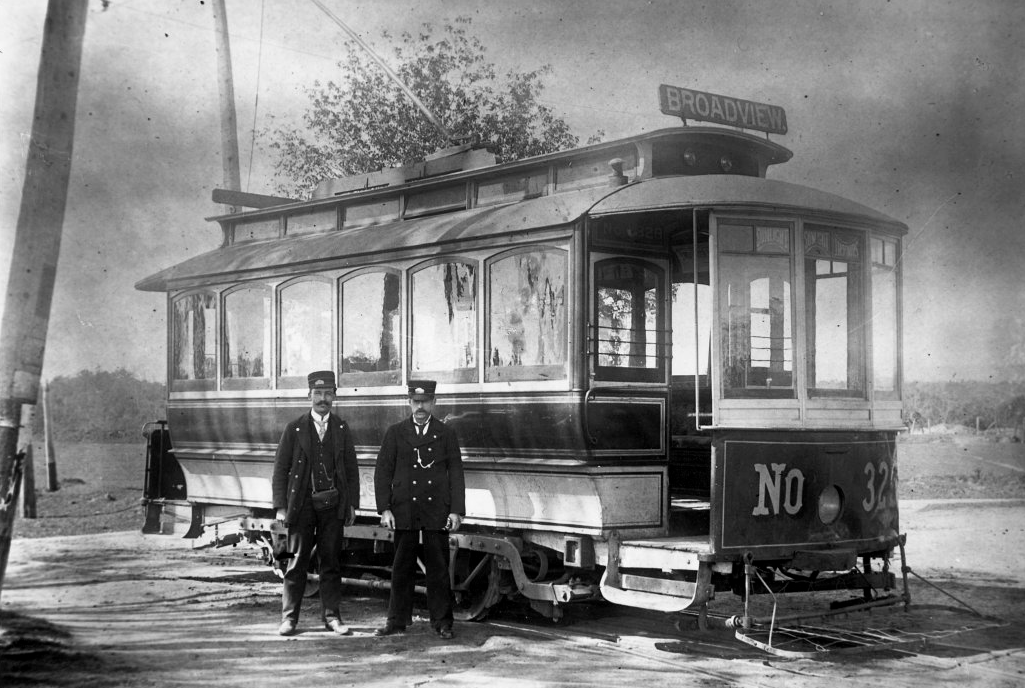
The City established the TTC in 1921 in response to complaints over poor service and accidents on the Toronto Railway Company’s privately-run streetcar network.
Toronto’s streetcar network reached its maximum extent in 1928, encompassing all of the old City of Toronto as well as parts of York and East York. Many streetcar lines were removed after the Second World war.
After the Second World War, the TTC maintained its streetcar operation in part by acquiring out-of-service streetcars from U.S. cities that had discontinued their own networks, such as Philadelphia, Birmingham, and Kansas City.
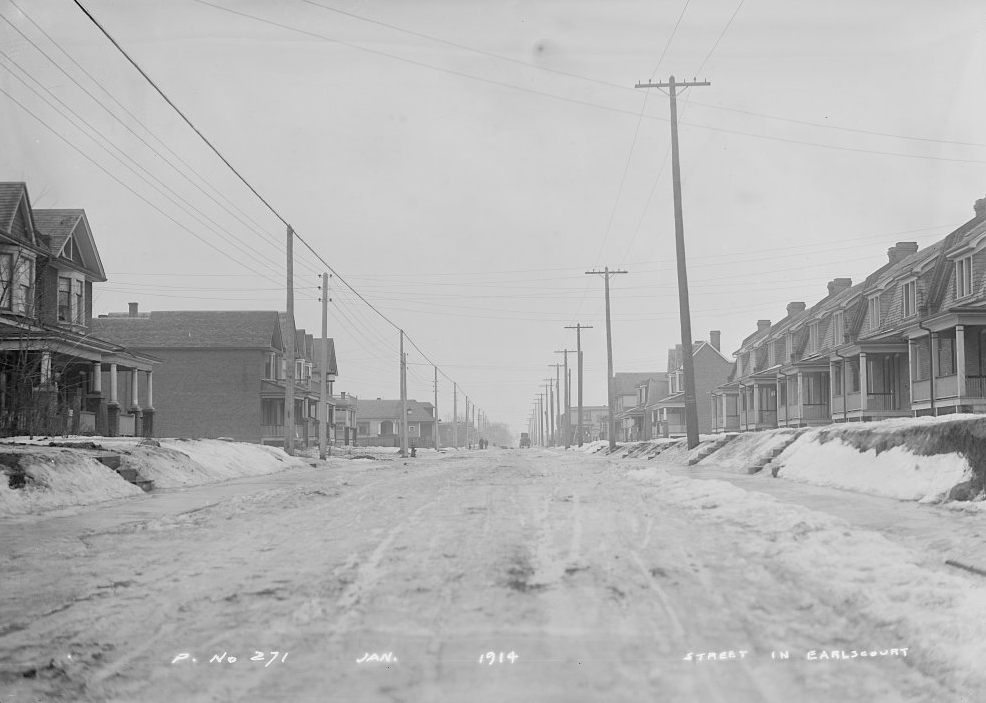
Transit improvements have led the city in new directions, catalyzing growth outside the urban core. Electric streetcar construction during the early 20th century sparked the growth of new suburbs such as Earlscourt, Mimico, and the Beach.
Toronto’s original streetcars were horse-drawn, but the advent of electric streetcars allowed factory workers to move away from dense, polluted downtown areas. In Toronto, privately owned electric streetcars were introduced in 1891 and the City established its own streetcar system, Toronto Civic Railways, in 1912.
With the streetcar as a catalyst, new suburbs emerged throughout the city as early commuter neighbourhoods, such as North Toronto and the Beach. For example, Earlscourt, located west of Bathurst Street along St. Clair Avenue was largely rural and occupied by British migrant workers. After the City annexed part of the area in 1909–1910, it built roads, water and sewer mains, and extended streetcar service along St. Clair West, accelerating Earlscourt’s emergence as a streetcar suburb.
Many of Earlscourt’s working class residents constructed their own houses, and the neighbourhood was noted in the 1920s for its strong sense of community. By the 1950s, a wave of Italian immigrants had moved from Little Italy, on College, to Earlscourt to purchase and remodel houses. The area remains a centre for Italian cultural life in Toronto, and has also become home to many Latin American immigrants.