Welcome to
Toronto's
city museum.
Discover the city’s stories.
 In Person
 On Now
 Free
Free
The T.O. You Don’t Know
See your city differently
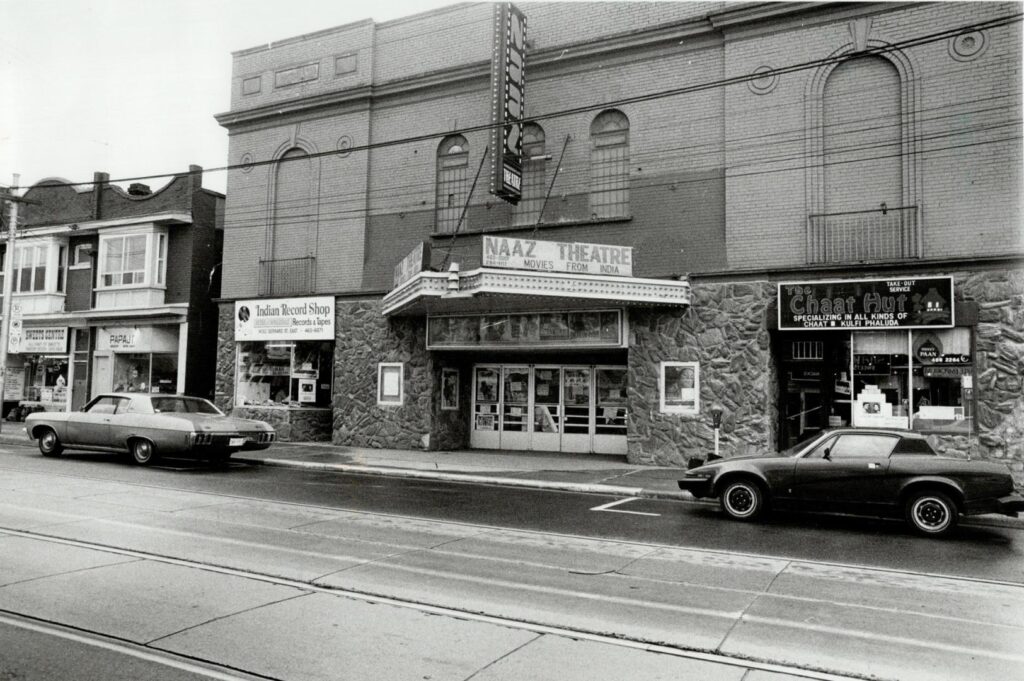
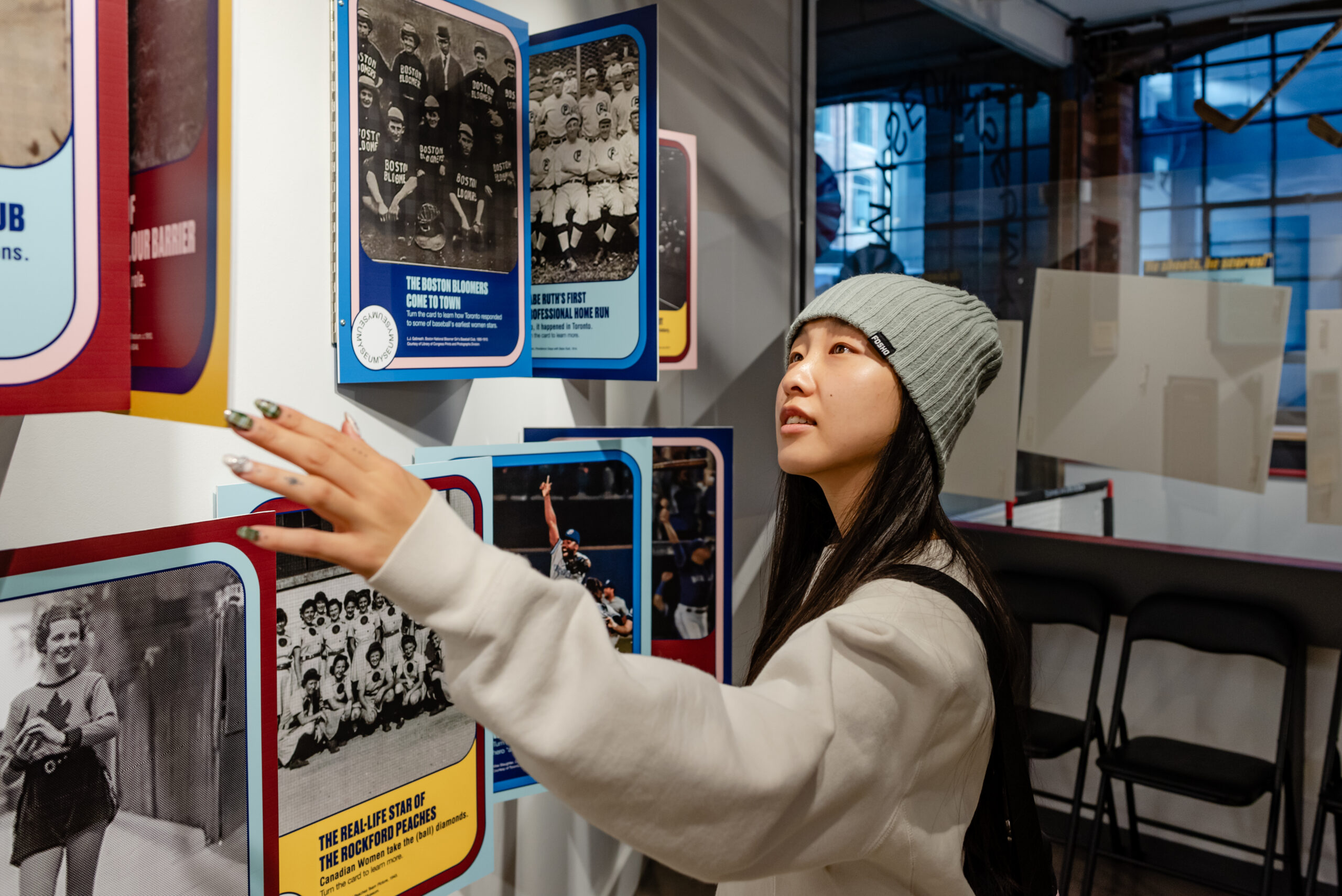
The T.O. You Don’t Know uncovers hidden stories Toronto has long overlooked—through 50+ historic sites, forgotten events, and fascinating local narratives and unique objects. It surfaces the ignored, the hyperlocal, and the quietly radical, reinforcing that history is not fixed, but layered and still unfolding.
Events
View all events
In person
Oct 21, 2026
Toronto Confessions: Love It or Hate It
Candid conversations with artists and community leaders about Toronto.
Event details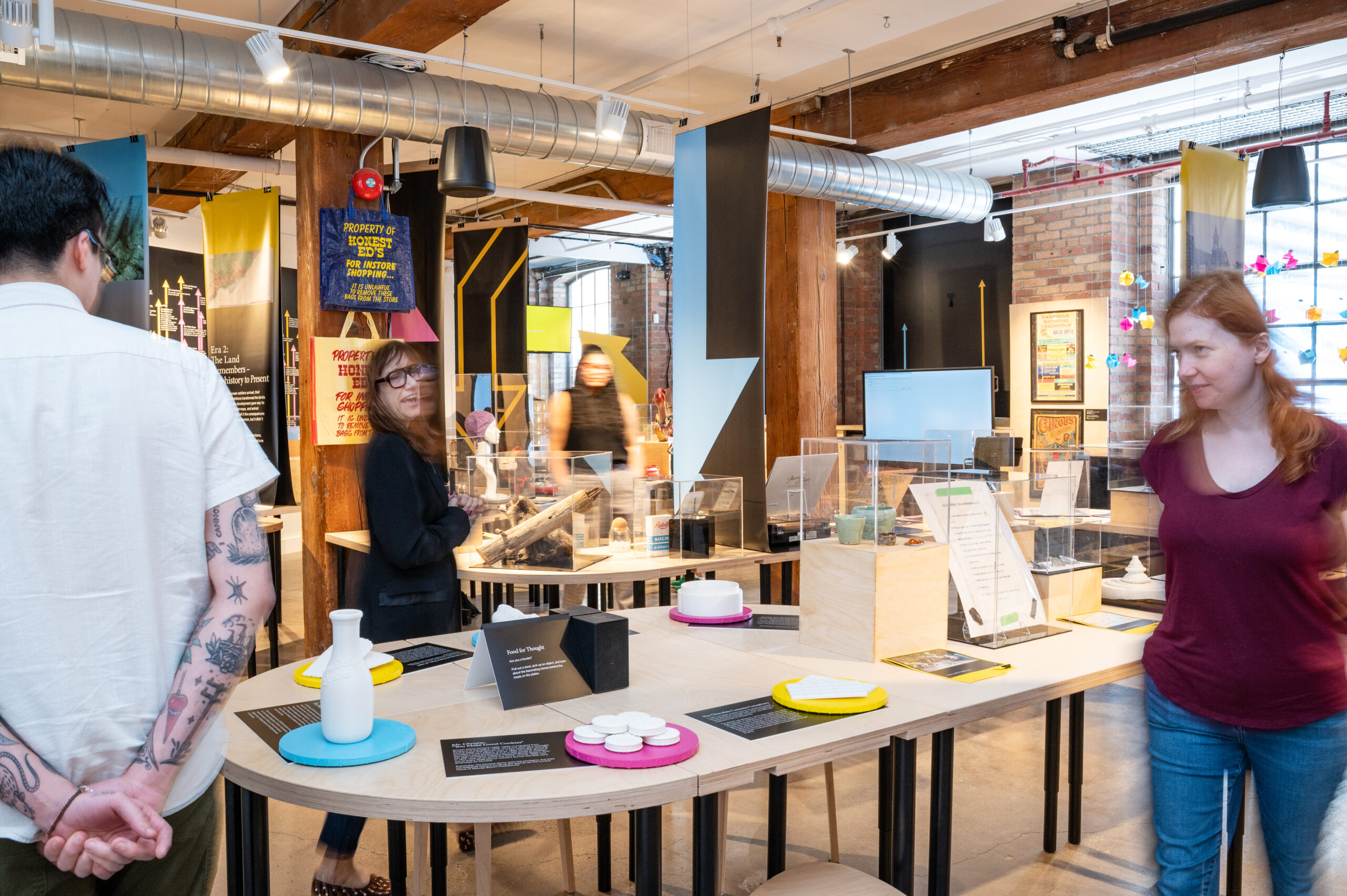
In person
Nov 24, 2026
Cacao in the City
Trace cacao’s journey from its Latin American origins to the chocolate we know today through stories
Event details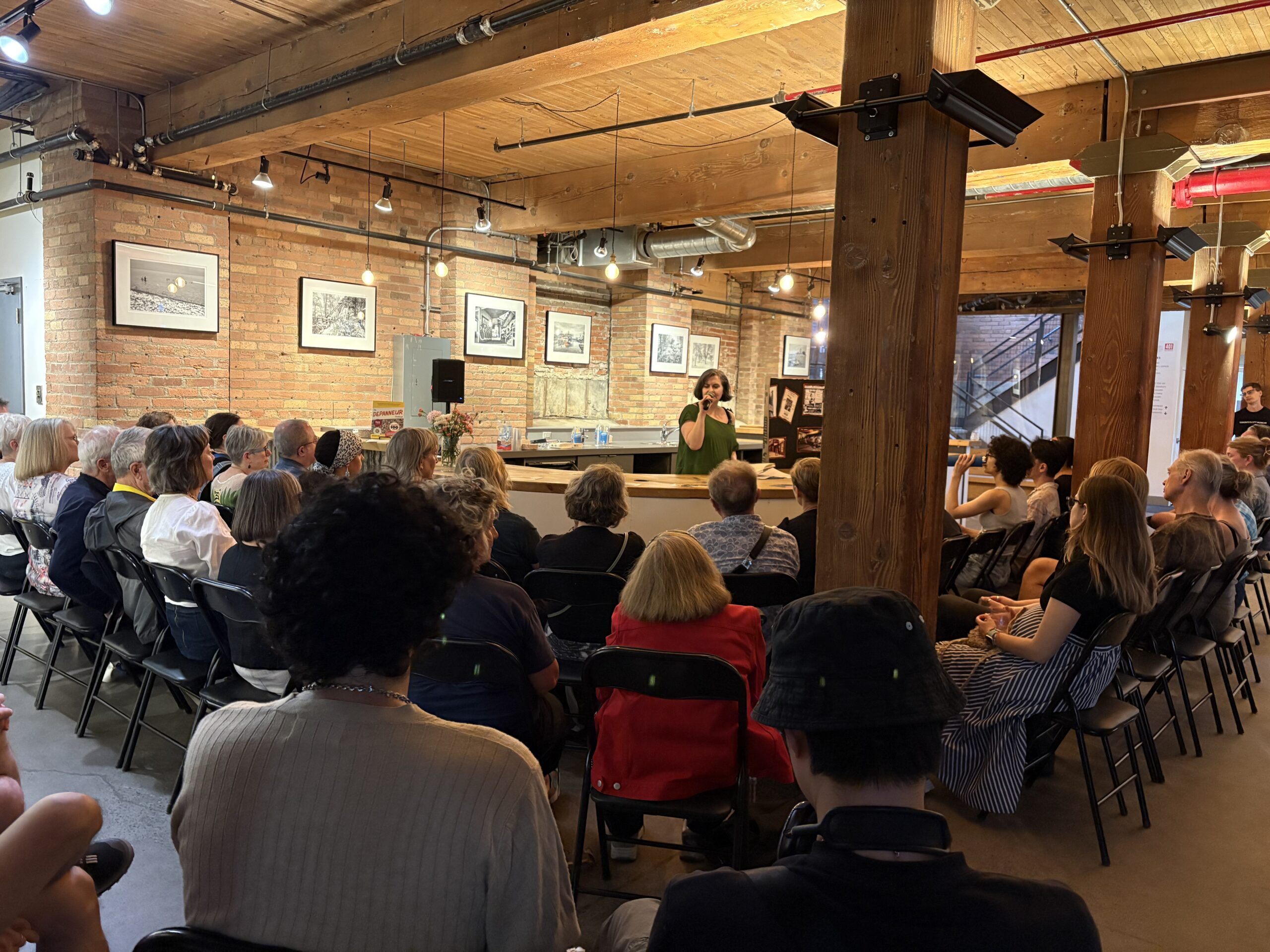
In person
Nov 19, 2026
Tastes of Toronto: Dim Sum & Stories from Chinatown
Discover the history of dim sum and Toronto’s Chinatowns through stories, tastings, and exhibition.
Event detailsAbout Museum
of Toronto
Toronto is a dynamic place that millions call home. It contains many histories. It changes by the hour. By inspiring curiosity and sharing stories, we foster deeper relationships between the people and places that shape it. We invite you to rediscover the city and connect with one another. Getting Toronto, together. The Museum of Toronto is your city’s cultural hub for exhibits, events, and Toronto history.
Learn moreThese are the Seven Ancestor Teachings.
Artist and cultural thought leader, Elder Dr. Duke Redbird of the Saugeen Ojibway First Nation, shares some lessons in good conduct learnt from Mother Earth.
Stay connected
Be the first to know about events, exhibitions, and updates coming to the Museum of Toronto.
sign up